
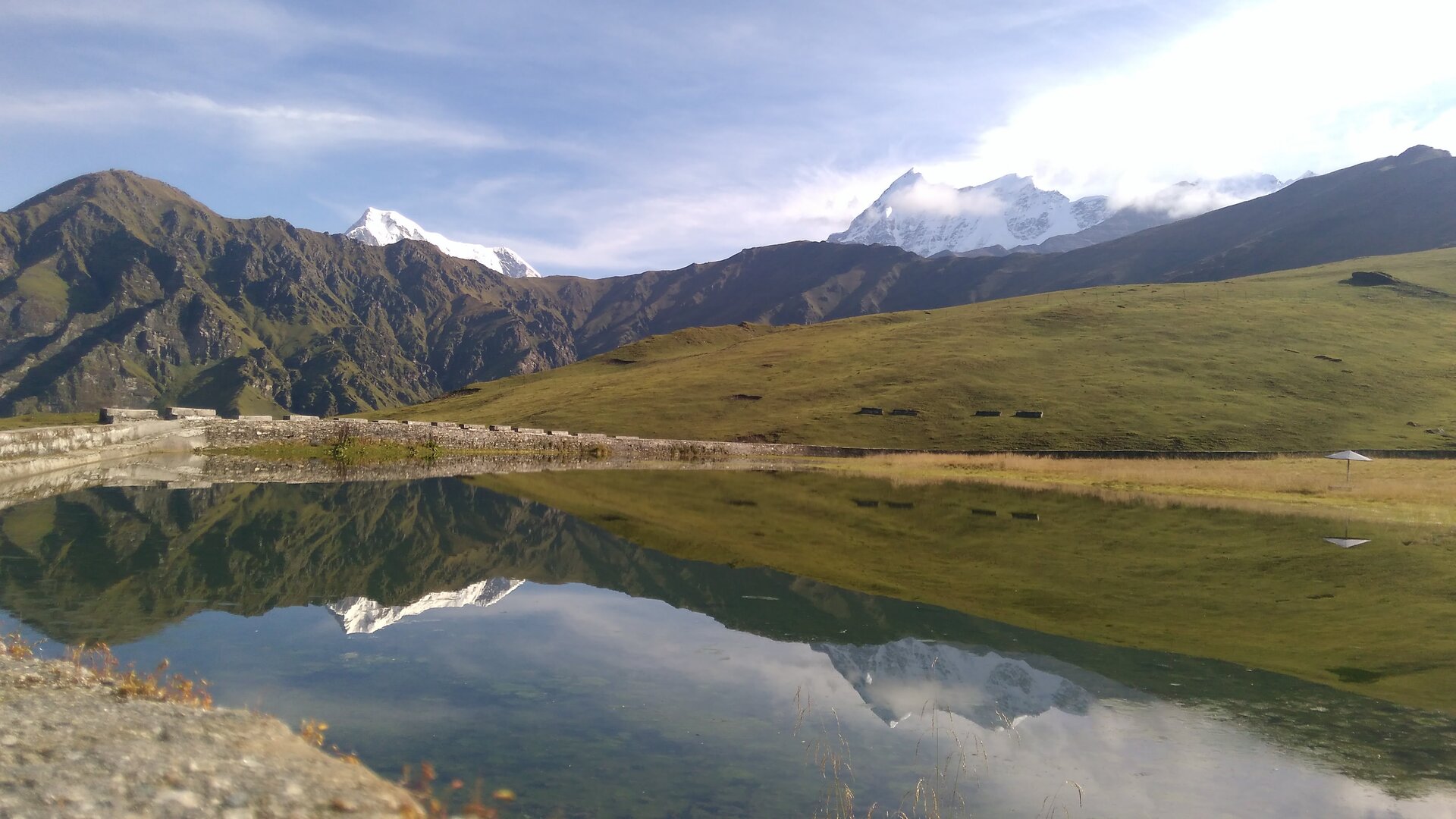
The Himalayas are home to countless beautiful trails, but only a handful leave such a lasting impression that trekkers return years later simply to experience them again. The Ali Bedni Bugyal Trek is undoubtedly one of those rare journeys. While many Himalayan treks are remembered for a dramatic summit, a glacial lake or a high mountain pass, Ali Bedni Bugyal is celebrated for something far more timeless—the endless rolling alpine meadows known as bugyals, where mountains, forests and sky merge into one of the grandest landscapes anywhere in the Indian Himalayas.
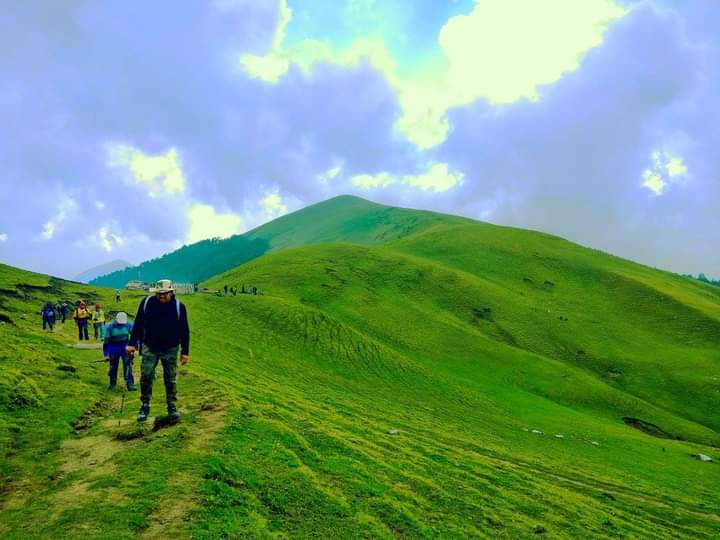

Located in the Chamoli district of Uttarakhand, this trek introduces you to India's largest connected alpine meadow system. The twin meadows of Ali Bugyal and Bedni Bugyal stretch across high mountain ridges overlooking the valleys below, offering uninterrupted views of some of Garhwal's most celebrated Himalayan giants including Trishul, Nanda Ghunti, and on exceptionally clear days, even the distant Chaukhamba massif.
Unlike many Himalayan treks where the destination is reached only after days of strenuous climbing, Ali Bedni Bugyal rewards trekkers almost continuously. Every stage of the journey feels unique—from ancient mountain villages and centuries-old oak forests to sacred alpine lakes and vast meadows glowing under changing light throughout the day. Sunrise paints the grasslands golden, afternoon clouds create dramatic shadows across the rolling landscape, while sunset transforms the entire ridge into a canvas of constantly changing colours.
What truly distinguishes this trek, however, is its remarkable versatility. Families attempting their first Himalayan adventure, photographers searching for dramatic landscapes, seasoned trekkers seeking solitude, birdwatchers, botanists and winter enthusiasts all discover something uniquely memorable here. Few Himalayan trails remain equally rewarding during spring, autumn and winter, yet Ali Bedni Bugyal manages to reinvent itself with every season.
Spring blankets the forests with blooming rhododendrons and fresh mountain flowers. Autumn offers crystal-clear mountain views and forests glowing with shades of gold and orange. Winter transforms the meadows into pristine snowfields, creating one of India's finest beginner-friendly snow trekking experiences. Every season reveals an entirely different personality of the same mountain landscape.
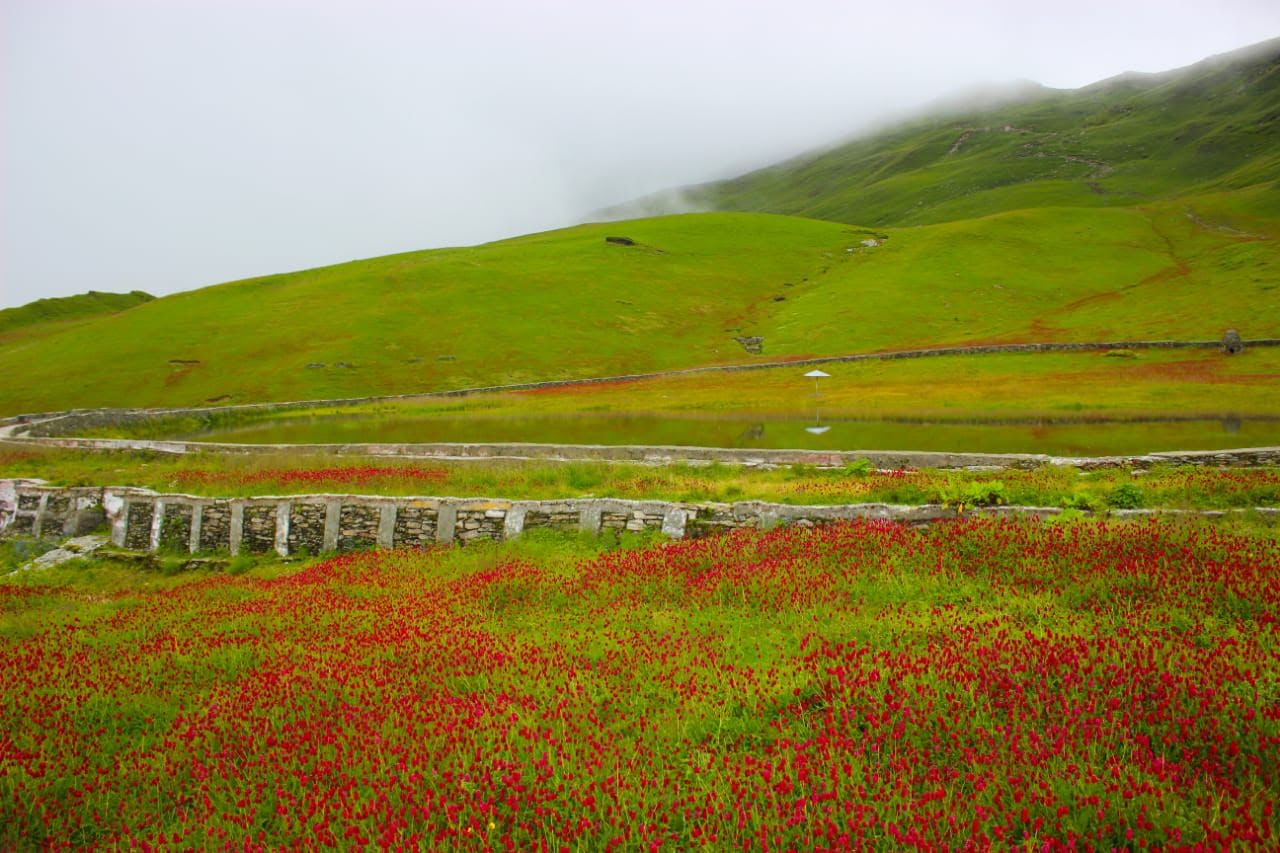
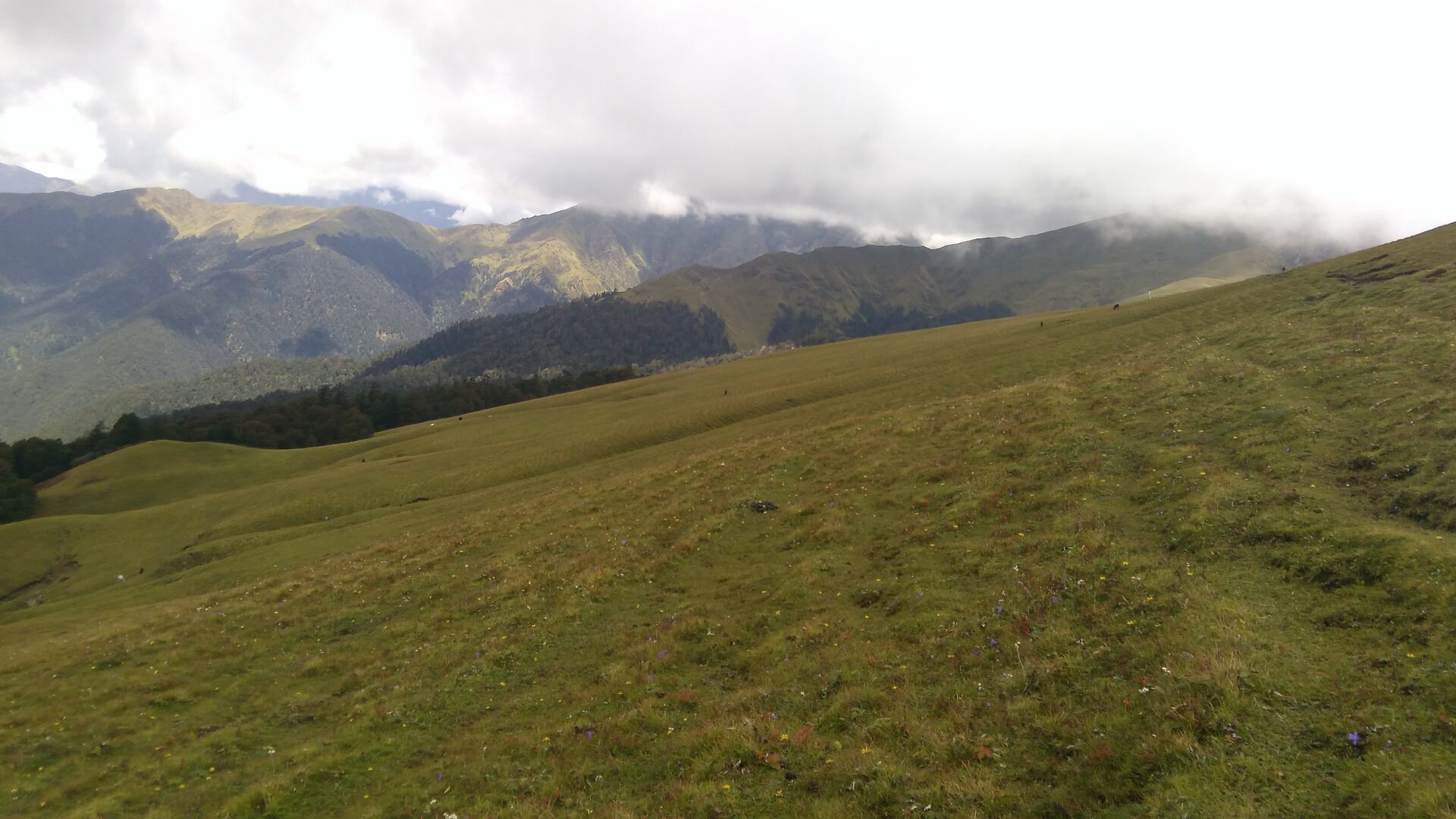
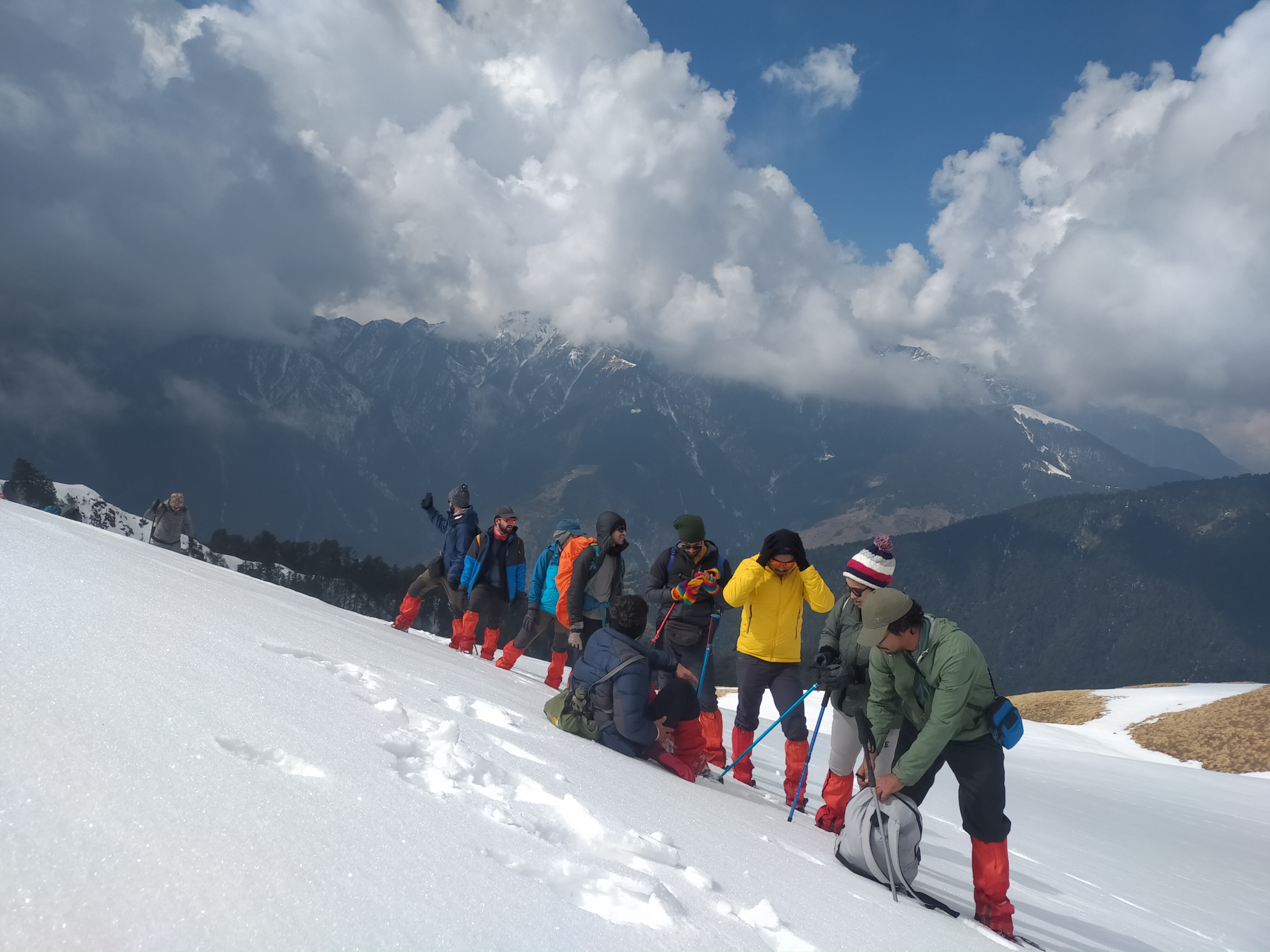
Table of Contents
- Why Ali Bedni Bugyal is One of India's Finest Treks
- Understanding the Himalayan Bugyals
- Mythology & The Sacred Nanda Devi Raj Jat Route
- Landscape, Mountains & Scenic Highlights
- Best Time to Visit Ali Bedni Bugyal
- Difficulty, Fitness & Who Should Do This Trek
- Flora, Fauna & Biodiversity
- Weather Throughout the Year
- Camping Experience & Mountain Nights
- Photography Guide
- Permits & Forest Regulations
- Network, Electricity & Essentials
- Preparing for the Trek
- Packing & Gear Recommendations
- Choosing Your Perfect Season
- Responsible Trekking Practices
- The Planethimalayas Experience
- Explore the Complete Trek Itinerary
- Further Reading & Preparation Guides
- Frequently Asked Questions
Why Ali Bedni Bugyal is One of India's Finest Treks
Every famous Himalayan trek has a defining feature. Some are remembered for towering glaciers. Others for dramatic mountain passes, alpine lakes or challenging summit climbs. Ali Bedni Bugyal earns its reputation through something altogether different—a landscape so vast and open that it changes your perception of Himalayan trekking itself.
The word "Bugyal" refers to high-altitude alpine meadows found only in certain parts of the Himalayas. While many treks briefly pass through isolated patches of grassland, Ali and Bedni together form one enormous meadow ecosystem stretching across mountain ridges for kilometres. Walking here feels less like crossing a trail and more like wandering through an endless natural amphitheatre suspended above the forests.
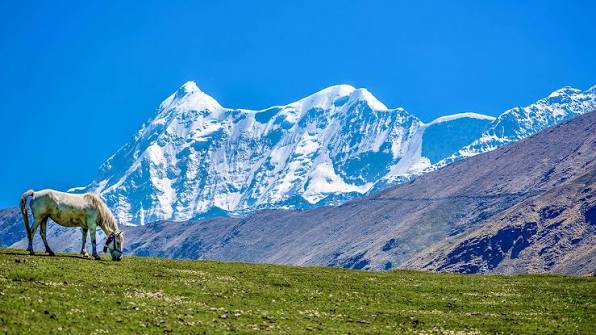
Unlike narrow forest trails where views remain hidden until a viewpoint appears, Ali Bedni Bugyal offers almost uninterrupted Himalayan panoramas once you emerge above the tree line. Massive ridges roll away in every direction while snow-covered peaks dominate the northern skyline, creating one of the most immersive mountain experiences available to trekkers in India.
Another remarkable quality of this trek is its accessibility. The route follows a well-established trail beginning from the traditional Himalayan village of Wan and never demands technical mountaineering skills. As a result, it has become one of the few high-altitude Himalayan experiences suitable for beginners, families with older children and photographers who wish to experience spectacular landscapes without crossing dangerous glaciers or difficult mountain passes.
Yet simplicity should never be mistaken for ordinary. Spend just one evening watching changing light sweep across the Bedni Bugyal grasslands beneath the imposing faces of Trishul and Nanda Ghunti, and it becomes immediately obvious why this trail consistently appears among India's most celebrated Himalayan treks.
Explore our complete trek itinerary, fixed departures, pricing, inclusions and availability on the Ali Bedni Bugyal Trek page →
Understanding the Himalayan Bugyals
One of the most fascinating aspects of this trek is that it introduces visitors to a landscape found almost nowhere else in the world. The Himalayan Bugyals are vast alpine grasslands that develop above the dense oak and rhododendron forests but below the permanent snowline. These fragile ecosystems remain snow-covered during winter, burst into colourful bloom during spring and monsoon, and transform into golden rolling carpets during autumn.
Ali Bugyal and Bedni Bugyal together represent one of the largest continuous Bugyal systems in India. Rather than existing as isolated meadows, they form an interconnected high-altitude plateau that stretches across mountain ridges for several kilometres. Walking through these open grasslands creates an extraordinary sense of space rarely experienced elsewhere in the Himalayas.
Beyond their breathtaking beauty, Bugyals are ecologically significant landscapes supporting unique alpine flowers, medicinal plants, seasonal grazing grounds and delicate mountain ecosystems that have sustained Himalayan communities for centuries.
Understanding these fragile environments makes the trekking experience even more meaningful and reminds every visitor why responsible mountain travel is essential for preserving these extraordinary landscapes.
Mythology & The Sacred Nanda Devi Raj Jat Route
The Ali Bedni Bugyal Trek is far more than a scenic walk through alpine meadows. For centuries, these mountains have held deep spiritual significance for the people of Garhwal. Every ridge, forest and meadow along this route forms part of one of the Himalayas' most revered pilgrimage traditions—the Nanda Devi Raj Jat Yatra.
Often referred to as the Himalayan Kumbh, the Raj Jat Yatra is organised only once every twelve years and attracts thousands of devotees from villages throughout Uttarakhand. The pilgrimage symbolically represents Goddess Nanda Devi's journey from her maternal home towards her divine abode in the high Himalayas.
According to local beliefs, Nanda Devi is regarded as the daughter of these mountains and the consort of Lord Shiva. The trail from Wan through Bedni Bugyal eventually continues towards Roopkund and Homkund, retracing the sacred route followed by the historic procession. Even outside pilgrimage years, locals continue to treat the region with immense respect, considering many locations spiritually significant.
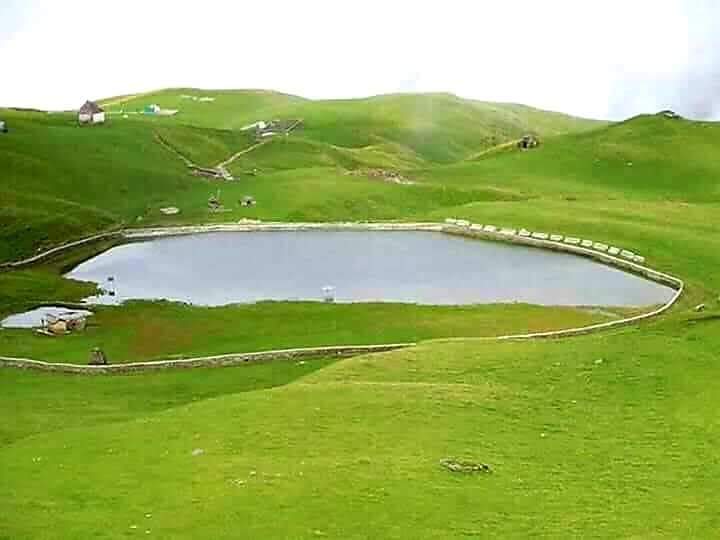
One such place is the serene Bedni Kund, a small alpine lake resting quietly within the vast Bugyal. On calm mornings, its crystal-clear waters reflect the mighty faces of Trishul and Nanda Ghunti, creating one of the most photographed scenes anywhere in Uttarakhand.
Whether or not one follows the spiritual traditions, understanding this cultural heritage adds another dimension to the journey. You are not simply walking through beautiful landscapes—you are travelling across paths that have connected Himalayan communities, folklore and faith for generations.
Landscape, Mountains & Scenic Highlights
The greatest strength of the Ali Bedni Bugyal Trek lies in how dramatically the landscape changes over a relatively short distance. Every stage introduces a completely different environment, making the journey feel remarkably diverse despite its moderate length.
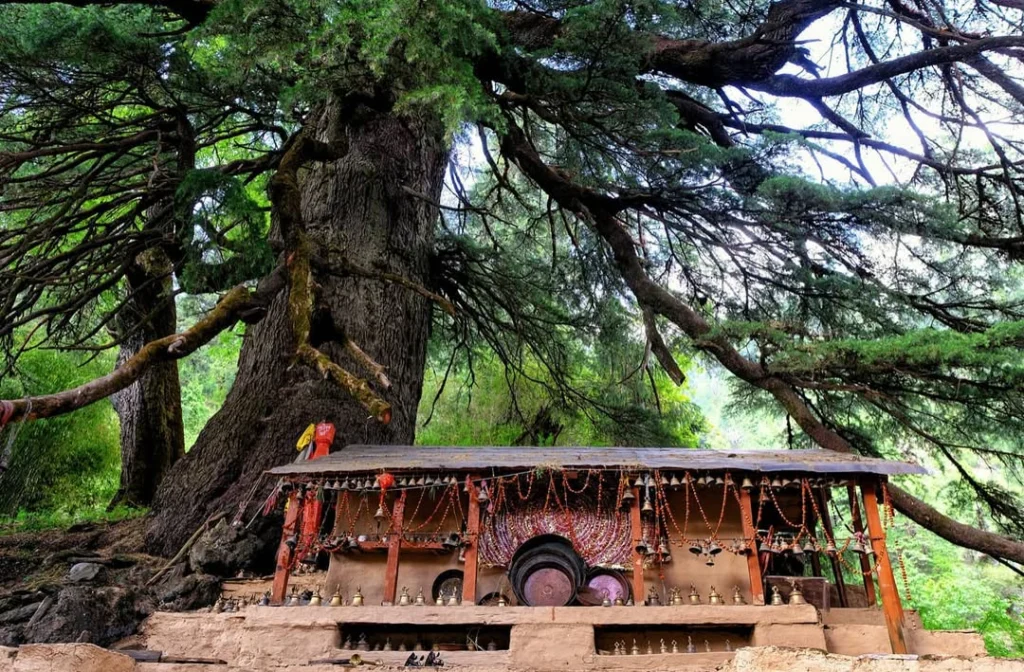
The trek begins in Wan Village, one of Uttarakhand's oldest mountain settlements. Traditional wooden homes, ancient deodar and oak trees, terraced fields and the historic Latu Devta Temple immediately immerse trekkers in Garhwali mountain culture before the trail even enters the forest.
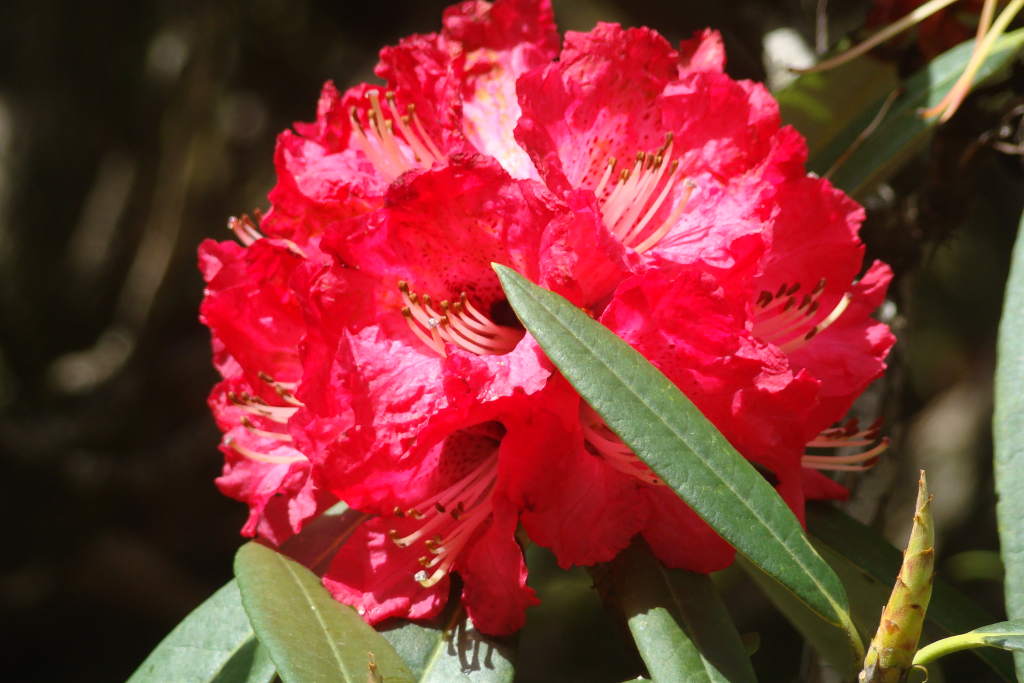
Beyond Wan, the route descends towards the beautiful Neel Ganga River, crossing wooden bridges before gradually climbing through dense forests of oak, rhododendron, pine and birch. Throughout spring these forests explode into vibrant colours as rhododendrons bloom in brilliant shades of crimson and pink, while autumn transforms the canopy into warm hues of gold and amber.
Eventually the forest begins to thin, sunlight floods the trail, and almost without warning the landscape opens into one of India's most spectacular alpine meadows—Bedni Bugyal.
No photograph truly prepares first-time visitors for the scale of these grasslands. Rolling ridges extend far beyond the visible horizon while enormous snow-covered peaks dominate the northern skyline. Unlike many Himalayan viewpoints that require a steep final climb, here the views remain with you throughout the walk.
Standing on the Bugyal, the eye naturally drifts towards two magnificent mountains:
- Trishul (7,120 m) — one of Uttarakhand's most iconic Himalayan peaks.
- Nanda Ghunti (6,309 m) — rising elegantly above the northern ridge.
On exceptionally clear mornings, the distant Chaukhamba massif and neighbouring Garhwal peaks also reveal themselves, completing an unforgettable Himalayan panorama.
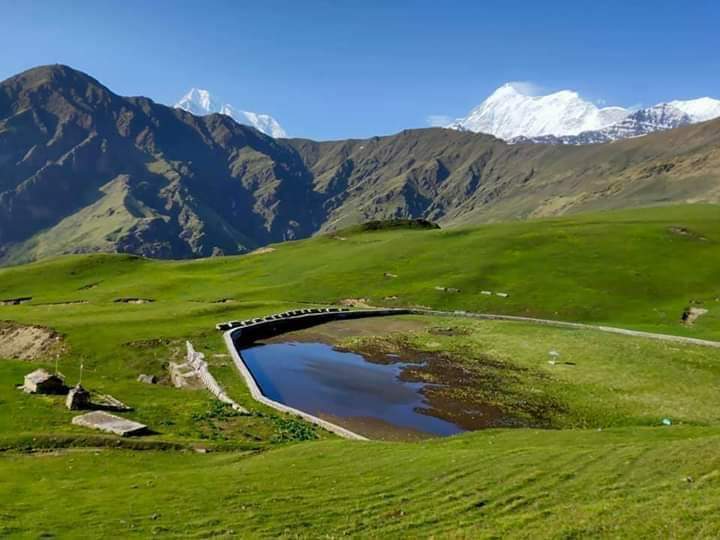
One of the most memorable experiences here is simply watching the landscape change throughout the day. Morning sunlight creates long golden shadows across the meadows, afternoon clouds paint constantly shifting patterns over the grasslands, while sunset bathes the entire ridge in warm shades of orange and crimson before darkness slowly settles across the valley below.
Unlike summit-focused treks where the objective lasts only a few minutes, Ali Bedni Bugyal rewards trekkers every hour they spend on the mountain.
Best Time to Visit Ali Bedni Bugyal
One reason Ali Bedni Bugyal remains among India's most popular Himalayan treks is its ability to offer a completely different experience in every season. Unlike many high-altitude routes that are enjoyable only during a narrow weather window, this trek transforms dramatically throughout the year while retaining its charm.
Spring (April to June)
Spring is widely regarded as the most colourful season on the trail. The forests below the Bugyals burst into bloom with rhododendrons, magnolias and countless Himalayan wildflowers. Small patches of melting snow often remain on higher slopes, creating beautiful contrasts between fresh green meadows and white mountain ridges.
Weather remains pleasant, visibility is generally excellent and temperatures are comfortable for first-time trekkers.
Autumn (September to November)
Autumn offers perhaps the clearest mountain views of the year. The monsoon washes dust from the atmosphere, producing remarkably crisp visibility. Forests gradually change colour while golden grasslands contrast beautifully against deep blue skies and freshly snow-covered Himalayan peaks.
Photographers particularly favour this season for its stable weather and exceptional sunrise and sunset conditions.
Winter (December to March)
As winter arrives, Ali and Bedni Bugyal transform into an endless blanket of snow. The familiar grassy ridges disappear beneath pristine white slopes, creating one of India's finest beginner-friendly snow trekking experiences.
Although temperatures fall well below freezing during the night, the trail remains technically straightforward. Trekkers willing to prepare adequately are rewarded with quiet trails, sparkling snowfields and breathtaking Himalayan scenery.
Before choosing a snow trek, read our detailed guide on Winter Trek Preparation Guide to prepare for cold-weather conditions.
Difficulty, Fitness & Who Should Do This Trek
One of the reasons Ali Bedni Bugyal consistently ranks among India's best Himalayan treks is that it offers spectacular scenery without demanding advanced trekking experience. Unlike glacier traverses or high mountain passes where technical terrain becomes the primary challenge, this trail follows well-defined forest paths and grassy ridges, allowing trekkers to focus on enjoying the journey rather than negotiating difficult obstacles.
That said, this is still a Himalayan trek reaching over 3,500 metres. Good preparation makes the experience far more enjoyable. While beginners regularly complete this trek successfully, arriving with a reasonable level of cardiovascular fitness allows you to appreciate the scenery instead of struggling with every ascent.
If you can comfortably walk for 6–8 kilometres, climb several flights of stairs continuously and maintain regular physical activity for a few weeks before your trek, you'll likely find Ali Bedni Bugyal both manageable and immensely rewarding.
Read our preparation guides before your adventure:
Flora, Fauna & Biodiversity
Ali Bedni Bugyal lies within one of Uttarakhand's richest mountain ecosystems. Every few hundred metres of altitude brings noticeable changes in vegetation, making the trek particularly rewarding for nature lovers, birdwatchers and wildlife enthusiasts.
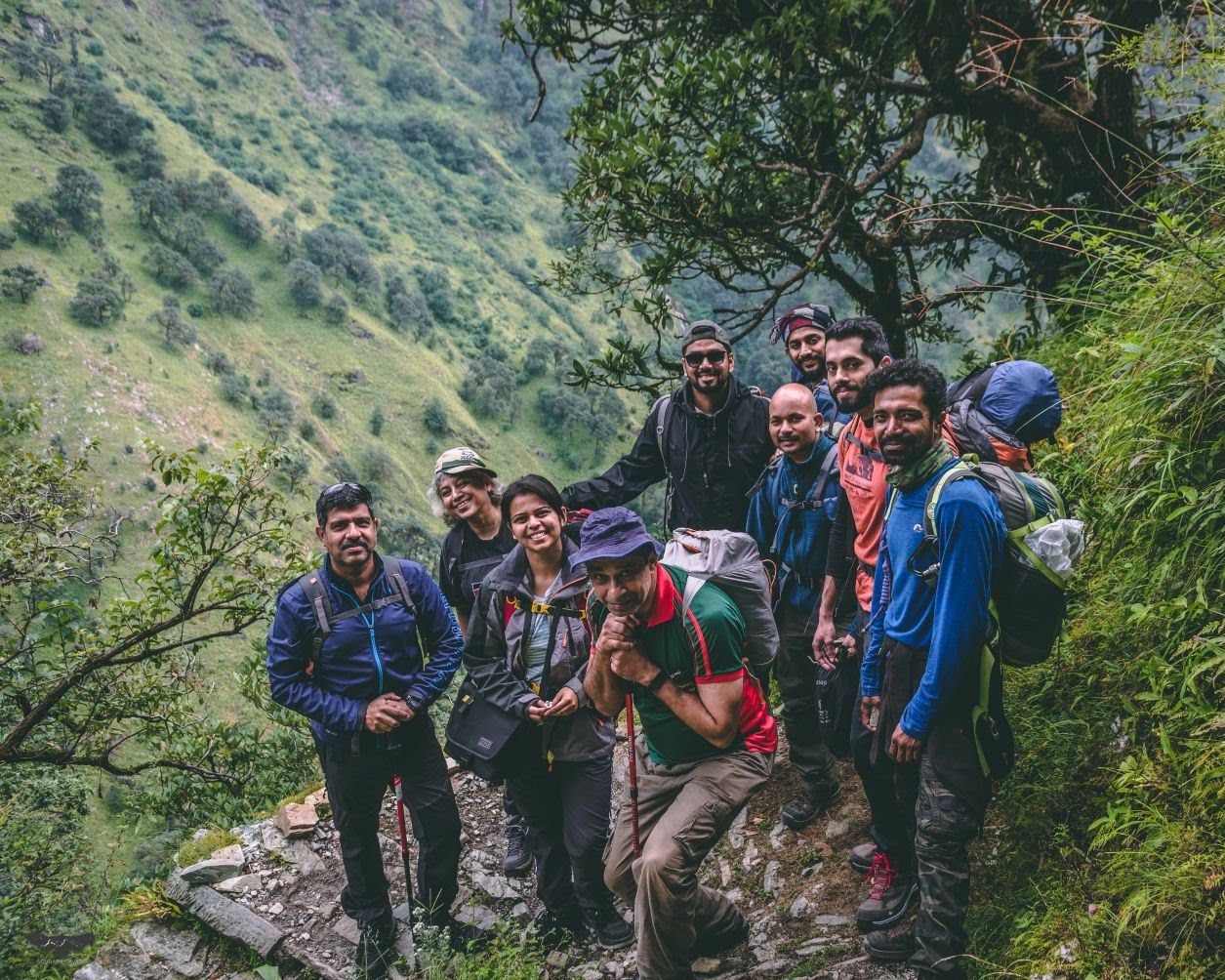
Forests
The lower sections of the trail are dominated by magnificent forests of oak, birch, pine and rhododendron. Many of these trees are several centuries old, their massive trunks bearing witness to generations of pilgrims and trekkers passing through Wan.
During spring, rhododendrons transform entire hillsides into brilliant shades of crimson, while magnolias and numerous native flowers bloom beneath the forest canopy.
Alpine Meadows
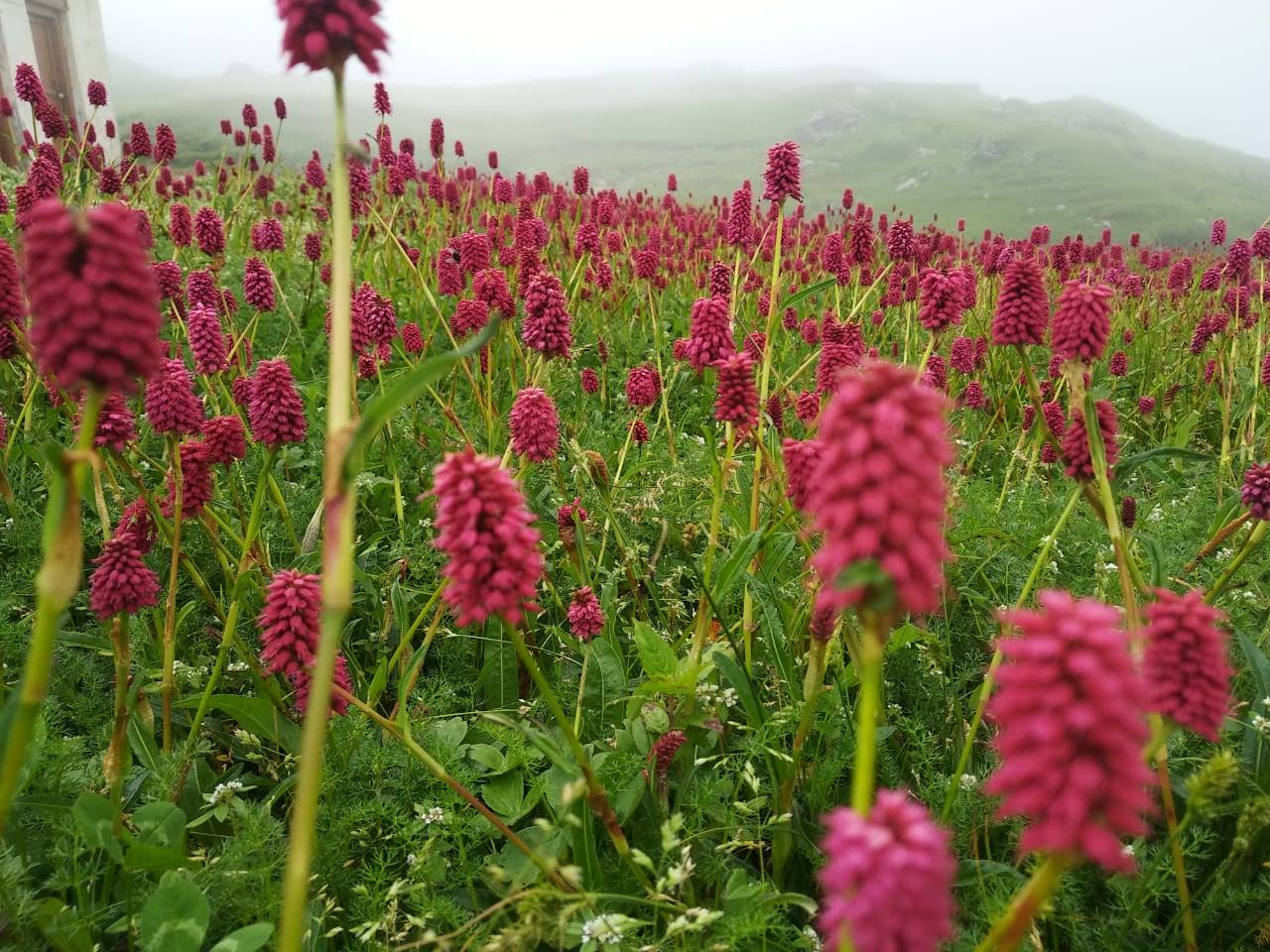
As the trail climbs above the tree line, the forests give way to the famous Bugyals. These alpine grasslands support a remarkable variety of seasonal flowers and medicinal herbs. During and immediately after the monsoon, the meadows become dotted with tiny Himalayan blossoms including buttercups, Himalayan fleece flowers and numerous alpine species that survive only in these fragile high-altitude environments.
Wildlife
Although wildlife sightings are never guaranteed, the forests surrounding Ali Bedni Bugyal are home to Himalayan black bears, leopards, barking deer, foxes and bharal (blue sheep). Smaller mammals, reptiles and countless insects also form an important part of the mountain ecosystem.
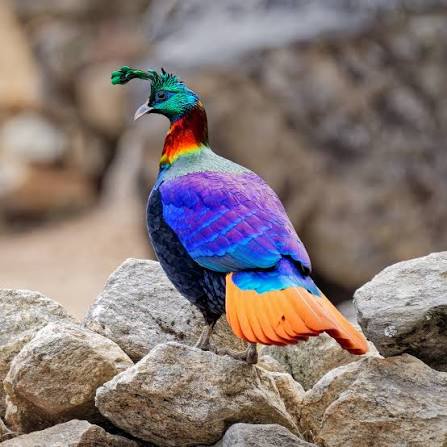
Bird enthusiasts should keep an eye out for the spectacular Himalayan Monal—the state bird of Uttarakhand—along with magpies, laughing thrushes, sunbirds, woodpeckers and numerous high-altitude raptors soaring above the valleys.
Responsible trekking ensures these habitats remain undisturbed for generations of wildlife as well as future trekkers.
Weather Throughout the Year
Weather in the Himalayas changes rapidly, even during stable seasons. A bright sunny morning can easily give way to clouds, wind or afternoon showers, especially around higher ridges. Understanding these changing mountain conditions helps trekkers pack appropriately and enjoy the experience comfortably.
| Season | Day Temperature | Night Temperature | Highlights |
|---|---|---|---|
| Spring | 10°C – 18°C | 0°C to 5°C | Flowers, pleasant weather, patches of snow |
| Autumn | 8°C – 16°C | -2°C to 4°C | Crystal-clear mountain views |
| Winter | 0°C – 10°C | -8°C to -12°C | Snow-covered meadows and peaceful trails |
Regardless of season, always prepare for colder nights and occasional weather changes. Carrying proper clothing is far more important than relying on weather forecasts alone.
Camping Experience & Mountain Nights
Camping at Bedni Bugyal is often described as the highlight of the entire trek. As evening approaches, the surrounding mountains slowly change colour while the alpine meadows become quieter with every passing minute. Without city lights, the night sky transforms into an extraordinary display of stars stretching from horizon to horizon.
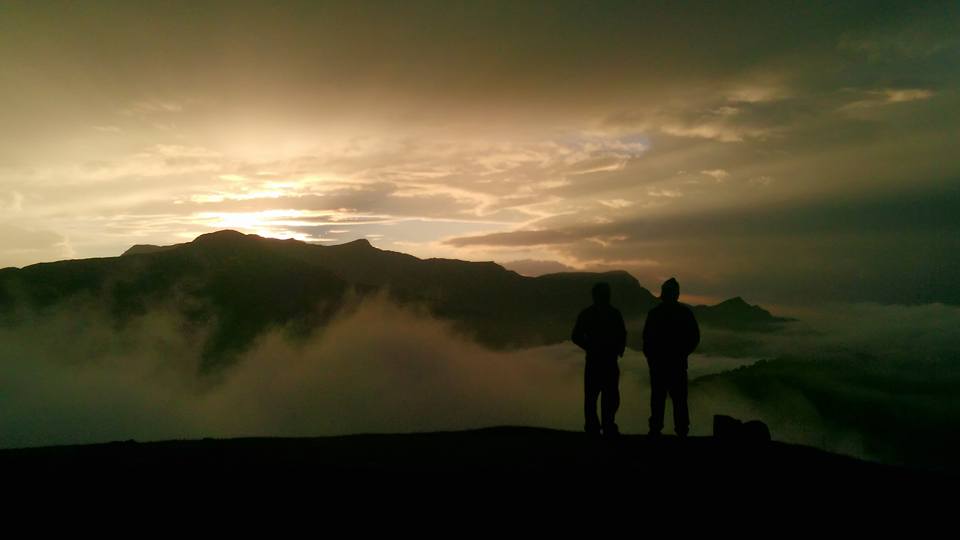
Wake before sunrise and you'll witness one of the most memorable spectacles of the trek. The first rays of sunlight gradually illuminate Trishul and Nanda Ghunti while the meadow remains wrapped in cool morning mist. Few Himalayan campsites offer such uninterrupted views directly from your tent.
These peaceful evenings and spectacular mornings are often what trekkers remember long after completing the journey.
Photography Guide
Ali Bedni Bugyal is a paradise for photographers in every season. Wide alpine landscapes, ancient forests, dramatic mountain backdrops and constantly changing light provide endless opportunities for landscape, wildlife and travel photography.
Don't miss these locations:
- Traditional homes and village life in Wan.
- The historic Latu Devta Temple.
- The Neel Ganga bridge crossing.
- Morning light entering the oak forests.
- Bedni Kund reflecting Trishul.
- Golden hour across Bedni Bugyal.
- Winter snowfields stretching across Ali Bugyal.
- Star trails above the campsite.
Carry spare batteries, as colder temperatures reduce battery life considerably, particularly during winter departures.
Permits & Forest Regulations
Ali Bedni Bugyal falls under the protected forests of Uttarakhand and trekking within the region requires permission from the Forest Department. Every trekker entering the trail contributes towards conservation through forest permit fees, camping charges and environmental regulations designed to preserve these fragile alpine ecosystems.
For trekkers joining an organised departure with Planethimalayas, all forest permissions, campsite permissions and local formalities are handled well in advance, allowing you to simply enjoy the experience.
Independent trekkers should obtain updated permit information from the Forest Department at Lohajung or coordinate with a registered local operator before beginning the trek, as permit rules and charges may change over time.
Forest authorities also regulate camping locations and waste management. Responsible trekking isn't optional—it's essential for protecting these fragile Himalayan Bugyals.
Network, Electricity & Essential Facilities
Despite its remote setting, Ali Bedni Bugyal is comparatively better connected than many Himalayan trekking destinations.
- Mobile Network: Available at Wan village and occasionally at a few open viewpoints depending upon service provider and weather.
- Electricity: Available in Wan village and homestays before and after the trek.
- Charging: Limited or unavailable once you leave the village.
- ATM: Complete your cash withdrawals before reaching Wan.
- Medical Facilities: Basic facilities exist in nearby towns but none once the trek begins.
Although charging facilities may be available before the trek starts, never depend entirely on mountain electricity. Carry all electronic devices fully charged along with a power bank capable of lasting the entire trek.
Preparing for the Trek
Ali Bedni Bugyal may be considered a beginner-friendly Himalayan trek, but proper preparation dramatically improves the overall experience. Arriving fit allows you to enjoy the changing forests, vast meadows and magnificent mountain views instead of constantly worrying about fatigue.
Rather than repeating complete preparation advice here, we've created detailed guides covering every important topic separately.
Reading these preparation guides before your departure will answer most of the common questions first-time Himalayan trekkers usually have.
Which Season Should You Choose?
One of the biggest advantages of Ali Bedni Bugyal is that it offers a rewarding experience in almost every trekking season. The best choice depends entirely on what you want from your journey.
| If you want... | Choose |
|---|---|
| Blooming rhododendrons and fresh greenery | Spring (April–June) |
| Crystal-clear Himalayan views | Autumn (September–November) |
| Snow trekking experience | Winter (December–March) |
| Best weather for beginners | Spring & Autumn |
| Photography | Autumn |
Unlike many Himalayan destinations that are famous for only one season, Ali Bedni Bugyal rewards repeat visits because each season completely transforms the landscape.
Responsible Trekking in the Bugyals
The Bugyals are among the Himalayas' most fragile ecosystems. Alpine grasslands recover extremely slowly once damaged, making responsible trekking especially important.
- Carry all non-biodegradable waste back.
- Avoid stepping outside established trails unnecessarily.
- Respect local customs and sacred sites such as Bedni Kund and Latu Devta Temple.
- Never disturb wildlife or alpine flowers.
- Minimise noise and leave campsites cleaner than you found them.
Every responsible trekker contributes towards ensuring these extraordinary meadows remain untouched for future generations.
The Planethimalayas Way
At Planethimalayas, we believe a trek should never feel like simply walking from one campsite to another. Every departure is carefully designed to help trekkers understand the mountains they are travelling through—their landscapes, ecology, culture and stories—not merely tick another destination off a list.
Our small batch sizes, experienced mountain leaders and thoughtfully planned itineraries prioritise safety, environmental responsibility and meaningful experiences over rushed schedules. Whether this is your first Himalayan adventure or one of many, we aim to make every journey memorable for the right reasons.
View our complete trek itinerary, fixed departures, pricing, inclusions, FAQs and booking information on the official trek page.
Frequently Asked Questions
Is Ali Bedni Bugyal suitable for beginners?
Yes. It is one of the finest beginner-friendly Himalayan treks, provided you prepare reasonably well and are comfortable walking for several hours each day.
Which is better—Ali Bugyal or Bedni Bugyal?
They are part of the same trekking route and together form India's largest twin Bugyal system. Most trekkers visit both during the journey.
Can children do the trek?
Older children with good fitness and prior outdoor experience can complete the trek comfortably under proper supervision.
When does it snow on Ali Bedni Bugyal?
Snowfall generally begins during winter, with December to March offering the best opportunities for snow trekking, although exact conditions vary each year.
Do I need previous trekking experience?
No previous Himalayan trekking experience is necessary. Regular walking, basic fitness and good preparation are usually sufficient.
Is camping allowed independently?
Camping is regulated by the Forest Department, and trekkers should always follow current permit rules and designated camping locations.
Final Thoughts
Some Himalayan treks impress you with a summit. Others with a glacier or a mountain pass. Ali Bedni Bugyal quietly wins hearts in a different way. It slows you down, surrounds you with endless alpine meadows, ancient forests and timeless mountain landscapes, and reminds you that sometimes the greatest reward isn't reaching somewhere—it's simply walking through one of the most beautiful places in the Himalayas.
