 FAQs
FAQs
Experience a Himalayan trek with us, meticulously designed to challenge you, inspire you, and leave you with lessons that last a lifetime.
Explore TreksSafety is our top priority, with certified equipment, proven protocols, and qualified leaders trained to respond when it matters, while small groups ensure individual attention.
Explore TreksThe Himalayas are ours to explore and protect — through responsible choices that respect the trails, local communities, and the fragile mountain ecosystem.
Explore TreksSmall groups. Experienced trek leaders. Thoughtful itineraries.
Fixed departures. Private groups.
Ready to go? These treks are either confirmed or opening soon.
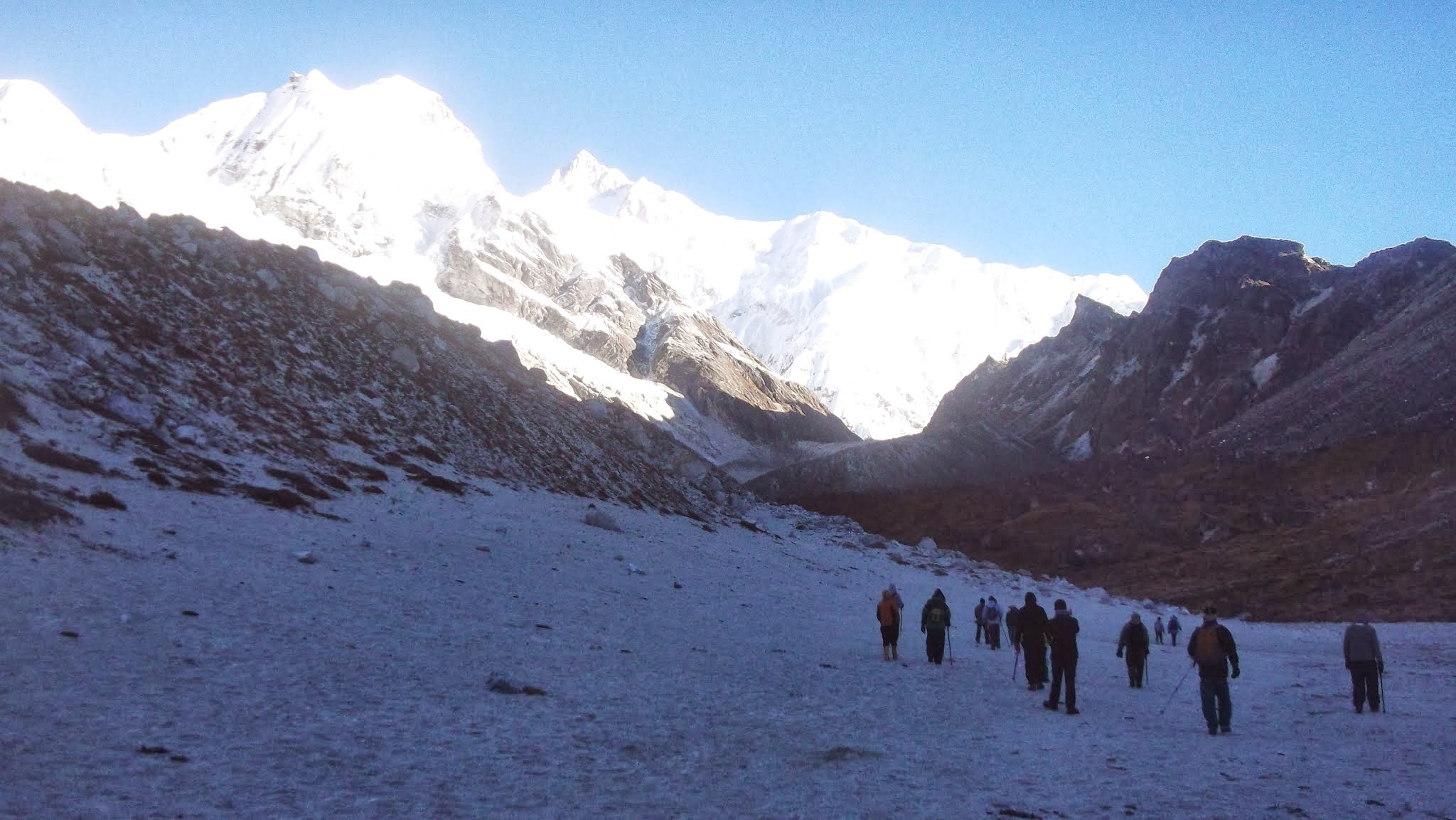
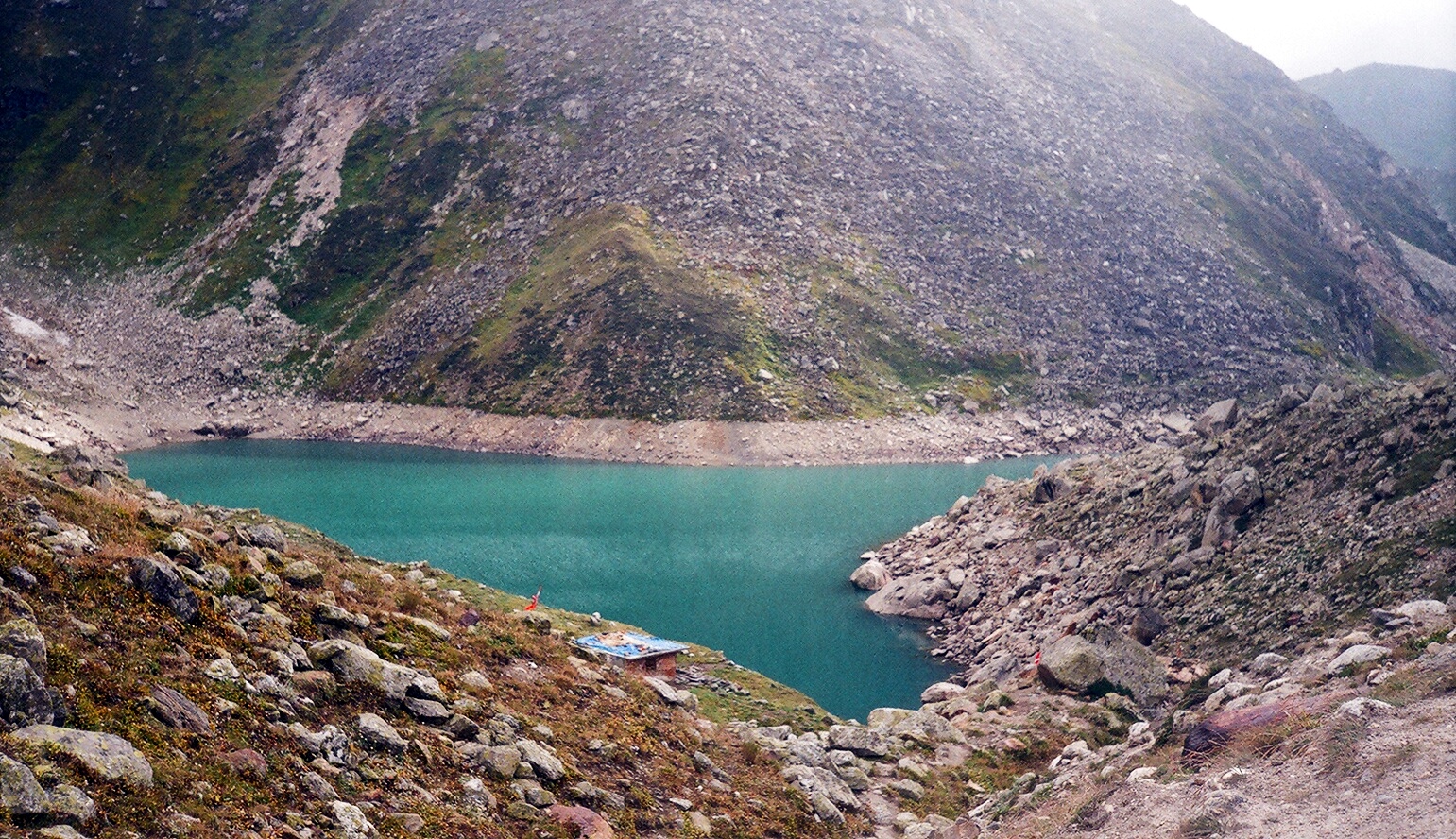
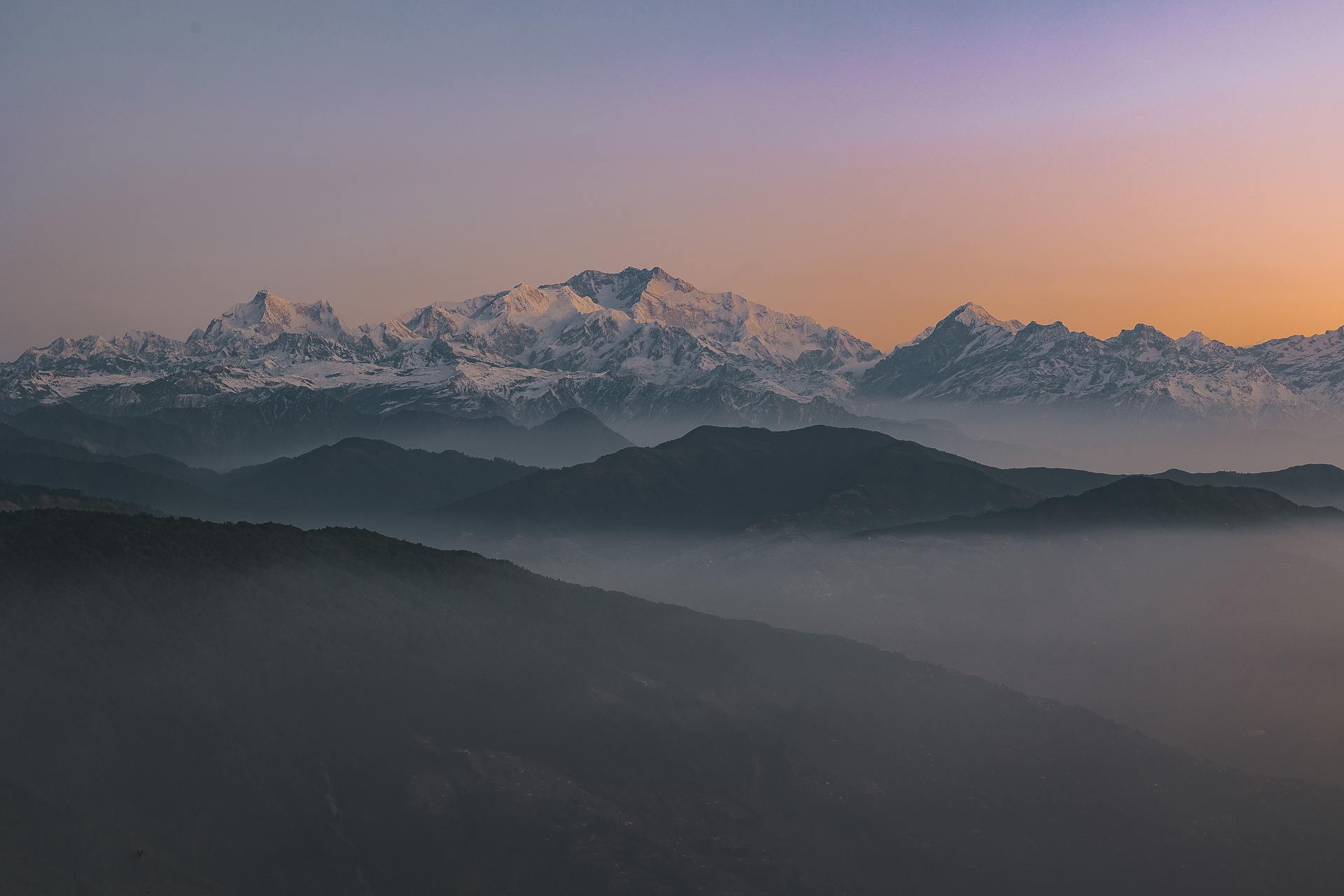
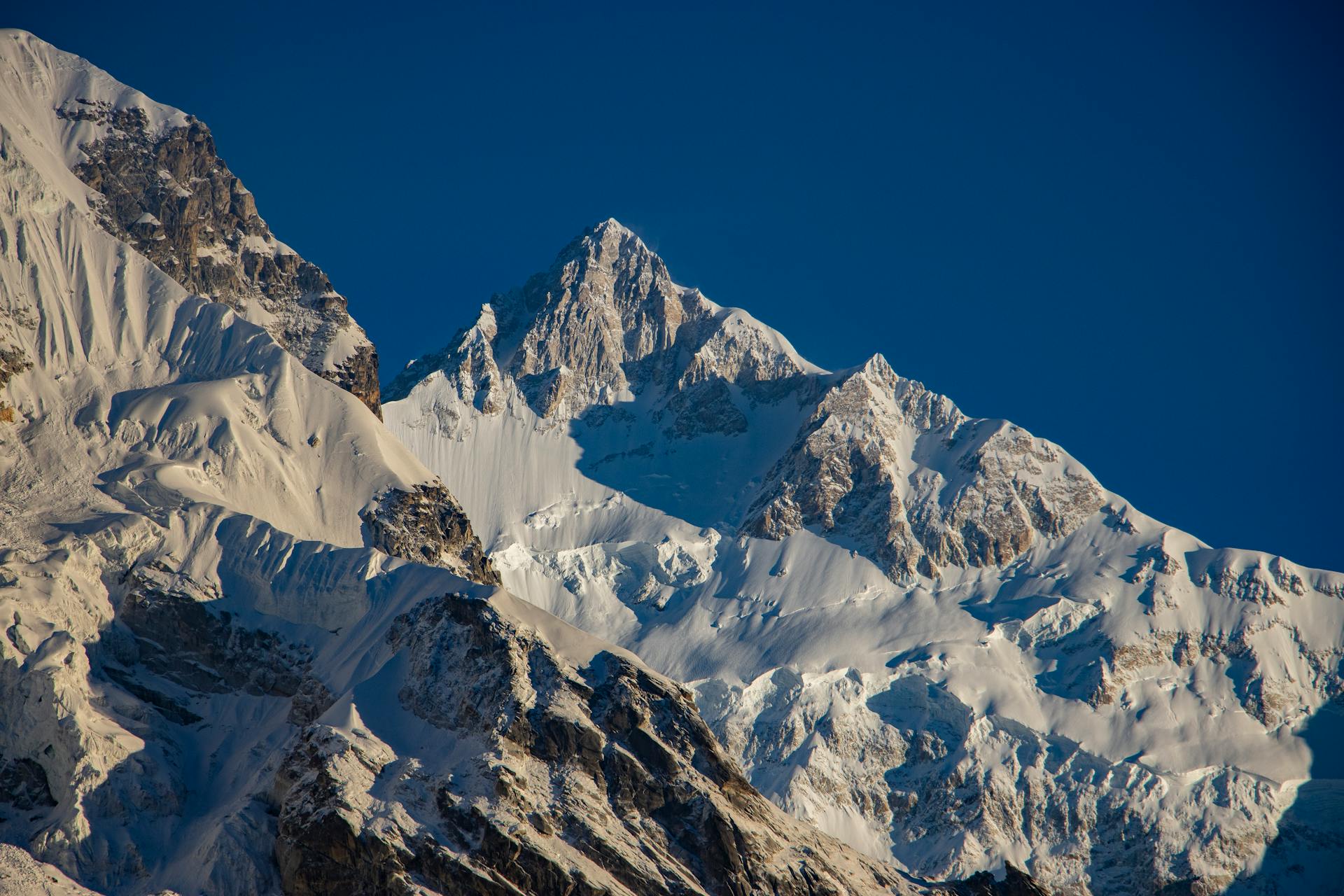
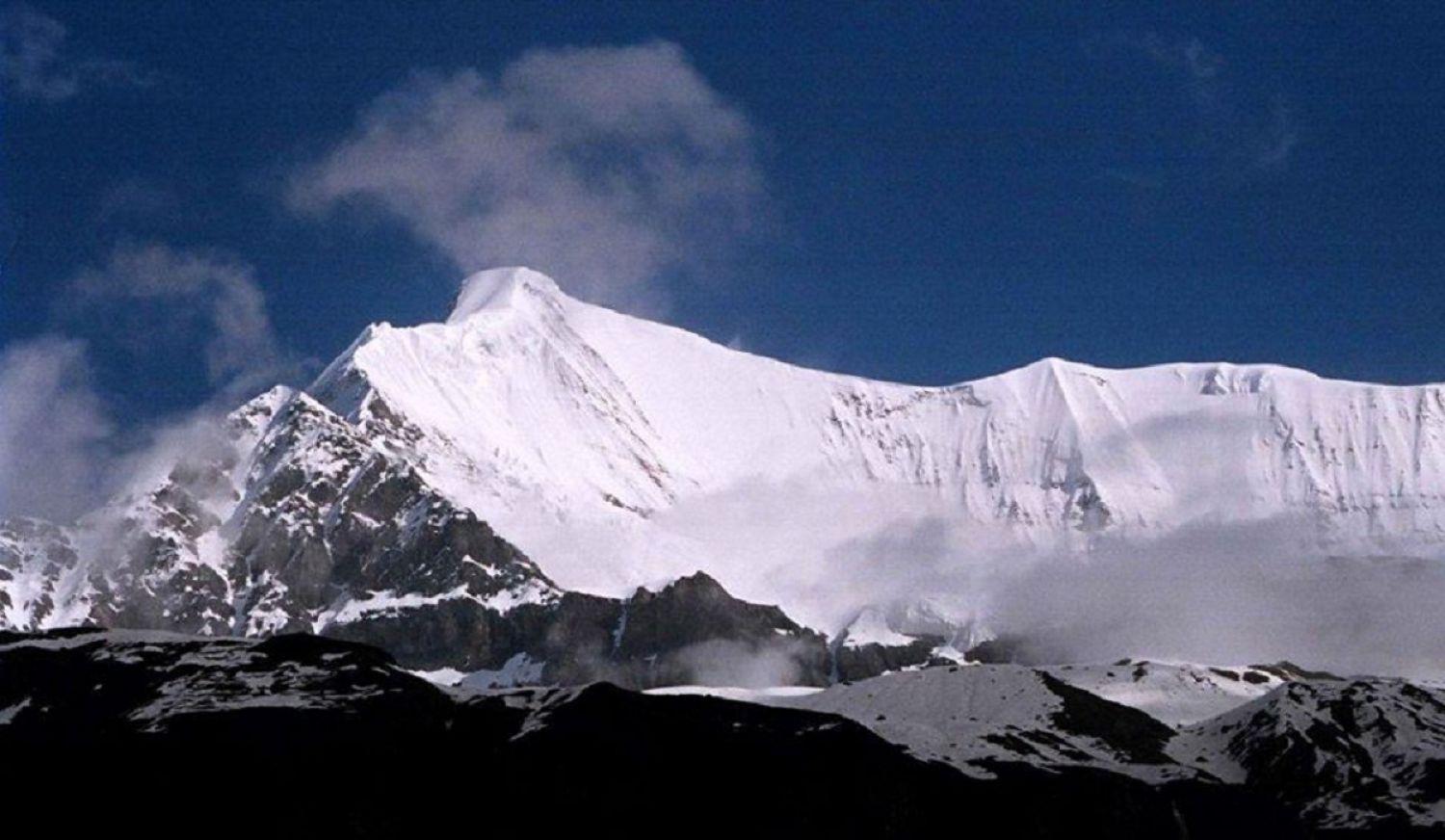
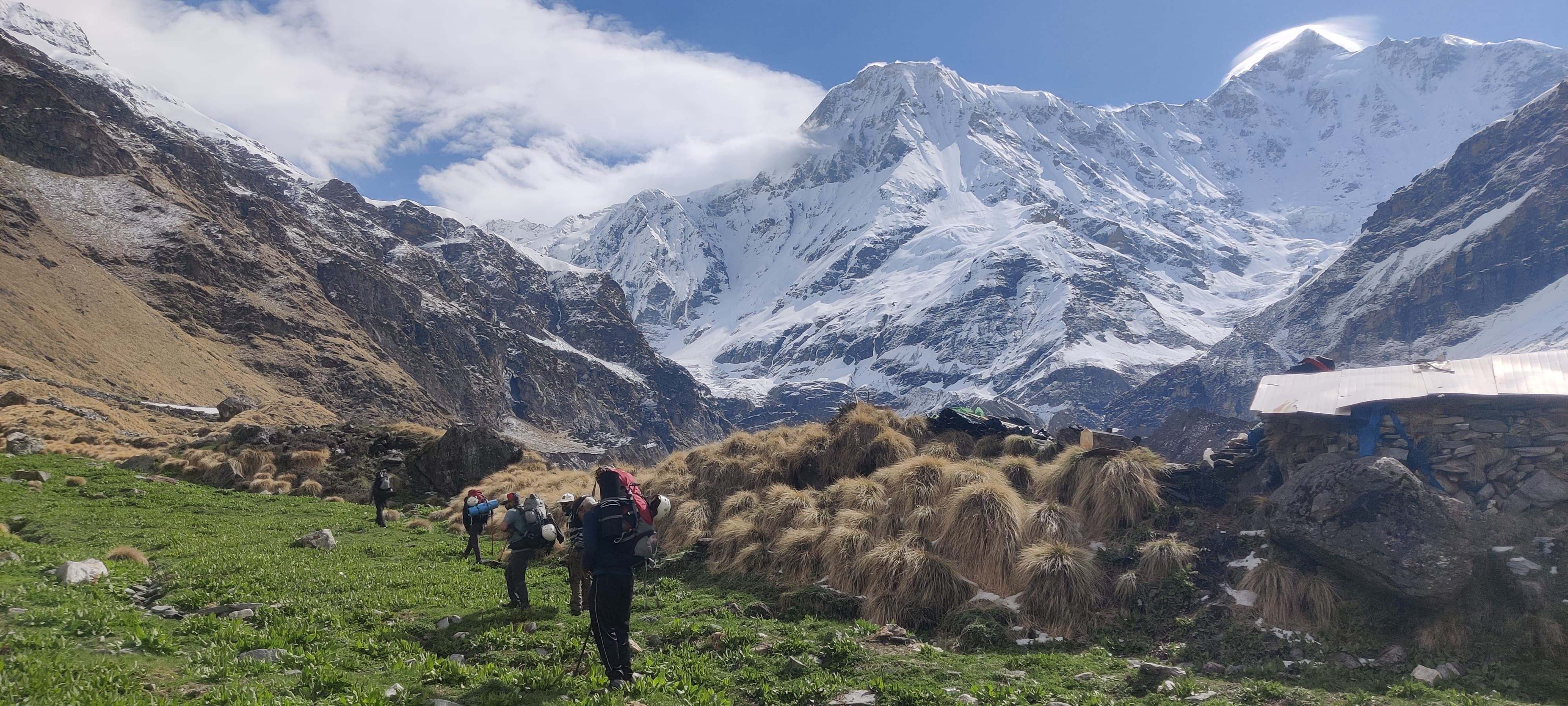
Journey into the heart of the Eastern Himalayas on one of Sikkim’s most spectacular high-altitude treks. From the dense forests and remote mountain villages of Yuksom to the alpine meadows of Dzongri and the rugged glacial landscapes beyond, Goechala unfolds beneath the towering presence of the Kanchenjunga massif. Ascend through changing mountain terrain, witness sunrise over snow-clad Himalayan giants, and venture towards the Goechala viewpoint at approximately 15,100 ft. Defined by demanding climbs, pristine wilderness, and extraordinary close-up views of the world’s third-highest mountain, this is a trek for those seeking a truly immersive and challenging Himalayan experience.
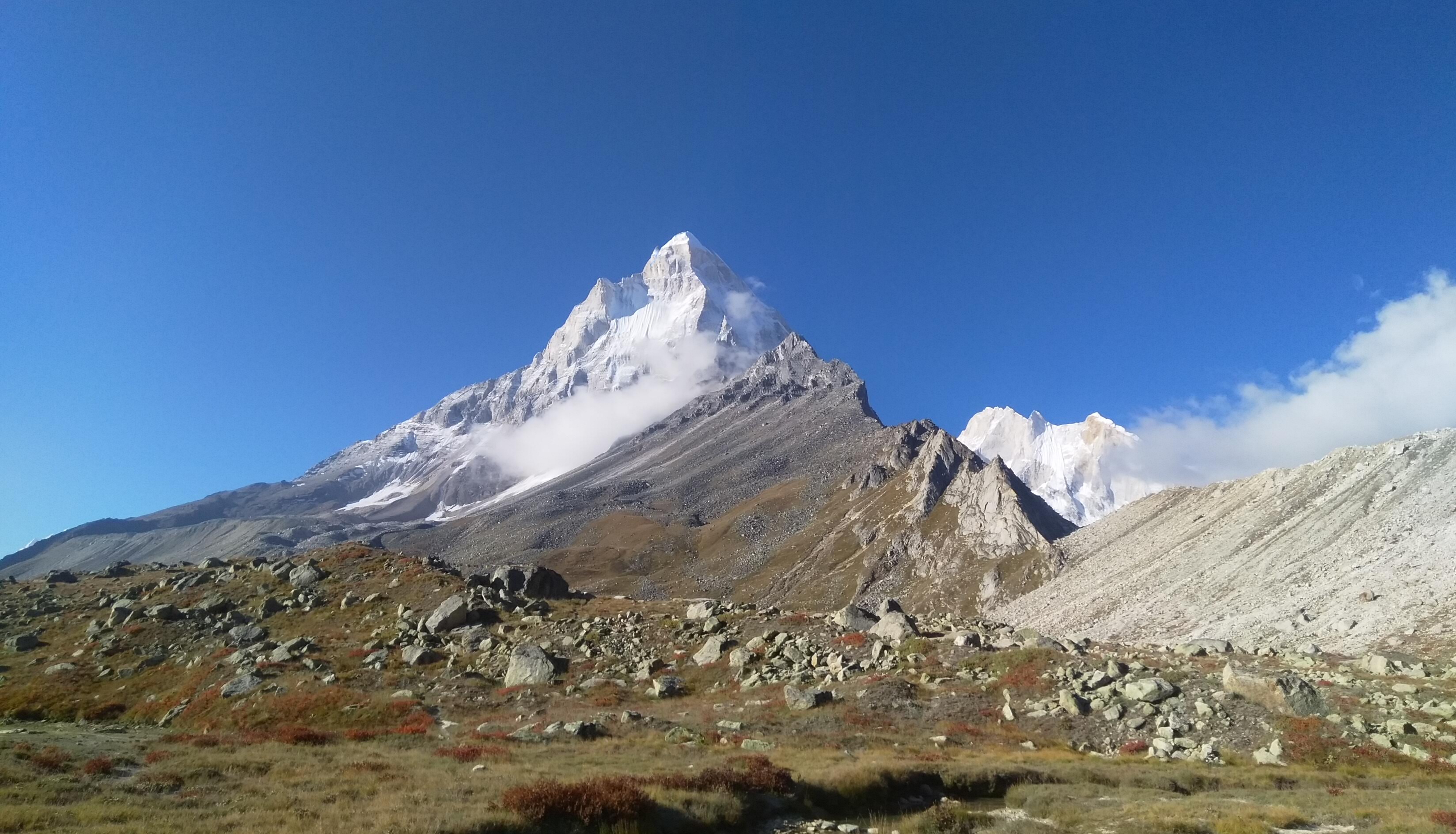
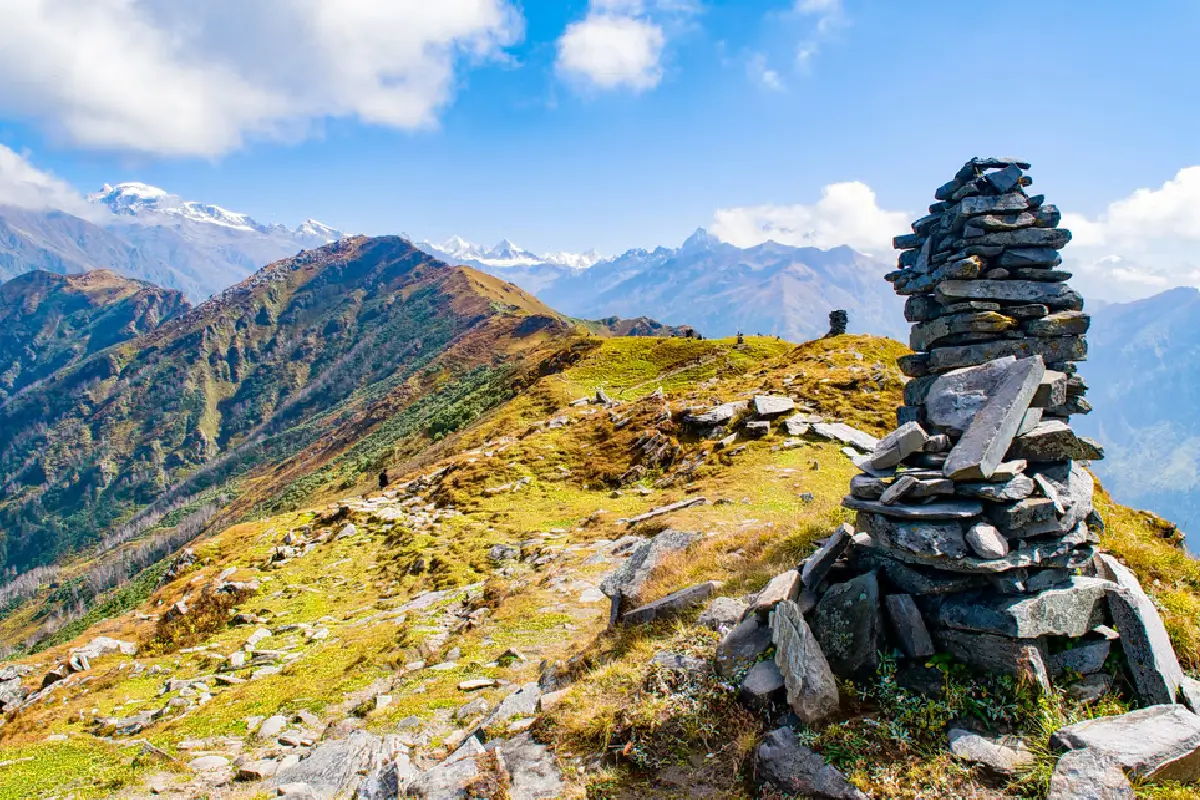
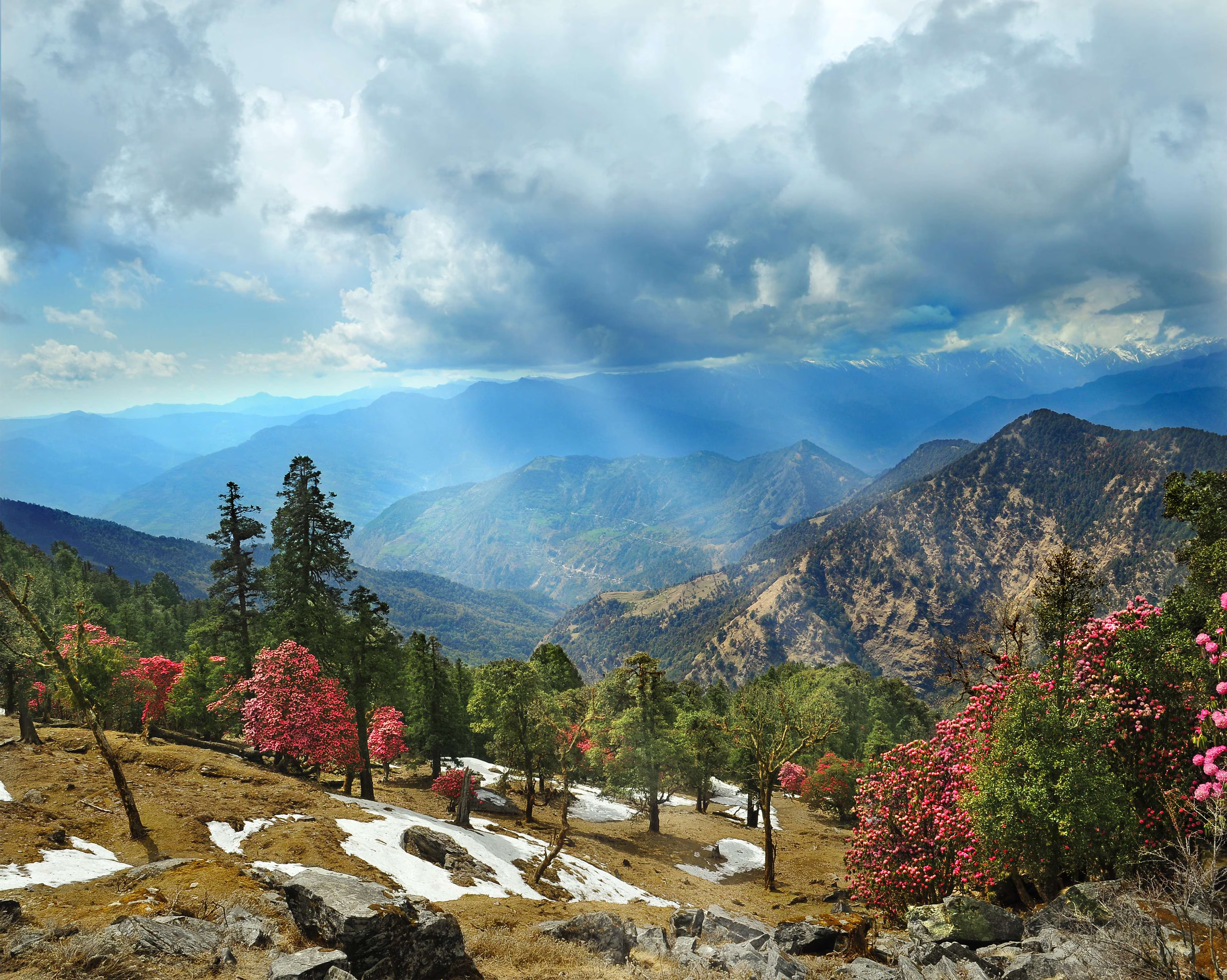
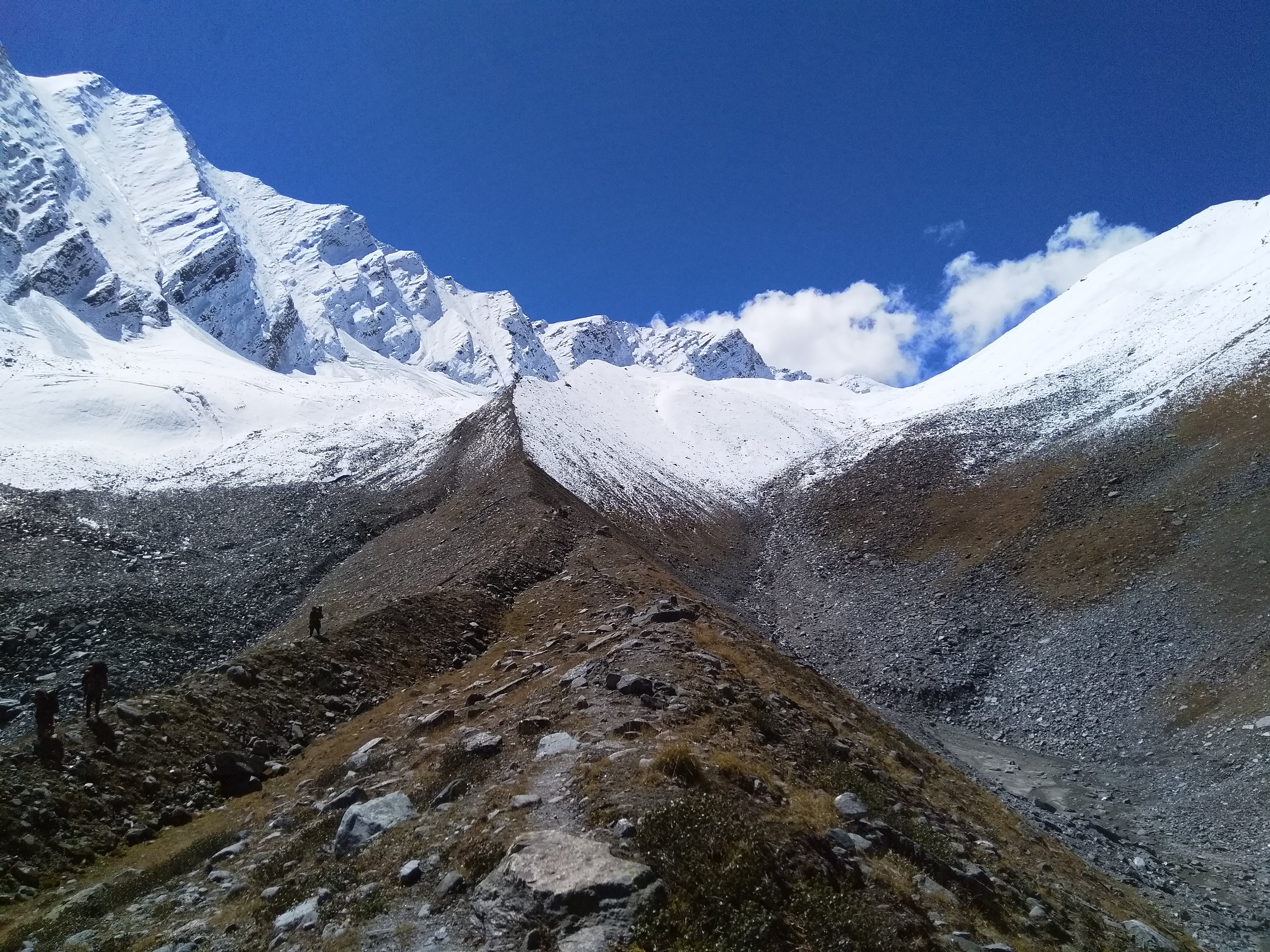
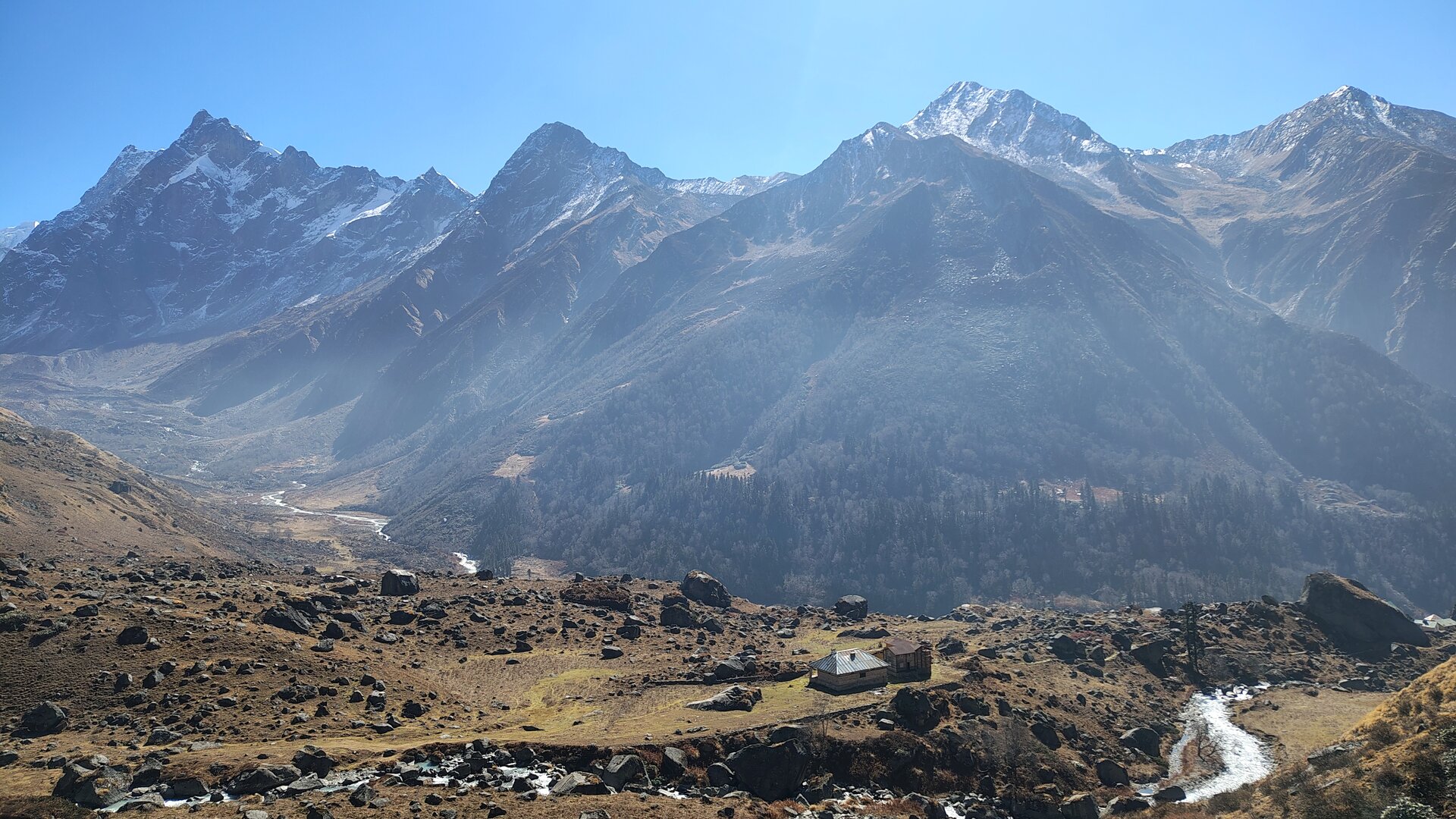
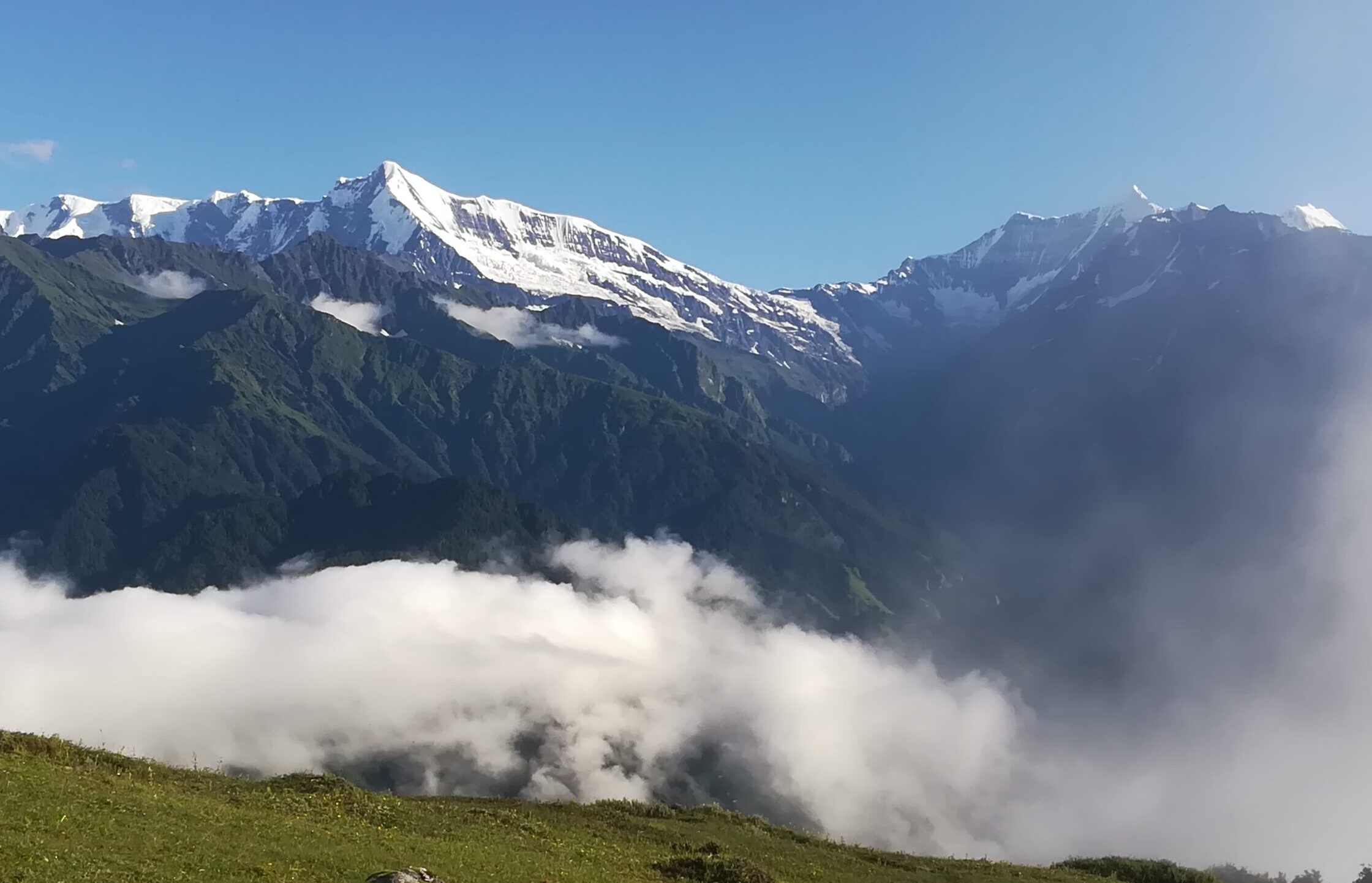
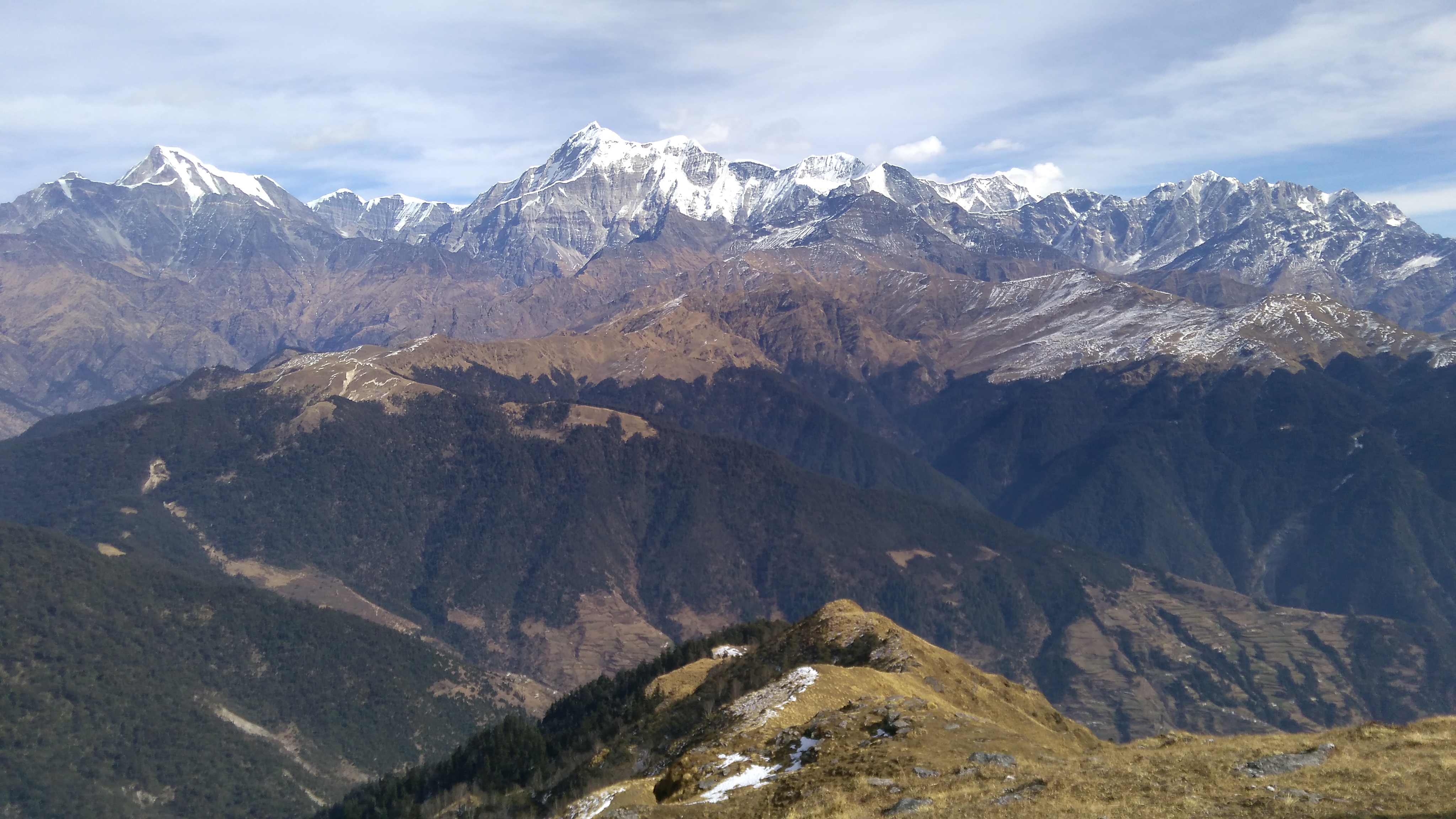
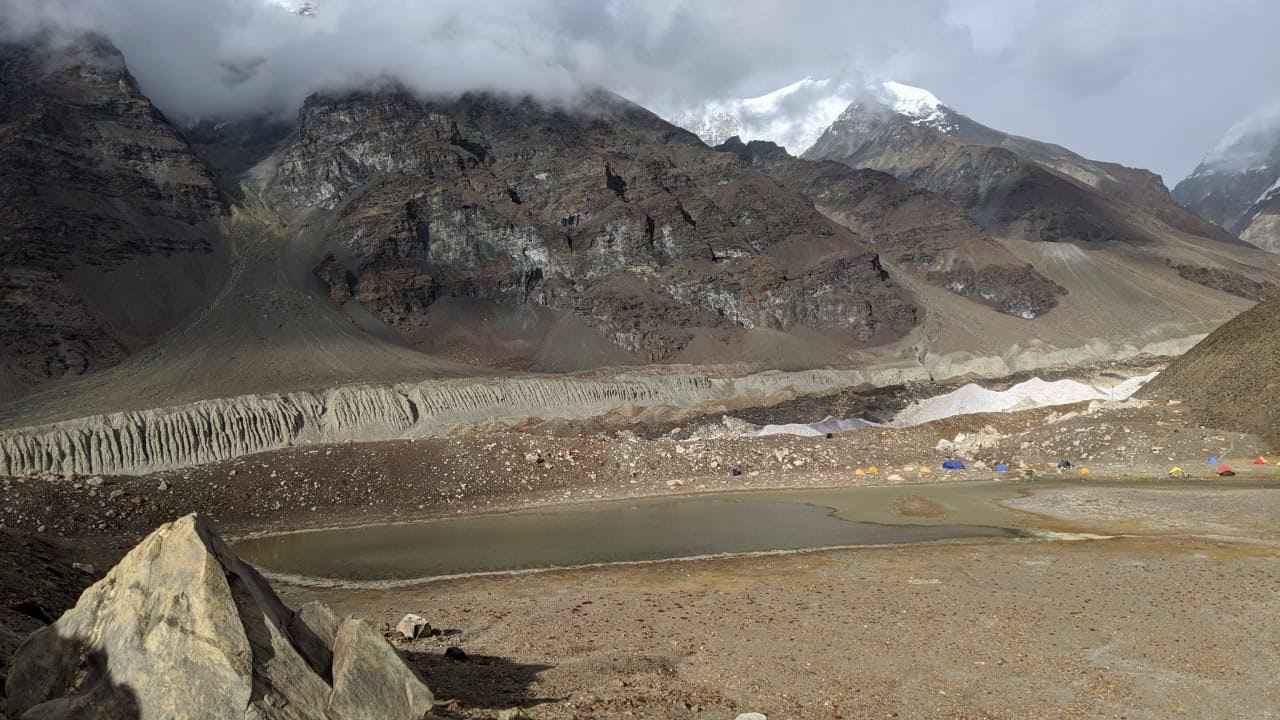
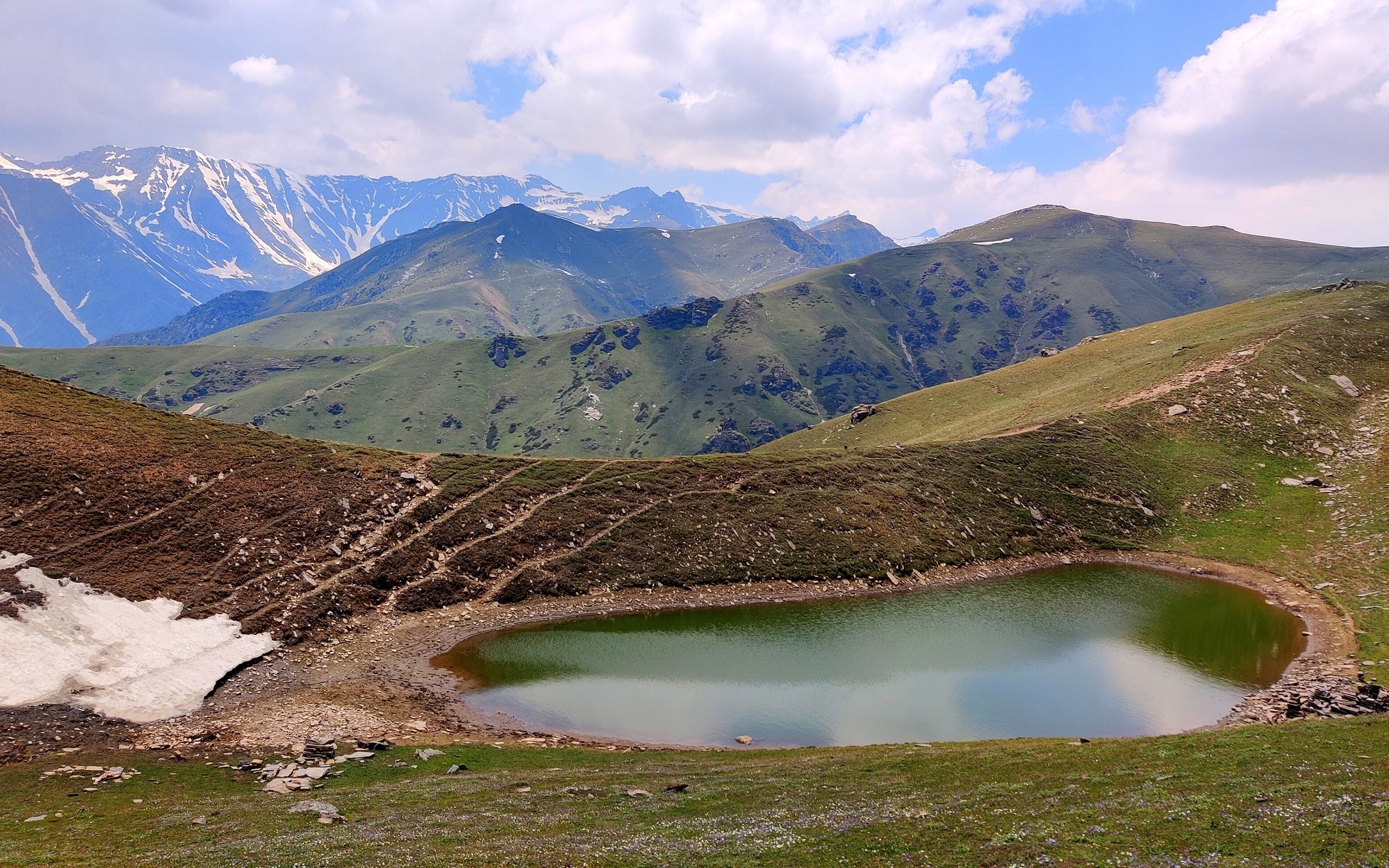
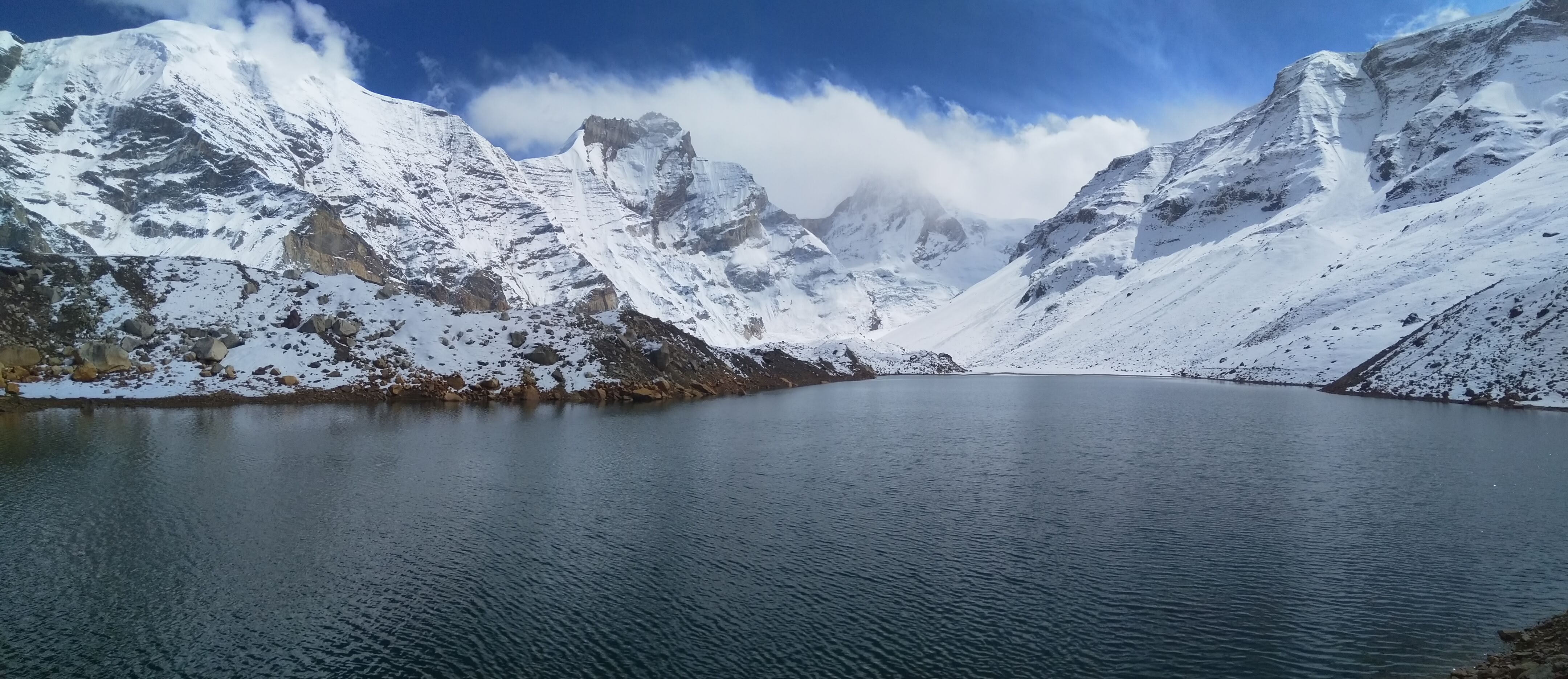
Some trails lead across high mountain passes, some unfold around alpine lakes, while others follow quiet valleys, ridges and traditional mountain paths. Explore our treks by the kind of landscape and experience you want to discover.

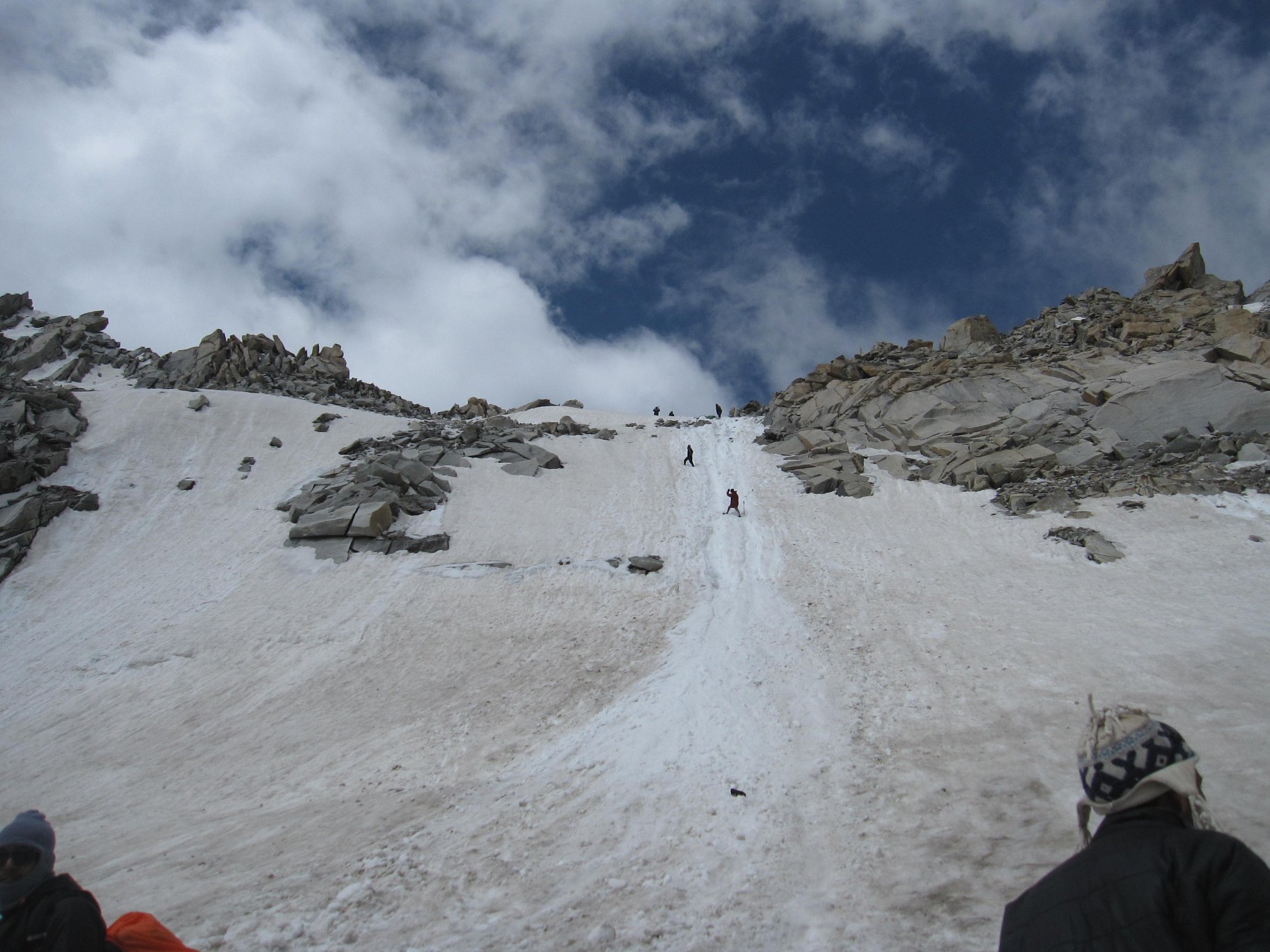
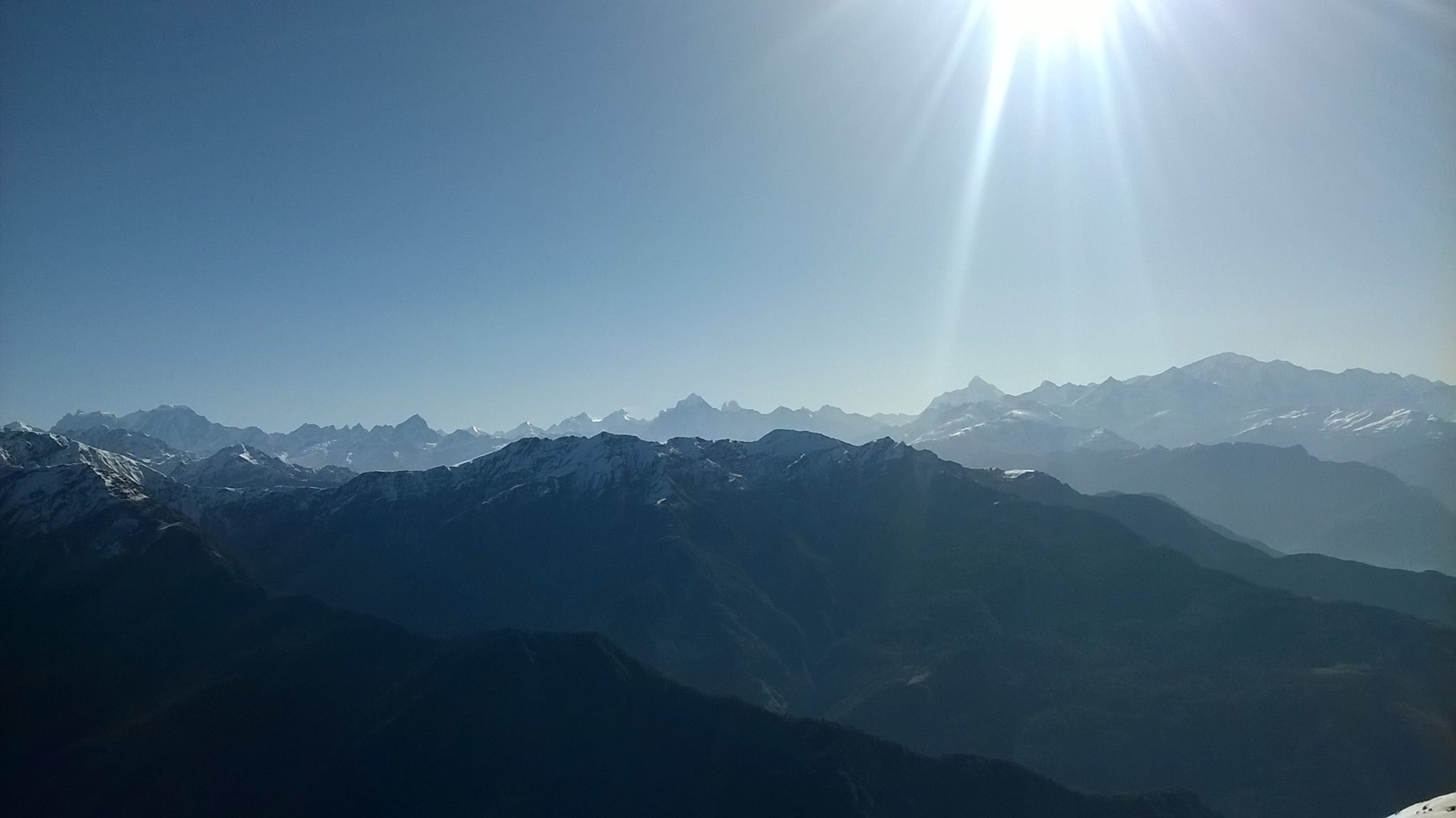
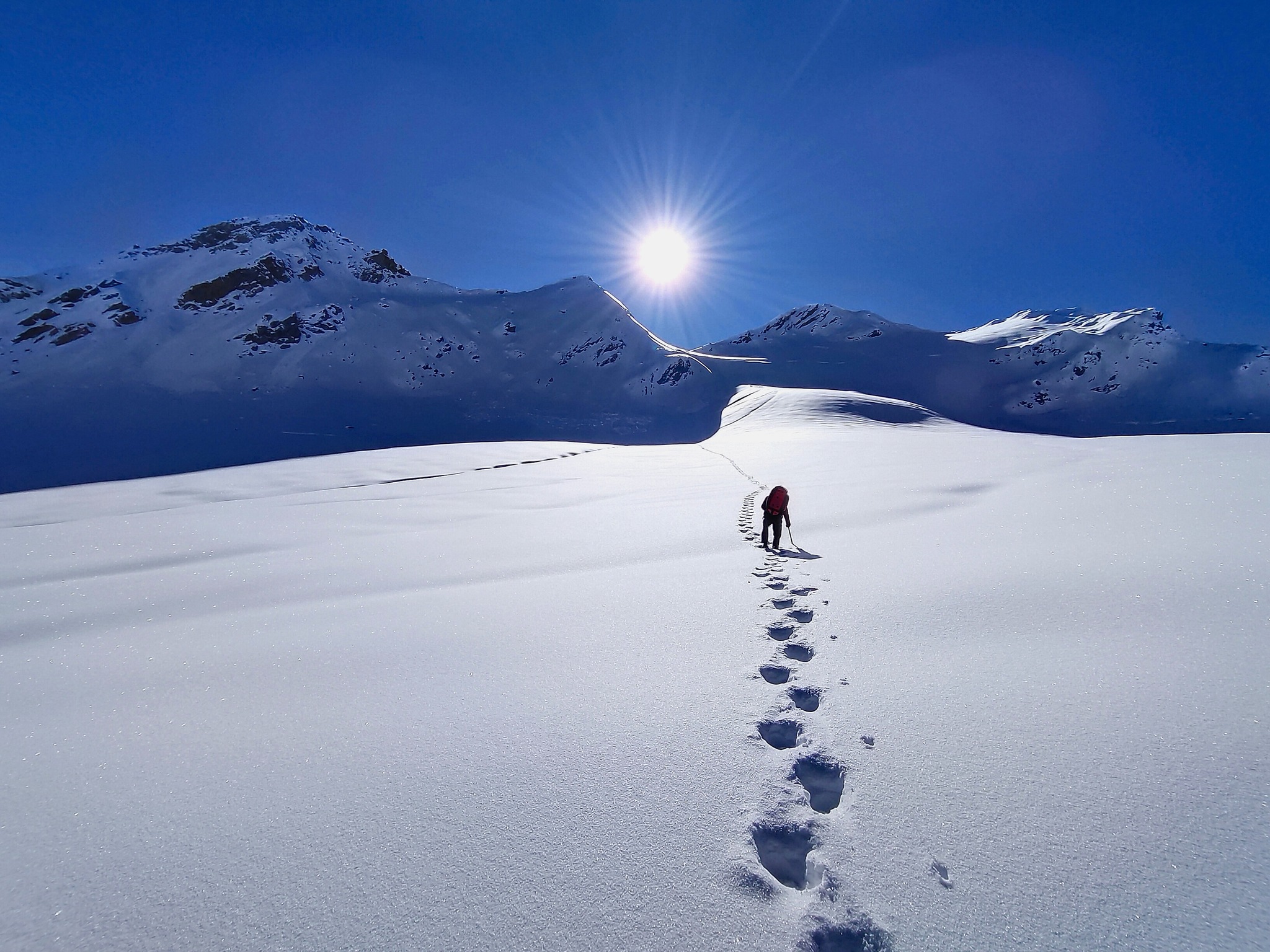

Jaipur, Rajasthan
Pin Parvati Pass — my first trek and expedition ever. 🏔️
I first heard about Planethimalayas through a few friends, and what an experience it turned out to be!
Pin Parvati Pass is one hell of a ride. It’s not just another trek — it demands immense physical strength, mental resilience, and the right knowledge to be out there for 10 days in such challenging terrain.
A huge part of this experience goes to Kamal and the entire team. Kamal was not just our leader, but more importantly, a great companion throughout the journey. What I appreciated most was that he never treated us like clients. There was no unnecessary strictness — just the right balance of discipline, guidance, support, and freedom to experience the mountains.
With the team’s guidance and encouragement, I discovered a lot about my own potential and what I’m capable of pushing through.
Can’t thank you guys enough for making my first expedition such a memorable one. ❤️
More adventures to come. ⛰️
Freelancer | Breda, Netherlands
I had the best experience with Planethimalayas. I went on Pin Parvati trek this august with them which is for sure a very challenging trek, however because of the great organization, well arranged team and the best trek leader you could ever wish for, Kamal Ji, this was something I will never forget!!!!
There isn’t anything which could or should have been done differently. I felt safe all the way throughout.
I’d also like to mention that i was the only female in the team and was so well looked after. Everyone looked after me like one big family, just like Kamal feels like a big brother to me now. It was my second trek with Kamal, and im a 1000% sure it wouldnt be my last. Thank you for everything Planethimalayas and Kamal in special! ❤️
Delhi
Had the best experience with Planethimalayas. I did the Pin Parvati trek with them and everything was organised so well. We had very experienced guides, incredible porters and the best chef!! The food was actually even better than in most restaurants. Big thanks to the trek leader Kamal Ji who is such a genuine and knowledgeable soul. He made this trek even more special than it already was. Thanks for everything Planethimalayas!!
Pune
The experience with Planethimalays on the Beas Kund Trek was really Great. I took a group of College students on a Himalayan Trek for the 1st Time. Everything was planned very well. The 2 female guides Raksha and Deepika ensured the group especially the girls were made comfortable. The safety of the group, food and tents were all araangd very well. Looking forward to trekking with them next year too.

Pune
We had an amazing experience with Planethimalayas organized by Kamal sir. Everything from stay and food to overall arrangements was perfectly managed. Manish, Satish and Ashish were extremely supportive throughout the trip. We completed Tungnath and Deoriatal treks, and the food was simple, local, and delicious. The beautiful Sari village visit was truly beautiful my parents even walked 5 km, which was a big surprise for us!
The itinerary was very thoughtfully planned and suitable for my parents as well as my little one. Highly recommended for all kind of treks in the Himalayan ranges!
Kolkata
Kamal Das the leader and founder is a great person and had good knowledge about the route. The food was great and the stays were comfortable which was above the expectation in that altitude.
Thanks to Planethimalayas.
Freelancer | Breda, Netherlands
I did the Kashmir Great Lakes trek with Kamal. This was such an unforgettable experience. Kamal is such an amazing guide. He told us so many interesting facts, I had beautiful deep talks with him about the mountains and listened to many of his stories about the experiences he's had while trekking. He's such a genuine and pure soul. I was the only female in the team, but not once I felt uncomfortable or left out. Everyone was incredibly respectful and nice. We were allowed to walk on our own pace and didn't feel rushed or pushed. Everyone can do the trek as they want, in the way they want. He respects you and really goes out of his way to make you enjoy the most. Till this day he's still a dear friend of mine and I hope to have the privilege to go to the mountains again, together with him. If you're planning to do a trek, definitely do it with Kamal — he will 100% make sure this trip is something you'll never forget.
Marketing | Canada
I had some nerves about going on a trek solo but Kamal took excellent care of me and made sure I felt safe and looked after. He was able to customize the trek to my needs and we went on lots of side quests to explore the area. Kamal is very knowledgeable and has some fantastic stories to tell, so was the best company the entire time — it felt like I had friends adventuring with me! Thanks again :)
Kolkata
Amazing staff with good and decent behaviour. Food quality was also very good. Throughout the trek they had taken utmost care of everything.
Will definitely plan again with Mr. Kamal Das.
Automotive UX Designer | Pune
I made friendship with the mountains through Kamal sir’s experience. The moment I met him at my last trek at Kedarkantha, I was impressed by his mountaineering knowledge and friendly nature that this year too (to Tungnath) and every year hereafter I am going to partner him to a new peak and new experiences in those journeys. Kudos to Planethimalayas for the exceptional work in making the love of mountains more accessible and enjoyable.
Bangalore
The trekking experience was absolutely unforgettable. Our guide was friendly and knowledgeable, making the whole journey fun and safe.

Generally calm with no active heavy rainfall or major severe weather warnings currently reported across Jammu & Kashmir, Himachal Pradesh, or Uttarakhand.

For group booking discounts or children’s scholarships, please contact us.
Offbeat Winter Treks in India: Peaceful Himalayan Trails Away from the Crowds
Why Deoriatal–Chandrashila Is a Complete Himalayan Experience for Beginners
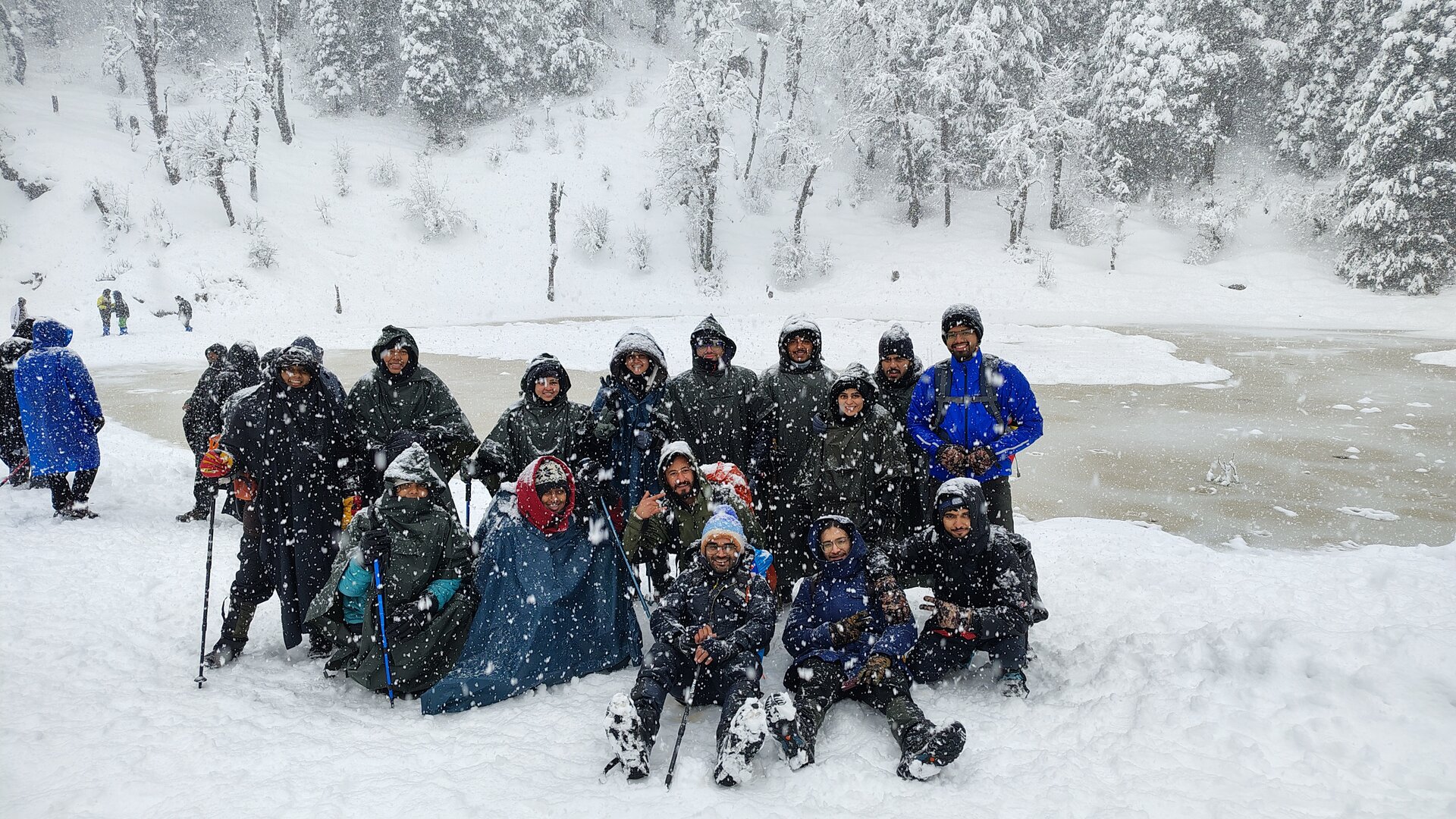
Best Winter Treks in India (December–March): The Complete Himalayan Snow Trekking Guide
Trekking in the Himalayas is a dream adventure — but it demands smart preparation. Whether you're planning a snowy winter trek like Kedarkantha, a scenic route like HarKiDun, or a thrilling climb like Rupin Pass, here’s everything you need to know to get prepared and trek safely and confidently.
Click here to read the full article.
Packing smart is the key to a safe and comfortable trek. Here’s a complete checklist of everything you’ll need for a week-long Himalayan adventure.
Click here to read the full article and download a comprehensive packing list.
If you’re planning a high-altitude trek in the Himalayas, it’s important to understand one of the most common health risks in the mountains: Mountain Sickness, also known as Acute Mountain Sickness (AMS).
Click here to read the full article.
Trekking in the Himalayas is an unforgettable experience—but it comes with a silent danger: Mountain Sickness, also known as Acute Mountain Sickness (AMS). The good news? With the right precautions, mountain sickness is completely preventable.
Click here to read the full article.
Whether you're trekking in the Himalayas or anywhere in nature, it's our collective responsibility to respect, protect, and preserve the mountains. That’s where LNT (Leave No Trace) principles come in.
Click here to read the full article.
Choose a trail that matches your fitness, experience, and goals. With hundreds of treks in the Indian Himalayas — from snowy summits to wildflower meadows — it can be overwhelming to decide which one’s right for you.
Click here to read the full article.
Your footwear can make — or break — your trekking experience. Trekking in the Himalayas means walking through snow, mud, rocks, rivers, and forest trails. Your regular sneakers or running shoes won’t cut it here. Investing in a reliable pair of trekking shoes is one of the smartest decisions you'll make before stepping onto the trail.
Click here to read the full article.
Properly maintaining your trekking shoes ensures comfort, durability, and safety on the trail. Learn cleaning, drying, storage, and a pre-trek checklist before reusing them.
Click here to read the full article.
Your backpack is your lifeline on the trail — it carries your essentials, supports your back, and travels with you every step of the way. Choosing the right backpack for a Himalayan trek is all about fit, comfort, size, and smart features — not just brand or looks. Confused about which backpack to buy for your Himalayan trek? Learn how to choose the right capacity, fit, features & top brands like Forclaz, Osprey & Deuter.
Click here to read the full article.
However, their effectiveness depends on proper technique, timing, and consistent use throughout the trek — not just when you're already tired.
👉 Want to understand how trekking poles actually improve performance and safety in real mountain conditions? Click here to read the complete guide.
🌤️ Summer Treks: Days can feel surprisingly warm under direct sun, but wind exposure and altitude still bring sudden chills. Start with a breathable base layer (quick-dry t-shirt), keep a light fleece handy, and always carry a windproof jacket for ridgelines and evenings.
🌧️ Monsoon Treks: Moisture management becomes critical. Use a quick-dry base layer, a light insulating layer if needed, and a reliable waterproof outer shell (jacket + pants). Staying dry is more important than staying warm.
❄️ Autumn & Winter Treks: Cold becomes constant and more intense. Use a thermal base layer, an insulating mid-layer (fleece or down), and a windproof/waterproof outer shell. Accessories like gloves, woolen caps, and insulated socks are essential to prevent heat loss.
The key is not just what you wear, but when you adjust — adding or removing layers based on movement, wind, and temperature shifts.
👉 Want to truly master layering for extreme Himalayan microclimates? Click here to read the complete guide.
Spring (March to May) is one of the most beautiful seasons to explore the Indian Himalayas. Trails are alive with blooming rhododendrons, wildflowers, and fresh alpine meadows, while the weather is pleasant and skies are generally clear for stunning mountain views. Some of the best spring treks include Chandrakhani Pass, Ali Bedni Bugyal, Deoriatal Chandrashila, Har Ki Dun, Kuari Pass, and more, each offering a unique combination of landscapes, altitude, and adventure challenges.
Spring treks are ideal for both beginners seeking easy trails and seasoned trekkers looking for high-altitude snow experiences. From colorful meadows to glacial vistas, these treks provide the perfect balance of adventure, scenic beauty, and cultural immersion.
At Planethimalayas, we have curated some of the best spring treks that let you experience the Himalayas in their most vibrant and pristine form. Explore our guide to find the perfect trek for your spring adventure and witness the Himalayas at their peak of beauty and serenity.
The Kumaon Himalayas of Uttarakhand offer an incredible variety of treks, ranging from easy scenic hikes to challenging high-altitude expeditions. Some of the most popular treks include Khaliya Top, Ranthan Kharak, Pindari Glacier, Kafni Glacier, Nanda Devi East Base Camp, Sunderdhunga Valley, Ralamdhura, and Brijganga Pass. Each trek showcases pristine alpine meadows, dense forests, glacial streams, and awe-inspiring Himalayan peaks. Kumaon treks are distinct from Garhwal routes with their quieter trails, verdant valleys, and offbeat, raw landscapes, giving trekkers a truly immersive experience in the heart of the Himalayas.
To know more about the Kumaon Himalayas and the treks we operate and organize there, click here to explore our complete guide.
Summer in the Himalayas doesn’t arrive quietly — it unfolds through movement.
High trails that stayed untouched for months begin to see life again. Shepherds move upward with their flocks, following routes that have existed long before trekking became a thing. Campsites that lay buried under snow slowly reappear. The mountains don’t “change season” — they start functioning again.
By mid-May, the lower and mid-altitude regions are fully accessible, but higher up, the story is very different. Snow hasn’t disappeared — it has just started losing its hold. Southern slopes clear out faster under longer sunlight, while northern faces continue to store snow, sometimes well into late summer. This uneven melt is what makes the terrain unpredictable and exciting at the same time.
And this is where summer trekking becomes real. To know more about the summer treks in the Himalayas and the treks we operate, click here to explore our complete guide.
The best monsoon treks in the Himalayas are generally found in the rain-shadow regions of Himachal Pradesh, Ladakh, and parts of Kashmir, where the southwest monsoon has much less impact. While heavy rainfall makes many trails in Uttarakhand and Sikkim prone to landslides, flash floods, slippery terrain, and unstable river crossings, trans-Himalayan regions remain comparatively dry and ideal for trekking.
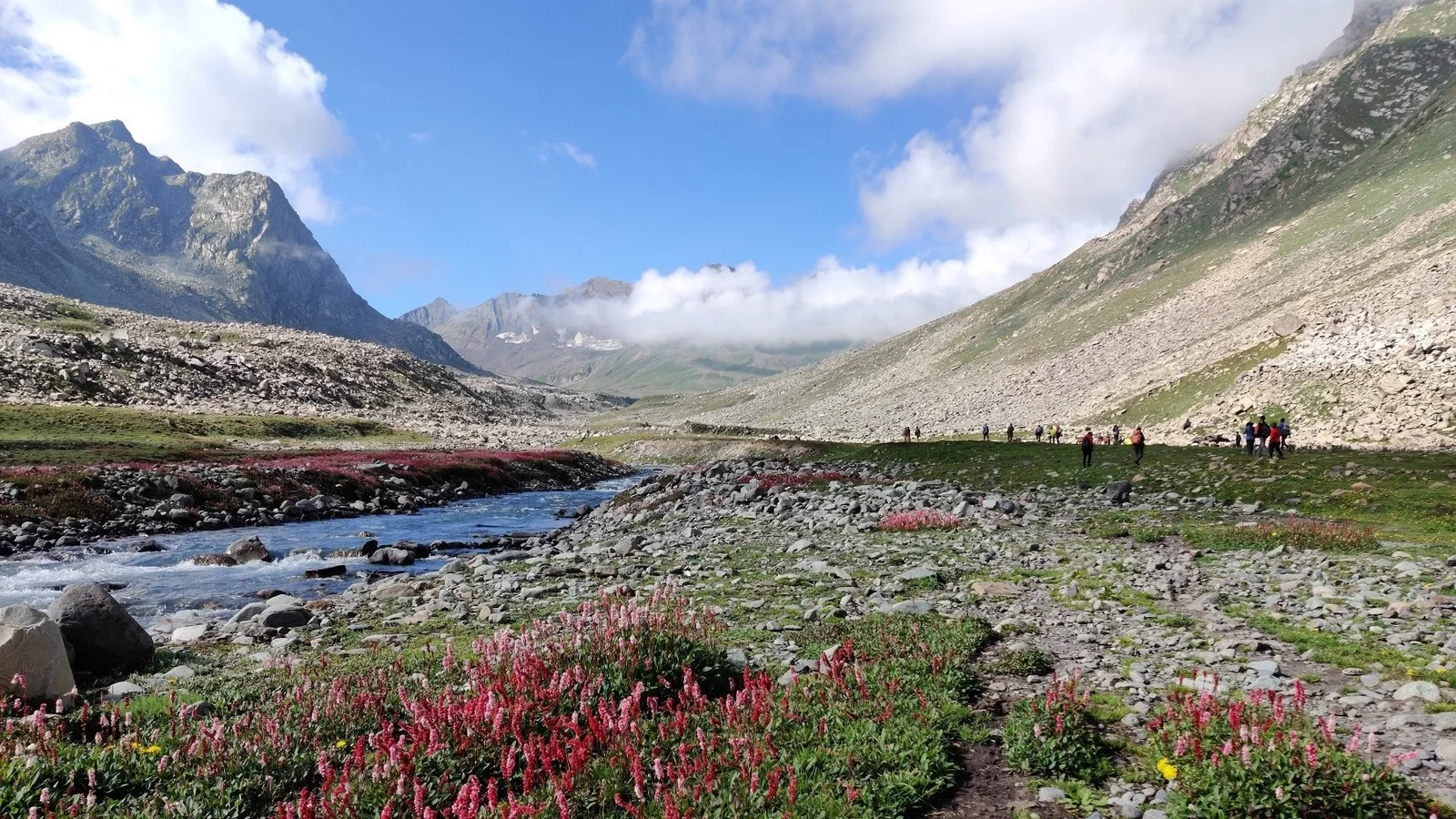
Some of the best Himalayan monsoon treks include Pin Bhaba Pass, Pin Parvati Pass, Hampta Pass, Miyar Valley, Deo Tibba Base Camp in Himachal Pradesh; Markha Valley, Rumtse to Tso Moriri, Nubra Valley, in Ladakh; and the spectacular Kashmir Great Lakes in Kashmir.
What makes these treks special is the dramatic geographical transition they offer. Many routes begin in lush, rain-fed valleys before crossing into the cold desert landscapes of Spiti or Ladakh, showcasing the remarkable effect of the Himalayan rain-shadow. During this season, high passes stabilize, glaciers become more accessible, alpine meadows flourish, and the contrast between green valleys and barren mountain deserts creates some of the most diverse and rewarding trekking experiences anywhere in the Himalayas.
To know more about the monsoon treks in the Himalayas and the treks we operate, click here to explore our complete guide.
The best autumn treks in the Himalayas are found across Uttarakhand, Himachal Pradesh, Kashmir, Ladakh, and parts of Sikkim, when the monsoon begins to withdraw and the mountains settle into some of the clearest and most stable trekking conditions of the year. With rainfall decreasing, skies becoming clearer, trails drying out, and visibility improving, autumn is widely regarded as one of the most rewarding seasons for exploring the high Himalayas.
Some of the best Himalayan autumn treks include Har Ki Dun, Roopkund, Mayali Pass, Gaumukh Tapovan, Kuari Pass in Uttarakhand; Buran Ghati, Rupin Pass, Hampta Circuit in Himachal Pradesh; Goechala in Sikkim; and Sandakphu in West Bengal.
What makes autumn special is the combination of clear mountain views, comfortable daytime trekking temperatures, golden alpine landscapes, and the changing character of the high Himalayas as winter approaches. In Uttarakhand and Himachal Pradesh, forests and meadows take on rich autumn colours, while higher routes offer crisp air and expansive views of snow-covered Himalayan peaks. As the season progresses into November, temperatures drop considerably and some high-altitude trails begin receiving their first significant snowfall, gradually marking the transition from autumn trekking to winter trekking.
To know more about the best autumn treks in the Himalayas and the treks we operate, click here to explore our complete guide.
The best winter treks in the Himalayas offer a completely different experience from trekking in the warmer months, with snow-covered forests and meadows, frozen lakes, crisp mountain air, and clear views of the high Himalayan ranges. Uttarakhand is particularly well known for its established winter trails, while the eastern Himalayas of West Bengal and the high-altitude landscapes of Ladakh offer very different winter experiences.
Some of the best Himalayan winter treks include Dayara Bugyal, Brahmatal, Kedarkantha, Deoriatal–Chandrashila, Kuari Pass, Ali Bedni Bugyal in Uttarakhand; Sandakphu in West Bengal; and Winter Markha Valley in Ladakh.
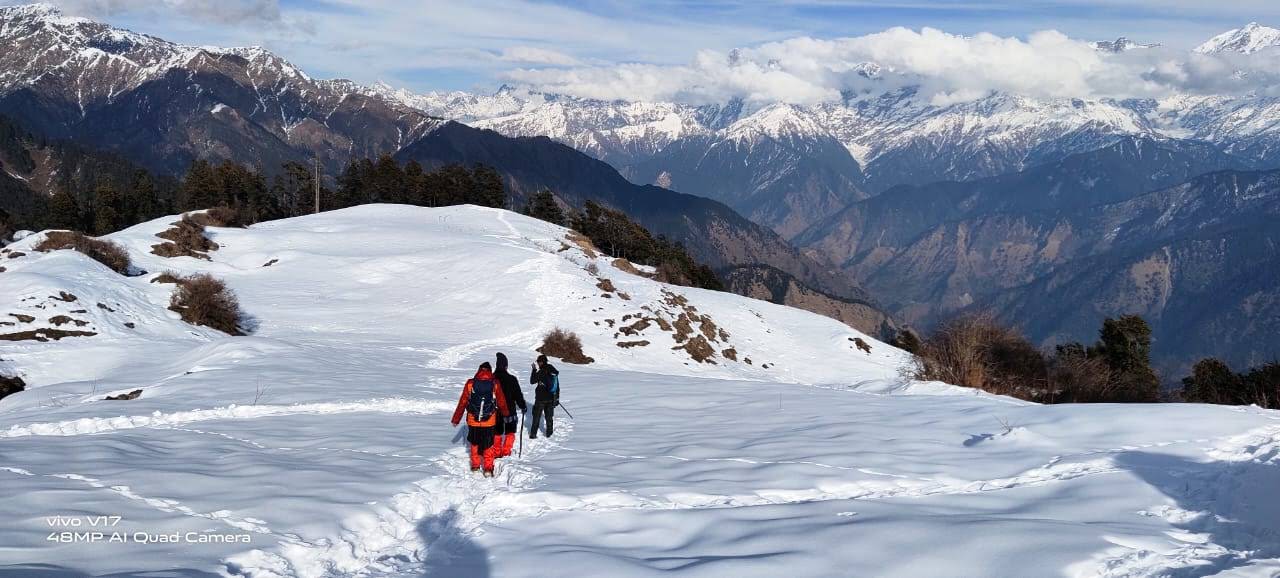
What makes winter trekking special is the way snow transforms familiar Himalayan landscapes. Forest trails become quiet corridors beneath snow-covered branches, alpine meadows disappear beneath a continuous white landscape, and high-altitude lakes can freeze as temperatures fall. Routes such as Brahmatal combine snow-covered forests with a frozen high-altitude lake and views of Trishul and Nanda Ghunti, while Kedarkantha adds a rewarding summit experience. Kuari Pass and Deoriatal–Chandrashila are known for their expansive Himalayan panoramas, while Dayara Bugyal and Ali Bedni Bugyal offer vast snow-covered meadows. Further east, Sandakphu brings a distinctly different winter experience with its remarkable Himalayan panorama, while Winter Markha Valley offers the stark, frozen landscape of Ladakh. Winter conditions vary considerably from year to year, so snowfall should never be assumed from the calendar alone.
To know more about the best winter treks in India, how December differs from January and February, and what to expect from snow trekking, click here to explore our complete guide.
Trekking in the Himalayas is an unforgettable experience — but it also pushes your body through tough terrain, thin air, and unpredictable weather. Whether you're doing a beginner-friendly trek like Kedarkantha or a high-altitude route like Rupin Pass, staying fit and healthy on the trail is key to enjoying the journey. Click here to read the full article.
At high altitude, oxygen levels drop, which slows down digestion and affects how your gut functions. Many trekkers experience loss of appetite, bloating, nausea, or constipation due to reduced oxygen supply (hypoxia) and changes in metabolism. Eating heavy or oily food can make this worse.
To manage this, stick to light, warm meals, eat smaller portions more frequently, and stay well hydrated. Soups, khichdi, and simple carbs are easier to digest on the trail.
Click here to understand gut health challenges in detail.
Trekking during periods is manageable with proper preparation. Women should carry enough sanitary products or menstrual cups, along with biodegradable disposal bags to maintain hygiene in remote areas. Staying hydrated and maintaining nutrition helps reduce cramps and fatigue.
Altitude and physical stress can sometimes delay or alter cycles — this is normal. Planning ahead and informing your trek leader if needed can make the experience much smoother.
Click here to read the complete guide.
Joint pain and fatigue are common challenges, especially during descents where knees take more impact. Older trekkers may also experience slower recovery due to muscle strain and continuous walking.
Using trekking poles, wearing proper shoes, maintaining a steady pace, and taking regular breaks can significantly reduce strain. Light stretching and staying hydrated also help manage cramps and fatigue effectively.
Click here for advanced trekking health tips.
Solo trekking can bring unexpected mental challenges such as loneliness, anxiety, or self-doubt, especially in remote and high-altitude environments. Physical fatigue combined with isolation can amplify these feelings.
Staying mentally engaged, maintaining a routine, and focusing on the present moment can help. Interacting with fellow trekkers or guides also reduces feelings of isolation.
Click here to explore mental health strategies on treks.
Maintaining hygiene in remote camps is critical, as infections spread quickly in shared environments. Limited water availability and basic facilities make it easier for bacteria and viruses to spread.
Always sanitize hands before eating, avoid sharing utensils, keep your feet dry, and change socks regularly. Carrying personal hygiene essentials like wet wipes and sanitizers is essential for staying healthy.
Click here for a complete trekking health guide.
Food poisoning is a real risk on remote treks due to limited storage, hygiene challenges, and unpredictable conditions. Contaminated food or water can lead to stomach infections that may force you to quit the trek midway.
To prevent this, eat freshly cooked meals, avoid raw or uncovered food, and drink only filtered or boiled water. Carrying basic medication for stomach issues is also highly recommended.
Click here to learn more.
Sleep at high altitude is often disturbed due to low oxygen levels, which can lead to fatigue, irritability, and reduced stamina. Poor sleep also increases the risk of altitude sickness and impacts decision-making ability on the trail.
Maintaining warmth, following a consistent sleep routine, and avoiding caffeine late in the day can help improve sleep quality.
Click here to understand its full impact.
Multi-day treks often involve basic campsites with limited access to water, sanitation, and comfort. Staying healthy in such conditions requires discipline and smart packing.
Carry essentials like wet wipes, sanitizer, quick-dry clothes, and personal medication. Staying organized, maintaining hygiene, and listening to your body are key to sustaining energy over multiple days.
Click here for a complete survival and health guide.
Save Booking: Stores your booking temporarily. You can modify it later. No payment is required. Offers or vouchers applied here are not locked yet.
Pay & Book: Confirms your booking, triggers payment via Razorpay, and locks any applied offer or voucher. After payment, the booking is finalized.
All cancellations must be processed through email only. No other form of communication will be considered official. Our official email address: info@planethimalayas.com.
Please read our Cancellation & Refund Policy
Get a personalised itinerary, dates & expert guidance from Planethimalayas.
Experience the difference of trekking with genuine mountain experts who truly care.
Led by certified mountaineers with wilderness first aid training, ensuring your safety and confidence at every step.
Our mountain crew comprises local experts who bring unmatched experience, warmth, and deep knowledge of the region.
We cap our group departures at just 8 trekkers — ensuring individual attention, deeper connections, and better trail discipline.
From personal well-being to technical preparedness, we maintain the highest safety standards — using certified high-altitude gear and comprehensive safety protocols to ensure a secure and reliable Himalayan experience.
We're always available — before, during, or after your trek. Reach out anytime, and you'll always hear back from a real human.
We strictly follow Leave No Trace ethics. Limited group sizes and mindful practices help protect the fragile Himalayan ecosystem.