WhatsApp FAQs
×


PriceNote – Listed Price & Customisation Rules:
The listed trek price applies to our fixed departures for the specified itinerary. Trek fees including any add-ons for customized groups may vary based on your preferences, ensuring every adventure is tailored to your needs.

Group Booking Offer:
For groups of 8 or more booking together, the trek fee for 1 participant will be waived as a token to encourage shared adventures.

Scholarship for Kids:
Children under 15 years receive a 30% discount on the trek price, making it easier for families to explore the Himalayas together.

×


Transport Price Note:
The transport price mentioned is only an indicative estimate per person, assuming a small vehicle shared by at least 4 participants.
Fewer participants → cost rises;
More participants → cost decreases.

Transport Selection During Booking:
Selecting transport during booking informs us of your preference. No payment is collected at booking.

Final Cost & Payment:
Final transport cost will be communicated before departure and to be paid directly to the cab driver.

×

Itinerary Note:
This itinerary represents the most updated plan, but minor adjustments may occur due to operational needs or mountain conditions.

Ranthan Kharak Trek

Hidden Meadow of Kumaon Himalayas

Gallery

Trek Overview

  • Trek Duration: 6 Nights / 6 Days
  • Trek Grade: Moderate
  • 🏔️ Max Altitude: Approx. 3,700 m (12,140 ft)
  • Trek Distance: 40–45 Km (approx.)
  • 🌤️ Best Time: May–June, September–October
  • 🗺️ Region: Kumaon Himalayas, Uttarakhand
  • 📍 Start Point: Gogina
  • 🏁 End Point: Gogina
  • 🧥 Cloakroom facility: Available

Price starting from ?

INR 10,400 * Gogina to Gogina

Terms & Conditions | Inclusions & Exclusions | Cancellation & Refunds

Addons (Optional)

  • Transportation – INR 6,000 (* kathgodam to Kathgodam) ?
  • Offloading-Bags – INR 2,500 (* Maximum weight 9kg/bag)

Customize your trek to suit your preferences.

Walking The Trail

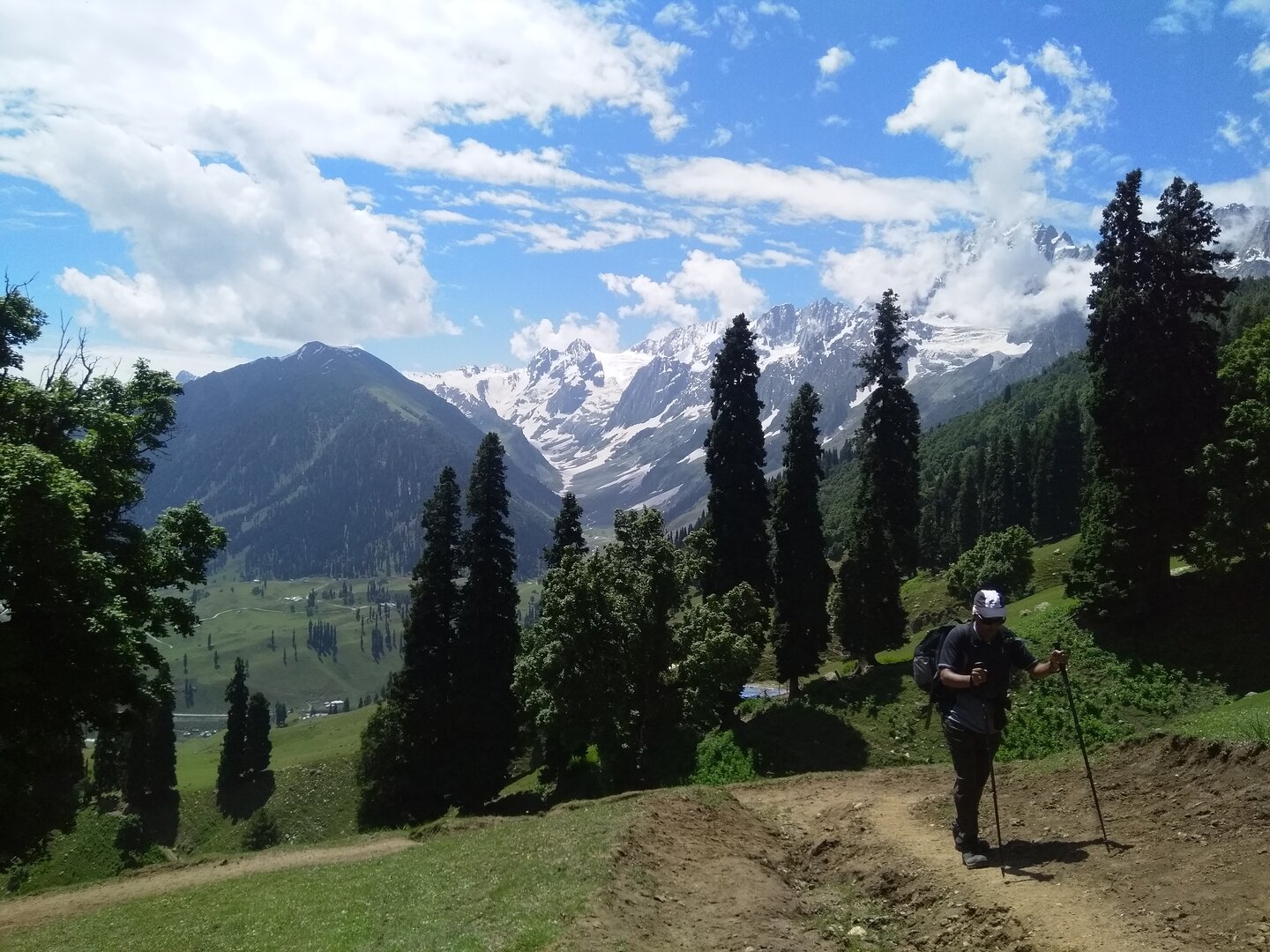
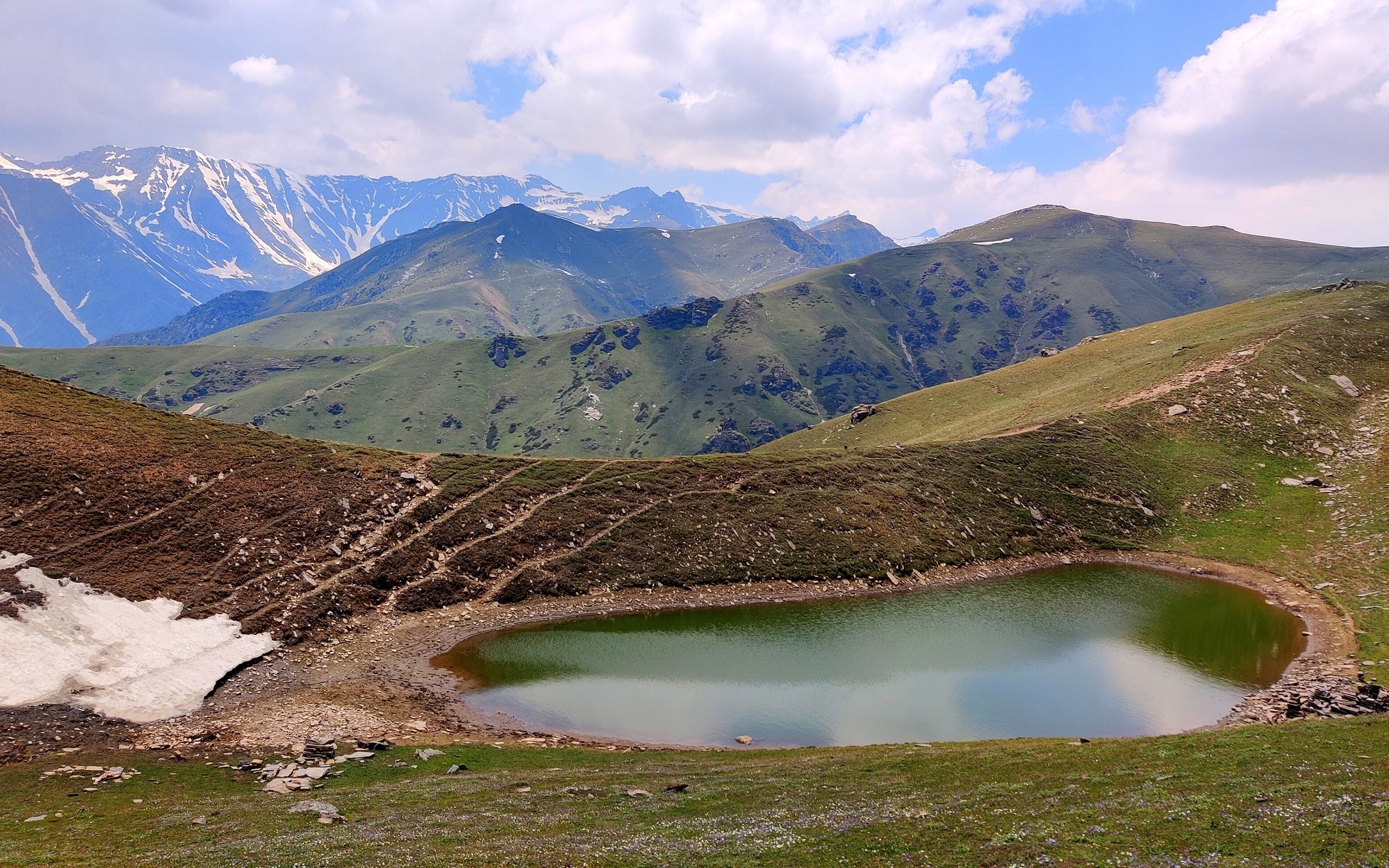
The Ranthan Kharak Trek is a quiet, deeply immersive journey into the lesser-explored alpine landscapes of the Kumaon Himalayas. Unlike popular high-traffic trails, this trek unfolds slowly and subtly — rewarding trekkers with vast meadows, dense Himalayan forests, and uninterrupted mountain silence rather than dramatic crowds or busy campsites.
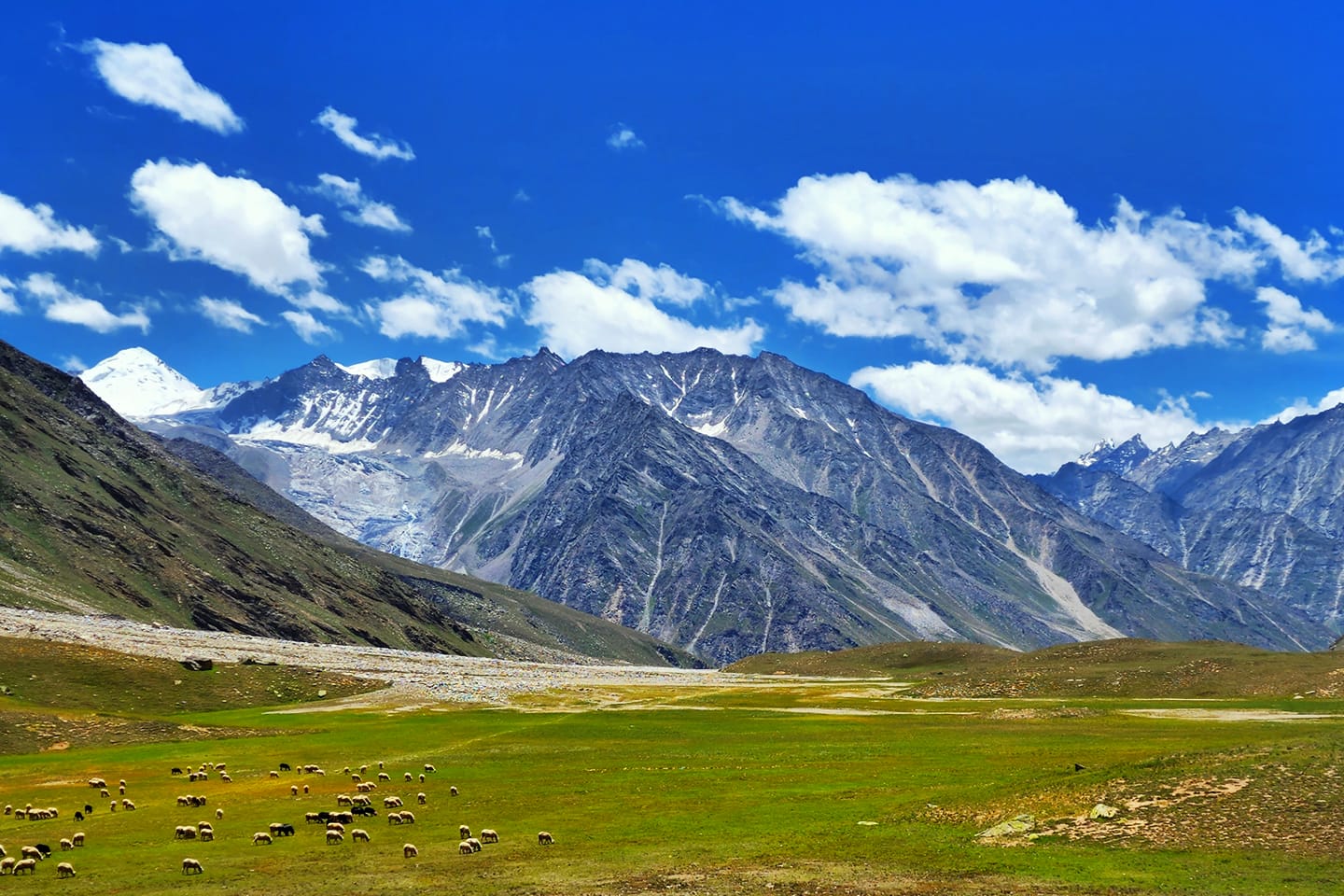
Hidden above the Pindar valley, Ranthan Kharak is a high-altitude meadow that feels almost untouched by time. The approach route passes through traditional Kumaoni villages, ancient stone paths, and thick forests of oak, rhododendron, and pine. As you climb higher, the forest gradually thins out, giving way to expansive grasslands that roll gently beneath open skies.
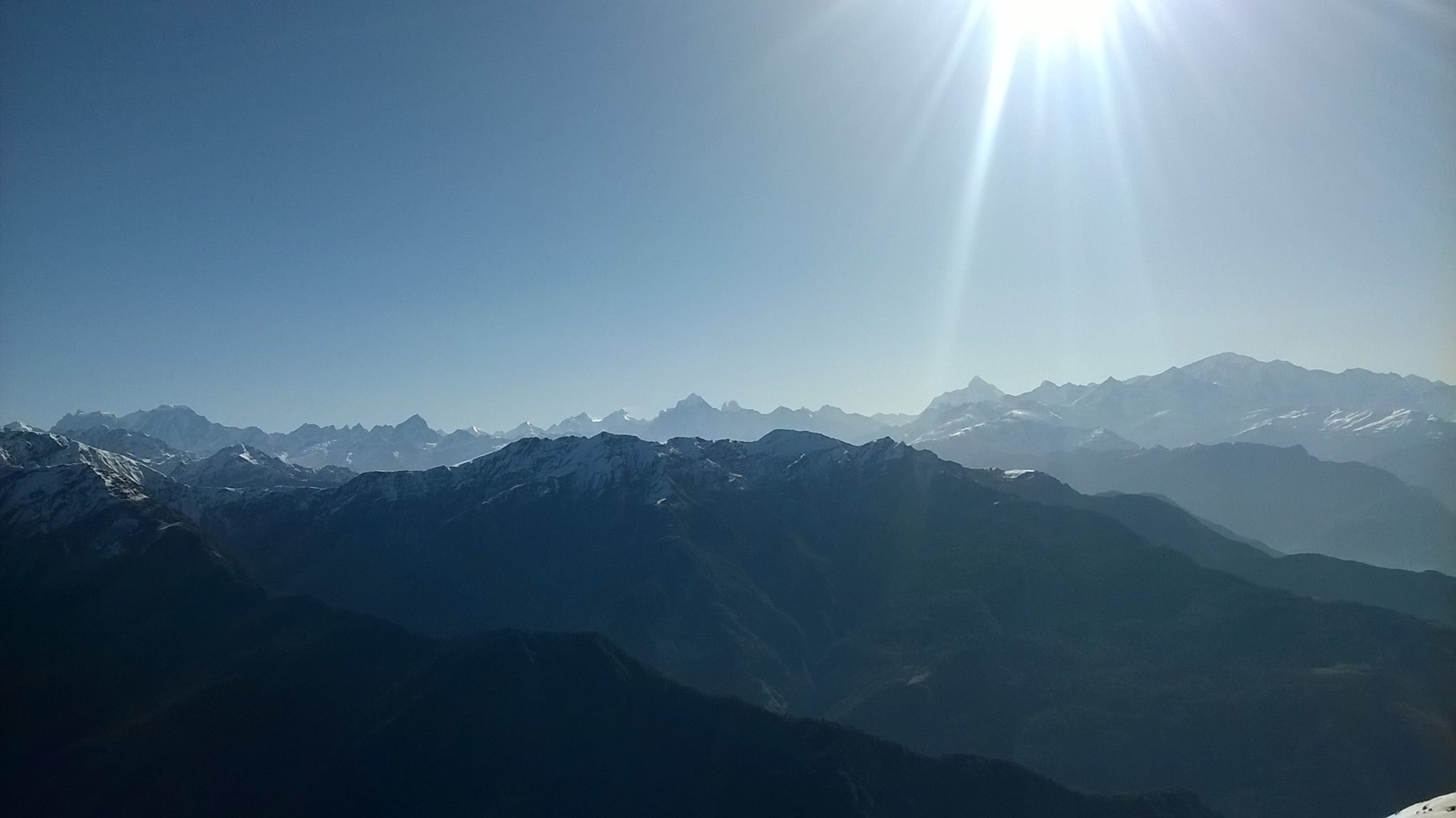
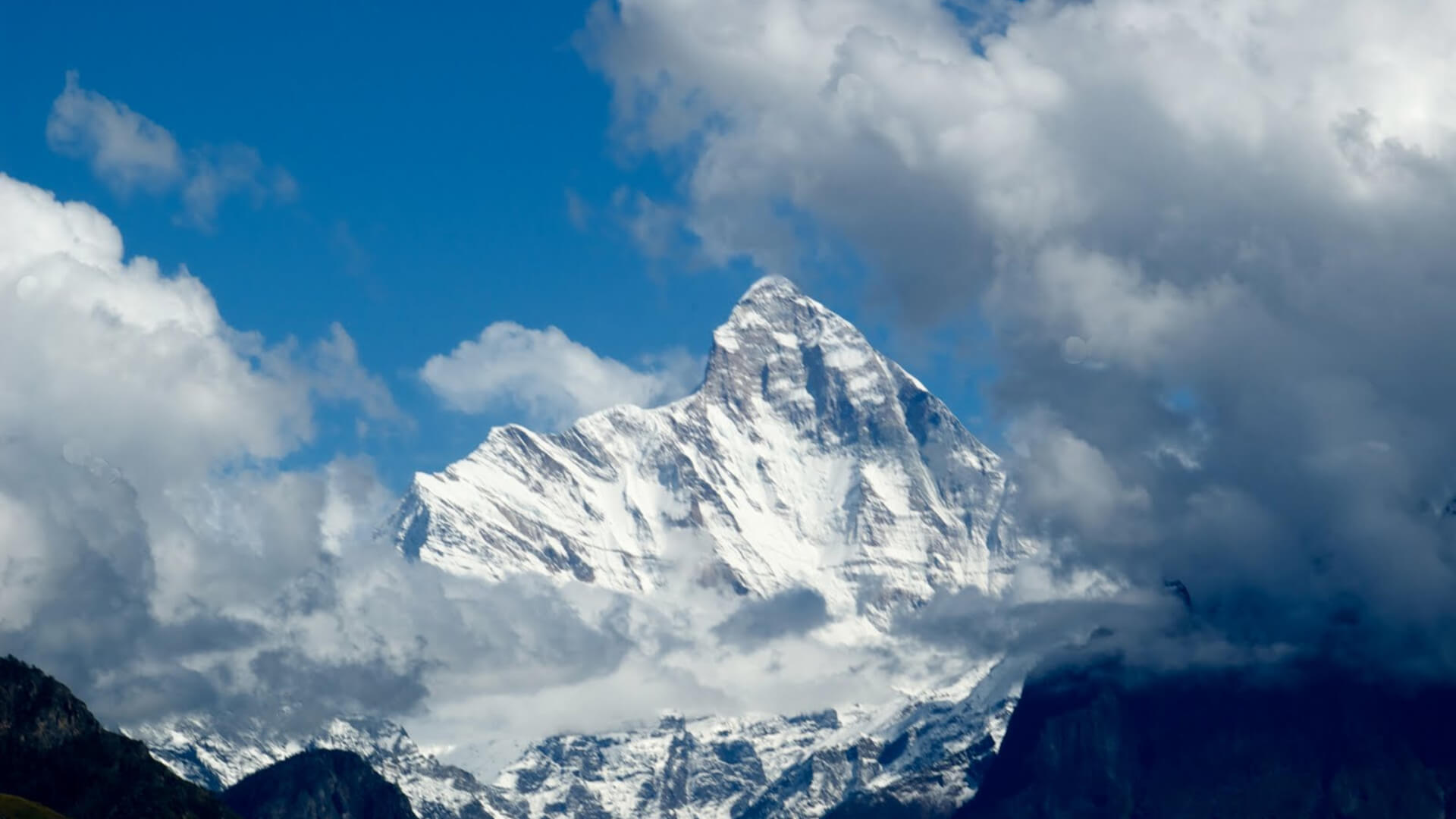
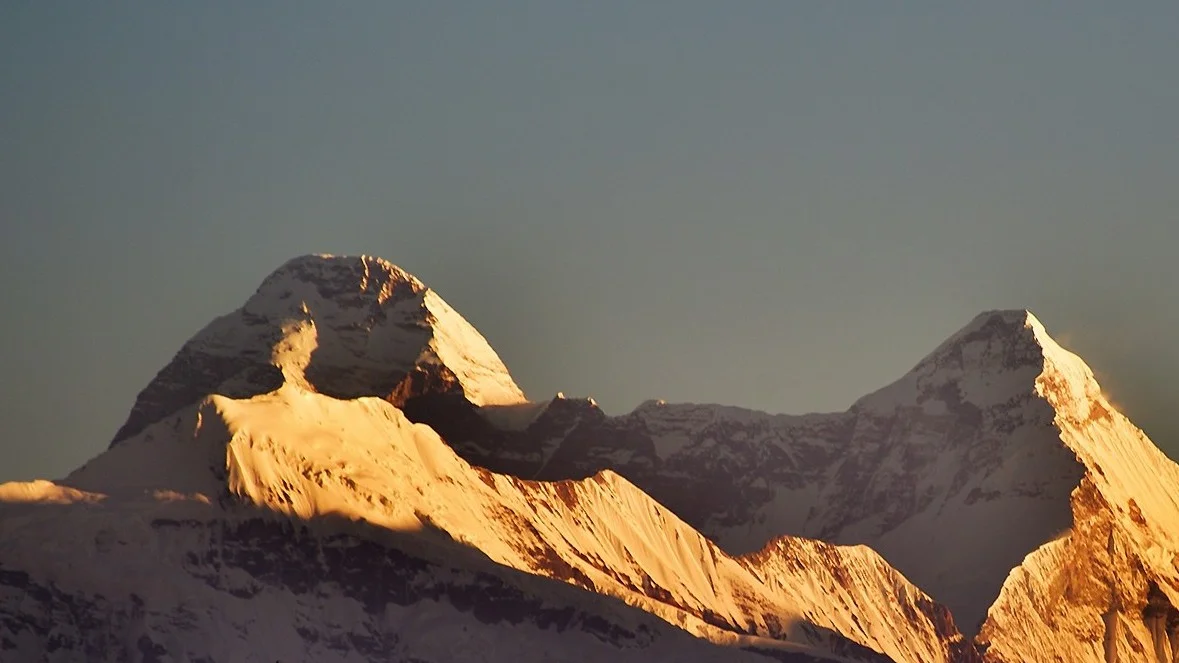
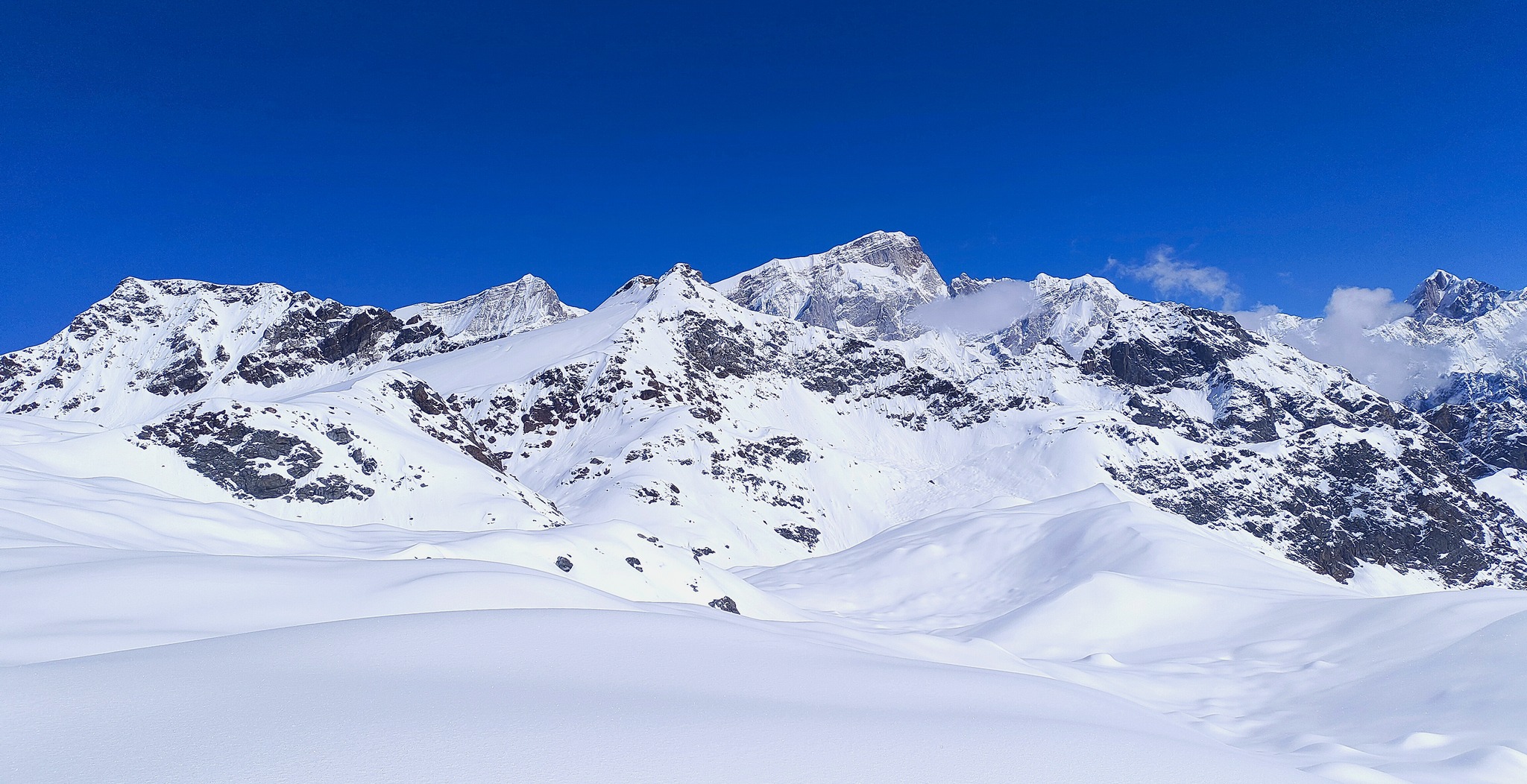
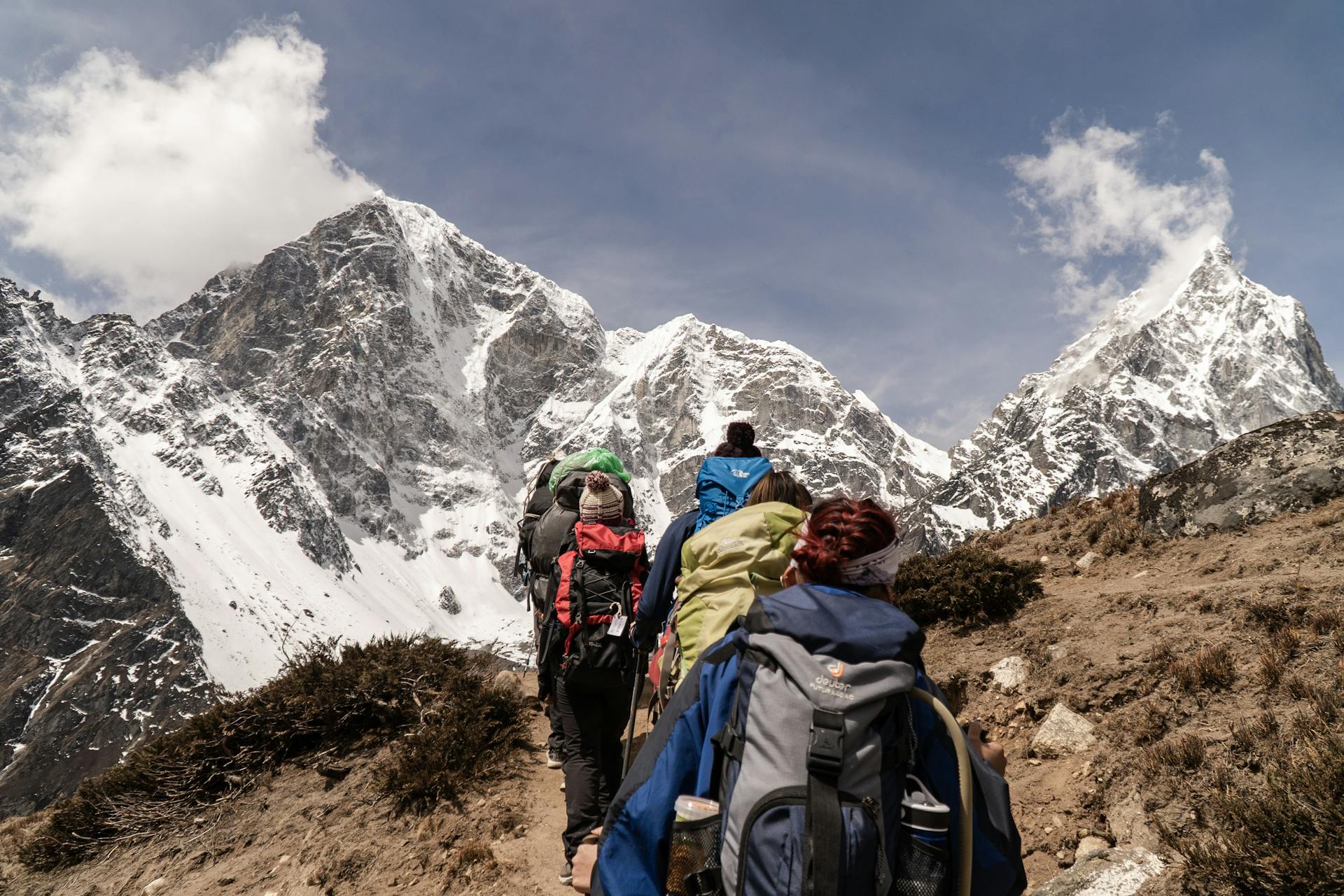
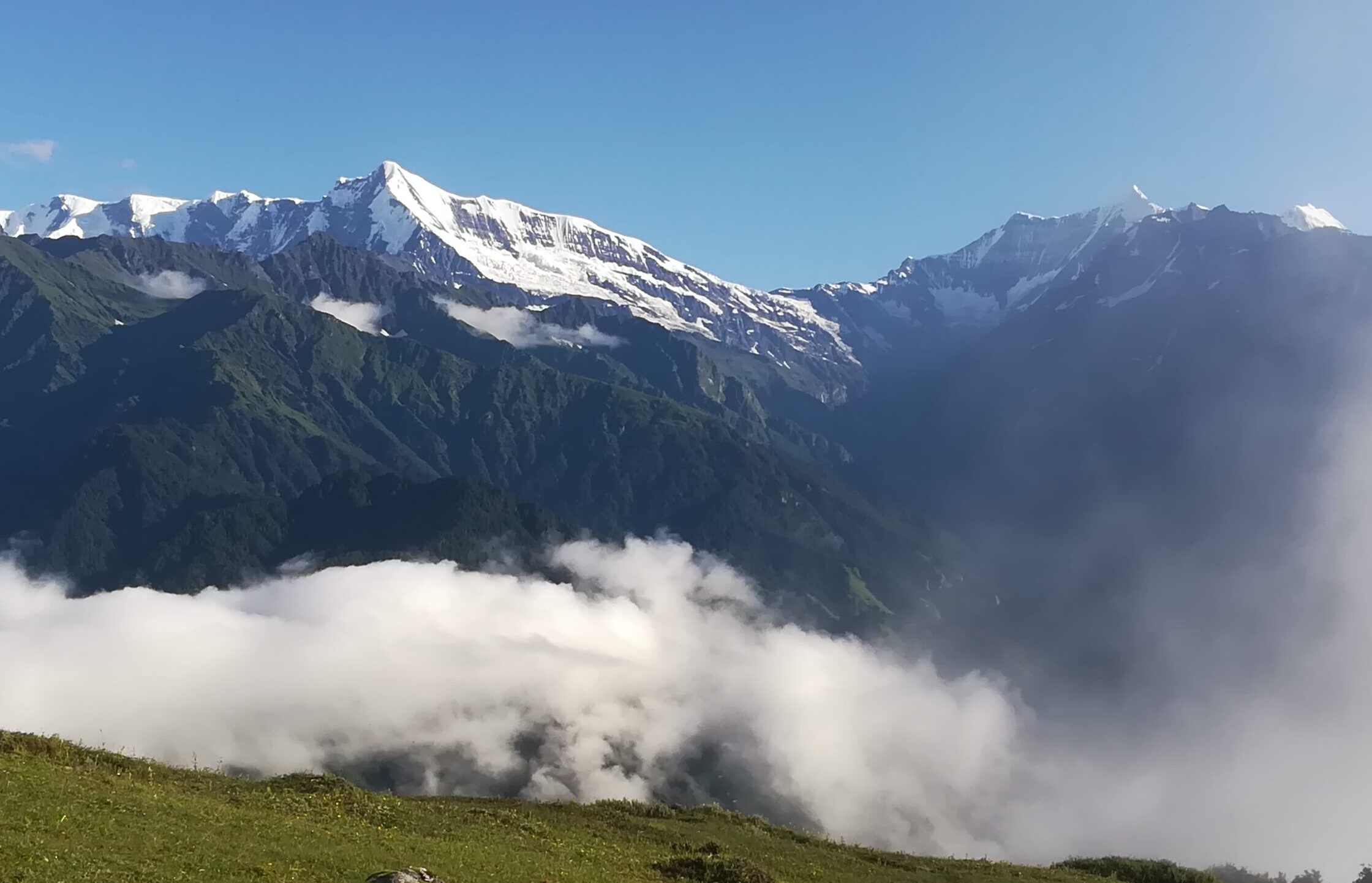
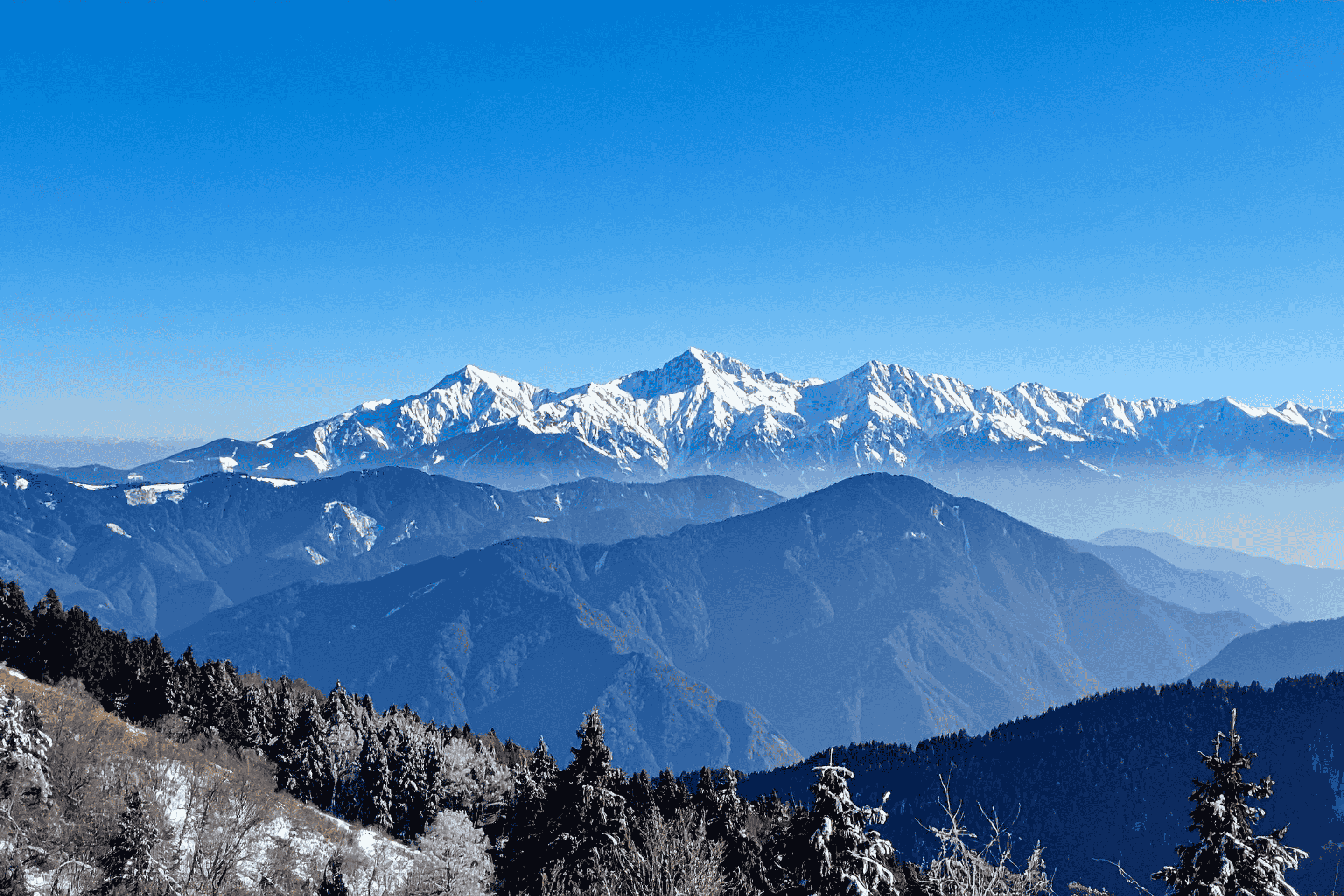
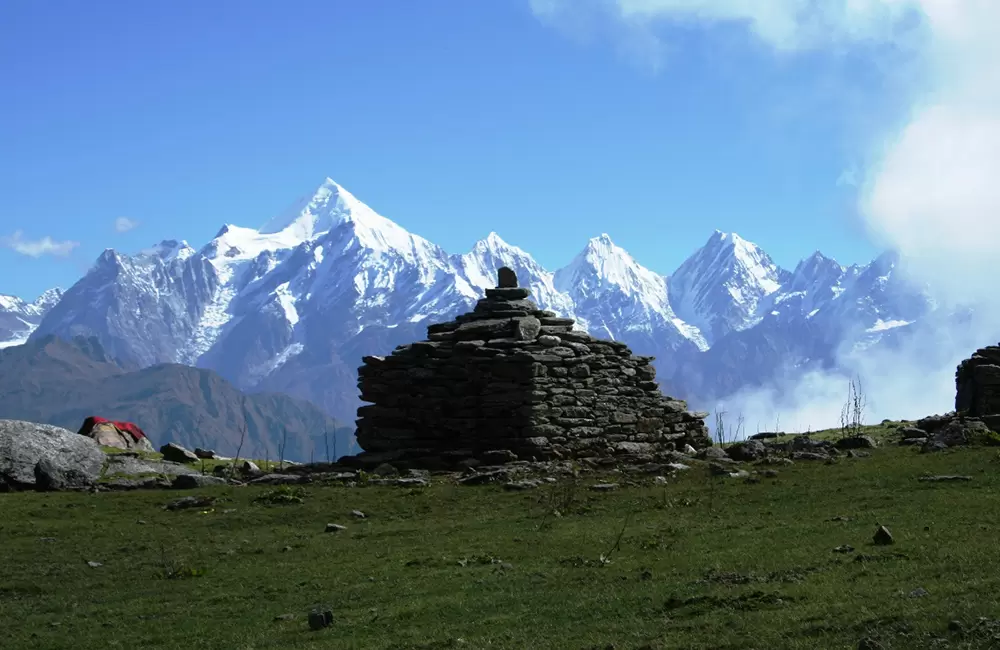
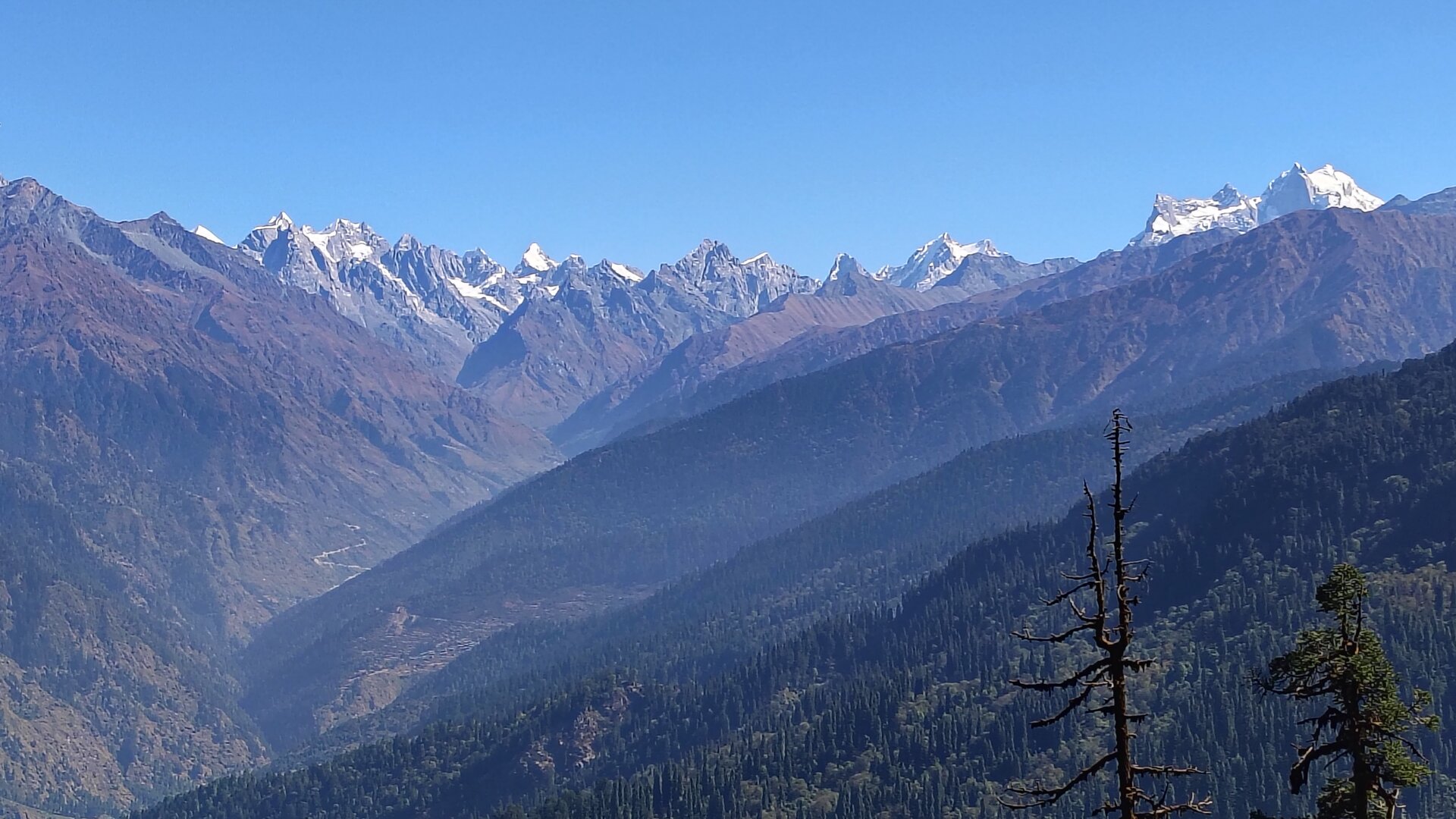
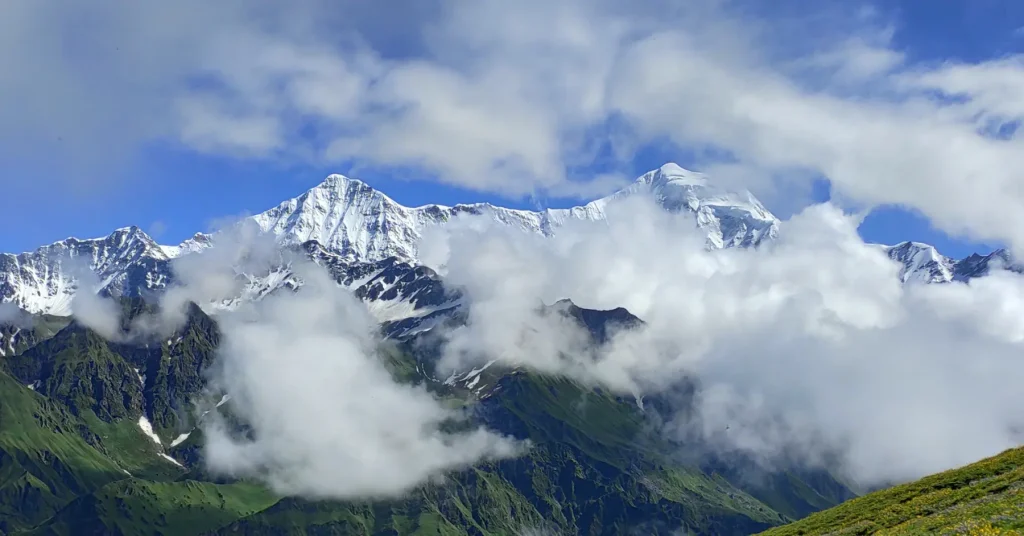
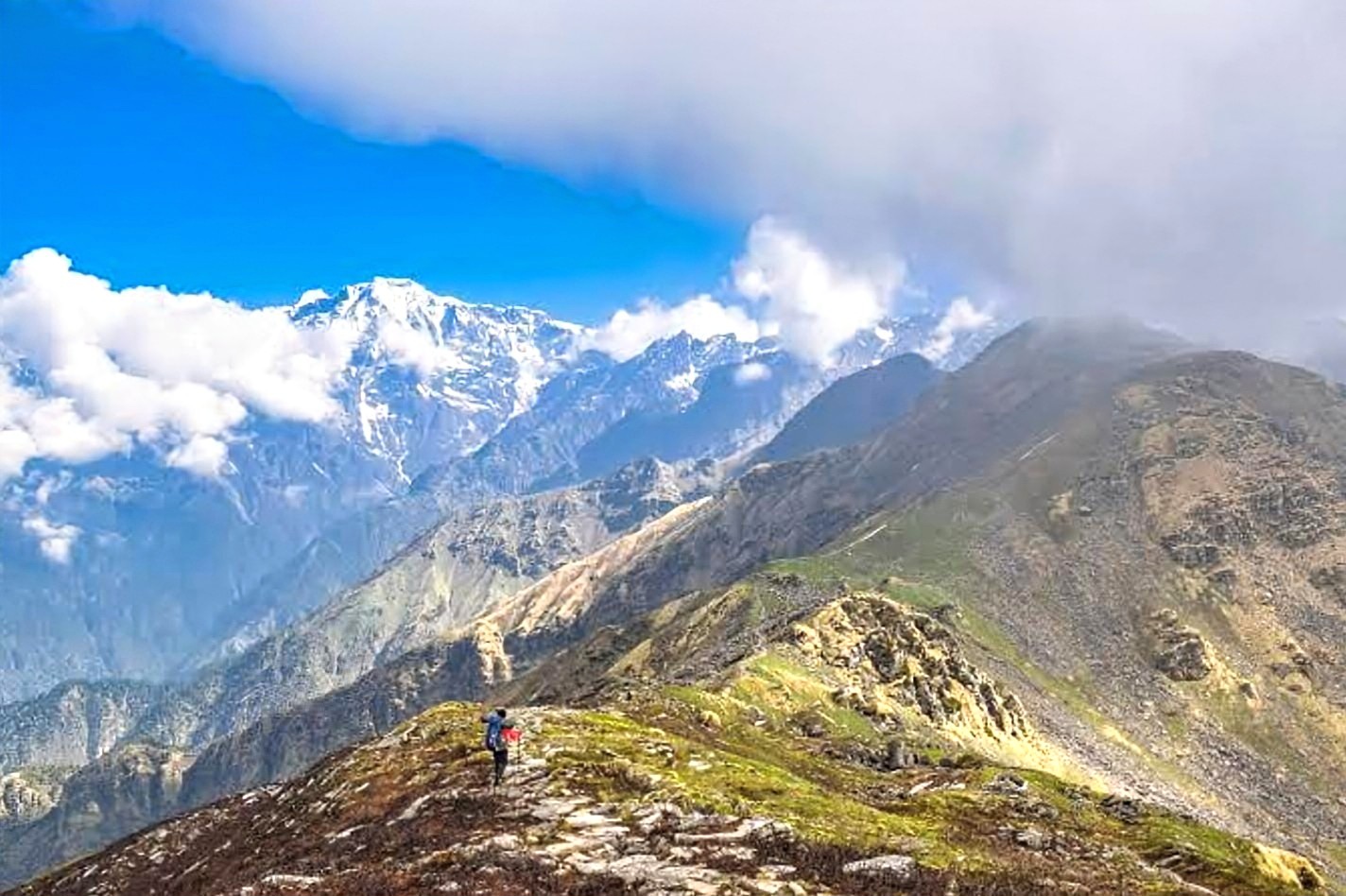
The meadows of Ranthan Kharak stretch wide and open, bordered by ridgelines and distant snow-covered peaks. On clear days, the panorama includes imposing Himalayan giants such as Nanda Devi, Nanda Kot, Maiktoli, and Panwali Dwar — standing tall and silent on the horizon. The sense of space here is profound; there are no sharp climbs or technical sections, only long, steady walks through some of Kumaon’s most serene high-altitude terrain.
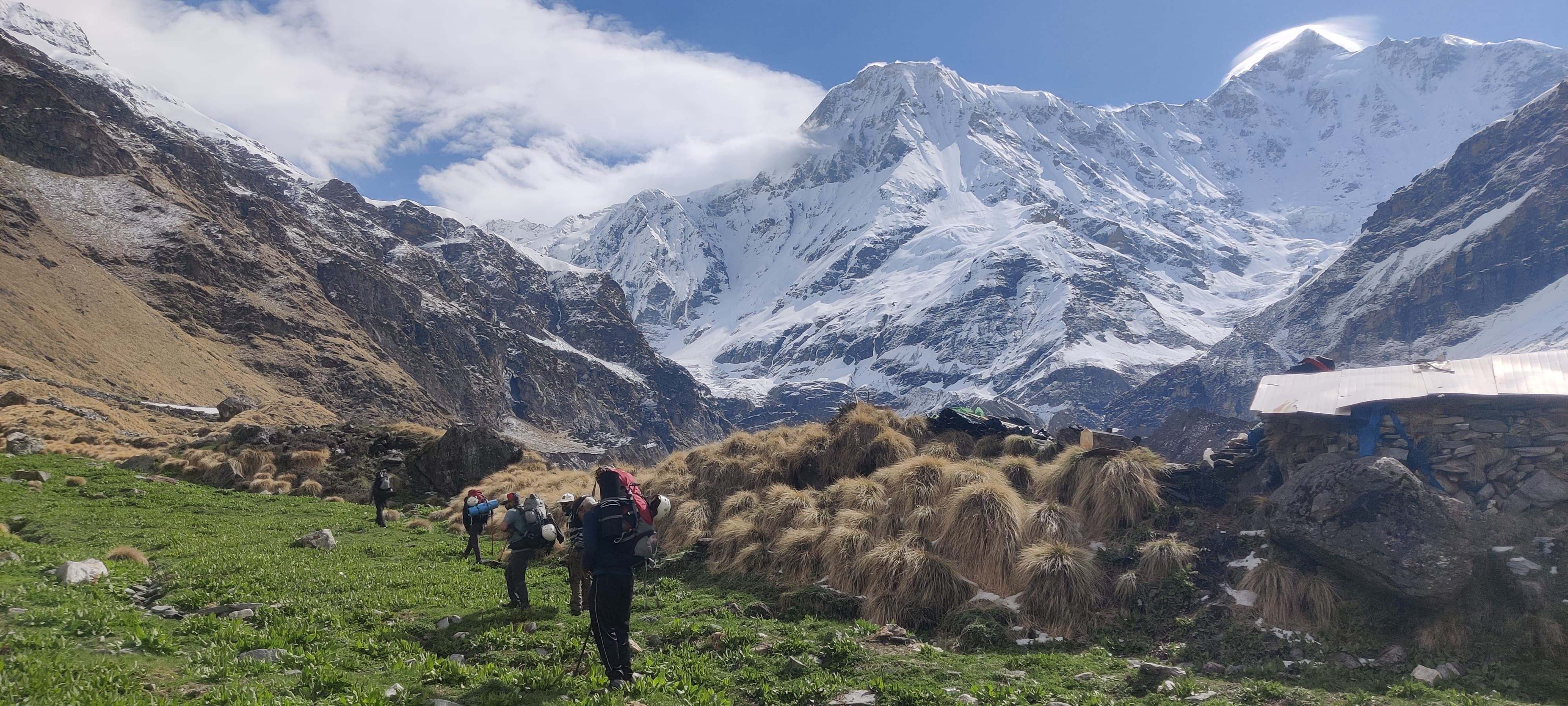
This trek is ideal for trekkers who appreciate solitude and slow exploration. Campsites are set in open meadows or forest clearings, where evenings are marked by changing mountain light, grazing horses, and complete stillness. Wildlife sightings are possible, and birdlife is abundant throughout the forest sections.
While technically moderate, the Ranthan Kharak Trek demands good endurance due to consecutive walking days and altitude gain. Weather can change quickly, and fog or rain can roll in without warning, especially during monsoon months. Yet it is precisely this raw, unpolished nature that gives the trek its character.
For those seeking an offbeat Himalayan experience — far from crowds, rich in landscape variety, and rooted in the quiet beauty of the Kumaon region — Ranthan Kharak offers a rare and deeply satisfying journey.
Read More

Highlights

✅ Explore the vast and rarely visited alpine meadows of Ranthan Kharak

✅ Walk through dense oak, pine, and rhododendron forests of Kumaon

✅ Panoramic views of Nanda Devi, Nanda Kot, and Maiktoli on clear days

✅ Experience true Himalayan solitude away from crowded trails

✅ Traditional villages and ancient stone-paved mountain paths

✅ Wildflowers and grazing horses across open high-altitude grasslands

✅ Ideal trek for those seeking slow, immersive mountain travel

Itinerary

?
Day 1 is scheduled as the arrival day at Gogina. Most trekkers usually reach Gogina from Kathgodam, a long but scenic drive into the interior regions of Kumaon. Transport for this route may be opted as an add-on, while some trekkers may choose to arrive independently from Kathgodam or other nearby towns.

The drive, for those travelling from Kathgodam, passes through winding mountain roads, forested ridges, and river valleys. After crossing Almora and reaching Bageshwar — the last major town on the route — the road follows the river upstream and climbs through small mountain villages before reaching Gogina. By evening, all participants assemble at the village. Settle into a local homestay, enjoy a warm meal, and rest well, as the trek begins the following morning.
The trek begins by walking through the quiet lanes of Gogina village, passing stone houses and farmlands before crossing a small bridge. Soon after, the trail takes a sharp descent into a deep gorge, dropping steadily towards the Ramganga River. This section is narrow and rocky in parts, offering dramatic views of cliffs and the river far below.

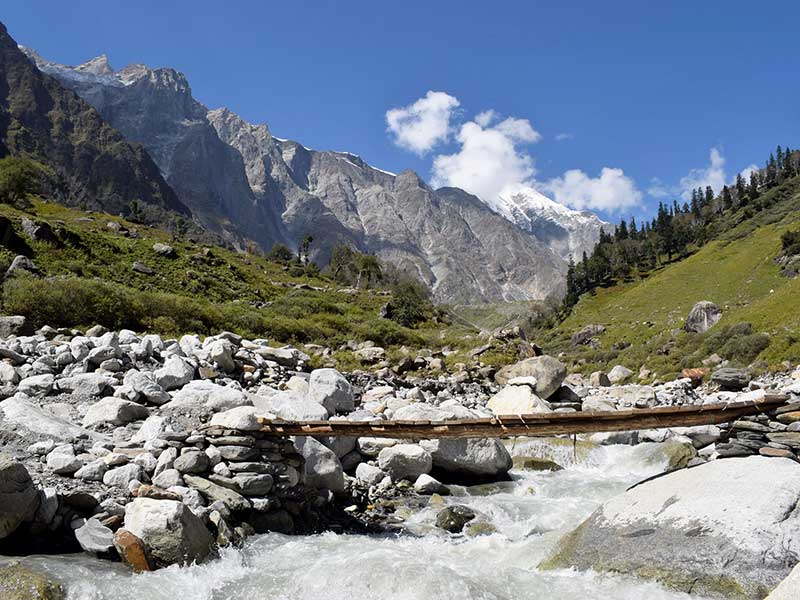
At the bottom of the gorge, you cross a long suspension bridge over the Ramganga — a thrilling crossing with the river flowing beneath. From here, the character of the trek changes completely as the trail climbs steeply through dense forests. A well-laid zig-zag path leads upward through oak, chestnut, bamboo, and deodar trees, testing endurance but rewarding with sweeping valley views.

As the ascent eases, signs of habitation appear — small farmlands, a village school, and scattered homes signal the approach to Namik. Walking through the terraced village offers a glimpse into the local mountain lifestyle. The campsite is located above the village in an open clearing near a temple, with views of the valley, surrounding villages, and distant glacier-fed mountains. The rest of the evening is spent resting and soaking in the peaceful setting.
The day begins with a gentle ascent from Namik through stone-laid trails that alternate between dense forests and wide alpine clearings known locally as kharaks. Early sections open into grassy meadows dotted with shepherd huts, offering beautiful morning views and a sense of life in these high pastures.

The trail then weaves through mixed forests of oak, maple, and rhododendron, forming a natural canopy overhead. The sound of leaves underfoot and nearby streams adds to the calm rhythm of the climb. A small stream crossing provides a good spot to refill water before reaching the first major clearing — a vast meadow enclosed by towering trees, perfect for a barefoot walk on the grass.

Continuing ahead, the route passes more forest pockets and open meadows, each with a distinct character. As you approach Bajimanian Kharak, the landscape opens up again into layered clearings used by shepherds during grazing season. The campsite is set in the upper meadow near Balchan Kund, a serene forest pond revered by locals. Spend the evening exploring the surroundings, listening to forest sounds, and soaking in the peaceful atmosphere of this beautiful high-altitude pasture.
The day begins with a steady ascent from Bajimanian Kharak along stone-laid trails, weaving through open clearings and patches of dwarf rhododendron. As you climb higher, the forest thins out and the views begin to open, revealing expansive alpine landscapes ahead.

About a kilometre into the trek, the trail splits — one route leading towards high passes and distant valleys, while the left-hand trail continues towards Thal Tok. Taking the left, the path gently descends onto a narrow ledge walk that contours the mountainside, offering sweeping views of vast grasslands below.

Soon, the trail opens into wide alpine meadows where shepherds often graze their flocks. Crossing the meadow, the terrain changes once again as the route steepens towards the ridge. A zig-zag climb over rocky slopes and juniper shrubs leads you higher, testing endurance and balance at altitude.

Reaching Thal Tok, a wind-swept mountain col, the surroundings feel stark and dramatic. This high saddle connects multiple ridgelines and offers striking views of snow-clad Himalayan peaks. The campsite lies near the ridge, set in a raw, high-altitude environment that signals your transition into the true alpine zone.
This is the longest and most demanding day of the trek, beginning before sunrise. From Thal Tok, the trail climbs steeply through rocky switchbacks toward the Chophu shoulder, opening up to vast mountain views as altitude is gained. The ascent continues over boulders and ridgelines, gradually transitioning into an exposed ridge walk that leads toward Ranthan Top.

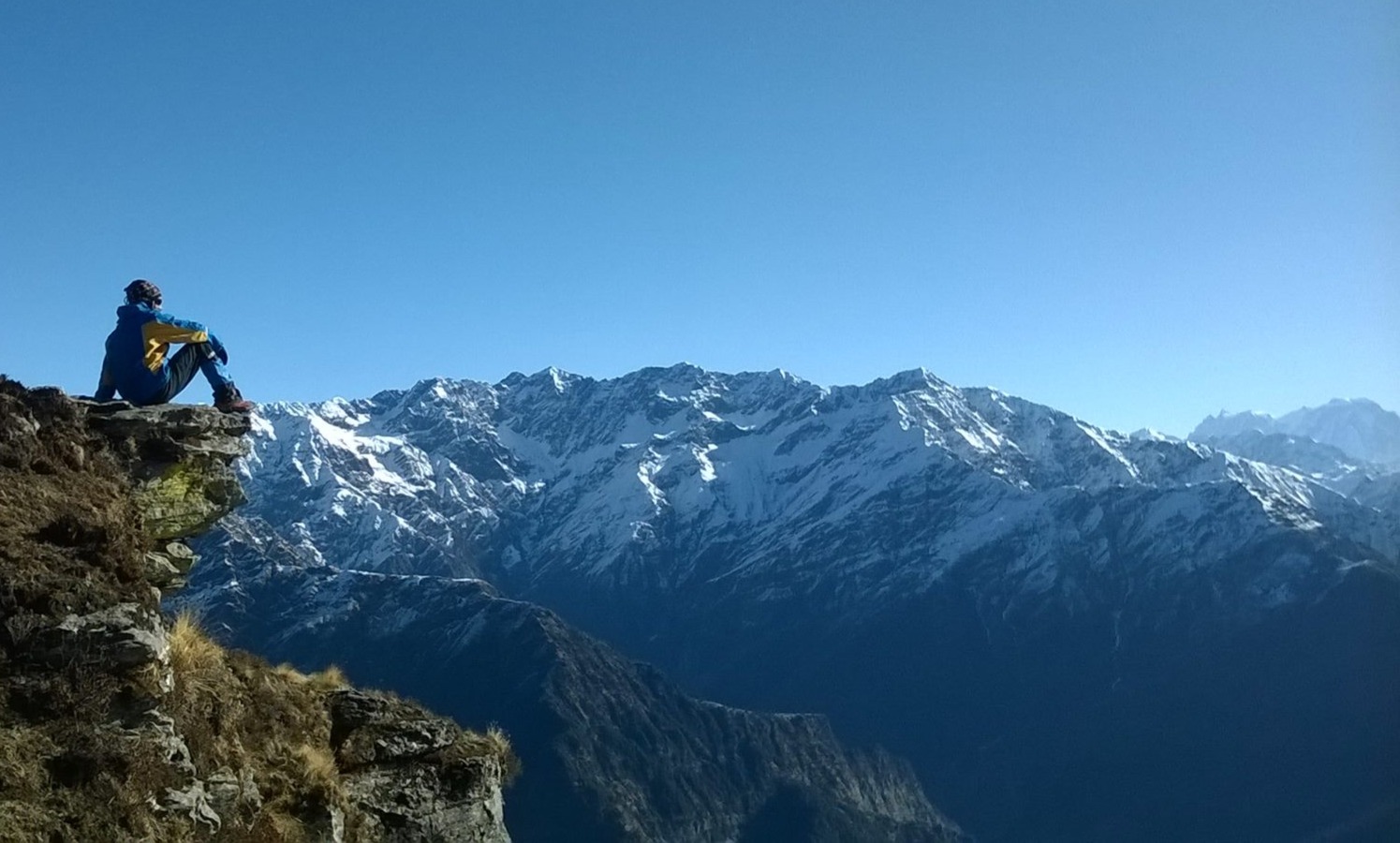
The final climb to Ranthan Top is steep and strenuous, but the reward is immense. From the summit, sweeping views stretch across both Garhwal and Kumaon ranges, with massive Himalayan peaks rising on either side of the valley. The sense of scale and remoteness here defines the soul of the trek.

After spending time at the top, the descent begins — long, continuous, and testing on tired legs. The trail retraces ridges and ledges before dropping into alpine meadows and eventually re-entering forested sections. Gradually, the landscape softens as you descend toward Parava Thor and further down to Namik.

By late afternoon or evening, you reach Namik village, marking the end of an intense yet unforgettable day that brings together high-altitude ridges, dramatic mountain views, and a deep sense of accomplishment.
The final day of the trek begins with a steady descent from Namik, following the same trail taken on the first day. The path drops sharply at first, cutting down through forested slopes toward a suspension bridge that spans the gorge below. After crossing the bridge, a short but noticeable ascent brings you back onto the village trail — a reminder to stay attentive even on familiar ground.

As the trail evens out, the surroundings gradually shift from remote wilderness to cultivated fields and scattered huts. The mountains begin to recede into the background, replaced by village life and open valleys. This section is straightforward, but care is needed at trail junctions where the main path climbs quickly back onto the mud trail leading to Gogina.

The final stretch is an easy walk, allowing time to reflect on the journey of the past days — from high ridges and alpine meadows to long descents and quiet forest paths. Reaching Gogina by late morning or early afternoon marks the end of the trek, carrying back memories of a demanding yet deeply rewarding Himalayan experience.

Packing list

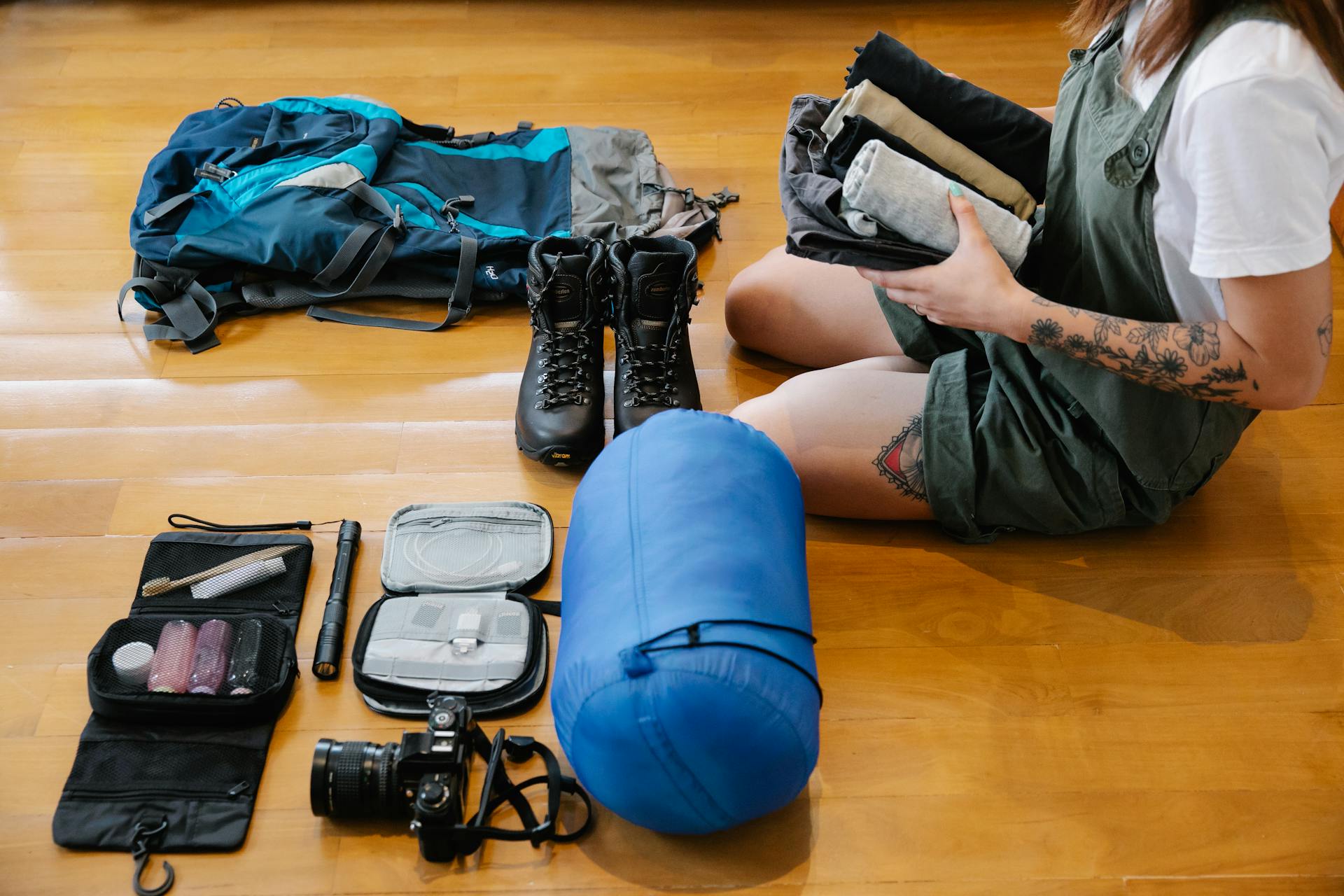
For a comprehensive packing list, download the PDF below: Download Packing List

Did you know?

Ranthan Kharak takes its name from two features: ‘Ranthan’ (the summit/top) and ‘Kharak’ (the many high-altitude clearings) that shepherds use for summer grazing.
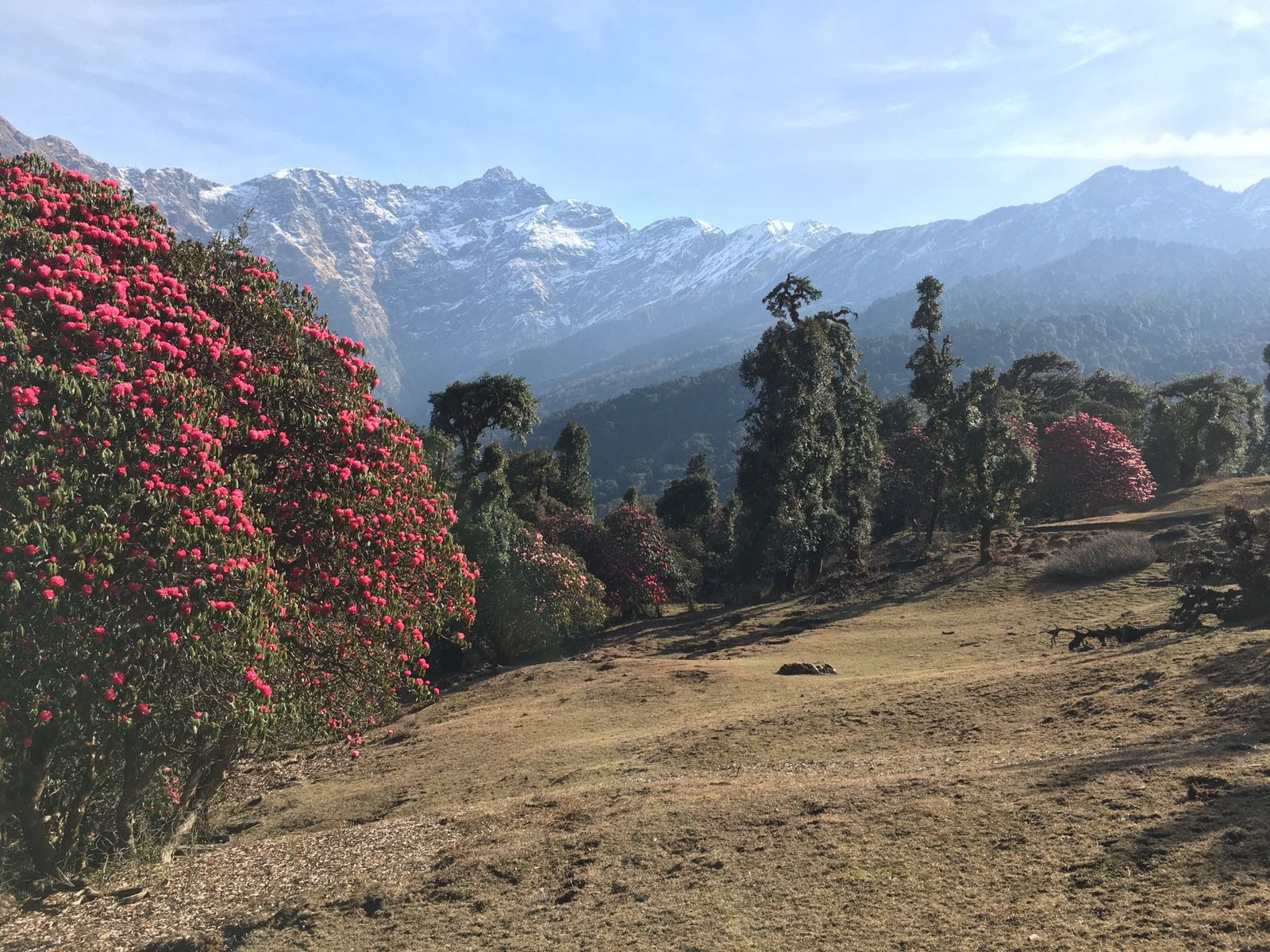
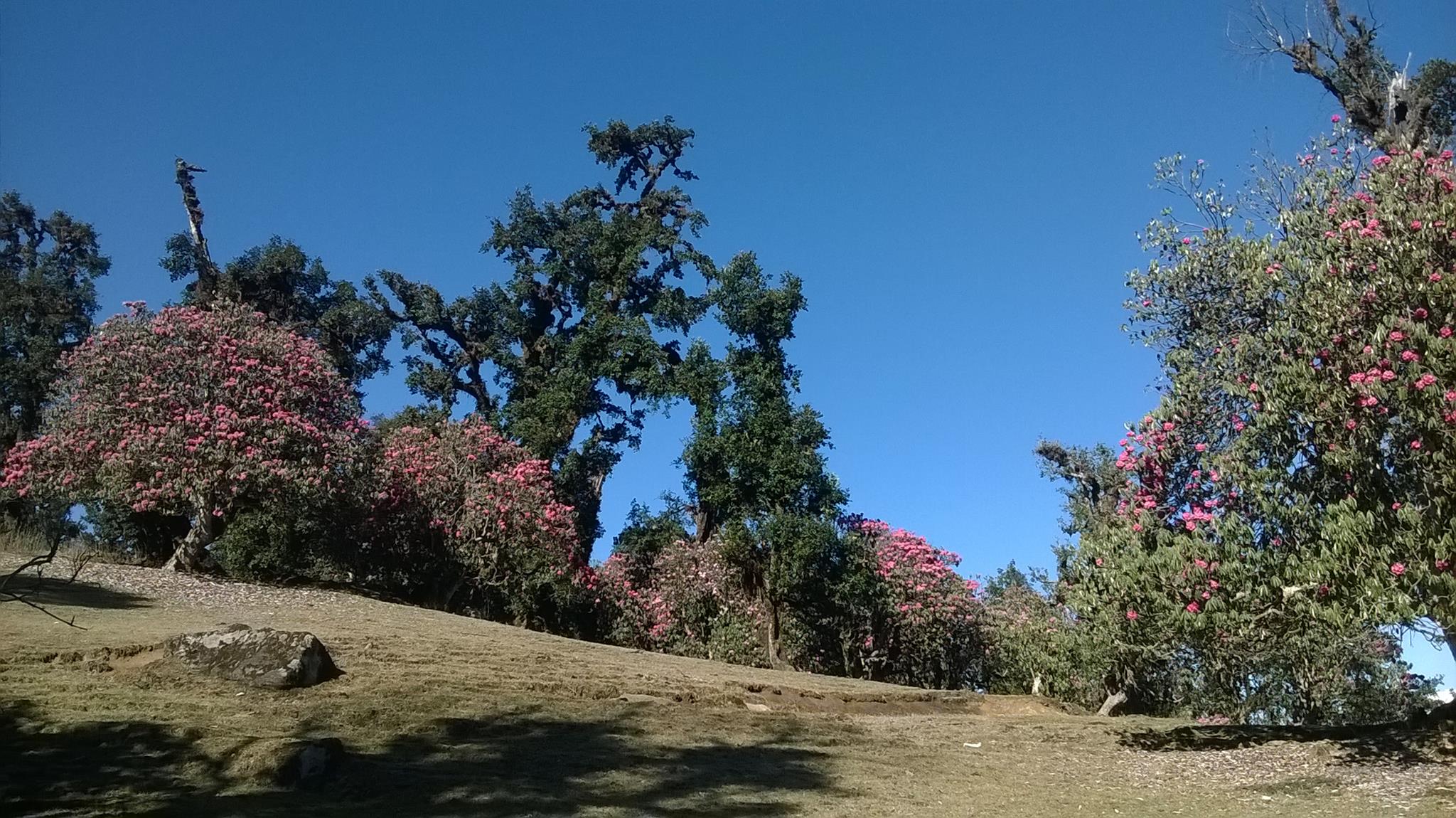
The trek is famous for its spring rhododendron bloom — carpets of red and pink rhododendron flowers appear across the forests and kharaks, typically in April–May.
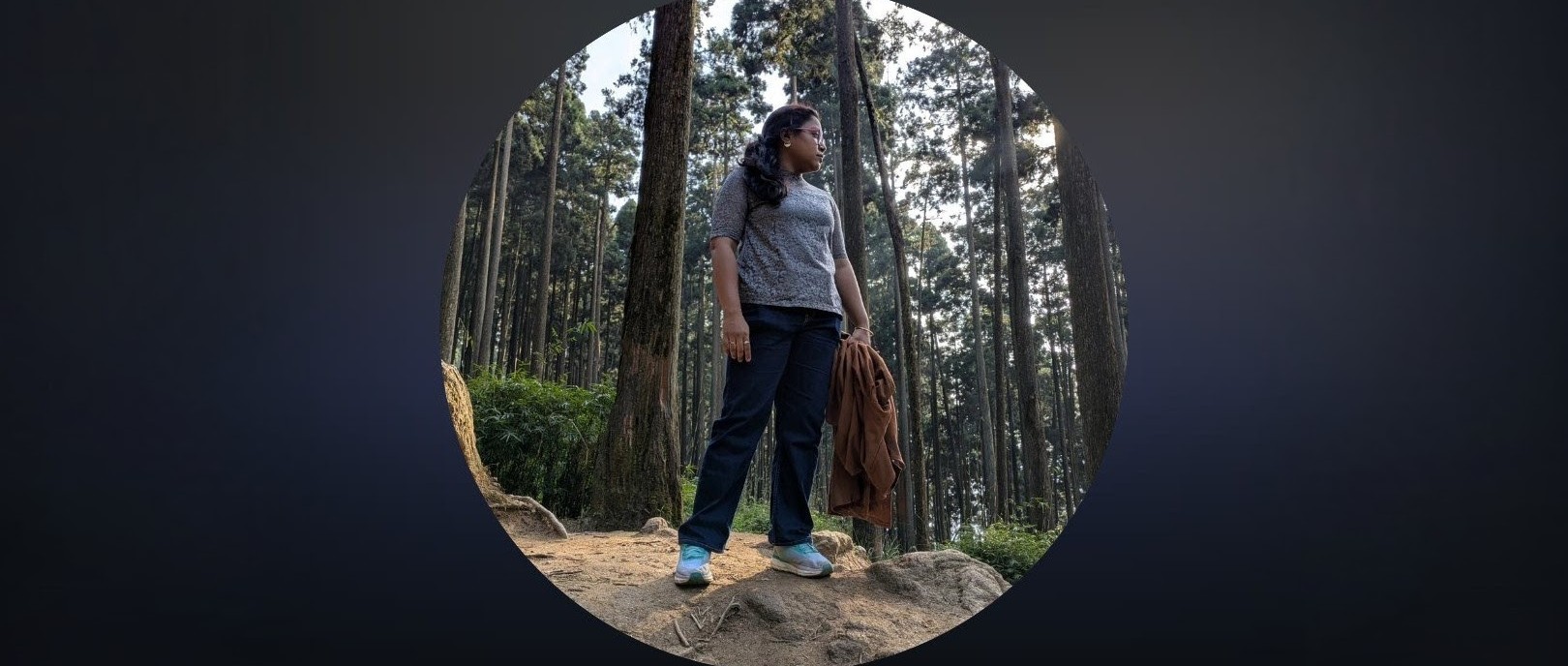
Balchan Kund, near the Bajimanian Kharak campsite, is a small, locally revered pond: the area around the kund attracts diverse birdlife (including Monal and other high-altitude species) and is used by villagers for ritual observances.
Nanda Kund / Nanda Kunda (approachable from higher ridges) is considered sacred in local tradition and offers panoramic views of both Garhwal and Kumaon Himalayan ranges on clear days.
The kharaks (meadows) are traditional seasonal grazing grounds used by local shepherds and village communities; many of the stone trails predate modern trekking routes and were once cattle/pony migration paths.
Local villages along the route practise terrace farming (potatoes, rajma, millets) and observe seasonal harvest customs – trekkers often witness local hospitality and simple village rituals when timings coincide with festivals.
Several shepherd-built stone huts and fenced enclosures visible on the trail are examples of sustainable, vernacular mountain architecture adapted to seasonal grazing life.
The upper ridges and ledges around Ranthan Top show clear signs of seasonal snow and verglass in early summer — these north-facing sections hold snow longer and demand caution during thaw/early season treks.
The route passes small, sacred tree-shrines (locally tied with ribbons) where villagers honour forest spirits and deities (examples: local worship of wood/forest spirits like ‘Golu Devta’), reflecting the deep local relationship with the landscape.
Because Ranthan Kharak lies in the transition zone between Garhwal and Kumaon ranges, trekkers can observe an especially rich mix of flora and birdlife — from oak/deodar forests to alpine meadow species — in a relatively short distance.

Map

How to reach

✈️ Air: Nearest airport: Pantnagar Airport. From Pantnagar, continue by road to Kathgodam and onward to Gogina Village.

🚆 Train: Nearest railway station: Kathgodam. Well connected to Delhi and other major cities of North India.

🛣️ Road: Kathgodam is well connected by road to Delhi and other cities of Uttarakhand. From Kathgodam, a long mountain drive leads to Gogina Village via Almora and Bageshwar.

🗺️ Travel Tip: Arrive at Kathgodam a day in advance to account for travel delays. Early morning departures are recommended for the drive to Gogina Village.

TrekFAQs

  • The Ranthan Kharak Trek is suitable for trekkers with prior experience and good fitness levels. Beginners with strong endurance may attempt it under guidance.
  • The trek is graded moderate. There are no technical sections, but consecutive walking days and altitude gain require stamina.
  • The trek includes village trails, forest paths, river crossings, and wide alpine meadows.
  • The best months are May–June and September–October, when the meadows are accessible and weather is relatively stable.
  • No. Ranthan Kharak remains one of the quieter and lesser-known treks in the Kumaon region.
  • Its vast, untouched meadows, quiet trails, and immersive wilderness experience set it apart from more popular Himalayan treks.

Similar Treks

View of Nanda Devi East Base Camp Trek trek moderate, difficult

Nanda Devi East Base Camp Trek

10 Nights / 10 Days
uttarakhand-kumaon
View of Panchachuli Base Camp Trek trek moderate

Panchachuli Base Camp Trek

6 Nights / 6 Days
uttarakhand-kumaon
View of Buran Ghati Trek trek moderate, difficult

Buran Ghati Trek

6 Nights / 7 Days
himachal pradesh
View of Gaumukh Tapovan Trek trek moderate, difficult

Gaumukh Tapovan Trek

6 Nights / 6 Days
uttarakhand-garhwal
View of Kedartal Trek trek moderate, difficult

Kedartal Trek

6 Nights / 6 Days
uttarakhand-garhwal
View of Harkidun Ruinsaratal Trek trek moderate, difficult

Harkidun Ruinsaratal Trek

7 Nights / 7 Days
uttarakhand-garhwal
View of Pindari Glacier Trek trek easy, moderate

Pindari Glacier Trek

5 Nights / 5 Days
uttarakhand-kumaon
View of Hampta Pass Trek trek moderate

Hampta Pass Trek

4 Nights / 5 Days
himachal pradesh

How Our Treks Are More Than Just a Trek

Every journey with us is carefully crafted for a deeply personal mountain experience.

Not Just a Trek — A Journey That Stays With You

Every trail we walk is a carefully chosen path into the heart of the Himalayas — not just to witness their grandeur, but to feel them under your skin and soul. Our treks are designed not as bucket list checkmarks, but as life-affirming journeys. At Planethimalayas, we believe a mountain journey is deeply personal — and that belief runs through everything we do.

Individual Care, Every Step of the Way

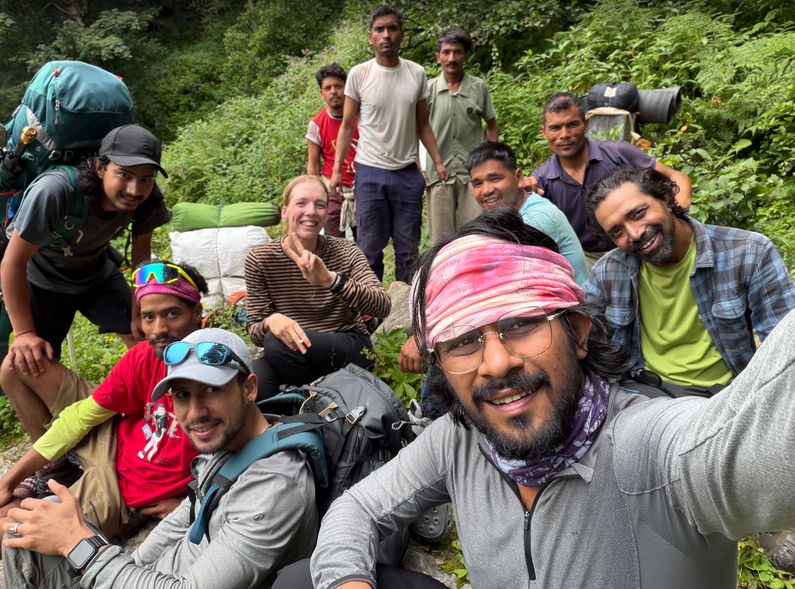
We keep our groups small and intimate so we can focus on you — your pace, your concerns, your joy. From pre-trek guidance to trail-side support, our leaders walk with intention, offering safety and attention without intrusion. It’s this deep care that turns strangers into friends and walks into memories.

Built on Genuine Love for the Himalayas

We don’t just operate in the Himalayas — we live and breathe them. From respecting mountain communities to following Leave No Trace ethics, our treks are shaped by humility and care. With Planethimalayas, your trek becomes a way of giving back to the mountains that give us so much.

Why Choose Us

Experience the difference of trekking with genuine mountain experts who truly care.

Trek Leader & Guide

Led by certified mountaineers with wilderness first aid training, ensuring your safety and confidence at every step.

Cook & Support Staff

Our mountain crew comprises local experts who bring unmatched experience, warmth, and deep knowledge of the region.

Small Group Size

We cap our group departures at just 8 trekkers — ensuring individual attention, deeper connections, and better trail discipline.

Safety Standards

From personal well-being to technical preparedness, we maintain the highest safety standards — using certified high-altitude gear and comprehensive safety protocols to ensure a secure and reliable Himalayan experience.

24×7 Online Support

We're always available — before, during, or after your trek. Reach out anytime, and you'll always hear back from a real human.

We Care for the Mountains

We strictly follow Leave No Trace ethics. Limited group sizes and mindful practices help protect the fragile Himalayan ecosystem.