WhatsApp FAQs
×

Trek Grade Guide:


Trekking in the Himalayas is a true adventure experience — a journey into high-altitude wilderness where nature exists in its most raw and powerful form. Every trek comes with physical challenges, unpredictable weather, and varying terrain. Choosing the right trek grade is essential not just for a great experience, but also for safety and proper acclimatization.

To help you make the right choice, treks are categorized into three levels based on altitude, terrain, duration, and overall difficulty:

Easy (Beginner-Friendly Treks):
Ideal for first-time trekkers or those looking for an easy trek in the Himalayas. These treks usually last up to a week, with shorter hiking days, gradual altitude gain, and a maximum altitude of around 14,000 ft. The terrain remains well-defined, often within or near the tree line, with civilization relatively accessible. Weather conditions are more predictable, making these treks safer and easier to manage, with quicker rescue access if required.

Moderate Treks:
Designed for trekkers with some prior experience or good fitness levels. These treks may extend beyond a week and include a mix of short and long trekking days, with altitudes reaching up to 16,000 ft. You move above the tree line into more rugged landscapes — including alpine meadows, moraines, and high-altitude terrain. Weather becomes more unpredictable, and conditions can change suddenly. While still manageable, these treks require better preparation, endurance, and mental strength.

Difficult (Expedition-Level Treks):
These are high-altitude expeditions meant for experienced trekkers. Routes often exceed 17,000 ft and pass through glaciers, snowfields, steep ascents, river crossings, and technical terrain. Treks can last up to two weeks, taking you far from civilization into extreme Himalayan conditions. Weather can shift rapidly, and sections may require technical equipment like ropes or ice axes. Rescue in such regions is complex, making experience, self-sufficiency, and strong mental resilience absolutely essential.

Understanding these categories helps you choose a trek that matches your fitness, experience, and expectations — ensuring a safe, enjoyable, and truly memorable Himalayan adventure.

×


PriceNote – Listed Price & Customisation Rules:
The listed trek price applies to our fixed departures for the specified itinerary. Trek fees including any add-ons for customized groups may vary based on your preferences, ensuring every adventure is tailored to your needs.

Group Booking Offer:
For groups of 8 or more booking together, the trek fee for 1 participant will be waived as a token to encourage shared adventures.

Scholarship for Kids:
Children under 15 years receive a 30% discount on the trek price, making it easier for families to explore the Himalayas together.

×


Transport Price Note:
The transport price mentioned is only an current indicative estimate per person, assuming a Non-AC vehicle like Bolero shared by at least 4 participants.
Fewer participants → cost rises;
More participants → cost decreases.

Transport Selection During Booking:
Selecting transport during booking informs us of your preference. No payment is collected at booking.

Final Cost & Payment:
Final transport cost will be communicated before departure and to be paid directly to the cab driver.

×

Itinerary Note:
This itinerary represents the most updated plan, but minor adjustments may occur due to operational needs or mountain conditions.

Brighu Lake Trek

Meadows That Climb to a Sacred Himalayan Lake

Gallery

Trek Overview

  • Trek Duration: 3 Nights / 4 Days
  • Trek Grade: Easy to Moderate ?
  • 🏔️ Max Altitude: 13,850 ft (Brighu Lake)
  • Trek Distance: ~30 Km
  • 🌤️ Best Time: June-July & September-October
  • 🗺️ Region: Kullu Valley, Himachal Pradesh
  • 📍 Start Point: Manali
  • 🏁 End Point: Manali
  • 🧥 Cloakroom facility: Not Available

Price starting from ?

INR 7,400 * Manali to Manali

*Price inclusive of all applicable taxes (GST included).

Small group sizes • High guide-to-trekker ratio • No hidden costs

Addons (Optional)

  • Offloading Bags – INR 1,500 (* Maximum weight 9kg/bag)

Need a different date?

We can arrange a custom departure if 3+ trekkers align.

Walking The Trail

Some treks feel long and gradual, revealing the mountains layer by layer. The Bhrigu Lake Trek is different—it rises quickly, almost decisively, taking you from the familiar into the high Himalayas in a way that feels both sudden and deeply immersive. It is a journey defined by openness, where the landscape does not build slowly but expands all at once, pulling you into its scale from the very beginning.
What draws trekkers here is simple—a short Himalayan escape that offers vast meadows, high-altitude exposure, and uninterrupted views without the need for long, demanding days. It is the promise of walking above the tree line early, of seeing more sky than forest, and of feeling the mountains not as distant peaks, but as something that surrounds you completely.
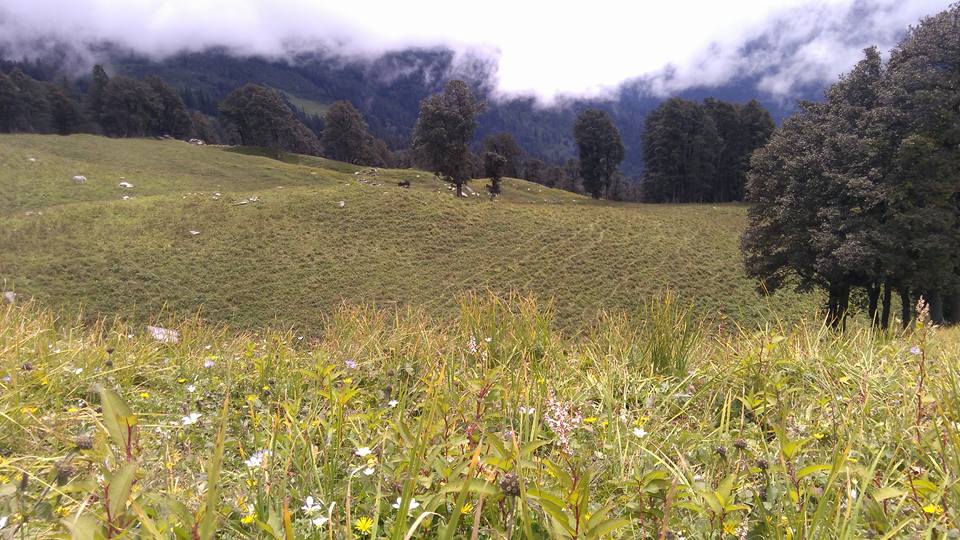
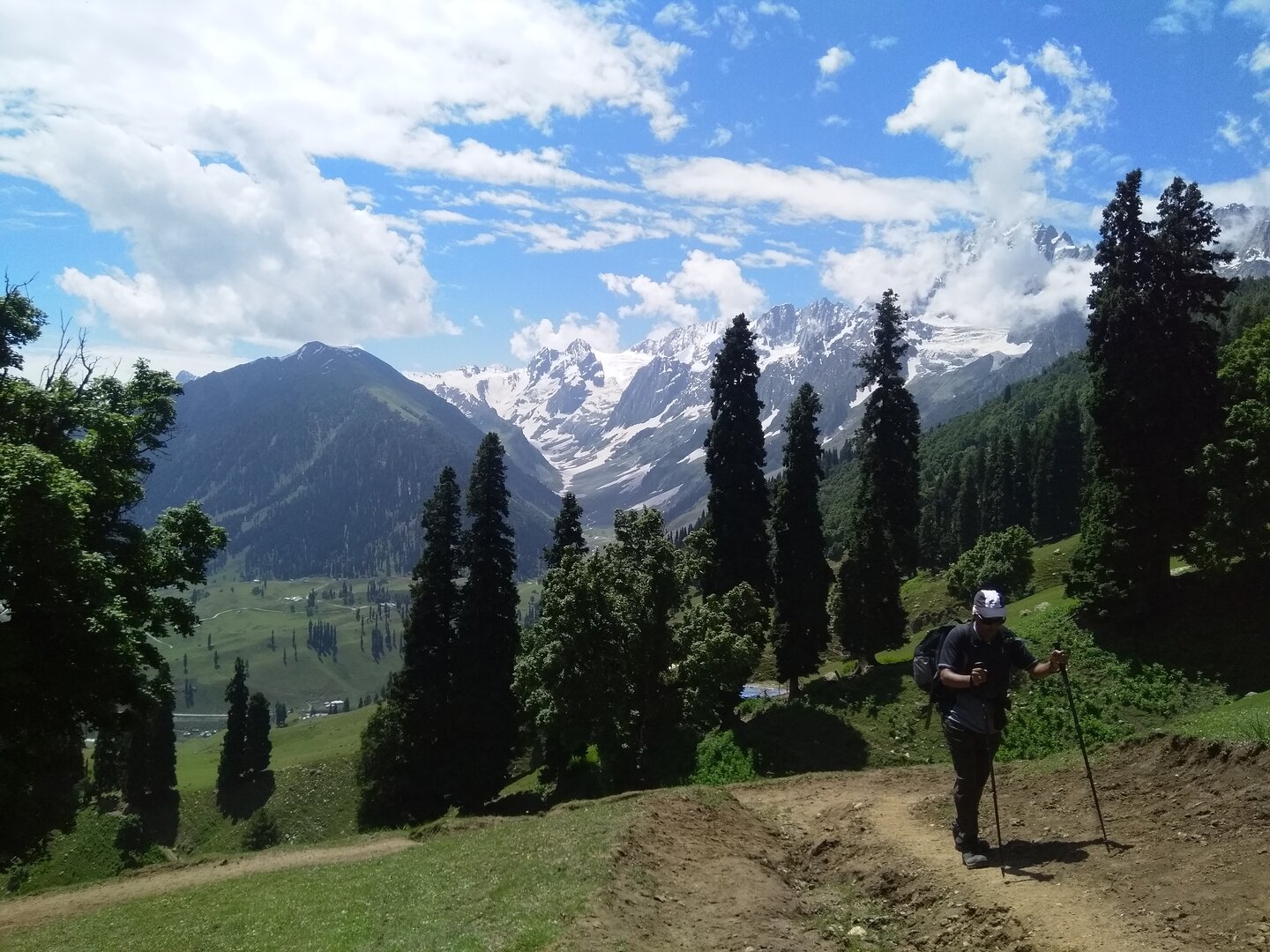
The journey begins near Manali, climbing steadily through forested sections that quickly give way to open grasslands. The transition is almost abrupt. One moment you are within the comfort of trees, and the next, you are walking across wide alpine meadows that stretch endlessly in every direction. The trail itself becomes secondary—the experience shaped more by the vastness around you than the path beneath your feet.
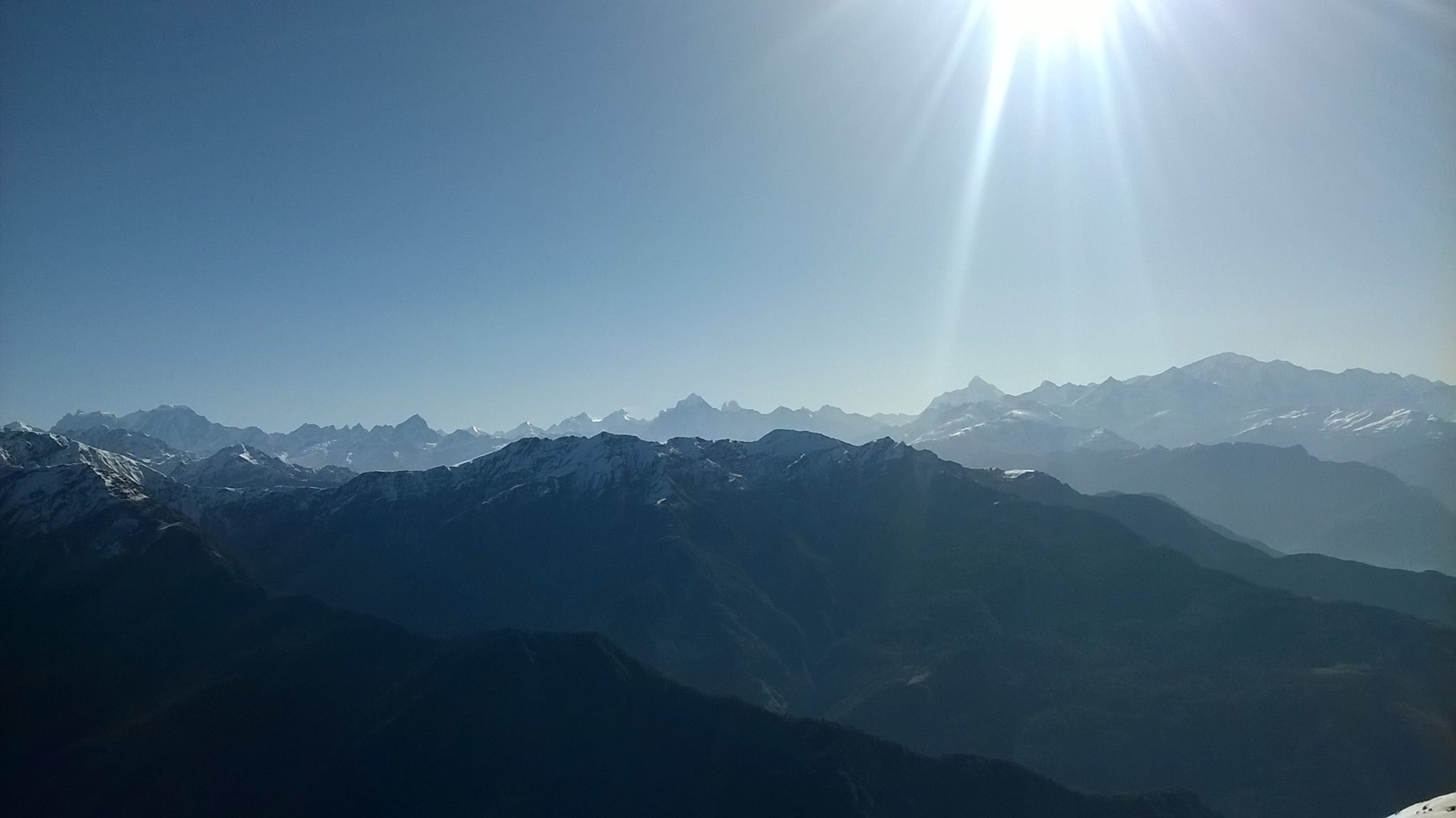
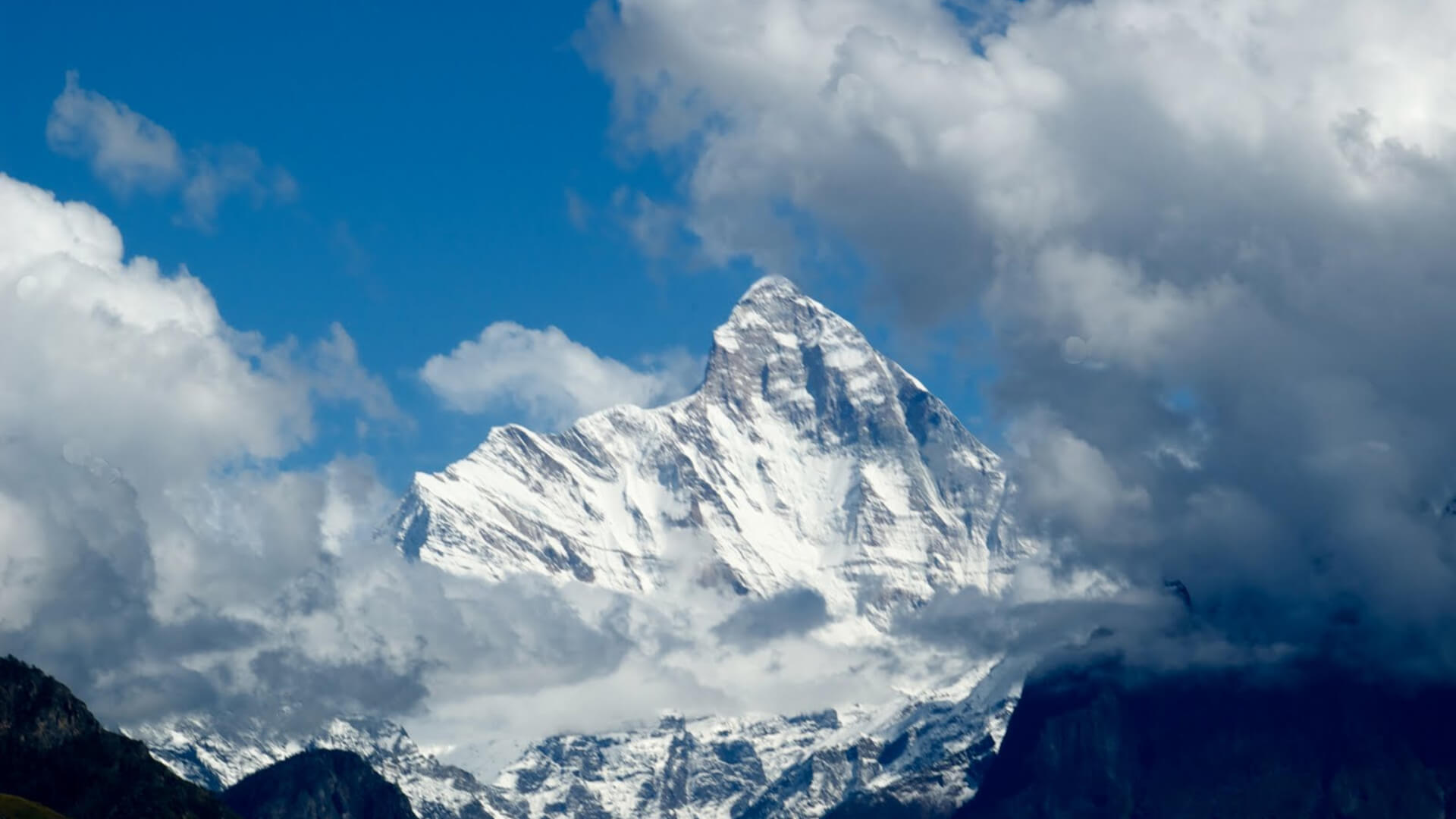
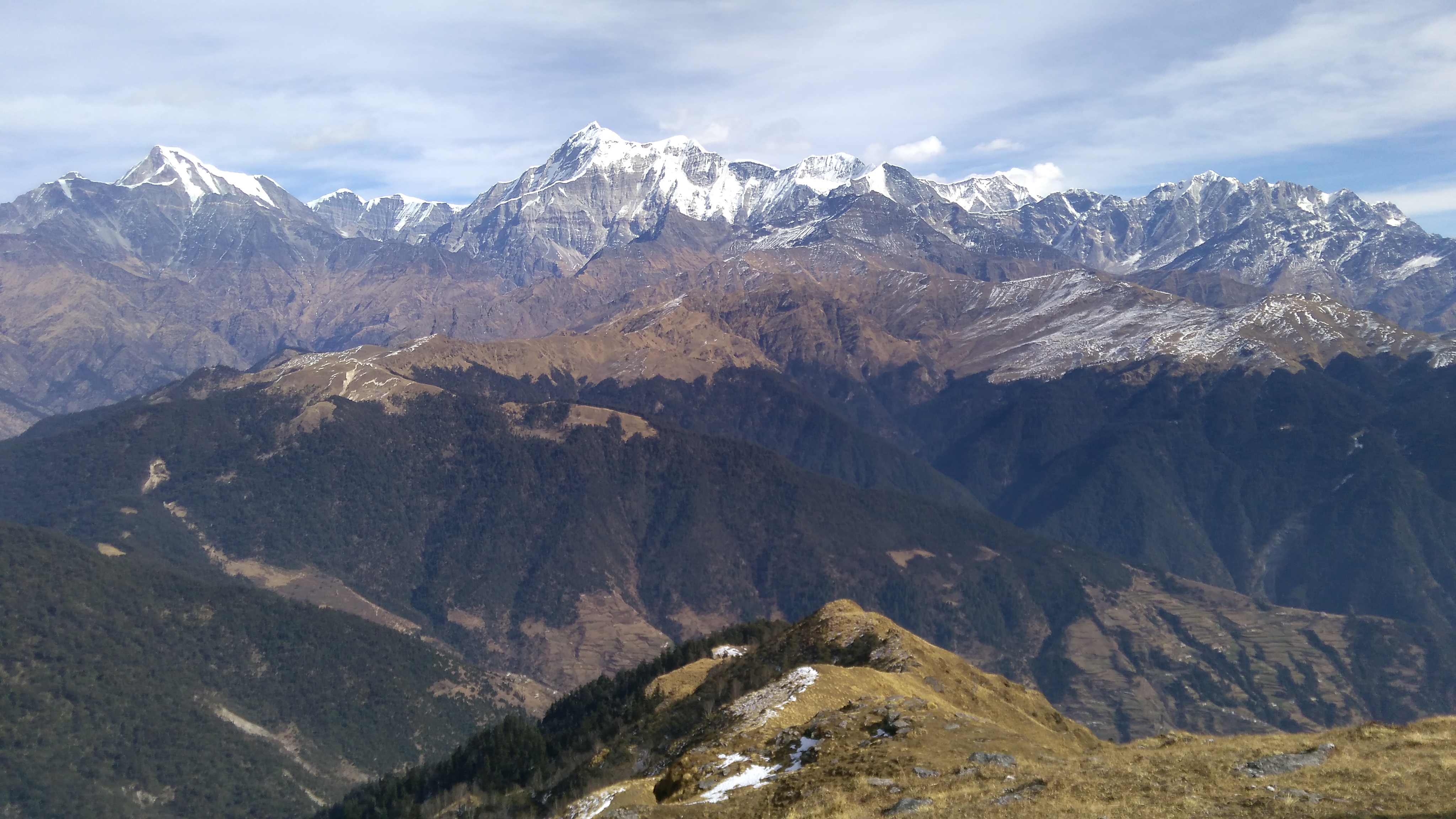
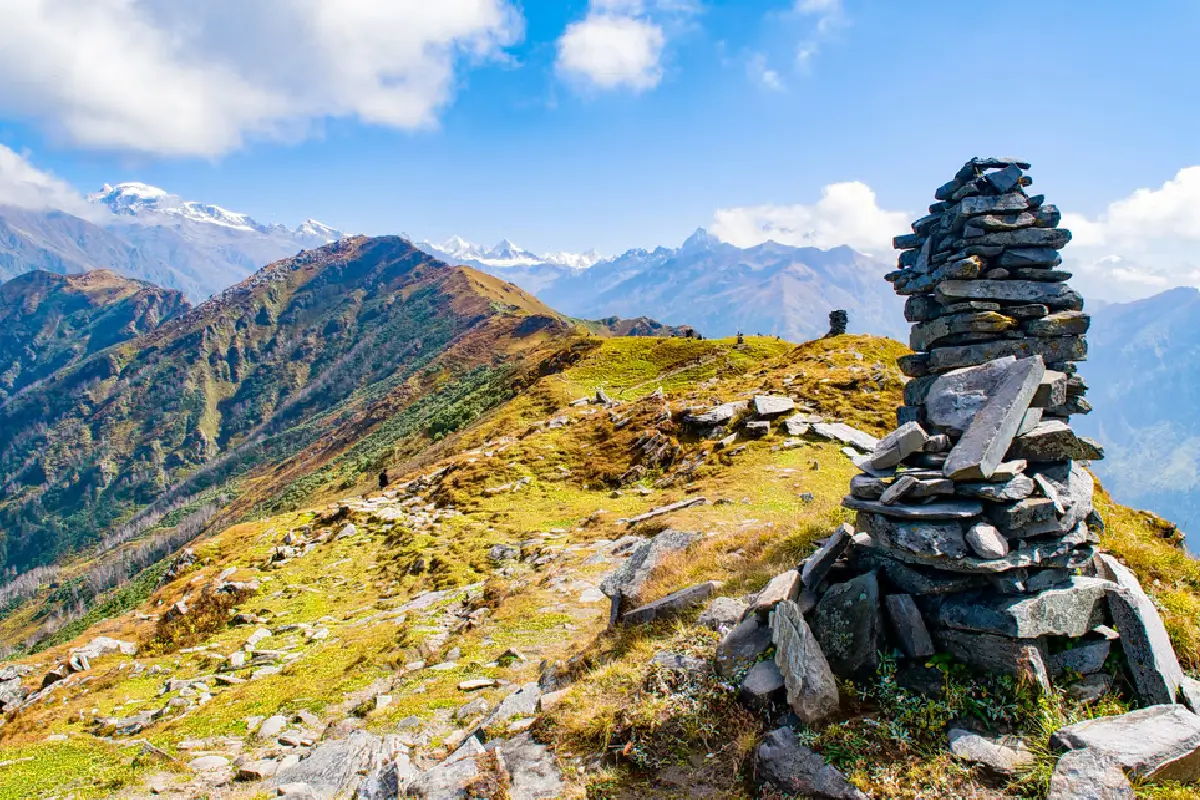
As the ascent continues, the sense of elevation becomes constant. Peaks like Hanuman Tibba and the Seven Sisters rise clearly across the horizon, while the Kullu Valley slowly drops away behind you. The air grows thinner, the silence deeper, and the rhythm of the trek begins to settle into something slower, more aware.
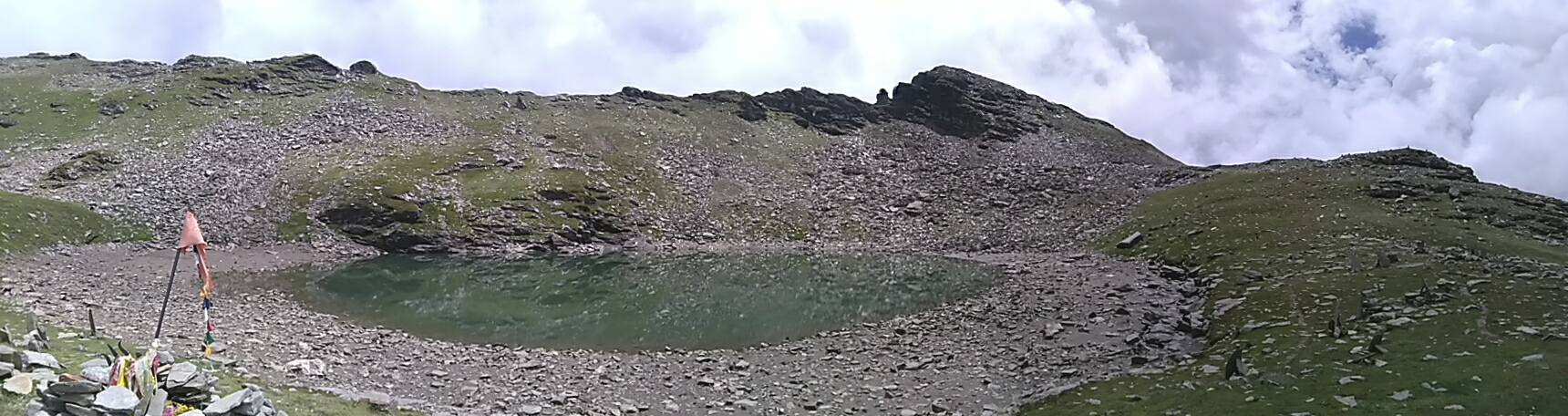
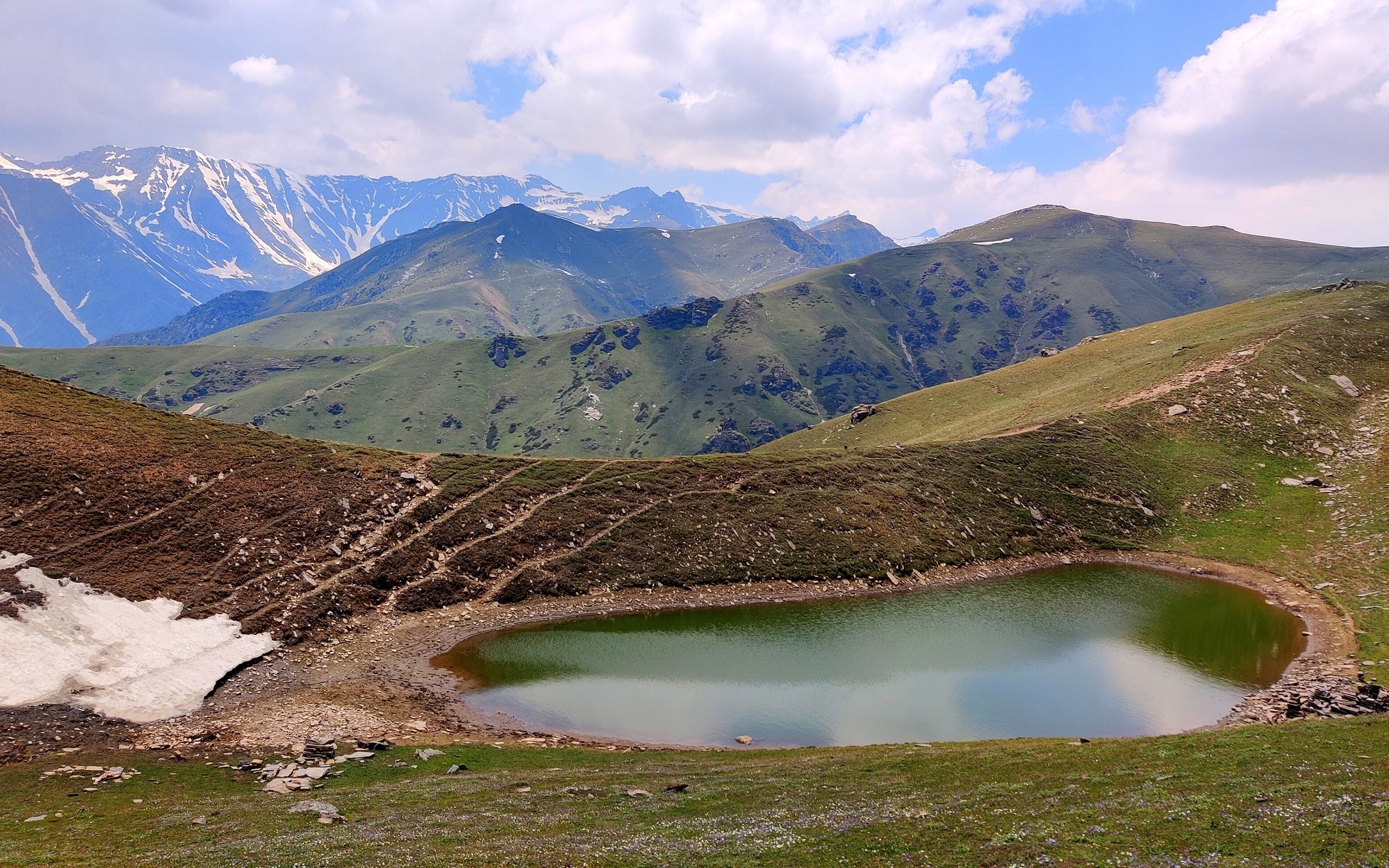
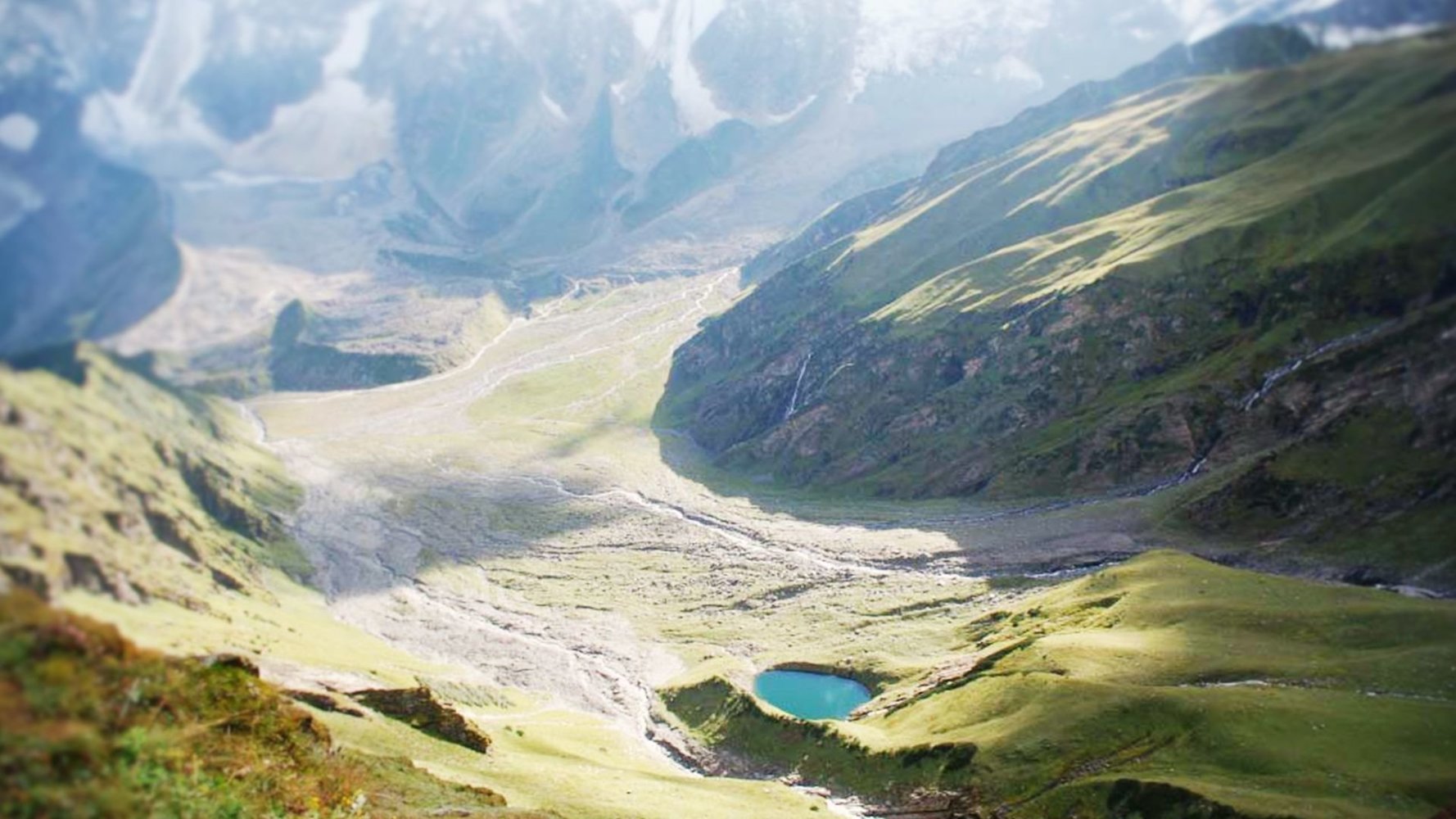
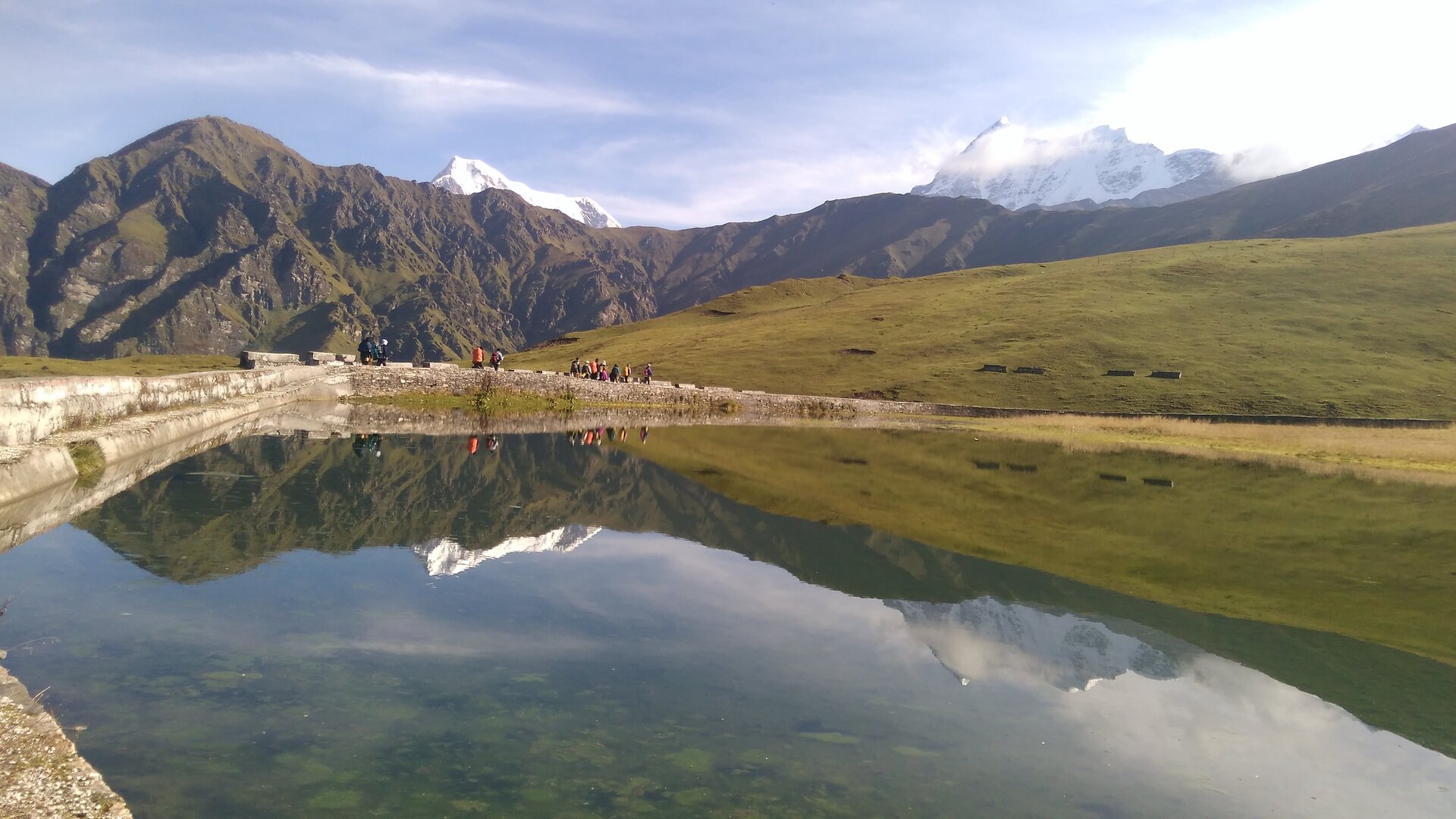
At the center of this journey lies Bhrigu Lake, resting quietly at over 14,000 feet. There is no dramatic reveal—only a gradual arrival into a space that feels still and self-contained. Associated with Maharishi Bhrigu, the lake carries a quiet presence, shaped as much by belief as by the stark simplicity of its surroundings.
Time at the lake feels different. The wind softens, the landscape steadies, and the vastness that defined the climb now feels closer, almost intimate. It is not a place that demands attention, but one that holds it—subtly, without effort.
What makes this trek stand out is not just what you see, but how quickly you experience it all. In just a few days, it brings together meadows, ridgelines, altitude, and stillness—without pushing the body to extremes. It is as much about ease as it is about elevation.
As you descend back toward Manali, the same landscapes begin to feel familiar. The meadows that once felt endless now feel known, the silence less overwhelming. The journey doesn’t end with the lake—it lingers in the calm it leaves behind, and in the quiet realization of how easily the mountains can reshape your sense of space, pace, and distance.
Read More

Highlights

✅ Easy accessibility from Manali, making it one of the most convenient high-altitude treks in Himachal

✅ Scenic mountain drive to Gulaba along the Rohtang Pass road, with sweeping views of the Kullu Valley

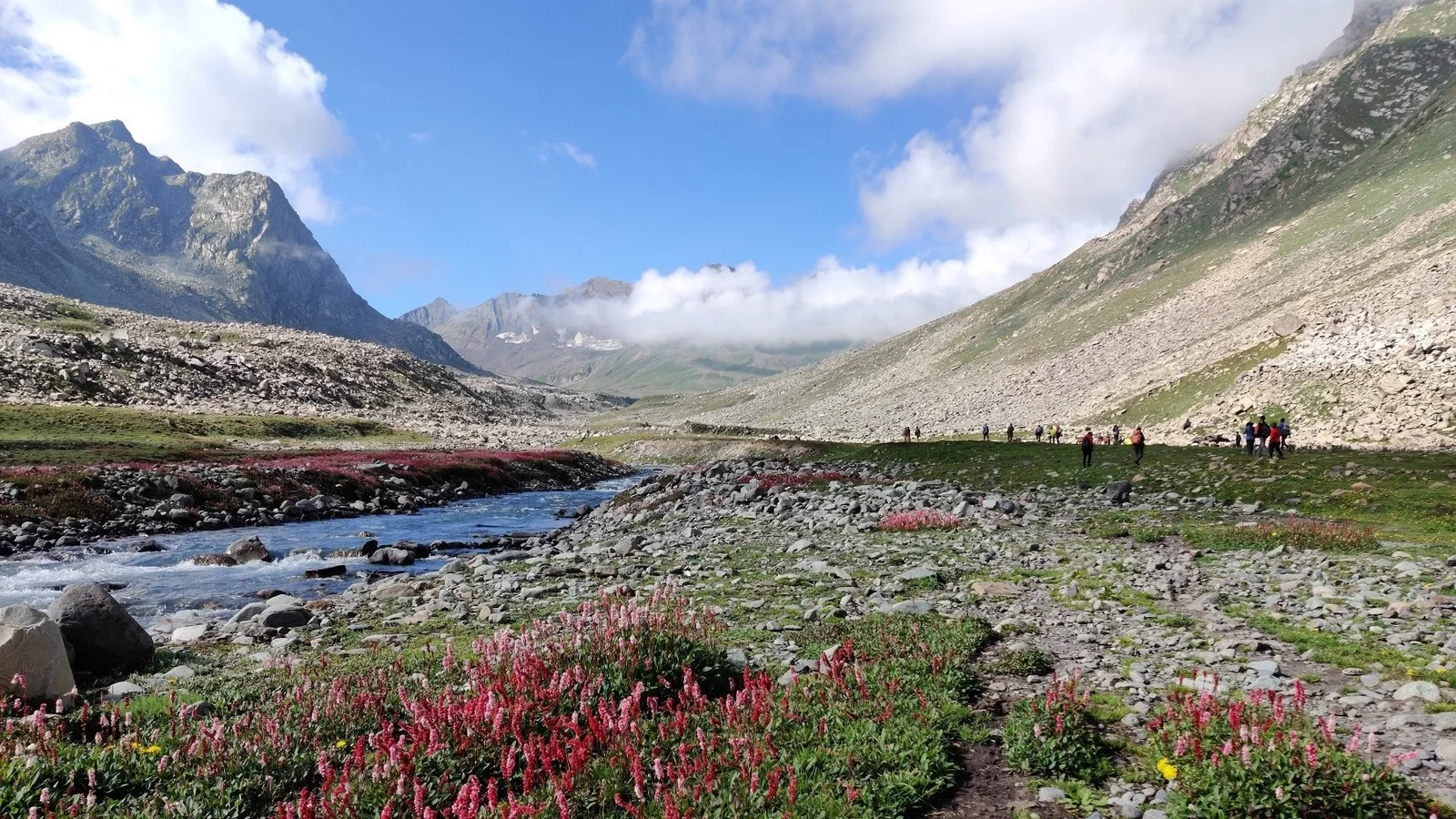
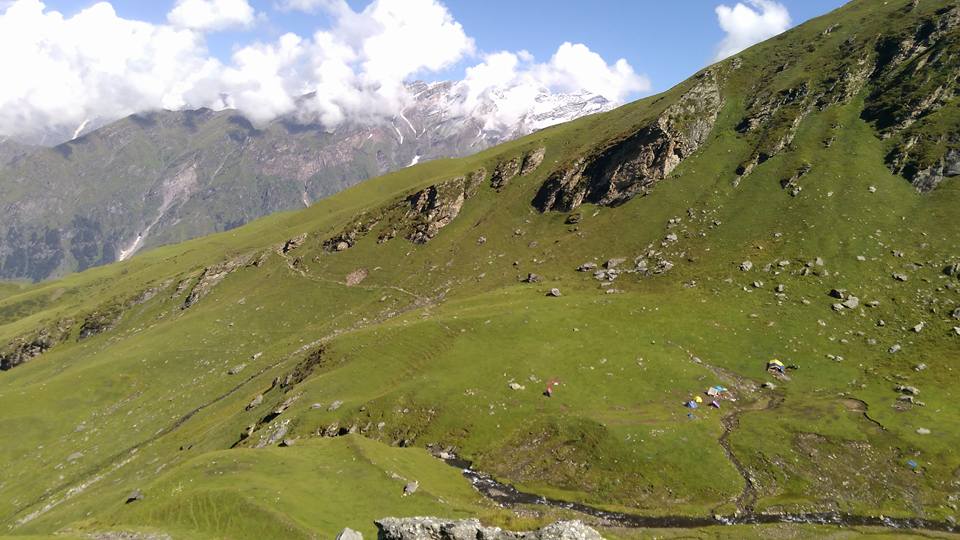
✅ Walk across the vast rolling meadows of Gulaba, opening into wide alpine landscapes above the tree line

✅ Bird’s-eye views of the Kullu Valley with prominent peaks like Hanuman Tibba, Friendship Peak, Ladakhi Peak, and Shitidhar dominating the skyline

✅ Camp at Rola Kholi, a stunning high-altitude campsite surrounded by open grasslands and mountain ridges

✅ Visit the sacred Bhrigu Lake (~14,100 ft), known for its spiritual significance and serene high-altitude setting

Itinerary

?
The journey begins from Manali, leaving behind the bustle of the town as the road climbs steadily toward Gulaba along the iconic Rohtang Pass route. The drive itself is a highlight, offering sweeping views of the Kullu Valley, winding mountain roads, and glimpses of distant snow-clad peaks. As you gain altitude, the air turns cooler and the landscape begins to open up. Reaching Gulaba, the trek begins with a gradual ascent through forested patches before quickly transitioning into open meadows. Within a short span, the tree line starts thinning out, and the trail emerges into expansive grasslands that define the character of this trek. The campsite at Gulaba Meadows is set amidst rolling slopes with wide, uninterrupted views of the surrounding mountains. The evening is calm and open, with the vastness of the landscape offering the first real sense of being in the high Himalayas. It also serves as an important acclimatization point before heading higher the next day.
The day begins with a steady climb through endless rolling meadows, where the trail feels less like a defined path and more like a natural progression across open terrain. The absence of dense forests allows for uninterrupted views right from the start, with the Kullu Valley gradually unfolding below. As you gain altitude, the landscape becomes more dramatic. The ridgelines stretch wider, the air grows thinner, and peaks like Hanuman Tibba, Friendship Peak, and Shitidhar begin to dominate the horizon. The sense of elevation is constant, with every step bringing a broader perspective of the surrounding ranges. Rola Kholi, the campsite for the day, sits in a wide alpine basin surrounded by gentle slopes and high ridges. It is one of the most scenic high-altitude camps in the region, offering a perfect balance of openness and shelter. The evening here is often marked by shifting clouds, golden light on the grasslands, and a deep silence that settles across the valley.
This is the most significant day of the trek, with a steady climb toward Bhrigu Lake. The trail ascends gradually at first, crossing ridgelines and high meadows before becoming steeper as you approach the lake basin. The terrain remains open throughout, with no tree cover—only vast slopes, shifting clouds, and distant peaks guiding the way. As you gain height, the landscape starts to feel more stark and minimal. The grasslands slowly give way to rocky patches, and the wind often carries a sharper edge at this altitude. The final stretch to the lake is marked by a quiet, almost sudden arrival. Bhrigu Lake sits calmly amidst this high-altitude setting, carrying a strong sense of stillness. Associated with Maharishi Bhrigu, the lake holds deep spiritual significance and is known for its unique presence across changing seasons. The time spent here is unhurried—allowing space to absorb the silence, the altitude, and the scale of the surroundings. After spending time at the lake, the descent back to Rola Kholi follows the same route, with the return offering a different perspective of the terrain. The evening at camp feels more grounded, carrying the quiet satisfaction of having reached the highest point of the journey.
The final day begins with a gradual descent from Rola Kholi, retracing the path across the same expansive meadows that marked the ascent. The landscape, now familiar, feels different on the way down—less overwhelming, yet equally beautiful. As you lose altitude, the air grows denser and the distant views slowly give way to closer surroundings. The trail eventually leads back to Gulaba, where the road reconnects you to the outside world. The drive back to Manali marks a clear transition—from open, high-altitude silence to the liveliness of the valley. The mountains remain in view, but the pace changes. The trek concludes not with a dramatic finish, but with a quiet sense of completion—of having experienced a slice of the high Himalayas in a short yet deeply memorable journey.

Packing list

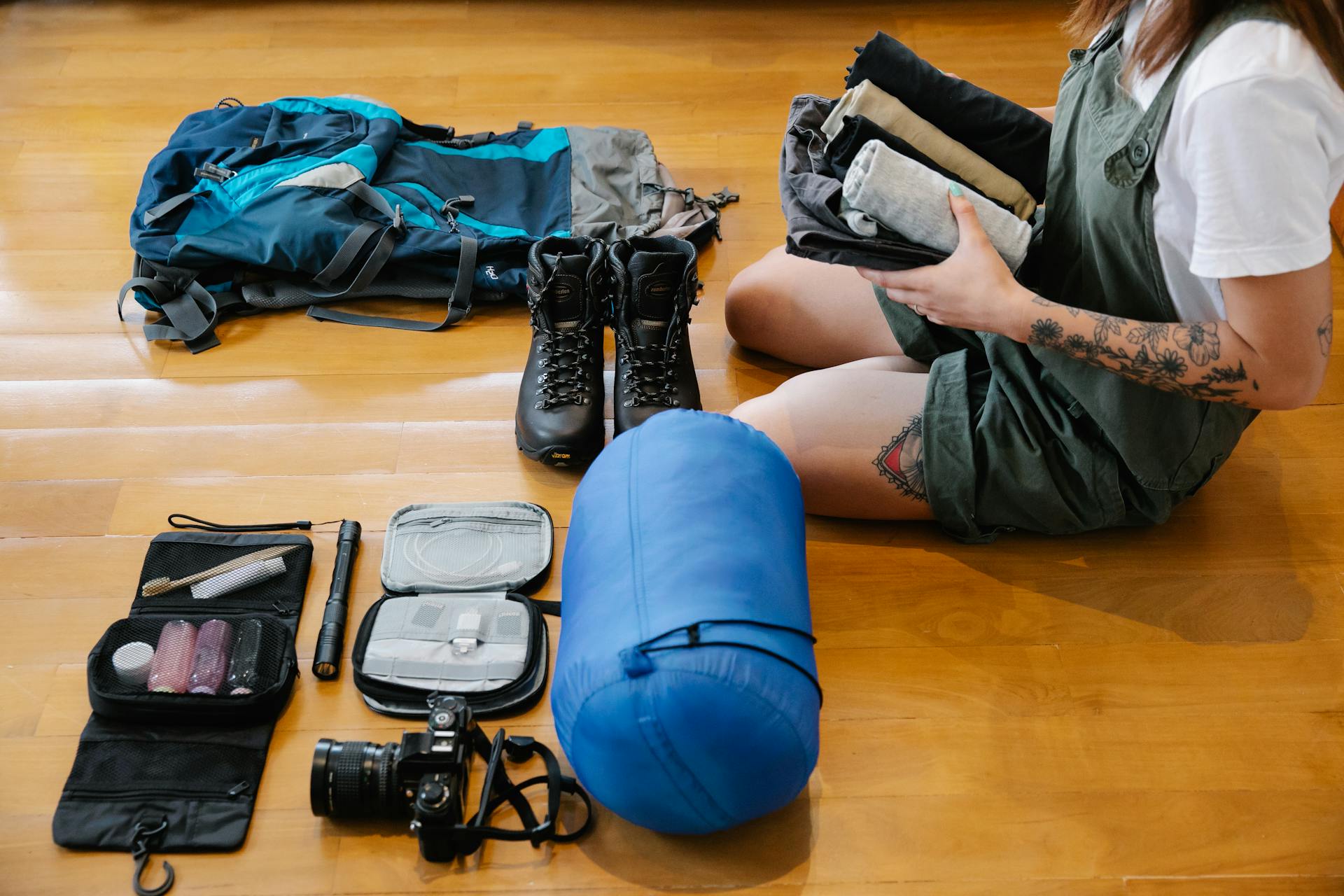
For a comprehensive packing list, download the PDF below: Download Packing List

Did you know?

Despite being a short trek, Bhrigu Lake takes you above the tree line unusually fast — something that typically takes several days on most Himalayan treks.
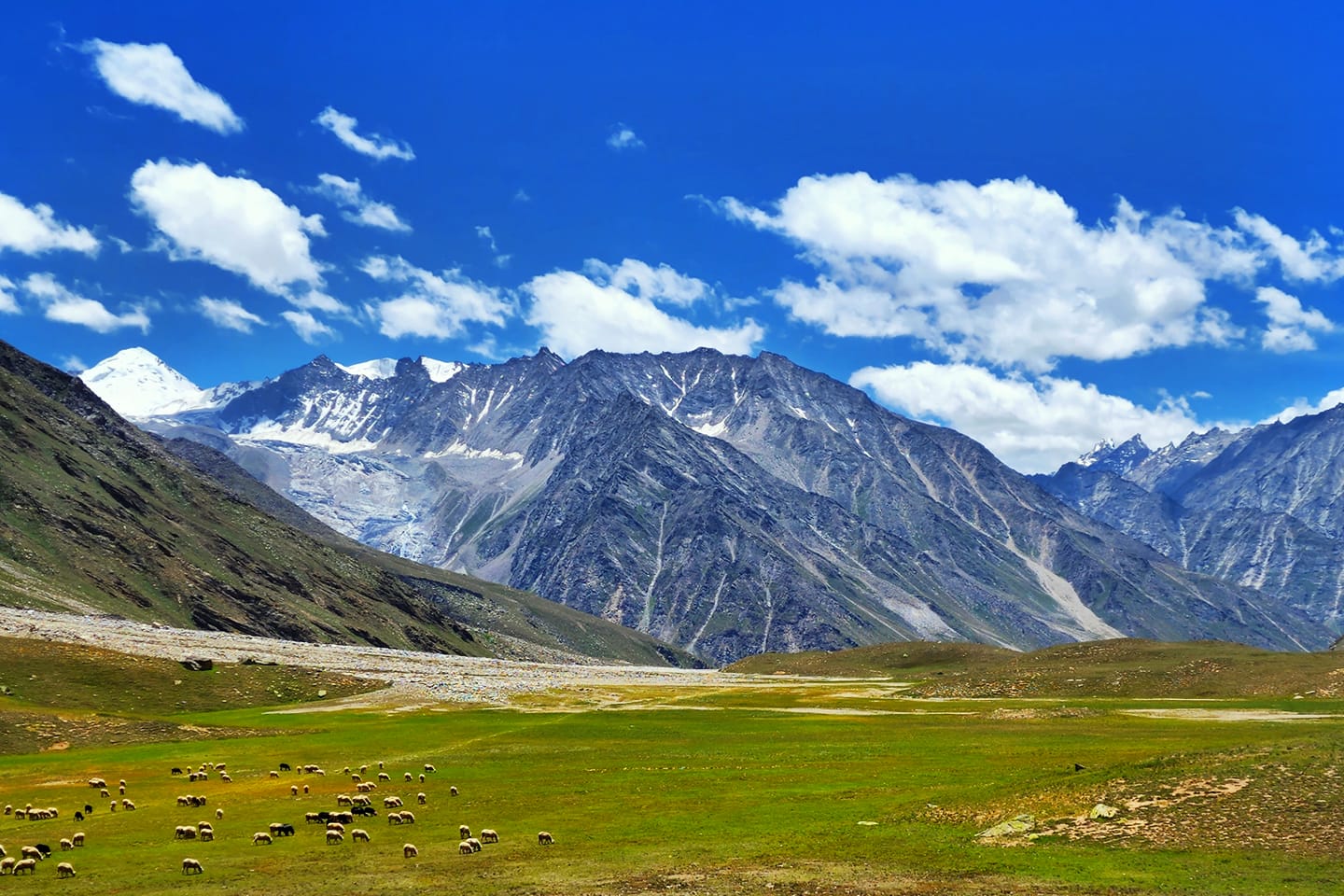
The meadows of Gulaba and Rola Kholi are part of ancient grazing grounds still used by local shepherds, which is why you may come across flocks of sheep even at high altitudes.
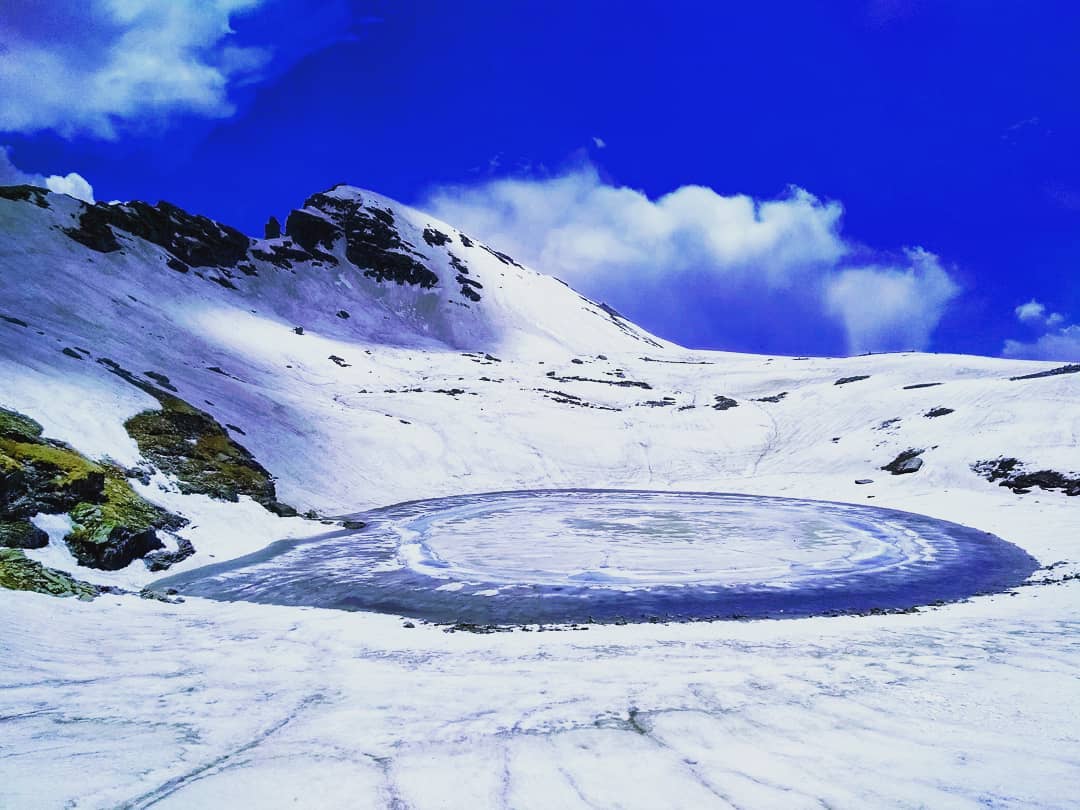
Unlike many high-altitude lakes that freeze completely in winter, Bhrigu Lake is believed by locals to never fully freeze — adding to its spiritual significance.
The lake is associated with Maharishi Bhrigu, one of the Saptarishis, and is considered a place of deep meditation rather than pilgrimage in the traditional sense.
On clear days, the ridgelines around Bhrigu Lake offer a rare viewing angle where peaks of both the Pir Panjal and parts of the Greater Himalayas can be seen together.
The open meadows on this trek can be disorienting in poor visibility — with no defined trail, navigation often depends on understanding the terrain rather than following a path.
Rola Kholi, now a popular campsite, was once just a natural halt used by shepherds moving livestock across high-altitude grasslands.
The sudden weather shifts on this trek are influenced by its proximity to the Rohtang Pass corridor, where clouds can roll in within minutes even on clear days.
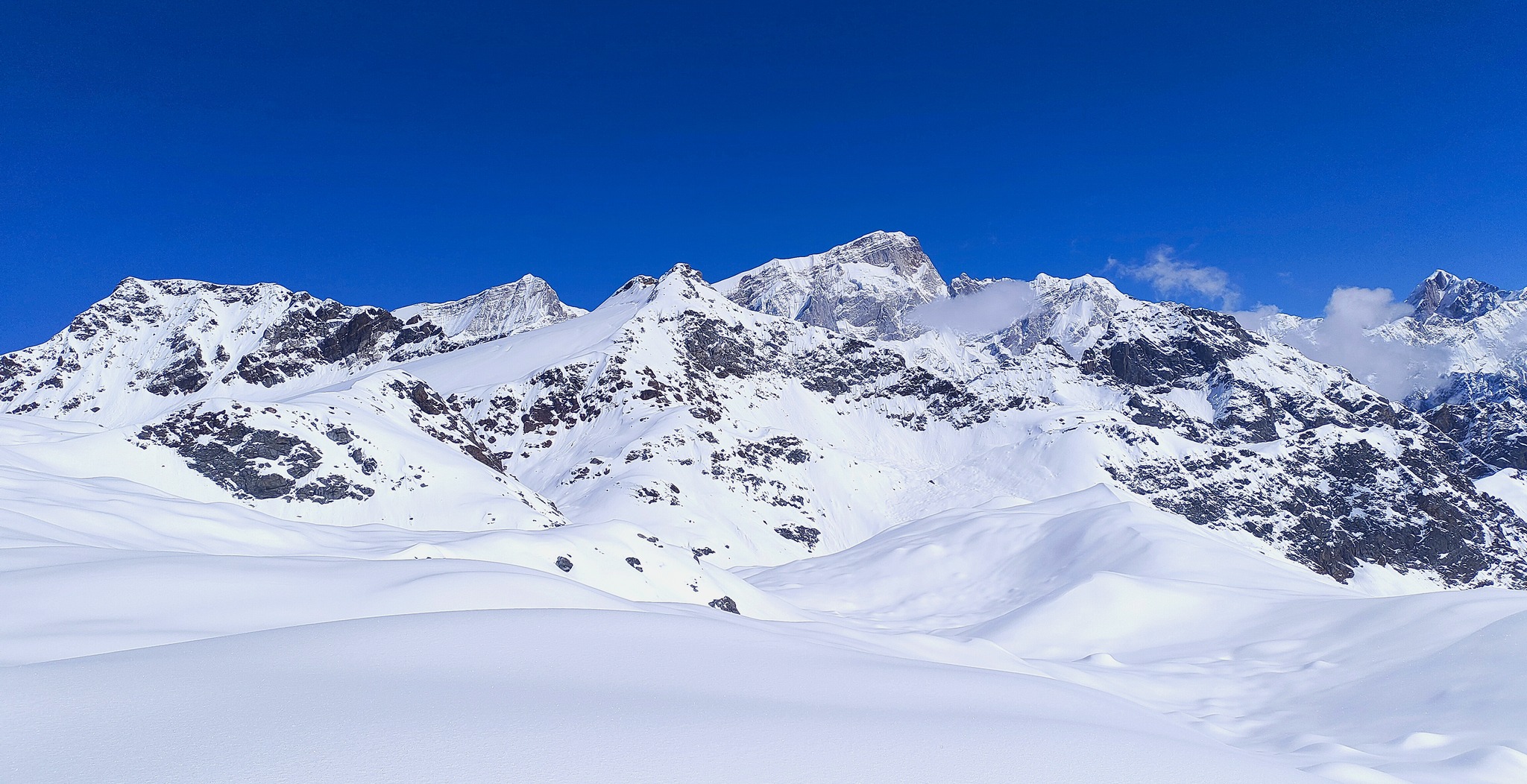
During early summer, patches of snow often remain scattered across the meadows, creating a striking contrast of green grass and white snowfields.
The descent often feels shorter not because of distance, but because the vast landscapes that felt overwhelming on the way up now feel familiar and easier to read.
Unlike remote expeditions, Bhrigu Lake offers a rare psychological contrast — you feel deep in the mountains, yet the road and civilization are never too far away.
For many trekkers, Bhrigu Lake becomes their first real experience of high-altitude silence — not the absence of sound, but the absence of distraction.
The trek is often underestimated due to its short duration, but the rapid altitude gain is what makes acclimatization and pacing more important than expected.
What stays with most trekkers isn’t just the lake, but the feeling of walking across open meadows with nothing blocking your horizon — a rare kind of freedom in the Himalayas.
Route Map

How to reach

✈️ Air: Nearest airport: Bhuntar Airport (Kullu) – 50 km from Manali. Take a cab or bus to reach Manali.

🚆 Train: Nearest major railway station: Chandigarh Railway Station. From Chandigarh, take a Volvo bus or private cab to Manali (~8–10 hrs).

🛣️ Road: From Delhi: Overnight Volvo buses (12–14 hrs) regularly ply to Manali. From Chandigarh: 8–10 hrs by cab or bus. Manali is well-connected and has frequent bus services.

🗺️ Travel Tip: Arrive in Manali a day before the trek for acclimatization and avoid delays.

TrekFAQs
  • Bhrigu Lake is ideal for beginners, first-time trekkers, and even families. Anyone with basic fitness and the ability to walk 4–6 hours a day can complete this trek comfortably.
  • Yes, this is one of the best treks in Himachal for families and kids. Children who are reasonably active usually adapt well, often better than adults, as long as the pace is kept slow and steady with proper rest.
  • It is an easy to moderate high-altitude trek. The main challenge comes from the rapid altitude gain rather than the terrain, which remains mostly gradual and non-technical.
  • Yes, permits are required as the trek falls under forest and protected areas near Gulaba. These are arranged by the trekking team and are included in the trek logistics.
  • Network is usually available in Manali and partially near Gulaba (mostly Jio). Beyond that, especially at higher camps like Rola Kholi and near the lake, there is no reliable connectivity.
  • Accommodation is in high-quality tents at scenic campsites like Gulaba Meadows and Rola Kholi. These are open alpine camps with beautiful views and basic trekking facilities.
  • The key is to maintain a slow pace, stay well hydrated, and avoid rushing the ascent. Proper layering, sun protection, and listening to the trek leader are important. Kids usually do well if they are comfortable walking and are kept warm and energized.
  • Weather can change quickly. Days are usually pleasant with strong sun, while evenings and nights can get cold, especially at higher camps. Sudden clouds or light rain are also common due to the trek’s proximity to Rohtang Pass.
  • Bhrigu Lake is a high-altitude sacred lake associated with Maharishi Bhrigu. It is known for its calm setting and the local belief that it never fully freezes, adding to its spiritual significance.
  • No prior trekking experience is required, but basic fitness and a willingness to walk in mountain terrain are important.
  • You should be able to walk comfortably for 4–6 hours a day on gradual inclines. Light cardio preparation like walking, jogging, or cycling for a few weeks helps a lot.
  • It offers quick access to high-altitude landscapes, wide meadows, and big mountain views within a short duration, without technical difficulty—making it a perfect introduction to Himalayan trekking.
  • Yes, since the altitude gain is quick, mild symptoms like headache or fatigue can occur. Proper hydration, pacing, and acclimatization stops help manage this effectively.
  • Bhrigu Lake offers a rare combination of accessibility and high-altitude beauty—vast meadows, panoramic Himalayan views, and a sacred lake experience, all within a short and rewarding journey near Manali.

Helpful Resources

Explore our collection of trek-specific guides and practical articles covering preparation, mountain safety, gear, weather, permits, logistics, and more—designed to help you make informed decisions before every Himalayan adventure.

Trekking in the Himalayas: The Real Picture You Need to Know (2025)
Flagship Guides

Trekking in the Himalayas: The Real Picture You Need to Know (2025)

Discover how trekking has changed in 2025 — from a raw, humbling adventure to a crowded social media trend — and why responsible trekking with Planethimalayas is the key to preserving the true spirit of the Himalayas.

Best Summer Treks in the Himalayas (May–June): Snow, High Passes & Endless Days
Trek Guides

Best Summer Treks in the Himalayas (May–June): Snow, High Passes & Endless Days

Discover the best summer treks in the Himalayas (May–June), from snow-covered trails to lush alpine meadows. Explore beginner-friendly treks with detailed insights and prepare for the ultimate trekking season.

Best Post Monsoon Treks in India (September–December): The Complete Autumn Himalayan Trekking Guide
Trek Guides

Best Post Monsoon Treks in India (September–December): The Complete Autumn Himalayan Trekking Guide

Discover the best post monsoon and autumn treks in India from September to December. Explore Himalayan high passes, alpine valleys, glacier trails, autumn forests, alpine meadows and crystal-clear mountain views across Himachal Pradesh, Uttarakhand, Kashmir, Ladakh and Sikkim.

Getting Prepared for a Trek in the Himalayas
Preparation Tips

Getting Prepared for a Trek in the Himalayas

Trekking in the Himalayas is a dream adventure — but it demands smart preparation. Whether you're planning a snowy winter trek like Kedarkantha, a scenic route like HarKiDun, or a thrilling climb like Rupin Pass, here’s everything you need to know to get prepared and trek safely and confidently.

Mountain Manners - Responsible Trekking (LNT Principles & Best Practices)
Preparation Tips

Mountain Manners - Responsible Trekking (LNT Principles & Best Practices)

Learn the essential Leave No Trace (LNT) principles for responsible trekking in the Himalayas. Discover how to respect nature, minimize impact, and preserve mountain beauty for future generations.

Complete Himalayan Trek Packing List | Essential Trekking Gear & Tips
Preparation Tips

Complete Himalayan Trek Packing List | Essential Trekking Gear & Tips

Packing smart is the key to a safe and comfortable trek. Here’s a complete checklist of everything you’ll need for a week-long Himalayan adventure. Download the full PDF packing list inside.

Choosing the Right Himalayan Trek: A Strategic Guide for Safety, Experience & Growth
Preparation Tips

Choosing the Right Himalayan Trek: A Strategic Guide for Safety, Experience & Growth

Choosing the right Himalayan trek is not just about destination—it’s about safety, experience, and preparedness. Learn how fitness, season, terrain, and group type influence trek selection and avoid mistakes that can impact your entire journey.

AMS - Acute Mountain Sickness
Health & Wellness

AMS - Acute Mountain Sickness

If you’re planning a high-altitude trek in the Himalayas, it’s important to understand one of the most common health risks in the mountains: Mountain Sickness, also known as Acute Mountain Sickness (AMS).

Preventing AMS-Mountain Sickness
Health & Wellness

Preventing AMS-Mountain Sickness

Trekking in the Himalayas is an unforgettable experience—but it comes with a silent danger: Mountain Sickness, also known as Acute Mountain Sickness (AMS). The good news? With the right precautions, mountain sickness is completely preventable.

Staying Fit & Healthy on a Himalayan Trek (Complete Guide)
Health & Wellness

Staying Fit & Healthy on a Himalayan Trek (Complete Guide)

A complete, practical guide to staying fit and healthy on a Himalayan trek. Covers training, nutrition, hydration, altitude sickness (AMS), sleep, hygiene, and real on-trail survival tips for beginners and experienced trekkers.

Advanced Health & Survival Guide for Himalayan Treks (Real Problems Trekkers Face)
Health & Wellness

Advanced Health & Survival Guide for Himalayan Treks (Real Problems Trekkers Face)

A deep dive into real health challenges faced on Himalayan treks — from gut issues and menstrual health to sleep deprivation, infections, and mental health. Practical solutions based on real trekking scenarios.

Ideal Trekking Shoes for Himalayan Treks | Buying Guide, Features & Top Brands
Gear & Logistics

Ideal Trekking Shoes for Himalayan Treks | Buying Guide, Features & Top Brands

Your footwear can make — or break — your trekking experience. Trekking in the Himalayas means walking through snow, mud, rocks, rivers, and forest trails. Your regular sneakers or running shoes won’t cut it here. Investing in a reliable pair of trekking shoes is one of the smartest decisions you'll make before stepping onto the trail.

Ideal Trekking Backpack for Himalayan Treks | Capacity, Fit & Top Brands Guide
Gear & Logistics

Ideal Trekking Backpack for Himalayan Treks | Capacity, Fit & Top Brands Guide

Your backpack is your lifeline on the trail — it carries your essentials, supports your back, and travels with you every step of the way. Choosing the right backpack for a Himalayan trek is all about fit, comfort, size, and smart features — not just brand or looks. Confused about which backpack to buy for your Himalayan trek? Learn how to choose the right capacity, fit, features & top brands like Forclaz, Osprey & Deuter.

How to Pack Your Backpack for a Himalayan Trek | Smart Packing Guide
Gear & Logistics

How to Pack Your Backpack for a Himalayan Trek | Smart Packing Guide

Packing your backpack correctly can make a huge difference on a Himalayan trek — from comfort and balance to quick access and weather protection. A poorly packed bag leads to back pain, frustration, and unnecessary energy drain. Learn how to pack your trekking backpack the smart way. Discover backpack zones, weight distribution, waterproofing & common mistakes to avoid on Himalayan treks.

How to Take Care of Your Trekking Shoes for Durability | Pre-Trek Checklist
Gear & Logistics

How to Take Care of Your Trekking Shoes for Durability | Pre-Trek Checklist

Your trekking shoes are your most trusted companion on the trail. They protect your feet, provide grip, and carry you across snow, rocks, mud, and rivers. Properly maintaining your trekking shoes ensures comfort, durability, and safety on the trail. Learn cleaning, drying, storage, and a pre-trek checklist before reusing them.

Complete Guide to Trekking Jackets | Types, Layering & Care for Himalayan Treks
Gear & Logistics

Complete Guide to Trekking Jackets | Types, Layering & Care for Himalayan Treks

When you step into the Himalayas, your jacket is your shield against cold winds, snowfall, and unpredictable mountain weather. The right trekking jacket keeps you warm, dry, and comfortable — but with so many options (down, synthetic, fleece, waterproof shells), choosing can be confusing. Here's all that you need to know about trekking jackets — from waterproof vs synthetic vs down jackets, to proper layering, care, washing, drying, and storage. Learn how to choose the right jacket for your Himalayan adventure.

Layering Clothing for Extreme Himalayan Microclimates
Health & Wellness

Layering Clothing for Extreme Himalayan Microclimates

Layering clothing is the most critical skill for trekking in the Himalayas, where temperatures can swing from hot sun to freezing winds within hours. Learn how to layer effectively across seasons, manage microclimates, and stay safe, comfortable, and efficient on your trek.

Trekking Poles: Do You Really Need Them in the Himalayas?
Gear & Logistics

Trekking Poles: Do You Really Need Them in the Himalayas?

Trekking poles are often underestimated, but they play a crucial role in reducing fatigue, protecting your knees, and improving stability in the Himalayas. Learn how and when to use trekking poles for maximum safety and performance.

Similar Treks

View of Doodhpathri Trek trek easy

Doodhpathri Trek

3 Nights / 4 Days
kashmir
View of Rani Sui Lake Trek trek easy

Rani Sui Lake Trek

3 Nights / 4 Days
himachal pradesh
View of Beas Kund Trek trek easy

Beas Kund Trek

2 Nights / 3 Days
himachal pradesh
View of Deoriatal Chandrashila Trek trek easy

Deoriatal Chandrashila Trek

5 Nights / 6 Days
uttarakhand-garhwal
View of Hampta Circuit Trek trek easy

Hampta Circuit Trek

4 Nights / 5 Days
himachal pradesh
View of Chandrakhani Pass Trek trek easy

Chandrakhani Pass Trek

3 Nights / 4 Days
himachal pradesh
View of Buran Ghati Trek trek moderate, difficult

Buran Ghati Trek

6 Nights / 7 Days
himachal pradesh
View of Ali Bedni Bugyal Trek trek easy

Ali Bedni Bugyal Trek

4 Nights / 5 Days
uttarakhand-garhwal

What our trekkers say

Jytte Scheepens

Jytte Scheepens

Freelancer | Breda, Netherlands

★★★★★

I had the best experience with Planethimalayas. I went on Pin Parvati trek this august with them which is for sure a very challenging trek, however because of the great organization, well arranged team and the best trek leader you could ever wish for, Kamal Ji, this was something I will never forget!!!!
There isn’t anything which could or should have been done differently. I felt safe all the way throughout.
I’d also like to mention that i was the only female in the team and was so well looked after. Everyone looked after me like one big family, just like Kamal feels like a big brother to me now. It was my second trek with Kamal, and im a 1000% sure it wouldnt be my last. Thank you for everything Planethimalayas and Kamal in special! ❤️

Himanshu Sharma

Himanshu Sharma

Delhi

★★★★★

Had the best experience with Planethimalayas. I did the Pin Parvati trek with them and everything was organised so well. We had very experienced guides, incredible porters and the best chef!! The food was actually even better than in most restaurants. Big thanks to the trek leader Kamal Ji who is such a genuine and knowledgeable soul. He made this trek even more special than it already was. Thanks for everything Planethimalayas!!

Abhay Poddar

Abhay Poddar

Pune

★★★★★

The experience with Planethimalays on the Beas Kund Trek was really Great. I took a group of College students on a Himalayan Trek for the 1st Time. Everything was planned very well. The 2 female guides Raksha and Deepika ensured the group especially the girls were made comfortable. The safety of the group, food and tents were all araangd very well. Looking forward to trekking with them next year too.

Yashesh Vora

Yashesh Vora

Pune

★★★★★

We had an amazing experience with Planethimalayas organized by Kamal sir. Everything from stay and food to overall arrangements was perfectly managed. Manish, Satish and Ashish were extremely supportive throughout the trip. We completed Tungnath and Deoriatal treks, and the food was simple, local, and delicious. The beautiful Sari village visit was truly beautiful my parents even walked 5 km, which was a big surprise for us!
The itinerary was very thoughtfully planned and suitable for my parents as well as my little one. Highly recommended for all kind of treks in the Himalayan ranges!

Ananya Mitra

Ananya Mitra

Kolkata

★★★★★

Kamal Das the leader and founder is a great person and had good knowledge about the route. The food was great and the stays were comfortable which was above the expectation in that altitude.
Thanks to Planethimalayas.

Jytte Scheepens

Jytte Scheepens

Freelancer | Breda, Netherlands

★★★★★

I did the Kashmir Great Lakes trek with Kamal. This was such an unforgettable experience. Kamal is such an amazing guide. He told us so many interesting facts, I had beautiful deep talks with him about the mountains and listened to many of his stories about the experiences he's had while trekking. He's such a genuine and pure soul. I was the only female in the team, but not once I felt uncomfortable or left out. Everyone was incredibly respectful and nice. We were allowed to walk on our own pace and didn't feel rushed or pushed. Everyone can do the trek as they want, in the way they want. He respects you and really goes out of his way to make you enjoy the most. Till this day he's still a dear friend of mine and I hope to have the privilege to go to the mountains again, together with him. If you're planning to do a trek, definitely do it with Kamal — he will 100% make sure this trip is something you'll never forget.

Clare Fisher

Clare Fisher

Marketing | Canada

★★★★★

I had some nerves about going on a trek solo but Kamal took excellent care of me and made sure I felt safe and looked after. He was able to customize the trek to my needs and we went on lots of side quests to explore the area. Kamal is very knowledgeable and has some fantastic stories to tell, so was the best company the entire time — it felt like I had friends adventuring with me! Thanks again :)

Suramita Chakrabarty

Suramita Chakrabarty

Kolkata

★★★★★

Amazing staff with good and decent behaviour. Food quality was also very good. Throughout the trek they had taken utmost care of everything.
Will definitely plan again with Mr. Kamal Das.

Samar

Samar

Automotive UX Designer | Pune

★★★★★

I made friendship with the mountains through Kamal sir’s experience. The moment I met him at my last trek at Kedarkantha, I was impressed by his mountaineering knowledge and friendly nature that this year too (to Tungnath) and every year hereafter I am going to partner him to a new peak and new experiences in those journeys. Kudos to Planethimalayas for the exceptional work in making the love of mountains more accessible and enjoyable.

Akshata Poojari

Akshata Poojari

Bangalore

★★★★★

The trekking experience was absolutely unforgettable. Our guide was friendly and knowledgeable, making the whole journey fun and safe.

How Our Treks Are More Than Just a Trek

Every journey with us is carefully crafted for a deeply personal mountain experience.

Not Just a Trek — A Journey That Stays With You

Every trail we walk is a carefully chosen path into the heart of the Himalayas — not just to witness their grandeur, but to feel them under your skin and soul. Our treks are designed not as bucket list checkmarks, but as life-affirming journeys. At Planethimalayas, we believe a mountain journey is deeply personal — and that belief runs through everything we do.

Individual Care, Every Step of the Way

We keep our groups small and intimate so we can focus on you — your pace, your concerns, your joy. From pre-trek guidance to trail-side support, our leaders walk with intention, offering safety and attention without intrusion. It’s this deep care that turns strangers into friends and walks into memories.

Built on Genuine Love for the Himalayas

We don’t just operate in the Himalayas — we live and breathe them. From respecting mountain communities to following Leave No Trace ethics, our treks are shaped by humility and care. With Planethimalayas, your trek becomes a way of giving back to the mountains that give us so much.

Why Choose Us

Experience the difference of trekking with genuine mountain experts who truly care.

Trek Leader & Guide

Led by certified mountaineers with wilderness first aid training, ensuring your safety and confidence at every step.

Cook & Support Staff

Our mountain crew comprises local experts who bring unmatched experience, warmth, and deep knowledge of the region.

Small Group Size

We cap our group departures at just 8 trekkers — ensuring individual attention, deeper connections, and better trail discipline.

Safety Standards

From personal well-being to technical preparedness, we maintain the highest safety standards — using certified high-altitude gear and comprehensive safety protocols to ensure a secure and reliable Himalayan experience.

24×7 Online Support

We're always available — before, during, or after your trek. Reach out anytime, and you'll always hear back from a real human.

We Care for the Mountains

We strictly follow Leave No Trace ethics. Limited group sizes and mindful practices help protect the fragile Himalayan ecosystem.