
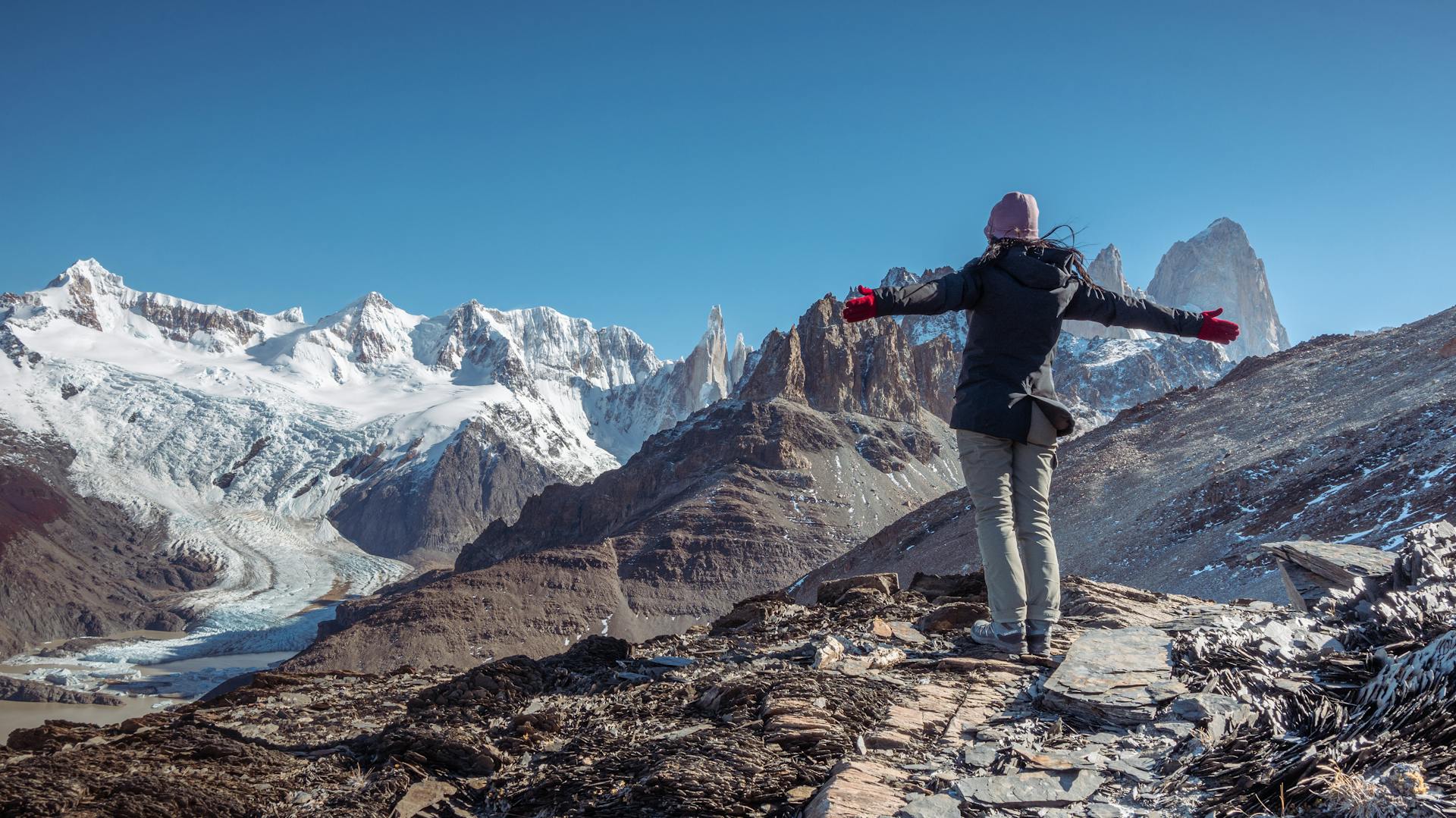
Trekking in the Himalayas is not just about reaching a summit — it’s about how well your body adapts to altitude, terrain, and isolation. From oxygen levels dropping to your digestion slowing down, your body goes through real stress.
Whether you're heading to Kedarkantha or attempting a high-altitude trek like Rupin Pass, this guide will help you stay strong, safe, and energized throughout your journey.
🏋️♂️ 1. Train Your Body for the Mountains
Your trek actually begins weeks before you reach the mountains.
At high altitude, oxygen levels are lower (see: Altitude Sickness), so your body needs better cardiovascular efficiency.
- Cardio Training: Jogging, brisk walking, cycling (30–45 mins daily)
- Strength Training: Squats, lunges, step-ups — essential for steep ascents
- Backpack Training: Practice hikes carrying 5–8 kg weight
- Breathing Exercises: Try Pranayama to improve lung capacity
✅ Real Tip: If you can climb 10–12 floors without stopping, you're on the right track.
🥗 2. Nutrition: What You Eat Decides Your Energy
Your appetite may drop at altitude due to reduced oxygen affecting digestion.
- Carbohydrates: Rice, potatoes — your primary energy source
- Protein: Lentils, eggs — helps muscle recovery
- Healthy Fats: Nuts, seeds — long-lasting energy
- Warm Fluids: Soups improve digestion and hydration
At altitude, your gut slows down — a condition linked to reduced oxygen supply (see: Hypoxia).
❌ Avoid oily, fried, or heavy food — it becomes harder to digest and may cause nausea.
💧 3. Hydration: Your First Line of Defense
Dehydration is one of the most underestimated triggers for altitude-related issues — and often the first domino to fall when your body starts struggling on a trek.
At high altitude, your body loses fluids much faster than at sea level. This happens due to increased breathing rate (you breathe faster in low oxygen), dry mountain air, and continuous physical exertion. Even if you don’t feel sweaty, you are constantly losing water and essential salts.
- Drink 3–4 liters per day — but more importantly, sip consistently throughout the day instead of drinking large amounts at once
- Add electrolytes (ORS) — trekking causes loss of essential salts like sodium and potassium through sweat and respiration. Plain water alone cannot replace these. Without electrolytes, your body may still feel weak, dizzy, or fatigued even after drinking enough water
- Limit caffeine and completely avoid alcohol
Why electrolytes matter: Electrolytes help maintain fluid balance, muscle function, and nerve signaling. On a trek, low electrolyte levels can lead to cramps, fatigue, headaches, and even confusion — symptoms that are often mistaken for altitude sickness.
Why caffeine and alcohol are risky:
- Caffeine (coffee, strong tea) has a mild diuretic effect, meaning it can increase urine output and contribute to fluid loss if consumed excessively
- Alcohol is much more dangerous — it dehydrates the body, disrupts sleep, slows down acclimatization, and directly affects oxygen utilization. At altitude, alcohol can worsen symptoms of altitude sickness much faster
In simple terms, alcohol acts like a toxin in high-altitude conditions — your body is already stressed due to low oxygen, and alcohol adds an extra burden by impairing recovery and judgment.
✅ Tip: If your lips feel dry, urine is dark yellow, or you're urinating very little — your body is already dehydrated.
What if you are already dehydrated?
If dehydration becomes noticeable (headache, fatigue, dizziness, dry mouth), don’t ignore it:
- Stop and rest — don’t continue ascending
- Drink water slowly in small intervals
- Take ORS or electrolyte solution immediately
- Avoid heavy food until you feel better
Recovery usually takes a few hours if addressed early — but ignoring it can lead to worsening fatigue or even contribute to altitude sickness.
Important: Not every headache is dehydration
Headaches are common on treks, but the cause can vary:
- Dehydration: Usually improves after drinking fluids and resting
- Altitude-related (AMS): Persistent headache with nausea, dizziness, or loss of appetite
- Fatigue or sun exposure: Improves with rest, food, and shade
How to respond properly:
- First, hydrate and rest
- If headache reduces → likely dehydration or fatigue
- If it persists or worsens → treat it seriously as possible altitude sickness
Never ignore a persistent headache at altitude — early action can prevent serious complications.
😴 4. Sleep & Recovery at High Altitude
Sleep becomes lighter and disturbed at altitude due to lower oxygen levels.
This can affect your energy, mood, and even decision-making ability.
- Aim for 7–8 hours of rest
- Keep yourself warm with proper layering
- Avoid caffeine late evening
Poor sleep leads to fatigue accumulation — one of the main reasons trekkers quit mid-way.
💊 5. Understanding & Preventing Altitude Sickness
Altitude sickness happens when your body fails to adapt to lower oxygen levels.
- Symptoms: Headache, nausea, dizziness, fatigue
- Prevention: Slow ascent, hydration, proper rest
- Medication: Diamox (only after consulting a doctor)
❗ Golden Rule: “Climb high, sleep low” and never ignore symptoms.
🧼 6. Hygiene: The Most Ignored Survival Factor
Infections spread quickly in remote camps where facilities are limited.
- Wash hands or use sanitizer before eating
- Keep feet dry to avoid fungal infections
- Change socks daily
- Carry personal medication and first aid
Simple negligence can lead to stomach infections or illness that can end your trek.
🧠 7. Mental Strength: The Hidden Factor
Treks are as much mental as physical.
- Expect delays, weather changes, discomfort
- Stay calm and adaptable
- Trek at your own pace
Isolation, fatigue, and altitude can affect mood — staying mentally stable is critical.
🧠 A strong mindset helps you push through tough sections safely.
Want to go deeper into trekking health?
While this guide covers the essentials of staying fit and healthy on a Himalayan trek, there are several advanced challenges that trekkers often face — from gut health issues and sleep disruption to menstrual health, food safety, and mental well-being in remote environments.
If you want a more detailed understanding of these real-world problems and how to handle them on the trail, read our in-depth guide on Advanced Health & Survival Tips for Himalayan Treks. It’s designed to help you prepare not just physically, but practically and mentally for the realities of multi-day high-altitude trekking.
🌄 Final Words: Respect the Mountains
Your body is your most important gear.
If you train well, eat right, hydrate properly, and stay aware — the Himalayas reward you with one of the most powerful experiences of your life.
