Walking The Trail
The Nandanvan–Vasukital Trek is not merely a high-altitude journey — it is a slow, deliberate walk into the geological and spiritual core of the Indian Himalayas. This is a land where mountains are still being shaped, where glaciers grind valleys into existence, and where silence carries a weight that words often fail to describe.
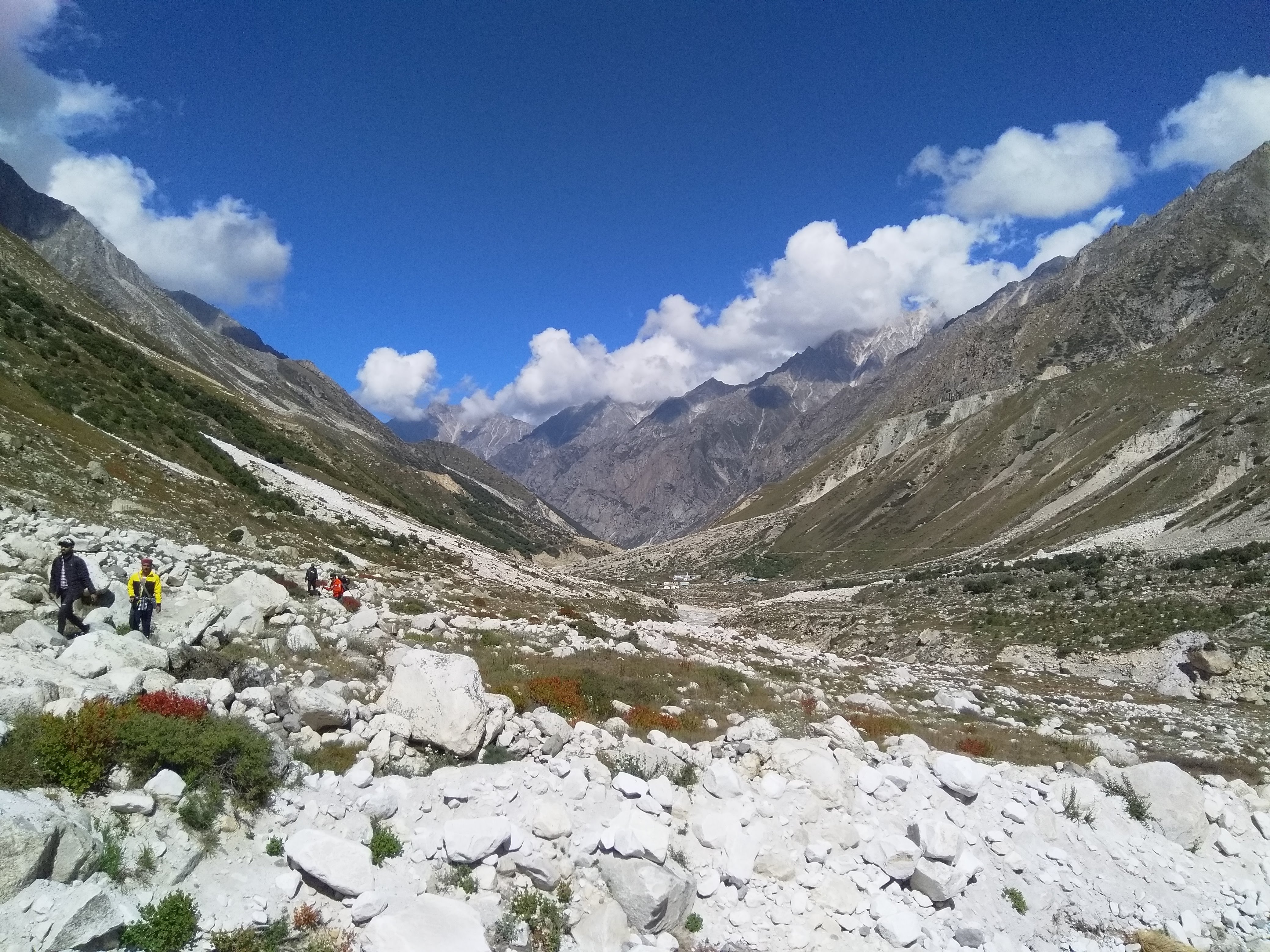
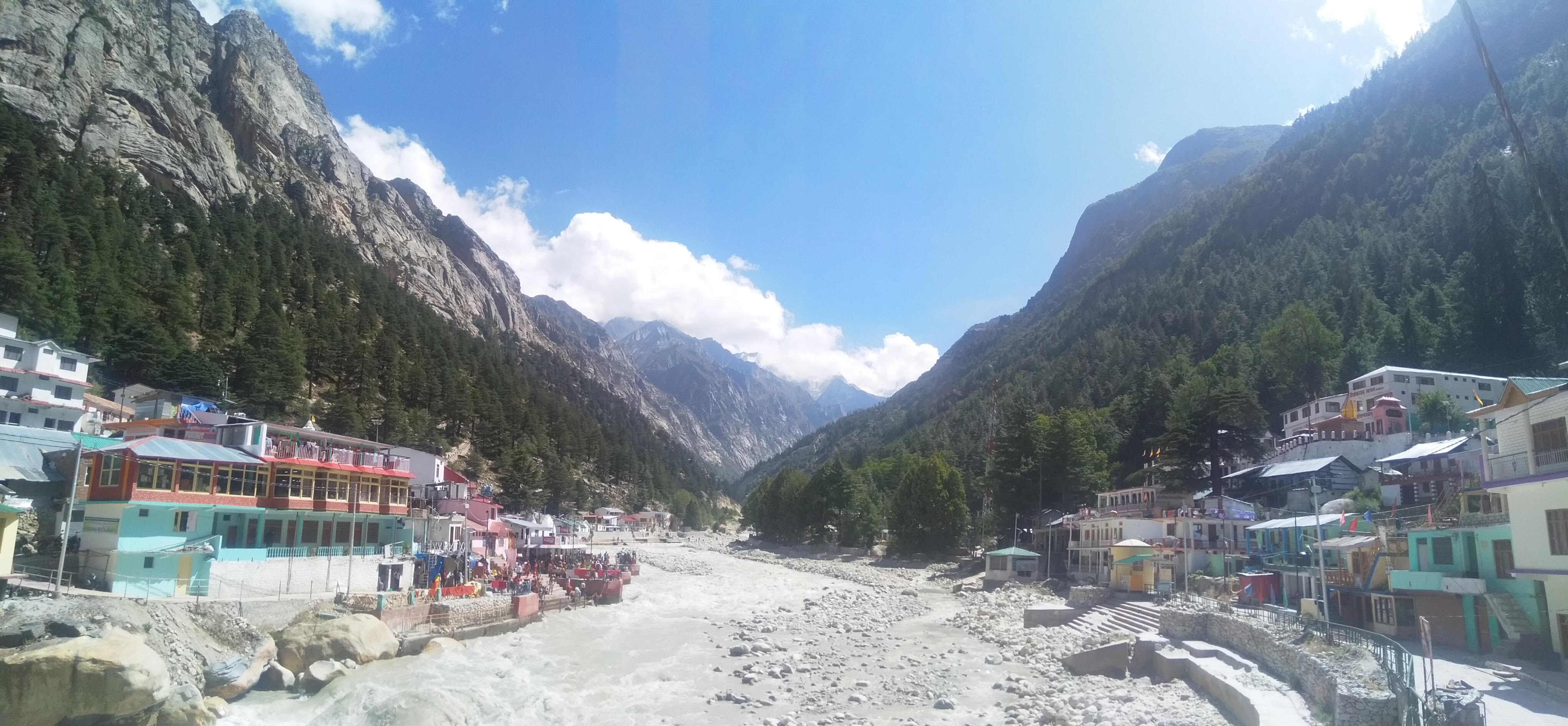
The journey begins at Gangotri (10,200 ft), one of the most sacred towns in the Himalayas and the revered source of the River Ganga. Here, the Bhagirathi flows young and fierce, cutting through rock and forest before beginning its long journey across the plains. As we step onto the trail, the sound of the river becomes our constant companion — sometimes distant, sometimes thunderous — reminding us that water, ice, and time are the true architects of this landscape.
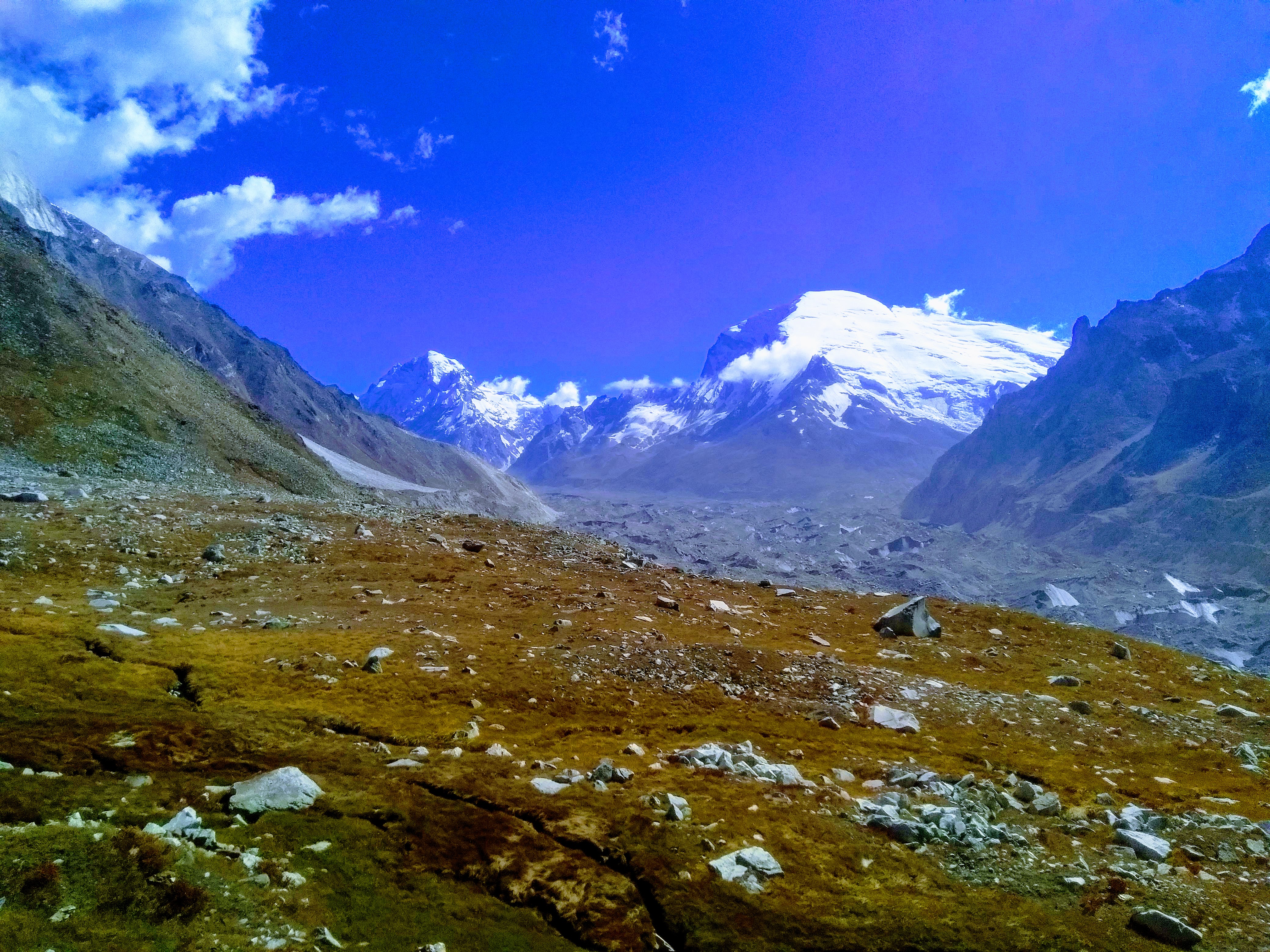
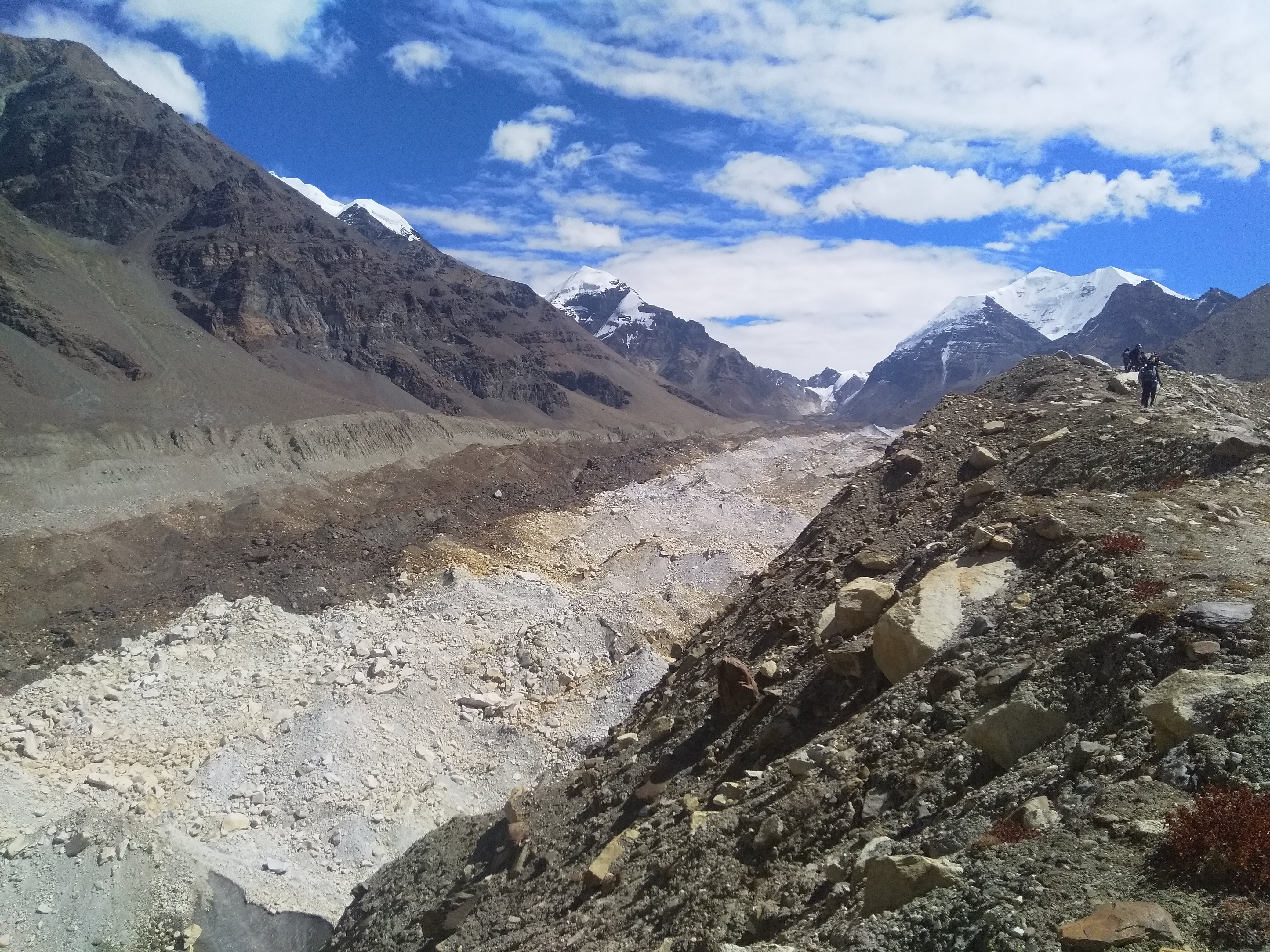
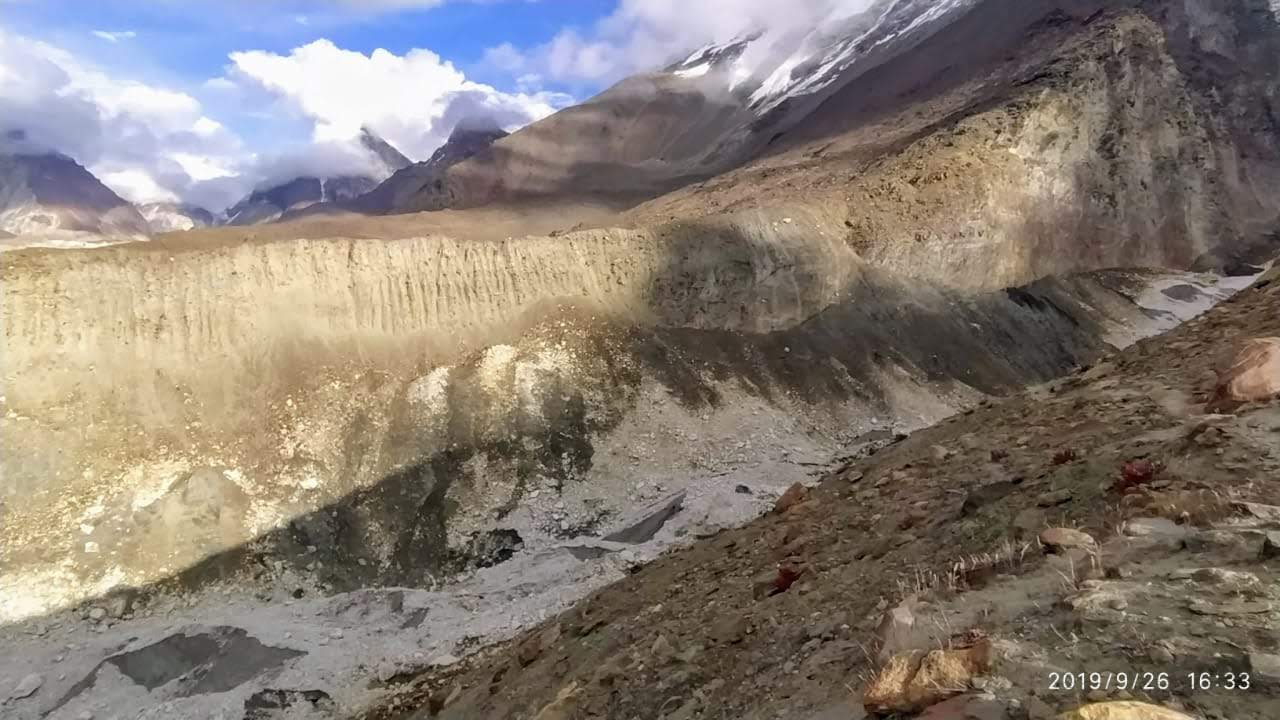
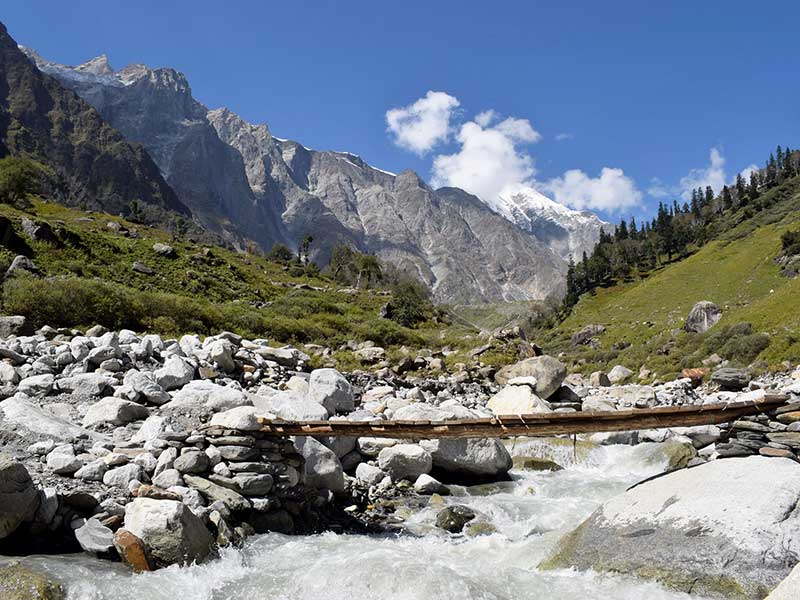
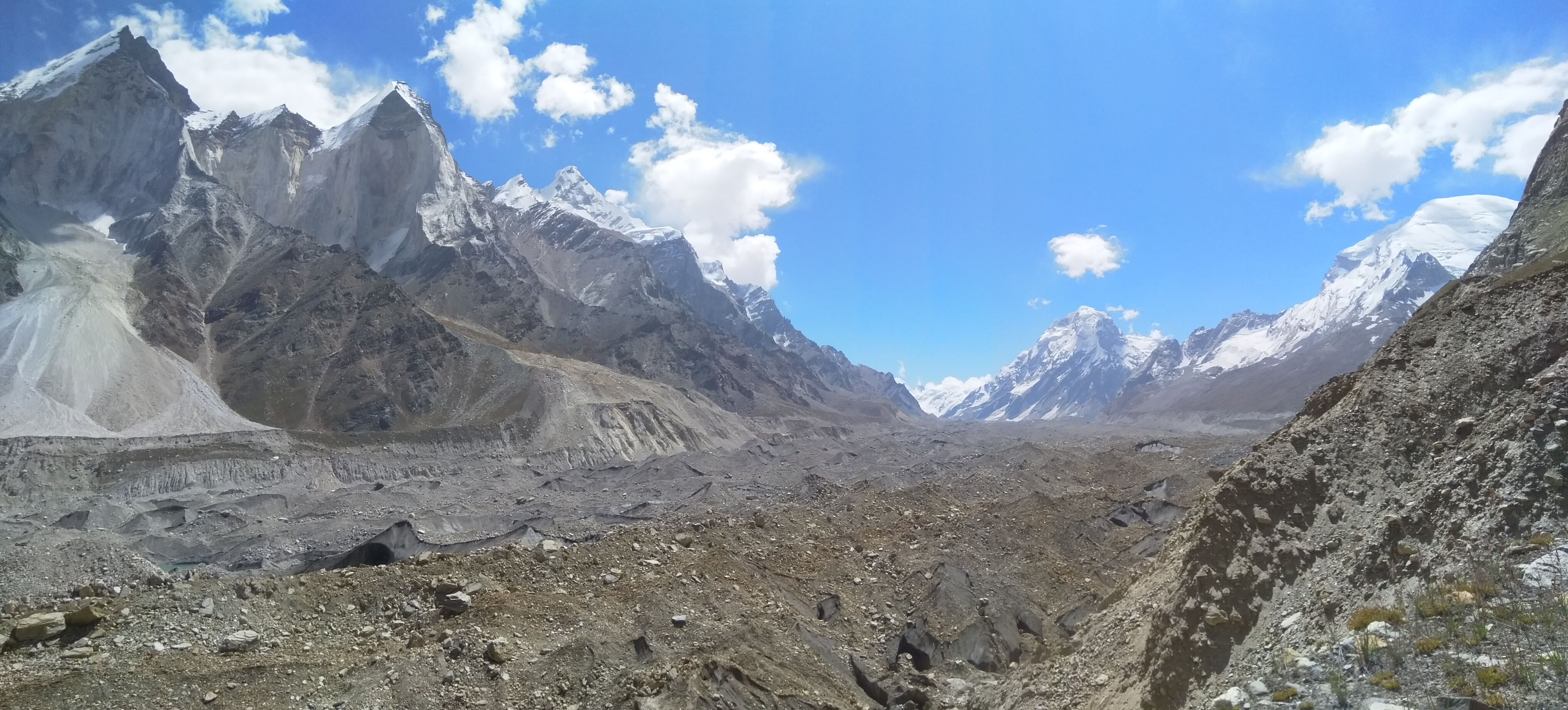
The initial walk toward Chirbasa and Bhojbasa traces the edge of the massive Gangotri Glacier, one of the longest glaciers in the Himalayas. Ancient chir pine forests thin out as altitude increases, giving way to stark moraine fields, glacial debris, and wide riverbeds carved by seasonal meltwater. Blue sheep are often spotted traversing steep slopes above, while Himalayan griffons and lammergeiers circle effortlessly overhead. Vegetation becomes sparse — hardy alpine shrubs, mosses, and lichens clinging to life in a climate defined by cold winds and intense sunlight.
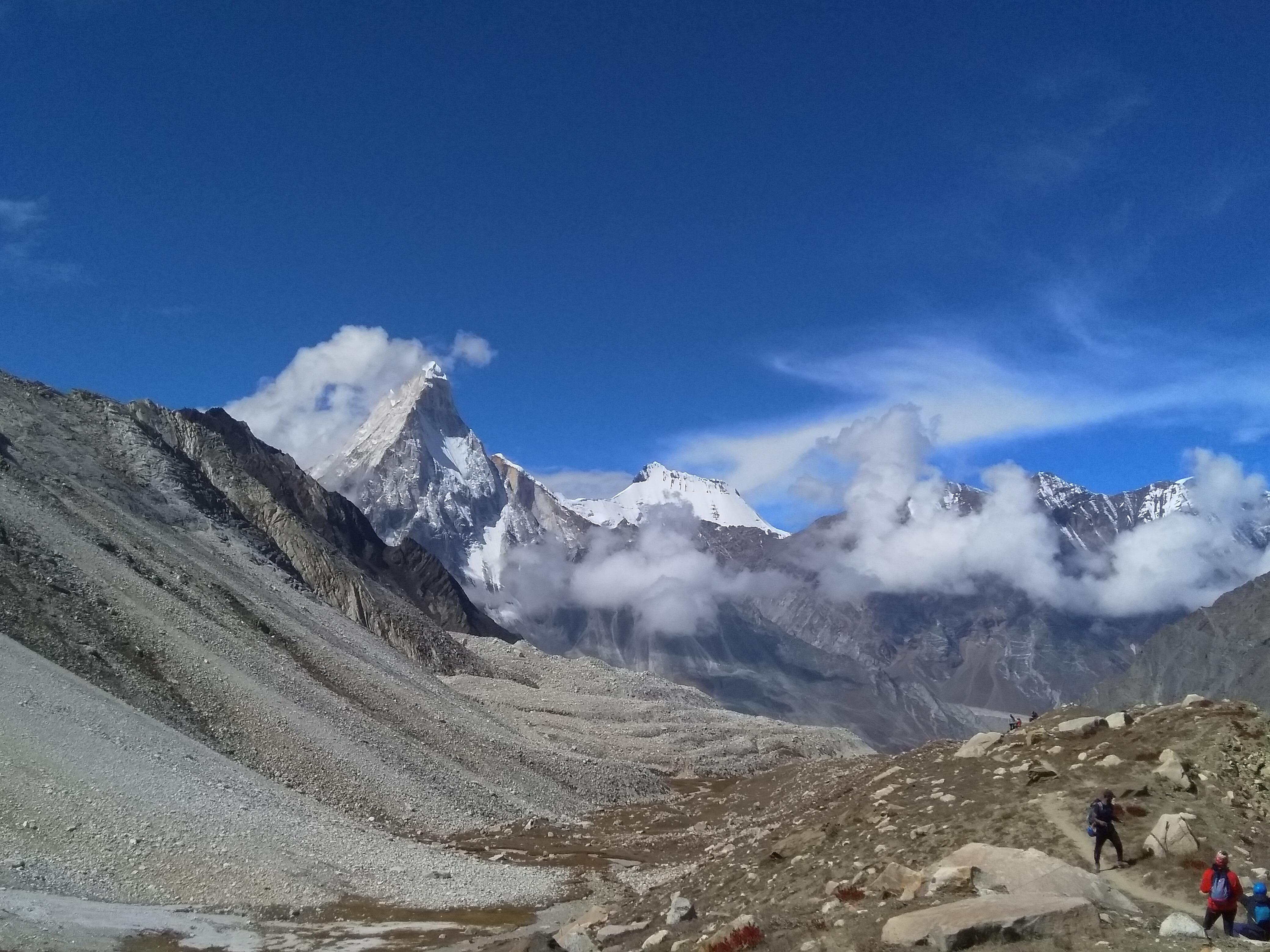
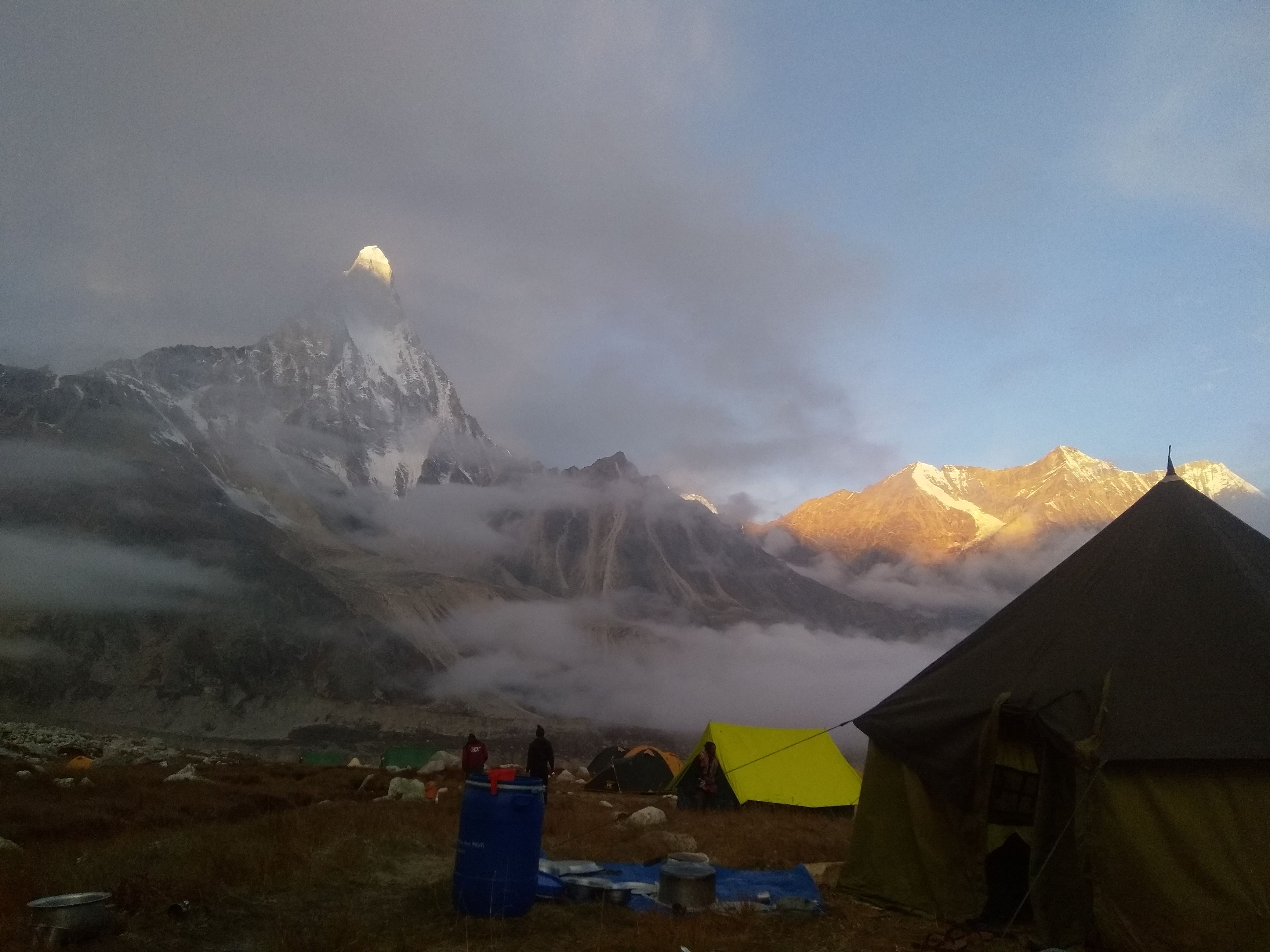
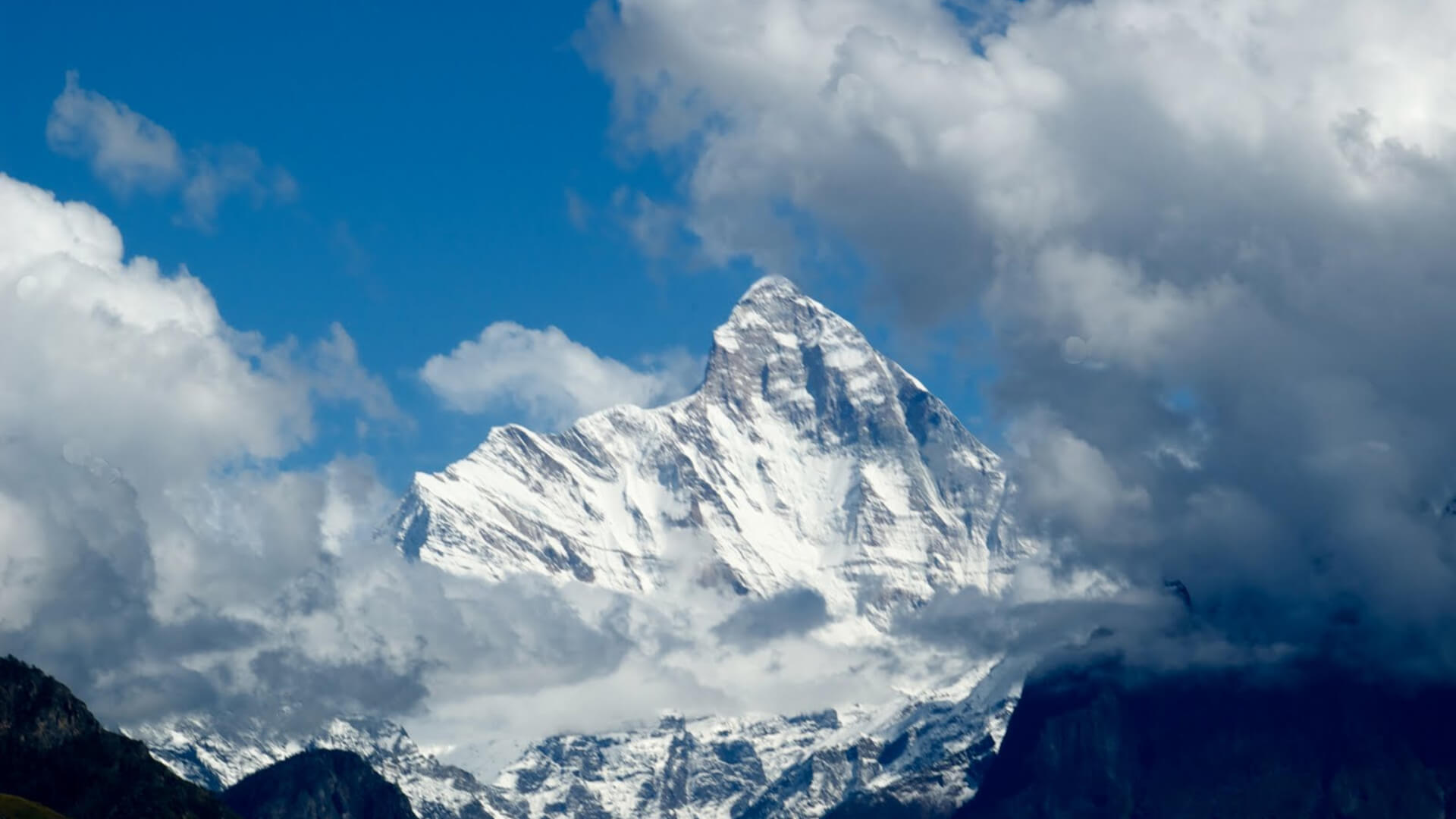
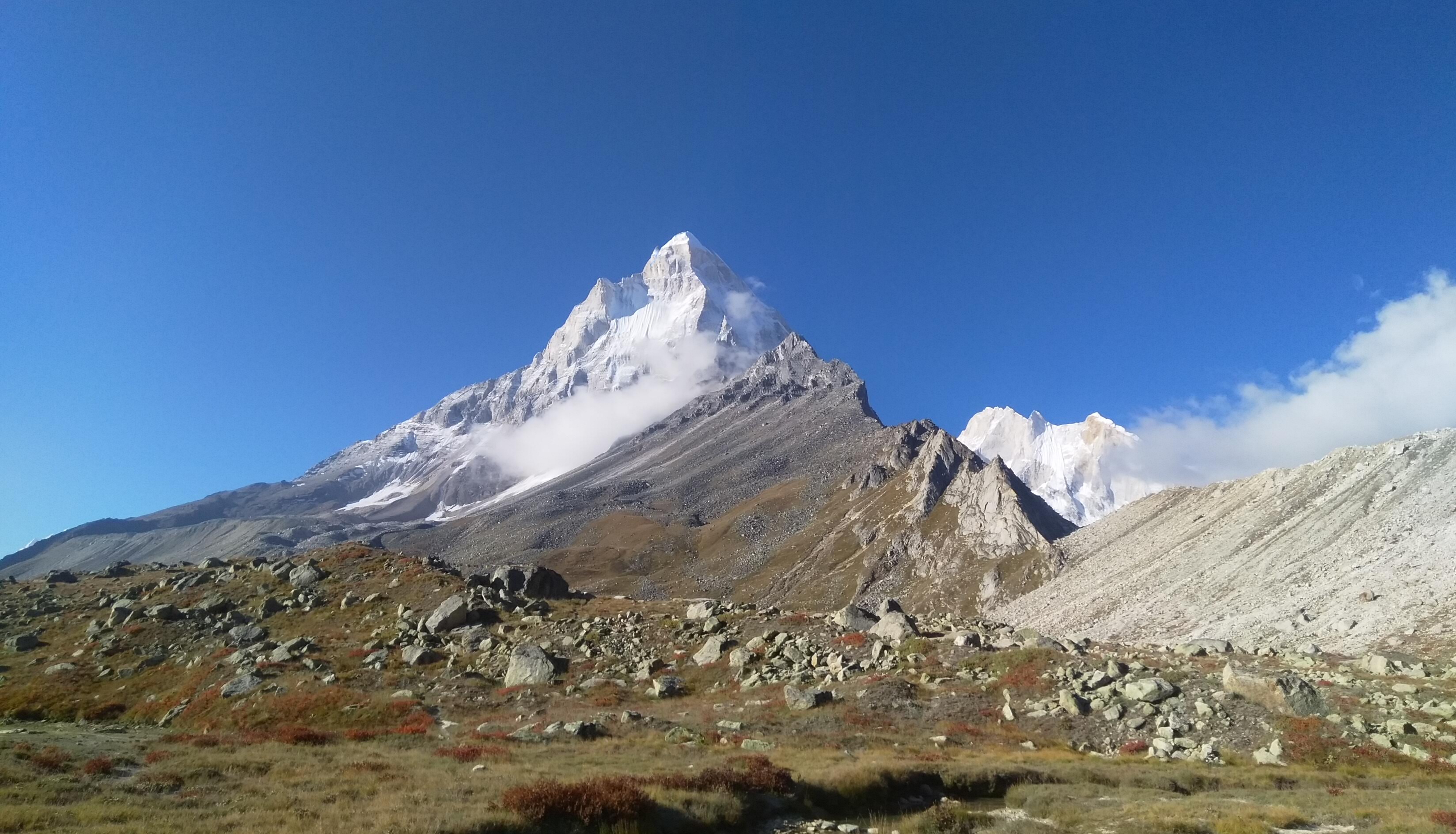
As Bhojbasa (12,450 ft) comes into view, the scale of the terrain begins to overwhelm the senses. The glacier stretches endlessly, its cracked surface groaning softly beneath the sun. And then, almost suddenly, Mt. Shivling (6,543 m / 21,467 ft) rises into view — sharp, symmetrical, and commanding. Few mountains in the Himalayas evoke such awe. From here onward, the trek shifts from a pilgrimage path into a serious high-mountain expedition.
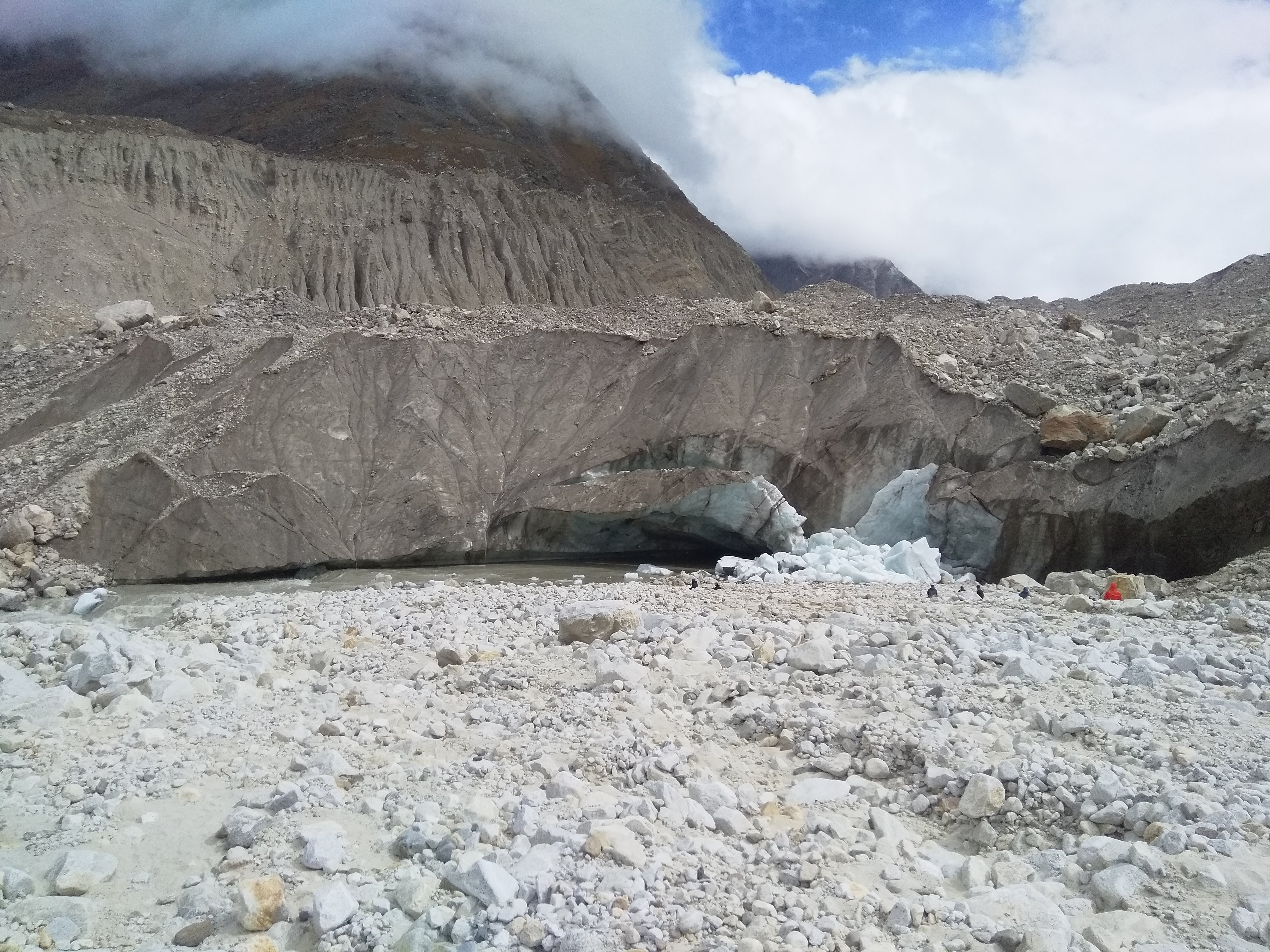
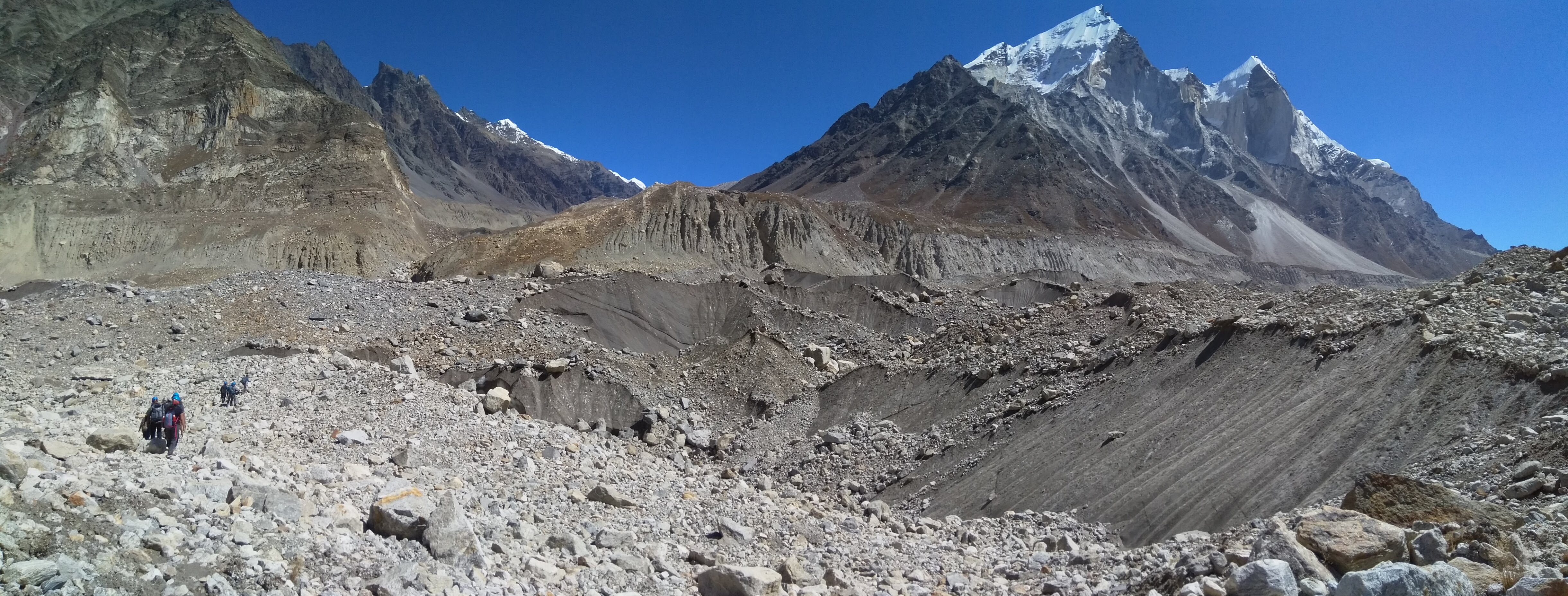
Ahead lies Gaumukh (13,200 ft), the iconic snout of the Gangotri Glacier — the physical birthplace of the Ganga. Standing before this massive wall of ice, watching icy blue water emerge from its depths, one understands the true scale of glacial power. This is a living, moving river of ice, sculpting the land inch by inch. From Gaumukh, the trail turns technical, crossing the width of the Gangotri Glacier’s terminal moraine — a chaotic world of boulders, shifting rocks, and hidden crevasses that demands absolute focus and respect.
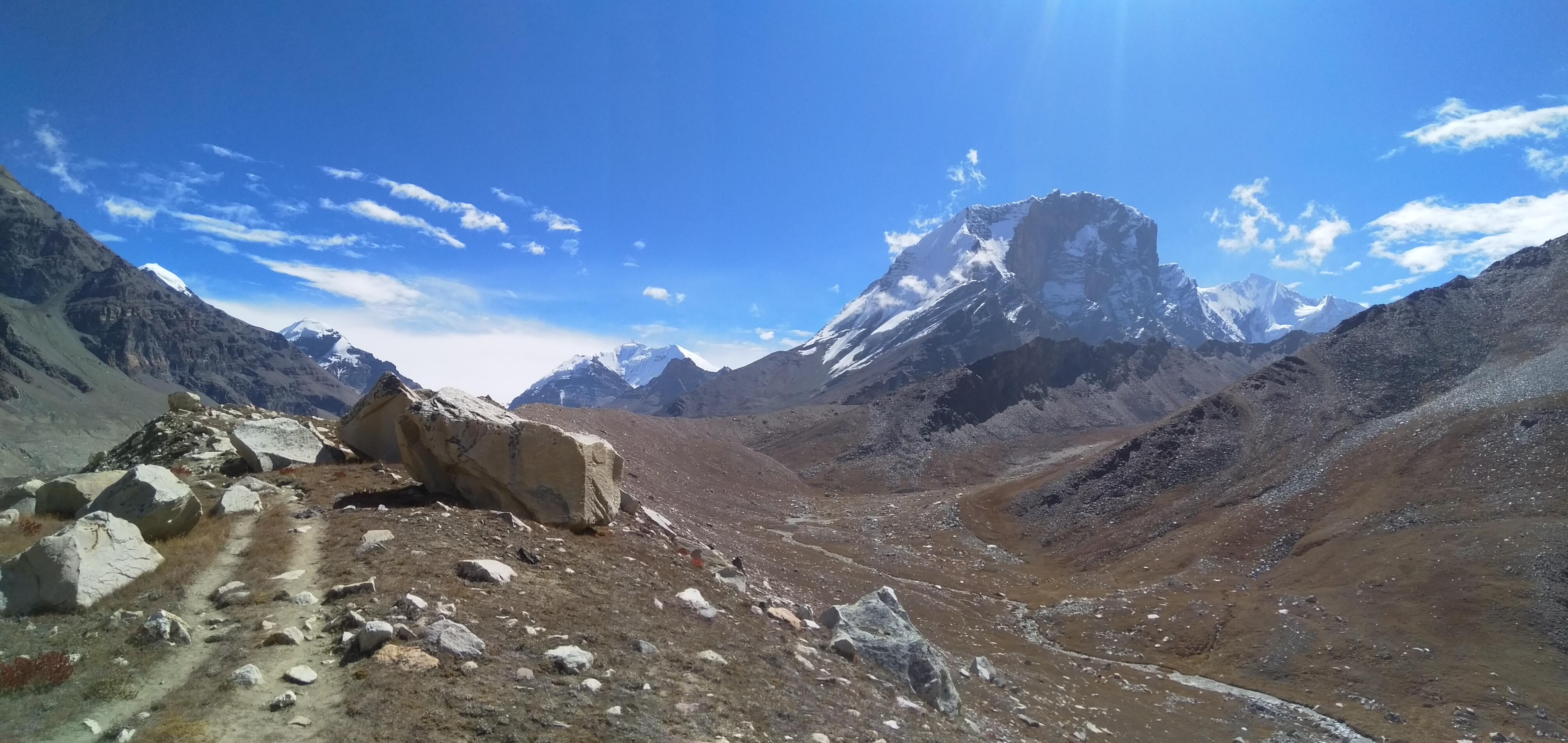
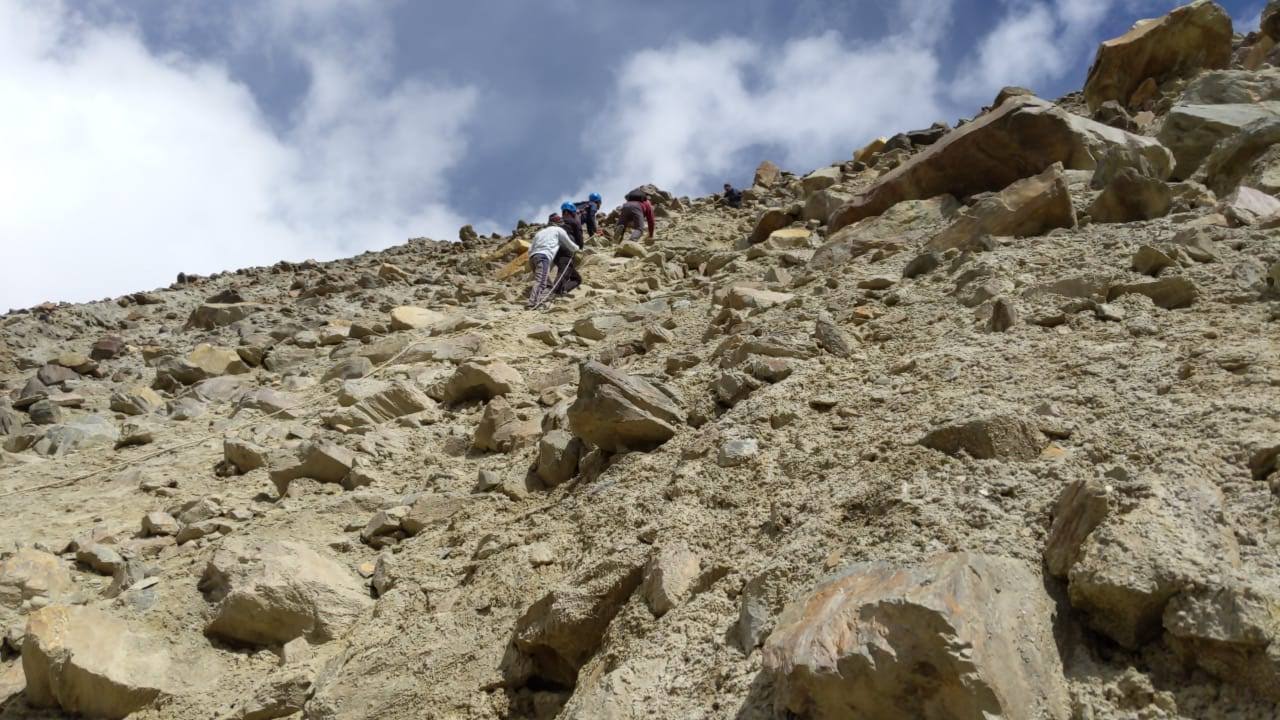
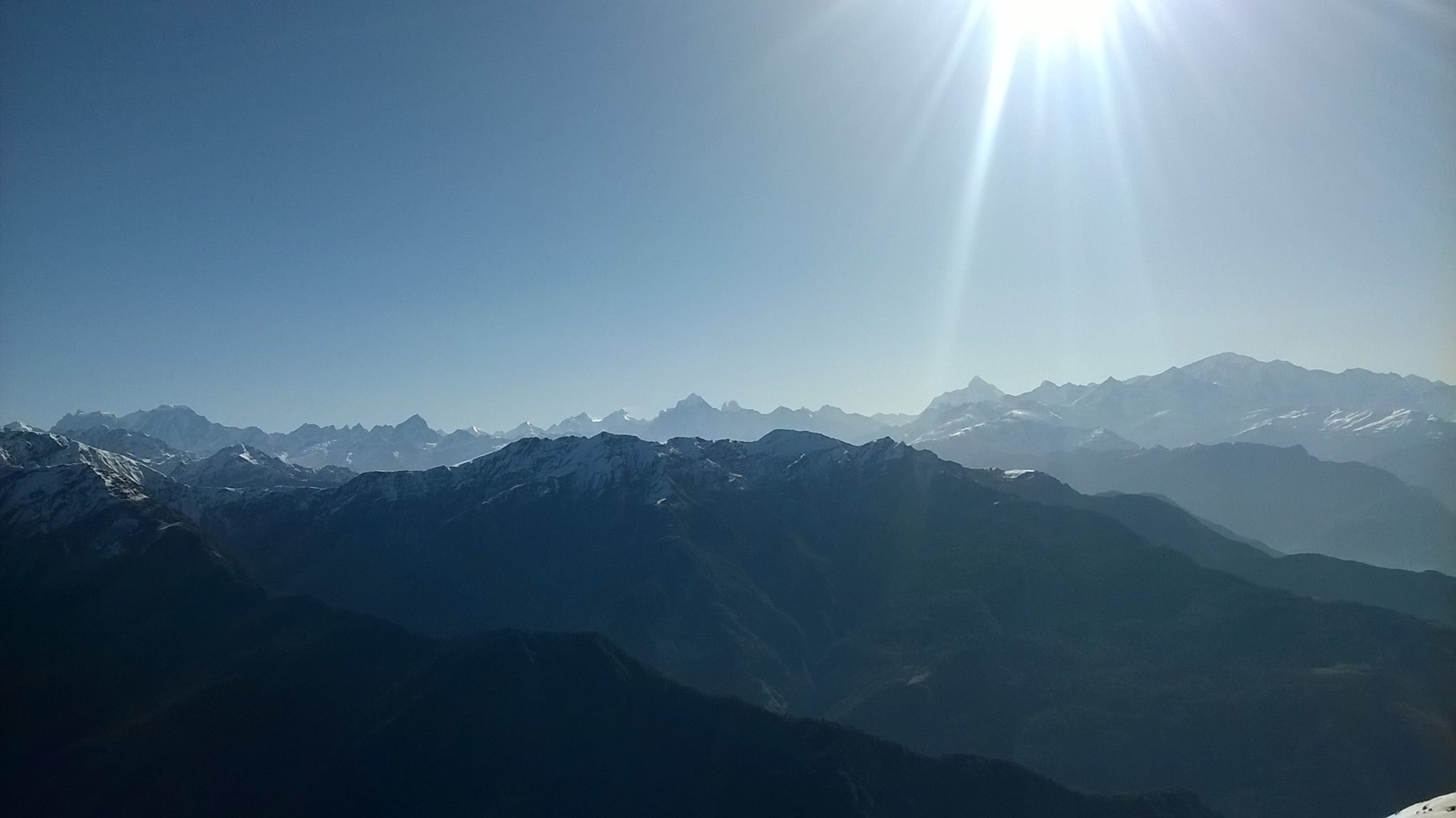
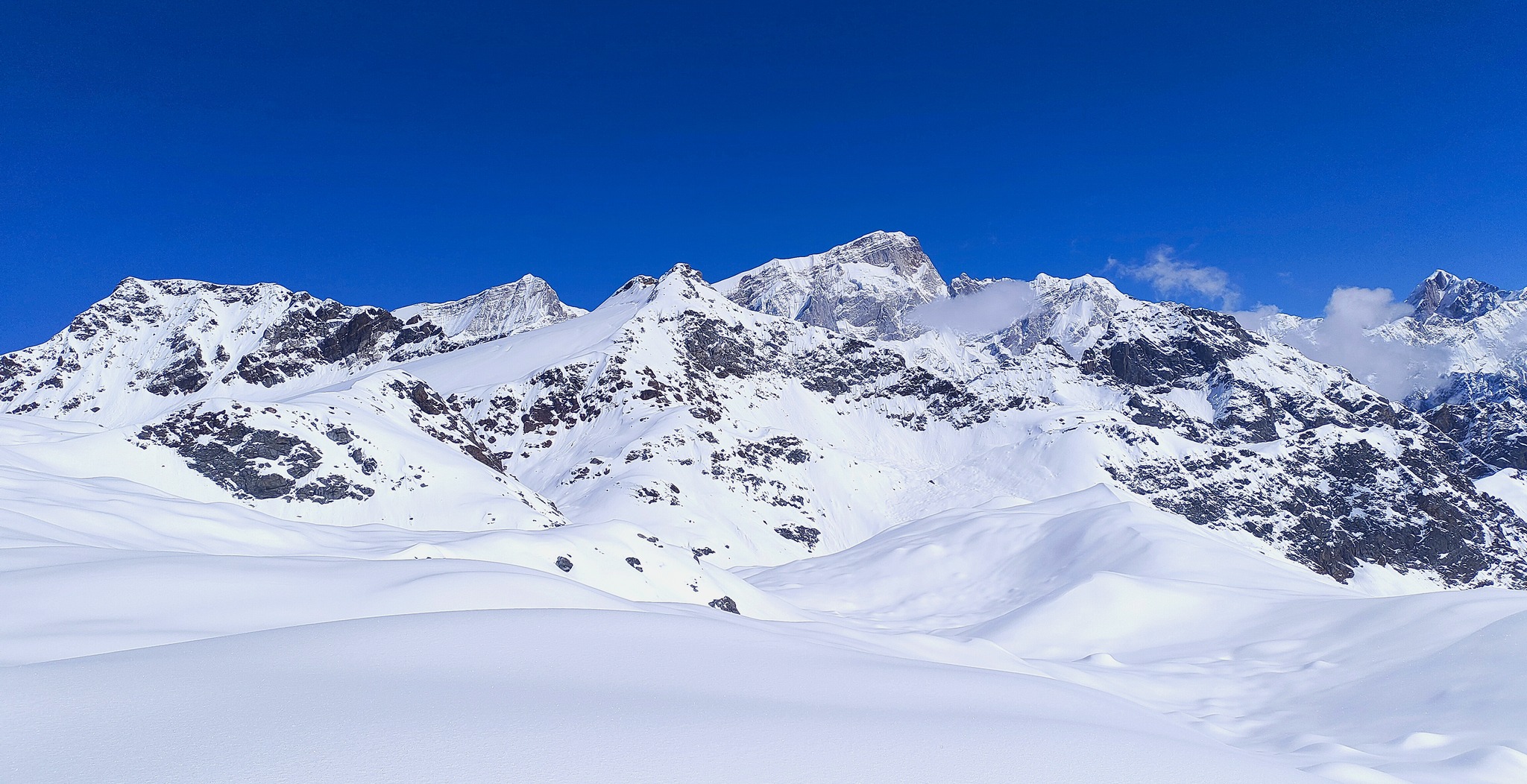
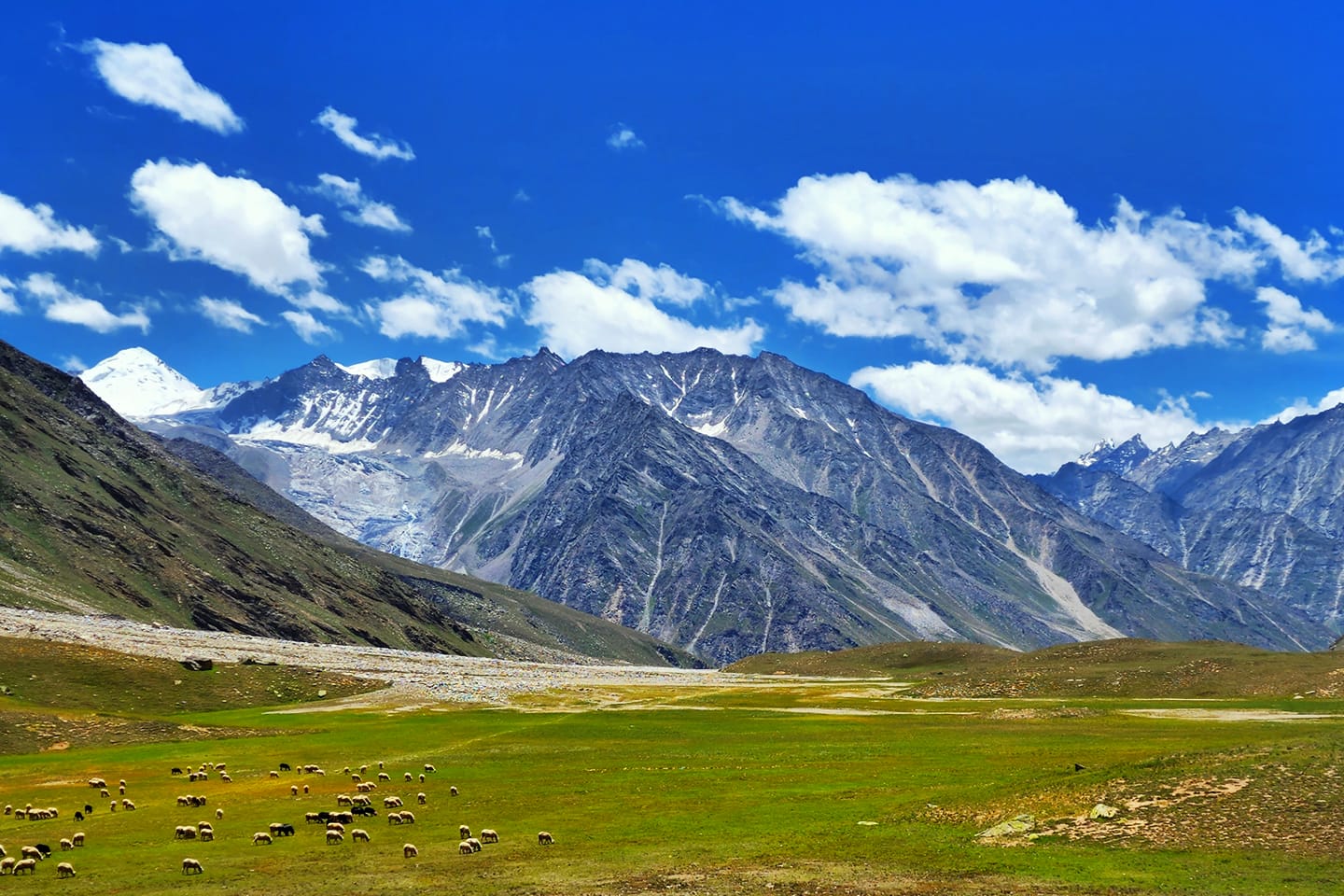
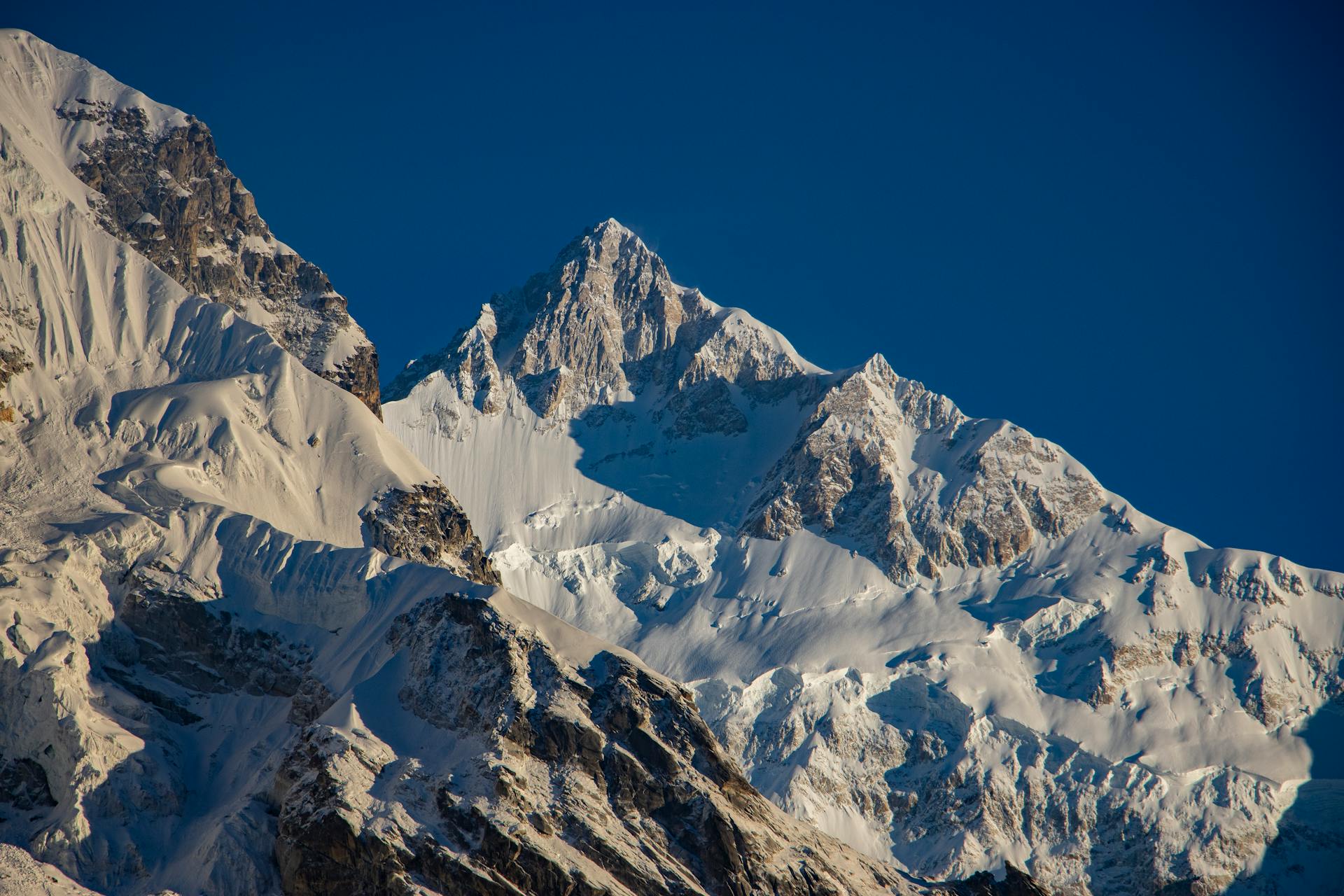
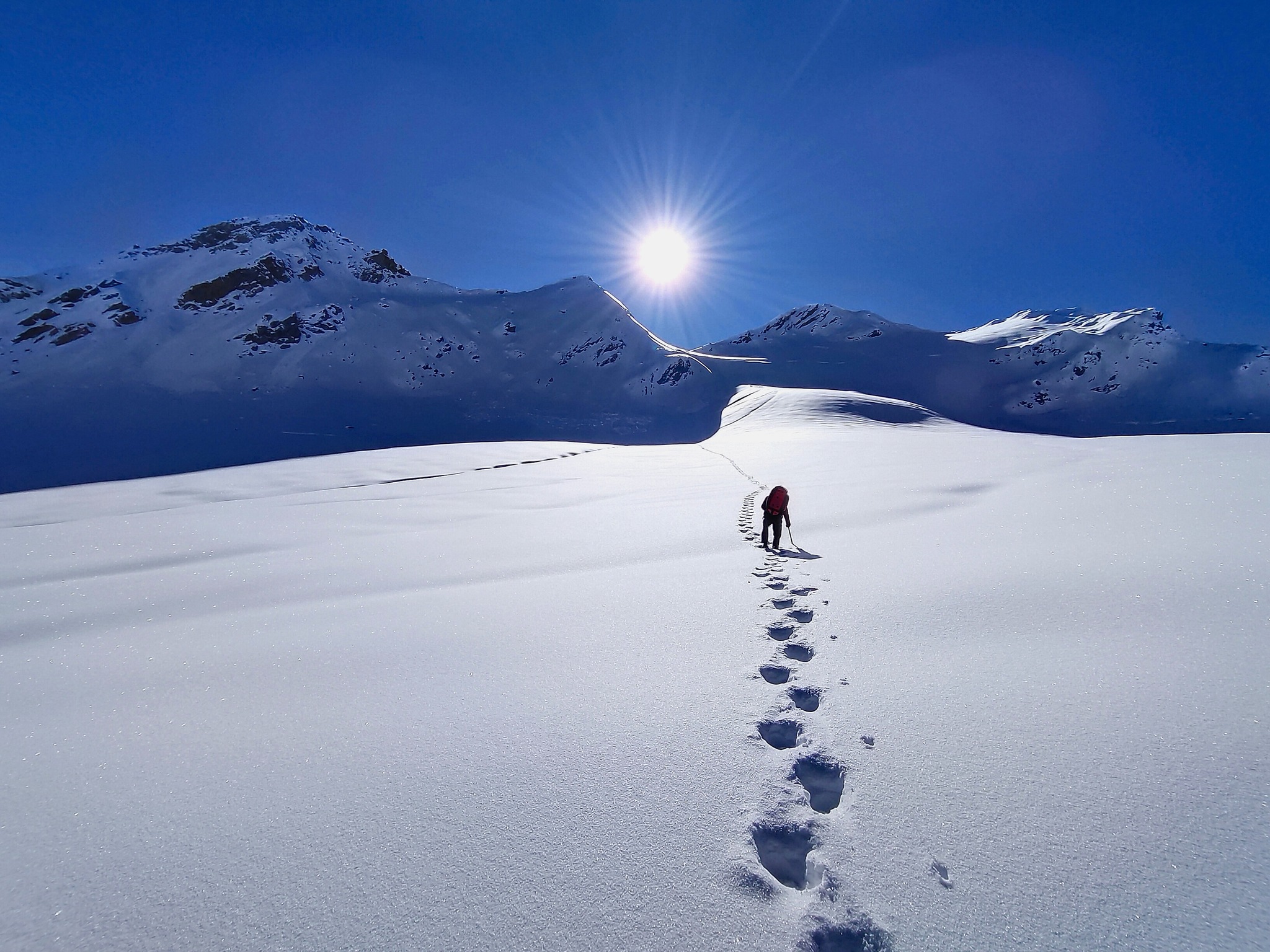
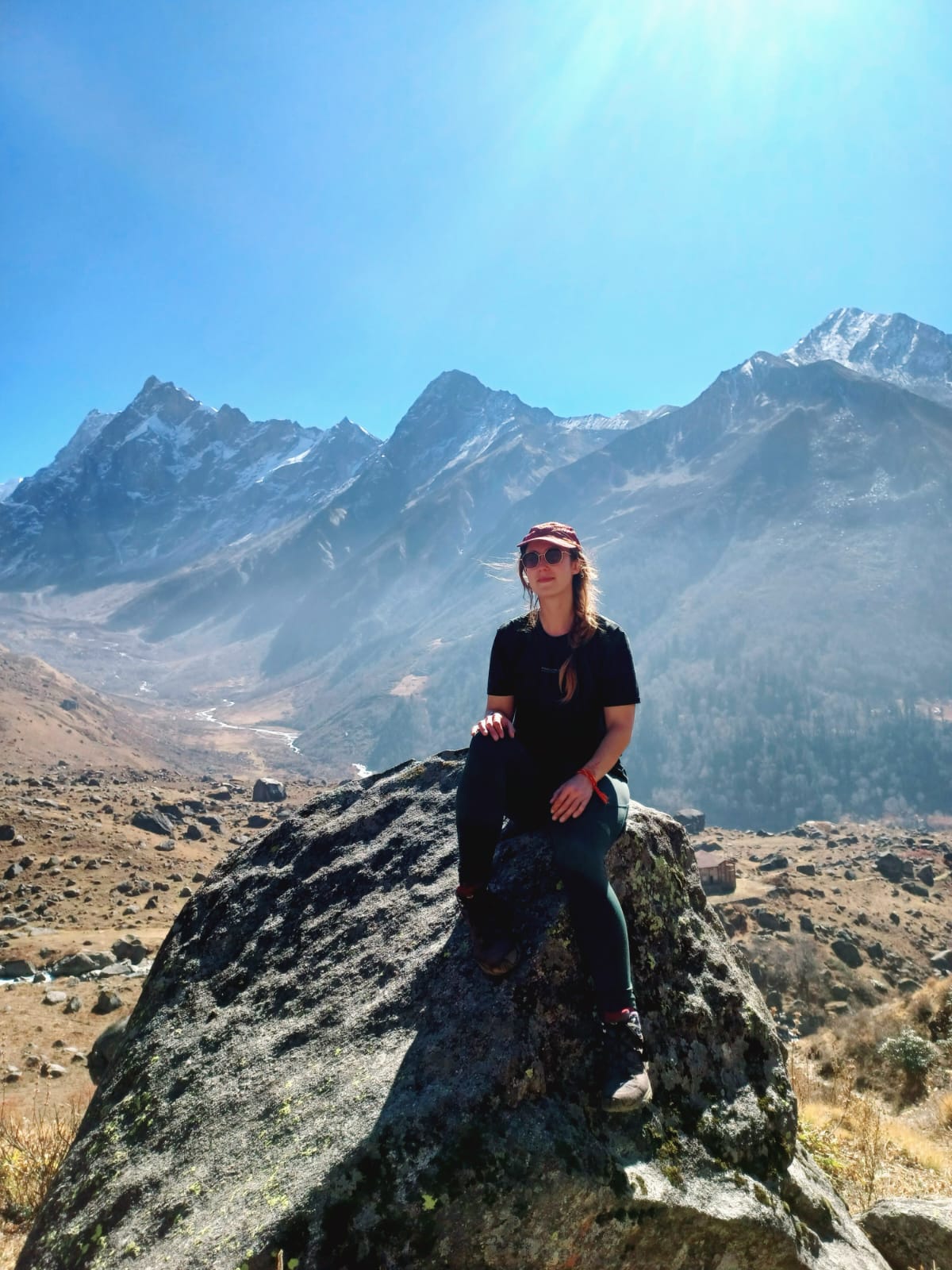
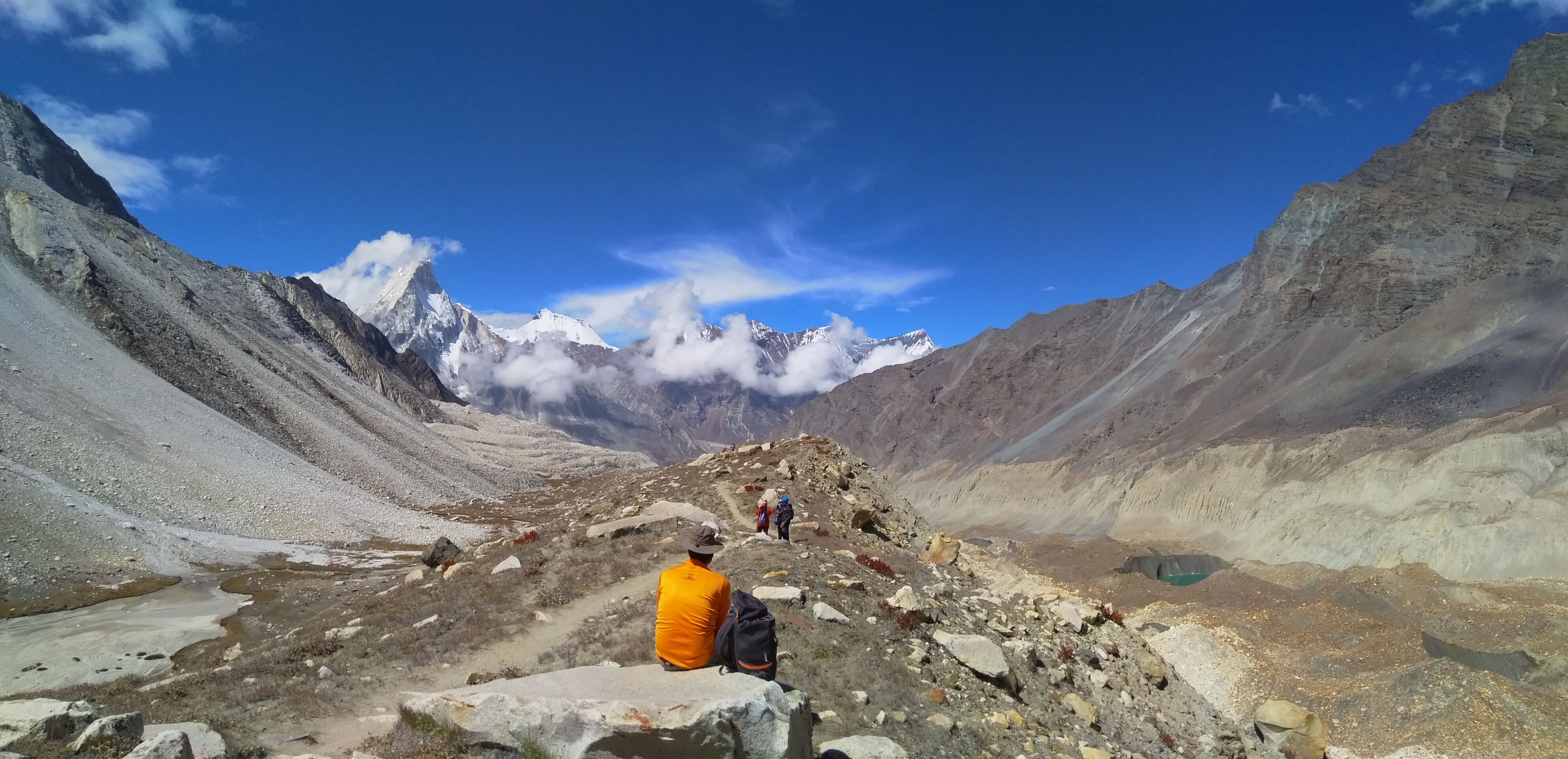
The climb to Nandanvan (14,200 ft) is steep and unrelenting, ascending through loose moraines and unstable rock. Each step must be placed carefully. And then, quite suddenly, the terrain opens into one of the most dramatic alpine meadows in the Himalayas. Nandanvan sits directly opposite the Bhagirathi massif — Bhagirathi I (6,856 m), II (6,512 m), and III (6,454 m) — with Mt. Shivling dominating the skyline and Meru (6,660 m) and Sudarshan (6,507 m) completing a near-perfect amphitheater of peaks. Camps are pitched beside glacial streams, surrounded by walls of rock and ice that glow gold at sunrise and burn crimson at sunset.
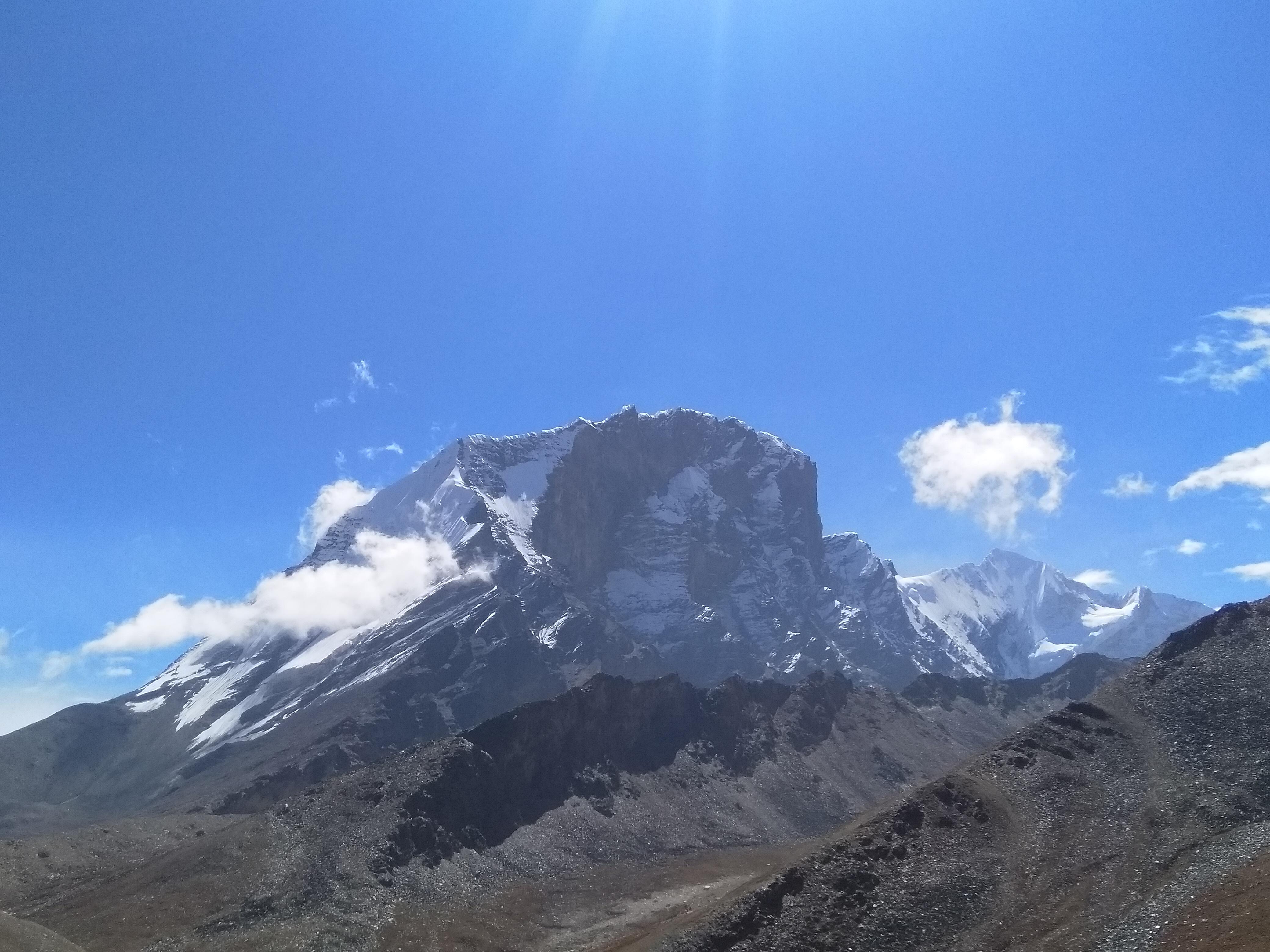
This region is the cradle of Indian mountaineering. Countless expeditions have staged their climbs from these very meadows — attempts on Bhagirathi, Shivling, Meru, Kalindi Pass, and beyond. Even today, climbers use Nandanvan and Vasukital as acclimatization grounds, their tents dotting the landscape like small, temporary scars in an otherwise untouched wilderness.
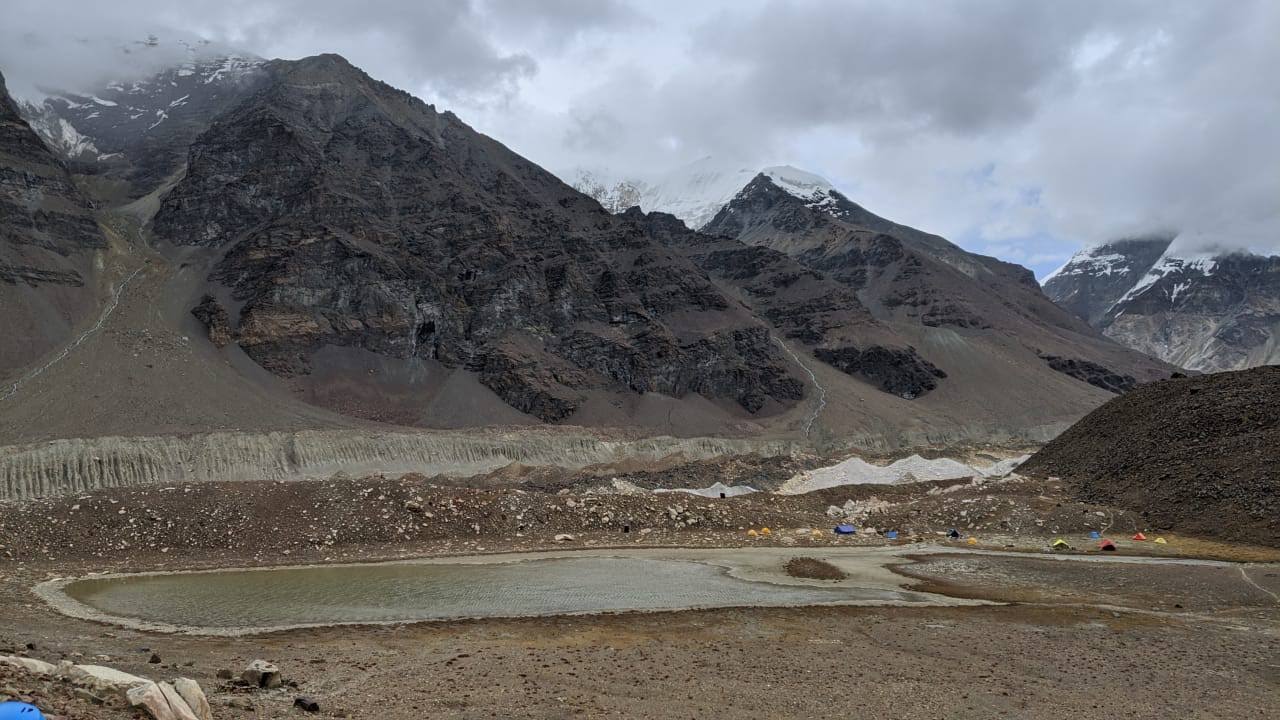
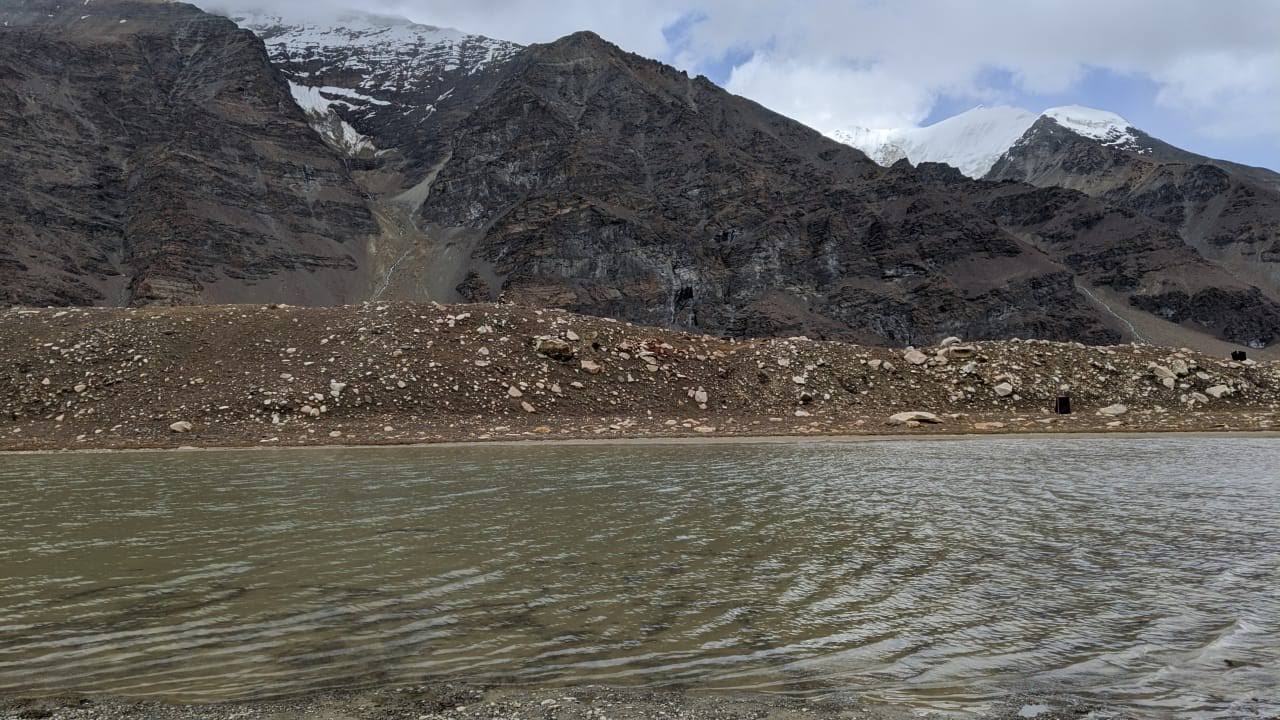
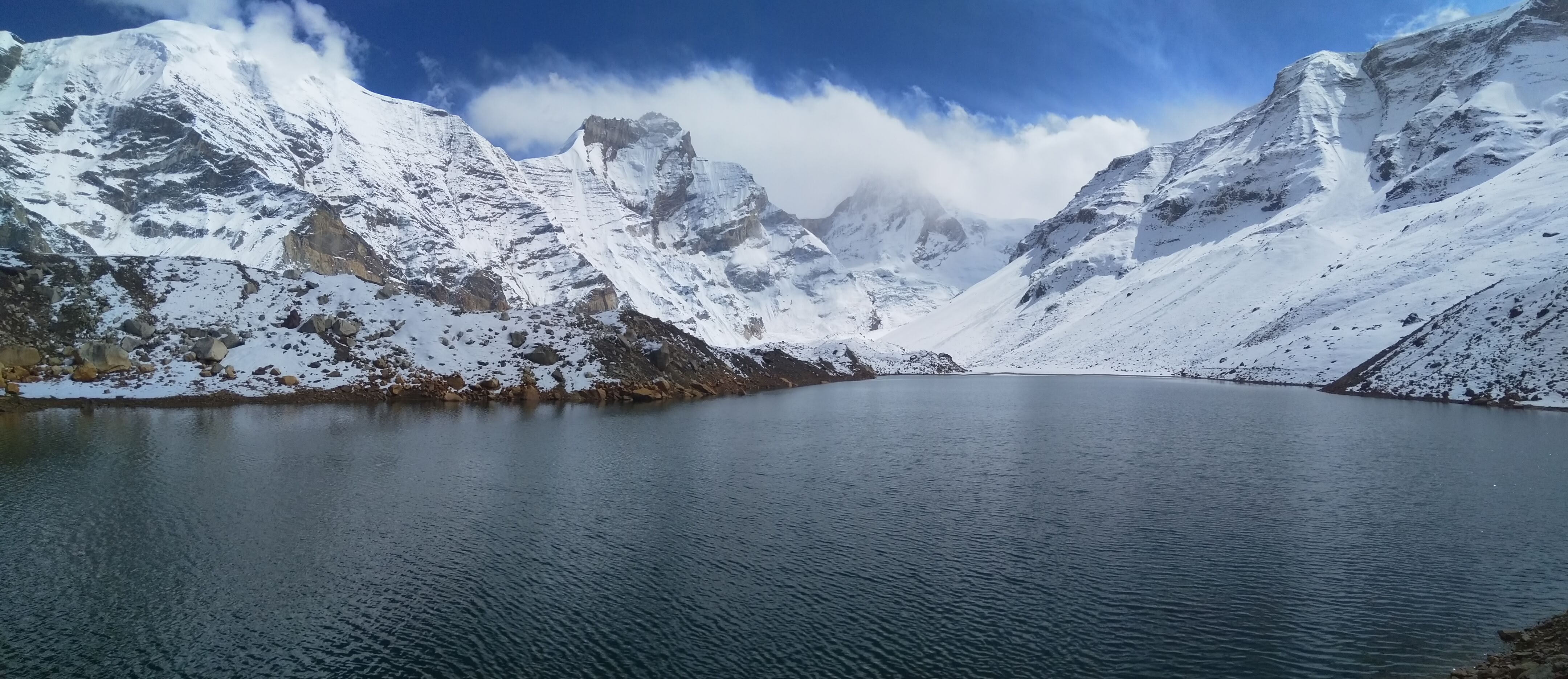
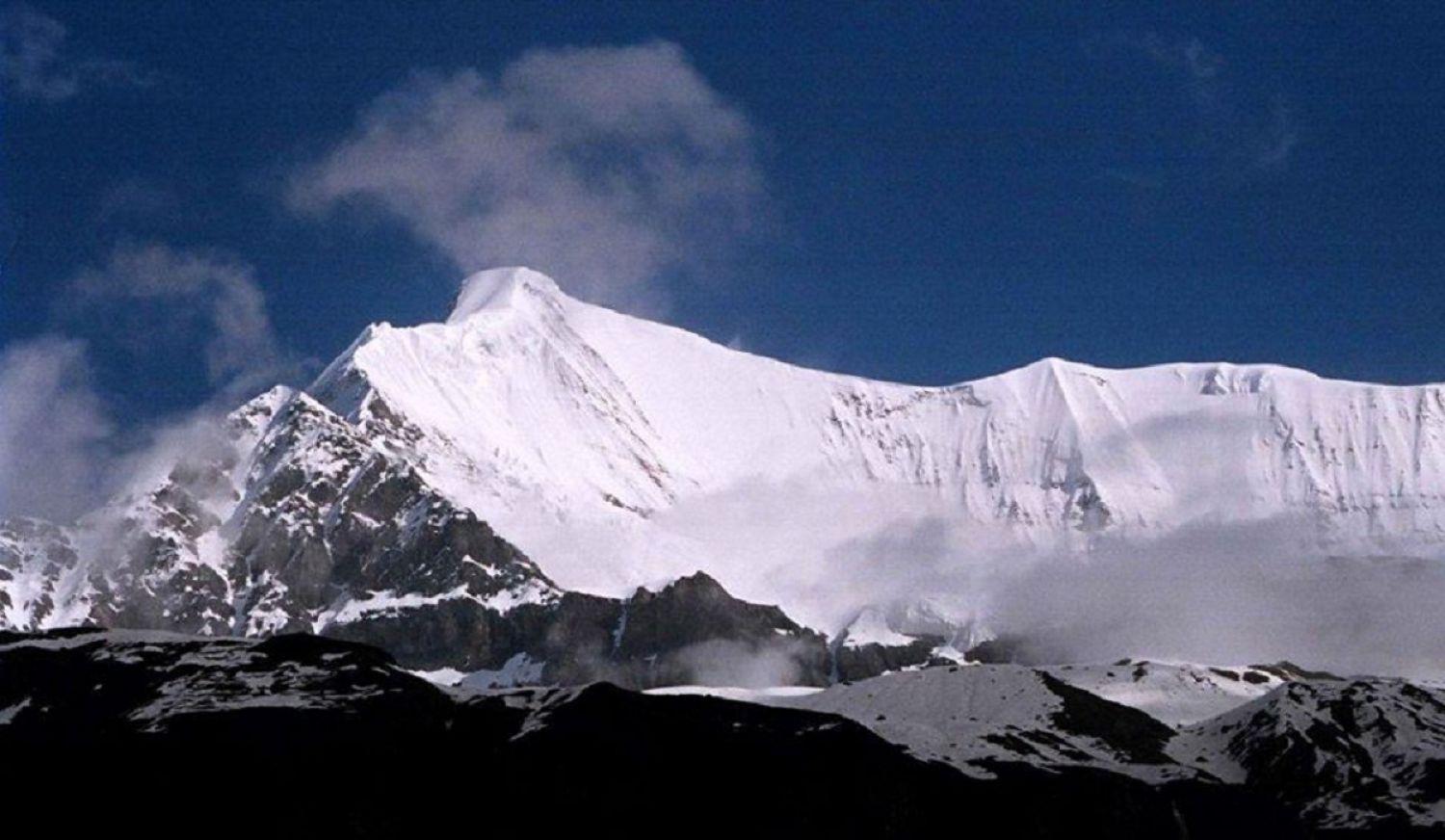
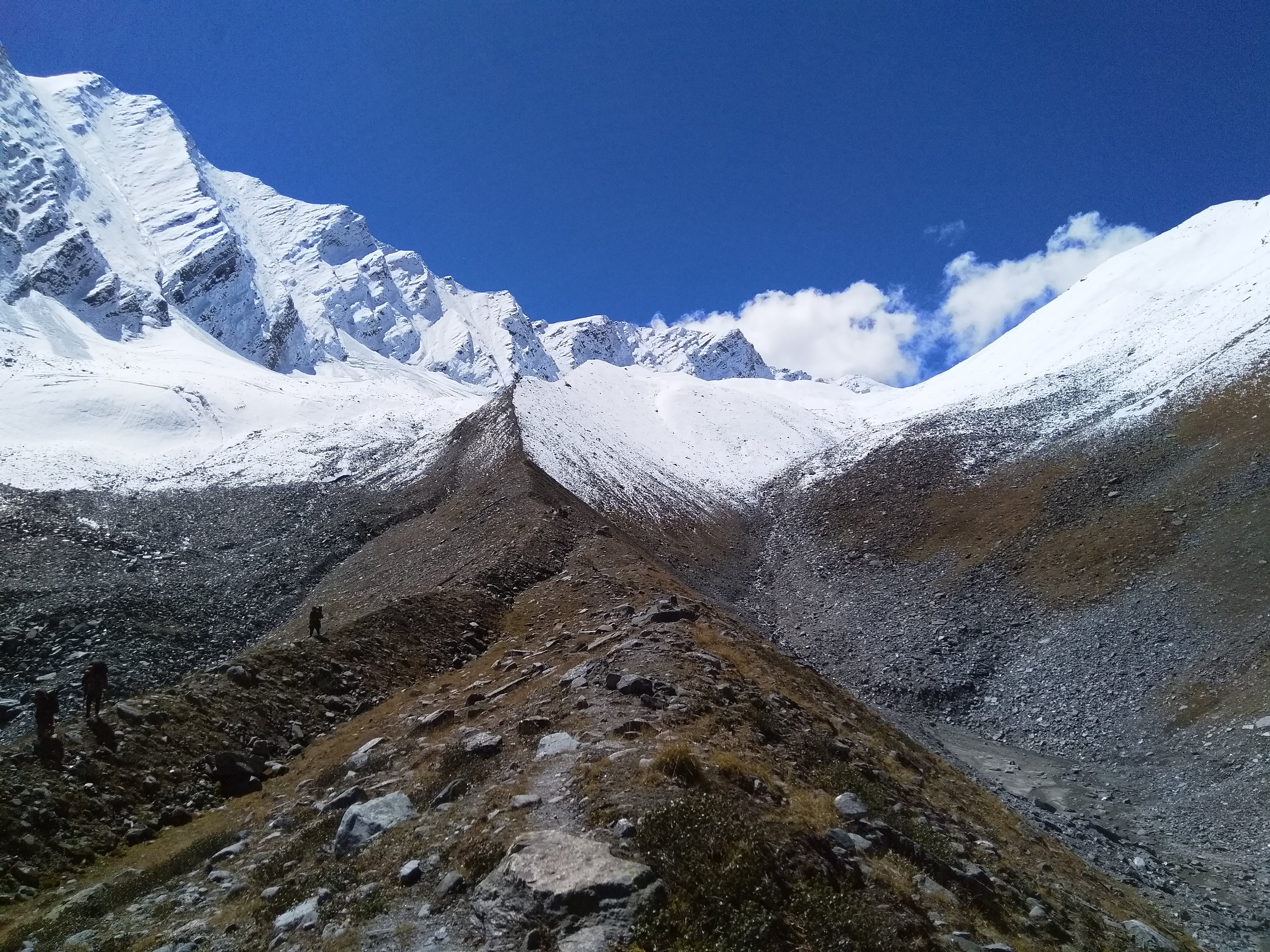
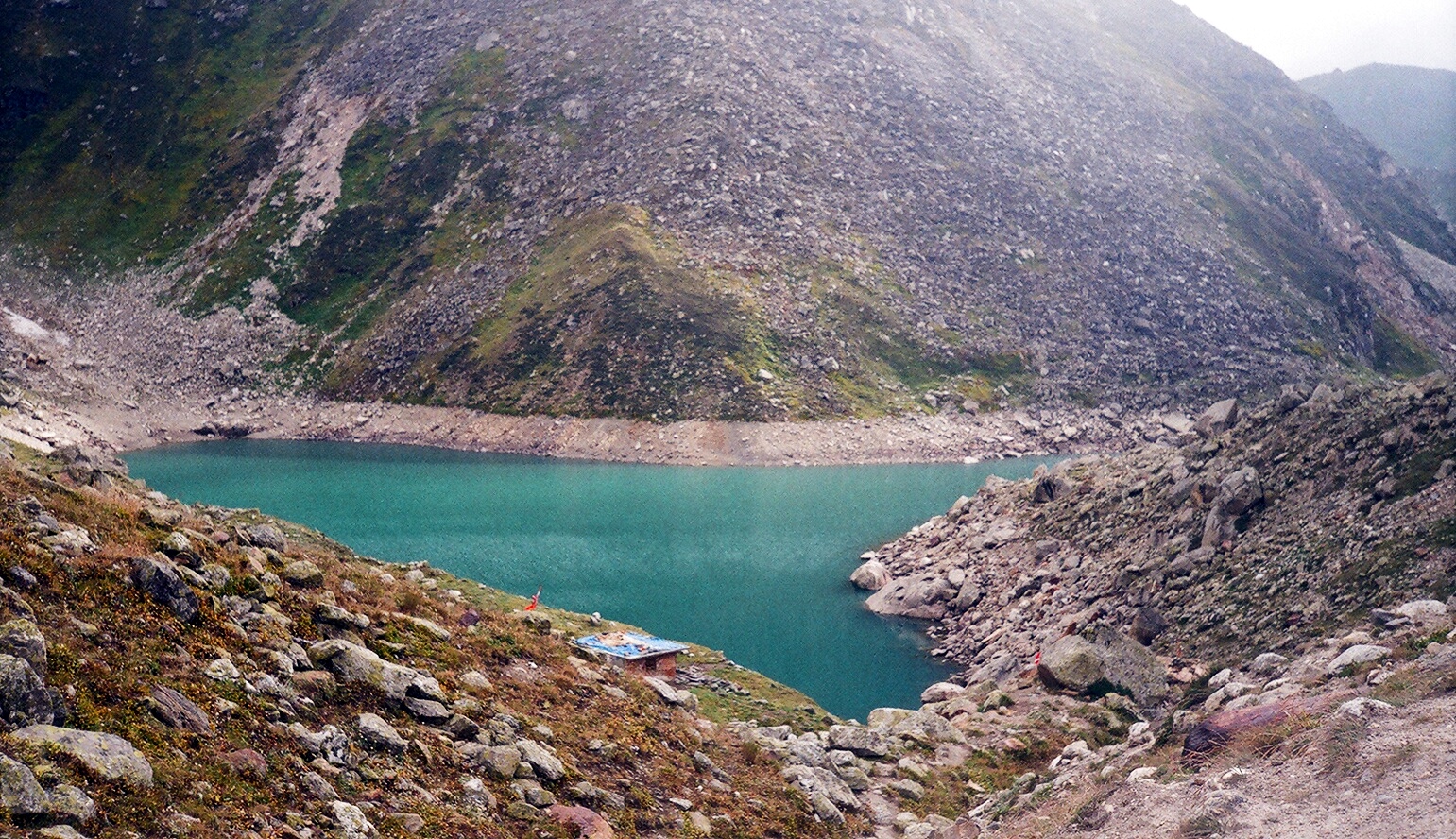
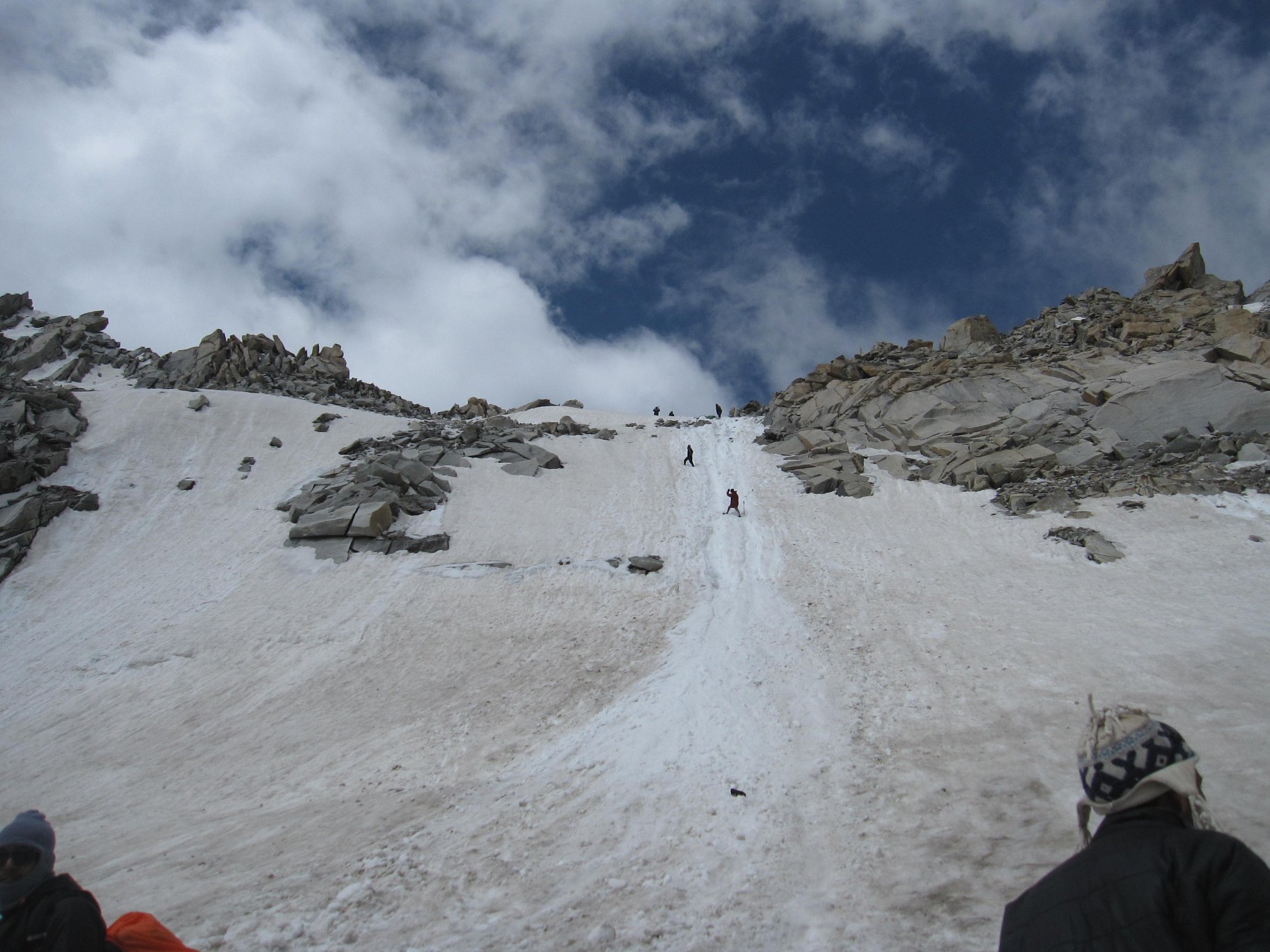
The day hike to Vasukital (16,200 ft) pushes deeper into this raw world. The route follows the Kalindi trail along the lateral moraine of the Chaturangi Glacier, gradually ascending before turning sharply upward across steep, unstable slopes. Fixed ropes are often required here, a reminder that the mountains do not yield easily. And then, at the end of this demanding climb, Vasukital reveals itself — a high-altitude glacial lake resting beneath Vasuki Parvat (6,756 m / 22,165 ft). Often frozen, eerily silent, and framed by barren rock walls, the lake feels untouched by time, a place few ever reach.
Weather in this region is unpredictable and extreme. Days can swing from brilliant sunshine to biting winds within minutes. Nights plunge well below freezing even in summer. The air is thin, the terrain unforgiving, and the isolation complete. Yet within this harshness lies an unmatched beauty — the play of clouds across ice walls, the slow movement of glaciers, and the overwhelming sense of Earth still shaping itself before your eyes.
This trek is not about ticking destinations off a list. It is about understanding scale, patience, and humility. Walking these trails, you witness firsthand the forces that carve mountains, feed rivers, and sustain life far beyond the Himalayas. For seasoned trekkers seeking a profound connection with high-altitude wilderness, Nandanvan–Vasukital is not just a trek — it is a masterclass in nature’s raw power and quiet grace. Read More 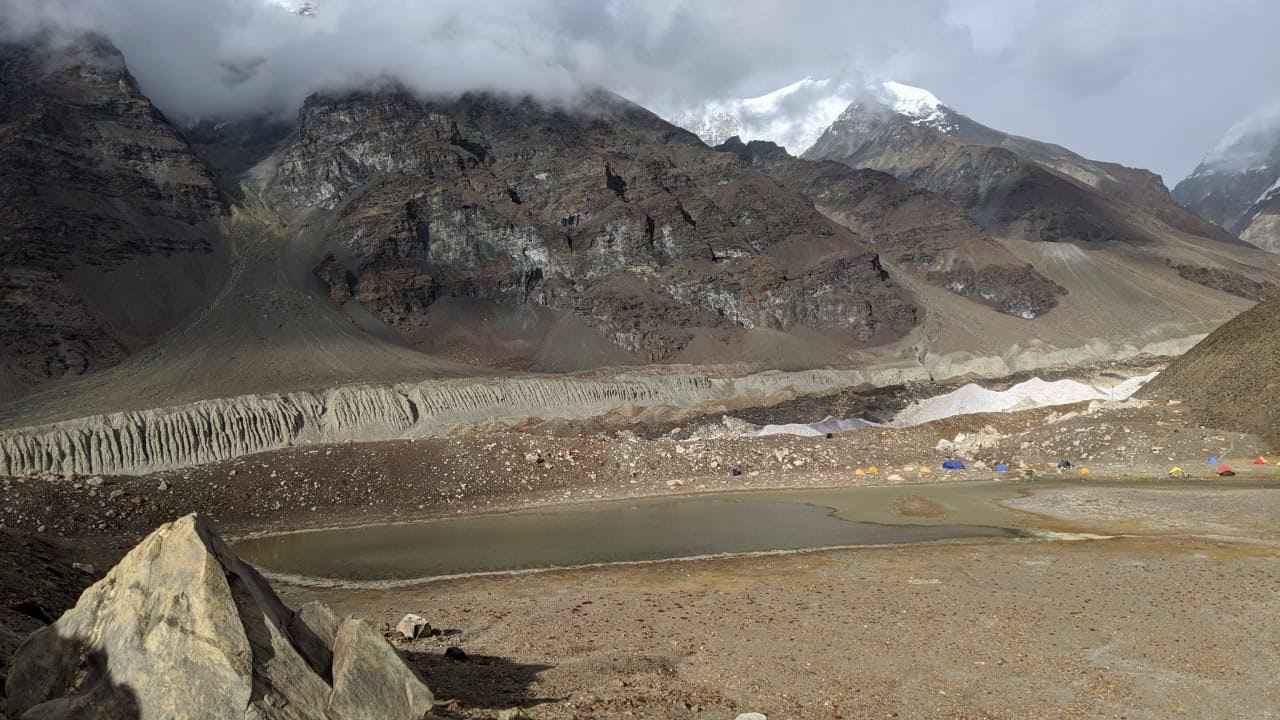
 FAQs
FAQs