WhatsApp FAQs
×


PriceNote – Listed Price & Customisation Rules:
The listed trek price applies to our fixed departures for the specified itinerary. Trek fees including any add-ons for customized groups may vary based on your preferences, ensuring every adventure is tailored to your needs.

Group Booking Offer:
For groups of 8 or more booking together, the trek fee for 1 participant will be waived as a token to encourage shared adventures.

Scholarship for Kids:
Children under 15 years receive a 30% discount on the trek price, making it easier for families to explore the Himalayas together.

×


Transport Price Note:
The transport price mentioned is only an indicative estimate per person, assuming a small vehicle shared by at least 4 participants.
Fewer participants → cost rises;
More participants → cost decreases.

Transport Selection During Booking:
Selecting transport during booking informs us of your preference. No payment is collected at booking.

Final Cost & Payment:
Final transport cost will be communicated before departure and to be paid directly to the cab driver.

×

Itinerary Note:
This itinerary represents the most updated plan, but minor adjustments may occur due to operational needs or mountain conditions.

Gaumukh Tapovan Trek

Into the Holy Frontier of the Himalayan Giants

Gallery

Trek Overview

  • Trek Duration: 6 Nights / 6 Days
  • Trek Grade: Moderate / Difficult
  • 🏔️ Max Altitude: 14,600 ft (Meru Base Camp)
  • Trek Distance: 42 Km
  • 🌤️ Best Time: May-June & September-October
  • 🗺️ Region: Gangotri National Park, Uttarakhand
  • 📍 Start Point: Gangotri (Uttarakhand)
  • 🏁 End Point: Gangotri (Uttarakhand)
  • 🧥 Cloakroom facility: Available

Price starting from ?

INR 16,900 * Gangotri to Gangotri

Terms & Conditions | Inclusions & Exclusions | Cancellation & Refunds

Addons (Optional)

  • Transportation – INR 6,000 (* Rishikesh to Rishikesh) ?
  • Offloading-Bags – INR 4,000 (* Maximum weight 9kg / bag)

Customize your trek to suit your preferences.

Sign up for our fixed departure dates below.

Registration Dates May 2026

16 May - 21 May Loading…

Registration Dates June 2026

Registration Dates September 2026

Registration Dates October 2026

Walking The Trail

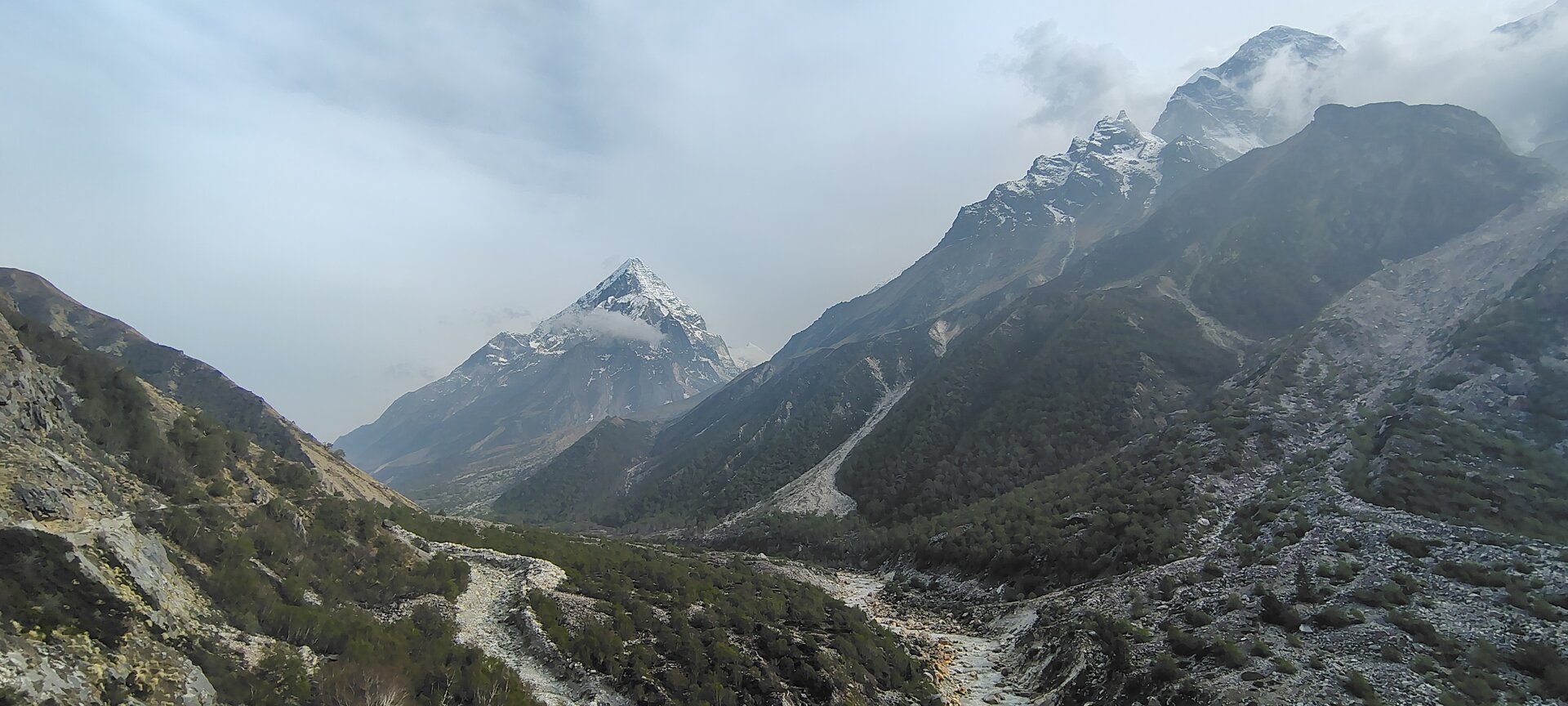
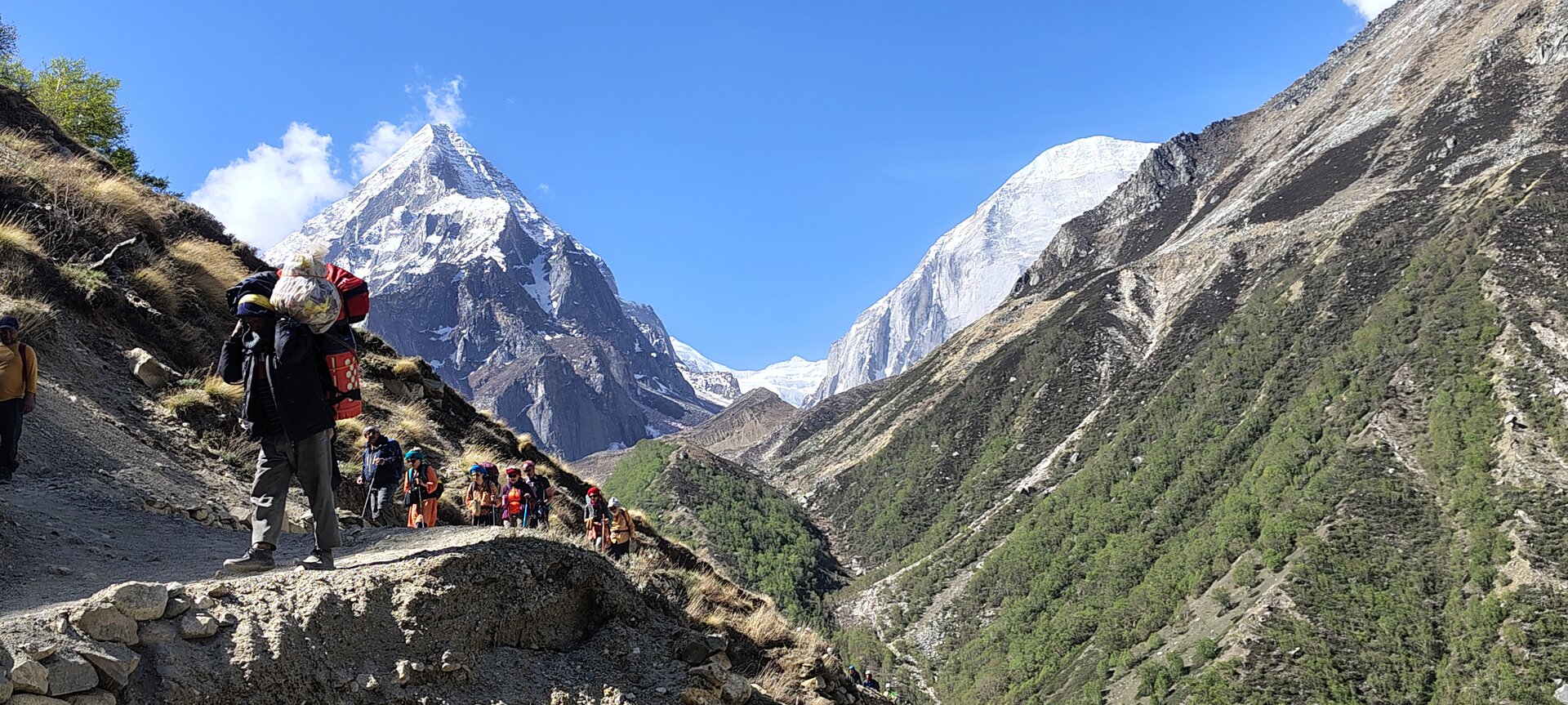
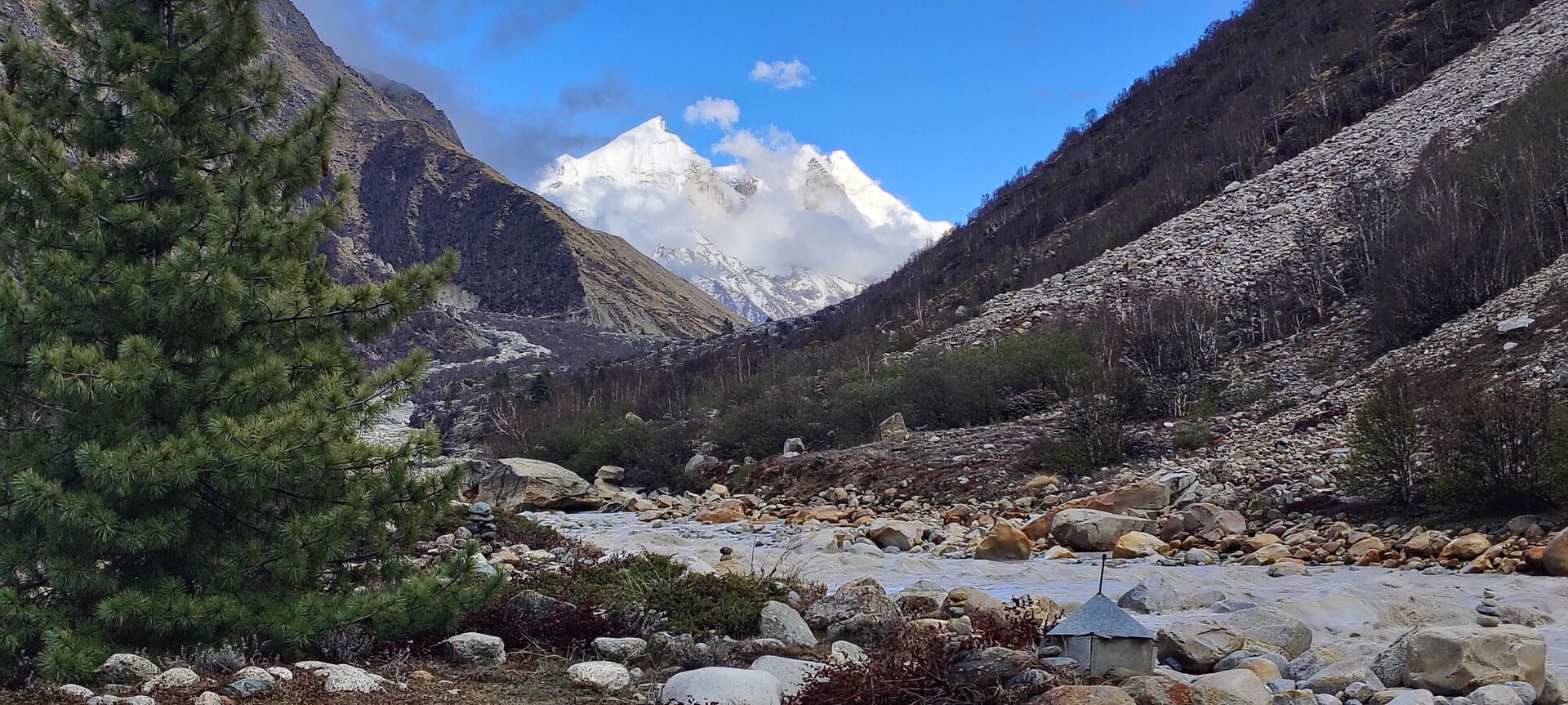
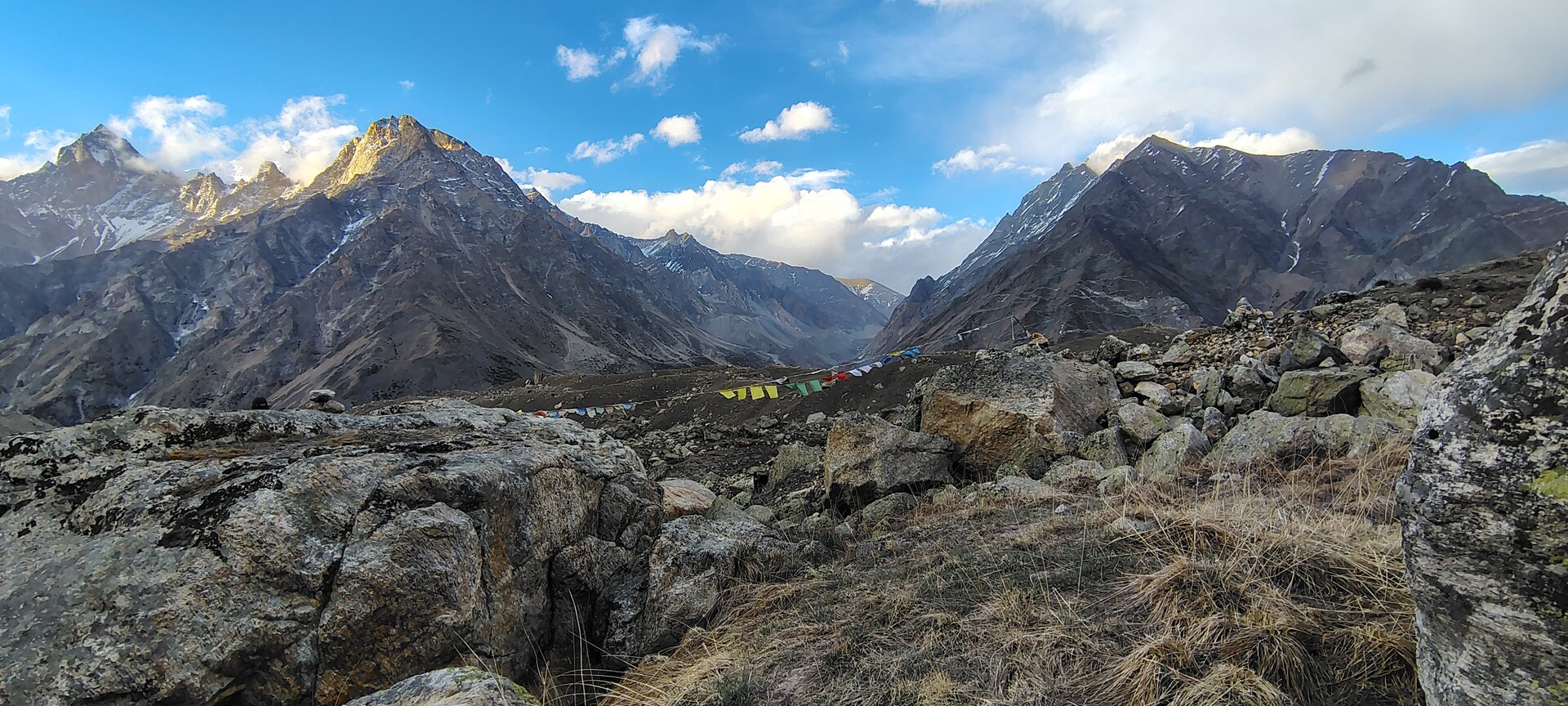
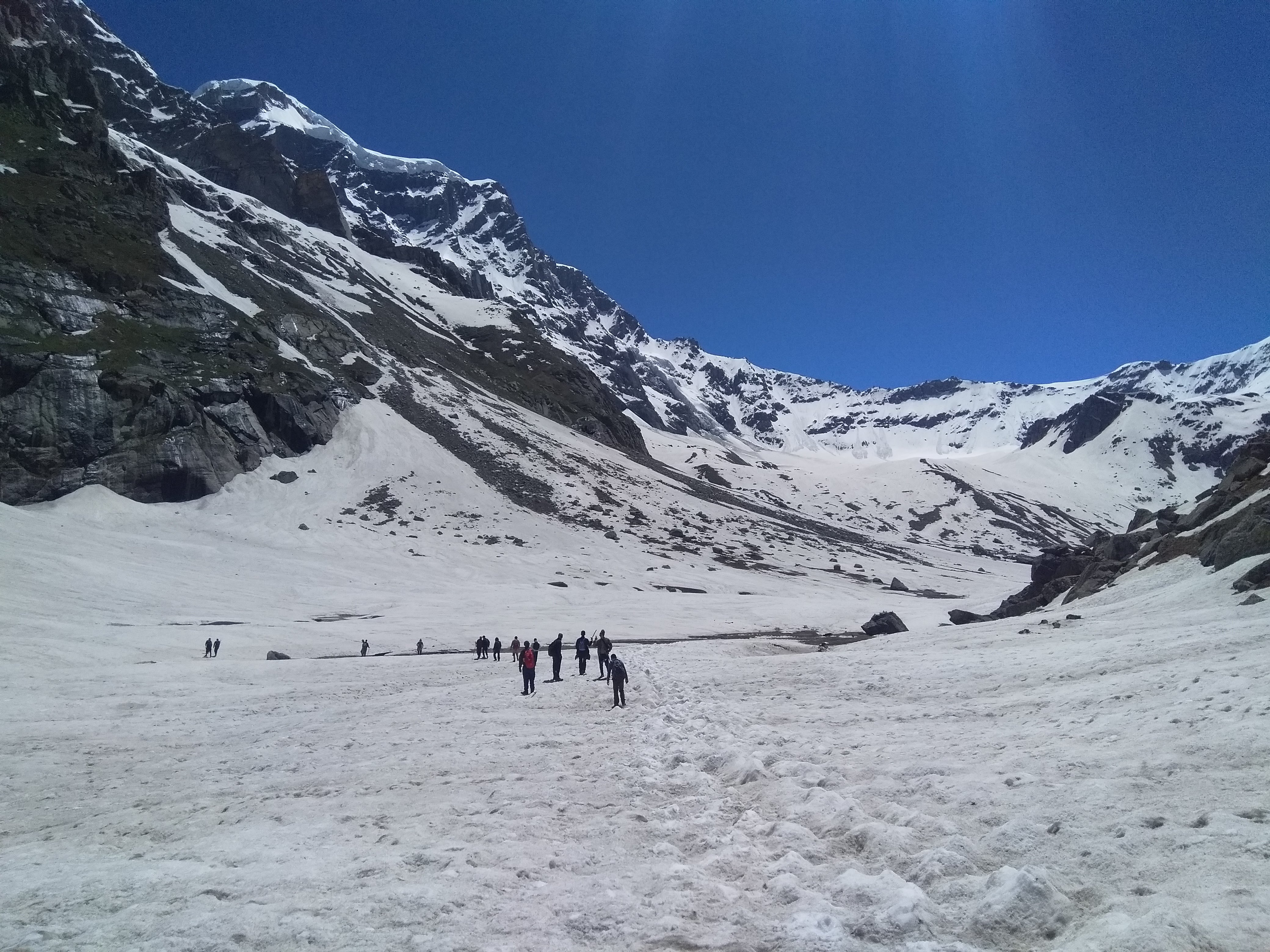
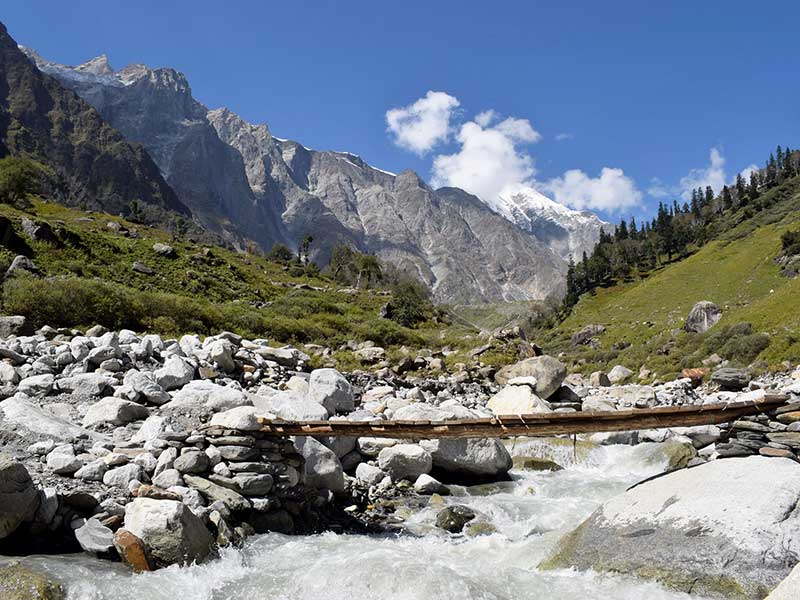
The Gaumukh–Tapovan trek is a rare journey where the spiritual heart of the Himalayas merges seamlessly with its raw, untamed wilderness. Beginning in the sacred town of Gangotri, the trail follows the ever-present Bhagirathi River, drawing you deeper into Gangotri National Park through forests of blue pines and ancient Bhojpatra trees. As you walk under the quiet canopy of Chirbasa or along the stark, rugged mountainsides that line the valley, the landscape shifts dramatically — one side lush and green, the other harsh and barren, both held together by the shimmering river that guides your way.
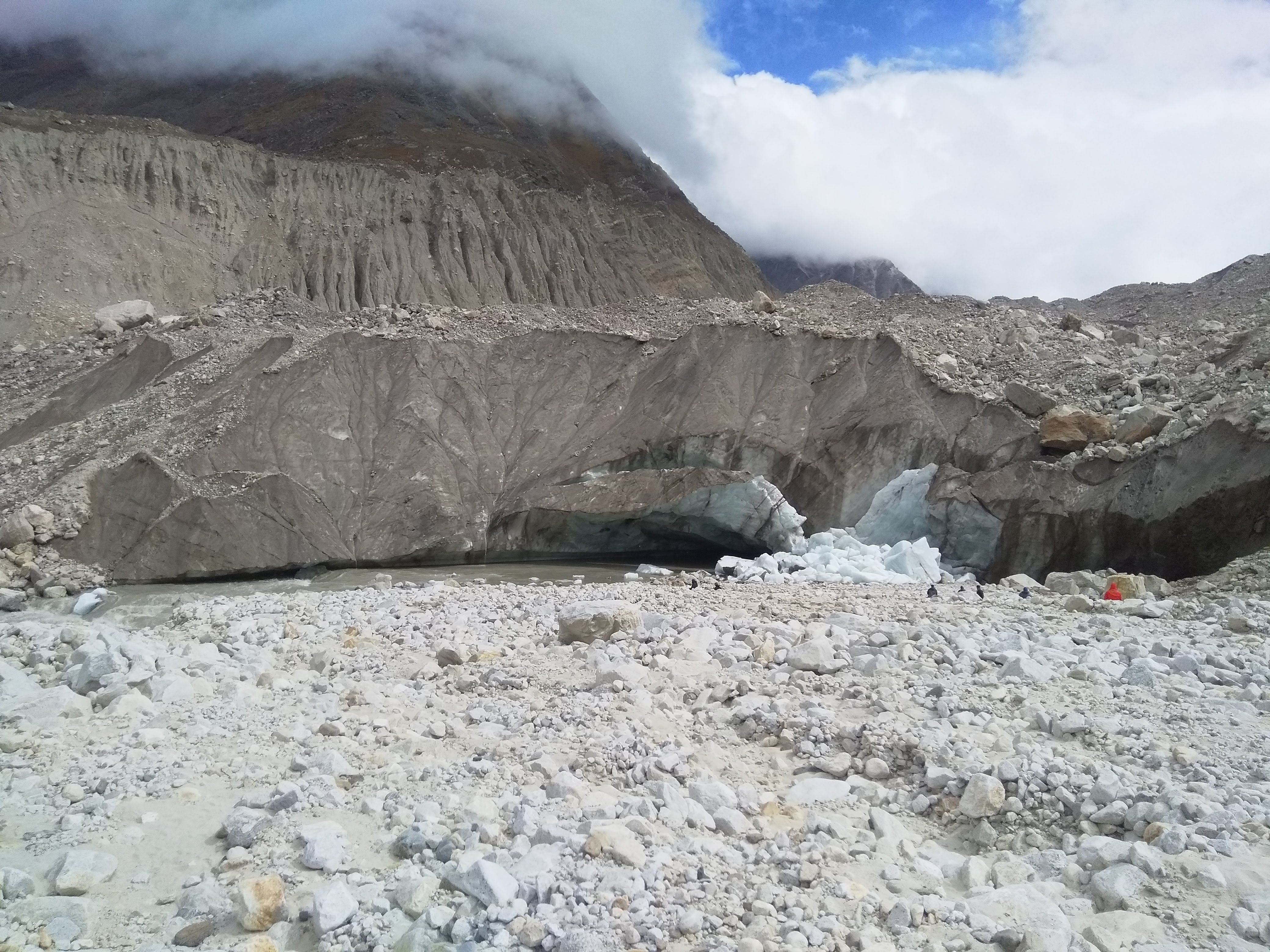
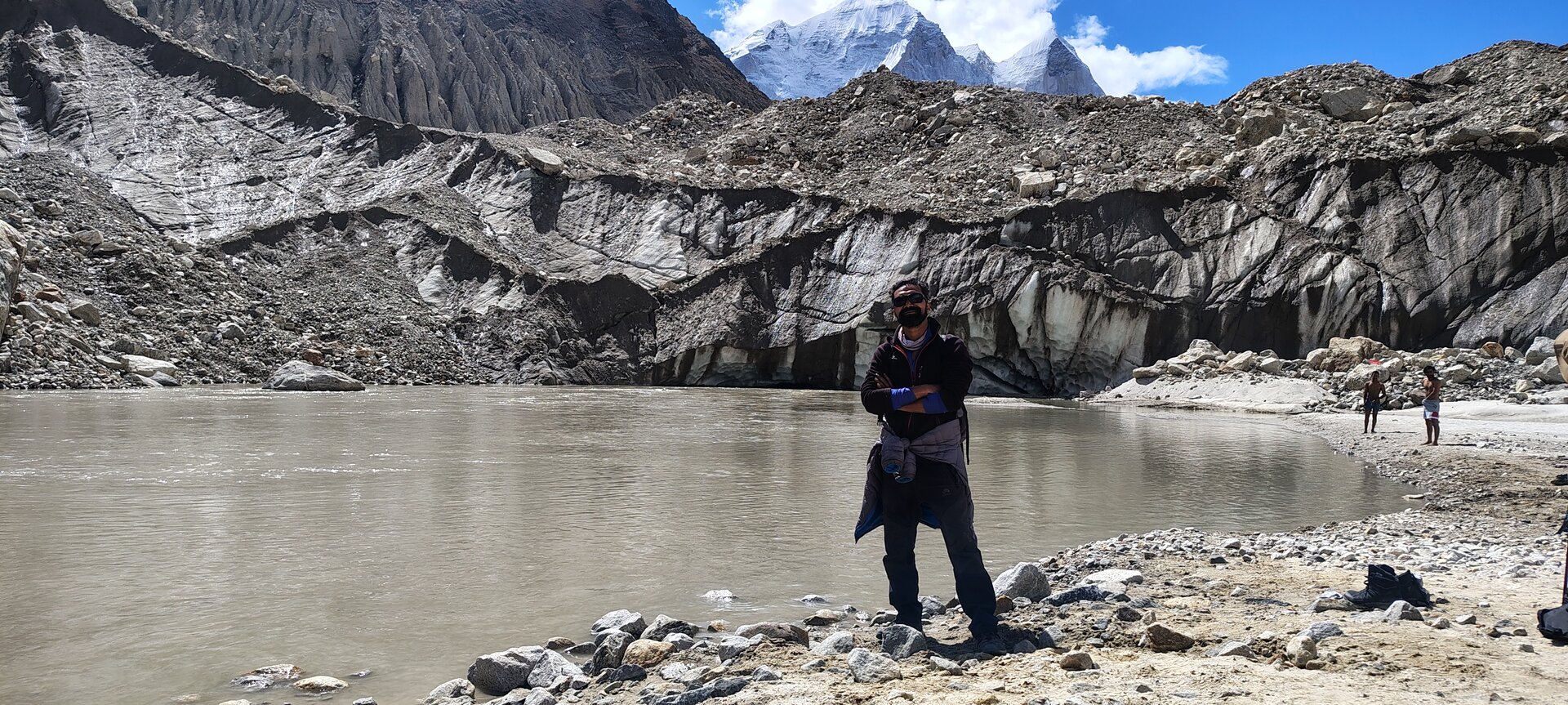
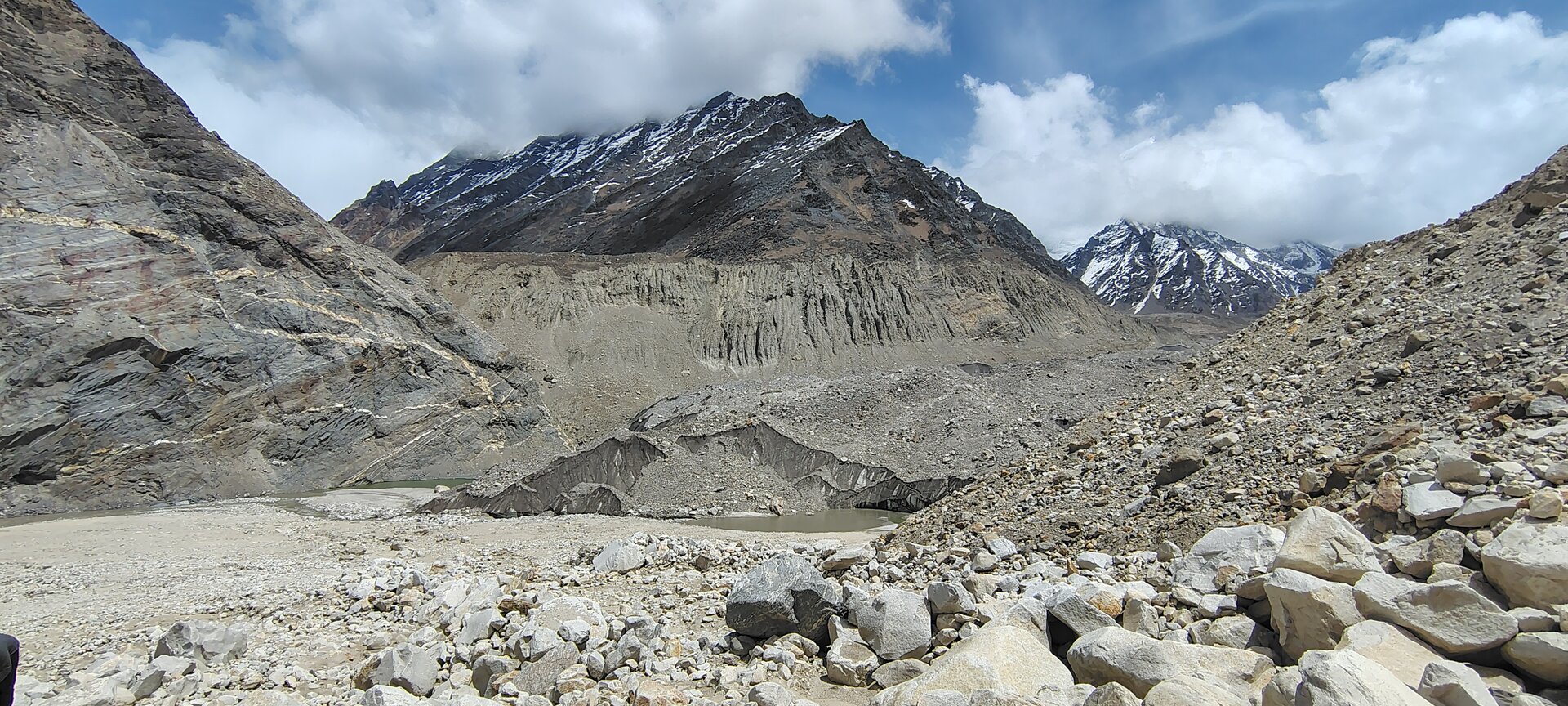
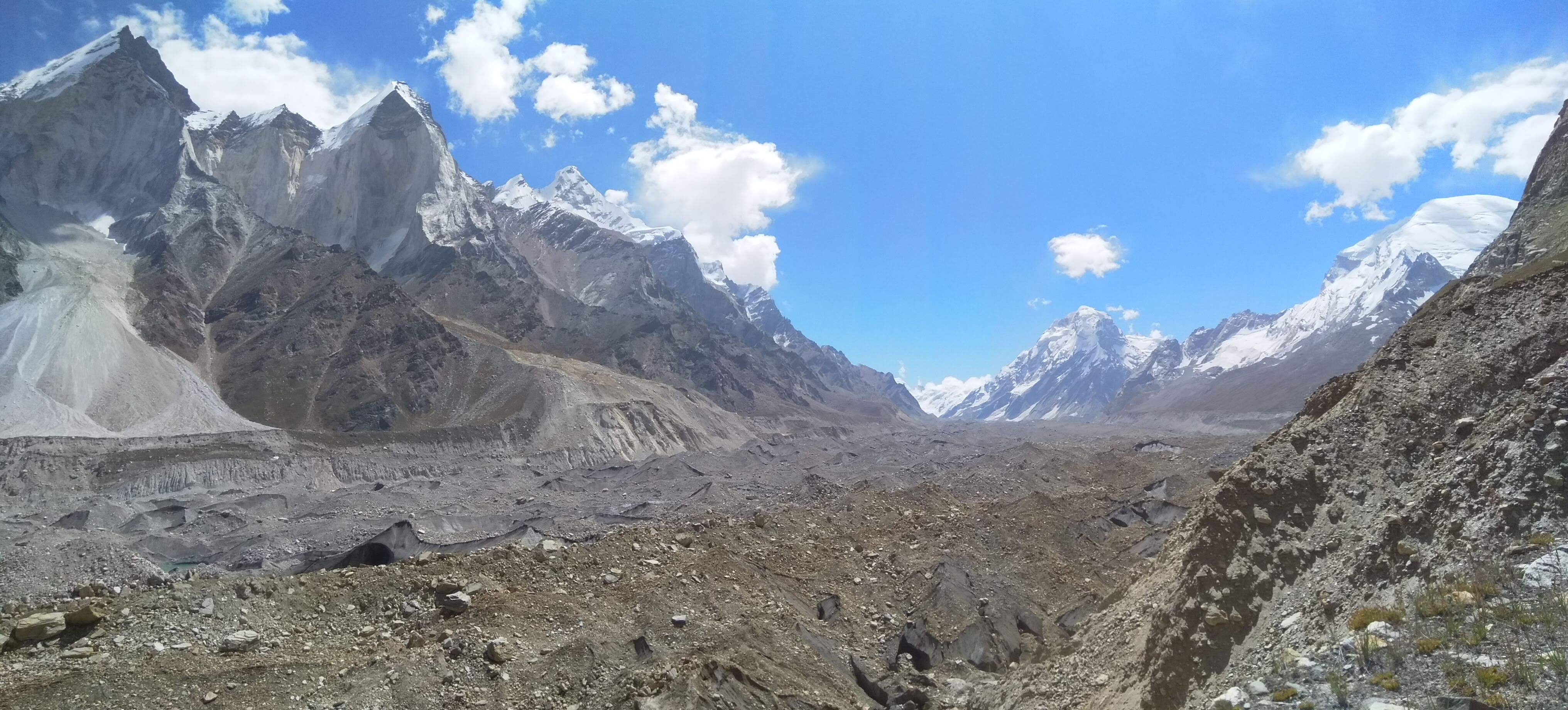
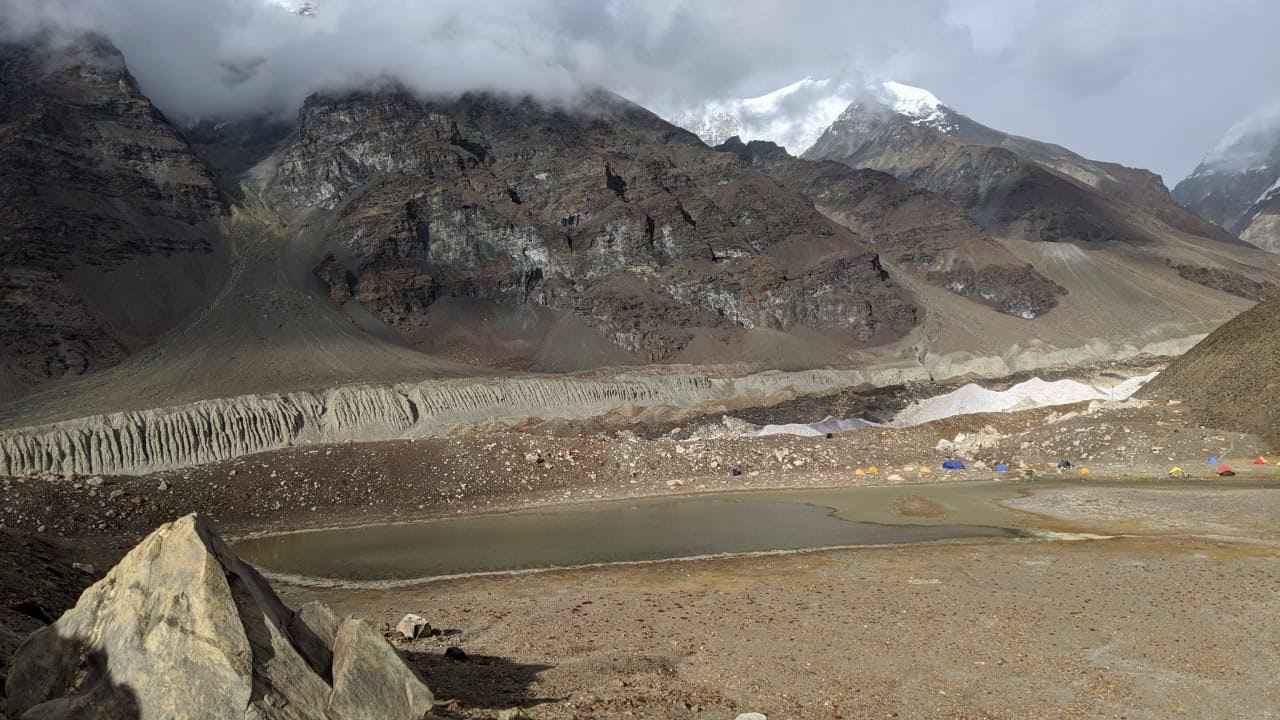
The path opens into Bhojwasa, a tranquil stretch with wide skies and flowing riverbeds, a natural pause before the mountains reveal their true scale. From here, the trail leads you to Gaumukh, the awe-striking snout of the glacier where the Bhagirathi emerges from an ice cave — the very birthplace of the Ganga. Standing before this towering wall of ice and rock, the journey’s spiritual weight becomes undeniable, echoing legends of King Bhagirath and the divine descent of Ganga through the matted locks of Lord Shiva.
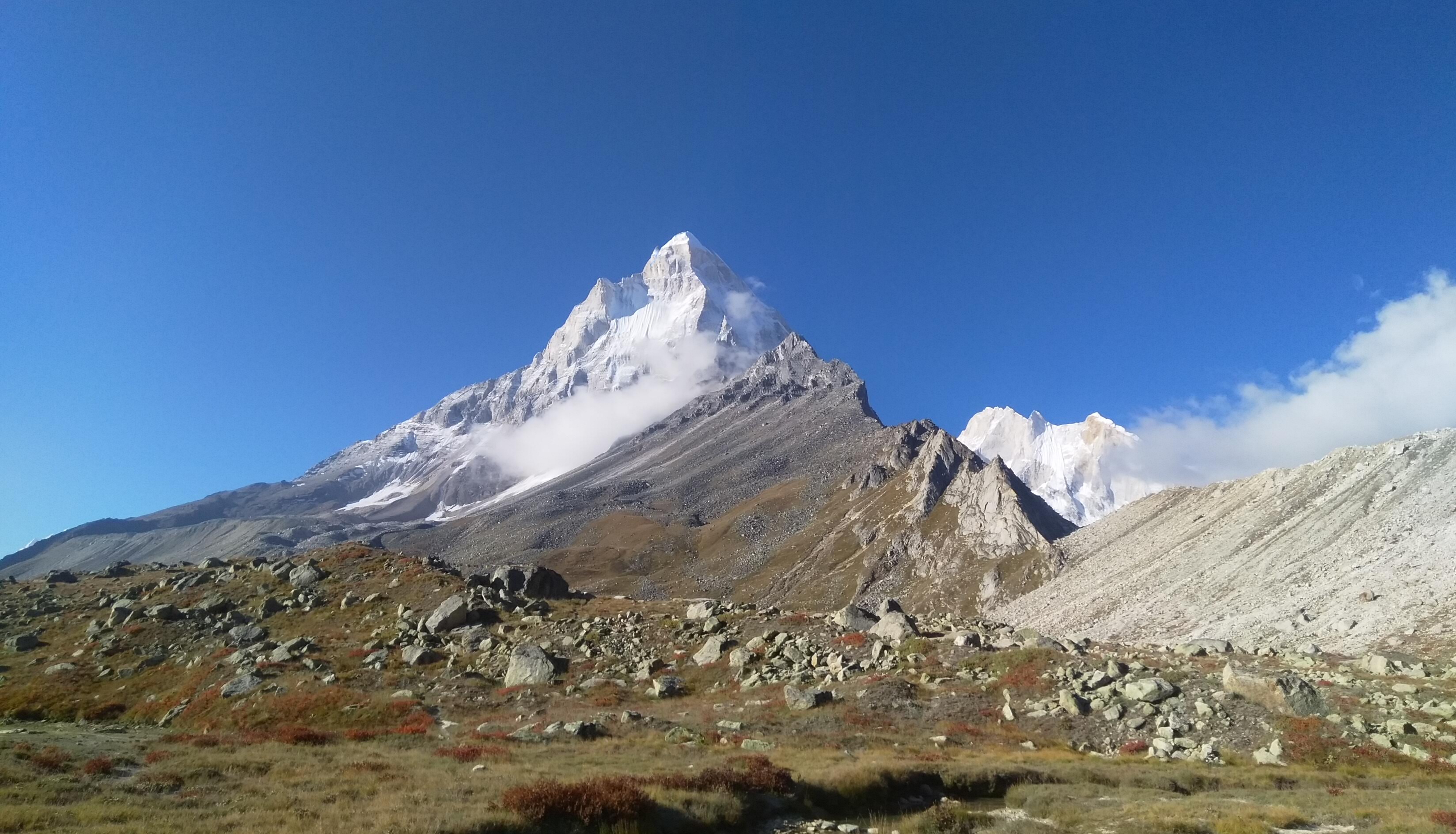
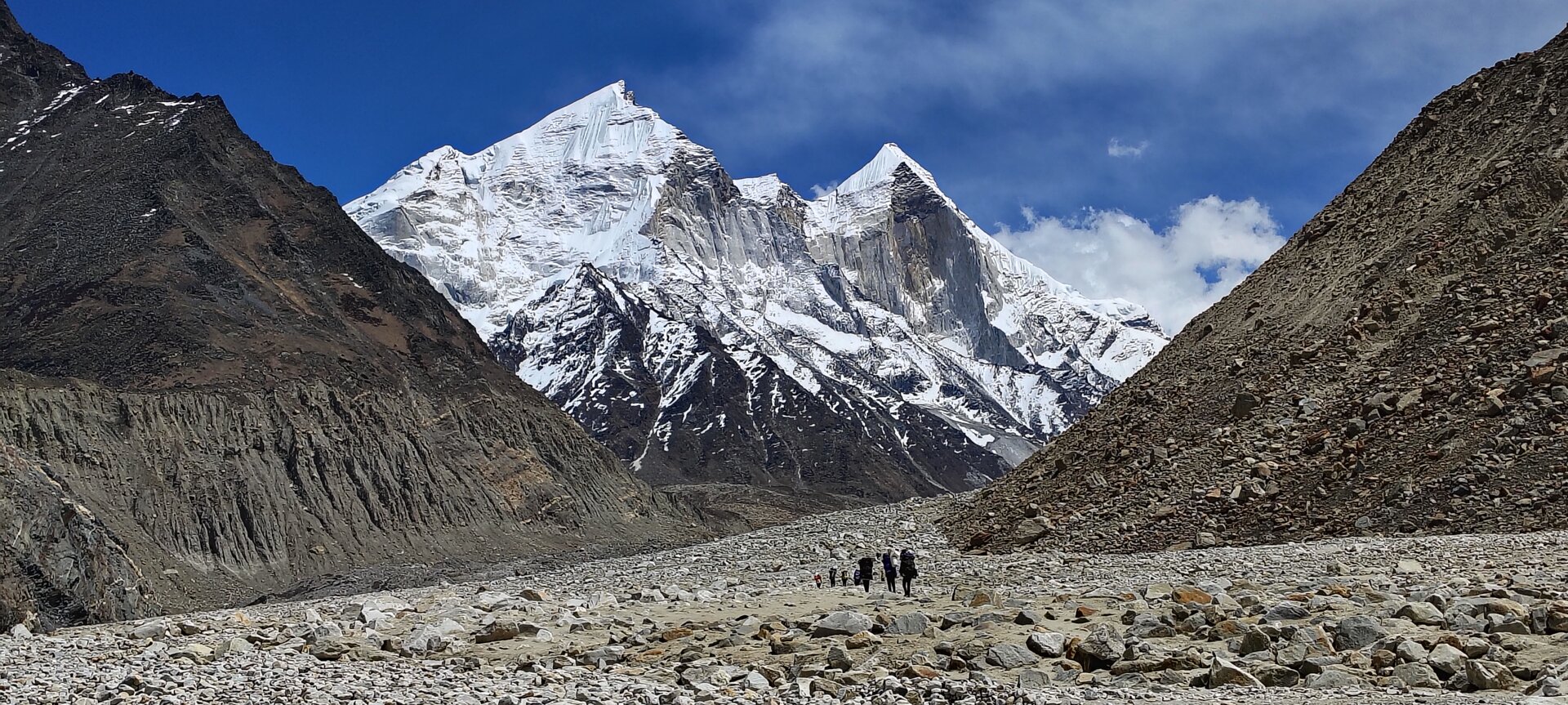
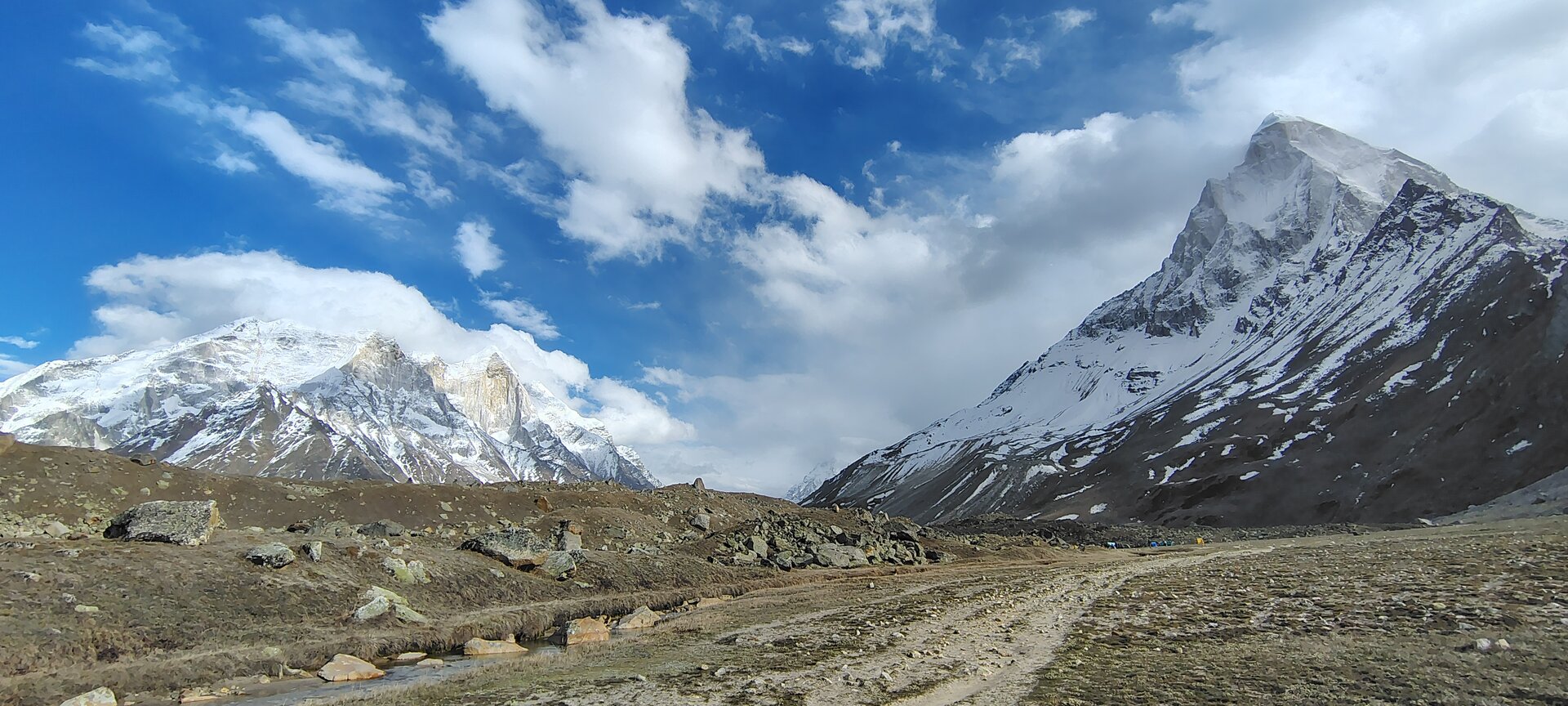
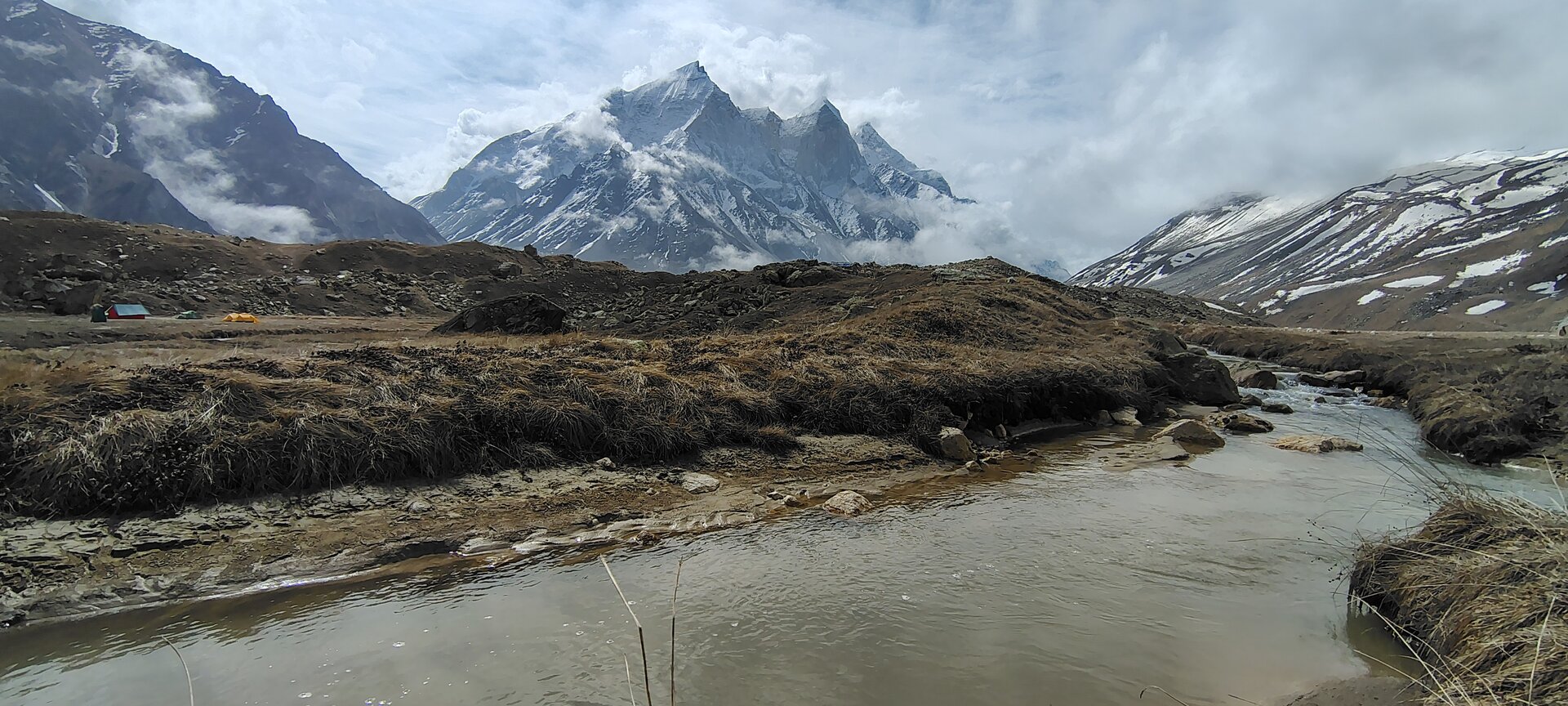
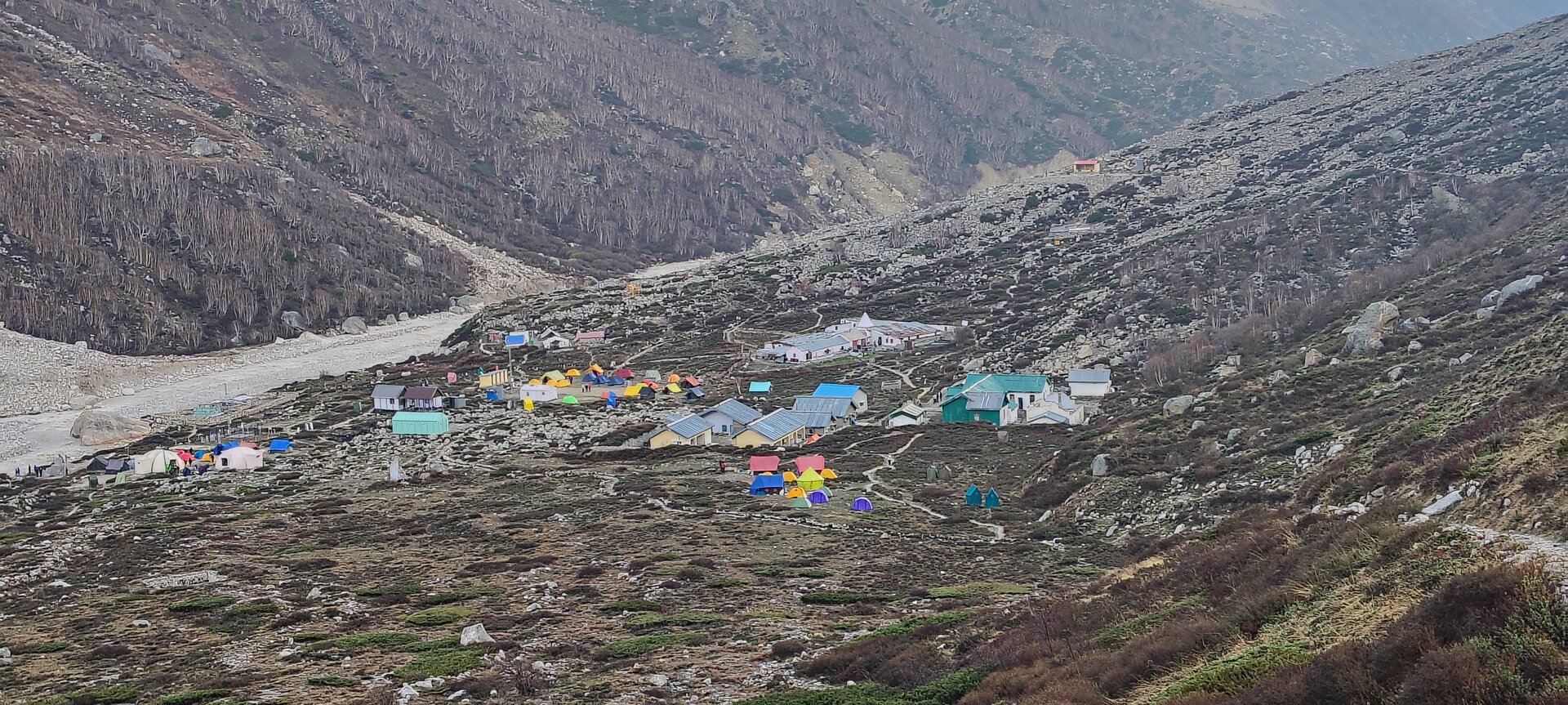
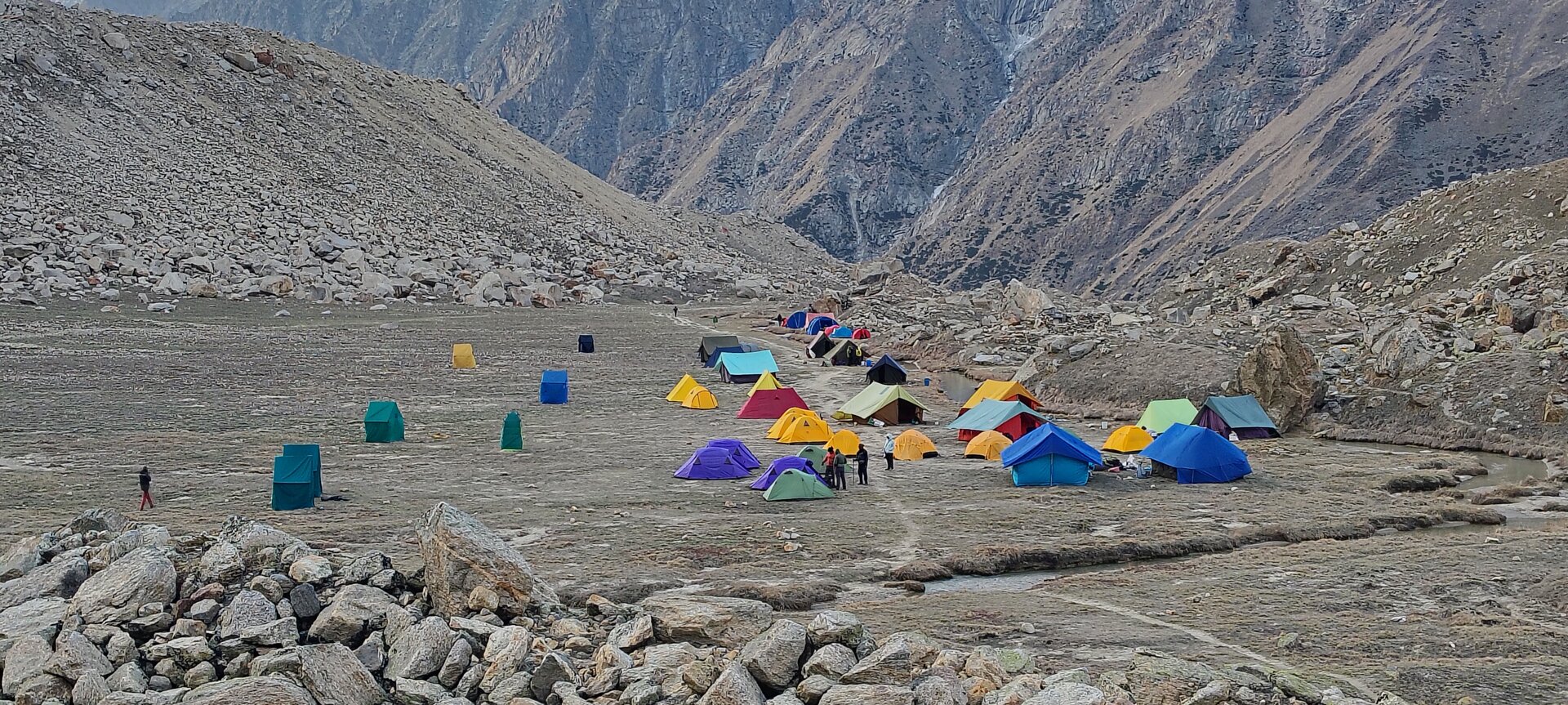
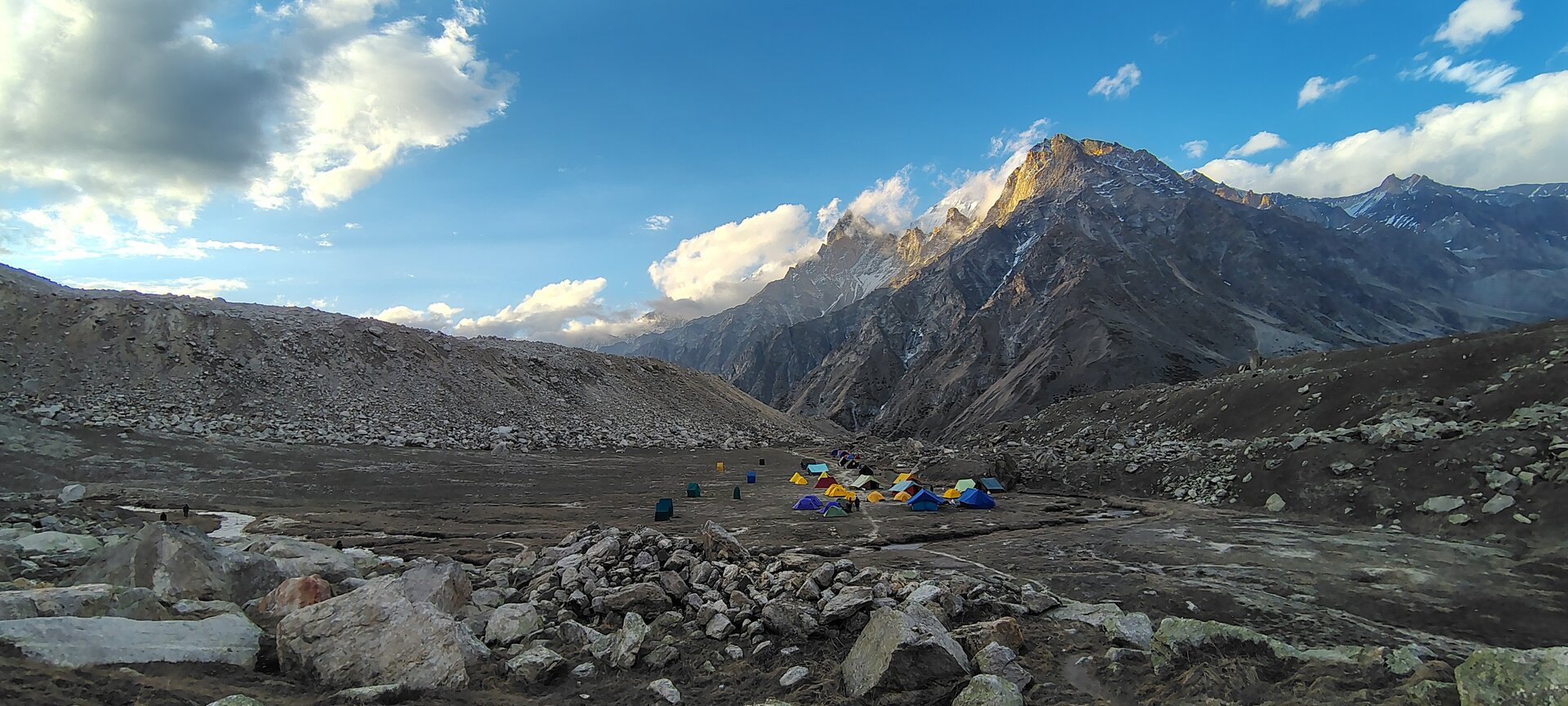
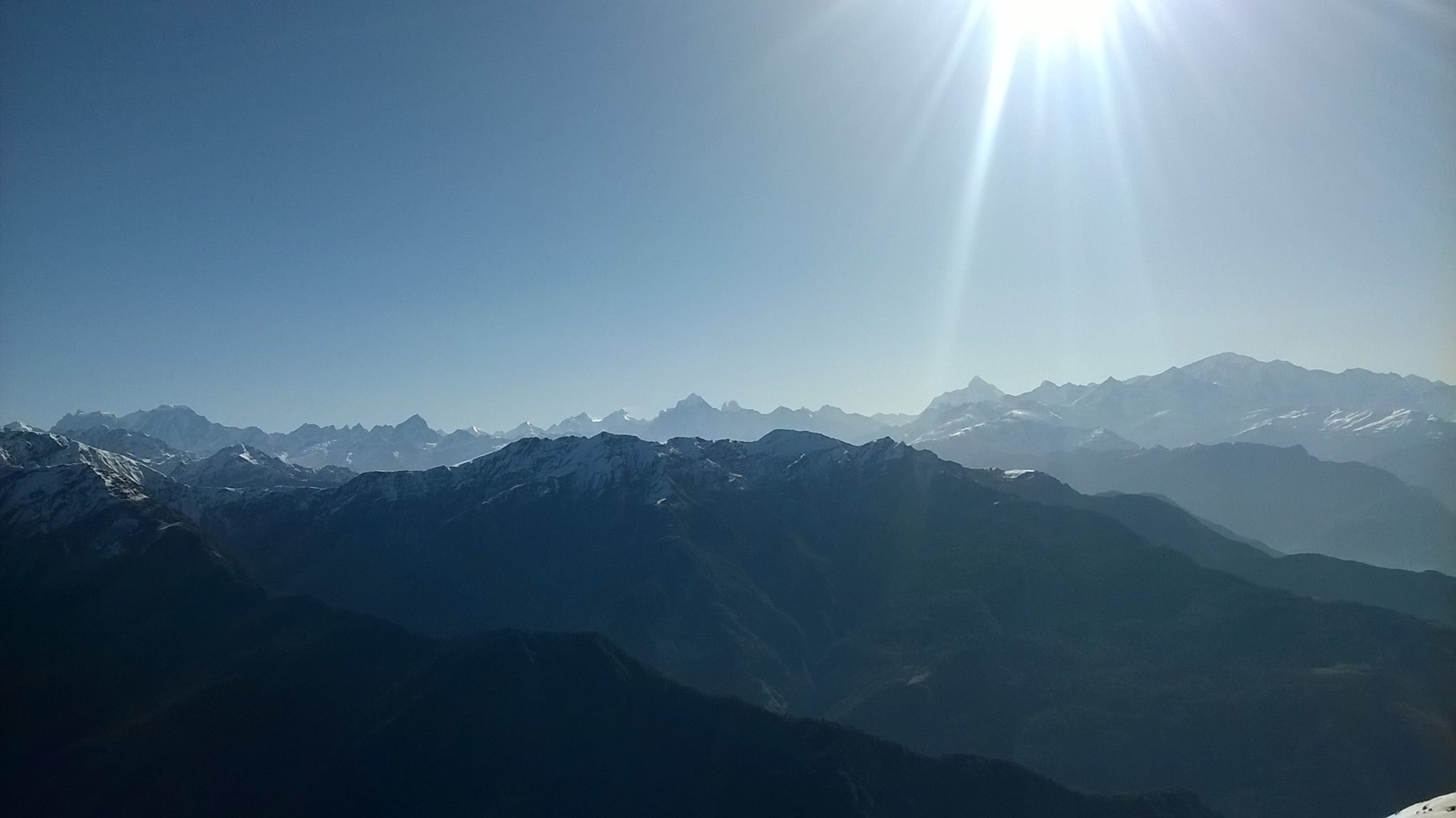
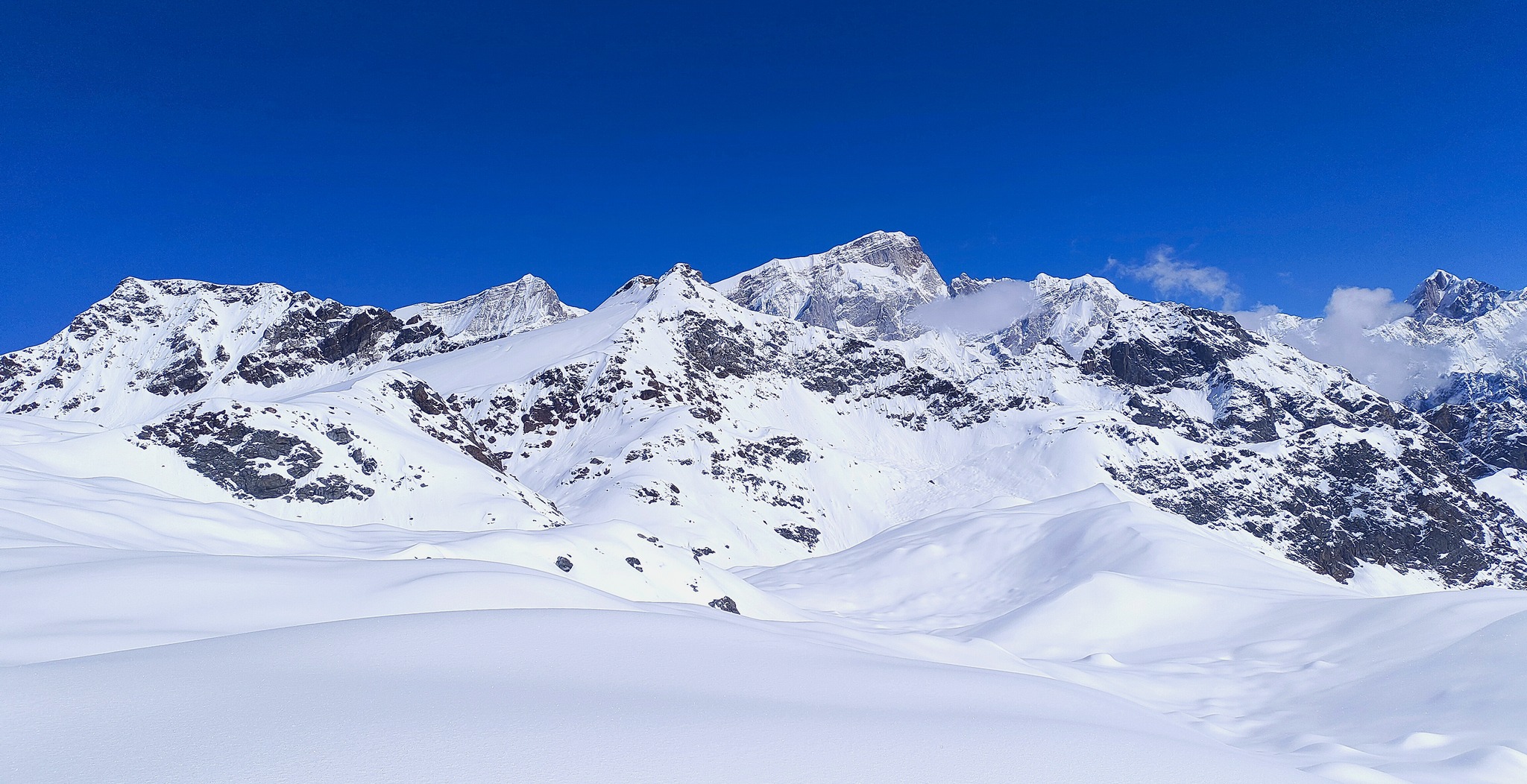
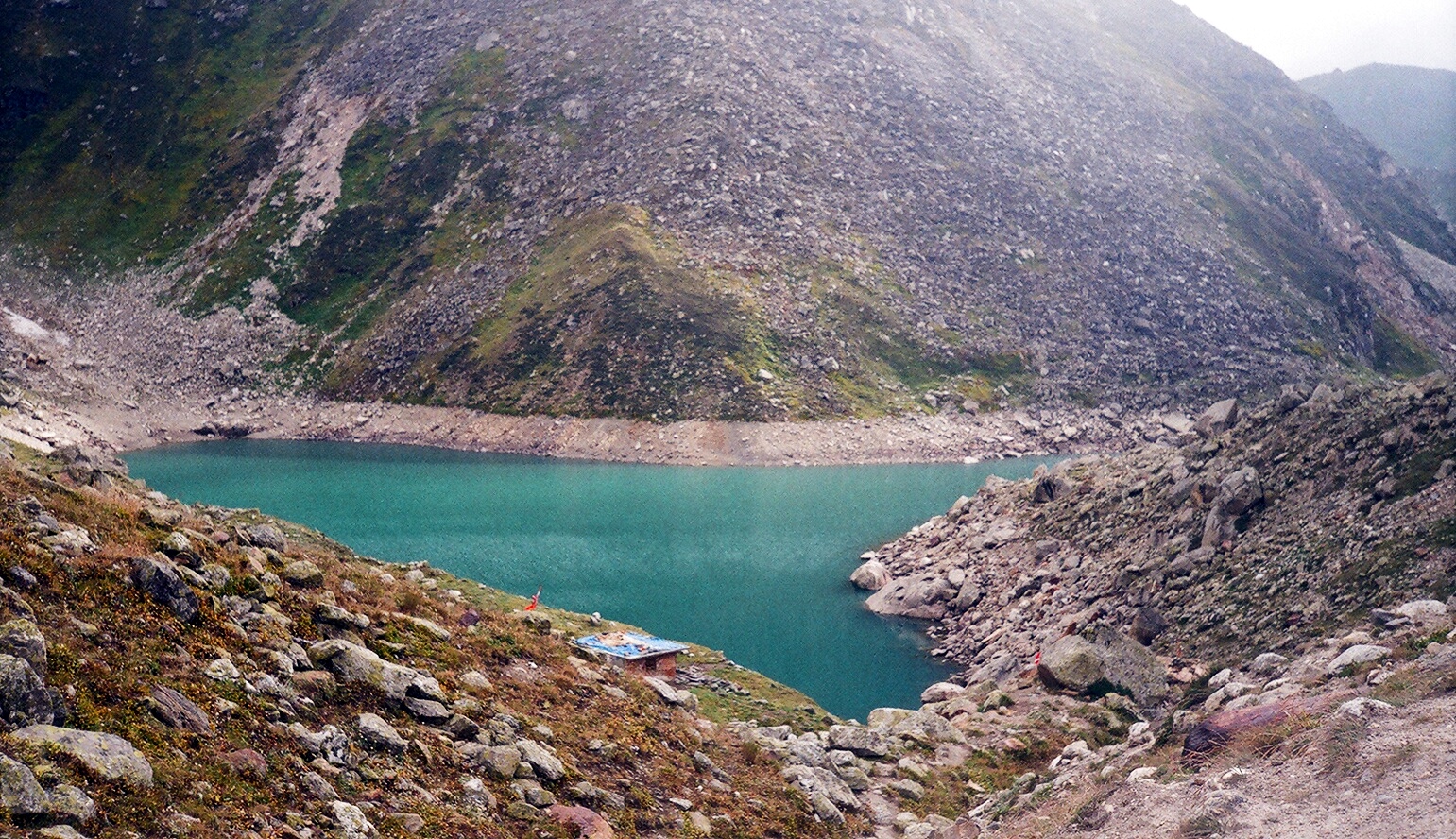
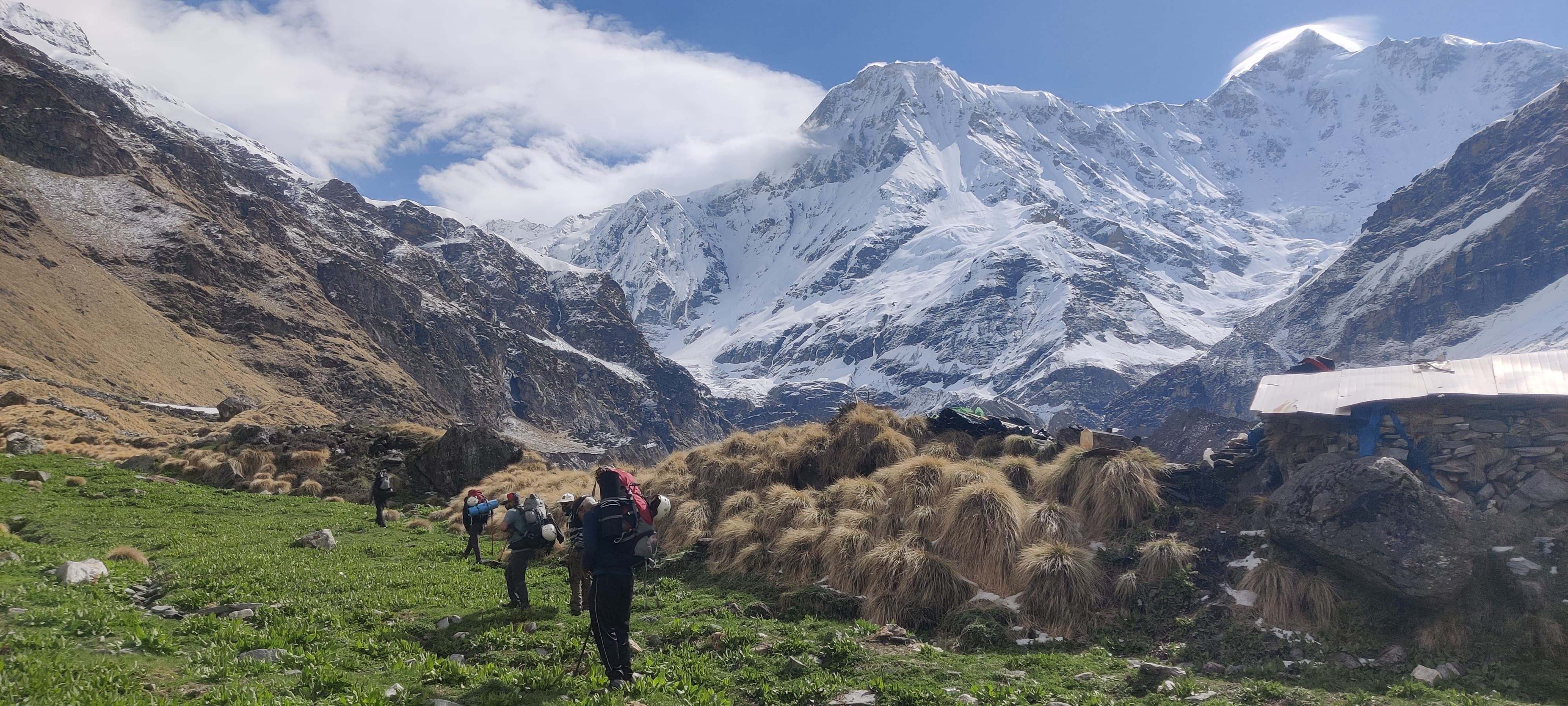
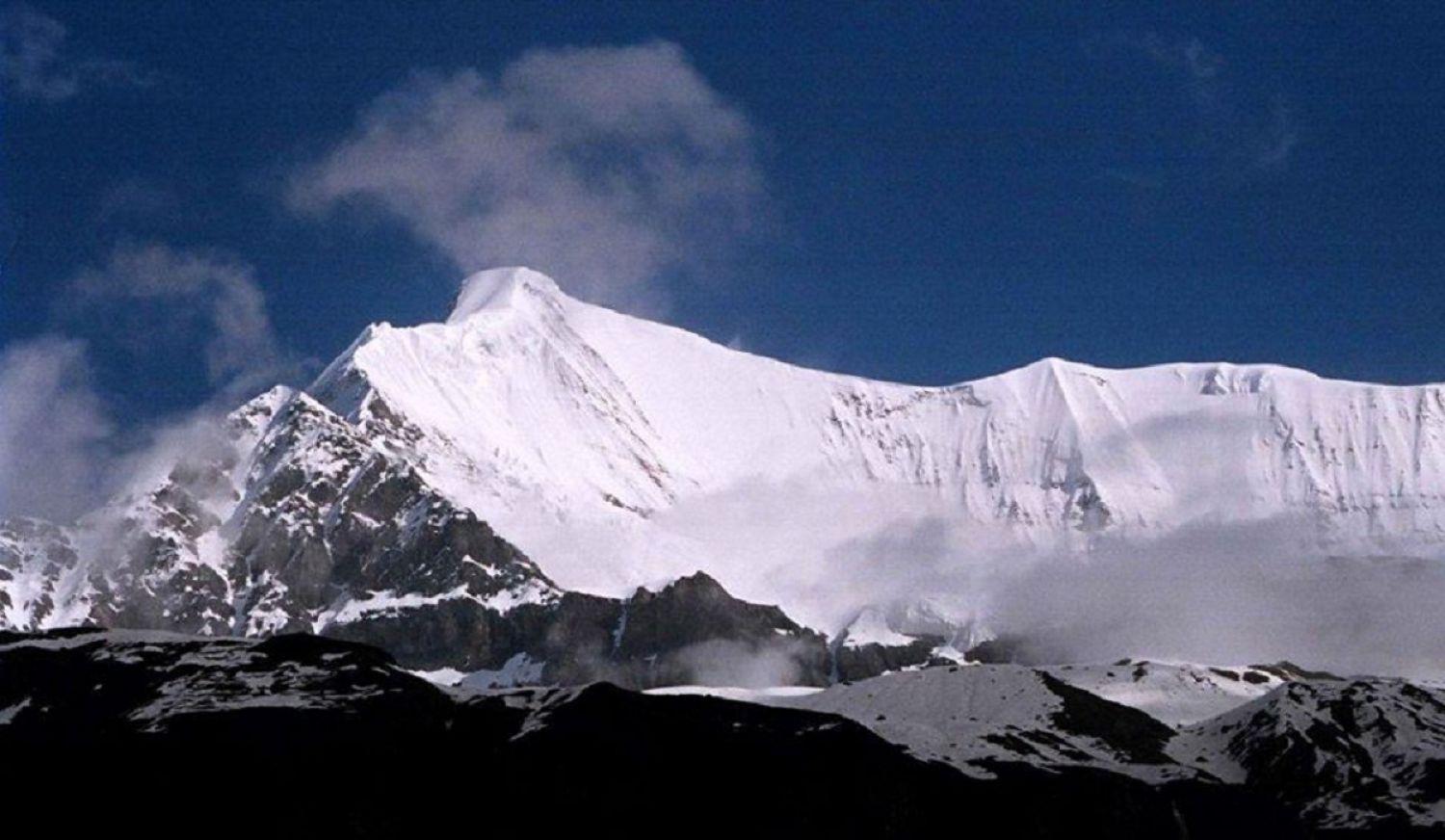
Beyond Gaumukh, the terrain turns rocky and dramatic before gently giving way to the sweeping Tapovan meadows, one of the most enchanting high-altitude grasslands in the Himalayas. Here, surrounded by grazing mountain goats, open grasslands, and crisp alpine winds, the skyline explodes with the presence of Mt. Shivling, Bhagirathi I–II–III, and Mt. Meru — a panoramic amphitheatre of giants. Tapovan is not just a campsite; it is a place where silence speaks, where sages once meditated, and where trekkers today find a rare stillness that modern life can’t offer.
More than a trek, Gaumukh–Tapovan is a pilgrimage through geology, mythology, and Himalayan grandeur — a route where every bend tells a story, every wind carries an echo of ancient devotion, and every mountain stands as a reminder of nature’s timeless, towering presence.
Read More

Highlights

✅ The trek starts from Gangotri - one of the sacred dhams in Uttarakhand.

✅ Venture deep into a landscape shaped by time and elemental force.

✅ Walk alongside the mighty Gangotri Glacier, and stand in awe before Gaumukh, the sacred snout of the glacier and the revered origin of the Bhagirathi River — which merges with the Alaknanda at Devprayag to become the Ganga.

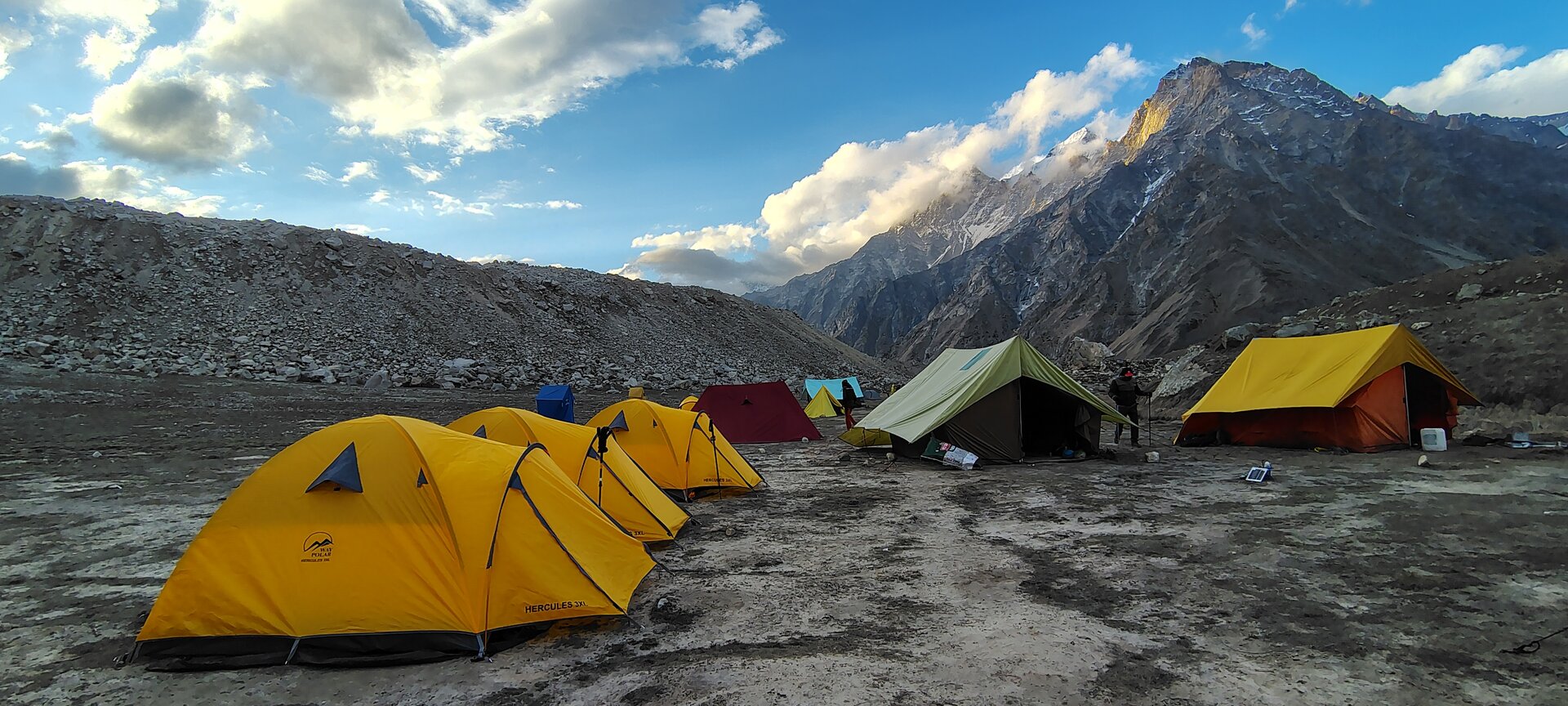
✅ Experience camping at Tapovan (14000ft) surrounded by an awe-inspiring amphitheatre of iconic Himalayan giants.

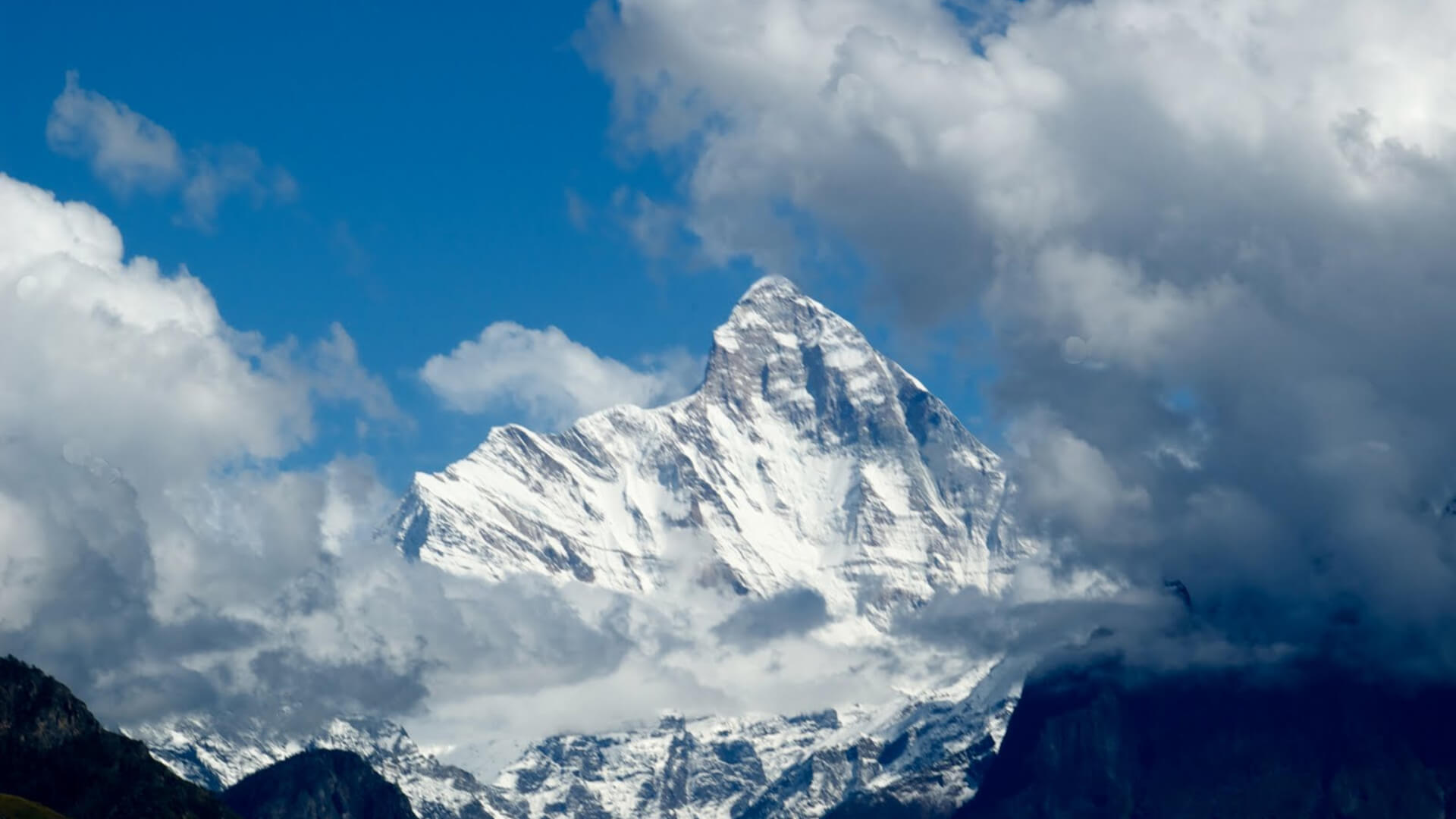
✅ Sleep beneath the shadow of Mt. Shivling – the Indian Matterhorn, and wake up to the surreal view of this sacred peak glowing in the golden light of dawn

Itinerary

?
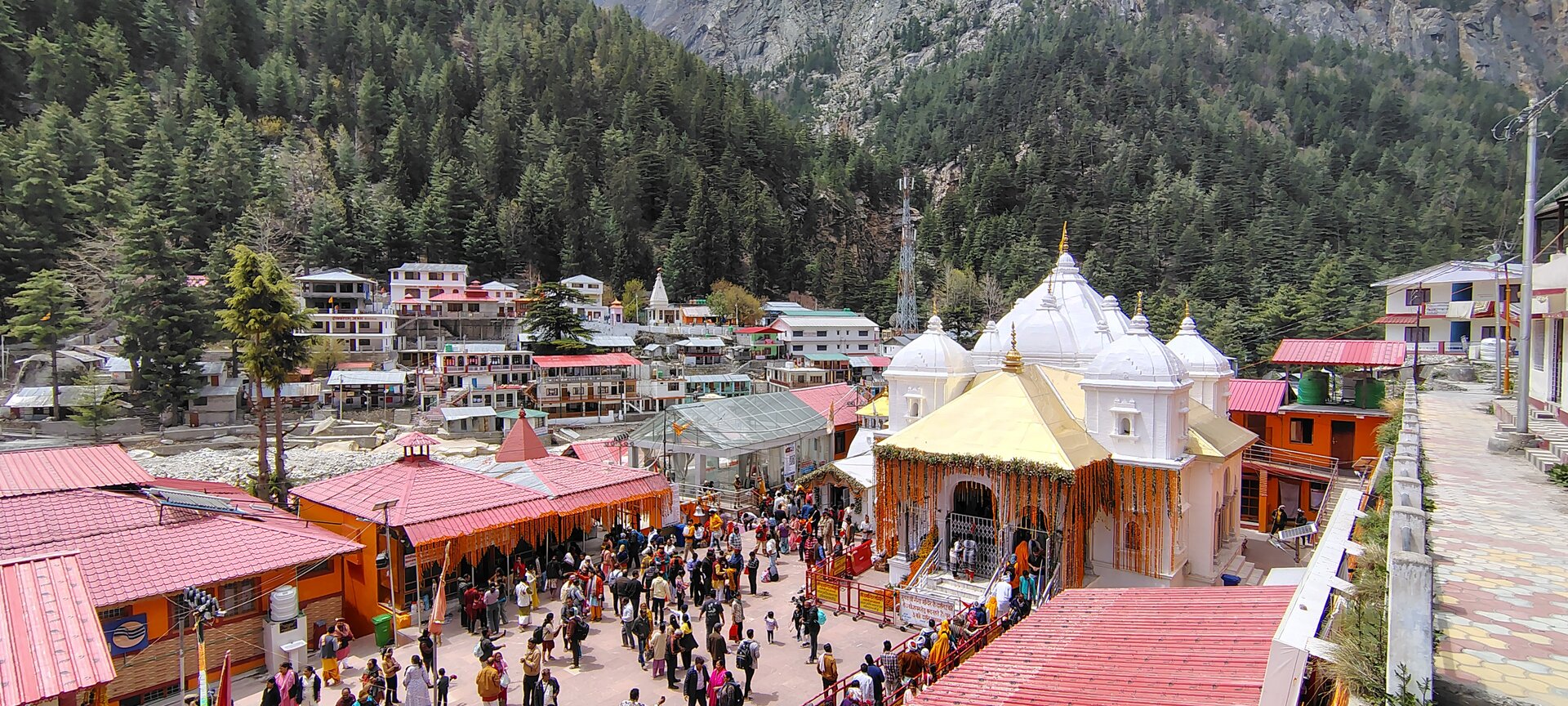
The journey begins with a long but beautiful 9–10 hour drive from Rishikesh, gradually gaining altitude as the road winds past Uttarkashi, the apple orchards of Harsil Valley, and the ever-changing moods of the Bhagirathi River. The final approach to Gangotri feels almost sacred — steep cliffs, deodar forests, and the roar of the river echoing through the valley. By evening, you reach the ancient Gangotri Temple, one of the revered Char Dhams of Uttarakhand. Offering prayers here as the sun sets behind the mountains sets the tone for the days ahead. Nightfall brings crisp mountain air and a peaceful stay at a local guesthouse or hotel.
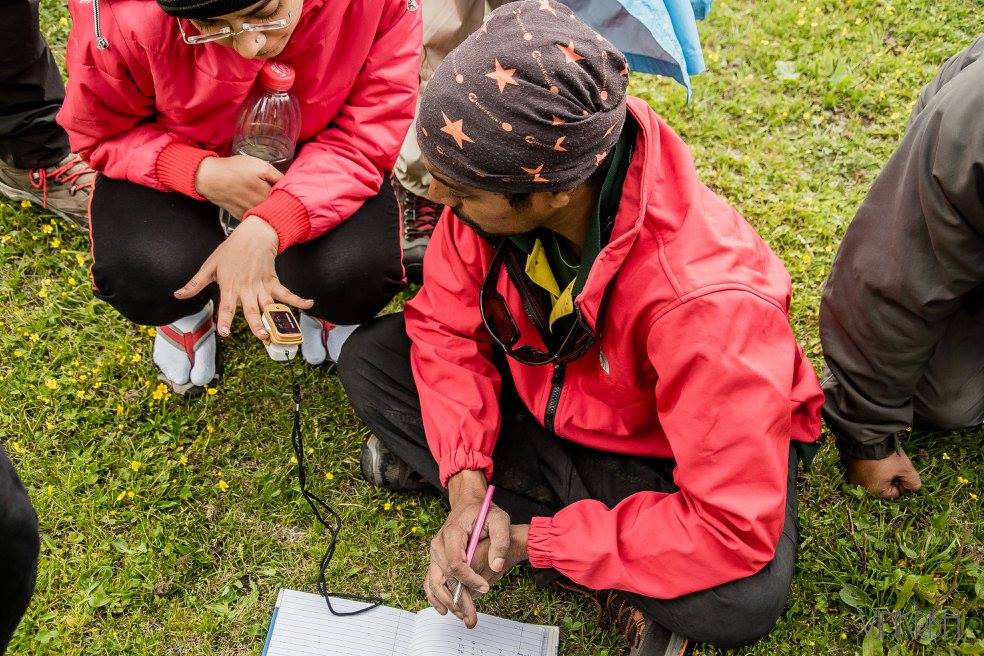
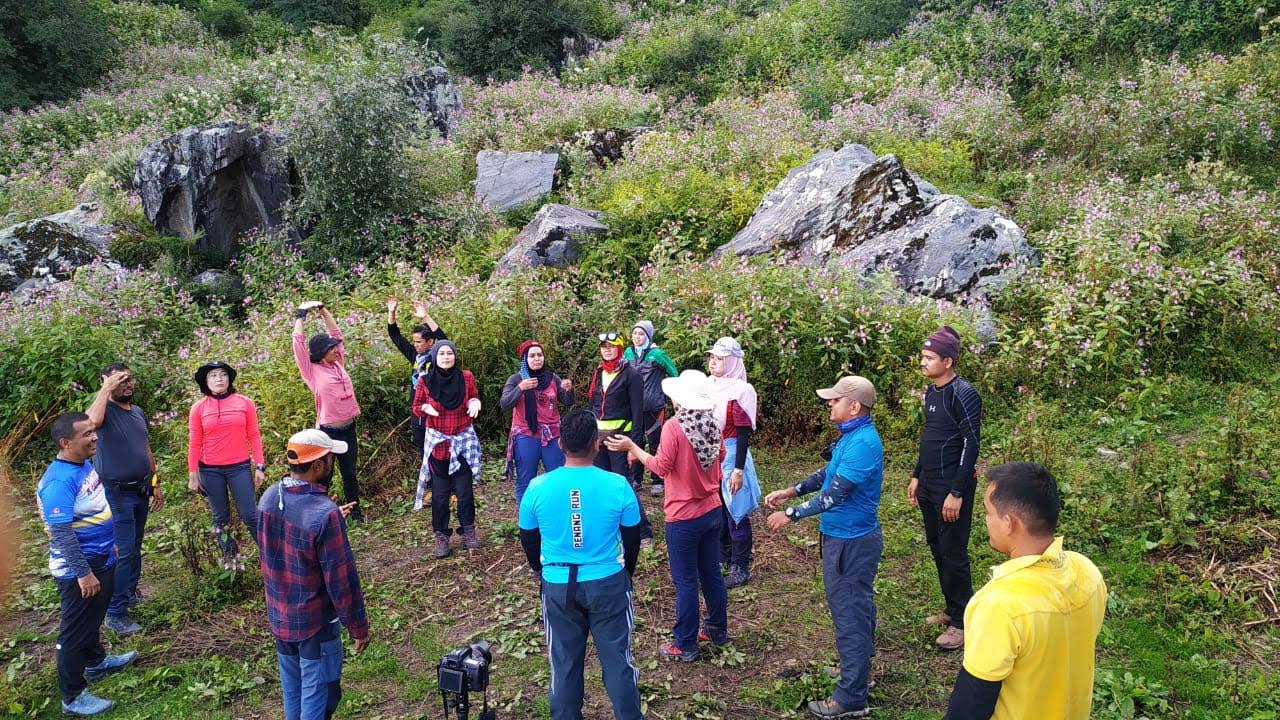
Since Gangotri is at an altitude of 10,000 ft, a full day in Gangotri helps your body adjust to the altitude. The day feels relaxed yet enriching — you can walk to Pandava Gufa, a quiet cave surrounded by pine forests, or visit Surya Kund, where the Bhagirathi crashes through a dramatic gorge. Trek leaders conduct a detailed briefing and gear inspection while the slow pace allows you to observe the wildlife of this region. Himalayan griffon vultures circle the cliffs above, yellow-billed choughs hop fearlessly around temple steps, and mountain breezes drift through the valley. The night is spent once again in Gangotri, giving your body the ideal acclimatization window.
The trek truly begins as you step into the protected limits of Gangotri National Park. The initial trail moves through mixed forests of oak, pine, and birch before transitioning into a more alpine landscape. For much of the day, the Bhagirathi River accompanies you — sometimes as a distant roar, sometimes rushing right beside the trail. The route passes through Chirbasa, a place literally named “the home of pines,” where the forest thickens and the air carries the resinous scent of blue pine. Beyond Chirbasa, vegetation thins out and the valley opens wide. Eventually, you reach the windswept plain of Bhojwasa, named after the bhojpatra (birch) forests that once flourished here. With views of the Bhagirathi peaks dominating the horizon and the last line of trees behind you, you settle into camps pitched beside the river — a dramatic setting for the night.
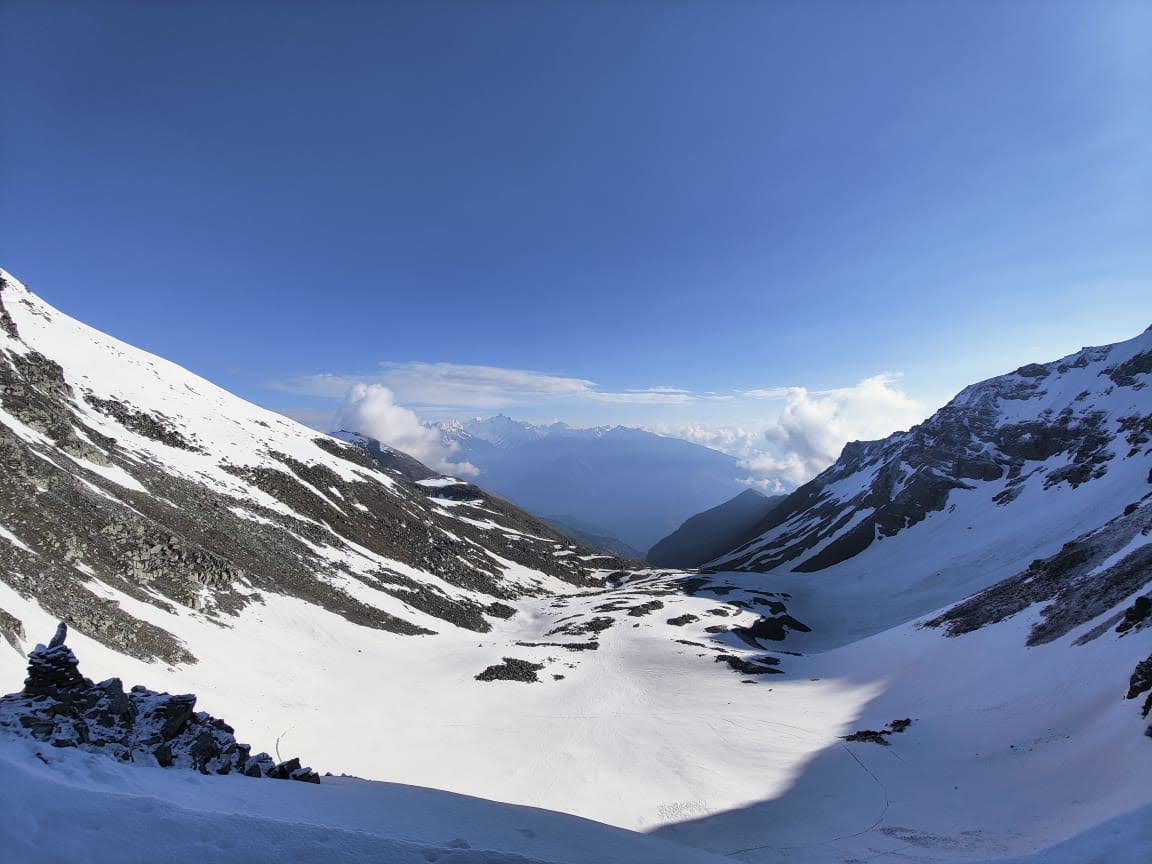
The morning begins with crossing the river Bhagirathi using a trolley, which may involves some waiting in queue. After the crossing a gradual walk toward Gaumukh, the iconic snout of the Gangotri Glacier, through the expanded river bed of Bhagirathi river. As the massive wall of ice and rock comes into view, the atmosphere shifts — the birthplace of the Ganga stands immense and awe-inspiring, with icy water emerging from the cave-like opening beneath the glacier. From Gaumukh, the route becomes more challenging as you navigate across glacial moraines, scattered boulders, and steep slopes carved by centuries of movement. The ascent to Tapovan is steep but rewarding; each step brings you closer to one of the grandest alpine meadows in India. Upon reaching Tapovan, the world suddenly opens into a high-altitude grassland surrounded by towering Himalayan walls. Camps are set directly under the magnificent Shivling peak, with Meru and the Bhagirathi group rising sharply around you. The sheer scale of the landscape leaves you humbled.
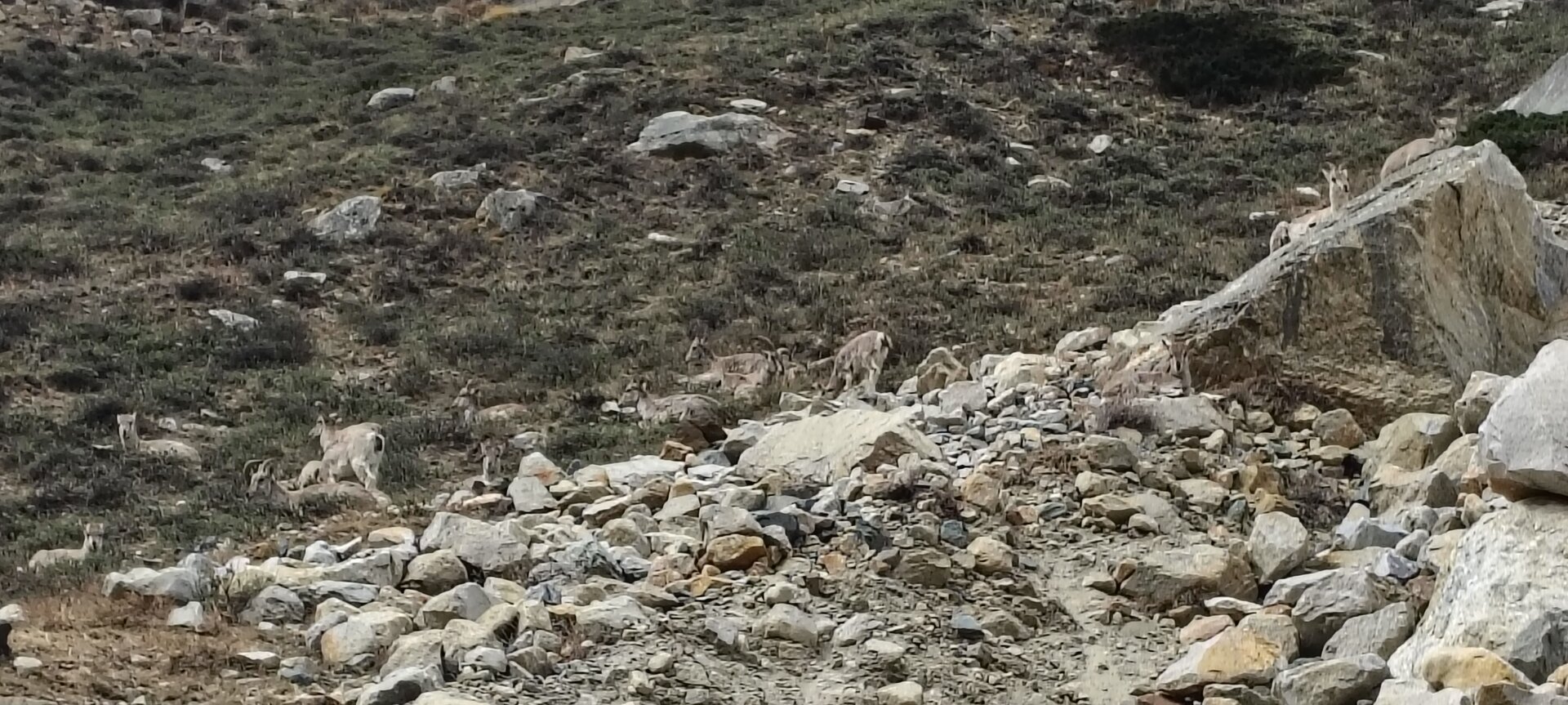
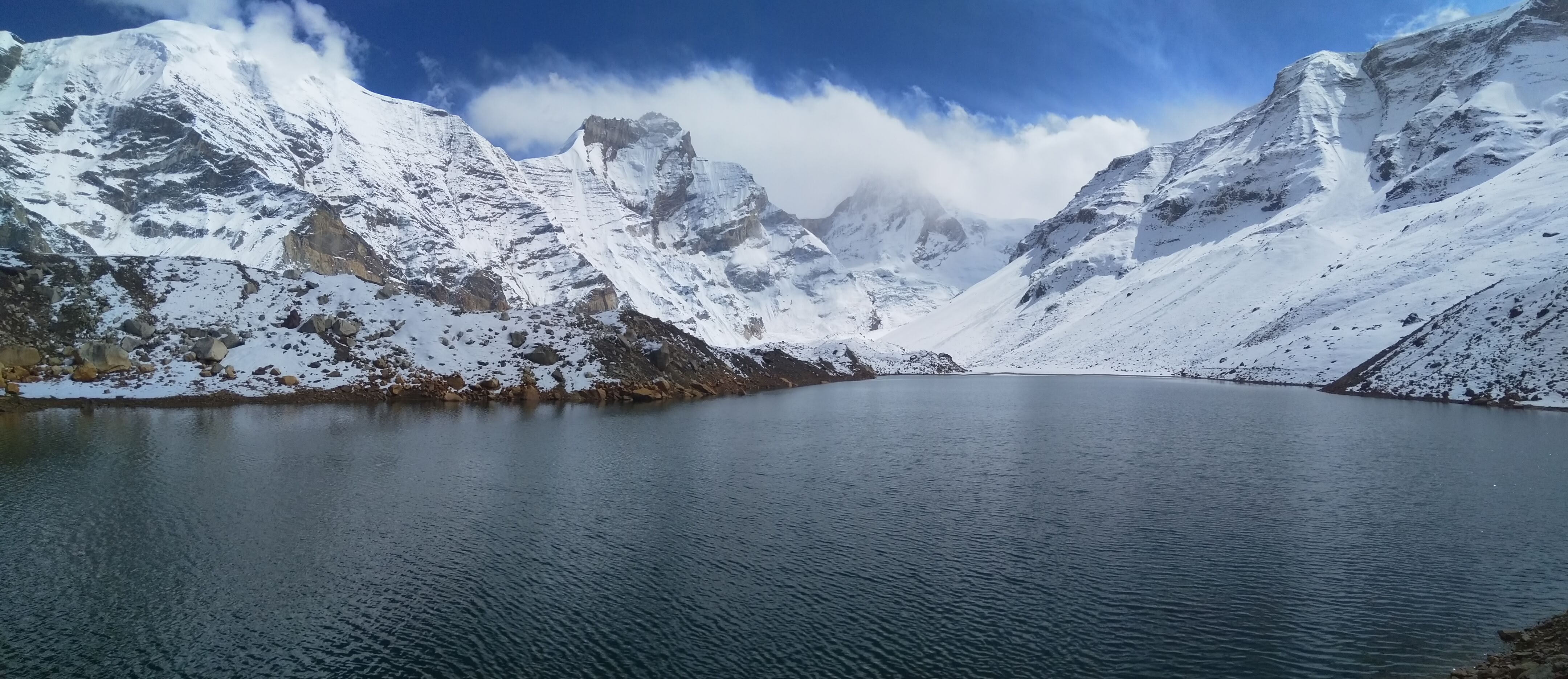
A day in Tapovan feels almost surreal. At dawn, the first rays of sun strike Mt. Shivling, bathing its pyramid-like face in golden light — a moment often compared to watching a divine flame ignite. You may choose to hike further towards Meru Base Camp or the Kirti Bamak glacier, both offering dramatic terrain and closer views of the peaks. All around, herds of bharal (blue sheep) graze calmly on the slopes, blending into the rocks with effortless camouflage. In rare instances, trekkers notice faint tracks of snow leopards imprinted along secluded patches of the meadow. The silence of Tapovan, broken only by the wind, makes it a perfect place for meditation, photography, or simple reflection. The day ends in the quiet embrace of this Himalayan amphitheatre.
Leaving Tapovan behind, you descend carefully along the boulder and moraine sections back to Gaumukh. The glacier looks different from every angle — sometimes massive and intimidating, sometimes strangely gentle. From Gaumukh, you retrace the familiar trail through Bhojwasa and Chirbasa, gradually re-entering the green patches of pine and birch. The long descent brings you back to Gangotri by evening, where the comfort of a warm guesthouse and the hum of the temple bells feel especially welcoming after days spent in the high mountains.

Packing list

For a comprehensive packing list, download the PDF below: Download Packing List

Did you know?

Gaumukh literally means ‘Cow’s Mouth.’
The glacier snout once resembled the mouth of a cow — a sacred symbol in Hinduism. Pilgrims believe bathing here absolves sins and grants moksha.
Tapovan is one of India’s highest alpine meadows.
At ~4,450 m (14,600 ft), it is not just grassland but also a meditation ground for sages and a base camp for expeditions to Shivling and Meru.
Shivling is called the ‘Matterhorn of India.’
Its sheer pyramid shape dominates the valley and has attracted world-class climbers. Locals believe it is the earthly throne of Lord Shiva.
The Gangotri Glacier is massive — nearly 30 km long!
It is one of the largest glaciers in the Indian Himalayas and a primary source of the Ganga, with tributaries like Raktavarn and Kirti Bamak joining it.
Bhojwasa was once covered in birch forests.
The bhojpatra tree (Himalayan birch) had bark so fine that ancient scriptures, including the Vedas, were written on it.
Rich in Himalayan wildlife.
Gangotri National Park shelters snow leopards, bears, musk deer, Himalayan tahr, and over 150 bird species — from golden eagles to Himalayan monals.
Legend of King Bhagirath.
The Bhagirathi peaks are named after him — it was his penance that brought the Ganga down from heaven to earth to purify the ashes of his ancestors.

Map

How to reach

✈️ Air: **Fly to Jolly Grant Airport (Dehradun – DED)**
* Located about 225–260 km from Gangotri
* Daily flights connect Dehradun with major Indian cities like Delhi, Mumbai, Bangalore, Kolkata, and Chennai

🚆 Train: **Rishikesh Railway Station (RKSH): ~230–264 km away**
* Haridwar Station: slightly farther at ~290 km**
* Dehradun station is also around 240 km away, but Rishikesh is preferred as most trains stop there.

🛣️ Road: From Rishikesh/Haridwar/Dehdradun to Gangotri

🗺️ Travel Tip: Route via taxi or public bus through Rishikesh → Uttarkashi → Harsil → Gangotri. Total road journey: 8–12 hours, depending on stops and traffic.

TrekFAQs

  • This trek is recommended for intermediate to experienced trekkers with good fitness. The trail includes steep ascents, high-altitude camping, and glacier-side trekking, making it suitable for those prepared for physically demanding Himalayan trails.
  • Preparation should begin at least 6–8 weeks before the trek. A strong cardiovascular base is essential — regular running, stair climbing, cycling, or hiking with a loaded backpack is recommended. Strength training focusing on legs, core, and balance will help handle steep climbs and descents. Prior experience on difficult Himalayan treks significantly improves safety and comfort.
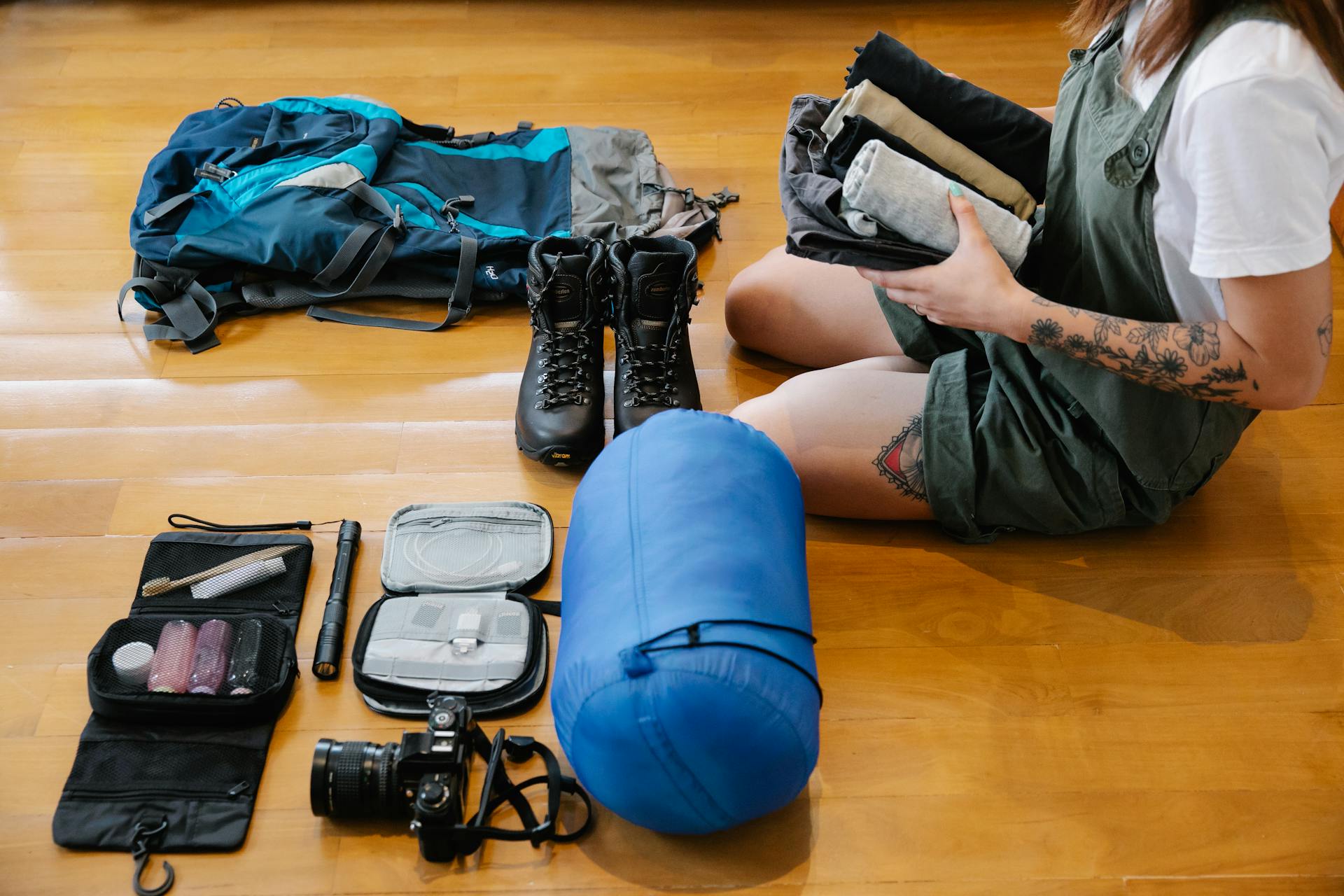
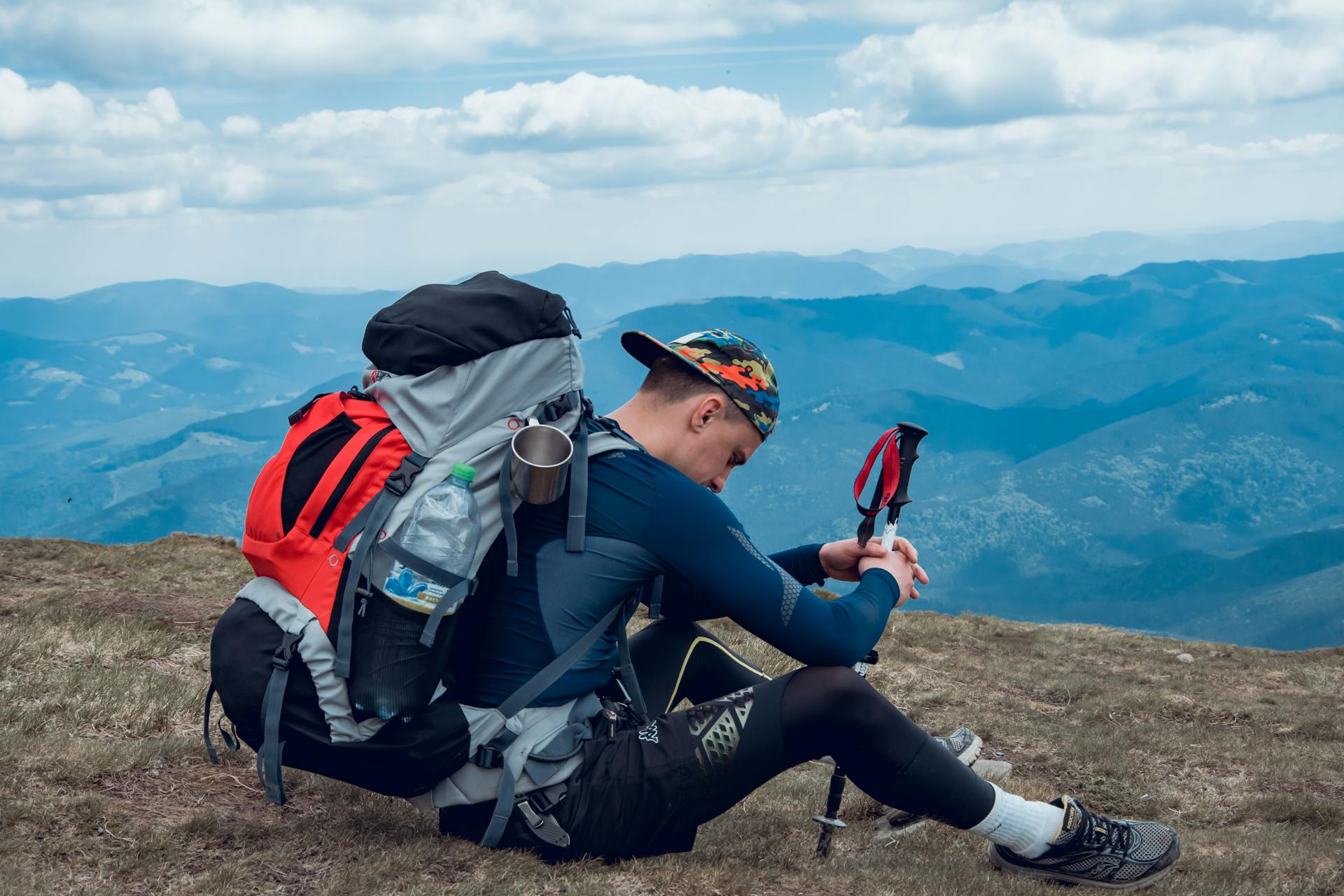
  • Essential items include high-altitude trekking shoes, layered clothing, a 50L rucksack with rain cover, thermal wear, trekking poles, insulated water bottles, and a headlamp. For a detailed packing list, refer to the downloadable PDF above.
  • Yes, offloading services are available at an additional cost. Check with the trek organizer for rates and availability.
  • Mobile network coverage is extremely limited along this trail. Occasional signals may be available near Gangotri or at select high-altitude clearings. Trekkers should plan for minimal communication and inform family beforehand.
  • Trek permits for the Gangotri National Park and forest area are mandatory. These are typically arranged by the trek organizer and included in the trek package.
  • The best time is from May to June and September to October. Summer months offer melting snow and flowing streams, while autumn provides clear skies and panoramic Himalayan vistas.
  • This trek leads to the sacred Gaumukh glacier — the origin of the Ganga — and the high-altitude Tapovan meadows. Trekkers experience breathtaking views of peaks like Shivling, Bhagirathi, and Meru, alongside serene glaciers and alpine landscapes, making it a spiritually and visually rewarding Himalayan adventure.

Similar Treks

View of Kedartal Trek trek moderate, difficult

Kedartal Trek

6 Nights / 6 Days
uttarakhand-garhwal
View of Nanda Devi East Base Camp Trek trek moderate, difficult

Nanda Devi East Base Camp Trek

10 Nights / 10 Days
uttarakhand-kumaon
View of Deo Tibba Base Camp Trek trek moderate, difficult

Deo Tibba Base Camp Trek

5 Nights / 6 Days
himachal pradesh
View of Buran Ghati Trek trek moderate, difficult

Buran Ghati Trek

6 Nights / 7 Days
himachal pradesh
View of Nandanvan Vasukital Trek trek difficult

Nandanvan Vasukital Trek

7 Nights / 7 Days
uttarakhand-garhwal
View of Harkidun Ruinsaratal Trek trek moderate, difficult

Harkidun Ruinsaratal Trek

7 Nights / 7 Days
uttarakhand-garhwal
View of Bali Pass Trek trek difficult

Bali Pass Trek

7 Nights / 8 Days
uttarakhand-garhwal
View of Roopkund Trek trek difficult

Roopkund Trek

7 Nights / 7 Days
uttarakhand-garhwal

How Our Treks Are More Than Just a Trek

Every journey with us is carefully crafted for a deeply personal mountain experience.

Not Just a Trek — A Journey That Stays With You

Every trail we walk is a carefully chosen path into the heart of the Himalayas — not just to witness their grandeur, but to feel them under your skin and soul. Our treks are designed not as bucket list checkmarks, but as life-affirming journeys. At Planethimalayas, we believe a mountain journey is deeply personal — and that belief runs through everything we do.

Individual Care, Every Step of the Way

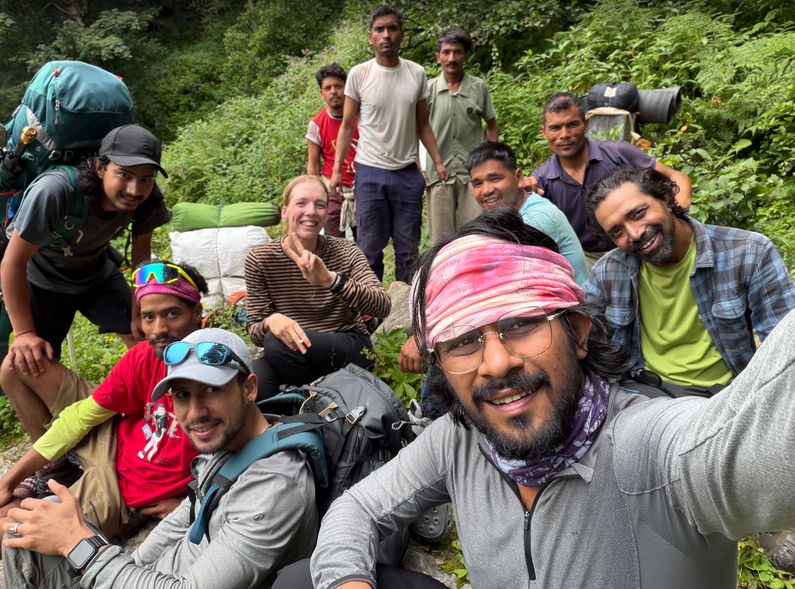
We keep our groups small and intimate so we can focus on you — your pace, your concerns, your joy. From pre-trek guidance to trail-side support, our leaders walk with intention, offering safety and attention without intrusion. It’s this deep care that turns strangers into friends and walks into memories.

Built on Genuine Love for the Himalayas

We don’t just operate in the Himalayas — we live and breathe them. From respecting mountain communities to following Leave No Trace ethics, our treks are shaped by humility and care. With Planethimalayas, your trek becomes a way of giving back to the mountains that give us so much.

Why Choose Us

Experience the difference of trekking with genuine mountain experts who truly care.

Trek Leader & Guide

Led by certified mountaineers with wilderness first aid training, ensuring your safety and confidence at every step.

Cook & Support Staff

Our mountain crew comprises local experts who bring unmatched experience, warmth, and deep knowledge of the region.

Small Group Size

We cap our group departures at just 8 trekkers — ensuring individual attention, deeper connections, and better trail discipline.

Safety Standards

From personal well-being to technical preparedness, we maintain the highest safety standards — using certified high-altitude gear and comprehensive safety protocols to ensure a secure and reliable Himalayan experience.

24×7 Online Support

We're always available — before, during, or after your trek. Reach out anytime, and you'll always hear back from a real human.

We Care for the Mountains

We strictly follow Leave No Trace ethics. Limited group sizes and mindful practices help protect the fragile Himalayan ecosystem.