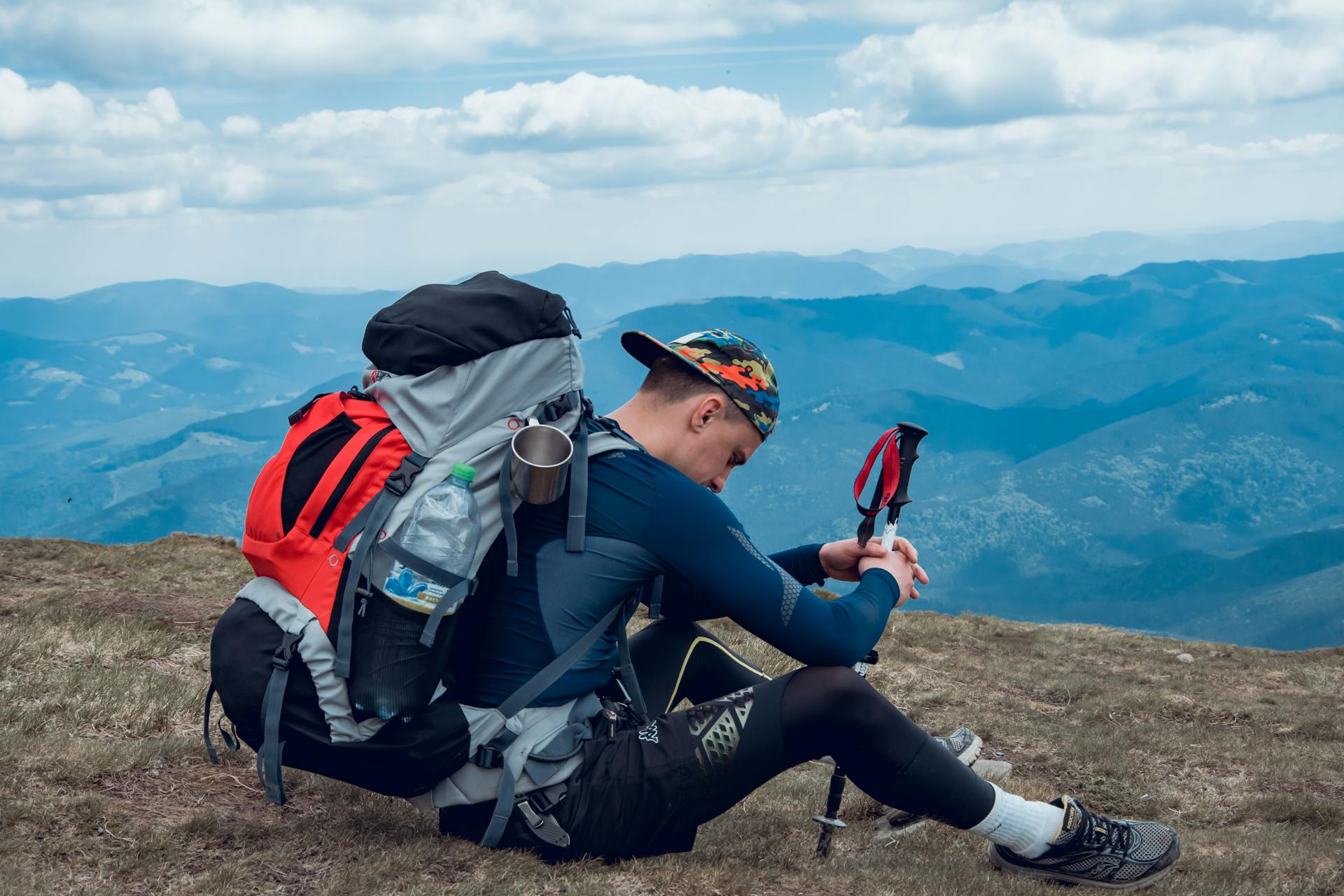
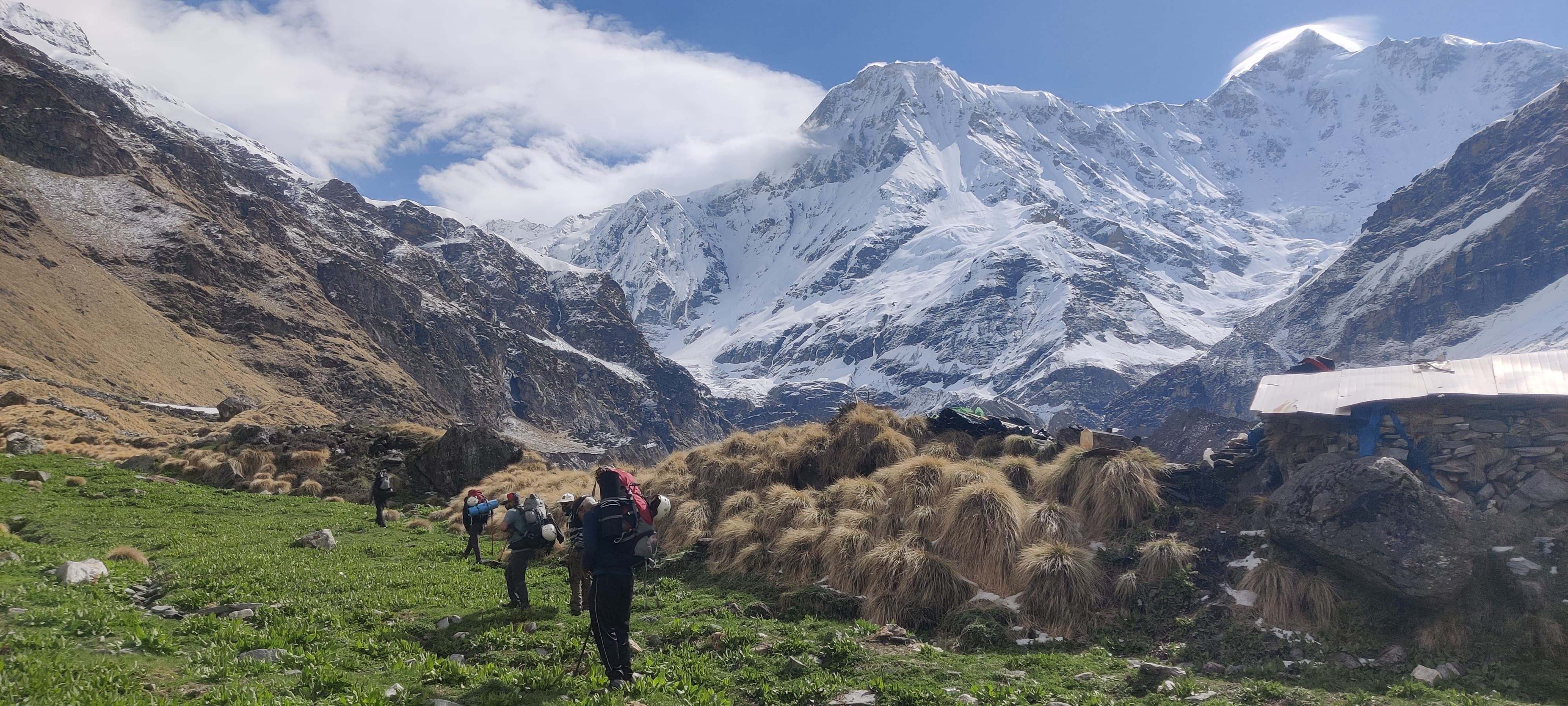
Trekking in the Himalayas is a true adventure experience — a journey into high-altitude wilderness where nature exists in its most raw and powerful form. Every trek comes with physical challenges, unpredictable weather, and varying terrain. Choosing the right trek grade is essential not just for a great experience, but also for safety and proper acclimatization.
To help you make the right choice, treks are categorized into three levels based on altitude, terrain, duration, and overall difficulty:
Easy (Beginner-Friendly Treks):
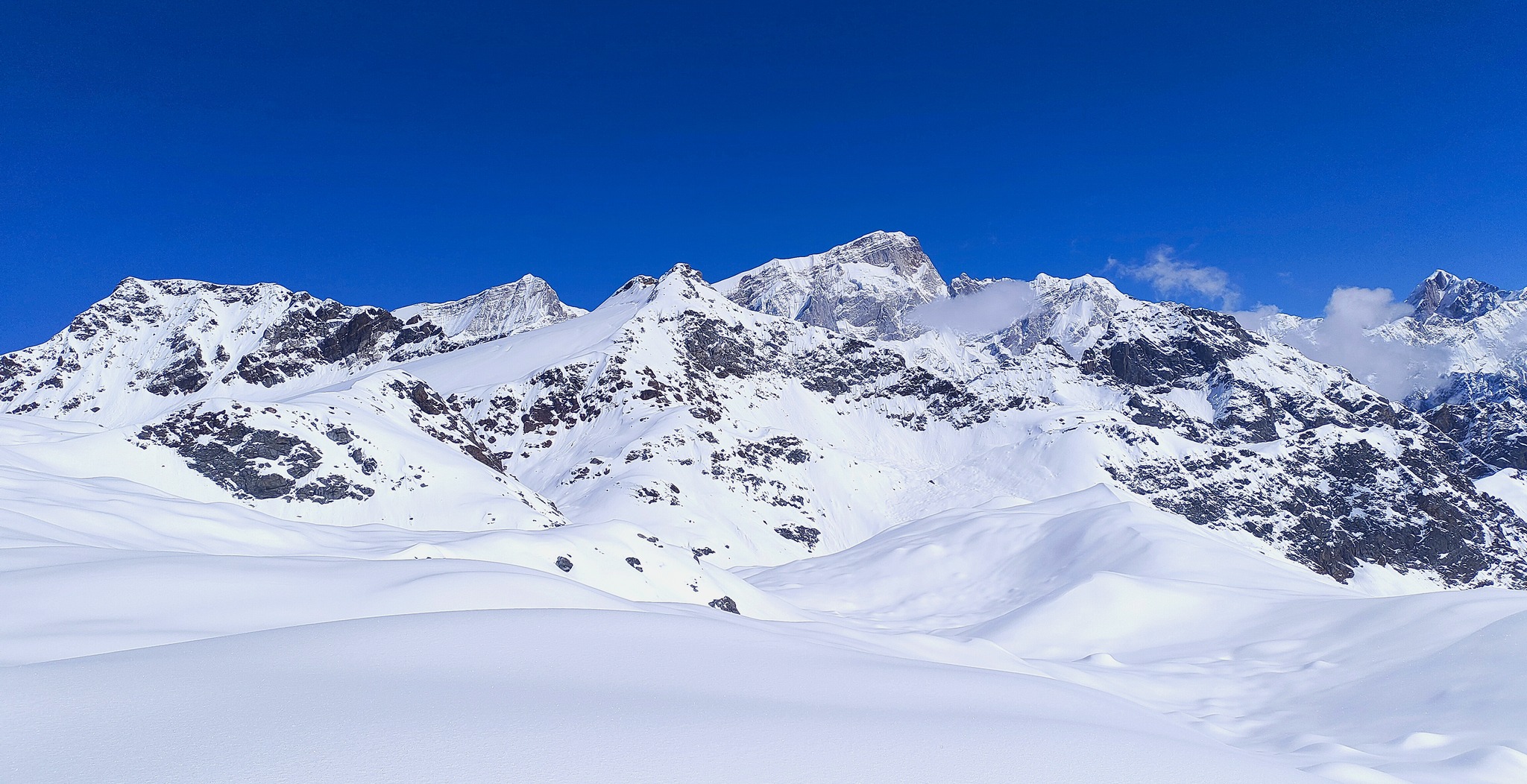
Ideal for first-time trekkers or those looking for an easy trek in the Himalayas. These treks usually last up to a week, with shorter hiking days, gradual altitude gain, and a maximum altitude of around 14,000 ft. The terrain remains well-defined, often within or near the tree line, with civilization relatively accessible. Weather conditions are more predictable, making these treks safer and easier to manage, with quicker rescue access if required.
Moderate Treks:
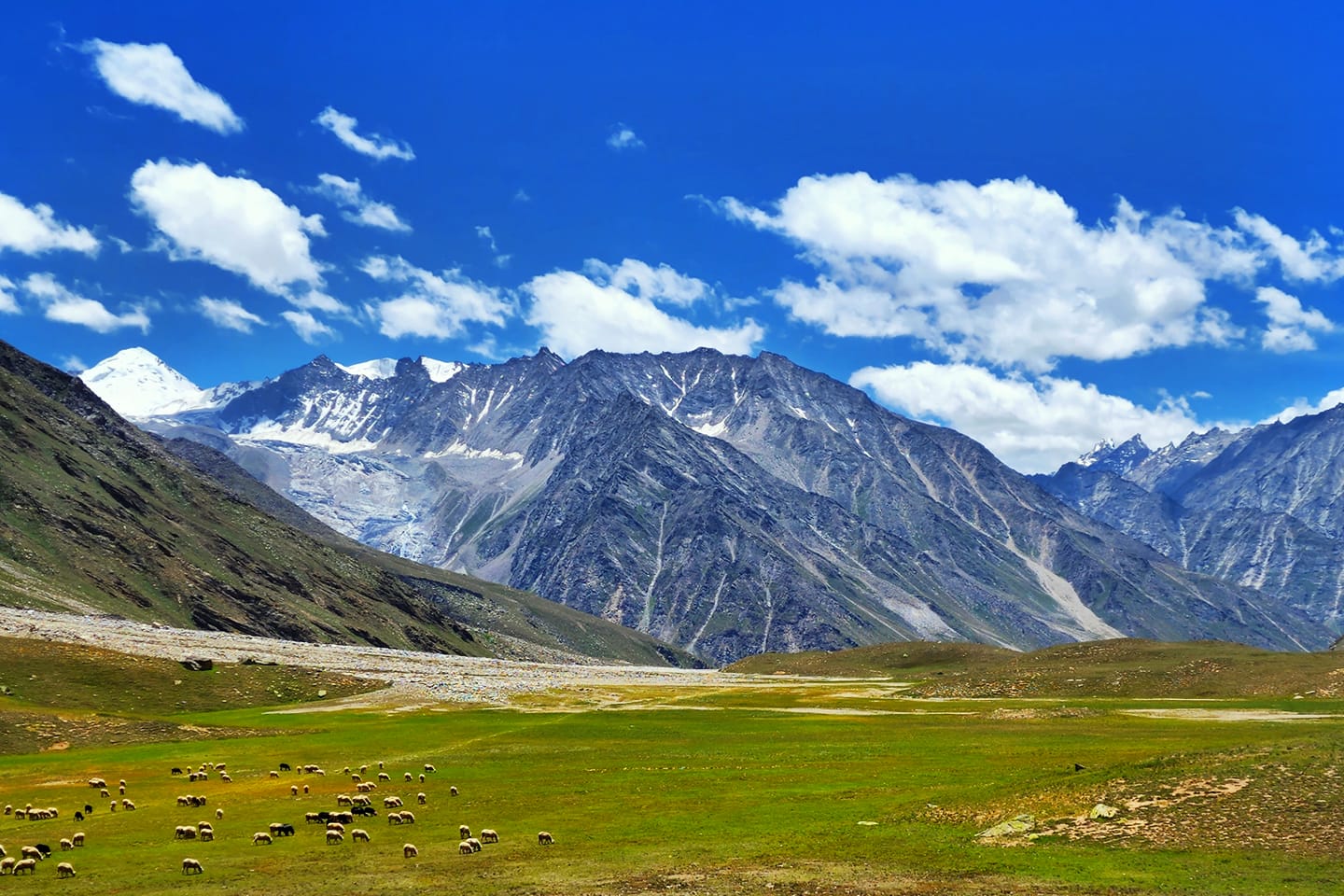
Designed for trekkers with some prior experience or good fitness levels. These treks may extend beyond a week and include a mix of short and long trekking days, with altitudes reaching up to 16,000 ft. You move above the tree line into more rugged landscapes — including alpine meadows, moraines, and high-altitude terrain. Weather becomes more unpredictable, and conditions can change suddenly. While still manageable, these treks require better preparation, endurance, and mental strength.
Difficult (Expedition-Level Treks):
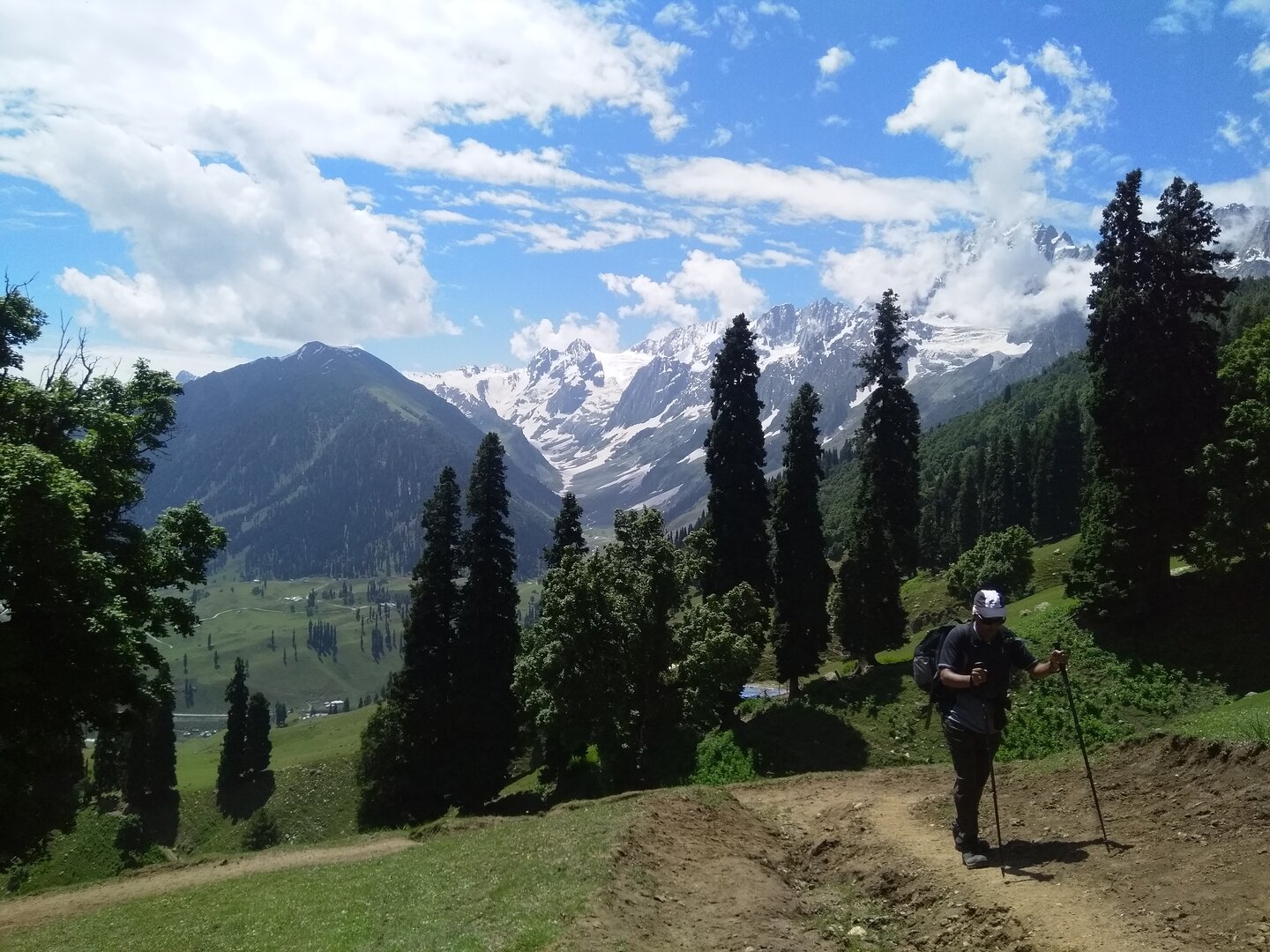
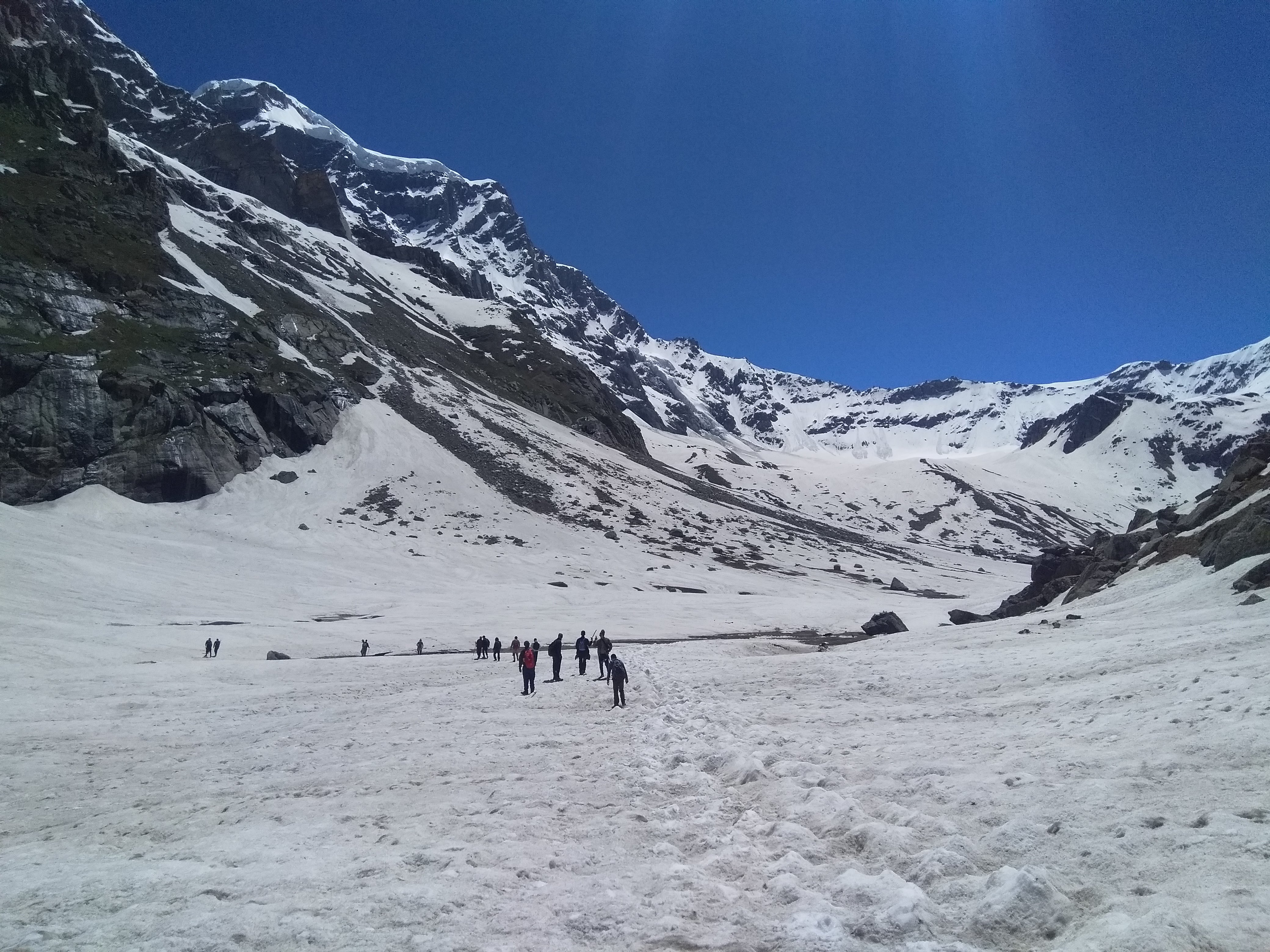
These are high-altitude expeditions meant for experienced trekkers. Routes often exceed 17,000 ft and pass through glaciers, snowfields, steep ascents, river crossings, and technical terrain. Treks can last up to two weeks, taking you far from civilization into extreme Himalayan conditions. Weather can shift rapidly, and sections may require technical equipment like ropes or ice axes. Rescue in such regions is complex, making experience, self-sufficiency, and strong mental resilience absolutely essential.
Understanding these categories helps you choose a trek that matches your fitness, experience, and expectations — ensuring a safe, enjoyable, and truly memorable Himalayan adventure.
×
PriceNote – Listed Price & Customisation Rules:
The listed trek price applies to our fixed departures for the specified itinerary. Trek fees including any add-ons for customized groups may vary based on your preferences, ensuring every adventure is tailored to your needs.
Group Booking Offer:
For groups of 8 or more booking together, the trek fee for 1 participant will be waived as a token to encourage shared adventures.
Scholarship for Kids:
Children under 15 years receive a 30% discount on the trek price, making it easier for families to explore the Himalayas together.
×
Transport Price Note:
The transport price mentioned is only an current indicative estimate per person, assuming a Non-AC vehicle like Bolero shared by at least 4 participants. Fewer participants → cost rises; More participants → cost decreases.
Transport Selection During Booking:
Selecting transport during booking informs us of your preference. No payment is collected at booking.
Final Cost & Payment:
Final transport cost will be communicated before departure and to be paid directly to the cab driver.
×
Itinerary Note:
This itinerary represents the most updated plan, but minor adjustments may occur due to operational needs or mountain conditions.
×
Terms & Conditions
Trekking is an adventurous activity that inherently involves a variety of risks and uncertainties. By choosing to trek with Planethimalayas, I acknowledge and accept the following potential hazards:
Natural Threats:
Unpredictable Weather: I understand there is always a possibility of facing sudden rain, cloudbursts, flash floods, or Glacial Lake Outburst Floods (GLOFs), either during the trek or at the campsite. Harsh weather conditions such as hailstorms, thunderstorms, lightning, high-altitude winds, and abrupt temperature drops can not only affect comfort but may also lead to the cancellation of the trek without prior notice.
Wildlife Encounters: Trekking trails may intersect with habitats of wild animals including bears, snakes, and a range of insects or arthropods. These encounters pose serious risks.
Flora Exposure: Some plant species in the trekking regions may be toxic or harmful upon contact or ingestion. I understand that interacting with such vegetation could result in serious consequences.
Natural Calamities: Mountainous terrains are prone to landslides, avalanches, earthquakes, and whiteouts — all of which could significantly endanger life and disrupt the trek.
Altitude and Injury Risks:
High-altitude conditions can lead to Acute Mountain Sickness (AMS), High Altitude Pulmonary Edema (HAPE), or High Altitude Cerebral Edema (HACE).
I understand that trekking surfaces are uneven and potentially slippery. This increases the chance of falls, slips, or injuries — including accidental drowning.
Misuse or malfunctioning of trekking gear (e.g., trekking poles, safety equipment) may also result in accidents.
Accidents during the trek could cause emotional or physical trauma, temporary or permanent disabilities, or even paralysis.
Injuries caused by fellow trekkers or locals are also possible.
I acknowledge that sun exposure, extreme cold, or environmental factors may cause health issues such as sunburn, frostbite, hypothermia, dehydration, heatstroke, chilblains, or hypoxia.
Medical Emergencies:
Trekking routes often lack access to nearby hospitals or clinics. I understand that medical attention may be delayed or unavailable.
I am aware that evacuation due to an emergency may be logistically difficult and time-consuming.
Additional Concerns:
Civil or Political Disturbance: Unrest due to protests, strikes, conflicts, or terrorism may impact trek safety.
Equipment Failures: I accept that gear failure could lead to difficulties or injuries.
Transportation Disruptions: Travel to or from the basecamp may be delayed or disrupted due to vehicle failure, cancellations, or roadblocks.
Disease Exposure: Trekking in unfamiliar regions may expose me to infectious diseases or health risks.
By agreeing to this document, I confirm:
I am fully aware of the above-mentioned risks.
I am voluntarily participating in the trek.
I agree to follow all safety protocols and guidance provided by Planethimalayas staff.
I will take full responsibility for any gear or equipment used during the trek.
I acknowledge that while Planethimalayas’ staff are trained and experienced, they are human and cannot foresee or prevent every risk.
My safety and well-being ultimately remain my responsibility.
I take full ownership of my physical readiness for the trek, based on the eligibility and fitness standards set by Planethimalayas.
Health Statement:
I certify that I am physically and mentally fit.
I have no known medical conditions that could restrict me from undertaking the trek.
No medical professional has advised me against participating in this activity.
Legal Liability:
I confirm that I am solely accountable for my safety throughout the trek.
I voluntarily assume all known and unknown risks involved.
Planethimalayas is not liable for any injuries, illnesses, or losses sustained during or after the trek.
I understand that Planethimalayas will not cover any medical costs I may incur.
Should my actions cause harm or inconvenience to another person or damage to property — whether intentionally or by accident — I agree to compensate Planethimalayas for any resulting expenses. This includes costs related to repairs, medical treatments, or legal actions.
I am aware that high-altitude trekking may cause symptoms related to oxygen deprivation and altitude sickness. If the trek leader believes it is unsafe for me to continue, I accept their decision to descend me to a safer altitude.
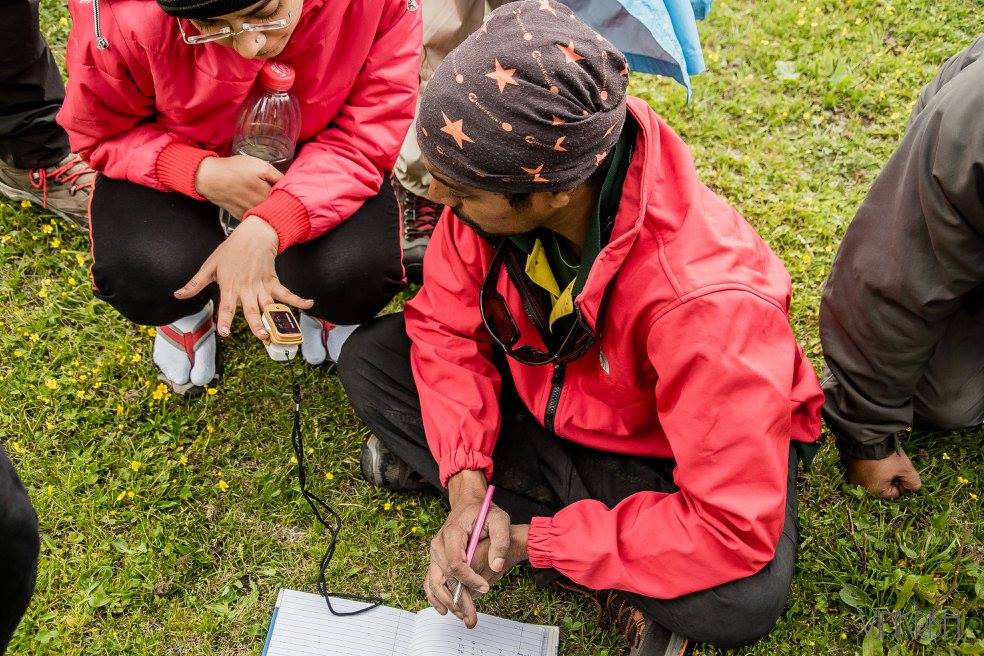
I understand that health checks (oxygen level, pulse, blood pressure) will be conducted regularly at various camps. Based on these assessments, Planethimalayas reserves the right to disallow me from proceeding further if my health metrics fall below acceptable standards. These standards are available with trek leaders.
I am aware that the terrain will involve challenging and unpredictable conditions including steep slopes, snow-covered paths, and rocky trails.
If the trek leader concludes that I am physically unable to complete the trek without constant support, I understand that I may be turned around.
Alcohol, tobacco, and any recreational drugs are strictly banned throughout the trek. Consumption of such substances may result in immediate removal from the trek and basecamp.
I have read and fully understood all the terms stated in this agreement. I consent to the conditions knowing the legal impact it may have. Even if any clause here is declared unenforceable, the remainder shall remain valid.
I acknowledge that the trek cost was calculated assuming my full consent to these terms. Without this agreement, Planethimalayas would not be able to offer the trek services.
I agree that my electronic or digital acceptance of this agreement shall hold the same validity as a signed physical document.
It is solely my duty to carry all necessary documents related to this trek (passport, ID, permits, visa, etc.). Planethimalayas will not be held responsible if I fail to present these documents when required.
Planethimalayas also disclaims liability in case of loss, theft, or damage to any personal identification or travel documents.
I voluntarily consent to provide my Aadhaar number for use by Planethimalayas in matters related strictly to identity verification, trek permit processing, and administrative formalities. This data will be used solely for these purposes in accordance with Indian law. I understand I may withdraw this consent prior to its usage by submitting written notice.
I agree to abide by the cancellation policy of Planethimalayas as outlined in the official document.
🩺 Basic Medical Support – On-trek first aid and support for minor medical issues
👥 Support Staff – Team includes experienced trek leaders, local guides, cooks, and helpers
🎯 Qualified Leadership – Professional trek leader overseeing safety and coordination
❌ Exclusions
🚑 Insurance – Travel or medical insurance is not included
🚨 Emergency Costs – Expenses for evacuation, rescue, or medical treatment are not covered
🎒 Backpack Offloading – Available as an optional add-on at an extra charge
🚗 Travel to/from Base Camp – Transport to the trek base or return is not part of the package unless opted separately
🛍️ Personal Purchases – Items bought on the way (snacks, gifts, souvenirs, etc.) are not included
👕 Personal Trek Gear – Jackets, shoes, walking sticks, or toiletries are not part of the package (can be rented separately)
❗ Anything Not Listed Above – If it’s not mentioned under inclusions, it is not covered by Planethimalayas
×
Cancellation & Refunds
At Planethimalayas, we strive to make your trekking experience smooth and transparent. Please read our cancellation policies carefully:
1. Trek Cancellation by Participant
Within 30 days prior to departure: Full refund of trek fees.
Between 30 to 15 days prior to departure: 20% of trek fee will be retained; the remaining amount will be refunded.
Less than 15 days prior to departure or no-show: No refund.
2. Trek Cancellation by Planethimalayas
In the unlikely event that Planethimalayas cancels a trek due to weather, natural disasters, political unrest, or any unforeseen circumstance, we will provide you with the option to join another trek of the same value or issue a full refund.
3. Refund Policy
Refund Method: All approved refunds are issued as vouchers tied to the specific participant's account and can be used for future treks. Direct cash or online refunds are not provided.
4. Rescheduling & Changing Treks
Rescheduling a trek to a different date is free of charge.
Changing to a different trek must be requested at least 30 days prior to departure.
If the selected trek is of higher price, the extra amount must be paid.
If the selected trek is of lower price, the remaining amount will be refunded within 10 days after trek completion.
Requests made within 15 days of departure are handled on a case-by-case basis.
5. Transport & Offloading Bag Add-on Cancellation
Cancellation more than 72 hours prior to departure: Full refund.
Cancellation within 72 hours or post that period: No refund possible.
Important Note: In case of emergencies or rescue operations, any transportation used during such processes will not be considered part of the Transport add-on, and trekkers must bear all costs incurred. It is strongly recommended to purchase proper trek insurance to claim such costs as per your insurance policy.
6. Cancellation Requests
All cancellations must be processed through email only. No other form of communication will be considered official. Our official email address:
info@planethimalayas.com
Nanda Devi East Base Camp Trek
An Adventure to the Foot of Nanda Devi, the Himalayan Queen
We can arrange a custom departure if 3+ trekkers align.
Walking The Trail
Hidden deep within the Kumaon Himalayas, the Nanda Devi East Base Camp Trek enters a region where the mountains are not just seen—they are revealed slowly, and only on their own terms. Set in the remote Johar Valley, this journey follows the powerful Gori Ganga river system, carving its way through ancient forests, abandoned trade routes, and high-altitude meadows that once connected India to Tibet.
The trail doesn’t rush into altitude—it builds into it. Beginning from the inner reaches of the valley, the landscape evolves from pine and oak forests into wide glacial basins, where the terrain opens and the scale of the Himalayas becomes impossible to ignore. Rivers turn into glacial streams, ridgelines rise without warning, and the silence begins to feel heavier with every passing day.
What defines this trek is not just where it goes, but what it moves toward.
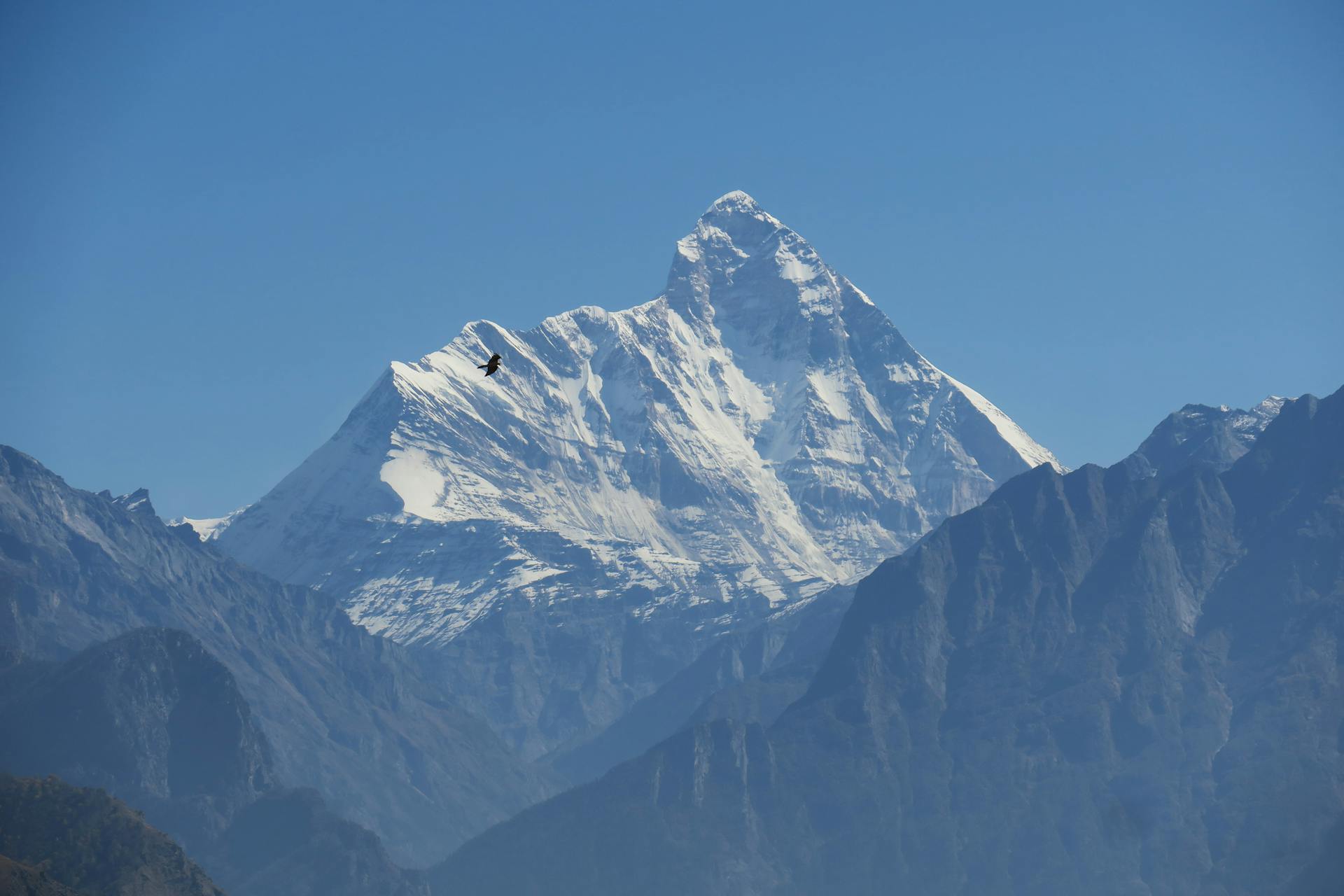
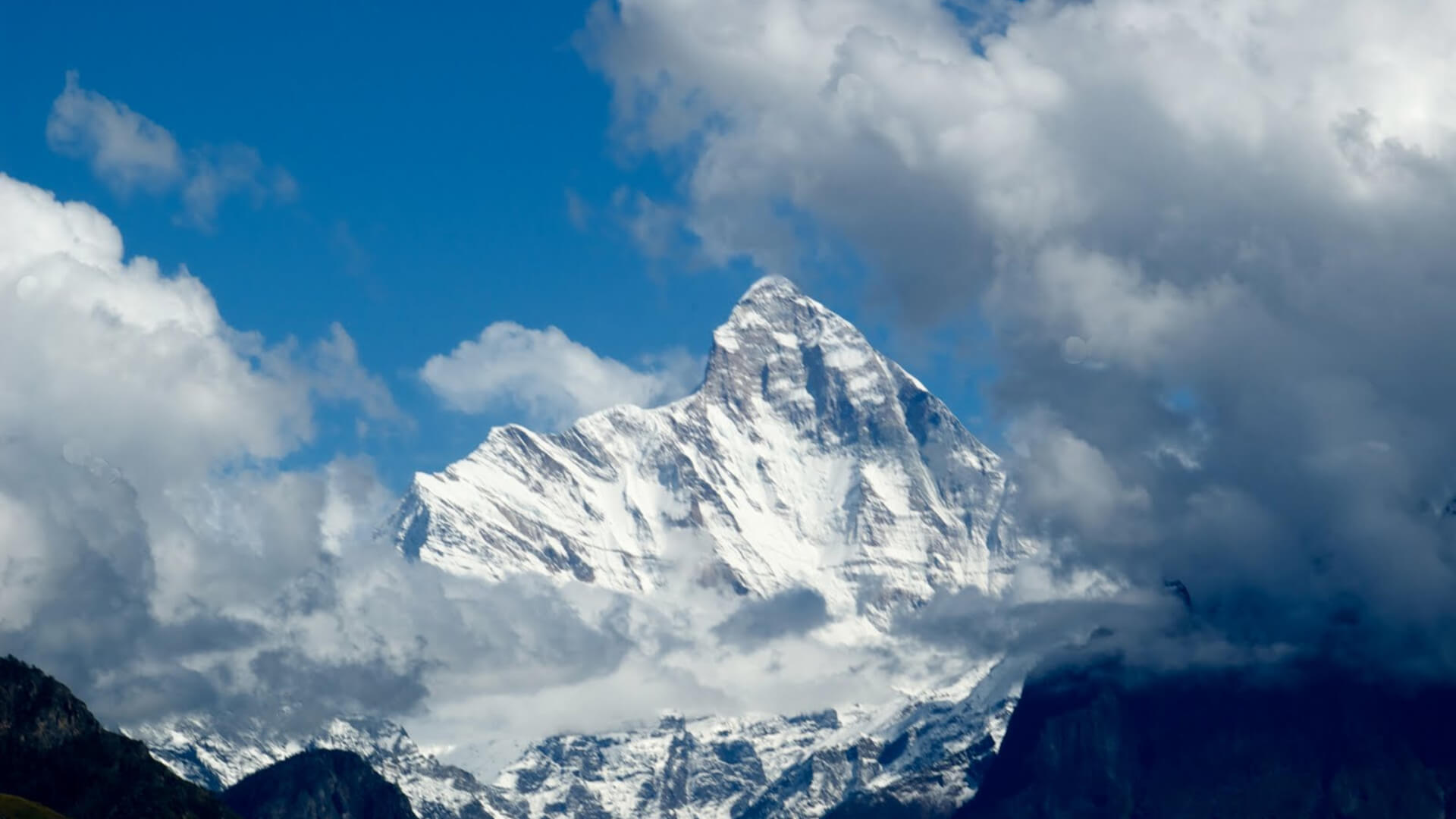
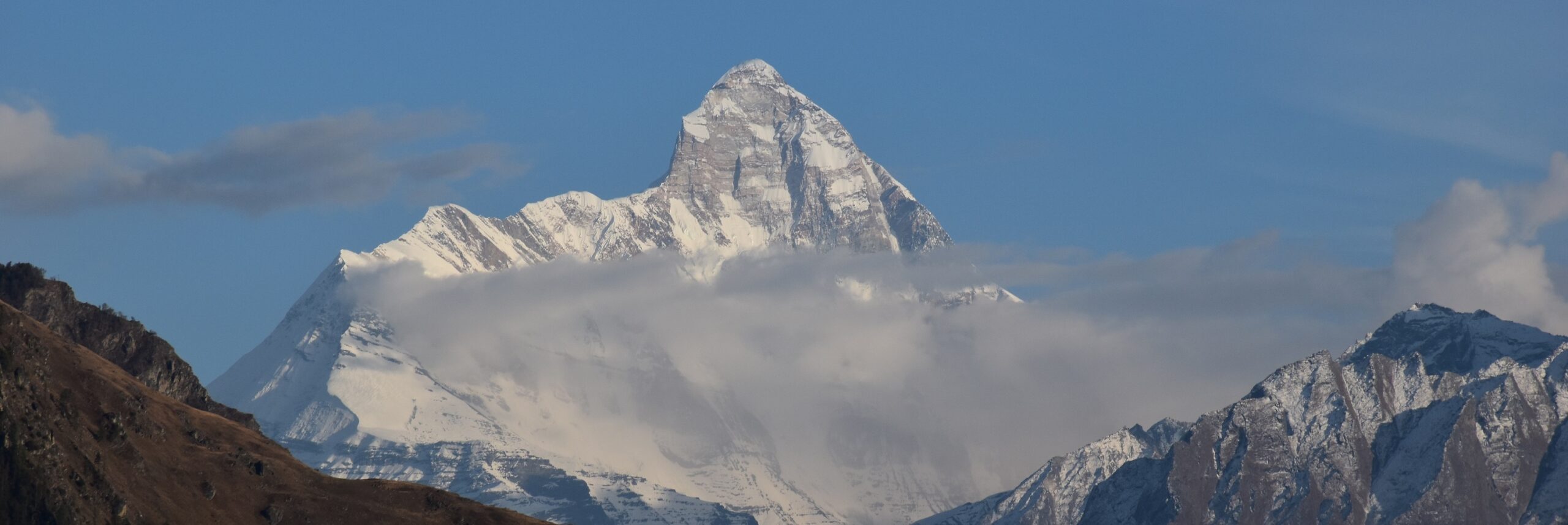
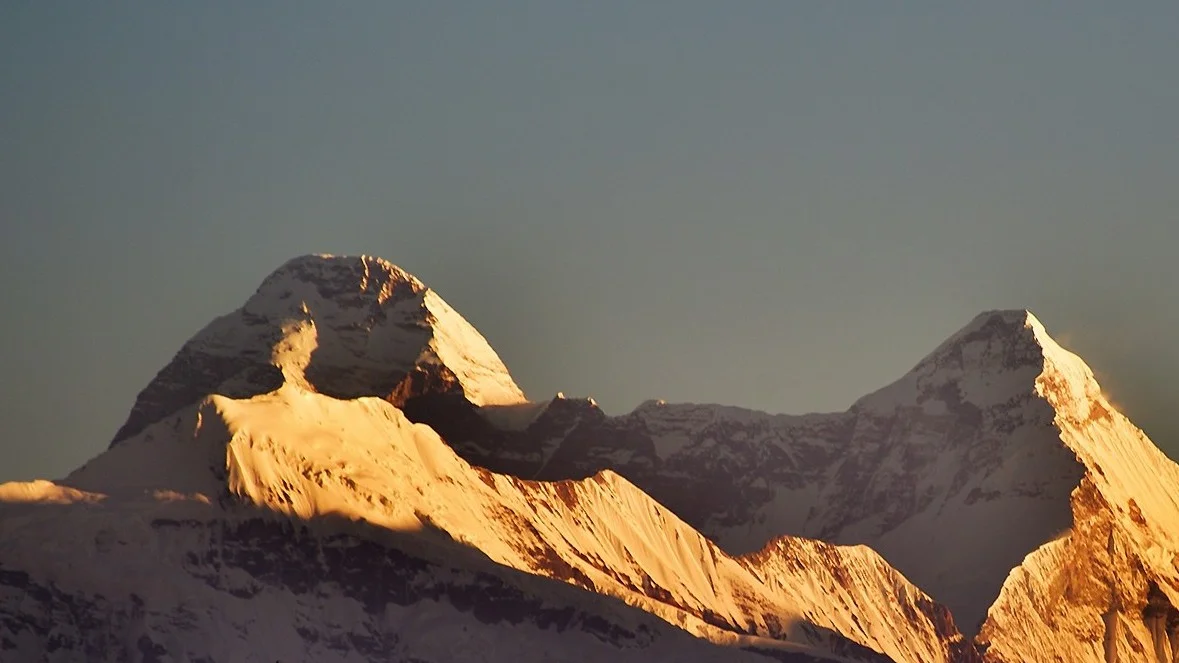
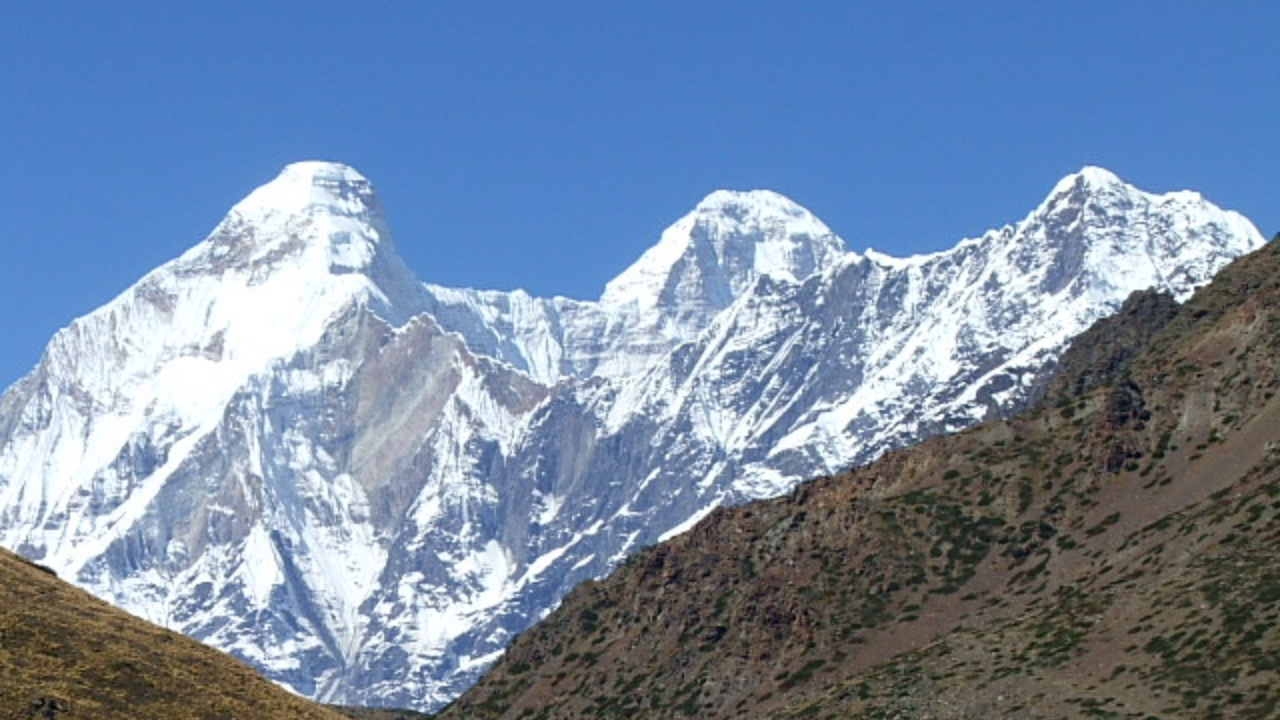
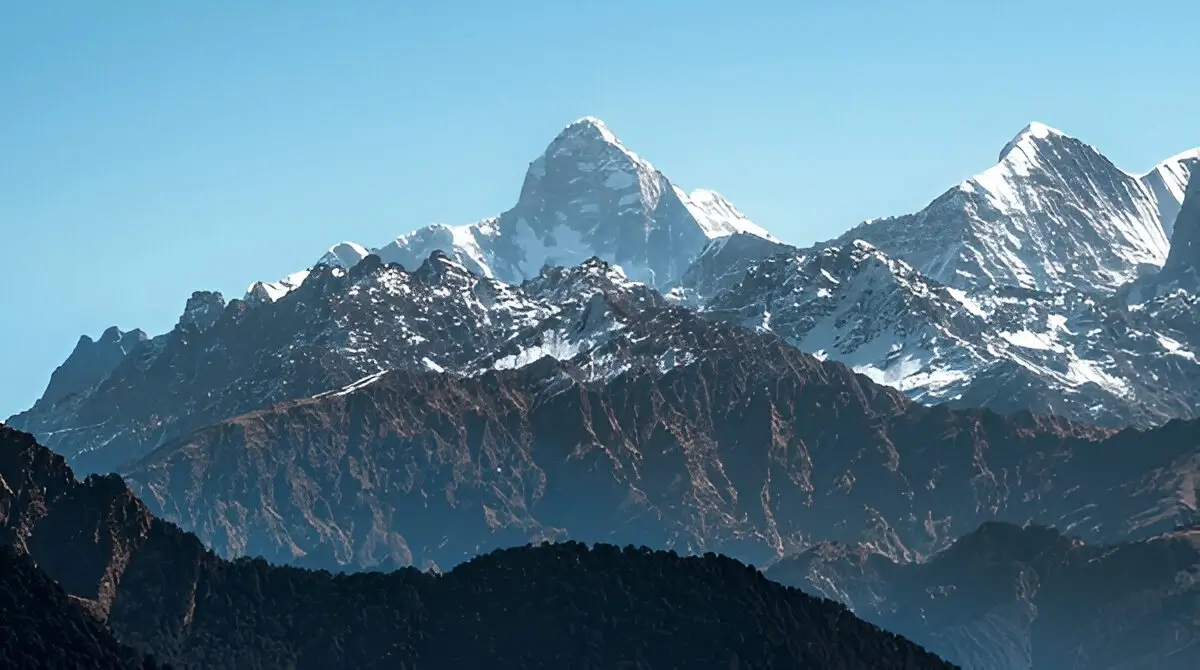
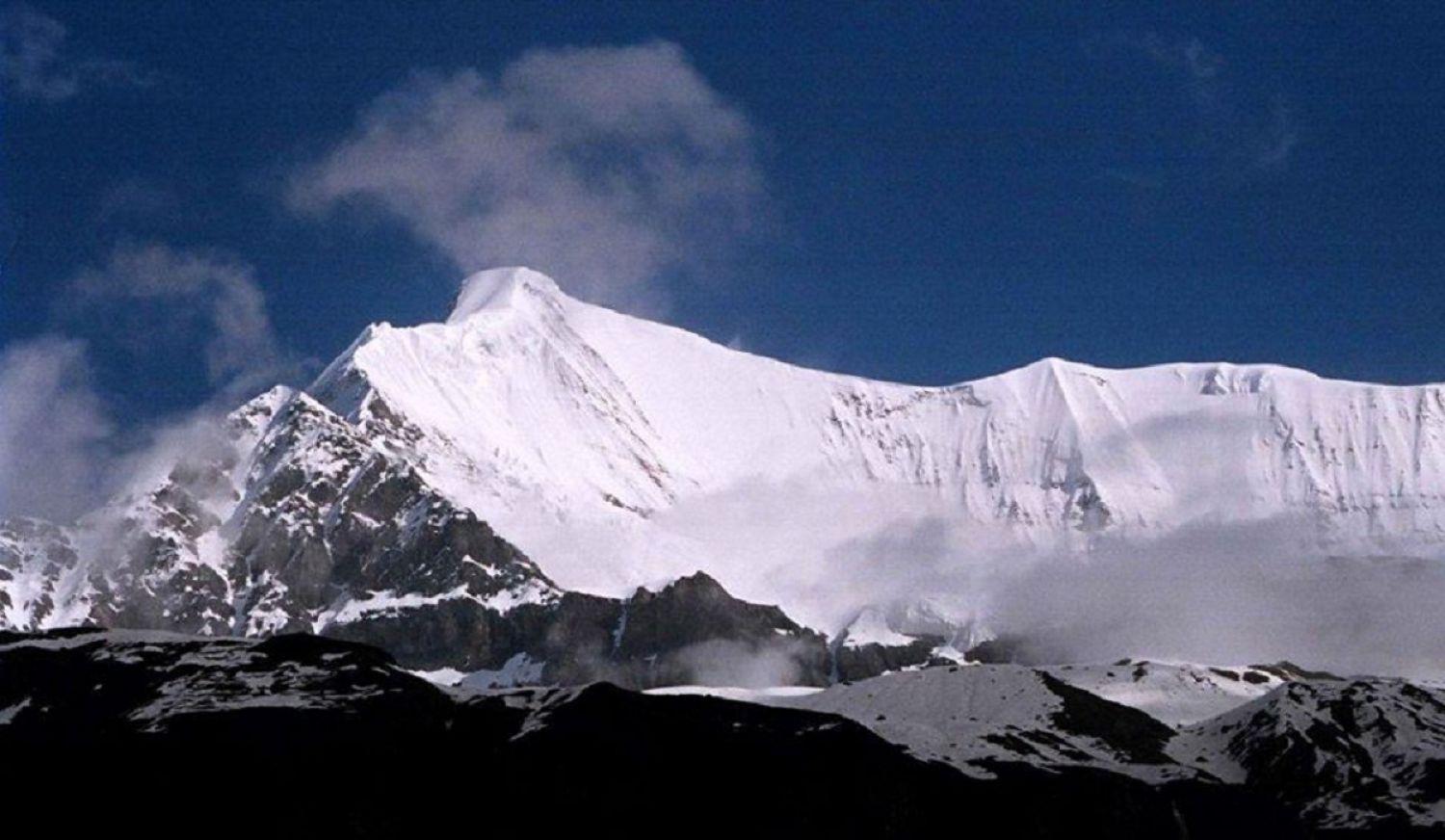
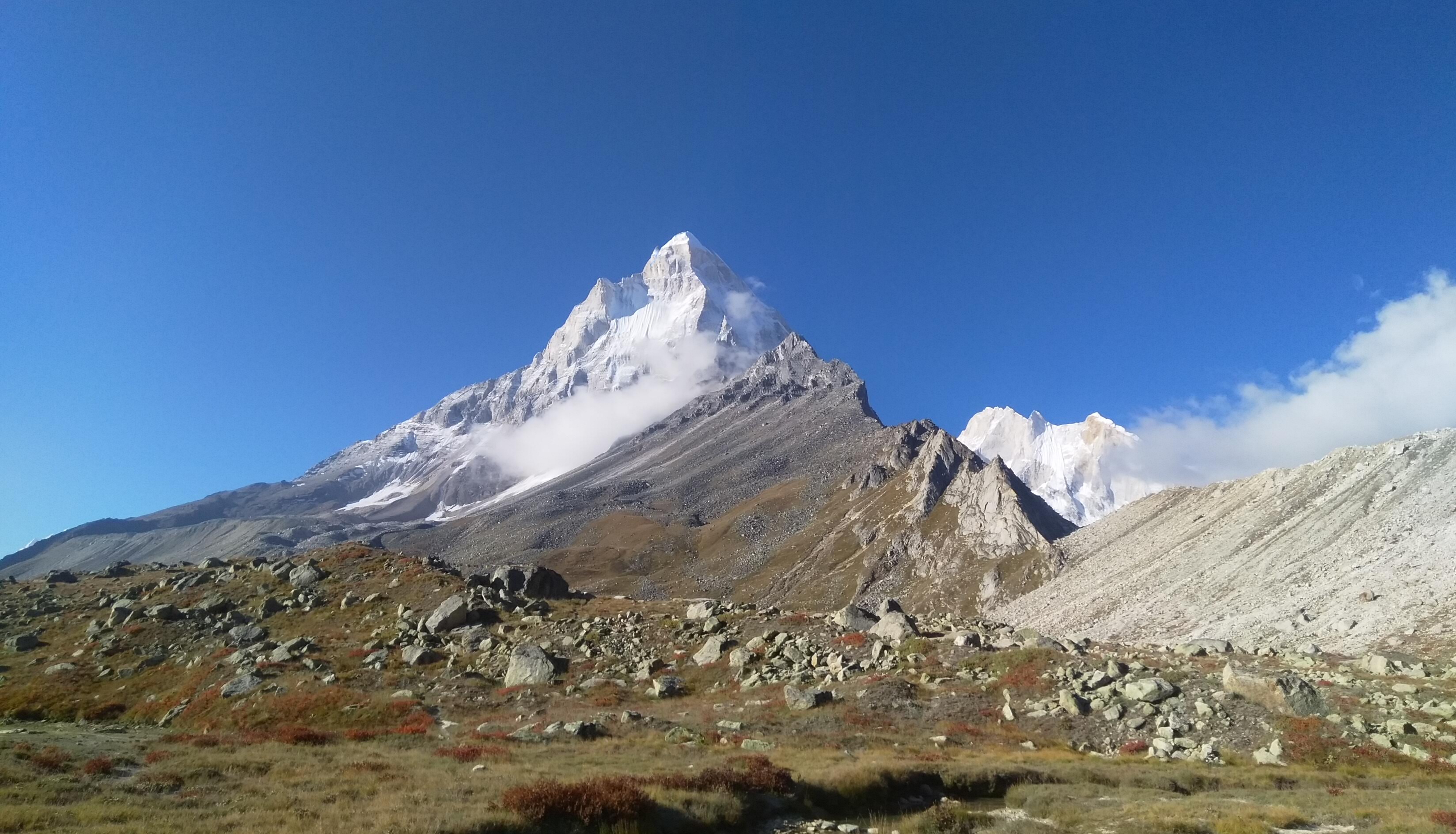
Standing ahead is the Nanda Devi massif—dominated by Nanda Devi (7,816 m), India’s highest peak entirely within its borders, and Nanda Devi East (7,434 m), known locally as Sunanda Devi. Together, they form a mountain system that has remained naturally protected within the legendary Nanda Devi Sanctuary—one of the most formidable and isolated high-altitude regions in the world. Peaks like Nanda Kot (6,861 m) and Maiktoli (6,803 m) rise alongside, shaping the glaciers, weather, and movement of the entire valley.
This is not a trail of constant views—it is a journey of timing, patience, and perspective. Clouds move fast, weather shifts without warning, and the mountains reveal themselves in fragments, never all at once. And that is exactly what makes the experience real.
By the time you reach base camp, it is not just about standing at 3,900+ meters beneath towering peaks—it is about understanding the terrain, the silence, and the scale of a place that has remained untouched for reasons beyond difficulty.
This trek is not designed to impress quickly. It builds, it holds back, and then, if conditions allow, it reveals something few places in the Himalayas still can—raw, unfiltered mountain presence.
Expect a journey shaped by terrain, weather, and patience—where every step deeper into the valley feels like moving further away from the known, and closer to something far more powerful.
Read More
Highlights
✅ Trek into the remote Johar Valley, once part of an ancient Indo-Tibetan trade route
✅ Spectacular views of Nanda Devi (7,816 m), Nanda Kot, and Panchachuli
✅ Visit historic villages like Martoli and Ganghar
✅ Camp at Nanda Devi East Base Camp surrounded by towering Himalayan walls
✅ Explore glacier zones, moraines, alpine meadows, and high-altitude streams
✅ Challenging yet rewarding terrain ideal for moderate to experienced trekkers
✅ A culturally rich route showcasing Kumaoni heritage
Itinerary
?
The journey into the Johar Valley doesn’t begin with mountains—it begins with distance. Long, winding, patient distance. As you leave the plains behind, the road slowly climbs through the Kumaon hills, passing through towns like Almora and Thal, each carrying a quieter rhythm than the last. The landscape transitions almost unnoticed—broad valleys tighten, forests grow denser, and rivers begin to cut deeper into the earth. Pine forests dominate the mid-altitudes, their dry scent lingering in the air, while terraced fields cling to the hillsides—evidence of a life shaped by terrain. And then, almost without warning, Munsiyari opens up.
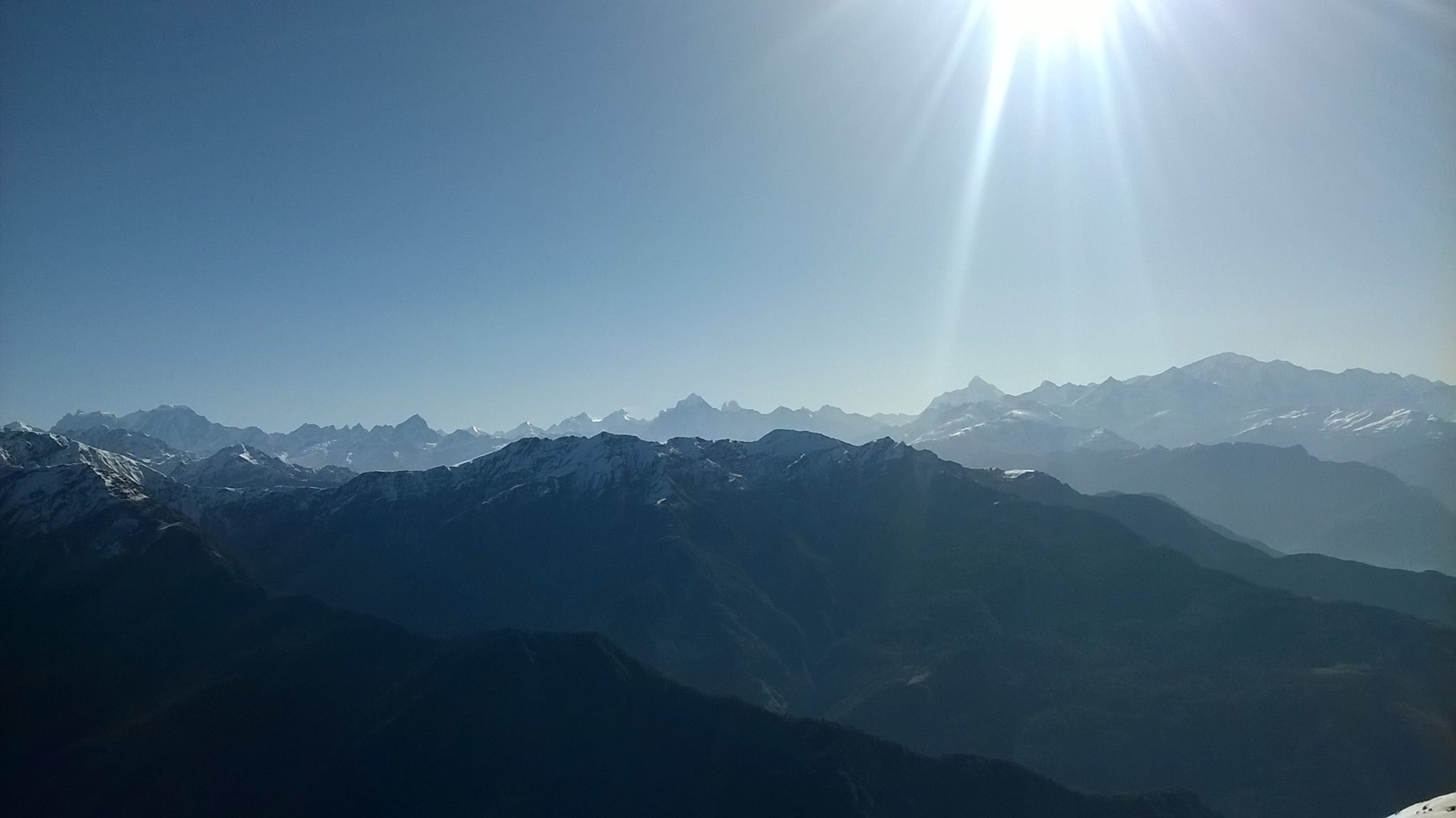
Here, the Panchachuli range stands across the horizon—not aggressively, but with quiet authority. These peaks aren’t just mountains here; they are part of identity, weather, belief, and rhythm of life. The Johari community has lived with them, traded across them, and respected their moods for centuries.
By evening, as the last light touches the peaks, you realize something important—the journey ahead isn’t just a trek. It is an entry into a valley that still remembers how to live with the mountains, not conquer them.
This day introduces you to the unpredictability that defines the Himalayas—not as an obstacle, but as reality.
Depending on road conditions shaped by landslides and weather, you may drive deep into the valley toward Bugdiyar or Rilkot. Or the road may end sooner, asking you to walk more than expected. This flexibility is not inconvenience—it is your first lesson in adapting to the mountains.
As the trek begins, the trail drops toward the Gori Ganga river, a force that has carved this valley over millennia. The sound of the river is constant—not soothing, but powerful, reminding you of the scale of erosion and time.
The route moves through dense forests of oak, pine, and occasionally rhododendron. In spring, these forests burn red with blooming flowers. In monsoon, everything turns deep green and alive. In autumn, the forest breathes in silence.
Wildlife here is not always seen, but always present—Himalayan langurs move silently through trees, and if you’re lucky, distant signs of musk deer or even black bear may appear in the quieter sections.
Reaching Rilkot, you notice something different—this is not just a campsite. It is a place where movement pauses. The valley begins to open, the forests thin out, and the sense of entering deeper terrain becomes real.
Beyond Rilkot, the valley begins to change character.
The dense forests slowly give way to a more open, rugged landscape. The Gori Ganga still flows beside you, but now the valley widens, revealing old trade routes that once connected India to Tibet.
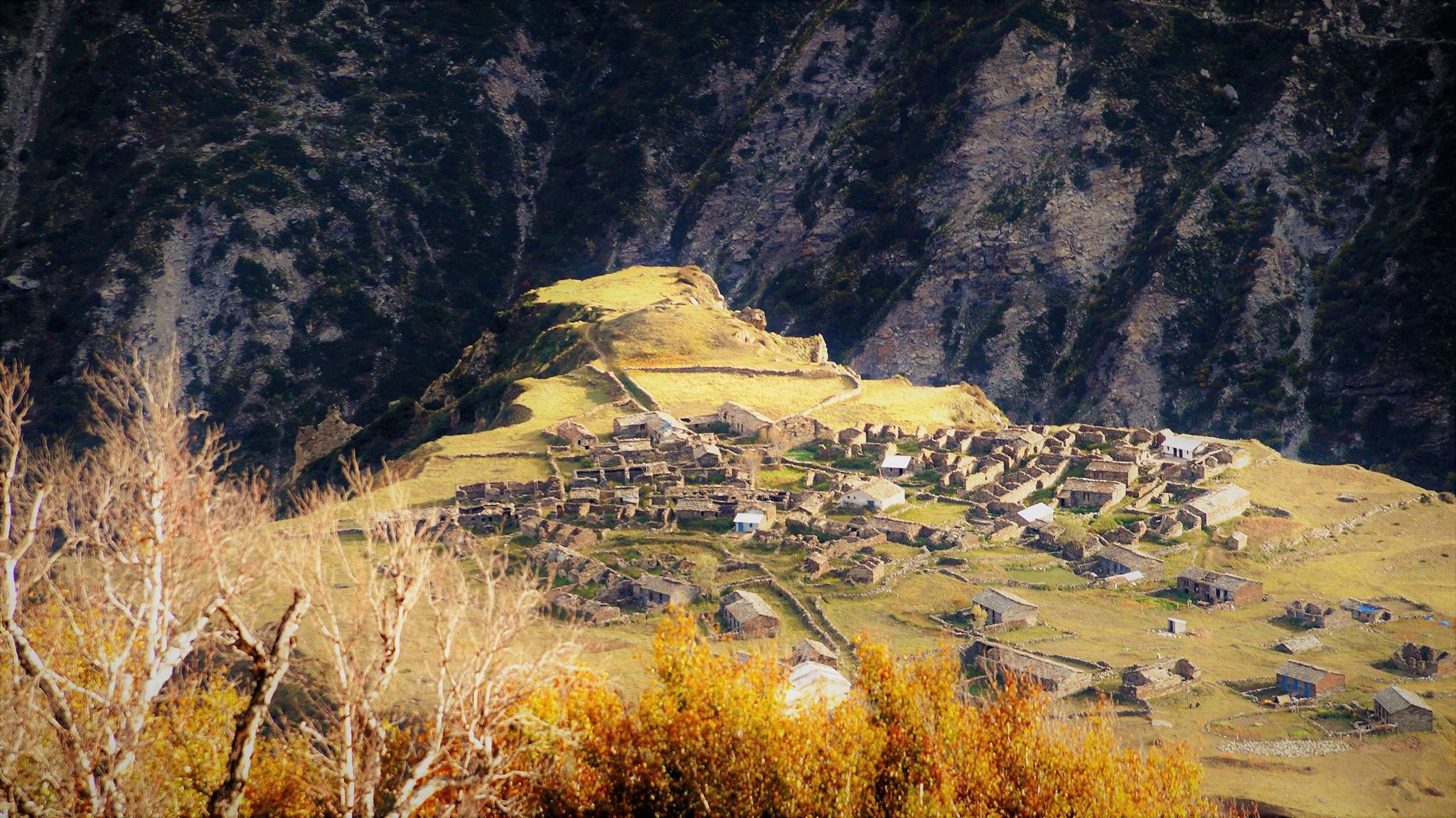
You pass through abandoned villages and seasonal settlements—silent reminders of the Johar valley’s past. Once thriving with trade and culture, many of these villages now stand partially empty, their wooden houses weathered by time. Migration has changed the valley, but not erased its memory.
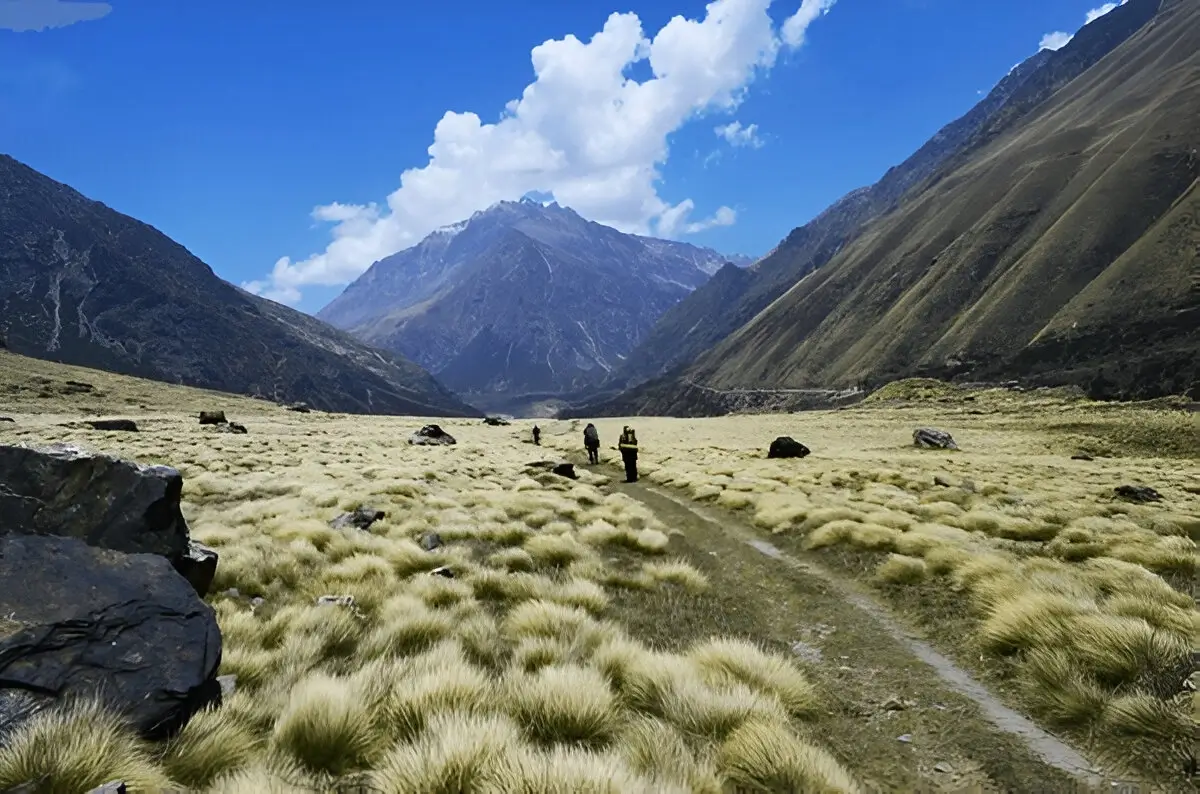
As you approach Burphu and Ghangar, the terrain shifts further. You begin to see high-altitude flora—dwarf junipers, alpine grasses, and in certain seasons, a burst of wildflowers that briefly color the valley floor.
And then, if the weather allows, you get your first distant glimpse of something more powerful—
the eastern face of Nanda Devi East.
It does not reveal itself fully. It never does. It appears through clouds, then disappears again. That is its nature here—present, but never fully accessible.
Beyond Ghangar, the valley begins to feel larger than it looks on a map. The trail enters the upper reaches of the Pachhu Valley, a glacial basin shaped over thousands of years by ice, water, and time. The terrain opens wide—alpine meadows stretch across the valley floor, while lateral moraines and glacial streams define its structure. The forests are now behind you. In their place stand scattered clusters of Bhojpatra (birch)—trees that once carried ancient scriptures on their bark—marking the transition into a more sacred and exposed landscape.
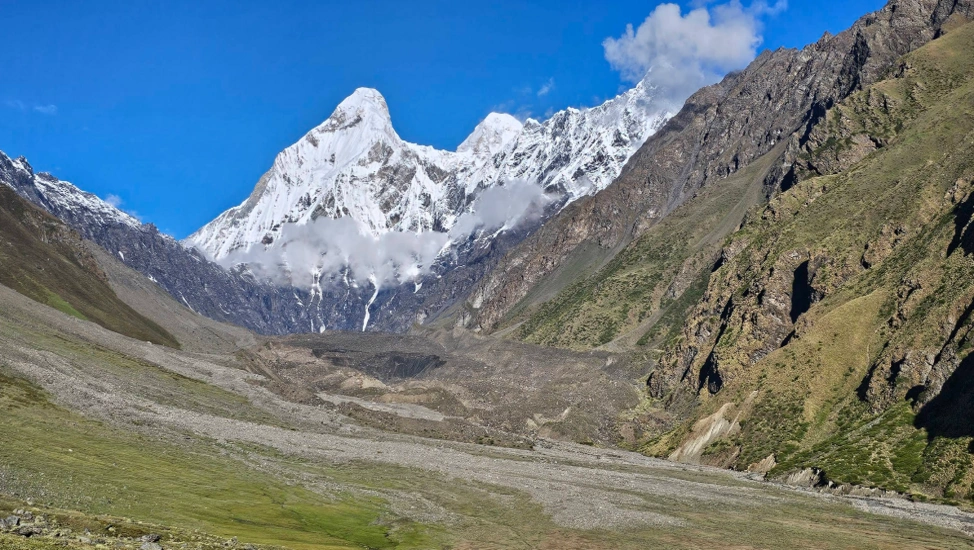
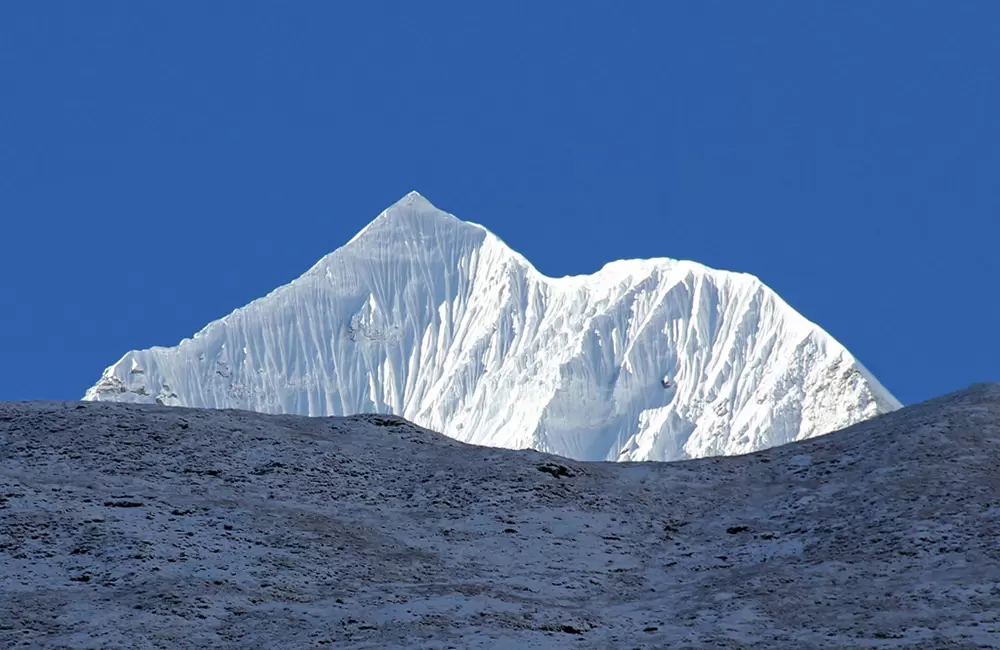
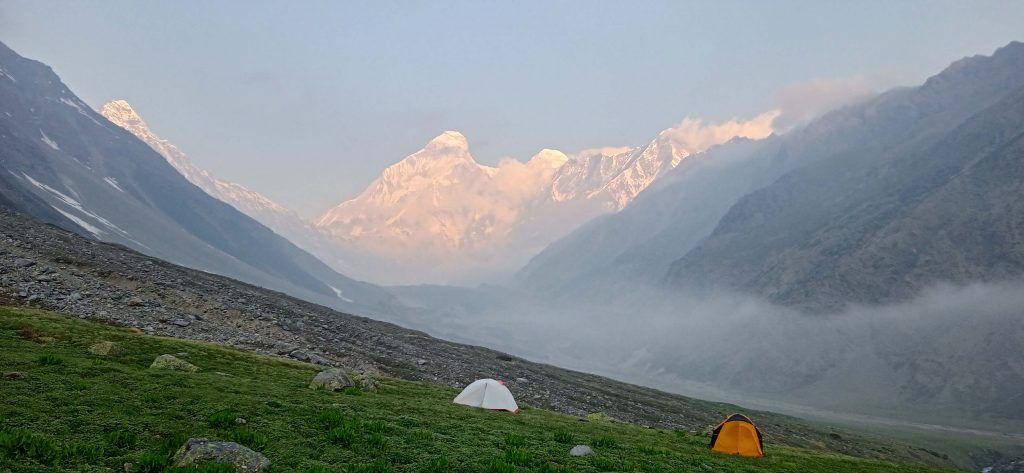
As you gain altitude, the mountains begin to rise—not suddenly, but with presence. To your left and ahead, the massive face of Nanda Devi East (7,434 m) dominates the valley—steep, glaciated, and sharply defined. Locally revered as Sunanda Devi, it carries both physical and spiritual weight in this region. But this is only one part of a much larger system. Hidden behind and connected through ridgelines lies Nanda Devi (7,816 m)—India’s second highest peak and the highest entirely within Indian territory. For a long time, before Everest was measured, this very peak was believed to be the highest in the world. Even today, it stands within its own natural fortress—the Nanda Devi Sanctuary—guarded by a ring of high peaks and glaciers that have historically kept it isolated and protected. Around you, other giants quietly define the skyline: Nanda Kot (6,861 m) — rising with a sharp pyramidal form, dominating the lower valley views; Maiktoli (6,803 m) — a massive glaciated peak forming part of the inner sanctuary wall; Panchachuli Peaks (6,334–6,904 m) — forming the eastern skyline of the Johar Valley, visible earlier in the approach. These peaks are not just visual elements—they control weather systems, feed glaciers, and shape the very movement of this valley.
Reaching Nanda Devi East Base Camp, you don’t arrive at a dramatic point—you arrive into a space. A wide, silent basin surrounded by icefalls, ridgelines, and shifting clouds. And somewhere beyond what you can see, hidden behind layers of terrain and weather, stands Nanda Devi herself (7,816 m). Not revealed. Not easily seen. Only approached with patience.
This day is where the valley begins to reveal its depth—if you allow it to.
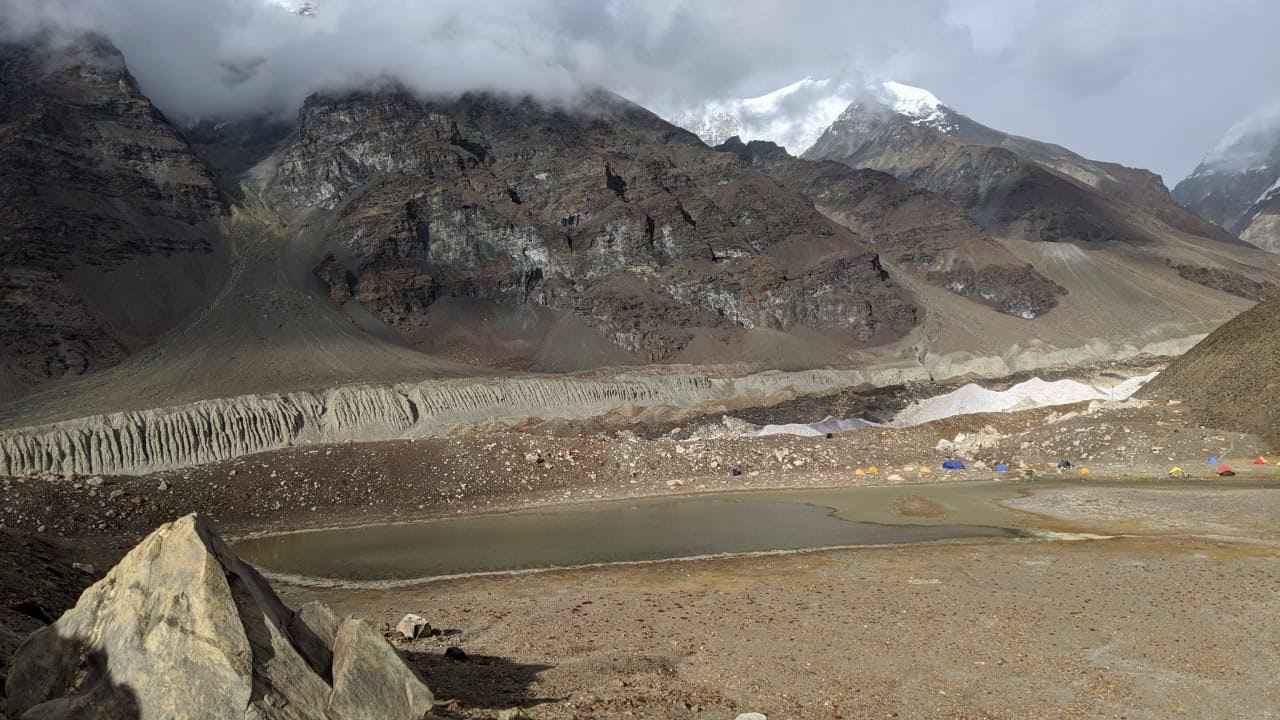
From base camp, exploration is not about reaching a fixed point, but about understanding the terrain. You can move further toward the glacial moraine systems, walking along unstable rock, crossing meltwater streams, and approaching the lower edges of the glacier that feeds the valley.
On a clear day, the amphitheater of peaks opens up:
Nanda Devi East stands sharp and defined
The greater Nanda Devi may reveal glimpses of its upper ridges—never fully, but enough to understand its scale
Maiktoli and surrounding unnamed ridgelines form a continuous wall of ice and rock
Glacial systems flow down from these peaks, feeding the Pachhu Valley below
Exploration here is limited not by distance, but by terrain and safety. Trekkers can move a few kilometers into the valley, but beyond that, the ground becomes increasingly unstable—loose moraine, hidden crevasses, and rapidly changing weather make further movement risky without technical gear.
This region carries the memory of older routes—ancient trade paths that once connected the Johar Valley to Tibet, now largely abandoned but still traceable in fragments.
It also sits close to some of the most legendary high-altitude routes in Indian mountaineering:
Traill’s Pass (5,312 m) — an old trans-Himalayan route connecting Kumaon to the Milam Glacier region
Thompson’s Gate — a high and rarely attempted passage used in exploratory expeditions To Sunanda Devi summit.
Even today, expeditions in this region demand respect. The terrain has not softened with time. Standing here, you understand something clearly — this is not a place built for movement. It is a place that allows it, briefly.
The experience is not about how far you go, but how deeply you observe. The silence here is not empty. It is controlled, powerful, and constant.
The descent toward Martoli is not just a change in altitude—it is a shift back into human history.
As you move down from base camp, the stark glacial terrain slowly softens. The valley widens, the grasses return, and the river once again becomes a guiding presence instead of a distant force.
Martoli appears gradually—not as a village in the usual sense, but as a landscape shaped by settlement. Set on a broad, open plateau above the valley, Martoli is surrounded by sweeping alpine meadows, with uninterrupted views of peaks like Nanda Devi East, Nanda Kot, and distant glaciated ridges.
The geography here is striking—wide, exposed, and open to the sky. Unlike the enclosed feeling of forested valleys, Martoli feels expansive, almost wind-swept, with nothing blocking your line of sight for kilometers.
The village itself carries a different kind of presence. Stone houses, many now abandoned or partially broken, stand as remnants of a time when this was a thriving hub on the Indo-Tibetan trade route. The Johari community once moved through these valleys seasonally, trading salt, wool, and goods across high passes. Today, only a few families return seasonally. The rest of the village exists in quiet memory.
Walking through Martoli, you notice details — wooden carvings on old doors, prayer flags fluttering in the wind, and open fields that once held activity but now hold silence.
But the mountains remain unchanged. They stand close here—not distant, not hidden. And for the first time in the journey, the scale of the Himalayas feels both accessible and overwhelming at the same time.
Martoli is not just a stop on the descent. It is where the valley tells you what it used to be—and what still remains beneath the silence.
This day brings you back—but not in a straight line.
Depending on road and weather conditions, you trek down to the nearest accessible point—Rilkot or Bugdiyar—and then drive back toward Munsiyari.
The descent feels longer, not physically, but mentally. The valley that once felt vast now feels familiar.
The Gori Ganga flows beside you again, but its sound now carries memory instead of introduction.
By the time you reach Munsiyari, the peaks stand the same—but your understanding of them does not.
This day exists because the mountains do not follow schedules.
Weather in the Johar Valley is unpredictable—cloud cover, mist, and sudden shifts can hide the peaks for days. This buffer allows space for patience—for waiting at base camp, for another chance at clear views, or for deeper exploration of the valley.
If everything goes perfectly, this day becomes a gift—time to explore more of Martoli, Ghangar, or simply sit in silence and absorb what the journey has already given you.
Because in the Himalayas, the best experiences are rarely the ones that are planned.
✅The Johar Valley was once a major Indo-Tibetan trade route used by the Bhotia community.
✅Martoli village still has centuries-old stone houses and shrines dedicated to Nanda Devi.
✅Nanda Devi East(7,434 m) - also known as - Sunanda Devi is the twin peak of India’s iconic Nanda Devi massif (7,816 m).
✅The Gori Ganga valley is shaped heavily by glacial erosion and monsoon landslides.
✅Ganghar meadows offer one of the best close-up views of Nanda Kot (6,861 m).
Route Map
How to reach
✈️ Air:Nearest airport: Pantnagar Airport – 330 km from Munsiyari. Taxis available.
🚆 Train:Nearest major railway station: Kathgodam. From there, take a shared cab or private taxi to Munsiyari (10–12 hrs).
🛣️ Road:From Delhi: Overnight bus to Haldwani/Kathgodam, then taxi to Munsiyari. From Almora: 8–9 hrs via Thal.
🗺️ Travel Tip:Arrive in Munsiyari one day early to rest and prepare for the long trek ahead.
Gallery
TrekFAQs
This trek is suited for trekkers with good fitness and prior experience in high-altitude Himalayan treks. The route covers rocky trails, riverbeds, moraines, and long days of trekking, so a sense of adventure and endurance is essential.
The trek spans 7-8 days, with daily distances ranging from 7 km to 18 km depending on the terrain. Some days involve steep climbs, boulder-hopping, and moraine navigation, so trekking poles and proper pacing are recommended.
Rated as a challenging trek, Nanda Devi East Base Camp demands stamina, balance, and basic high-altitude trekking experience. Prior Himalayan treks or exposure to multi-day treks at altitudes above 3,000 m will help in managing the route comfortably.
The ideal windows are late spring (May–June) and post-monsoon (September–October). During these months, the weather is relatively stable, and the trails are accessible, though occasional snow or landslides may affect certain sections.
The trek reaches up to 4,800 m at the Nanda Devi East Advanced Base Camp. At this altitude, symptoms like mild headache, shortness of breath, or fatigue can occur. Proper acclimatization in Munsiyari and Martoli, along with hydration, is crucial to minimize altitude sickness.
Accommodation is a mix of basic tea-houses, tents, and guesthouses in villages like Lilam, Bugdiyar, Rilkot, and Martoli. Meals include wholesome local dishes like chapatti, lentils, vegetables, Maggi noodles, eggs, and tea. At remote camps, you’ll prepare meals with guidance from the trekking team.
Yes, essentials include layered clothing, waterproof jackets, trekking boots, trekking poles, sleeping bags, gloves, and sunglasses. Carry high-energy snacks, personal medicines, and minimal luggage for the porters. Detailed gear lists are provided prior to departure.
Travel insurance is not included by default. It should cover emergency evacuation, medical expenses, and high-altitude trekking risks. We strongly recommend securing comprehensive insurance before the trek.
Experienced guides accompany all groups, with knowledge of local terrain, weather patterns, and emergency protocols. The team carries first-aid kits, and communication with Munsiyari and ITBP posts is maintained in case of emergencies. Porters and mule support are available along the route.
Respect village traditions and religious sites, dress modestly in villages, and seek permission before taking photographs. The Nanda Devi region is home to Johari communities, who maintain ancient customs and live in harmony with nature.
Minor issues like blisters, fatigue, or mild altitude sickness are managed by guides and first-aid kits. For serious issues, evacuation is coordinated via ITBP posts or nearest roadheads. Always inform your guide about pre-existing medical conditions.
Yes. Trekkers may spot bharal (blue sheep), long-haired goats, and occasionally leopards from a distance. Seasonal flora like alpine meadows, rhododendrons, and snow bridges add to the breathtaking natural experience.
Mobile network is available only until Munsiyari. Beyond that, the trail is off-grid. Inform family in advance and carry necessary emergency contacts.
Yes. Staying at Munsiyari and Martoli for a day each helps your body adjust to altitude, reducing risks of sickness and improving your trekking experience.
Yes, mule or porter support is available on certain sections, particularly between villages and base camps, with prior arrangement and booking.
Helpful Resources
Explore our collection of trek-specific guides and practical articles covering preparation, mountain safety, gear, weather, permits, logistics, and more—designed to help you make informed decisions before every Himalayan adventure.
Flagship Guides
Why Deoriatal–Chandrashila Is a Complete Himalayan Experience for Beginners
Discover why the Deoriatal–Chandrashila trek is one of the most rewarding introductory Himalayan treks. From the reflections of Chaukhamba in Deoriatal Lake and the forests and birdlife of Chopta to the sacred Tungnath Temple and the panoramic Chandrashila summit, explore its villages, landscapes, comfortable stays and seasonal beauty in spring, winter and autumn.
Flagship Guides
Himalayan Trekking Safety: How Planethimalayas Manages Risk on Every Trek
Himalayan trekking safety starts long before a trekker steps onto the trail. Discover how Planethimalayas approaches mountain safety through trained trek leaders, acclimatization protocols, technical and rescue equipment, small groups, communication planning, and disciplined decision-making.
Flagship Guides
Responsible Trekking in the Himalayas: How Planethimalayas Practices Sustainable Travel
Responsible trekking is more than carrying a waste bag down a mountain. Discover how Planethimalayas approaches sustainable trekking through practical waste reduction, respect for local cultures, protection of water sources, minimal disturbance to wildlife and ecosystems, and responsible behaviour in the Himalayas.
Explore the Kumaon Himalayas with this complete trekking and travel guide. Discover offbeat treks, Nanda Devi region, hidden valleys, ghost villages, and the best trekking routes in Kumaon with Planethimalayas.
Trek Guides
Best Summer Treks in the Himalayas (May–June): Snow, High Passes & Endless Days
Discover the best summer treks in the Himalayas (May–June), from snow-covered trails to lush alpine meadows. Explore beginner-friendly treks with detailed insights and prepare for the ultimate trekking season.
Trek Guides
Best Post Monsoon Treks in India (September–December): The Complete Autumn Himalayan Trekking Guide
Discover the best post monsoon and autumn treks in India from September to December. Explore Himalayan high passes, alpine valleys, glacier trails, autumn forests, alpine meadows and crystal-clear mountain views across Himachal Pradesh, Uttarakhand, Kashmir, Ladakh and Sikkim.
Preparation Tips
Mountain Manners - Responsible Trekking (LNT Principles & Best Practices)
Learn the essential Leave No Trace (LNT) principles for responsible trekking in the Himalayas. Discover how to respect nature, minimize impact, and preserve mountain beauty for future generations.
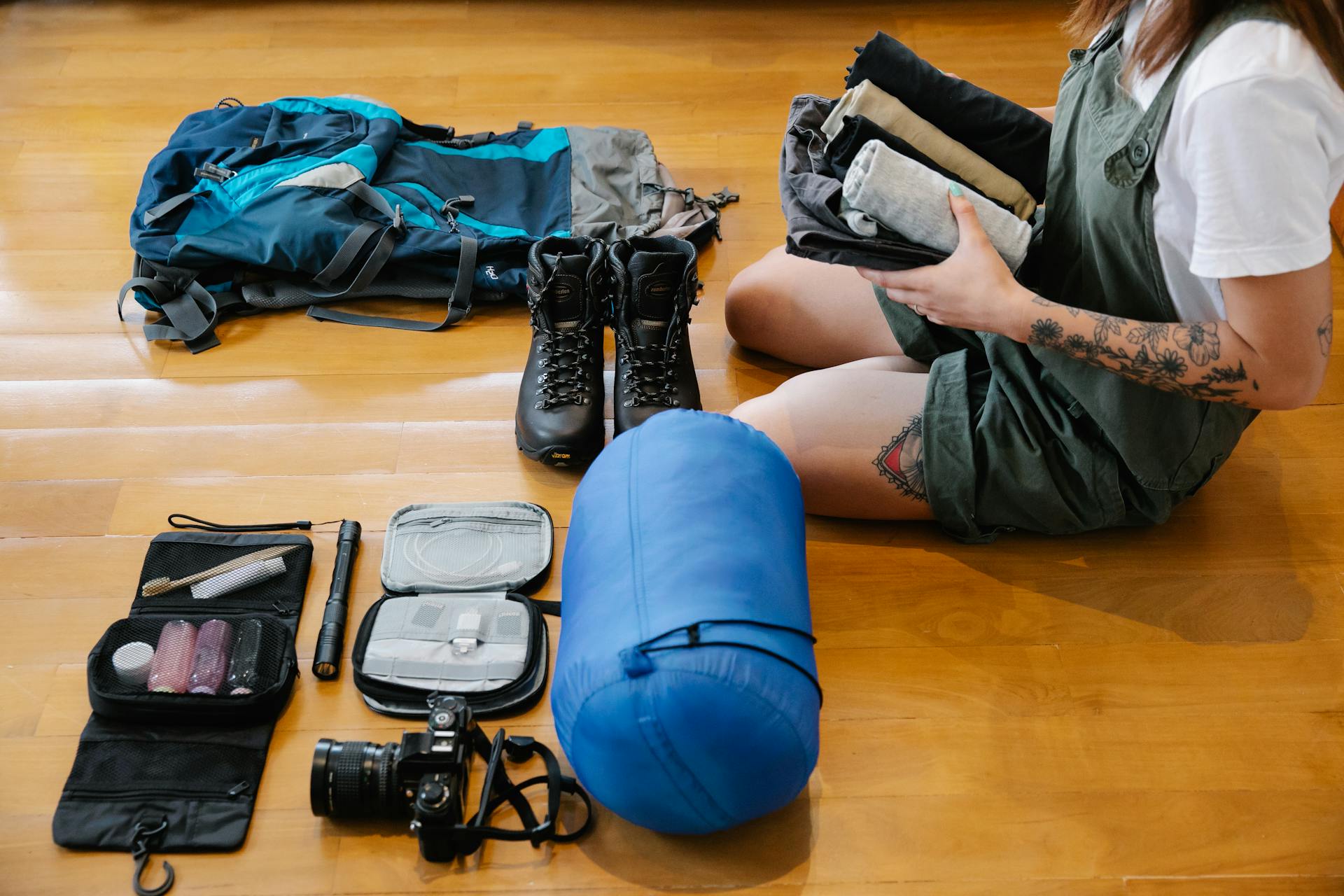
Packing smart is the key to a safe and comfortable trek. Here’s a complete checklist of everything you’ll need for a week-long Himalayan adventure. Download the full PDF packing list inside.
Health & Wellness
AMS - Acute Mountain Sickness
If you’re planning a high-altitude trek in the Himalayas, it’s important to understand one of the most common health risks in the mountains: Mountain Sickness, also known as Acute Mountain Sickness (AMS).
Health & Wellness
Preventing AMS-Mountain Sickness
Trekking in the Himalayas is an unforgettable experience—but it comes with a silent danger: Mountain Sickness, also known as Acute Mountain Sickness (AMS). The good news? With the right precautions, mountain sickness is completely preventable.
Health & Wellness
Advanced Health & Survival Guide for Himalayan Treks (Real Problems Trekkers Face)
A deep dive into real health challenges faced on Himalayan treks — from gut issues and menstrual health to sleep deprivation, infections, and mental health. Practical solutions based on real trekking scenarios.
Pin Parvati Pass — my first trek and expedition ever. 🏔️ I first heard about Planethimalayas through a few friends, and what an experience it turned out to be! Pin Parvati Pass is one hell of a ride. It’s not just another trek — it demands immense physical strength, mental resilience, and the right knowledge to be out there for 10 days in such challenging terrain. A huge part of this experience goes to Kamal and the entire team. Kamal was not just our leader, but more importantly, a great companion throughout the journey. What I appreciated most was that he never treated us like clients. There was no unnecessary strictness — just the right balance of discipline, guidance, support, and freedom to experience the mountains. With the team’s guidance and encouragement, I discovered a lot about my own potential and what I’m capable of pushing through. Can’t thank you guys enough for making my first expedition such a memorable one. ❤️ More adventures to come. ⛰️
I had the best experience with Planethimalayas. I went on Pin Parvati trek this august with them which is for sure a very challenging trek, however because of the great organization, well arranged team and the best trek leader you could ever wish for, Kamal Ji, this was something I will never forget!!!! There isn’t anything which could or should have been done differently. I felt safe all the way throughout. I’d also like to mention that i was the only female in the team and was so well looked after. Everyone looked after me like one big family, just like Kamal feels like a big brother to me now. It was my second trek with Kamal, and im a 1000% sure it wouldnt be my last. Thank you for everything Planethimalayas and Kamal in special! ❤️
Had the best experience with Planethimalayas. I did the Pin Parvati trek with them and everything was organised so well. We had very experienced guides, incredible porters and the best chef!! The food was actually even better than in most restaurants. Big thanks to the trek leader Kamal Ji who is such a genuine and knowledgeable soul. He made this trek even more special than it already was. Thanks for everything Planethimalayas!!
Abhay Poddar
Pune
★★★★★
The experience with Planethimalays on the Beas Kund Trek was really Great. I took a group of College students on a Himalayan Trek for the 1st Time. Everything was planned very well. The 2 female guides Raksha and Deepika ensured the group especially the girls were made comfortable. The safety of the group, food and tents were all araangd very well. Looking forward to trekking with them next year too.
We had an amazing experience with Planethimalayas organized by Kamal sir. Everything from stay and food to overall arrangements was perfectly managed. Manish, Satish and Ashish were extremely supportive throughout the trip. We completed Tungnath and Deoriatal treks, and the food was simple, local, and delicious. The beautiful Sari village visit was truly beautiful my parents even walked 5 km, which was a big surprise for us! The itinerary was very thoughtfully planned and suitable for my parents as well as my little one. Highly recommended for all kind of treks in the Himalayan ranges!
Kamal Das the leader and founder is a great person and had good knowledge about the route. The food was great and the stays were comfortable which was above the expectation in that altitude. Thanks to Planethimalayas.
I did the Kashmir Great Lakes trek with Kamal. This was such an unforgettable experience. Kamal is such an amazing guide. He told us so many interesting facts, I had beautiful deep talks with him about the mountains and listened to many of his stories about the experiences he's had while trekking. He's such a genuine and pure soul. I was the only female in the team, but not once I felt uncomfortable or left out. Everyone was incredibly respectful and nice. We were allowed to walk on our own pace and didn't feel rushed or pushed. Everyone can do the trek as they want, in the way they want. He respects you and really goes out of his way to make you enjoy the most. Till this day he's still a dear friend of mine and I hope to have the privilege to go to the mountains again, together with him. If you're planning to do a trek, definitely do it with Kamal — he will 100% make sure this trip is something you'll never forget.
I had some nerves about going on a trek solo but Kamal took excellent care of me and made sure I felt safe and looked after. He was able to customize the trek to my needs and we went on lots of side quests to explore the area. Kamal is very knowledgeable and has some fantastic stories to tell, so was the best company the entire time — it felt like I had friends adventuring with me! Thanks again :)
Amazing staff with good and decent behaviour. Food quality was also very good. Throughout the trek they had taken utmost care of everything. Will definitely plan again with Mr. Kamal Das.
I made friendship with the mountains through Kamal sir’s experience. The moment I met him at my last trek at Kedarkantha, I was impressed by his mountaineering knowledge and friendly nature that this year too (to Tungnath) and every year hereafter I am going to partner him to a new peak and new experiences in those journeys. Kudos to Planethimalayas for the exceptional work in making the love of mountains more accessible and enjoyable.
The trekking experience was absolutely unforgettable. Our guide was friendly and knowledgeable, making the whole journey fun and safe.
How Our Treks Are More Than Just a Trek
Every journey with us is carefully crafted for a deeply personal mountain experience.
Not Just a Trek — A Journey That Stays With You
Every trail we walk is a carefully chosen path into the heart of the Himalayas — not just to witness their grandeur, but to feel them under your skin and soul. Our treks are designed not as bucket list checkmarks, but as life-affirming journeys. At Planethimalayas, we believe a mountain journey is deeply personal — and that belief runs through everything we do.
Individual Care, Every Step of the Way
We keep our groups small and intimate so we can focus on you — your pace, your concerns, your joy. From pre-trek guidance to trail-side support, our leaders walk with intention, offering safety and attention without intrusion. It’s this deep care that turns strangers into friends and walks into memories.
Built on Genuine Love for the Himalayas
We don’t just operate in the Himalayas — we live and breathe them. From respecting mountain communities to following Leave No Trace ethics, our treks are shaped by humility and care. With Planethimalayas, your trek becomes a way of giving back to the mountains that give us so much.
Why Choose Us
Experience the difference of trekking with genuine mountain experts who truly care.
Trek Leader & Guide
Led by certified mountaineers with wilderness first aid training, ensuring your safety and confidence at every step.
Cook & Support Staff
Our mountain crew comprises local experts who bring unmatched experience, warmth, and deep knowledge of the region.
Small Group Size
We cap our group departures at just 8 trekkers — ensuring individual attention, deeper connections, and better trail discipline.
Safety Standards
From personal well-being to technical preparedness, we maintain the highest safety standards — using certified high-altitude gear and comprehensive safety protocols to ensure a secure and reliable Himalayan experience.
24×7 Online Support
We're always available — before, during, or after your trek. Reach out anytime, and you'll always hear back from a real human.
We Care for the Mountains
We strictly follow Leave No Trace ethics. Limited group sizes and mindful practices help protect the fragile Himalayan ecosystem.