• Reporting Location: Hanuman Chatti | Optional transport from Dehradun available.
• Day 1 is the reporting day at Hanuman Chatti. Trekkers can choose to reach the base on their own and get in touch with our team upon arrival, or opt for the optional transport service arranged from Dehradun. The cost of this shared transport is borne directly by participants and will be communicated in advance.
The drive from Dehradun to Hanuman Chatti takes approximately 6–8 hours, covering around 180 km. Depending on road conditions and traffic, the route is taken either via Mussoorie and Kempty Falls or via Vikasnagar and the Yamuna Valley road. The Mussoorie route offers scenic mountain views and forested stretches, while the Vikasnagar route is often preferred during peak traffic hours for a smoother drive.
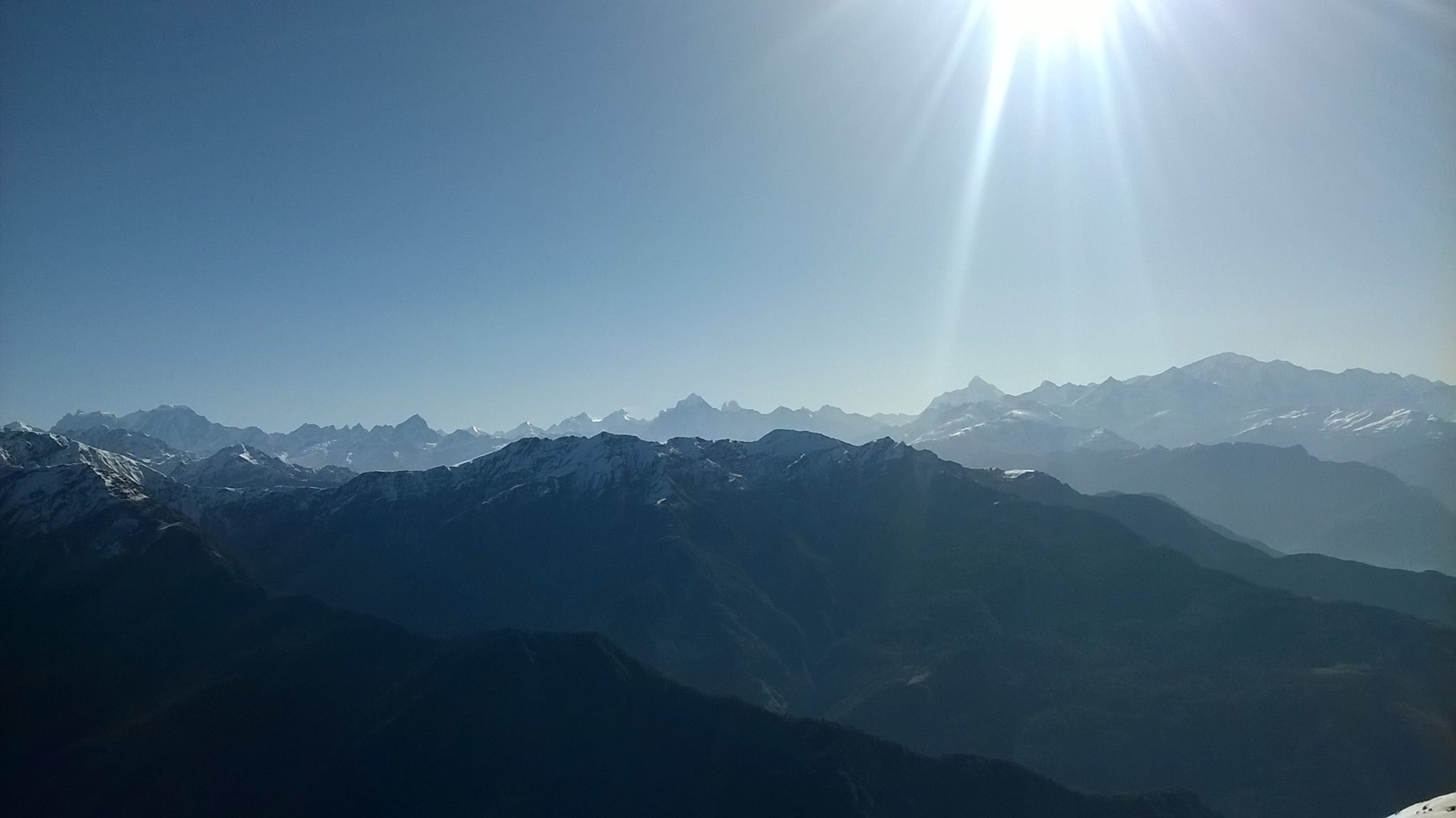
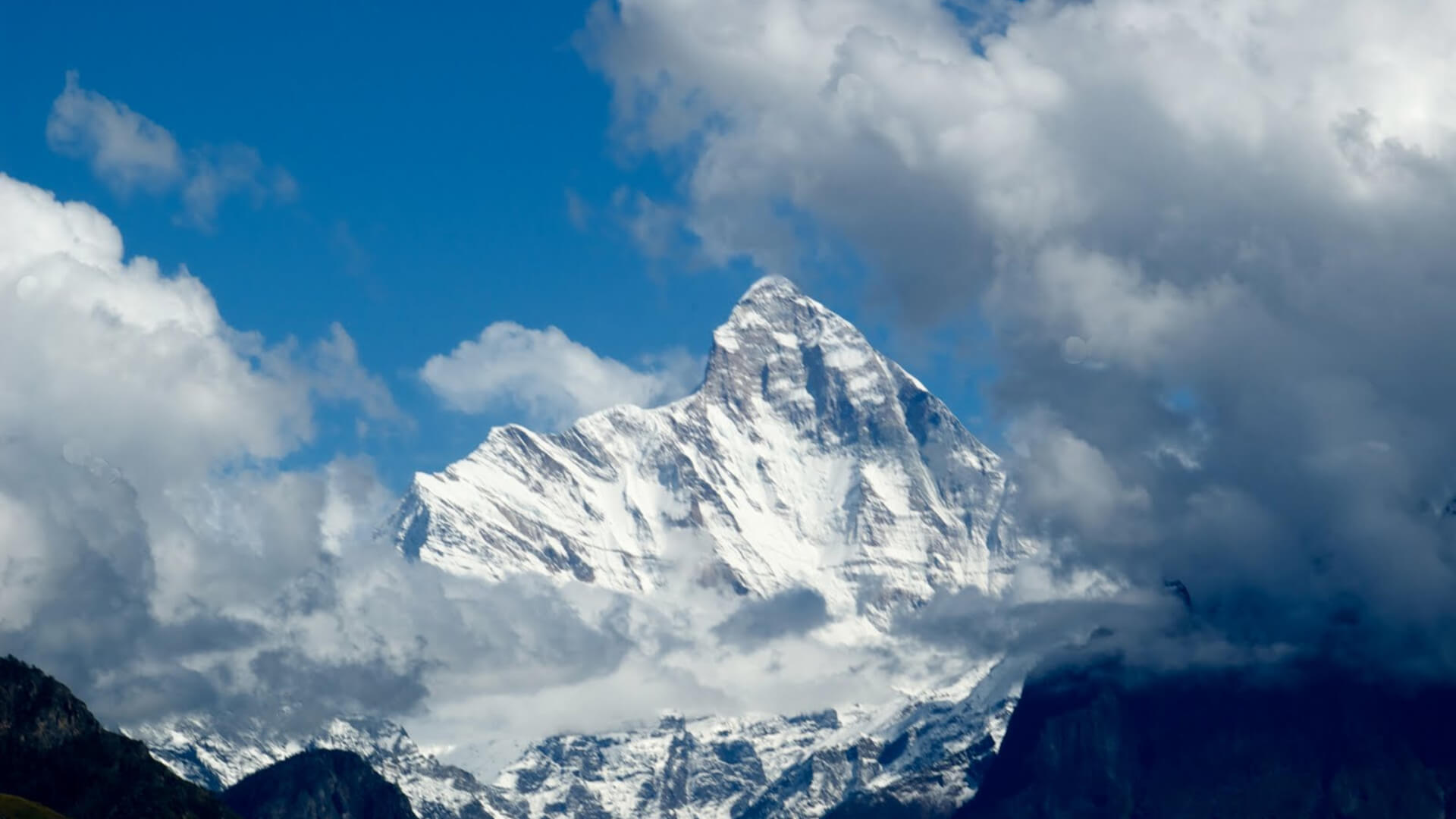
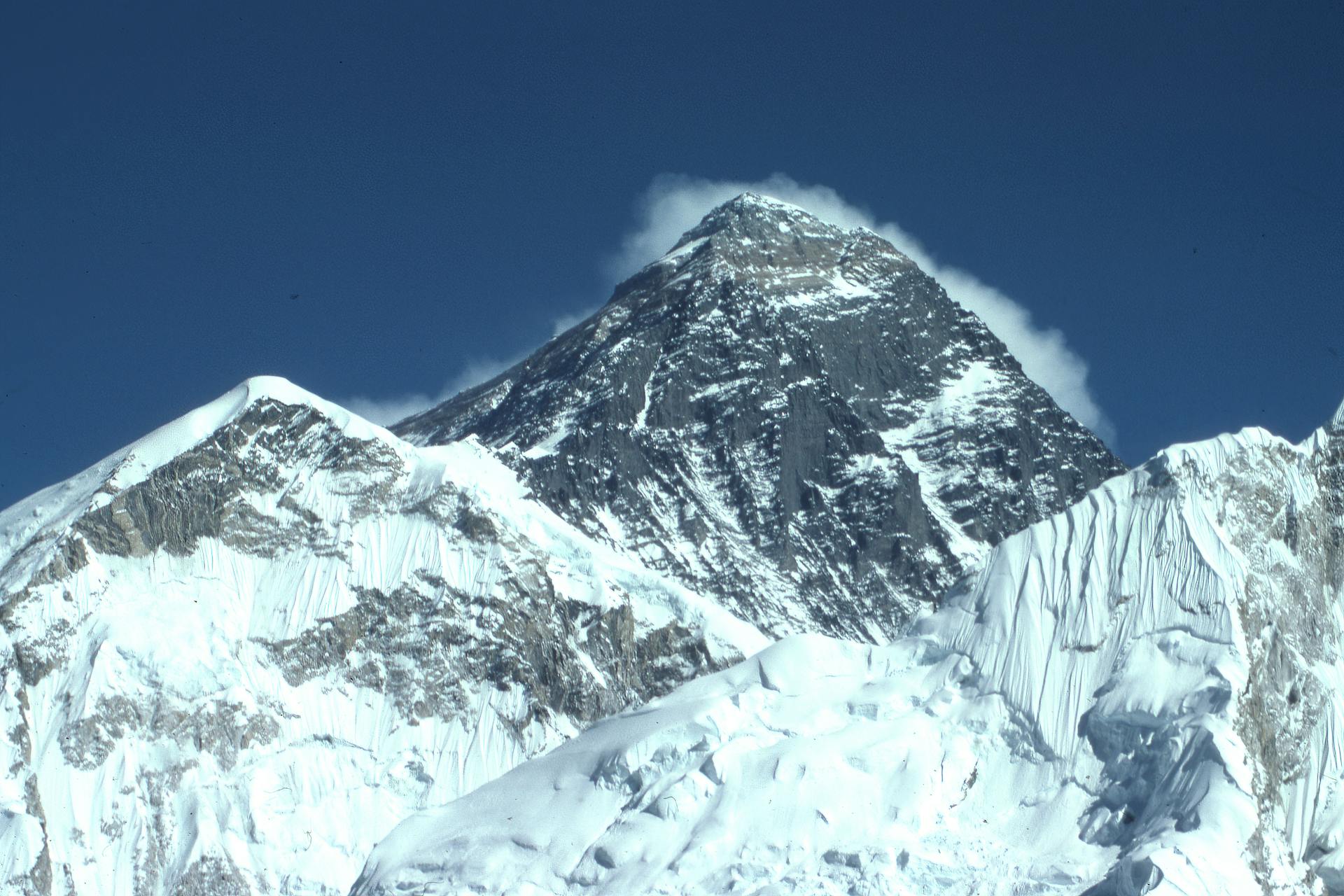
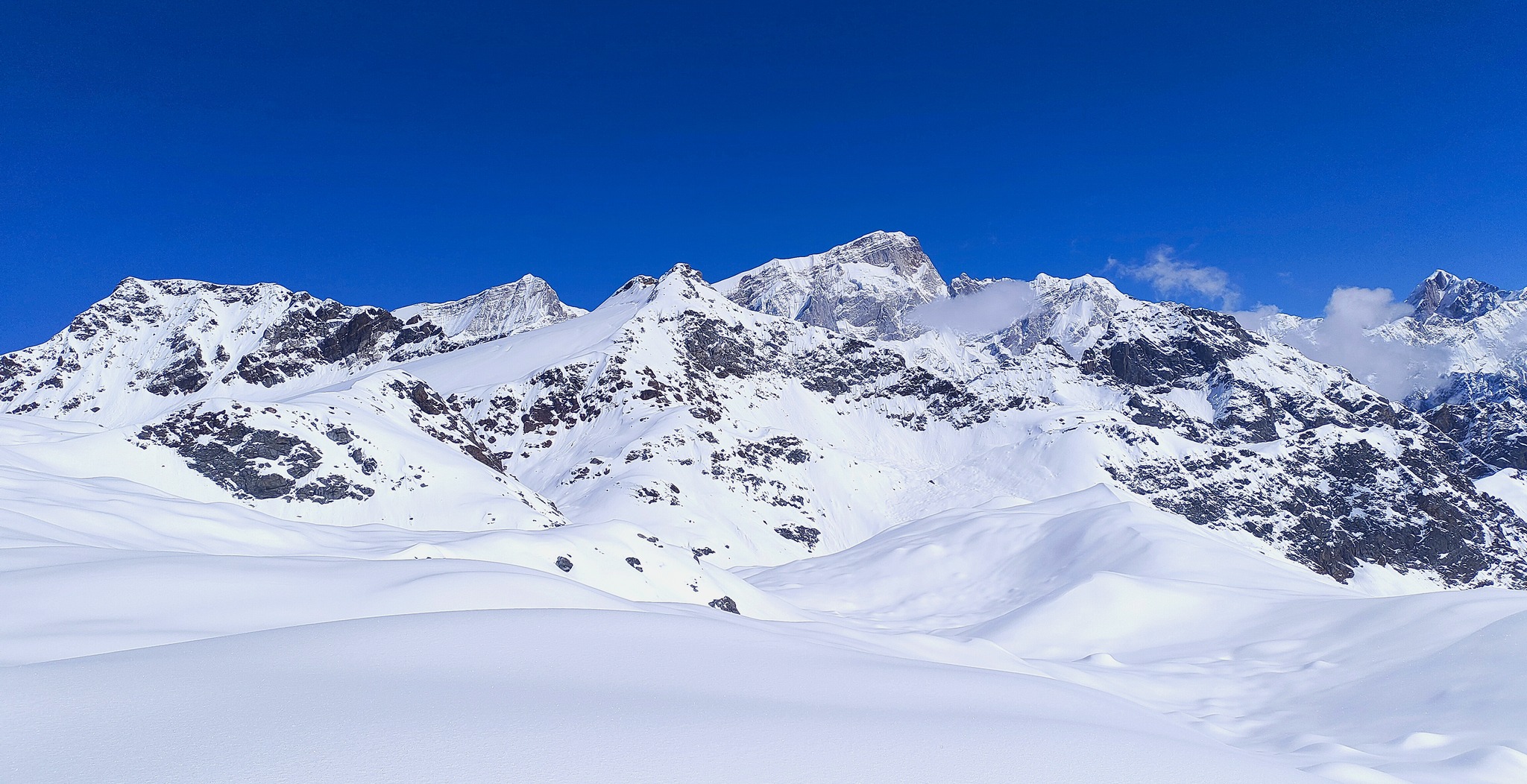
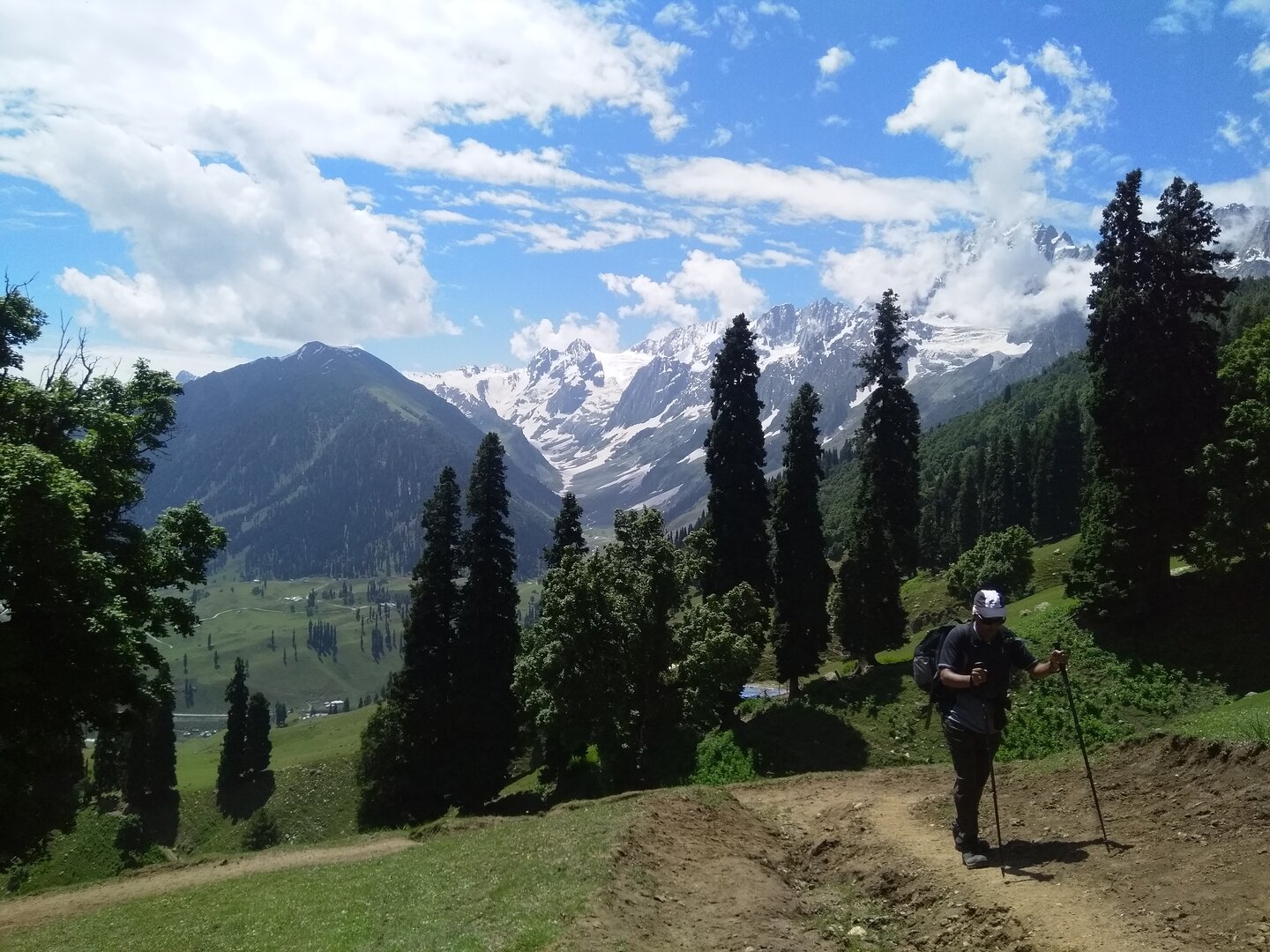
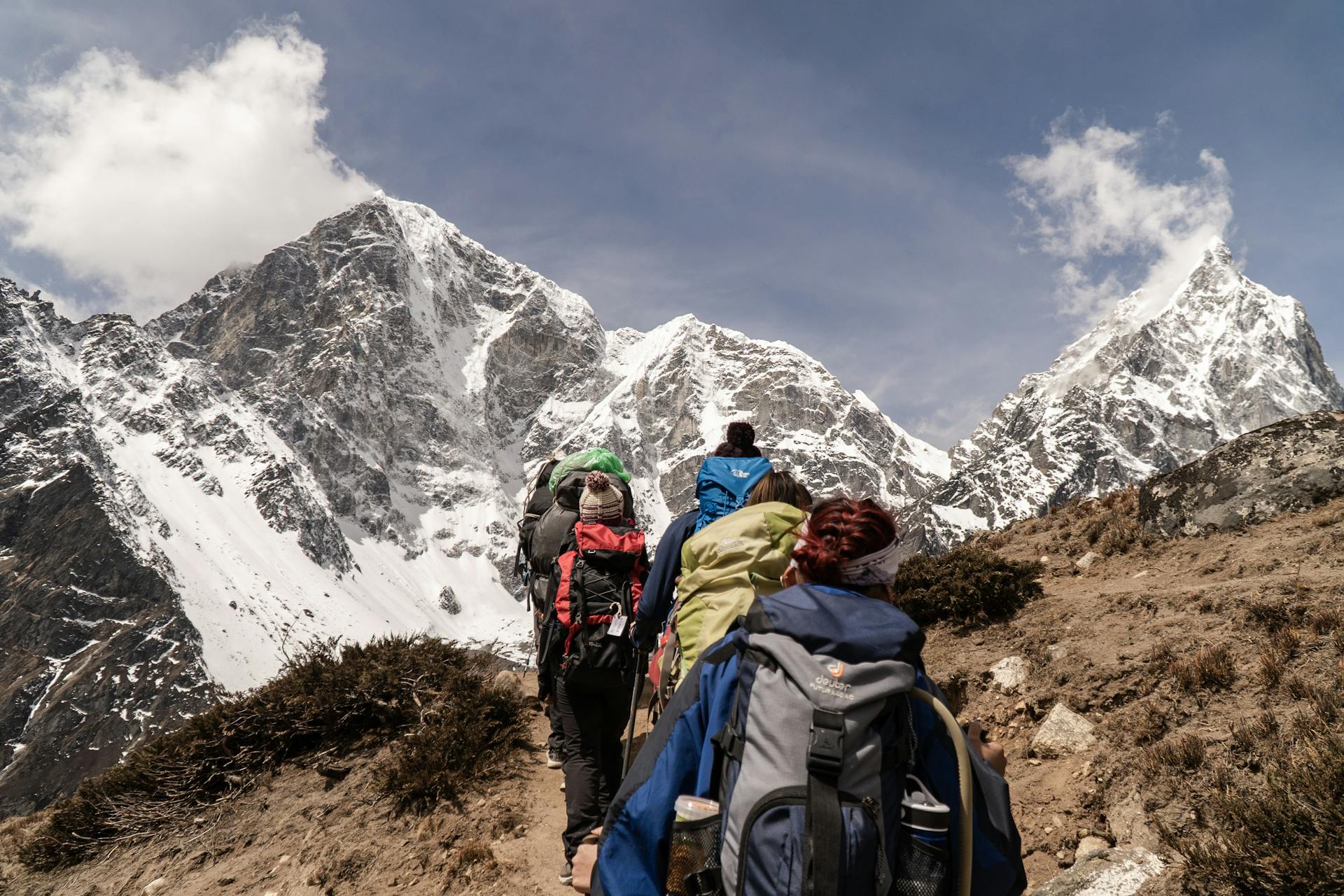
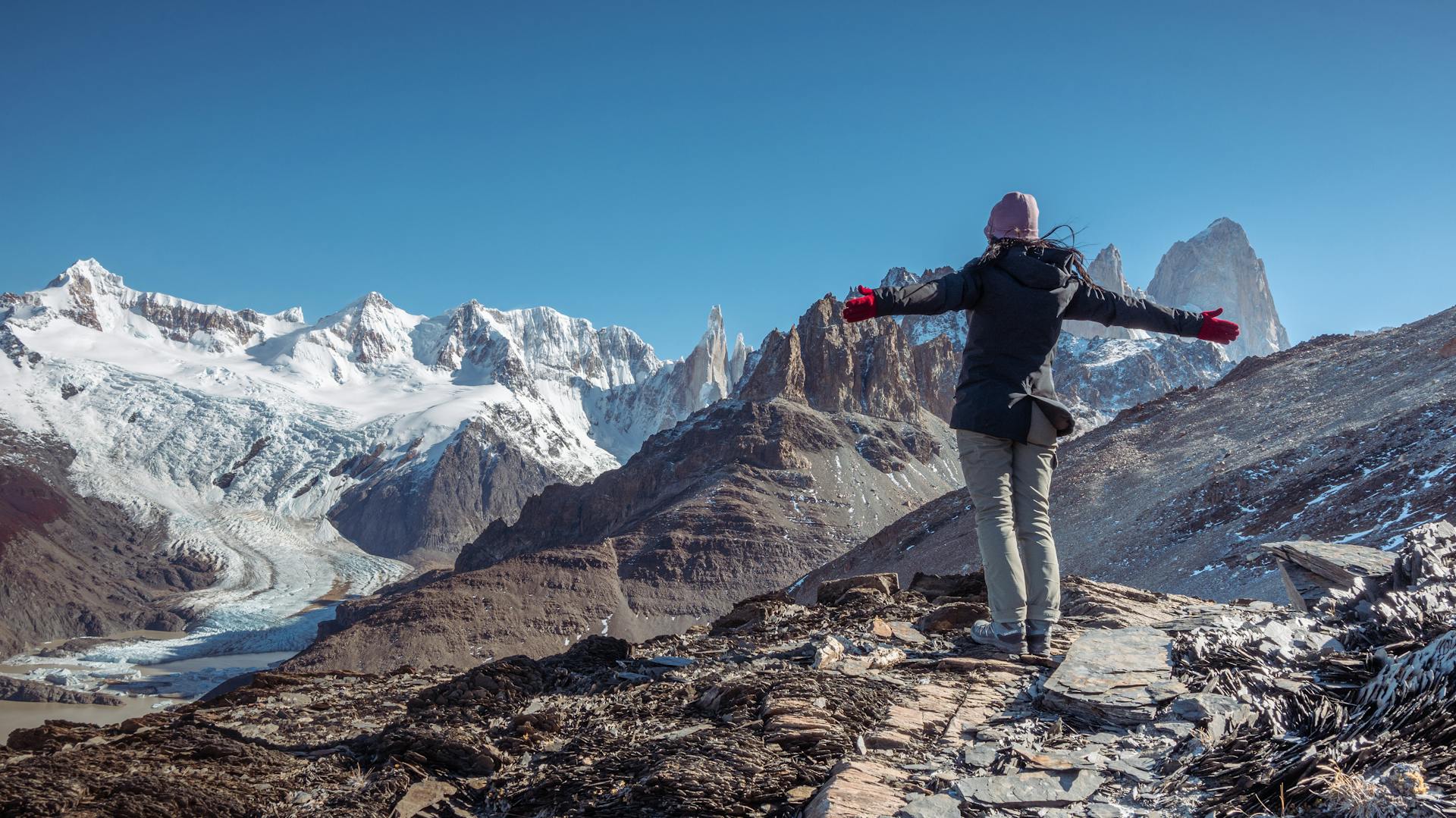
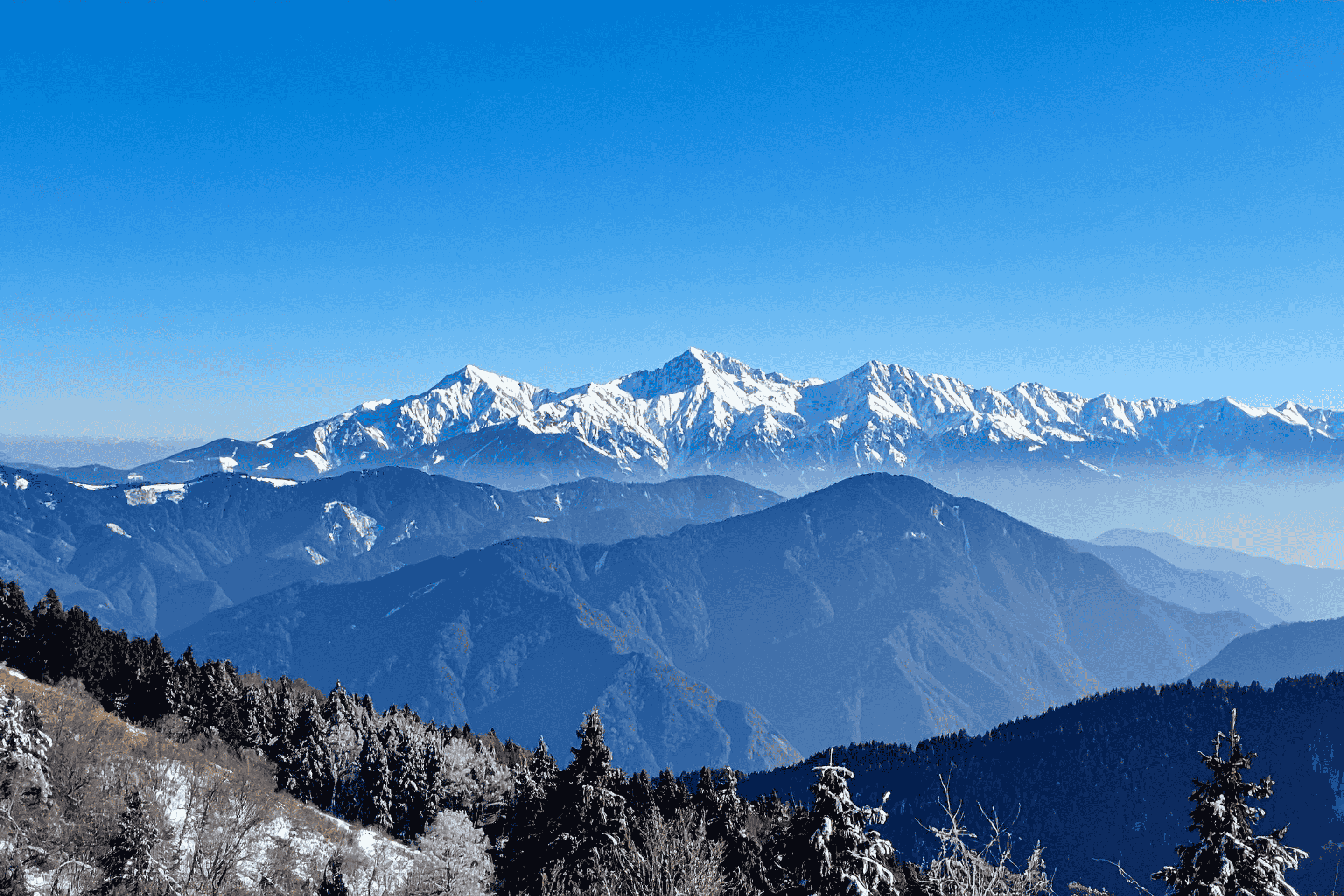
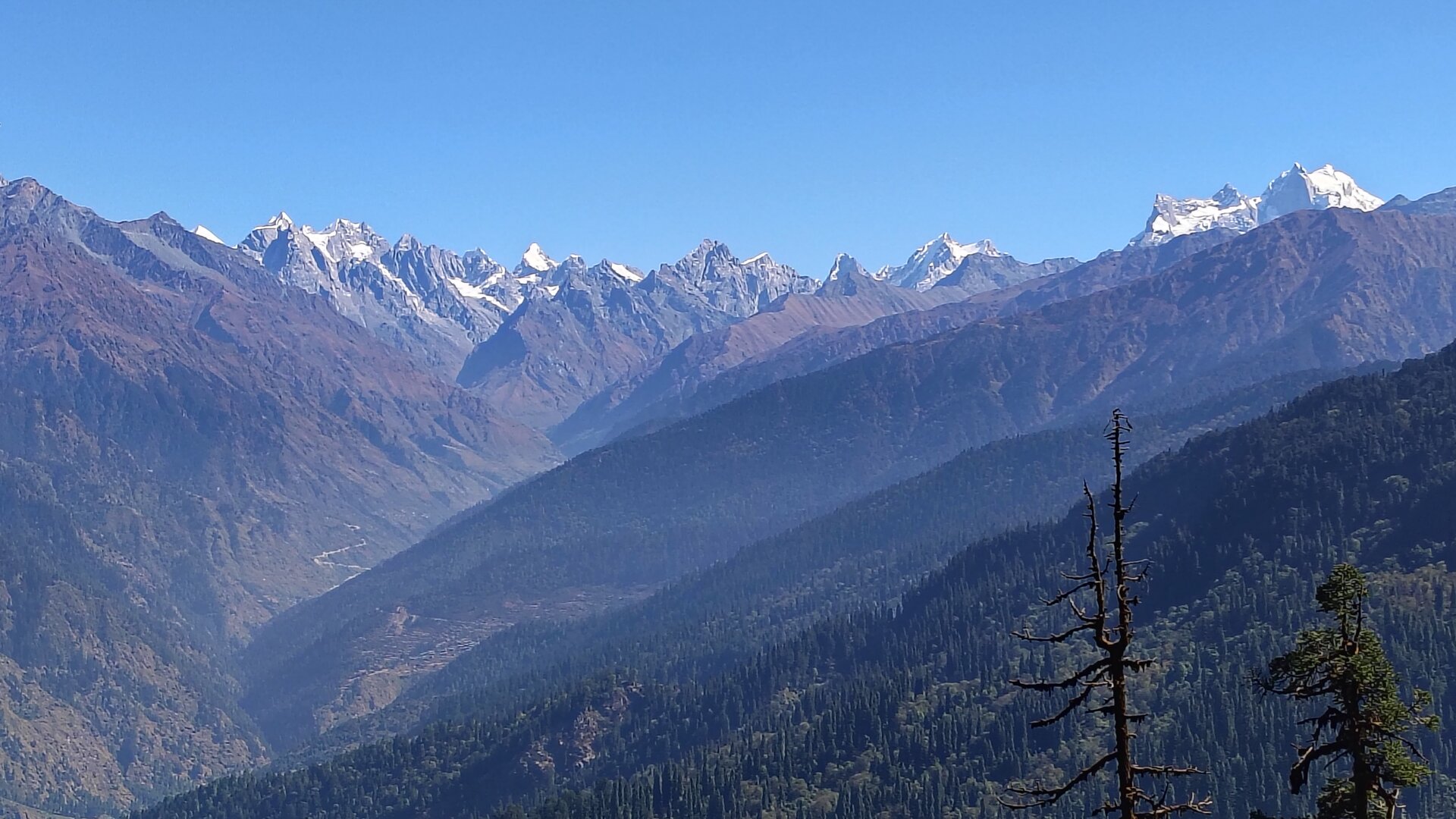
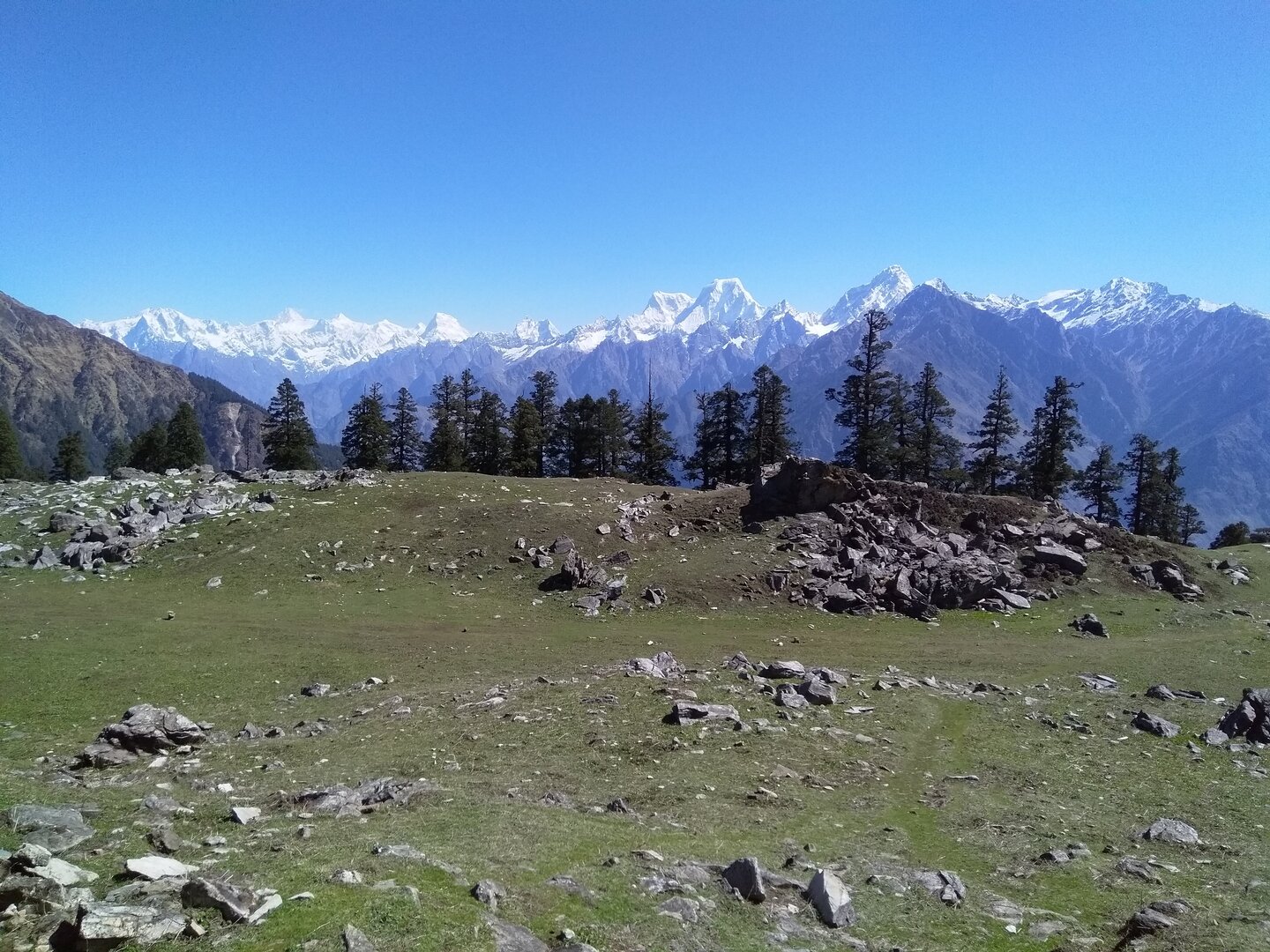
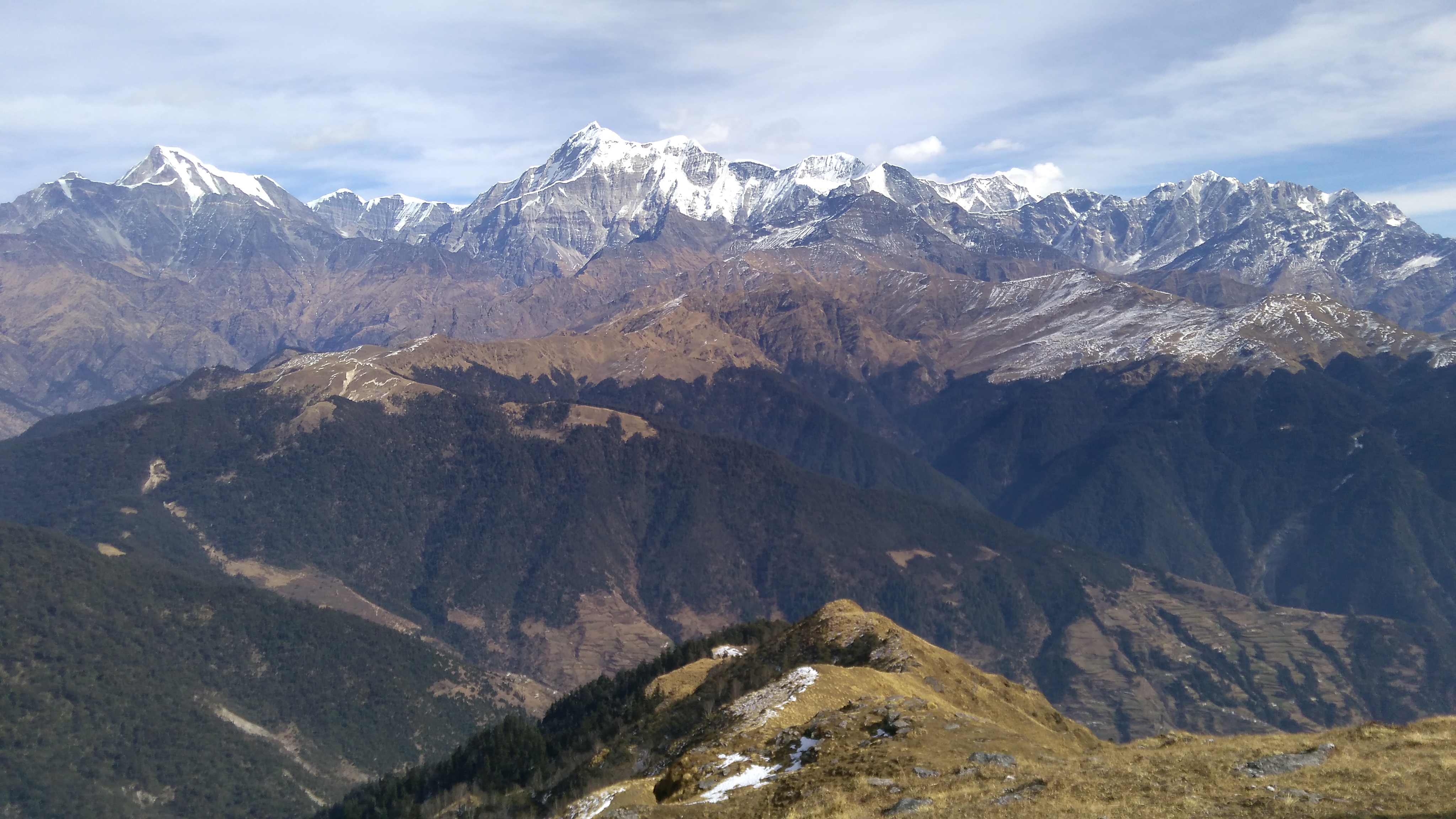
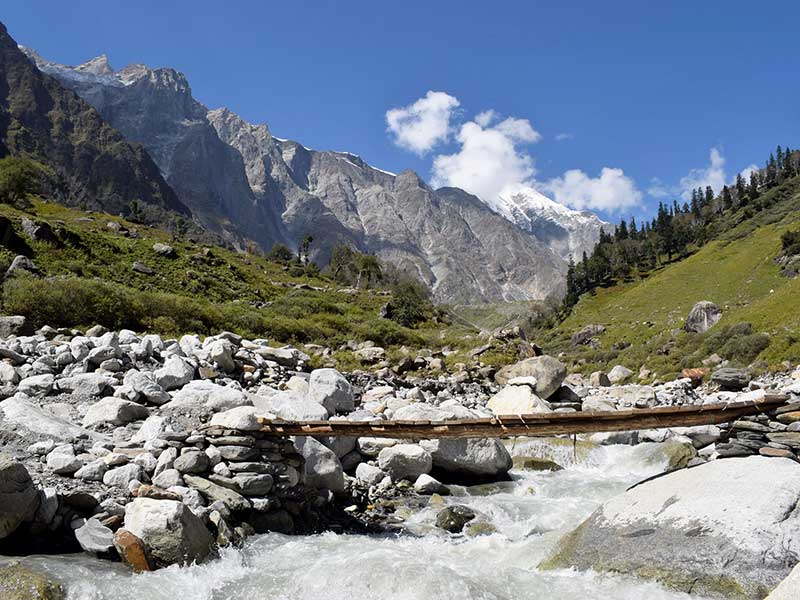
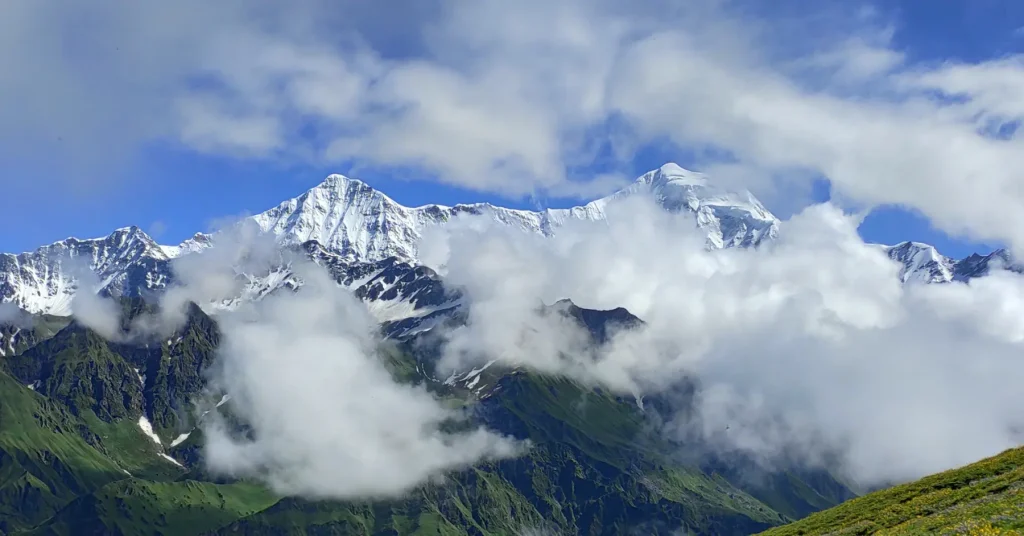
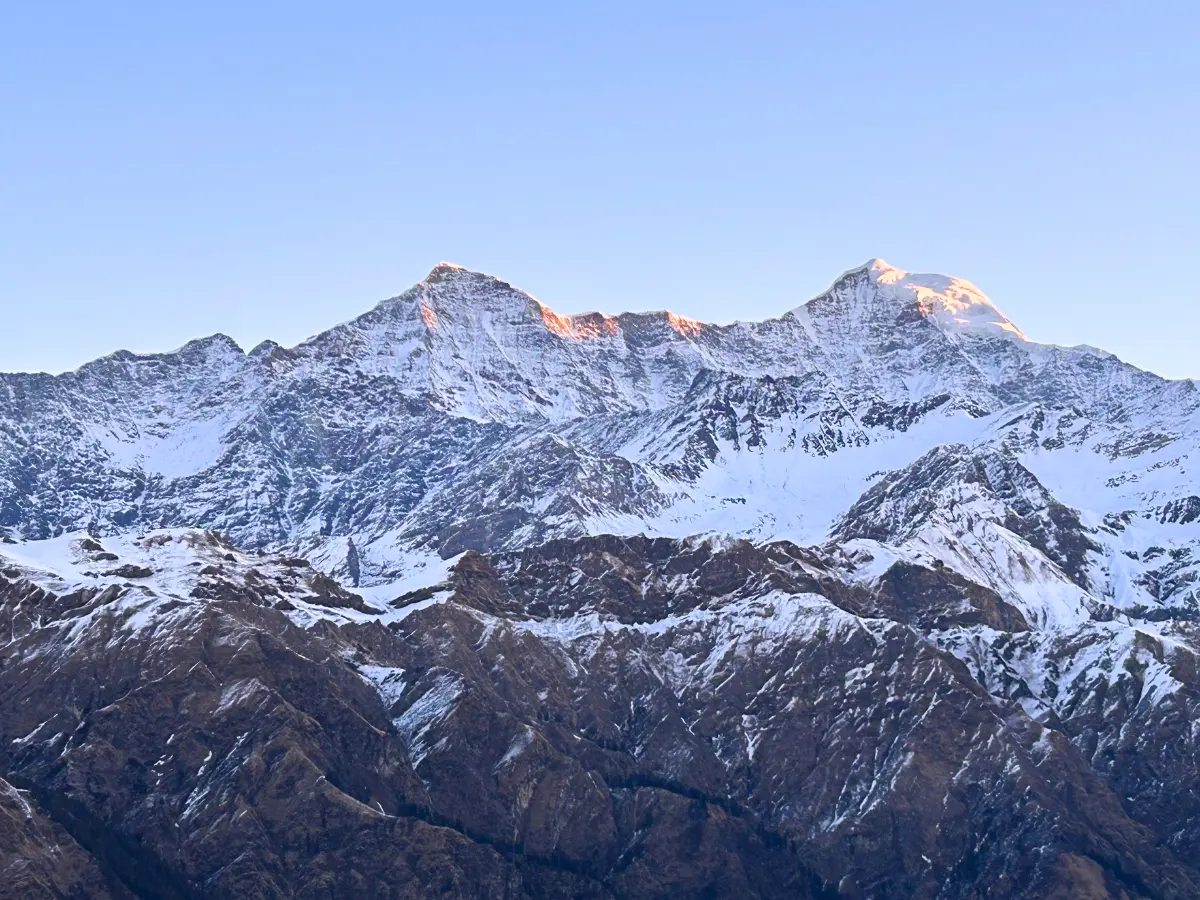
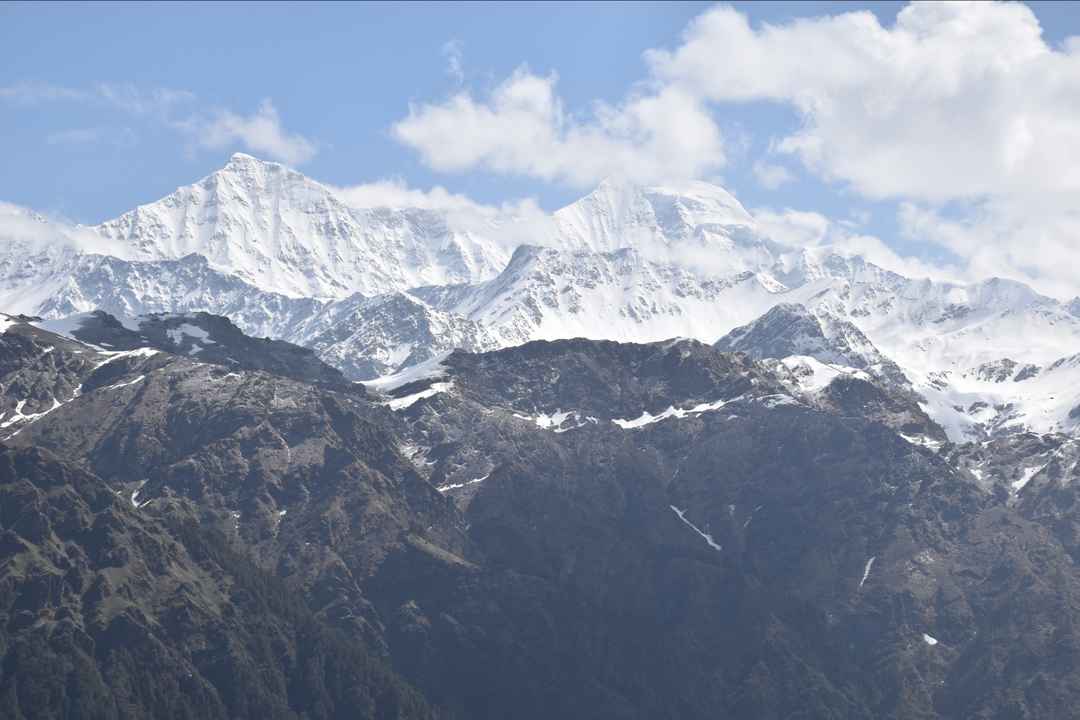
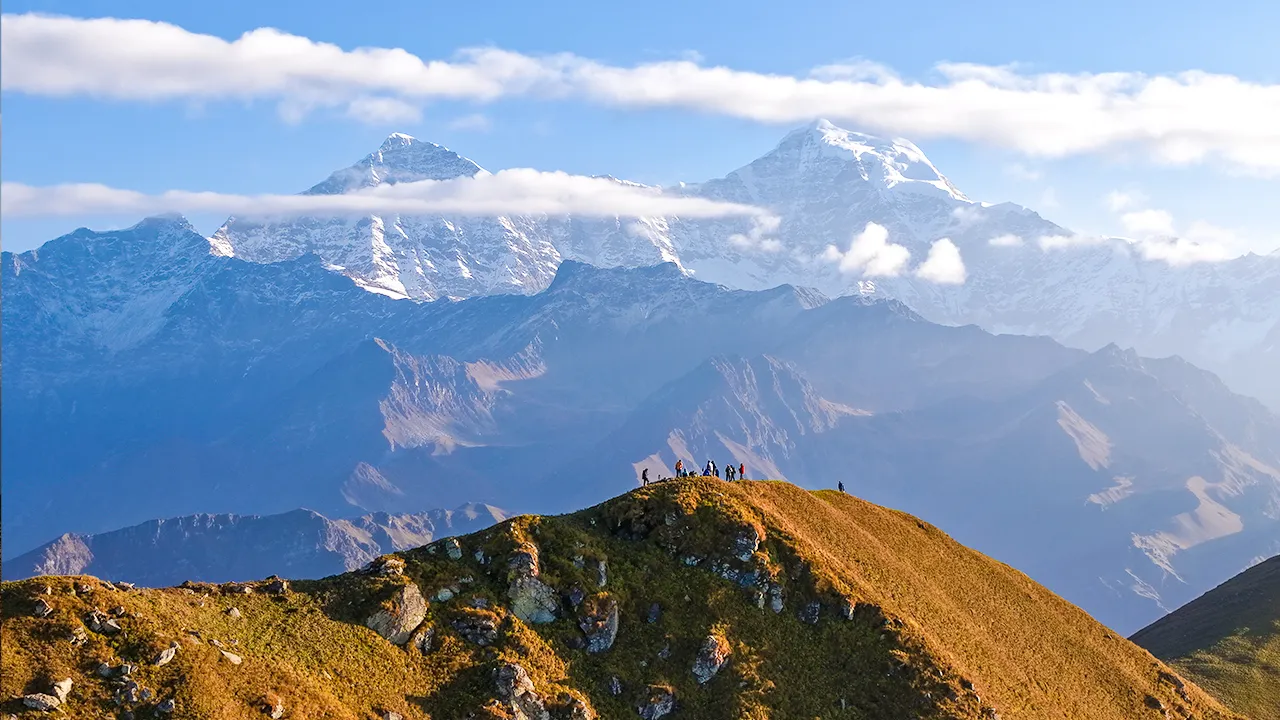
As the road follows the Yamuna River upstream, the surroundings gradually shift from busy hill towns to quieter valleys and dense forested slopes. On clear days, distant views of Bandarpunch Peak begin to appear as you approach the upper valley. Hanuman Chatti lies at the confluence of the Yamuna and Hanuman Ganga rivers and serves as an important base for treks and pilgrimages in the region.
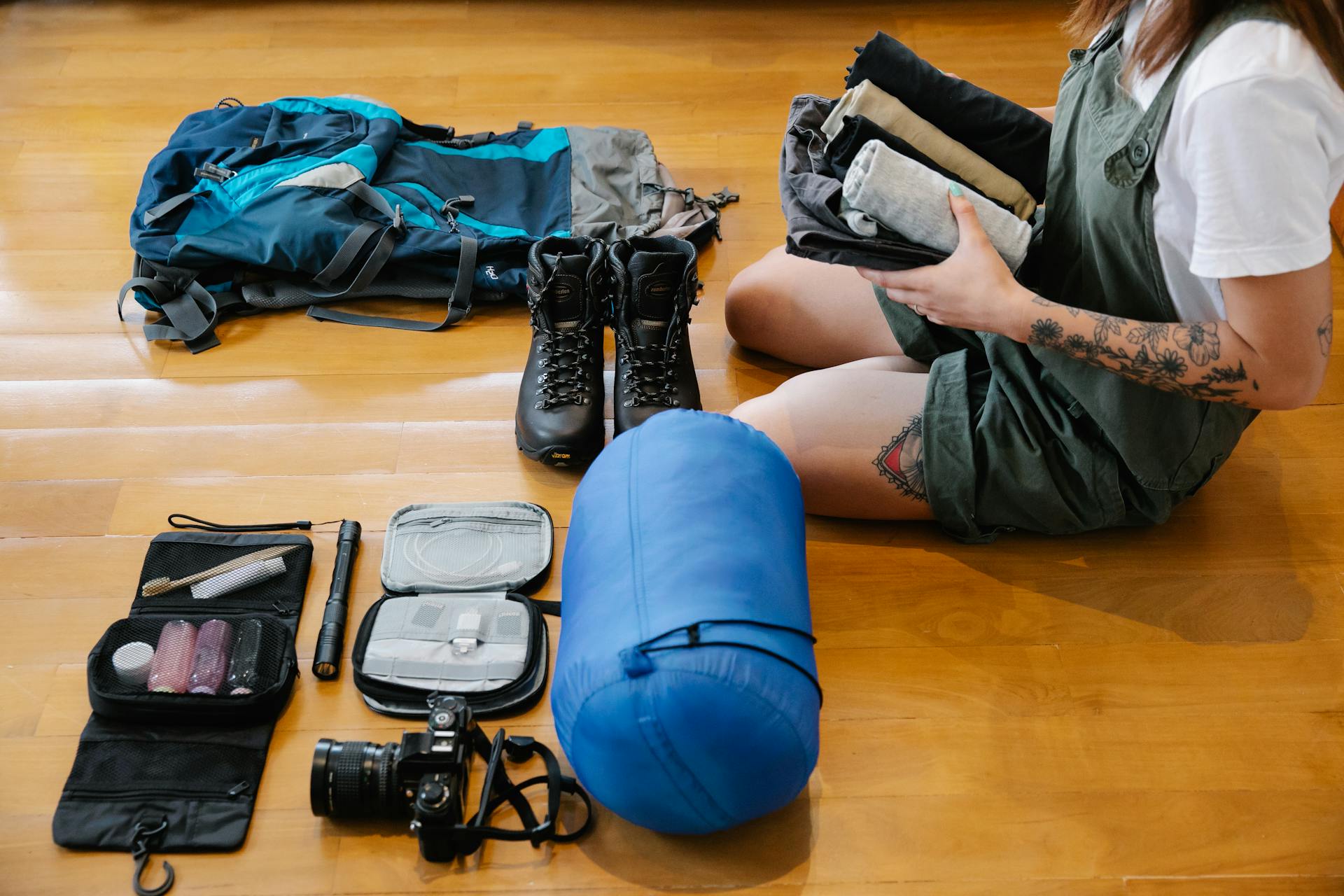
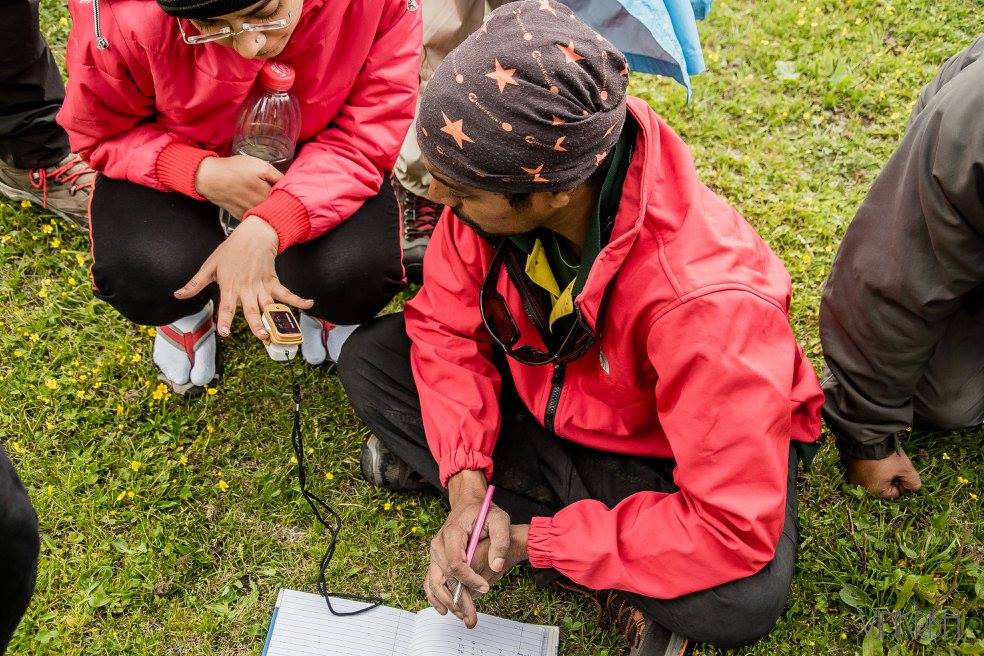
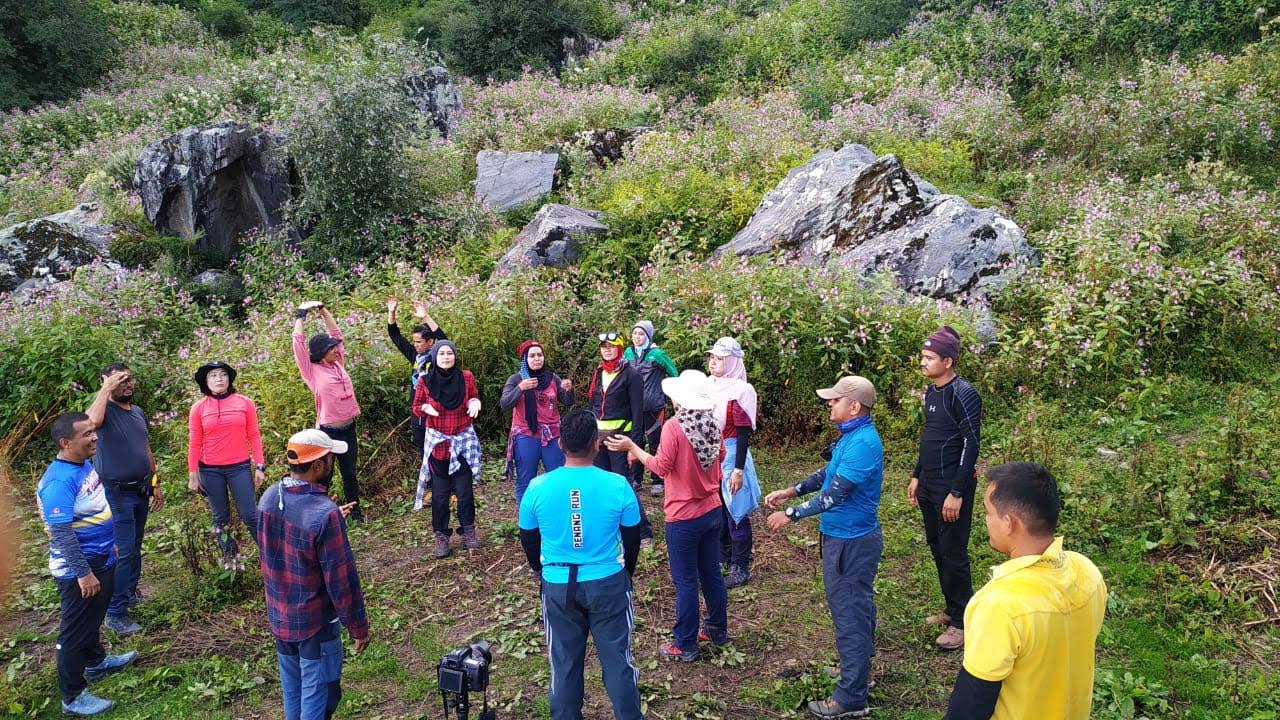
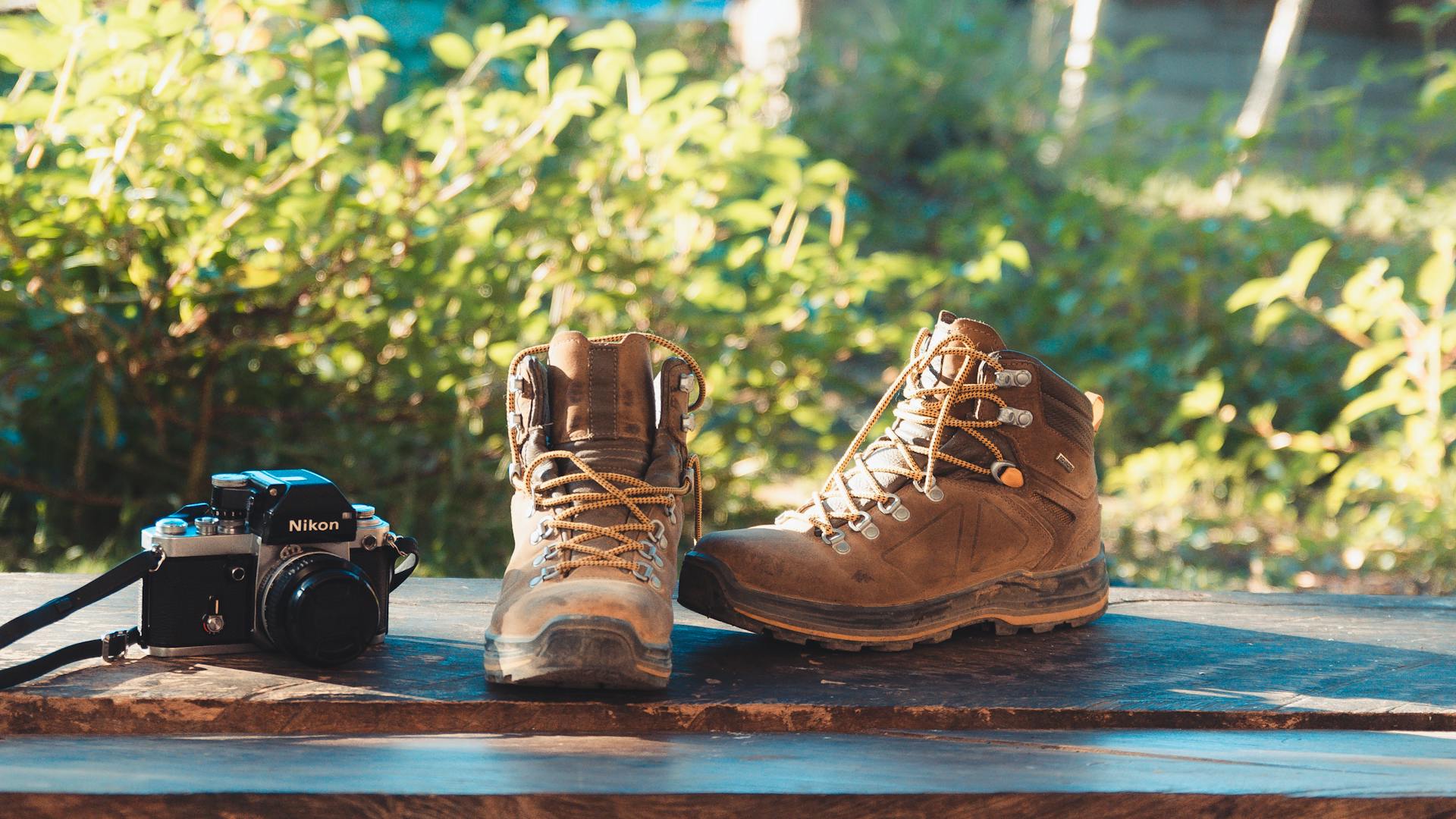
After arrival, trekkers check into a guest house or homestay. The rest of the day is kept relaxed for rest, acclimatization, gear check, and a briefing by the trek leader in preparation for the days ahead.
• Day 1 is the reporting day at Hanuman Chatti. Trekkers can choose to reach the base on their own and get in touch with our team upon arrival, or opt for the optional transport service arranged from Dehradun. The cost of this shared transport is borne directly by participants and will be communicated in advance.
The drive from Dehradun to Hanuman Chatti takes approximately 6–8 hours, covering around 180 km. Depending on road conditions and traffic, the route is taken either via Mussoorie and Kempty Falls or via Vikasnagar and the Yamuna Valley road. The Mussoorie route offers scenic mountain views and forested stretches, while the Vikasnagar route is often preferred during peak traffic hours for a smoother drive.
As the road follows the Yamuna River upstream, the surroundings gradually shift from busy hill towns to quieter valleys and dense forested slopes. On clear days, distant views of Bandarpunch Peak begin to appear as you approach the upper valley. Hanuman Chatti lies at the confluence of the Yamuna and Hanuman Ganga rivers and serves as an important base for treks and pilgrimages in the region.
After arrival, trekkers check into a guest house or homestay. The rest of the day is kept relaxed for rest, acclimatization, gear check, and a briefing by the trek leader in preparation for the days ahead.