WhatsApp FAQs
×


PriceNote – Listed Price & Customisation Rules:
The listed trek price applies to our fixed departures for the specified itinerary. Trek fees including any add-ons for customized groups may vary based on your preferences, ensuring every adventure is tailored to your needs.

Group Booking Offer:
For groups of 8 or more booking together, the trek fee for 1 participant will be waived as a token to encourage shared adventures.

Scholarship for Kids:
Children under 15 years receive a 30% discount on the trek price, making it easier for families to explore the Himalayas together.

×


Transport Price Note:
The transport price mentioned is only an indicative estimate per person, assuming a small vehicle shared by at least 4 participants.
Fewer participants → cost rises;
More participants → cost decreases.

Transport Selection During Booking:
Selecting transport during booking informs us of your preference. No payment is collected at booking.

Final Cost & Payment:
Final transport cost will be communicated before departure and to be paid directly to the cab driver.

×

Itinerary Note:
This itinerary represents the most updated plan, but minor adjustments may occur due to operational needs or mountain conditions.

Winter Markha Valley Trek

Ladakh & the Himalayas: A Frozen Desert Adventure

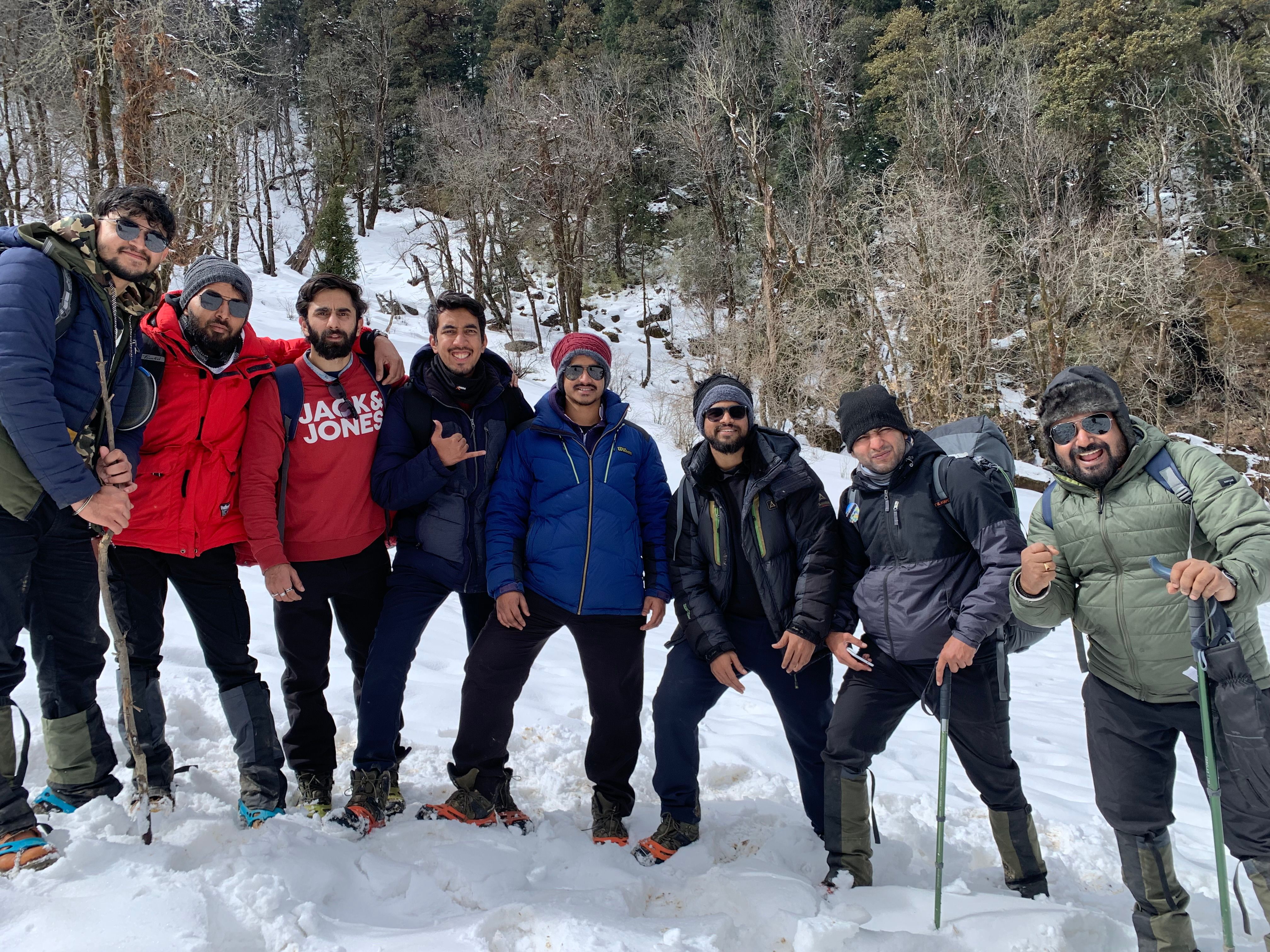
Gallery

Trek Overview

  • Trek Duration: 7 Nights / 7 Days
  • Trek Grade: Moderate
  • 🏔️ Max Altitude: 4,000 m (13,100 ft)
  • Trek Distance: 65–70 Km (approx.)
  • 🌤️ Best Time: January to March
  • 🗺️ Region: Markha Valley, Ladakh (Hemis National Park)
  • 📍 Start Point: Chilling (near Leh)
  • 🏁 End Point: Chilling / Skiu
  • 🧥 Cloakroom facility: Available

Price starting from ?

INR 29,400 * Leh to Leh

Terms & Conditions | Inclusions & Exclusions | Cancellation & Refunds

Addons (Optional)

  • Transportation* Trekkers can request transport arrangements from Leh airport to hotel and drop. Transport will be organized on the spot, and costs are to be shared by trekkers directly. ?
  • Offloading-Bags – INR 2,800 (* Maximum weight 9kg/bag)

Customize your trek to suit your preferences.

Walking The Trail

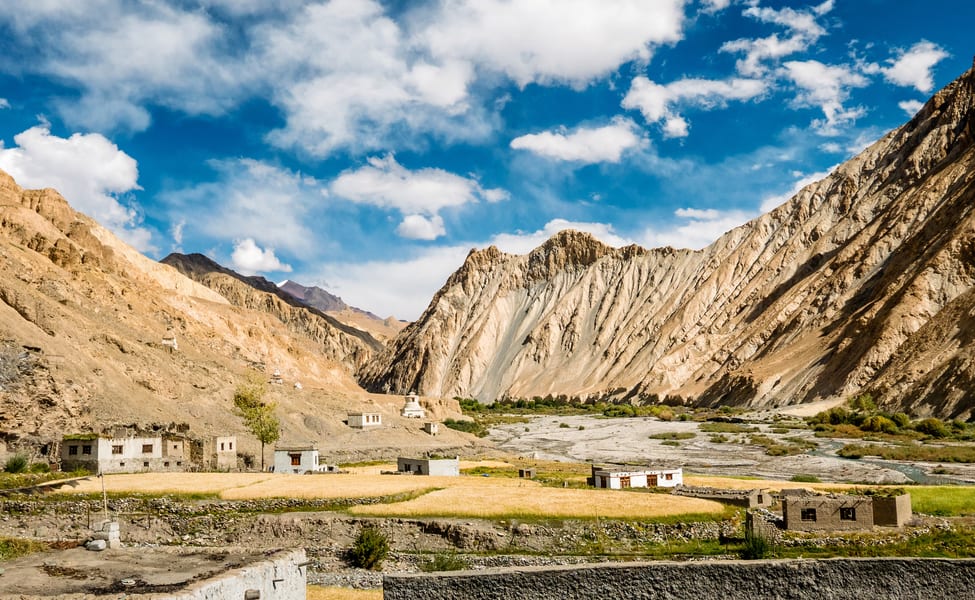
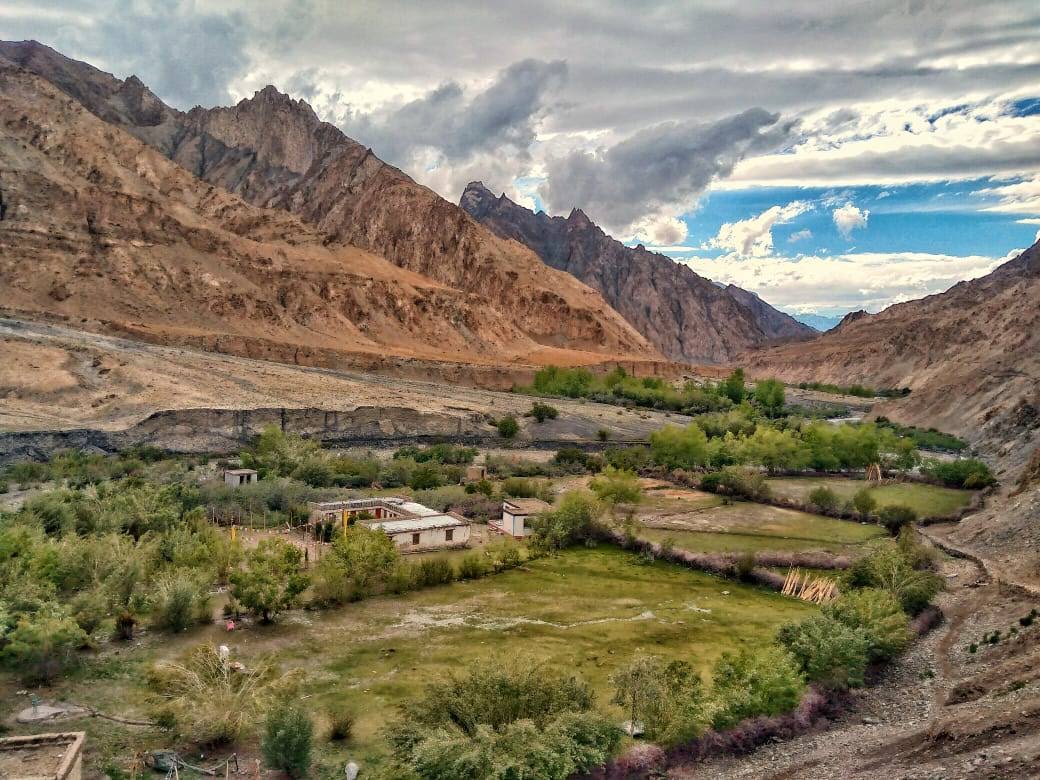
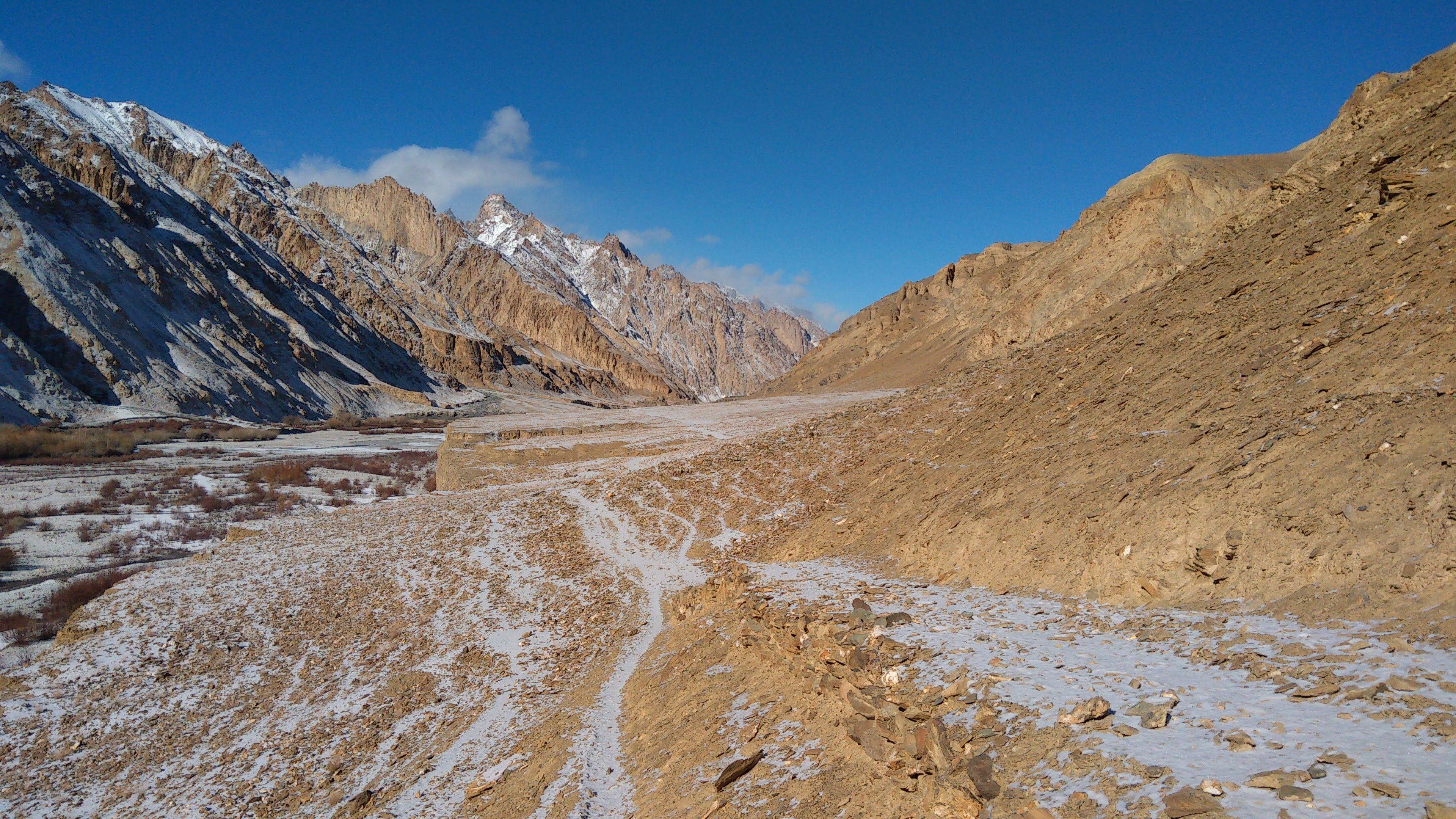
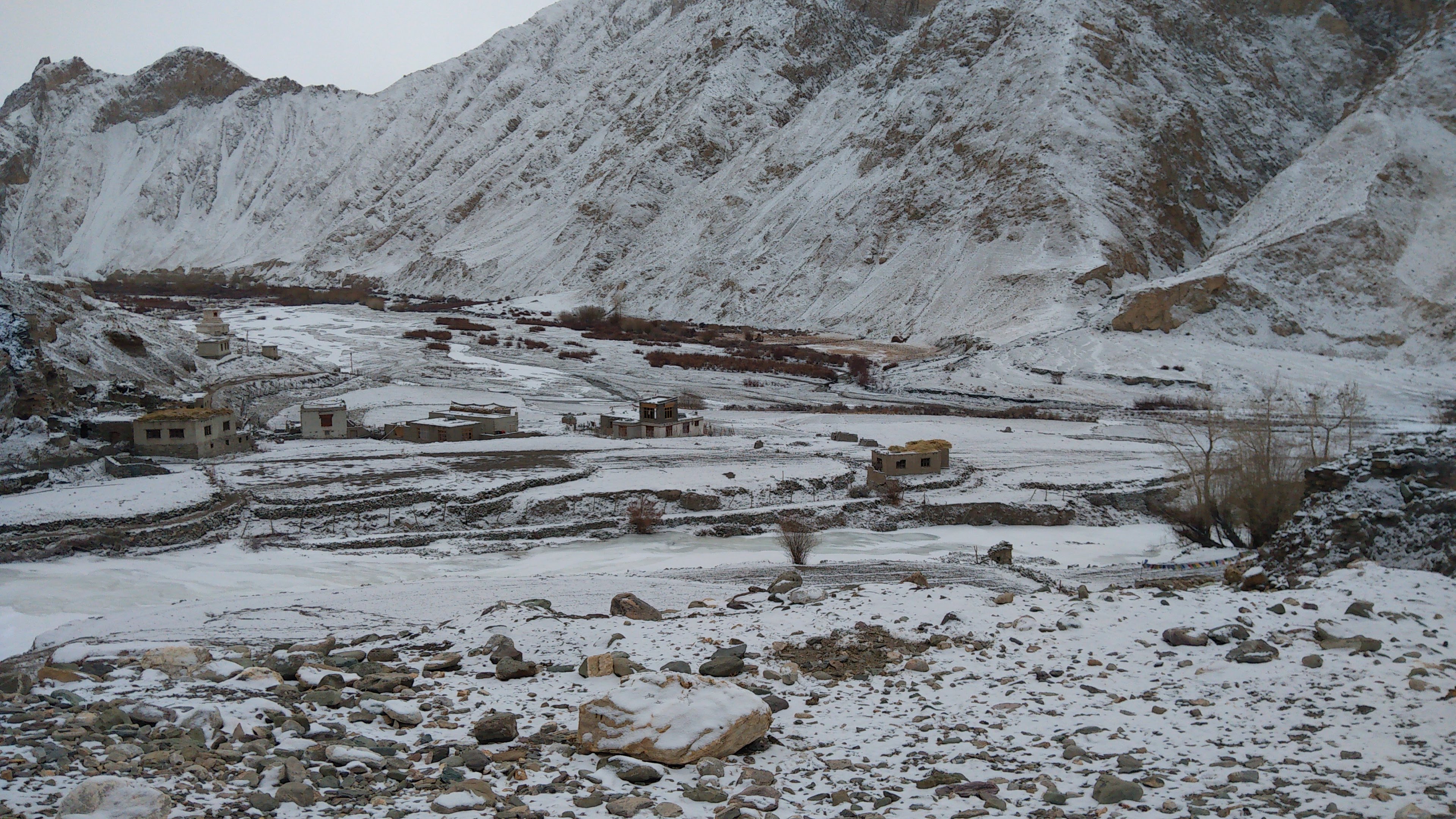
Markha Valley in winter is one of the most surreal Himalayan experiences you can step into. The valley transforms into a silent, untouched world of frozen rivers, ancient stone villages, and wide white landscapes that feel almost otherworldly. For trekkers who want the thrill of walking on frozen water, the stillness of deep Zanskar winters, and the raw charm of Ladakh’s culture, Winter Markha Valley offers everything, with solitude and strong cultural immersion.
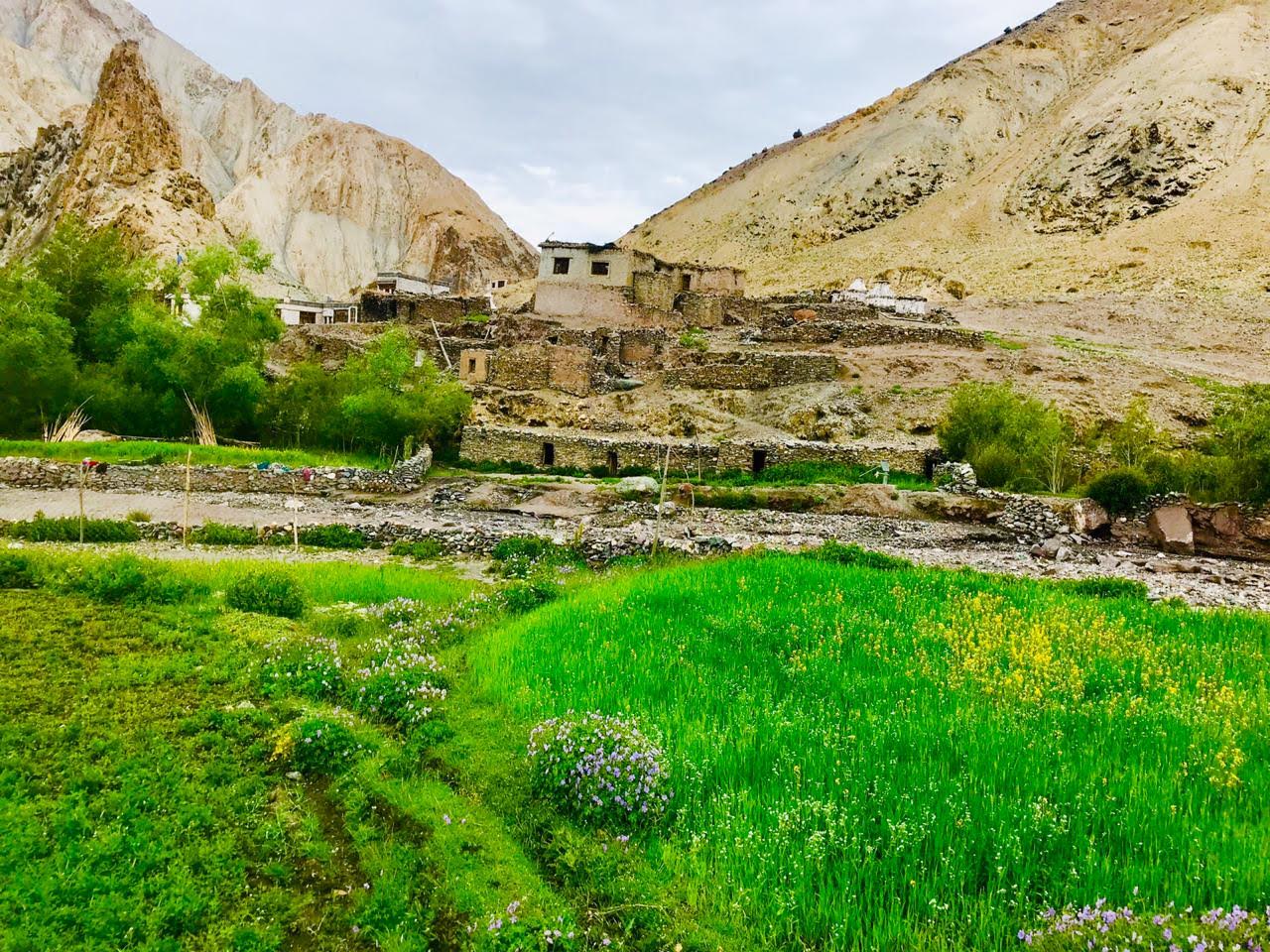
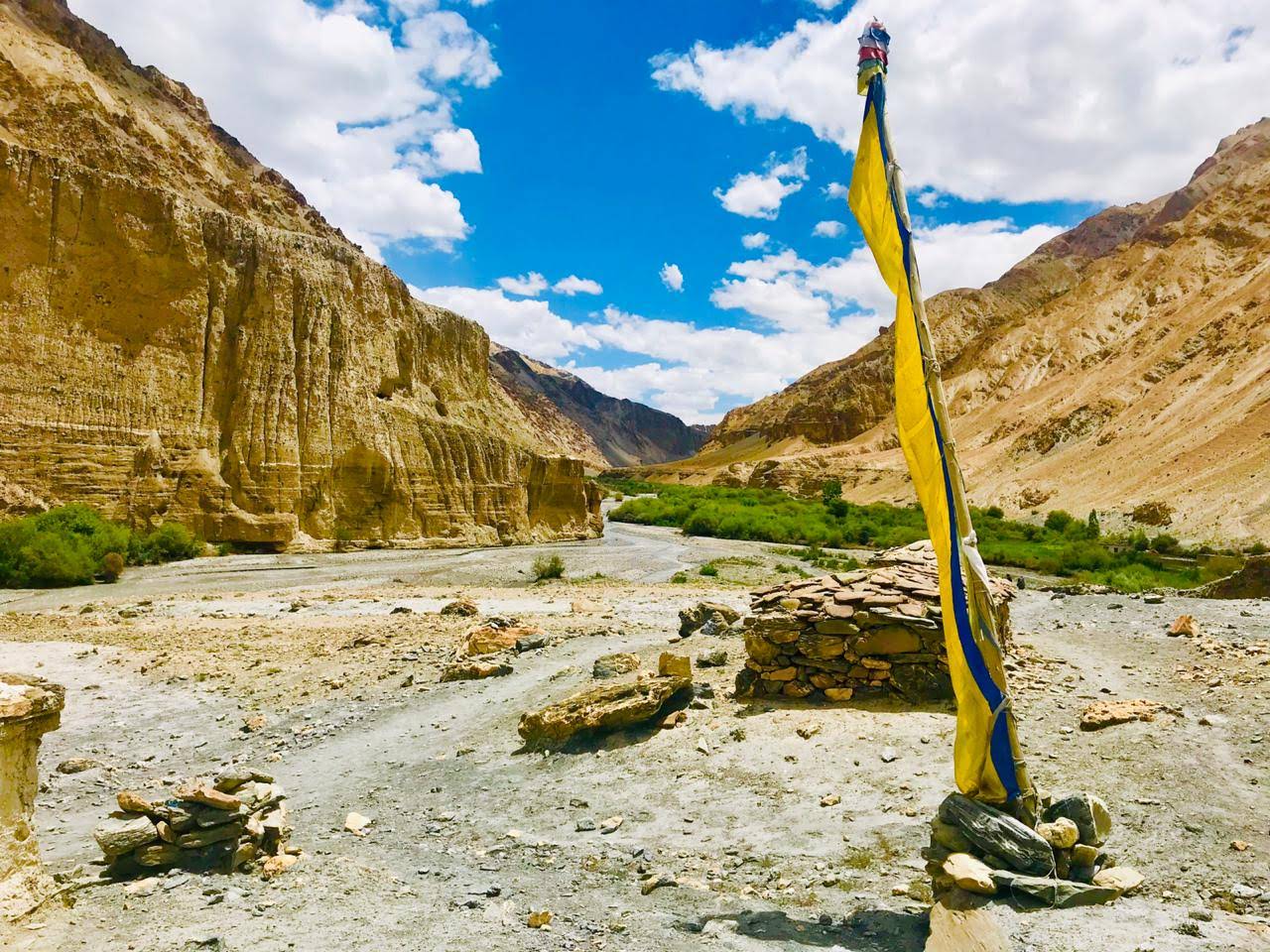
As temperatures drop, the Markha River — a tributary of the Zanskar — freezes into silver ribbons that wind through remote settlements like Chilling, Skiu, Sara, Markha, and Hankar. Smoke rising from mud-brick homes, frozen streams, prayer flags fluttering in icy winds, and the warmth of Ladakhi homestays create a beautiful contrast against the harsh cold outside.
The region falls inside Hemis National Park, home to blue sheep, red foxes, lammergeiers, and even snow leopards. Every day on the trail holds winter wonders: frozen waterfalls, frost-covered bridges, silent monasteries, and the towering presence of the Kang Yatse massif. The terrain is not steep, but the cold is extreme — daytime temperatures hover around –10°C to –15°C and nights can drop to –25°C or even –35°C in windy sections.
For winter lovers who want an offbeat, raw, dramatic Himalayan journey, the Winter Markha Valley Trek is a perfect match.
Read More

Highlights

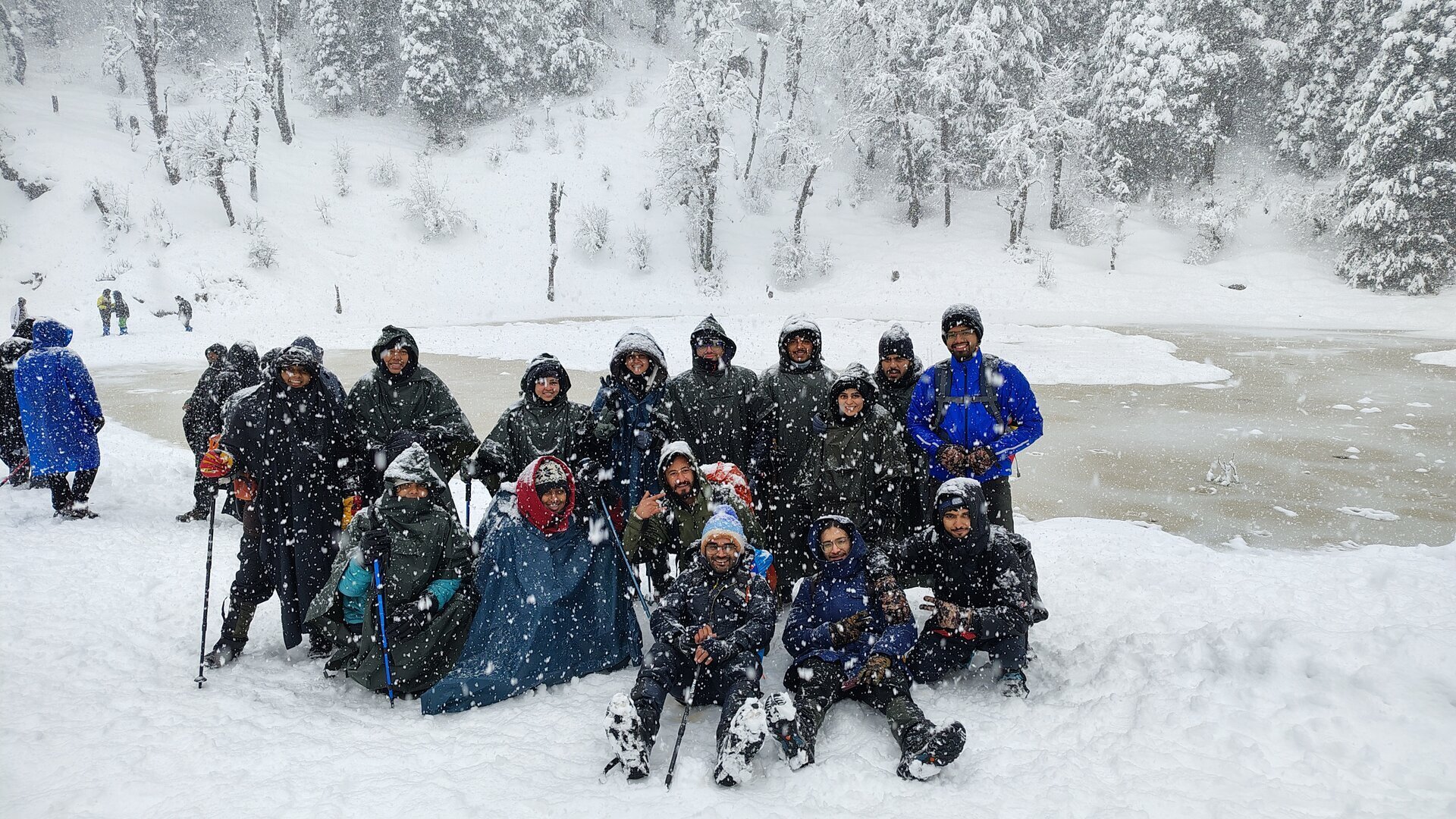
✅ Traverse the frozen Markha River, slide and skate on ice, and witness a unique winter landscape unlike any other in Ladakh

✅ Stay in cozy homestays in Skiu, Markha, and Hankar, experiencing authentic Ladakhi winter hospitality

✅ Spot winter wildlife such as Himalayan blue sheep, snowcocks, chukar partridge, and high-altitude birds in Hemis National Park

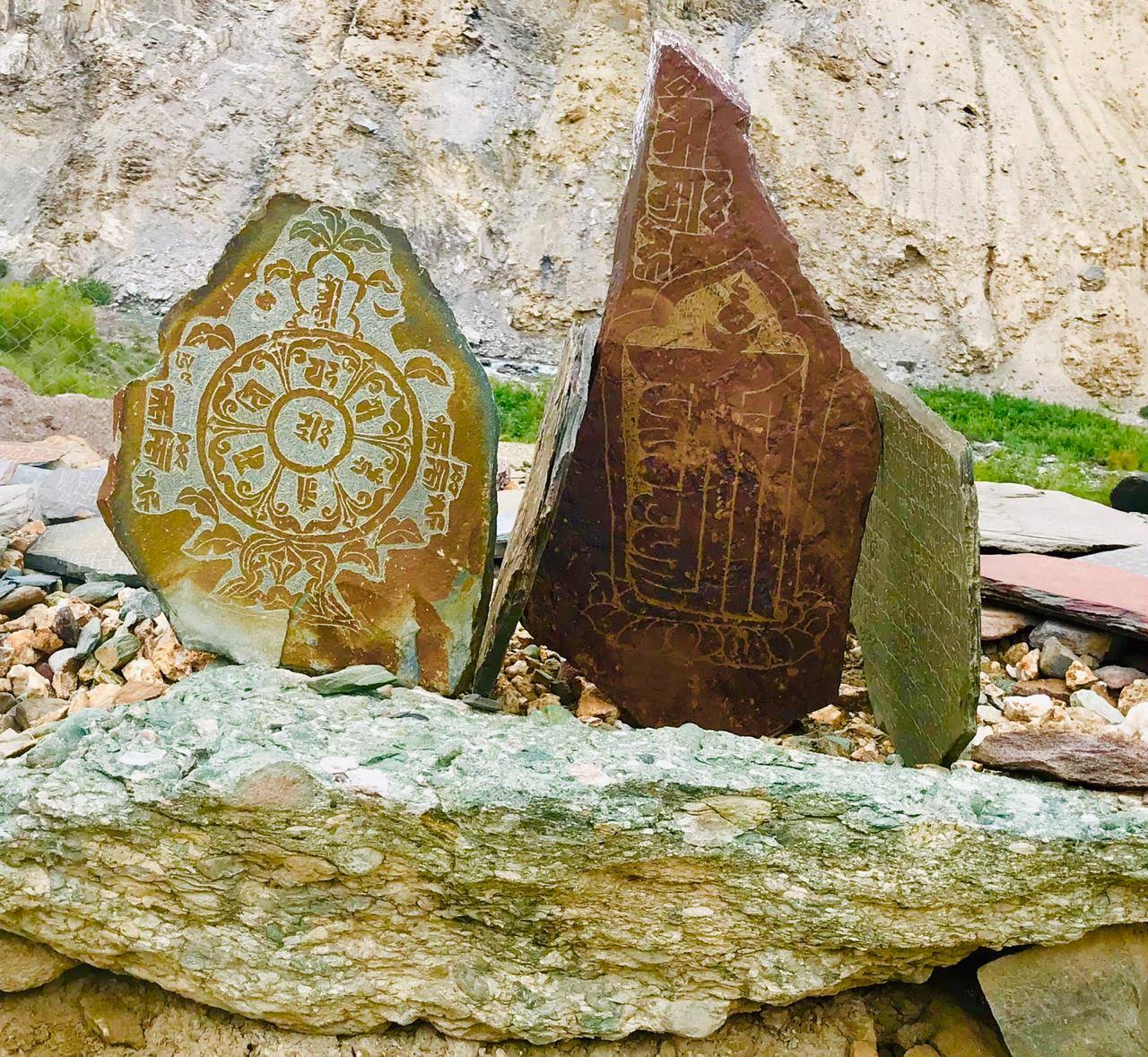
✅ Walk past ancient monasteries, chortens, and mani walls, with snow-dusted peaks providing a serene backdrop

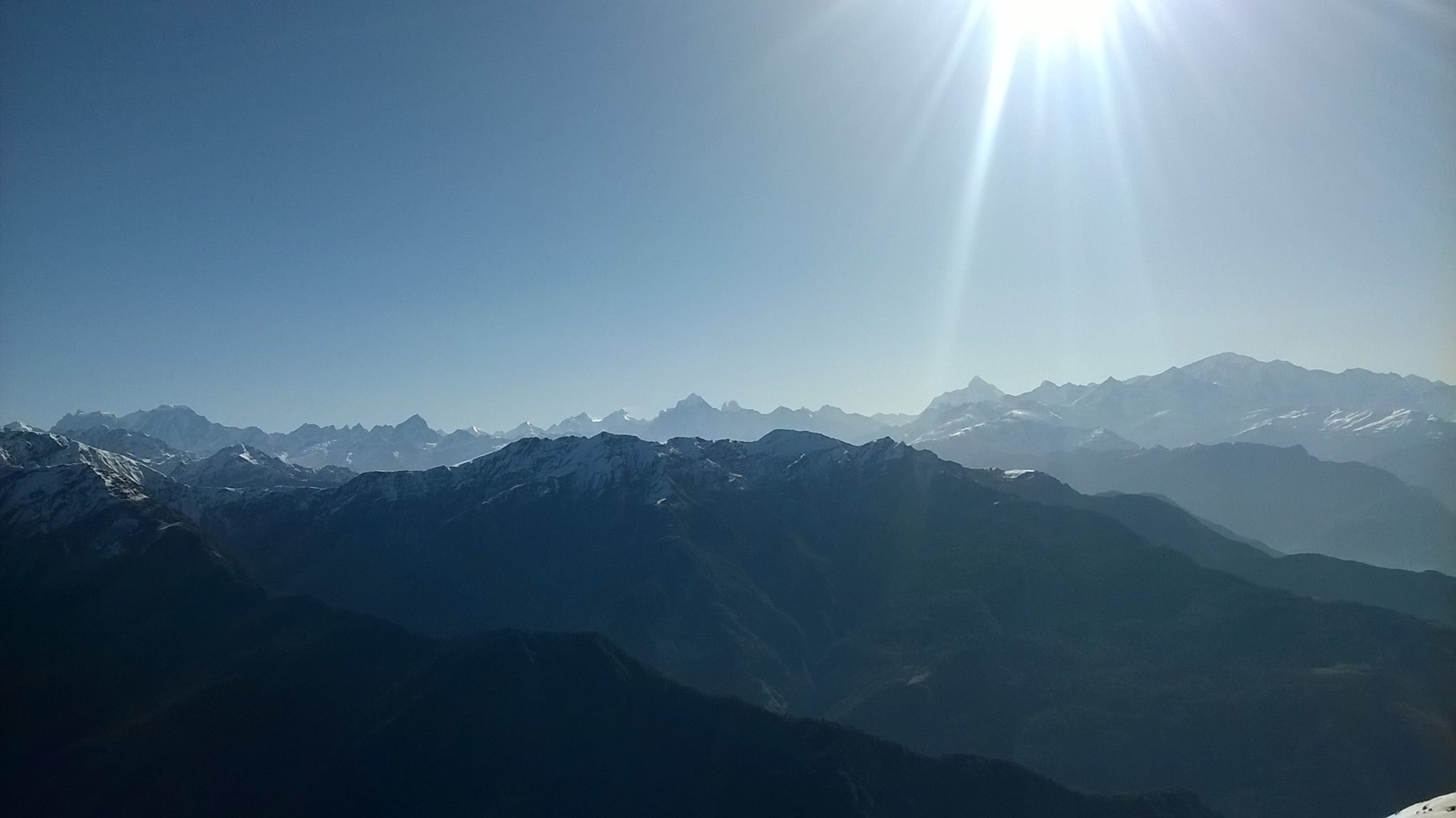
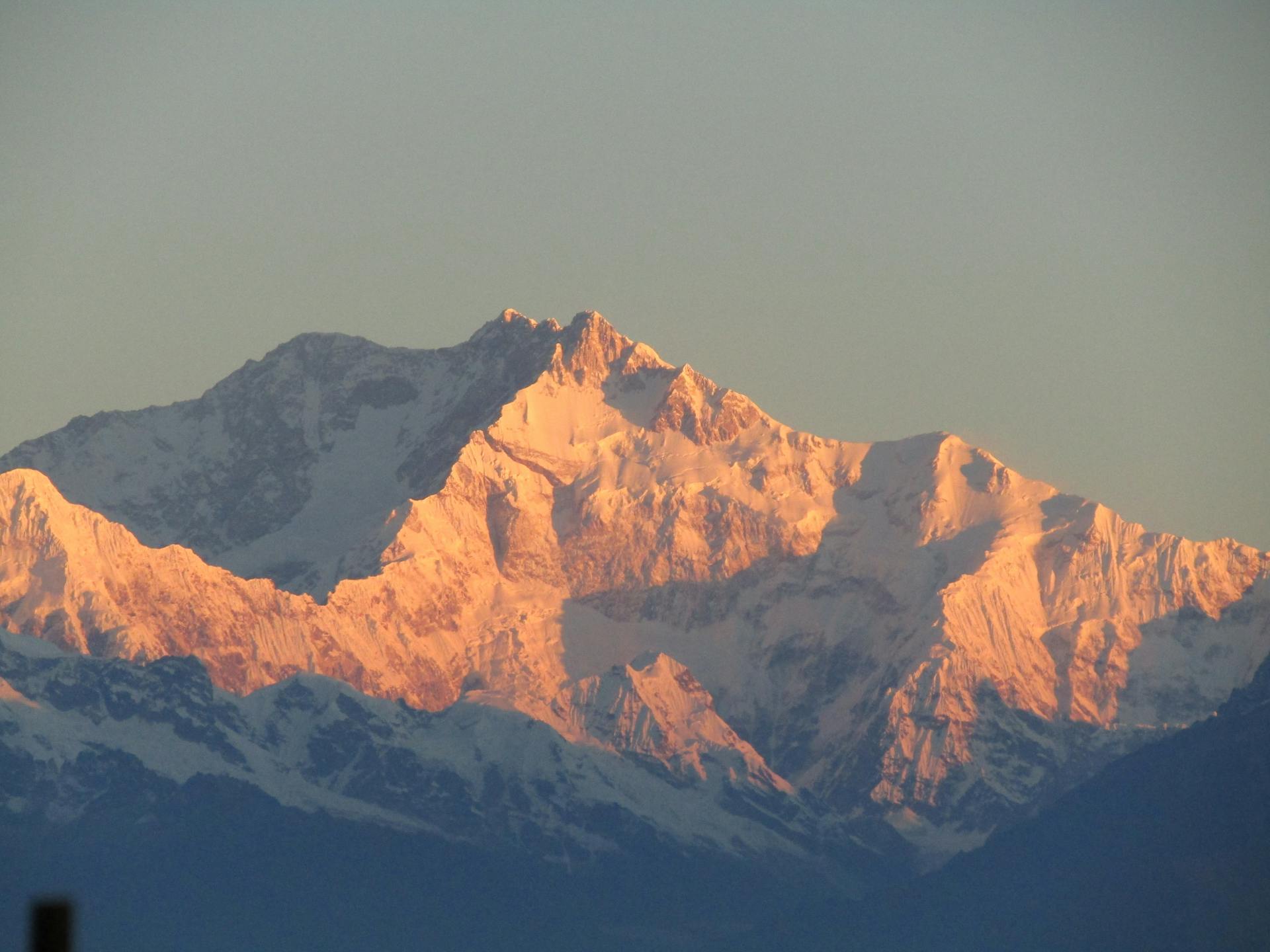
✅ Marvel at the mighty Kang Yatse 1 (6,400 m) and Kang Yatse 2 (6,250 m) under clear winter skies

✅ Experience the magical contrast of frozen rivers, snow-covered plains, and stark desert-like mountains

Itinerary

?
Arrive in Leh by flight and transfer to your hotel. Day 1 is dedicated to rest and acclimatization to the high-altitude cold of 11,500 ft. Winter temperatures can drop to -15°C during the day and -25°C at night, so keep outdoor activity light. Explore the Leh market gently if you feel comfortable. Stay hydrated, avoid alcohol, and enjoy local cuisine. A mandatory trek briefing takes place in the evening where you must carry ID proof and photographs; foreign trekkers should bring passport and visa copies. Overnight stay in Leh.
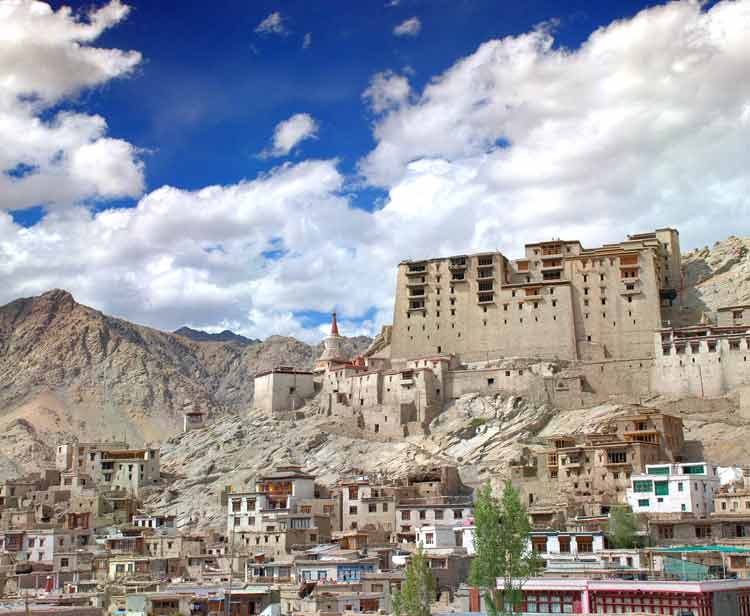
This day is for gradual acclimatization. Visit Leh Palace, Shey, Thiksey, and Hemis monasteries, and stroll around the town’s winter bazaar. Keep activity light to avoid altitude sickness. Winter sun is mild, but temperatures remain low, so dress in layers. This day prepares your body for the cold and high-altitude trekking ahead. Return to the hotel early for rest.
Drive from Leh to Chilling (approx. 70 km). Begin trekking along frozen riverbeds and icy trails of the Markha Valley. Cross frozen Markha river patches, snow bridges, and enjoy the stark winter desert landscapes. Spot blue sheep and winter birds while walking past small villages and mani walls. Reach Skiu village and stay overnight in a warm homestay. Daytime temperature may hover around -10°C and drop further at night.
Follow gentle ascents along the frozen river valley. Pass ancient chortens, scattered hamlets, and snow-dusted pastures. The trail offers panoramic views of surrounding peaks and the frozen Markha River. Reach Markha village, one of the largest settlements, and check into a homestay. Temperatures can drop to -20°C at night. Immerse in Ladakhi culture and enjoy a warm meal.
Today is an acclimatization hike to Thachungtse, with spectacular views of Kang Yatse (6,400 m) and the winter landscape. Spot Himalayan blue sheep navigating steep cliffs, and enjoy the quiet solitude of snow-covered valleys. Return to Markha for the night, relishing the warmth of homestay accommodations. Nighttime temperatures can plunge to -25°C, with wind chill making it feel colder.
Retrace your route along the frozen Markha river valley back to Skiu. Observe the winter flora and fauna in their dormant season. The valley appears wider and more dramatic on the return journey. Enjoy homestay comforts in Skiu. Temperatures remain below freezing, so proper winter clothing is essential.
A short trek from Skiu to Chilling takes about 2.5–3.5 hours over icy terrain. From Chilling, drive back to Leh. Warm rooms, hot water, and local food await. Use this day to relax, shop for souvenirs, and enjoy Leh in winter. Overnight stay in Leh.

Packing list

For a comprehensive packing list, download the PDF below: Download Packing List

Did you know?

The Markha River becomes a frozen highway! – In winter, long stretches of the river turn into thick ice, letting trekkers walk and glide across it just like the Chadar, but in a far quieter environment.
Hemis National Park is the world’s largest snow leopard habitat. – Winter pulls both prey and predator down to valley floors, increasing chances of spotting pugmarks, scrapes, or fresh kills near Skiu, Markha, and Hankar.
Blue sheep form giant winter herds. – Instead of scattered groups, bharal gather in herds of 20–40 to search for scarce grazing patches, making sightings extremely common on the cliffs around Thachungtse and Hankar.
Ibex descend lower due to snow buildup. – Heavy snowfall forces Siberian ibex to move from high alpine ridges to sun-facing slopes closer to human trails, making winter one of the best seasons to spot them.
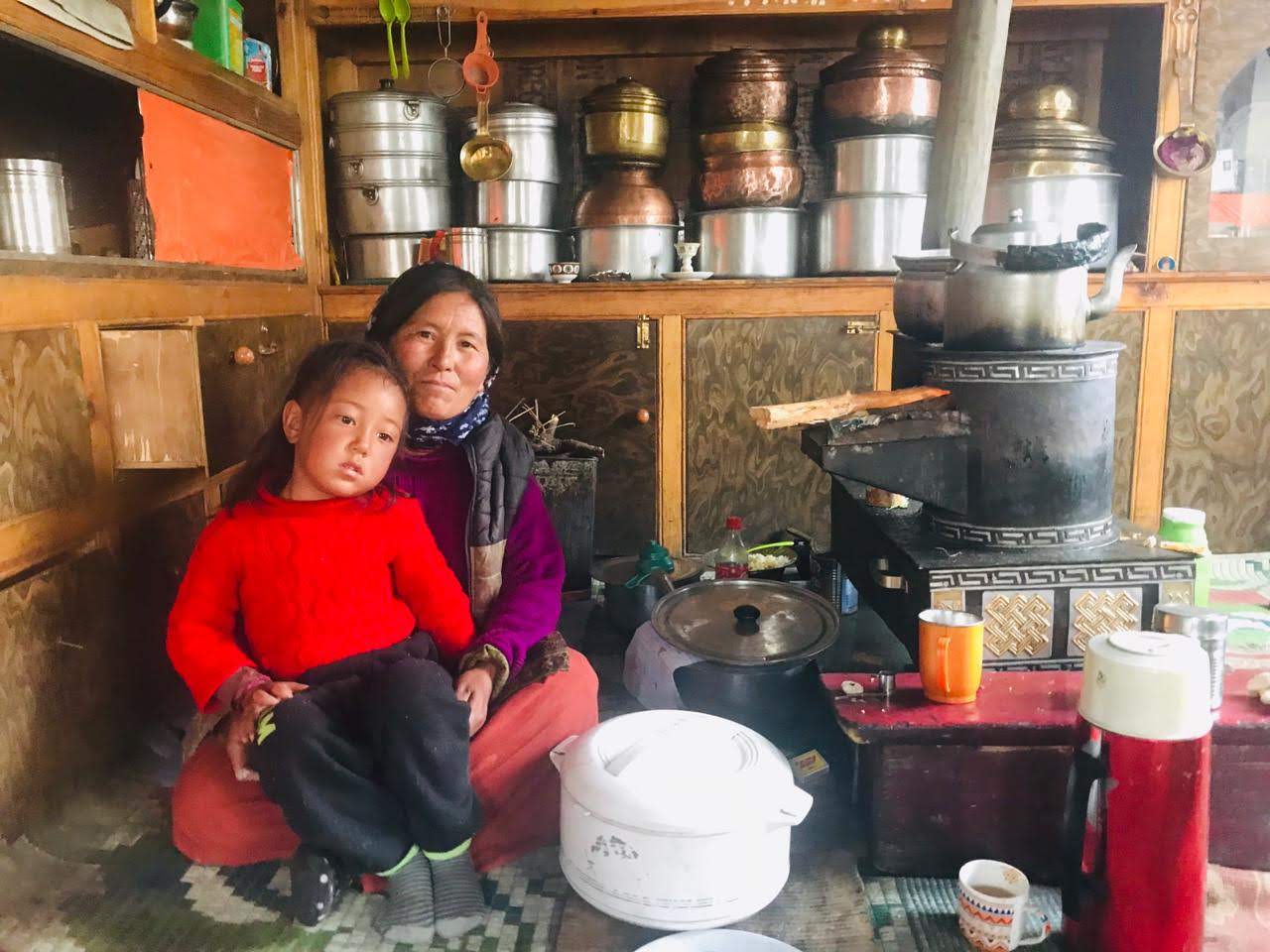
Ancient Ladakhi homestays keep rooms warm even at –25°C. – Traditional mud houses trap heat naturally, creating warm interiors without heaters while outside temperatures drop to –30°C and below.
Winter birds stay active despite extreme cold. – Chukar partridges, golden eagles, ravens, lammergeiers, and Eurasian magpies survive the cold desert by feeding on exposed shrubs and scavenging along frozen streams.
Marmots are not visible in winter. – Himalayan marmots hibernate deep underground from October to April. Many trekkers expect to see them, but winter Markha is a silent landscape where they remain asleep.
Seabuckthorn and willows dominate winter vegetation. – Leafless but standing strong, these hardy Himalayan shrubs line the trail even at –20°C, giving the valley its characteristic golden-brown winter look.
Frozen waterfalls turn into blue-ice curtains. – Between Chilling and Skiu, several side waterfalls freeze solid, forming towering ice sheets that glisten under the winter sun.
Snow leopards use frozen rivers as travel corridors. – With the Markha River iced over, snow leopards walk the frozen surface for easier movement, leaving clear pawprints that trekkers often spot early in the morning.
Ravens and magpies follow trekking groups. – Winter food scarcity makes these intelligent birds shadow humans for crumbs, creating delightful interactions in the middle of the frozen desert.
Juniper shrubs remain evergreen even at –30°C. – One of the few plants that keeps its needles intact, juniper stands out as dark green patches against the white and brown winter terrain.
Map

How to reach

✈️ Air: Nearest Airport: Kushok Bakula Rimpochee Airport, Leh. Flights are available from Delhi and other major Indian cities. During winter, this is the only practical way to reach Leh as roads are closed due to snow.

🚆 Train: No direct trains. Nearest major railway station is Jammu Tawi (approx. 700 km from Leh), but road connectivity is not possible in winter, so air travel is mandatory.

🛣️ Road: Roads from Manali and Srinagar are closed during winter due to heavy snowfall. Overland travel is not recommended for winter treks.

🗺️ Travel Tip: Arrive in Leh at least 2 days before the trek for acclimatization. Winter temperatures drop sharply, so acclimatization is essential to prevent altitude sickness.

TrekFAQs

  • This trek is ideal for experienced trekkers or winter enthusiasts comfortable with sub-zero temperatures. Moderate trails cover 10–15 km per day, but extreme cold (daytime -15°C, nighttime down to -35°C) requires proper preparation and resilience.
  • Winter months from January to March are perfect for this offbeat trek. During this period, the Markha River is frozen, creating a stunning winter landscape. Ensure you are well-prepared for snow and icy conditions.
  • During winter, roads are generally closed due to snow. The only way to reach Leh is by air via Kushok Bakula Rimpochee Airport. Plan to arrive at least 2 days early for acclimatization before the trek.
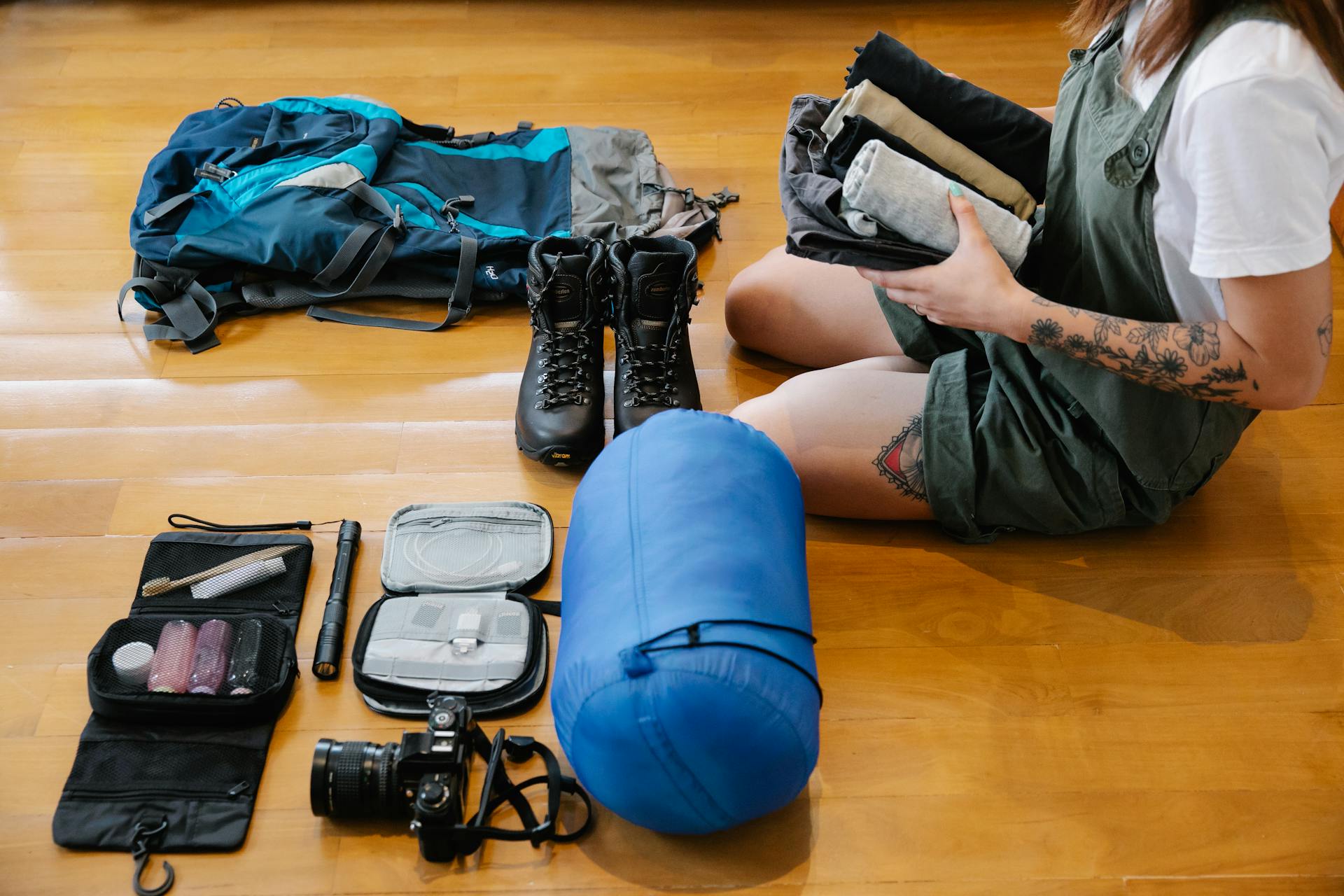
  • Key gear includes insulated down jackets, thermal base layers, woolen socks, balaclava, insulated gloves, waterproof trekking boots, gaiters, and sleeping bags rated for -35°C. Microspikes or crampons are recommended for walking on frozen rivers.
  • Yes, trekkers stay in cozy homestays in villages like Skiu, Markha, and Hunkar. These provide warm bedding, Ladakhi meals, and a unique cultural experience even in harsh winter conditions.
  • The trek passes through Hemis National Park. Trekkers may spot Himalayan blue sheep, ibex, Eurasian magpies, white-capped redstarts, and chukar partridges. Snow leopards are extremely elusive but occasionally sighted by lucky trekkers.
  • Walking on the frozen river is safe with proper winter boots and trekking poles. The ice is solid in most places, and trekkers can even slide or glide over certain stretches. Guides always ensure safe paths are used.
  • Connectivity is minimal. Leh has some network coverage, but most of the trail has no signal. Plan for limited communication and inform family/friends before starting.
  • Yes, an Inner Line Permit (ILP) for restricted areas of Ladakh is required. Trek operators usually arrange permits for participants, including winter-specific permissions if needed.
  • This trek is often called 'Chadar 2.0' because it offers a frozen river experience similar to the Chadar Trek without the extreme logistics. Stunning frozen rivers, snow-dusted villages, ancient monasteries, and views of Kang Yatse peaks make it a rare winter adventure.
  • Acclimatization is key. Stay hydrated, eat warm meals, avoid alcohol, and wear appropriate layered clothing. Follow guides’ instructions, and use insulated gear. Monitor for signs of frostbite or hypothermia. For a more detailed information on this extremely important topic please click the link below to read the full article:
    Ultimate Winter Trek Preparation Guide
  • Most high-altitude flora are dormant during winter, but trekkers can see hardy species like Himalayan blue poppies, primulas, and alpine shrubs adapted to sub-zero conditions.
  • Beginners are advised to gain prior trekking experience in cold or high-altitude environments before attempting this trek. The physical demand combined with extreme winter temperatures makes it unsuitable for novices.

Similar Treks

View of Markha Valley Trek trek moderate, difficult

Markha Valley Trek

7 Nights / 7 Days
ladakh
View of Sandakphu Trek trek moderate

Sandakphu Trek

6 Nights / 7 Days
west bengalnepal
View of Nubra Valley Trek trek moderate, difficult

Nubra Valley Trek

8 Nights / 8 Days
ladakh
View of Everest Base Camp Trek trek moderate, difficult

Everest Base Camp Trek

12 Nights / 13 Days
nepal
View of Dzongri Winter Trek trek moderate

Dzongri Winter Trek

7 Nights / 7 Days
sikkim
View of Kashmir Great Lakes Trek trek moderate, difficult

Kashmir Great Lakes Trek

5 Nights / 6 Days
kashmir
View of Miyar Valley Trek trek moderate

Miyar Valley Trek

7 Nights / 7 Days
himachal pradesh
View of Hampta Pass Trek trek moderate

Hampta Pass Trek

4 Nights / 5 Days
himachal pradesh

How Our Treks Are More Than Just a Trek

Every journey with us is carefully crafted for a deeply personal mountain experience.

Not Just a Trek — A Journey That Stays With You

Every trail we walk is a carefully chosen path into the heart of the Himalayas — not just to witness their grandeur, but to feel them under your skin and soul. Our treks are designed not as bucket list checkmarks, but as life-affirming journeys. At Planethimalayas, we believe a mountain journey is deeply personal — and that belief runs through everything we do.

Individual Care, Every Step of the Way

We keep our groups small and intimate so we can focus on you — your pace, your concerns, your joy. From pre-trek guidance to trail-side support, our leaders walk with intention, offering safety and attention without intrusion. It’s this deep care that turns strangers into friends and walks into memories.

Built on Genuine Love for the Himalayas

We don’t just operate in the Himalayas — we live and breathe them. From respecting mountain communities to following Leave No Trace ethics, our treks are shaped by humility and care. With Planethimalayas, your trek becomes a way of giving back to the mountains that give us so much.

Why Choose Us

Experience the difference of trekking with genuine mountain experts who truly care.

Trek Leader & Guide

Led by certified mountaineers with wilderness first aid training, ensuring your safety and confidence at every step.

Cook & Support Staff

Our mountain crew comprises local experts who bring unmatched experience, warmth, and deep knowledge of the region.

Small Group Size

We cap our group departures at just 8 trekkers — ensuring individual attention, deeper connections, and better trail discipline.

Safety Standards

From personal well-being to technical preparedness, we maintain the highest safety standards — using certified high-altitude gear and comprehensive safety protocols to ensure a secure and reliable Himalayan experience.

24×7 Online Support

We're always available — before, during, or after your trek. Reach out anytime, and you'll always hear back from a real human.

We Care for the Mountains

We strictly follow Leave No Trace ethics. Limited group sizes and mindful practices help protect the fragile Himalayan ecosystem.