• Arrival & Reporting
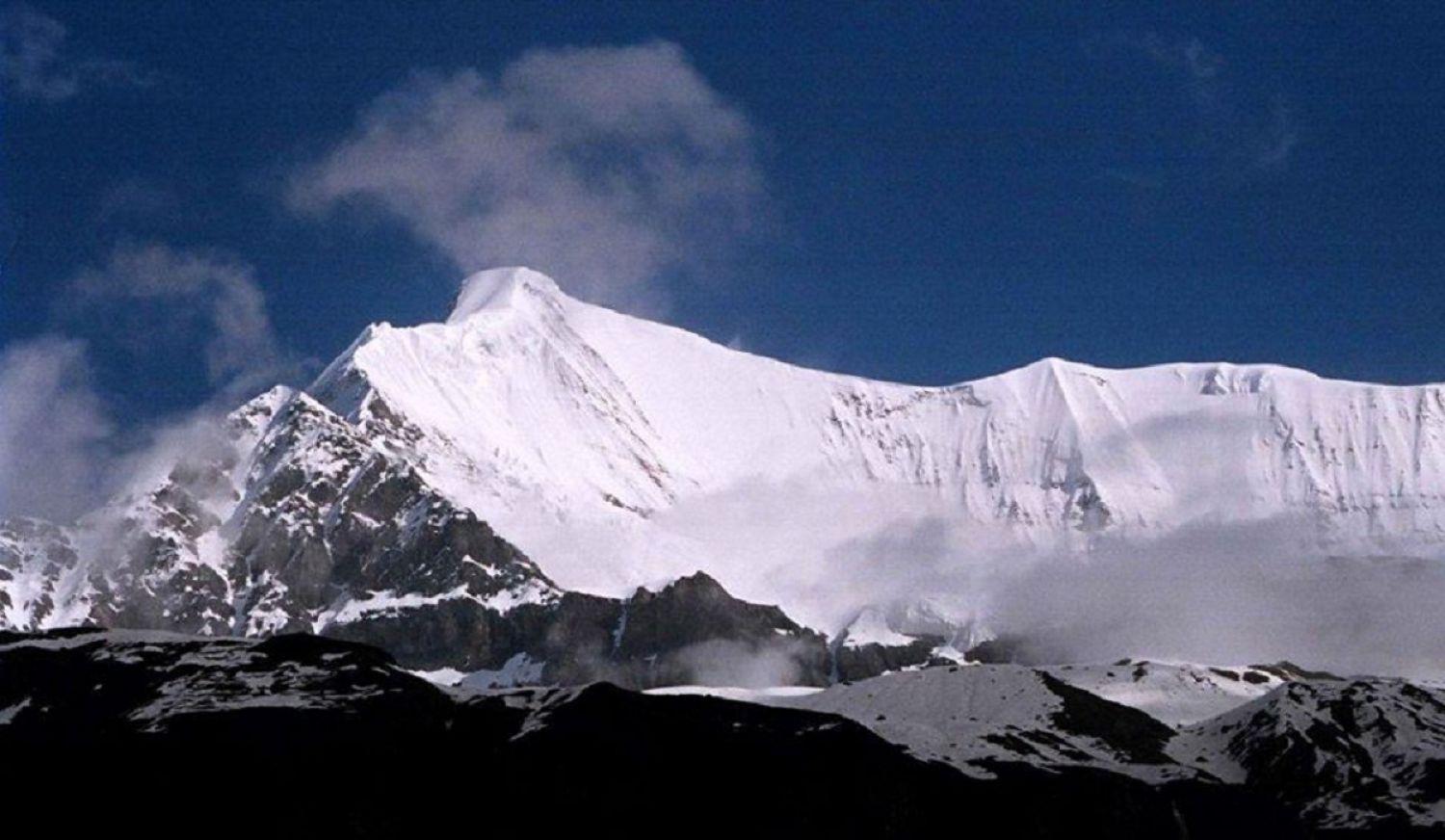
• Today marks your arrival into the Kumaon Himalayas, as you make your way toward Khati—the last inhabited village of the Pindar Valley and the starting point of your journey ahead. Most travellers approach via Haldwani/Kathgodam, following a long but incredibly scenic mountain drive through Bheemtal, Almora, Bageshwar, and Kapkot.
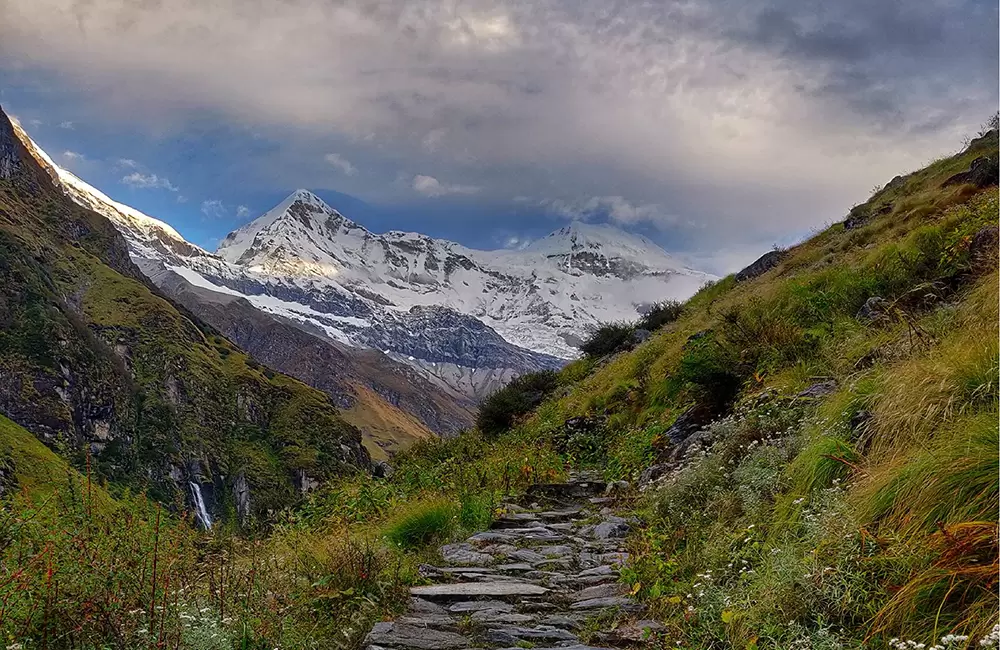
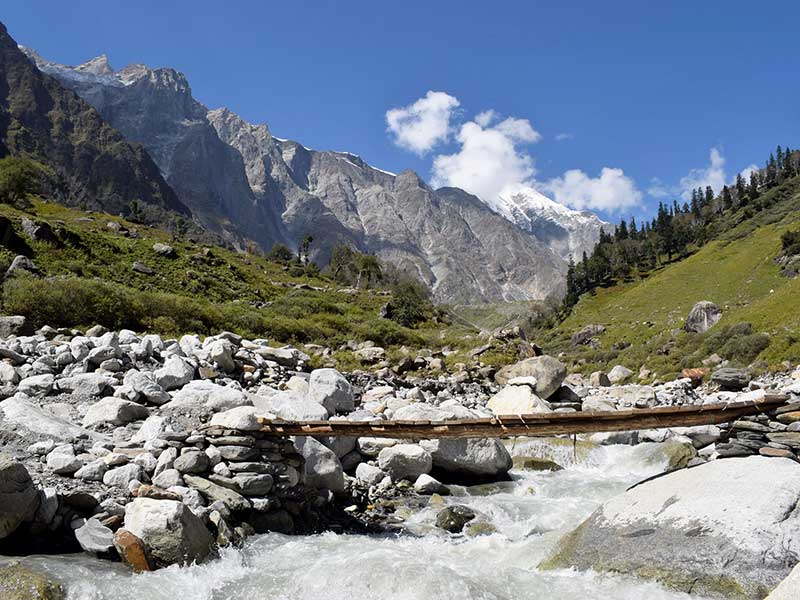
• As the road leaves behind the busier hill towns, the landscape begins to shift—valleys deepen, forests grow denser, and the mountains start to feel more intimate and less travelled. Beyond Kapkot, the route narrows and winds through remote sections, eventually leading toward Loharkhet and further into the interior of the valley.
• Khati sits quietly amidst this setting—wooden homes, terraced fields, and a pace of life that feels unchanged over time. With limited connectivity and largely solar-powered electricity, the village naturally disconnects you from the outside world even before the trek begins.
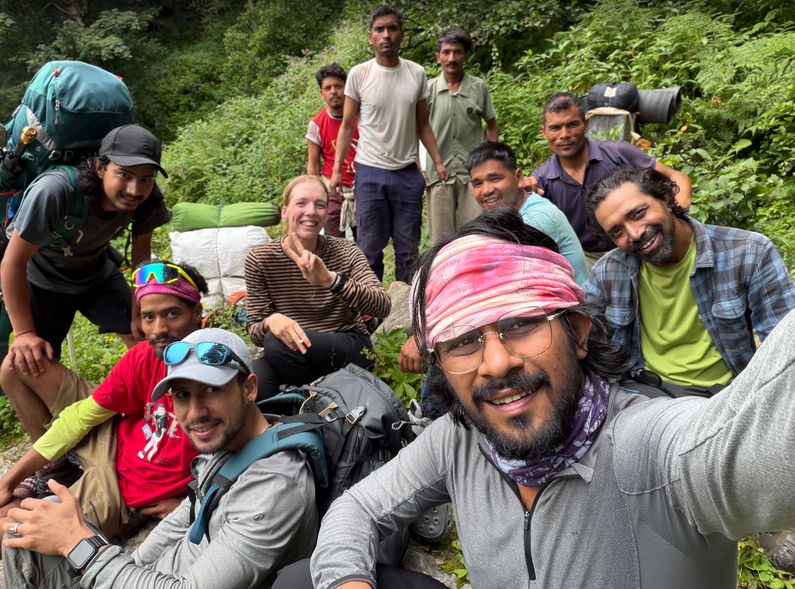
• Trekkers are expected to reach Khati by evening and report at the designated meeting point. The rest of the day is kept flexible to allow for travel variations. Once everyone has arrived, you settle into camp/homestay, meet your trek team, and prepare for the journey into the Pindar Valley starting the next morning.
• Today marks your arrival into the Kumaon Himalayas, as you make your way toward Khati—the last inhabited village of the Pindar Valley and the starting point of your journey ahead. Most travellers approach via Haldwani/Kathgodam, following a long but incredibly scenic mountain drive through Bheemtal, Almora, Bageshwar, and Kapkot.
• As the road leaves behind the busier hill towns, the landscape begins to shift—valleys deepen, forests grow denser, and the mountains start to feel more intimate and less travelled. Beyond Kapkot, the route narrows and winds through remote sections, eventually leading toward Loharkhet and further into the interior of the valley.
• Khati sits quietly amidst this setting—wooden homes, terraced fields, and a pace of life that feels unchanged over time. With limited connectivity and largely solar-powered electricity, the village naturally disconnects you from the outside world even before the trek begins.
• Trekkers are expected to reach Khati by evening and report at the designated meeting point. The rest of the day is kept flexible to allow for travel variations. Once everyone has arrived, you settle into camp/homestay, meet your trek team, and prepare for the journey into the Pindar Valley starting the next morning.