
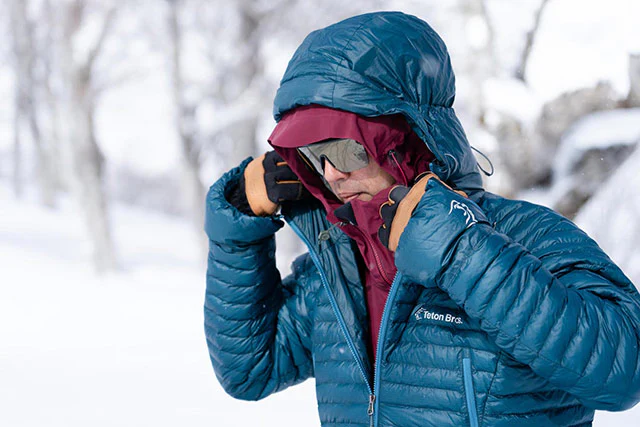
The Himalayas are not just cold — they are unpredictable. Within a single day, you can experience warm sunshine, freezing winds, sudden snowfall, and sub-zero nights. This is what makes microclimates in the mountains so challenging.
This is exactly why layering clothing is not just a comfort strategy — it is a survival skill. Whether you're trekking to Kedarkantha in winter or exploring alpine meadows in summer, understanding how to layer properly will directly impact your safety, energy, and overall experience.
In this guide, we break down the science, practicality, and real-world application of layering in the Himalayas — the way experienced trekkers and mountain teams actually use it.
🧥 What is Layering and Why It Matters
Layering is the system of wearing multiple clothing layers that can be added or removed based on changing weather conditions and body temperature.
Instead of wearing one heavy jacket, layering allows you to regulate heat efficiently. This is crucial in high-altitude environments where your body constantly shifts between sweating during movement and cooling rapidly when you stop.
Why layering is essential:
- Maintains body temperature in changing conditions
- Prevents excessive sweating (which leads to rapid cooling)
- Protects against wind chill and moisture
- Allows flexibility across terrains and altitudes
Without proper layering, trekkers often face two dangerous extremes — overheating during movement and freezing during rest.
💡 Tip: In the mountains, sweat is your biggest enemy. Wet clothes + cold wind = rapid heat loss.
🧱 The 3-Layer System Explained
The foundation of trekking clothing is the 3-layer system. Each layer has a specific purpose and works together to regulate your body.
1. Base Layer (Moisture Management)
This is your first layer, directly in contact with your skin. Its primary job is to wick sweat away and keep your body dry.
Materials like merino wool or synthetic fabrics are ideal. Avoid cotton — it absorbs moisture and dries slowly.
2. Mid Layer (Insulation)
This layer traps body heat and keeps you warm. Fleece jackets or lightweight down jackets are commonly used.
Depending on conditions, you may use one or two mid-layers.
3. Outer Layer (Protection)
This is your shield against wind, rain, and snow. A good waterproof and windproof jacket is essential.
It protects you from wind chill, which can make temperatures feel significantly colder than they actually are.
🌤️ Layering in Summer Treks (Yes, It’s Still Complex)
Many beginners assume summer treks in the Himalayas are easy in terms of clothing. This is a common mistake.
At altitudes above 3,000 meters, even summer conditions are unpredictable.
Daytime:
- Temperatures can feel warm under direct sunlight
- You may trek in just a base layer or light t-shirt
But here's the catch:
- Wind exposure can suddenly drop perceived temperature
- Cloud cover can bring instant cooling
- Sweat accumulation can make you cold within minutes
Evening & Night:
- Temperatures drop sharply after sunset
- Cold air settles in valleys and campsites
- You will need full layering (base + mid + outer)
Key takeaway: Summer treks demand dynamic layering — frequent adjustments throughout the day.
❄️ Layering in Winter Treks (Where It Gets Serious)
Winter trekking in the Himalayas is a completely different game. Here, layering is not optional — it is critical for survival.
Temperatures can drop below -10°C, and exposure risks increase significantly.
Typical winter layering:
- Thermal base layer (top & bottom)
- Fleece or wool mid-layer
- Heavy insulation layer (down jacket)
- Windproof/waterproof outer shell
Additionally:
- Insulated gloves, woolen caps, and neck gaiters are essential
- Proper layering prevents hypothermia
Important concept: In winter, you don’t wait to feel cold — you layer proactively.
❗ Tip: Removing a layer is easier than recovering from cold exposure.
🌬️ The Hidden Factor: Wind Chill & Sweat
Two factors make Himalayan microclimates dangerous:
- Wind Chill: Even mild wind can drastically reduce perceived temperature
- Sweat: Moisture trapped in clothing accelerates heat loss
This is why proper layering focuses not just on warmth, but on regulation.
You should constantly adjust layers based on:
- Movement intensity
- Weather changes
- Altitude gain
🎯 How Layering Improves Safety & Performance
Good layering directly impacts your trekking experience in multiple ways:
1. Energy Efficiency
Your body doesn’t waste energy trying to regulate temperature.
2. Reduced Risk of Illness
Prevents cold-related issues and fatigue.
3. Better Endurance
You stay comfortable for longer durations.
4. Mental Stability
Comfort reduces stress and improves decision-making.
In high-altitude environments, small discomforts can escalate quickly. Layering helps you stay in control.
🧠 The Real Skill: When to Add or Remove Layers
Knowing what to wear is only half the job. Knowing when to adjust layers is what separates experienced trekkers from beginners.
- Start slightly cool — you’ll warm up while walking
- Remove layers before you start sweating heavily
- Add layers immediately when you stop moving
This constant adjustment is what keeps your body stable in extreme conditions.
🏔️ The Planethimalayas Way
In the Himalayas, comfort is not luxury — it is strategy.
Layering is not about carrying more clothes, but about carrying the right system. Every layer has a purpose, and every adjustment matters.
At Planethimalayas, we emphasize practical awareness over assumptions. The mountains don’t follow forecasts — they demand adaptability.
Learn to manage your body temperature, respect the environment, and respond early. That’s how safe and confident trekkers are built.
📞 Ready to Trek Smart?
Explore our Upcoming Treks or contact us to get personalized gear guidance and trek planning support.
❓ FAQs – Layering for Himalayan Treks
- Is layering really necessary for summer treks?
Yes. Even in summer, temperature swings and wind exposure make layering essential. - Why is cotton not recommended?
Cotton absorbs sweat and dries slowly, increasing the risk of cold exposure. - How many layers should I carry?
Typically 3–4 layers depending on season and altitude. - Can I use the same layers for all treks?
The system remains the same, but insulation levels change with seasons. - What is the biggest layering mistake?
Overdressing while trekking and sweating excessively.
