
Winter in the Himalayas does not have to mean following the same familiar trails as everyone else.
While some mountain routes attract large numbers of trekkers during the peak snow season, there are other trails where the experience revolves around quieter forests, expansive meadows, remote valleys and long stretches of mountain scenery without the constant movement of large trekking groups.
These are the journeys to consider if you want to experience the Himalayas at a slower pace — to spend time taking in the landscape, photograph the changing light, enjoy quieter campsites and feel more connected to the mountains around you.
From the snow-covered meadows of Uttarakhand to the stark winter landscapes of Ladakh and the forests of western Sikkim, these six treks offer a different perspective on Himalayan winter trekking.
They are not all easy, and they do not all offer the same winter conditions. Some are relatively accessible mountain journeys, while others demand previous trekking experience, careful planning and favourable weather. Snowfall, road access and route availability can also change considerably from one winter to another.
The common thread is the opportunity to explore beyond the most familiar winter trekking choices.
Looking for a quieter Himalayan winter? The best alternative to a busy trail is not necessarily the most remote or highest route. It is a trek whose landscape, difficulty, seasonal access and pace match the experience you want.
🏔️ Why Choose an Offbeat Winter Trek?
The appeal of an offbeat winter trek goes beyond the possibility of fewer people on the trail.
Winter changes the character of the mountains. Forest paths become quieter, alpine meadows can disappear beneath snow, and distant peaks stand out sharply against clear skies. In some regions, traditional villages and familiar summer landscapes take on a completely different atmosphere.
On a less-frequented route, there may also be more opportunities to appreciate the details of the journey: the transition from forest to open ridge, the changing texture of snow across a slope, the silence of a mountain valley or the first sunlight reaching a distant summit.
However, less-frequented does not automatically mean untouched, empty or safer. Remote routes can have fewer facilities, less reliable winter access and longer distances from assistance. Choosing one requires understanding both the rewards and the practical limitations.
❄️ Six Offbeat Winter Treks in the Indian Himalayas
These six routes offer different ways to experience winter in the Himalayas. Some are best known for their open meadows and forest trails; others stand out for their high-altitude scenery, mountain panoramas or remote Himalayan character.
1. Ali–Bedni Bugyal Trek
📍 Region: Chamoli, Garhwal Himalayas, Uttarakhand
⏳ Duration: 4N/5D | 🏔️ Maximum altitude: Approx. 12,500 ft | ⚡ Difficulty: Easy–Moderate to Moderate, depending on conditions
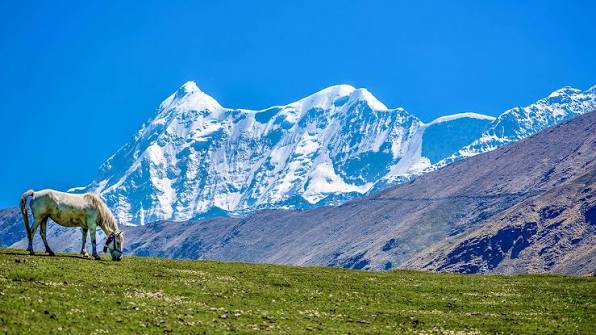
Few Himalayan landscapes feel as expansive as Ali and Bedni Bugyal. These neighbouring alpine meadows spread across the highlands of Garhwal, with Trishul and Nanda Ghunti forming a dramatic backdrop.
During the warmer months, the meadows are known for their open grasslands and sweeping mountain views. Winter changes that familiar landscape completely. Snow can cover the rolling slopes, soften the boundaries between meadow and ridge, and turn the surrounding forests into a quieter mountain wilderness.
The route is particularly rewarding for trekkers who enjoy open landscapes rather than a trek defined by a single summit. The transition from forest trails to the vast meadows is a highlight in itself, with the mountain panorama becoming increasingly impressive as the trail gains elevation.
Ali–Bedni can be a compelling alternative for trekkers who want expansive Himalayan scenery without choosing one of the most heavily promoted winter routes.
Highlights of the trek
- The vast alpine grasslands of Ali and Bedni Bugyal.
- Views of Trishul and Nanda Ghunti in the Garhwal Himalayas.
- Forest approaches followed by open, high-altitude meadow terrain.
- A landscape that looks dramatically different under fresh snow.
- Excellent opportunities for landscape photography when visibility is clear.
Winter planning note: Ali–Bedni is not a guaranteed winter snow trek with year-round access. Deep snow, severe weather and road conditions can make the route difficult or unsuitable for a standard itinerary. Confirm the current route, campsite access and operating arrangements before booking. Do not assume that the usual 4N/5D schedule will remain feasible in every winter.
Best suited for: Trekkers who love wide-open alpine landscapes, forest trails and dramatic Garhwal mountain views.
📖 Explore the route in our Complete Ali–Bedni Bugyal Trek Guide.
2. Gulabi Kantha Trek
📍 Region: Yamunotri Valley, Uttarkashi, Uttarakhand
⏳ Duration: 4N/5D | 🏔️ Maximum altitude: Approx. 13,100 ft | ⚡ Difficulty: Easy–Moderate, subject to snow conditions
If you want a winter trek that combines forest trails, open meadows and Himalayan views without automatically following the most familiar snow-trek itinerary, Gulabi Kantha deserves a place on your list.
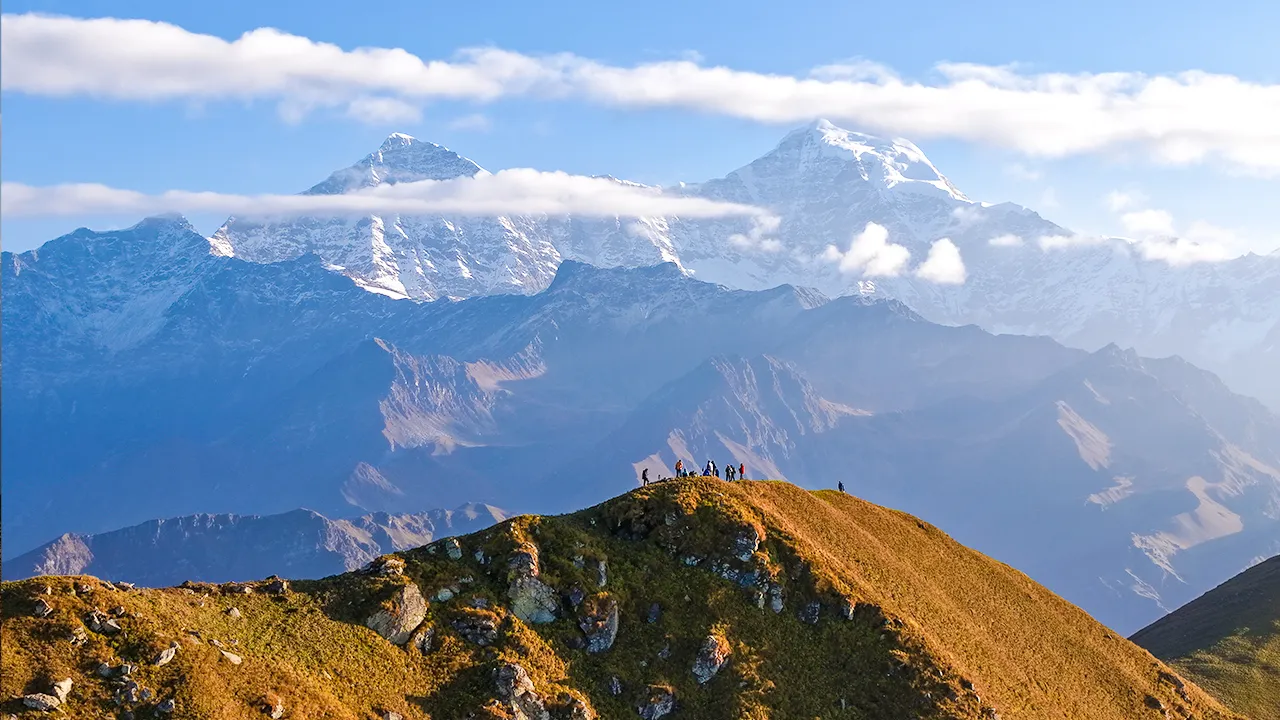
Located in the Yamunotri region of Uttarkashi, the trail climbs through mountain forests before opening into higher meadows and ridgelines. The changing landscape gives the journey a natural sense of progression, from sheltered woodland to exposed mountain terrain.
In winter, snowfall can transform the upper sections into a white landscape. On clear days, the surrounding Himalayan ranges, including views towards Bandarpoonch and Swargarohini, provide a rewarding backdrop.
Its appeal lies in the combination of a mountain summit, open terrain and a quieter alternative to some of Uttarakhand's better-known winter trekking routes. That said, its popularity and trail conditions can vary, so solitude should not be assumed on every departure.
Highlights of the trek
- Snow-covered forest trails and open alpine meadows.
- A summit experience with views towards Bandarpoonch and Swargarohini.
- A quieter alternative to more heavily promoted winter trekking routes.
- Changing landscapes as the trail climbs towards the higher ridges.
- A rewarding winter option for trekkers who enjoy both forests and open mountain scenery.
Winter planning note: Snow depth can increase the effort required on both the ascent and descent. Cold-weather clothing, appropriate footwear, an experienced trek leader and updated local weather information are essential. The route should operate only when access and trail conditions are suitable.
Best suited for: First-time high-altitude trekkers with good preparation, and experienced walkers looking for a quieter winter landscape.
📖 Find the route and planning details in our Complete Gulabi Kantha Trek Guide.
3. Winter Markha Valley Trek
📍 Region: Ladakh, Indian Trans-Himalaya
⏳ Duration: 6N/7D | 🏔️ Maximum altitude: Approx. 13,100 ft | ⚡ Difficulty: Difficult; winter conditions may raise the challenge substantially
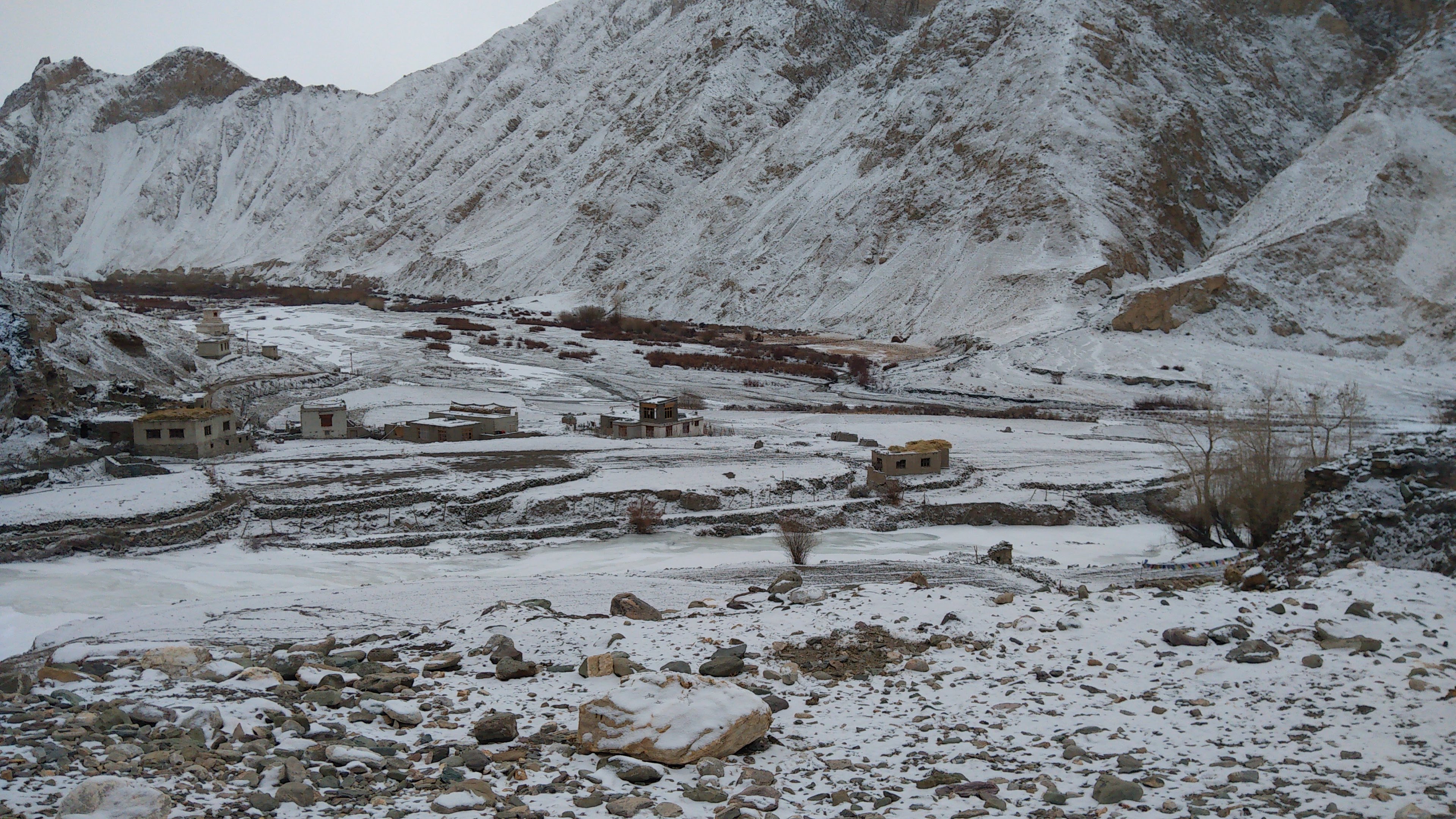
Summer Markha Valley is known for its high mountain passes, traditional Ladakhi settlements, monasteries and vast landscapes. In winter, the valley offers a quieter and distinctly different experience.
Snow-dusted mountains, frozen streams and the earthy tones of the cold desert create a striking landscape. Traditional villages take on a slower rhythm, while the surrounding valley feels wonderfully remote. For trekkers who enjoy dramatic scenery, local culture and peaceful trails, winter reveals a beautiful side of Ladakh.
Our winter trek focuses on reaching Markha village at approximately 4,000 metres and exploring a little beyond it, depending on trail and weather conditions. Unlike the summer route, the winter itinerary does not involve crossing a high mountain pass, making the experience centred on the valley itself, its settlements and its winter landscapes.
Winter still brings freezing temperatures, snow and icy sections of trail, so warm layers, suitable footwear, proper acclimatisation and experienced local guidance remain important. The exact route and exploration beyond Markha are planned according to the conditions on the ground.
Highlights of the trek
- Explore the dramatic winter landscapes of Ladakh, with snow-dusted mountains and vast, open valleys.
- Reach Markha village at around 4,000 metres and experience the traditional settlements of the region.
- Walk through a striking cold-desert landscape transformed by winter.
- Explore sections beyond Markha when trail and weather conditions permit.
- Enjoy a quieter Himalayan experience away from the busier summer trekking season.
Best suited for: Trekkers looking for a peaceful, cold-desert winter adventure.
📖 Read our Complete Winter Markha Valley Trek Guide before considering this journey.
4. Winter Dzongri Trek
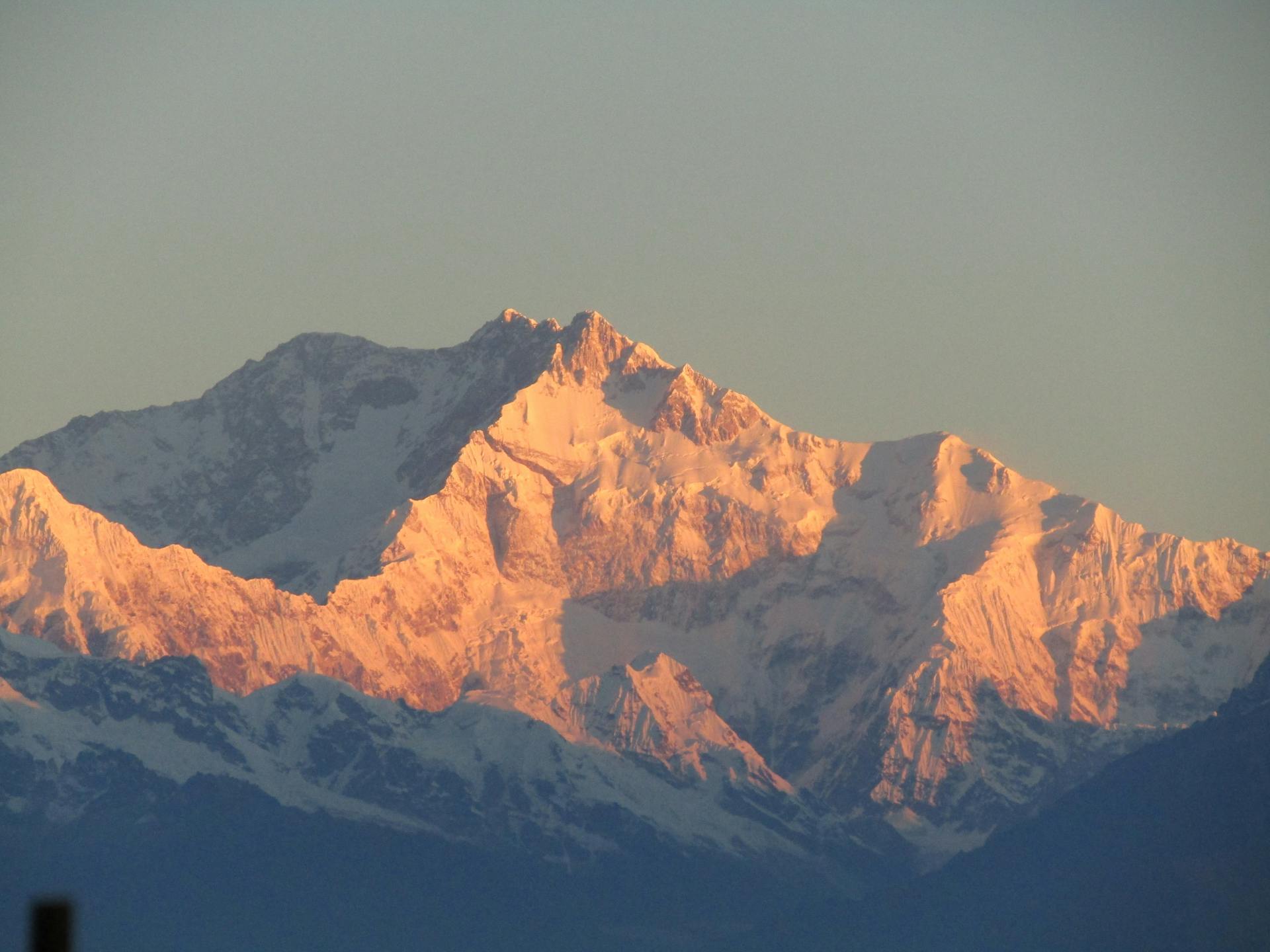
📍 Region: Western Sikkim, Eastern Himalayas
⏳ Duration: 5N/6D | 🏔️ Maximum altitude: Approx. 13,800 ft | ⚡ Difficulty: Moderate–Difficult, depending on winter conditions
For trekkers who want to explore the eastern Himalayas in winter, Dzongri offers a different atmosphere from the familiar snow trails of Uttarakhand.
The route moves through forests and high mountain terrain in the Kangchenjunga region, gradually climbing towards Dzongri's celebrated viewpoints. As the elevation increases, the landscape opens towards the surrounding peaks, with Kangchenjunga dominating the horizon on clear days.
Winter can bring snow to the forests, meadows and upper trail, changing the character of the journey and making the mountain views feel even more dramatic. The quieter seasonal atmosphere is part of the attraction for trekkers who want to experience Sikkim beyond its better-known trekking months.
However, Dzongri is not simply an easy winter alternative. Snow, ice, freezing temperatures and reduced daylight can make the route significantly more demanding. Protected-area permissions, local access rules and the status of the trail must also be checked before travel.
Highlights of the trek
- Views towards Kangchenjunga and the surrounding eastern Himalayan peaks.
- Forested trails leading into high mountain meadows and ridges.
- The distinctive landscapes and culture of western Sikkim.
- A quieter winter atmosphere compared with the main trekking season.
- Striking contrasts between dark forests, snow-covered terrain and distant peaks.
Winter planning note: Winter access should never be assumed. Confirm permits, current local restrictions, route conditions and the availability of authorised support before finalising dates. The standard 5N/6D duration is an itinerary reference, not a guarantee that the trail will be safe or open during a particular winter period.
Best suited for: Trekkers with suitable fitness and previous mountain experience who want eastern Himalayan scenery.
📖 Explore the route in our Complete Winter Dzongri Trek Guide.
5. Dhakuri Pass Trek
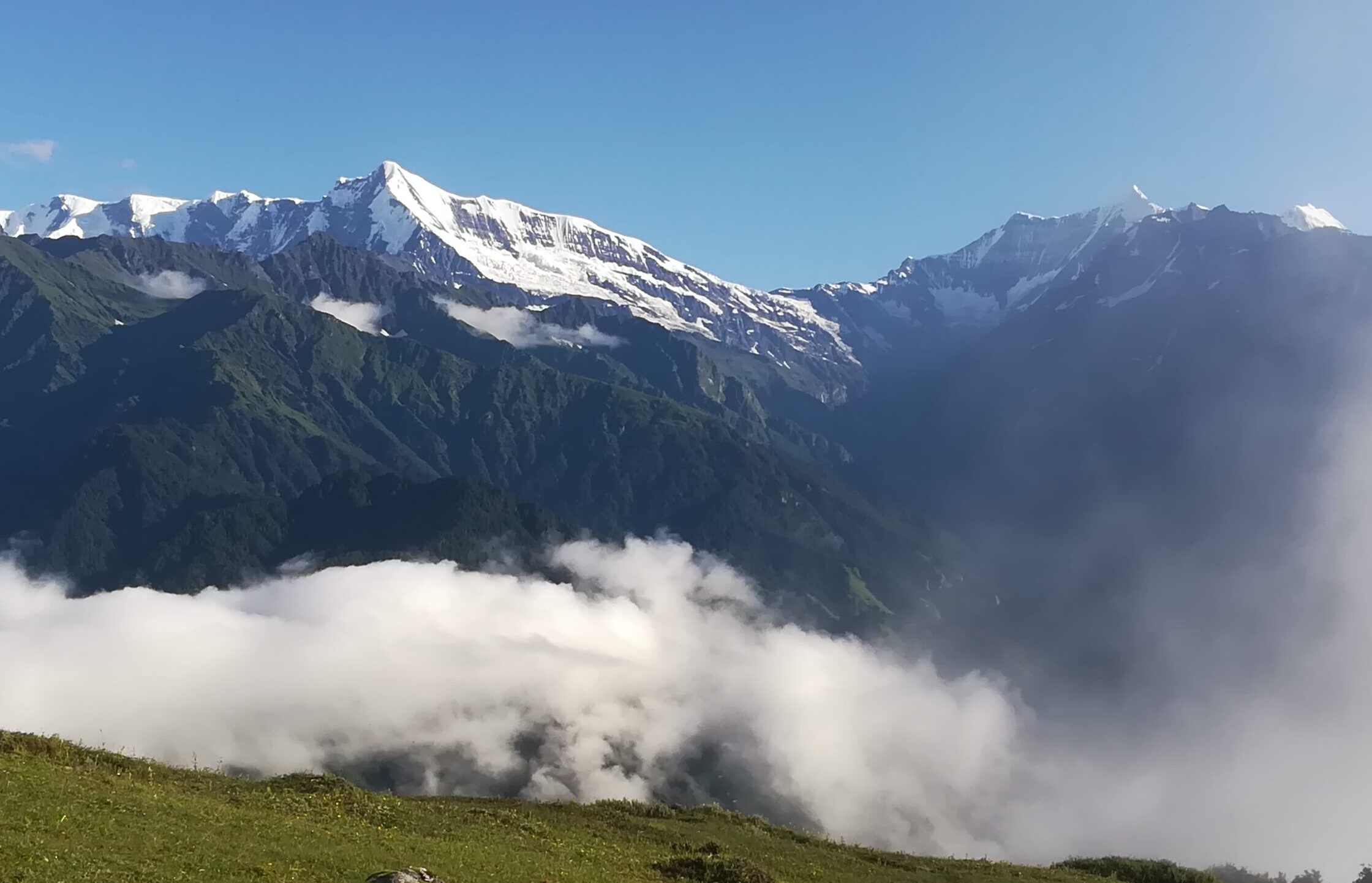
📍 Region: Kumaon Himalayas, Uttarakhand
⏳ Duration: 4N/5D | 🏔️ Maximum altitude: Approx. 10,800 ft, depending on the itinerary | ⚡ Difficulty: Easy–Moderate
Not every peaceful winter trek needs to climb above 12,000 or 13,000 feet. Dhakuri Pass is an appealing option for those who prefer a quieter mountain journey through forests, villages and open viewpoints.
Situated in the Kumaon Himalayas, the trail combines woodland paths with meadows and ridgelines that offer views of the surrounding mountain ranges. Oak, pine and rhododendron forests give the route a character distinct from the more open high-altitude landscapes of Garhwal.
During winter, the atmosphere becomes colder and quieter, and snowfall can occasionally transform the higher sections. On clear days, the surrounding Himalayan panorama provides a rewarding contrast to the sheltered forest trails.
Dhakuri is particularly worth considering if your priority is to slow down and enjoy the journey rather than pursue the highest possible altitude. The experience is more about forest walks, mountain views and the changing character of the landscape than a demanding summit objective.
Highlights of the trek
- Quiet forest trails through the Kumaon Himalayas.
- Open meadows and ridgelines with sweeping mountain views.
- Traditional mountain villages and a slower trekking experience.
- The possibility of winter snowfall across higher sections.
- A comparatively lower-altitude option among the six treks in this guide.
Winter planning note: Snow is not guaranteed, particularly on lower sections, and local road or trail conditions can change after snowfall. Confirm the actual route, maximum altitude and campsite arrangements with your trek operator before departure.
Best suited for: Trekkers seeking a peaceful forest-and-meadow experience.
📖 Learn more in our Complete Dhakuri Pass Trek Guide.
6. Dodital–Darwa Pass Trek
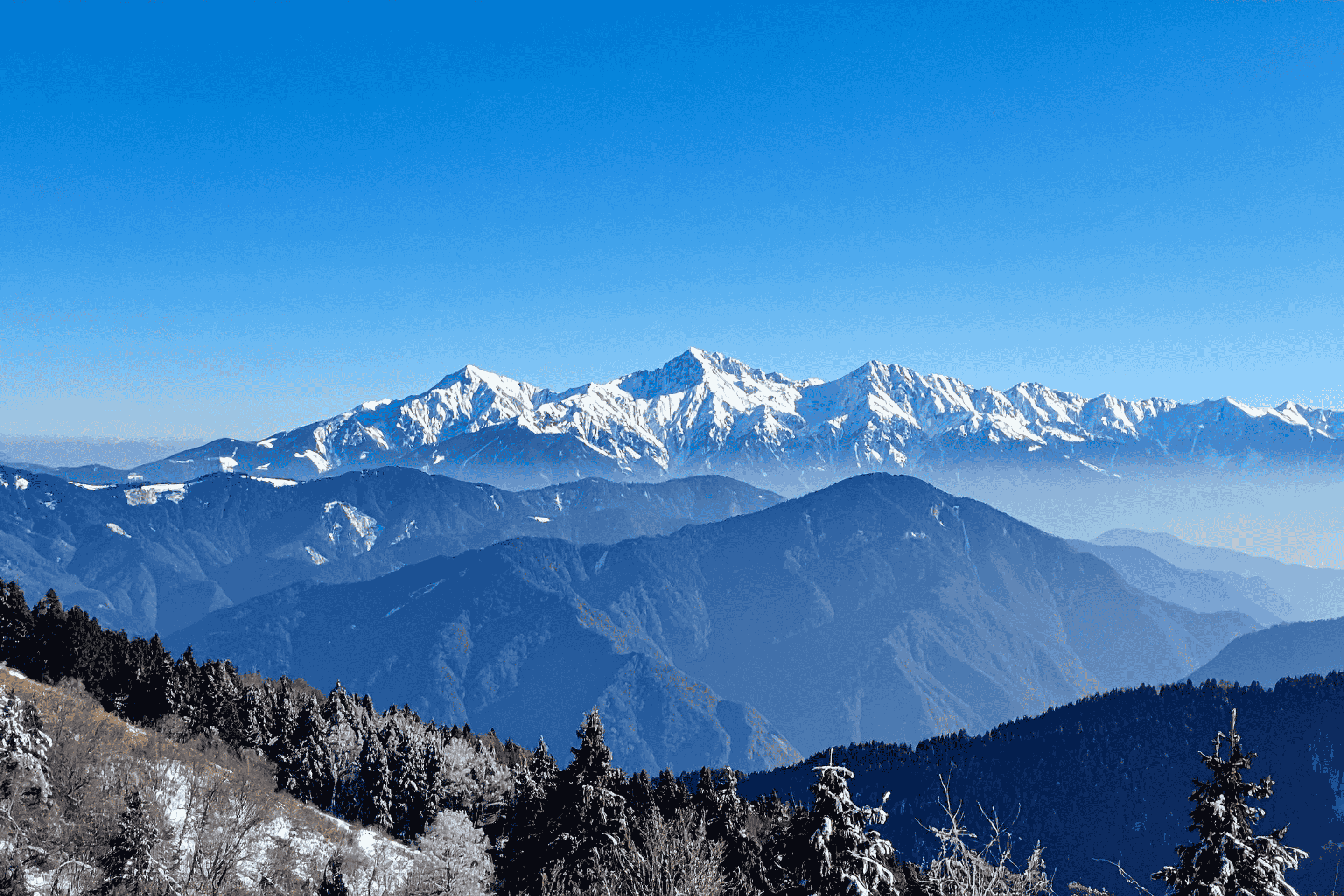
📍 Region: Uttarkashi, Garhwal Himalayas, Uttarakhand
⏳ Duration: 5N/6D | 🏔️ Maximum altitude: Approx. 13,615 ft at Darwa Top | ⚡ Difficulty: Moderate, becoming more demanding in snow
Dodital–Darwa Pass combines a peaceful high-altitude lake with a more challenging climb towards a mountain viewpoint. It is a rewarding choice for trekkers who want forests, water, cultural significance and expansive Himalayan scenery within one journey.
The trail approaches Dodital through forested terrain, passing mountain villages and wooded sections before reaching the lake at approximately 9,900 ft. Surrounded by forested slopes, Dodital has a calm atmosphere that contrasts with the more exposed terrain beyond it.
The lake is associated in local Hindu tradition with Lord Ganesha. Continuing towards Darwa Top takes the journey into higher mountain terrain, where the views open towards peaks and ridgelines of the Garhwal Himalayas, including the Bandarpoonch and Swargarohini ranges on clear days.
Winter can bring snow to the upper trail and transform the forest landscape. The combination of the lake, wooded approaches and high mountain views gives this trek a character different from a straightforward snow-meadow route.
Highlights of the trek
- Dodital, a scenic high-altitude lake surrounded by forest.
- Oak, deodar and rhododendron woodland along the approach.
- The traditional association of Dodital with Lord Ganesha.
- A challenging ascent towards Darwa Top and its mountain panorama.
- Views towards Bandarpoonch, Swargarohini and the surrounding Garhwal Himalayas.
Winter planning note: Dodital and Darwa Pass do not have identical levels of difficulty. Reaching the lake and climbing to the higher viewpoint are different undertakings. Deep snow, ice, poor visibility and short daylight can make the Darwa Top extension unsuitable. The upper section should only be attempted when local conditions and experienced trek leadership support it.
Best suited for: Trekkers who value forest trails, a high-altitude lake and mountain viewpoints, and who want a journey with both cultural and natural interest.
📖 Explore the route in our Complete Dodital–Darwa Pass Trek Guide.
📊 Offbeat Winter Treks at a Glance
Use this comparison to shortlist a route based on the landscape, altitude and level of challenge you prefer. The durations below are itinerary references; winter schedules may need to change according to actual conditions.
| Trek | Region | Duration | Approx. High Point | Best Known For |
|---|---|---|---|---|
| Ali–Bedni Bugyal | Garhwal, Uttarakhand | 4N/5D | 12,500 ft | Vast alpine meadows and mountain views |
| Gulabi Kantha | Uttarkashi, Uttarakhand | 4N/5D | 13,100 ft | Forest trails, open meadows and summit views |
| Winter Markha Valley | Ladakh | 6N/7D | Approx. 17,000 ft on high-pass itineraries | Remote high-altitude winter landscapes |
| Winter Dzongri | Western Sikkim | 5N/6D | 13,800 ft | Kangchenjunga-region mountain views |
| Dhakuri Pass | Kumaon, Uttarakhand | 4N/5D | Approx. 10,800 ft | Forest trails and peaceful mountain scenery |
| Dodital–Darwa Pass | Garhwal, Uttarakhand | 5N/6D | 13,615 ft | High-altitude lake, forests and mountain panorama |
Important: These routes do not share one uniform winter season. The practical operating window depends on snowfall, road access, local permissions, water availability, trail conditions and the experience of the trekking team. A listed duration or altitude should not be treated as a guarantee of winter accessibility.
🥾 Which Offbeat Winter Trek Should You Choose?
The right choice depends on what you want from the mountains, not simply how remote a trail sounds.
If you love expansive alpine meadows
Ali–Bedni Bugyal is the natural choice for its broad grasslands, open ridges and views towards Trishul and Nanda Ghunti. Its winter accessibility, however, must be checked carefully.
If you want forests, snow and a summit
Gulabi Kantha combines wooded approaches with higher meadows and a rewarding mountain viewpoint. It is worth considering when you want a winter landscape without choosing an expedition-style itinerary.
If you want a serious high-altitude challenge
Winter Markha Valley offers a stark, remote landscape, but it is suitable only when the exact route is feasible and the team has the experience, equipment and support required for winter Ladakh.
If eastern Himalayan scenery appeals to you
Winter Dzongri offers the character of western Sikkim and views towards Kangchenjunga. Winter access and protected-area requirements must be verified before planning.
If you prefer quieter forest walks and lower altitude
Dhakuri Pass is a good option to investigate for its forested trails, open viewpoints and Kumaon landscapes. It is not a guaranteed snow trek, so choose it for the overall mountain experience rather than snowfall alone.
If you want a lake, forests and a mountain viewpoint
Dodital–Darwa Pass brings together a forest approach, a scenic lake and a more demanding high-altitude extension. The decision to continue towards Darwa Top should depend on the day's conditions.
🌨️ What to Know Before Booking an Offbeat Winter Trek
One of the biggest mistakes in winter trekking is assuming that a route will be accessible simply because it is shown in a winter photograph or listed as a winter departure.
Offbeat trails can have fewer support facilities and less predictable access than established winter routes. A fresh snowfall may improve the scenery while making a road impassable or a high section unsafe. A stream that was easy to cross in autumn may become hazardous in freezing conditions. A campsite that works well in summer may no longer be suitable.
Before booking, confirm the following with your trek operator:
- Current route status: Is the specific itinerary operating under the present conditions?
- Snow and weather: What are the latest reports for the trail and surrounding region?
- Experience required: Does the route match your fitness, altitude experience and winter trekking skills?
- Equipment: Are suitable cold-weather clothing, footwear and any necessary snow equipment included or specified?
- Leadership and contingency: Who makes route decisions, and what happens if snowfall, road closures or unsafe conditions interrupt the plan?
- Permissions and logistics: Are local access rules, permits, accommodation and transport arrangements confirmed?
For the more demanding winter routes, particularly Markha Valley and Dzongri, current local advice is essential. If the conditions do not support a safe journey, changing the itinerary or postponing the trek is the responsible decision.
🧤 What Should You Carry for Winter Trekking?
Your equipment should match the altitude, expected temperatures and actual trail conditions. A suitable winter packing list generally includes:
- Moisture-wicking base layers and warm insulating layers.
- A properly insulated jacket and a windproof, waterproof outer shell.
- Warm gloves, a cap and protection for the face and neck.
- Trekking footwear appropriate to the route, along with suitable socks.
- A headlamp, personal medication and essential first-aid items.
- Water bottles or an appropriate hydration system, with a plan for freezing conditions.
- Any route-specific equipment recommended by the trek leader, such as gaiters or traction devices.
For high-altitude winter journeys, equipment alone is not enough. Acclimatisation, suitable pacing, experienced leadership and the ability to recognise deteriorating conditions are equally important.
🌱 Keeping Offbeat Trails Peaceful and Responsible
The appeal of a quieter Himalayan trail comes with a responsibility to keep it that way.
Carry back all waste, avoid disturbing wildlife, respect local communities and follow camping and access regulations. Do not assume that a landscape is unvisited simply because you see few other trekkers. Many mountain regions support local livelihoods, cultural traditions and fragile ecosystems throughout the year.
Responsible trekking also means respecting the limits of the route. Avoid unnecessary noise, do not damage vegetation to create campsites, and never take risks simply to reach a viewpoint or capture a photograph.
A peaceful Himalayan experience is not just about the number of people you encounter. It is also about the way you move through the landscape and the care you take to leave it as you found it.
❓ Frequently Asked Questions About Offbeat Winter Treks in India
Which are the best offbeat winter treks in India?
Ali–Bedni Bugyal, Gulabi Kantha, Winter Markha Valley, Winter Dzongri, Dhakuri Pass and Dodital–Darwa Pass offer different alternatives to the most familiar Himalayan winter routes. The best choice depends on your experience, preferred landscape, travel dates and the route's actual winter accessibility.
Which winter treks in the Himalayas are less crowded?
Gulabi Kantha, Dhakuri Pass and Ali–Bedni Bugyal are worth considering if you are looking for alternatives to heavily promoted winter trails. Winter Markha Valley and Dzongri may also offer a quieter seasonal atmosphere, but both require more careful assessment of access and safety. Crowd levels vary by date and operator, so solitude cannot be guaranteed.
Which offbeat winter trek is best for beginners?
Gulabi Kantha and Dhakuri Pass may be worth considering for trekkers with appropriate fitness and preparation. However, the presence of snow can substantially increase difficulty. Beginners should choose a route according to current conditions and the support available, rather than relying only on its standard difficulty rating.
Which of these treks offers the best chance of snow?
Snowfall depends on altitude, local weather, slope orientation and the timing of individual weather systems. Higher sections of Gulabi Kantha, Ali–Bedni Bugyal, Dzongri and the Markha Valley may receive snow, but actual conditions vary from year to year. Confirm recent trail reports rather than treating snow as guaranteed.
Can I do the Ali–Bedni Bugyal Trek in winter?
Winter travel may be possible under suitable conditions, but the usual Ali–Bedni itinerary should not be assumed to operate throughout the winter. Deep snow, road access and campsite availability can affect the route. Confirm the current operating plan and safety assessment before booking.
Is Winter Markha Valley suitable for first-time trekkers?
Winter Markha Valley should not be treated as a beginner-friendly snow trek. Its high-altitude terrain, freezing temperatures, potential snow and ice, and remote logistics demand substantial preparation and experienced leadership. A winter itinerary should proceed only when the exact route and conditions have been assessed as suitable.
Can I trek to Dzongri in winter?
Winter access depends on weather, snow conditions, local regulations and the status of the trail. Confirm permits and current operating arrangements with authorised local operators before planning. Do not assume that the standard trekking itinerary is available during deep winter.
Is Dhakuri Pass a good winter trek if I do not want extreme altitude?
Dhakuri Pass is worth considering for its forest trails, meadows and mountain views at a comparatively lower altitude than several routes in this guide. Snow is not guaranteed, however, and cold weather or fresh snowfall can still make the trail more demanding.
How difficult is the Dodital–Darwa Top Trek in winter?
The difficulty depends on the section you intend to complete and the prevailing conditions. Reaching Dodital and continuing to Darwa Top are different challenges. Snow, ice, limited daylight and poor visibility may make the upper climb unsuitable, even when the lower trail remains accessible.
When is the best time for offbeat winter treks in India?
December through February is the core winter period for many Himalayan routes, but there is no single best window for all six treks. Conditions in Ladakh, Sikkim and Uttarakhand differ significantly. Some routes may become inaccessible during the coldest months, so choose dates according to the destination's actual operating season rather than the calendar alone.
Are offbeat winter treks safer because fewer people visit them?
No. Fewer trekkers do not automatically mean lower risk. Remote trails may have fewer facilities, less reliable access and longer response times in an emergency. Experienced trek leadership, suitable equipment, current weather information and sound route decisions remain essential.
How can I choose between a peaceful trek and a proper snow trek?
Start by deciding what matters most: quiet forests, expansive meadows, a summit, a high-altitude lake or a landscape covered in snow. Then check which routes are operating safely during your dates. If snowfall is your main priority, remember that no itinerary can guarantee fresh snow on a particular departure.
🏔️ Find Your Own Winter in the Himalayas
The Himalayas have room for more than one kind of winter adventure.
Some journeys are about crossing a snowy ridge. Others are about walking through a forest without rushing, watching the light change across a meadow or standing beside a mountain lake with nothing demanding your attention except the landscape itself.
Ali–Bedni Bugyal offers the scale of Garhwal's alpine meadows. Gulabi Kantha brings together forests, open slopes and a mountain summit. Winter Markha Valley reveals the stark character of Ladakh, while Dzongri introduces the distinctive scenery of the eastern Himalayas. Dhakuri Pass offers a quieter forest-and-meadow experience, and Dodital–Darwa Top combines a beautiful lake with a rewarding high-altitude viewpoint.
These are different journeys, with different demands and different seasonal limitations. None needs to promise complete solitude or guaranteed snowfall to be worthwhile.
At Planethimalayas, we believe choosing a trek should begin with understanding the experience, the terrain and the conditions you are likely to encounter. The right journey is not necessarily the most popular or the most remote. It is the one that matches your expectations, respects the mountain environment and gives you the confidence to enjoy the trail responsibly.
Choose thoughtfully. Prepare well. Respect the weather. And leave enough room in your itinerary to appreciate the moments that cannot be planned.
Sometimes, the most memorable winter experience is not the mountain you climbed, but the quiet you found along the way.
