
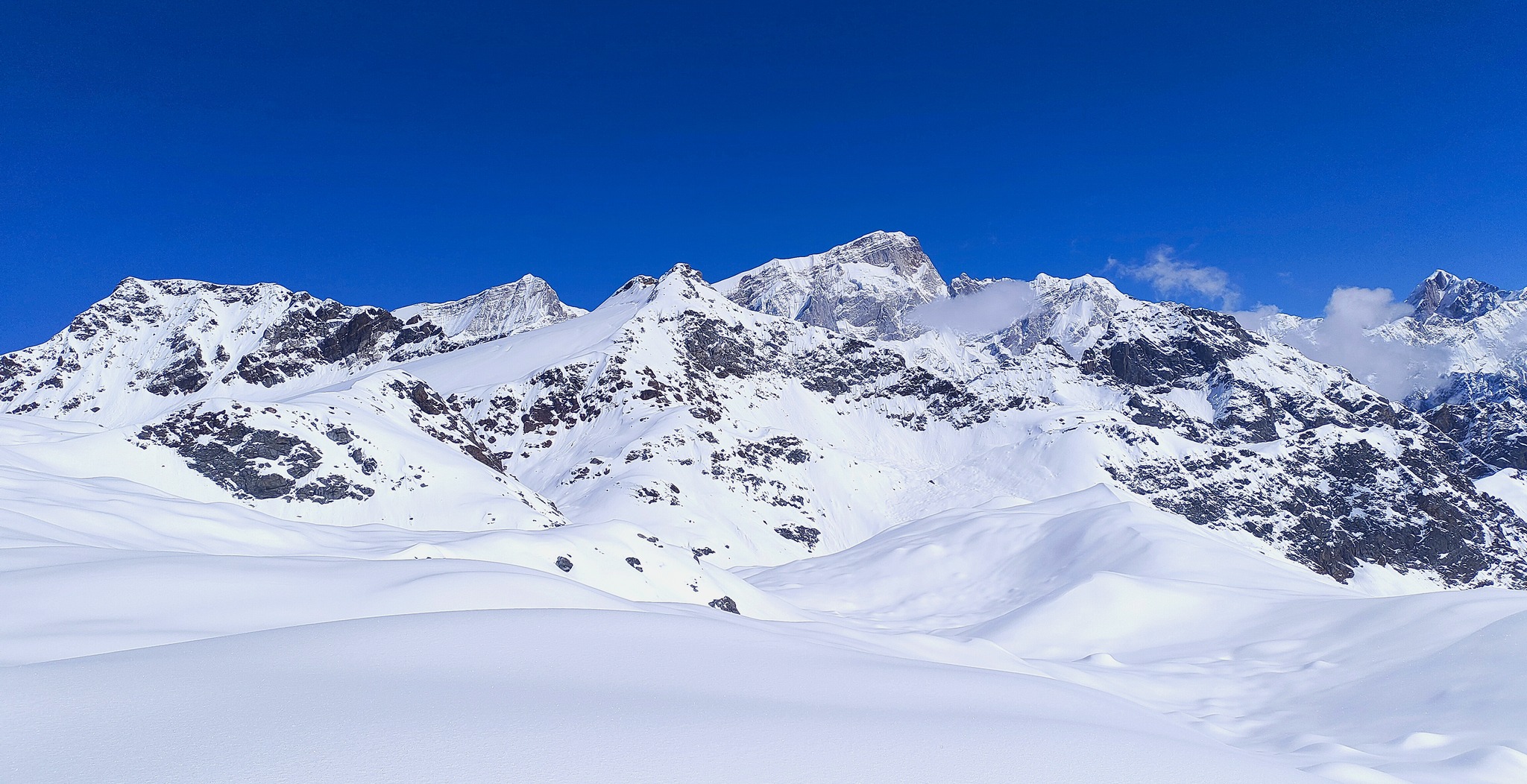
The summer is here again — and this is the season trekkers quietly wait for.
Summer in the Himalayas doesn’t arrive quietly — it unfolds through movement.
High trails that stayed untouched for months begin to see life again. Shepherds move upward with their flocks, following routes that have existed long before trekking became a thing. Campsites that lay buried under snow slowly reappear. The mountains don’t “change season” — they start functioning again.
By mid-May, the lower and mid-altitude regions are fully accessible, but higher up, the story is very different. Snow hasn’t disappeared — it has just started losing its hold. Southern slopes clear out faster under longer sunlight, while northern faces continue to store snow, sometimes well into late summer. This uneven melt is what makes the terrain unpredictable and exciting at the same time.
And this is where summer trekking becomes real.
Early in the season, especially till June, you are not avoiding snow — you are constantly dealing with it. Long snowfields, softening surfaces under the sun, and steep sections that demand careful footing become part of the trail. It’s not extreme, but it’s far from casual.
At the same time, just a few hundred meters below, the landscape transforms completely.
Meadows that stayed buried since winter suddenly open up — not gradually, but in full force. Fresh grass pushes through, and within weeks, these bugyals turn into wide, green expanses dotted with blooming alpine flowers. The contrast is sharp — snow above, life below.
Rivers run louder with fresh meltwater, daylight stretches longer, and the days feel built for covering distance. This is the season where routes extend further, passes begin to open, and the mountains expect you to keep moving.
Summer here is not soft or relaxed — it’s active, raw, and deeply engaging.
And once you experience it, you don’t just remember the views — you remember the movement.
But summer is not just for high passes and experienced trekkers.
It also opens up a wide range of beginner-friendly treks, especially in Himachal and parts of Uttarakhand. Due to geographical orientation, regions like Himachal, Spiti, and Ladakh hold snow longer, delaying accessibility. This creates a staggered trekking calendar — where different regions open up at different times.
The result? More options. More diversity. More opportunities for every kind of trekker.
However, one thing remains constant:
💡 The Himalayas are for everyone — but the experience depends entirely on the choices you make.
👉 If you're unsure how to choose the right trek, read our complete guide on trek selection.
📊 How This Guide is Structured
To help you choose wisely, we’ve categorized summer treks based on difficulty:
- 🟢 Beginner Treks (Start here if you're new or building experience)
- 🟡 Moderate Treks (Coming next)
- 🔴 Difficult Treks (Coming next)
Let’s begin with beginner-friendly treks that offer the perfect introduction to Himalayan summer conditions.
🟢 Beginner Summer Treks (May–June)
These treks are ideal for first-timers, families, or anyone looking to experience the Himalayas without technical challenges — while still enjoying snow patches, meadows, and mountain views.
Beas Kund Trek
⏳ 2N/3D | ⚡ Easy | 🏔️ 12,200 ft | 📍 Manali
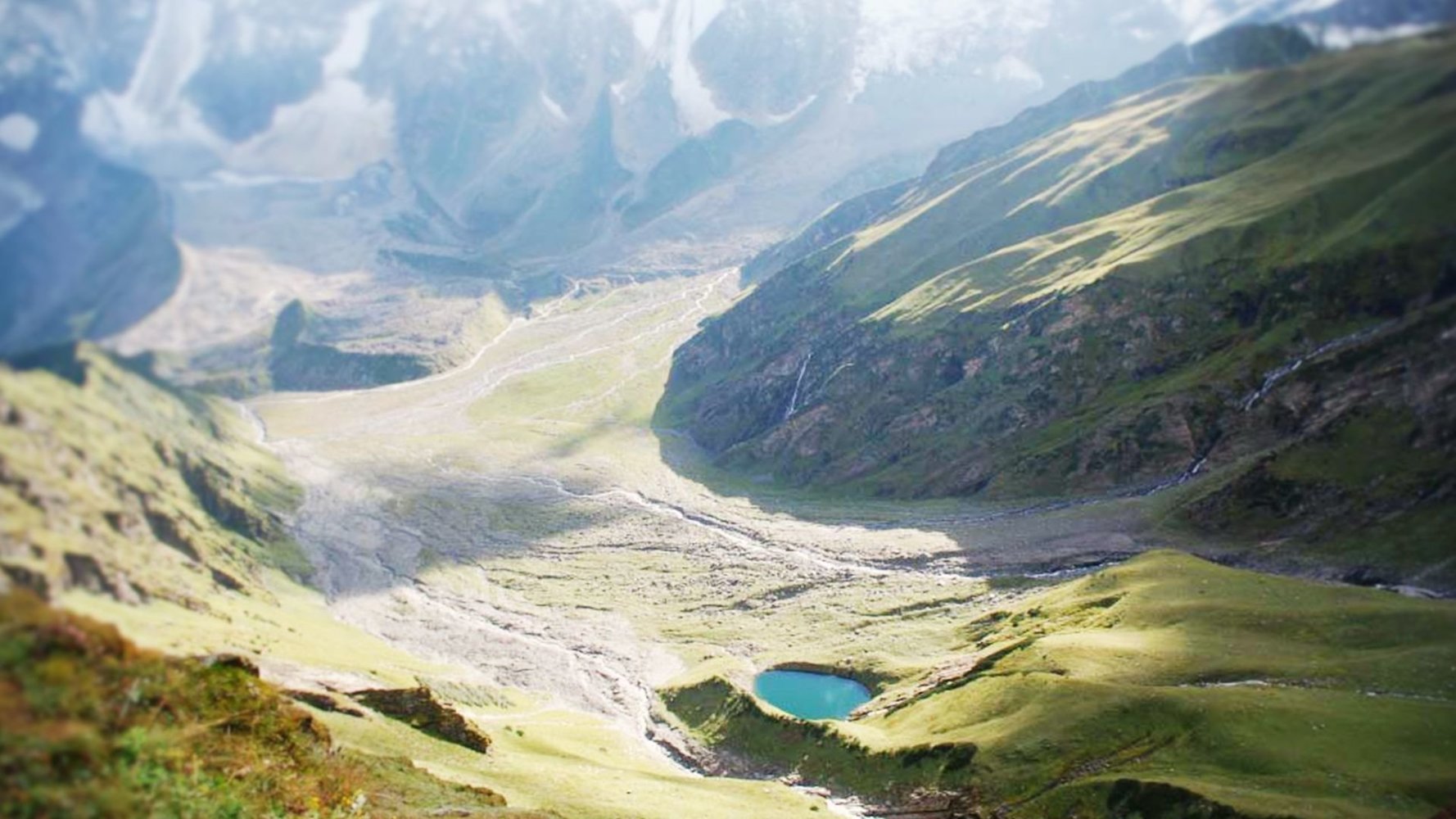
Beas Kund is one of the most accessible high-altitude experiences in the Himalayas. Starting from Solang Valley, this trek introduces you to glacier landscapes, moraine fields, and the origin point of the Beas River. In early summer, lingering snow patches make the trail more exciting without being overwhelming — a perfect balance for beginners.
Bhrigu Lake Trek
⏳ 3N/4D | ⚡ Easy–Moderate | 🏔️ 13,850 ft | 📍 Manali
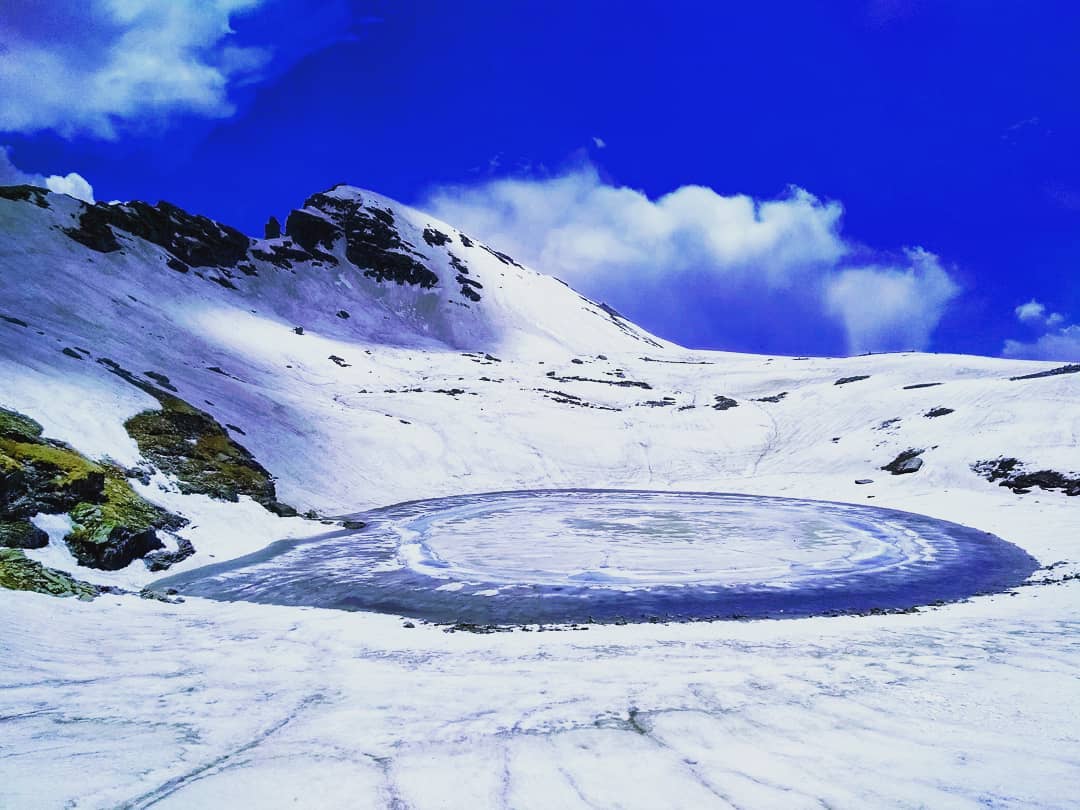
What makes Bhrigu unique is how quickly it takes you to high altitude. Within a short duration, you transition from forest lines to vast open meadows. In May–June, snow patches near the lake add a raw alpine feel, while the surrounding grasslands begin turning green — offering a rare seasonal contrast.
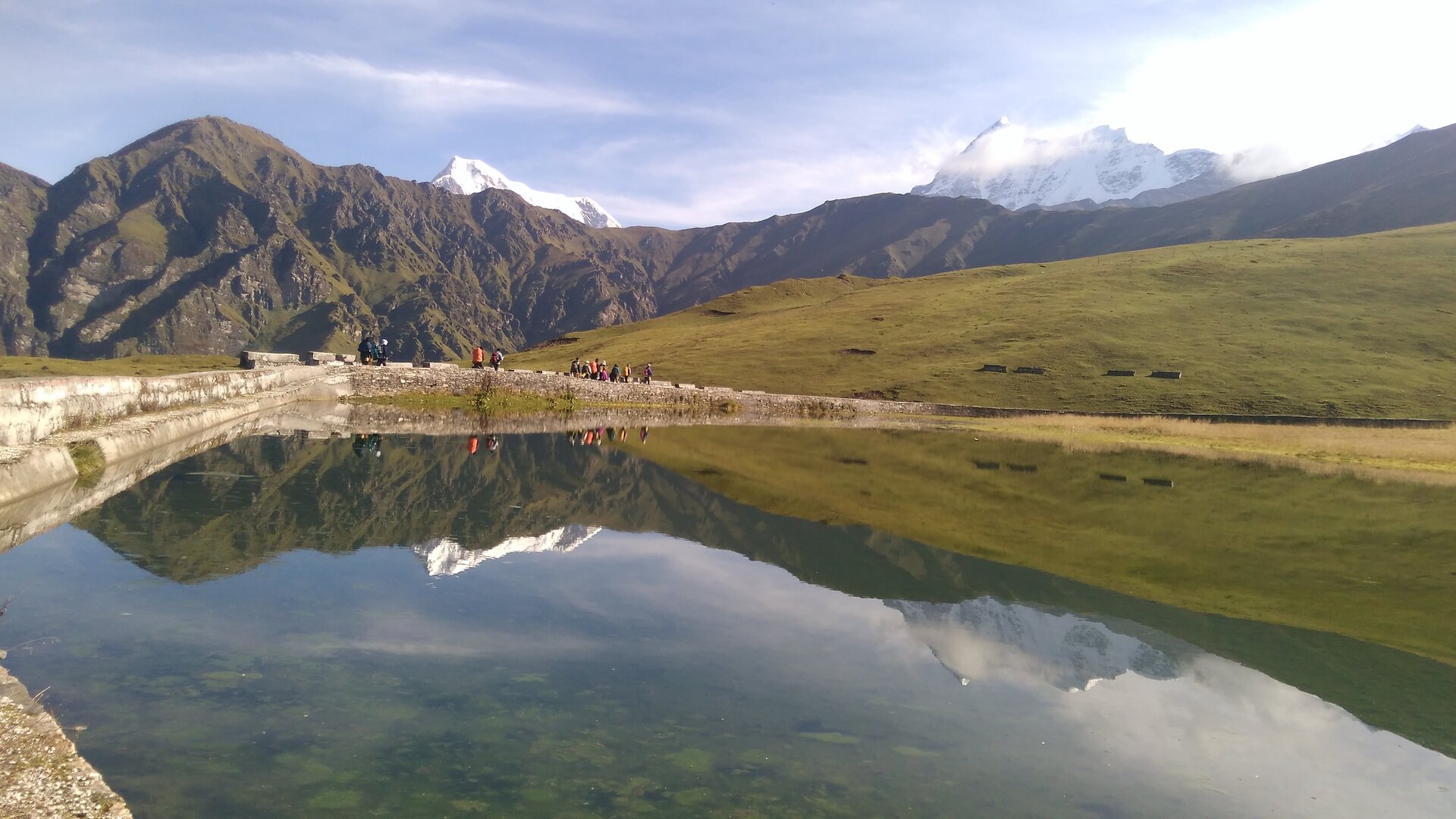
Ali Bedni Bugyal Trek
⏳ 4N/5D | ⚡ Easy | 🏔️ 12,500 ft | 📍 Uttarakhand
Often called the most beautiful meadows in India, Ali and Bedni Bugyal come alive in early summer. Snow melts gradually, revealing endless rolling grasslands with views of Mt. Trishul and Nanda Ghunti. This trek is less about difficulty and more about immersion — walking through vast landscapes that shift every hour.
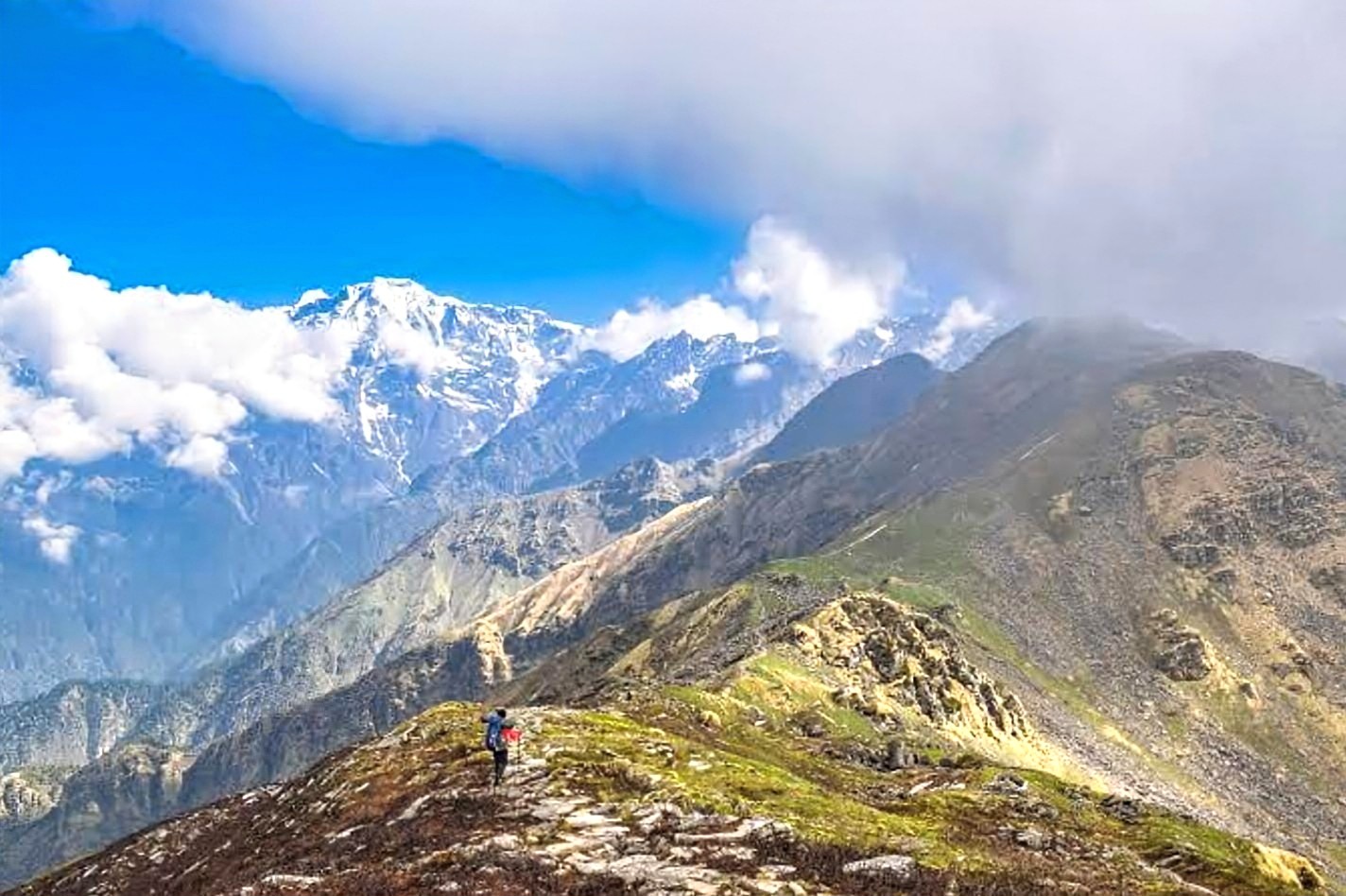
Ranthan Kharak Trek
⏳ 6N/7D | ⚡ Easy–Moderate | 🏔️ ~12,140 ft | 📍 Kumaon
A quieter alternative to popular meadow treks, Ranthan Kharak offers deep forest trails, remote campsites, and expansive bugyals. In summer, the trail feels alive yet untouched — ideal for those who want solitude without extreme difficulty.
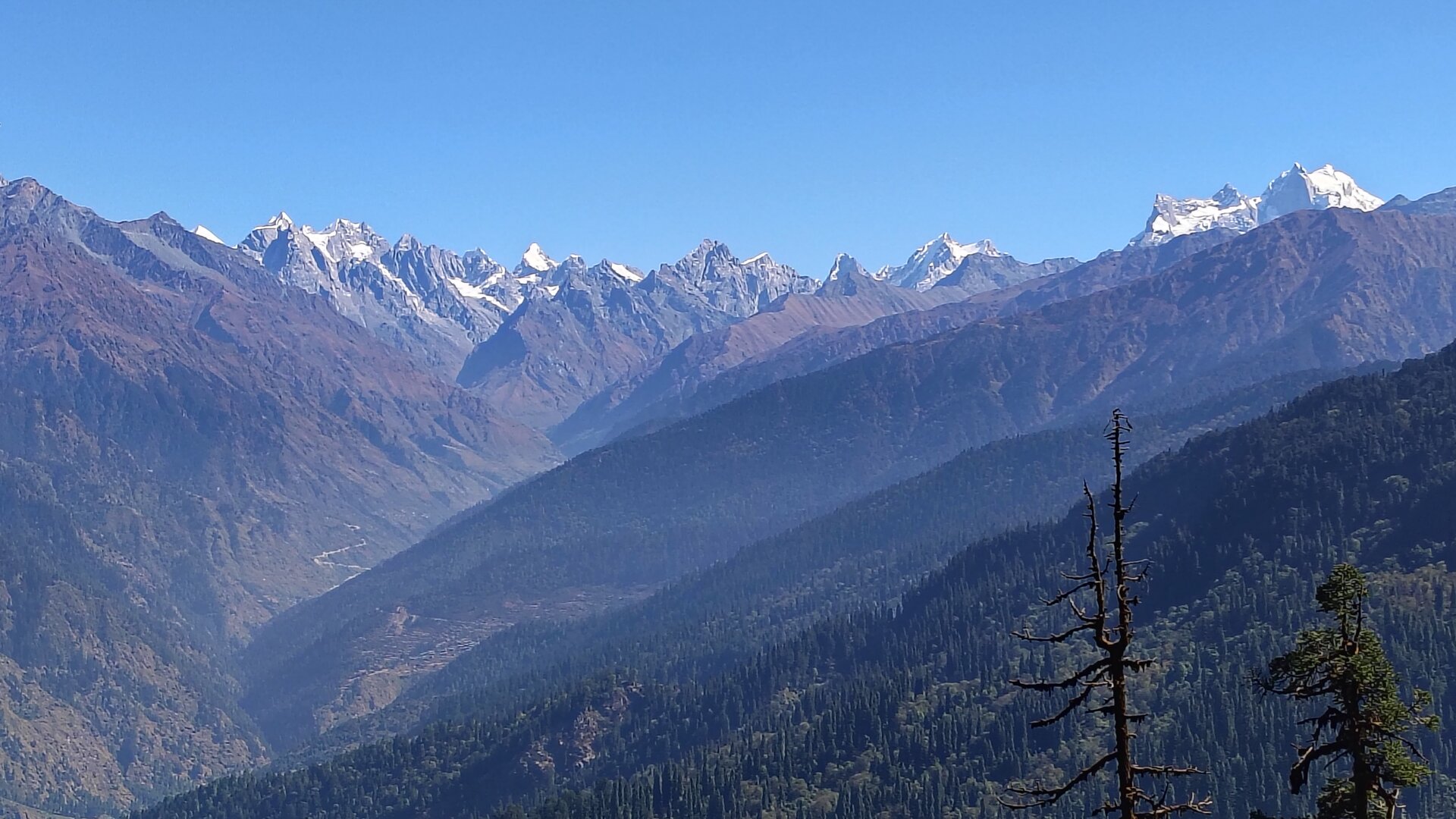
Phulara Ridge Trek
⏳ 5N/6D | ⚡ Easy–Moderate | 🏔️ 12,150 ft | 📍 Sankri
Phulara Ridge is less about destination and more about the journey. Walking along a continuous ridge with panoramic Himalayan views is a rare experience. In May–June, clear skies and stable weather make this one of the most visually rewarding beginner-friendly treks.
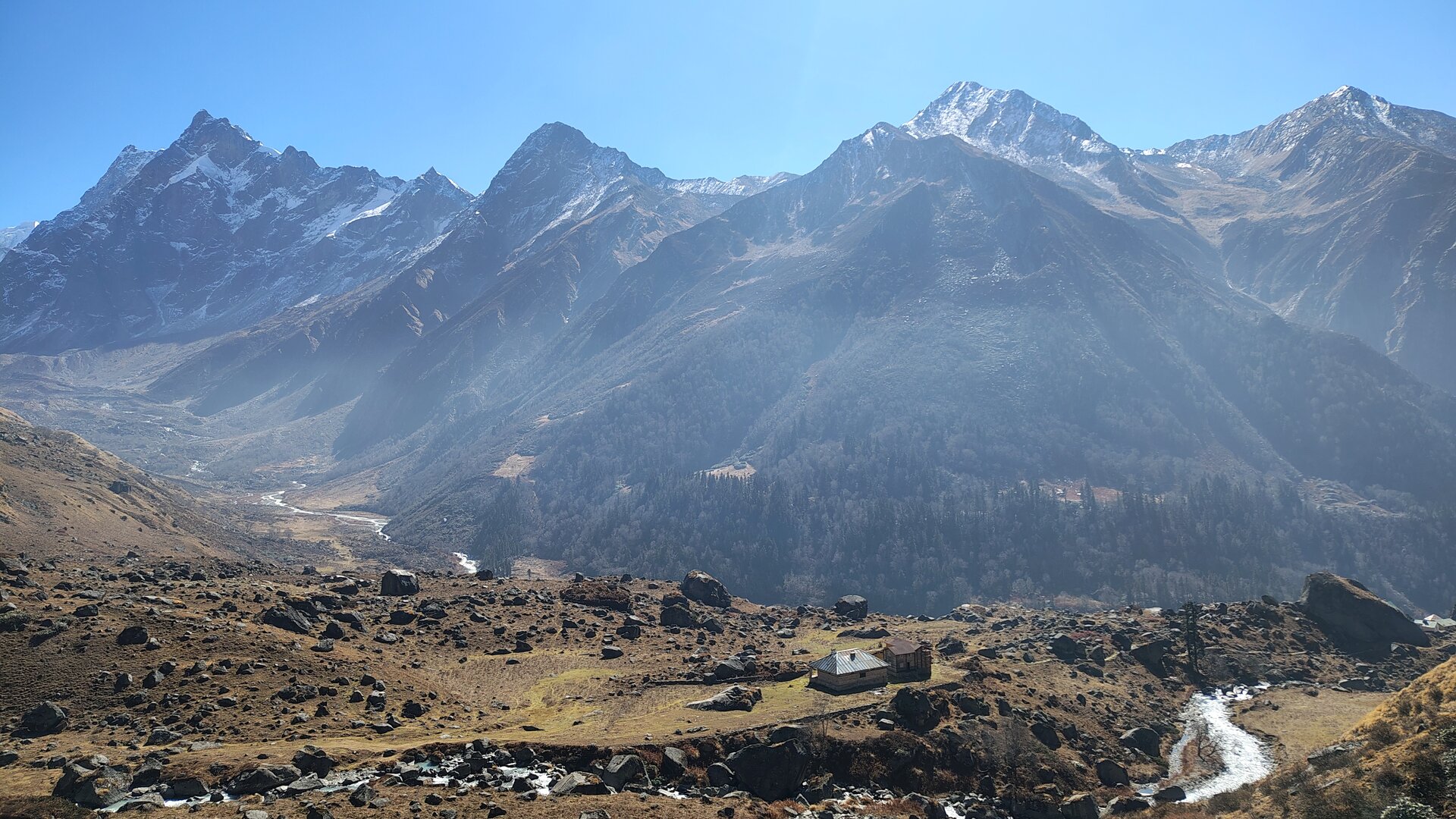
Har Ki Dun Trek
⏳ 6N/7D | ⚡ Easy | 🏔️ 11,200 ft | 📍 Sankri
Har Ki Dun is not just a trek — it’s a journey through time. Ancient villages, river valleys, and gradual ascents make it one of the most beginner-friendly long treks. In summer, the valley turns lush, while higher ridges still hold traces of snow.
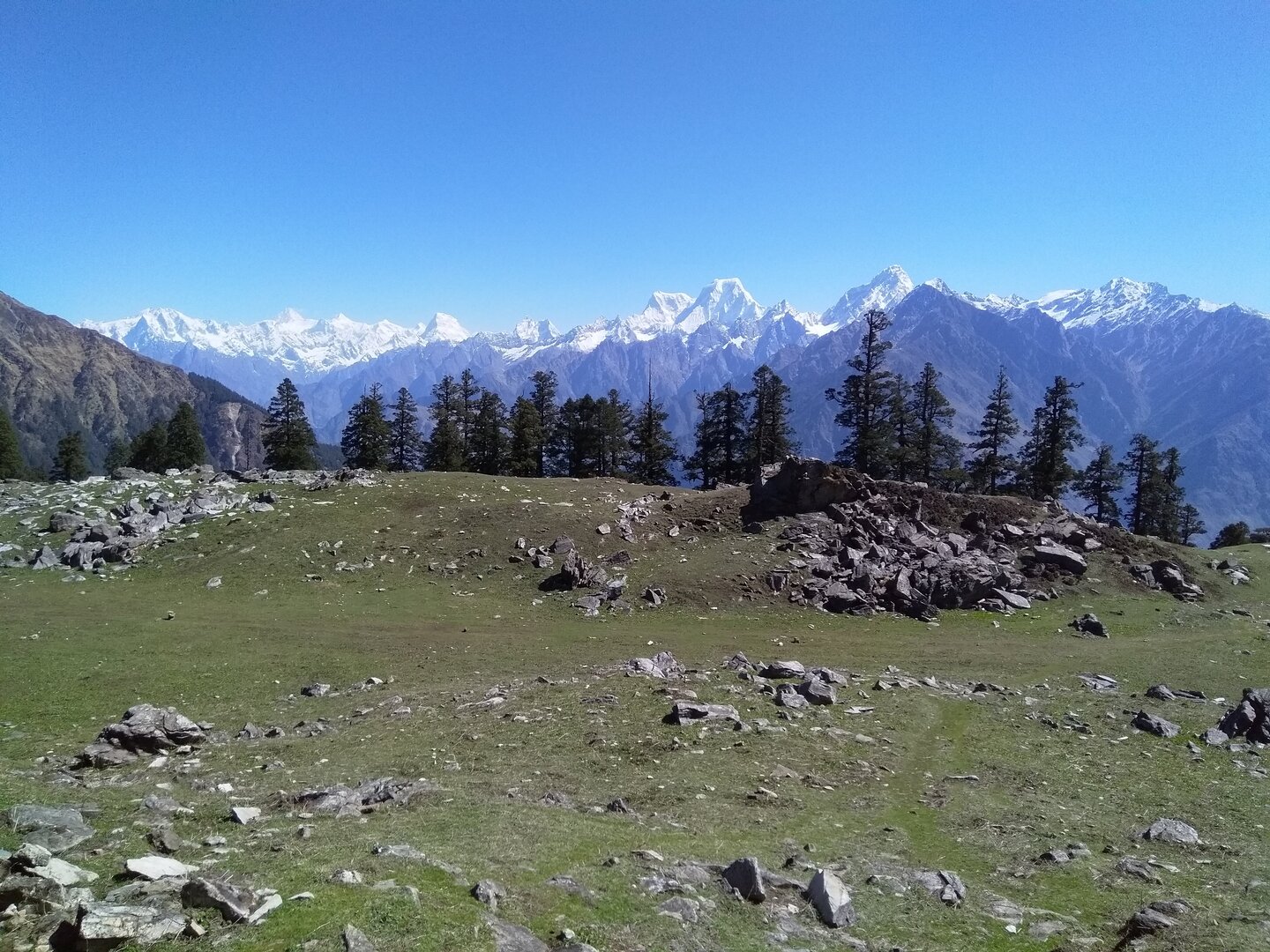
Kuari Pass Trek
⏳ 5N/6D | ⚡ Easy–Moderate | 🏔️ 12,516 ft | 📍 Joshimath
Known for its grand mountain views, Kuari Pass offers one of the best Himalayan panoramas. In early summer, snow patches may still be present near the pass, adding a slight challenge while keeping the trek accessible.
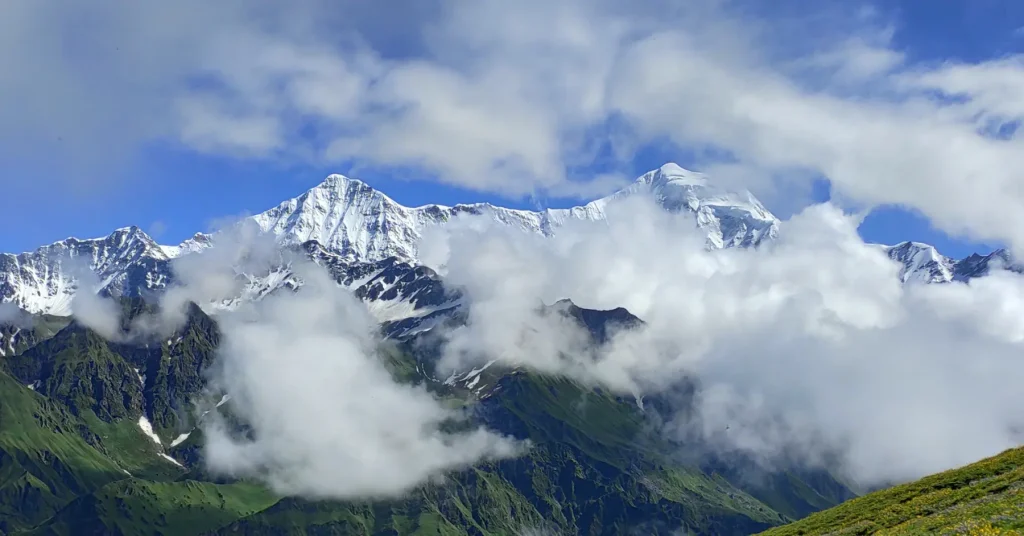
Gulabi Kantha Trek
⏳ 4N/5D | ⚡ Easy | 🏔️ 13,200 ft | 📍 Uttarkashi
A lesser-known summit trek, Gulabi Kantha offers 360° views of major Himalayan peaks. In summer, the mix of forest trails, open ridges, and residual snow makes it a complete experience without any technical difficulty.
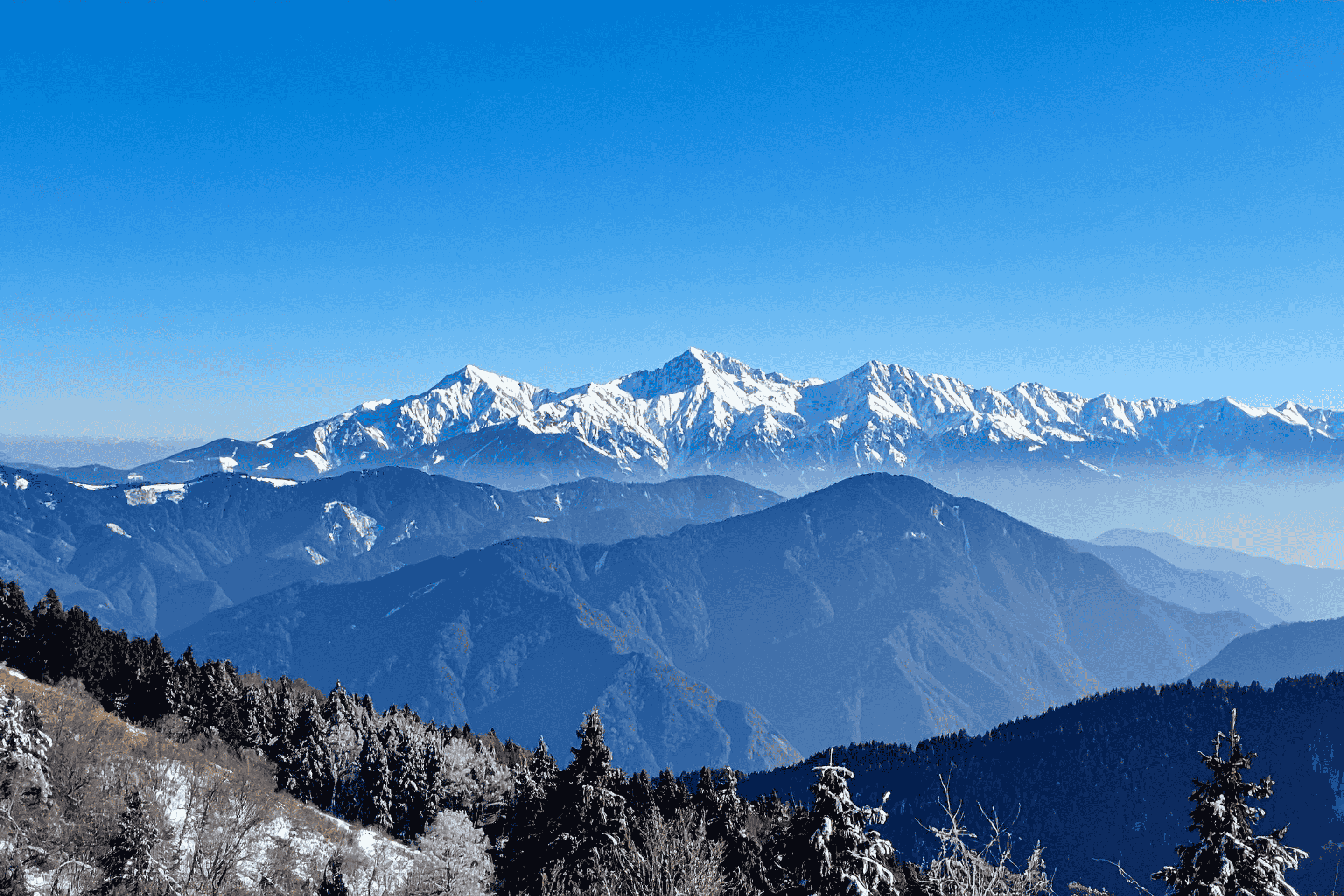
Dodital Darwa Top Trek
⏳ 4N/5D | ⚡ Easy–Moderate | 🏔️ 13,000 ft | 📍 Uttarakhand
Combining forest trails, a sacred lake, and a rewarding summit climb, this trek offers variety in a short span. In May–June, the route transitions beautifully from dense woods to open high-altitude views.
These beginner treks are not “easy” in the casual sense — they are carefully balanced experiences that introduce you to altitude, terrain, and changing weather without overwhelming you.
They are where most strong trekking journeys begin.
🟡 Intermediate Treks (Moderate to Challenging)
If beginner treks introduce you to the Himalayas, intermediate treks start demanding something back from you.
This is where altitude begins to feel real, terrain becomes unpredictable, and the margin for error reduces. You’re no longer just walking through landscapes — you are navigating them.
Summer (May–June) makes this category especially dynamic. Snow conditions, exposed sections, and high-altitude terrain combine to create journeys that are not extreme, but definitely not forgiving either. The same trail can feel very different depending on timing, snow presence, and your own preparedness.
If you’ve built a solid base — physically and mentally — this is where trekking starts becoming deeply rewarding.
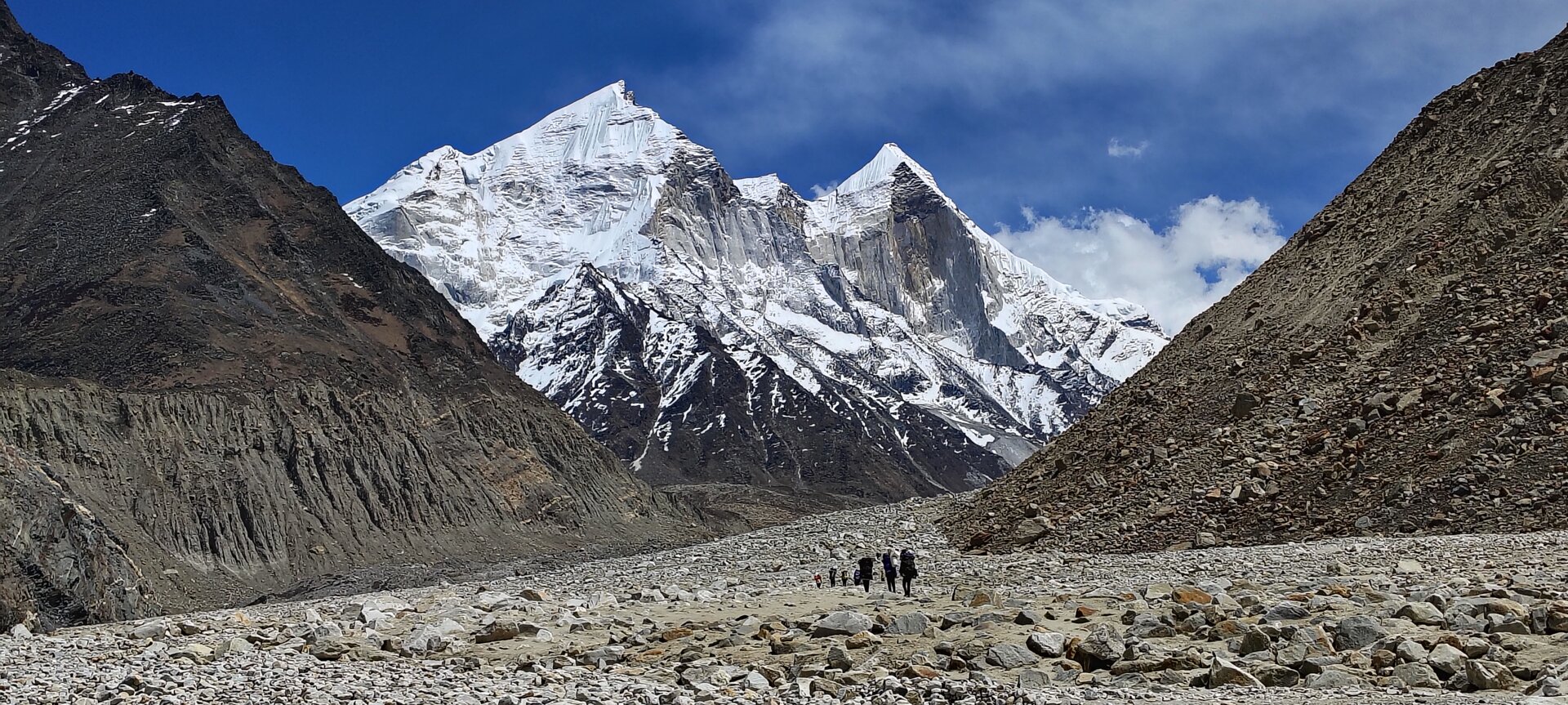
Gaumukh Tapovan Trek
⏳ 6N/7D | ⚡ Moderate–Difficult | 🏔️ 14,600 ft | 📍 Gangotri
This trek takes you into the heart of the Gangotri Glacier system — one of the most significant glacial landscapes in India. The trail moves from forested paths to moraine zones and eventually into the vast high-altitude meadows of Tapovan.
In early summer, glacier crossings and loose terrain demand careful movement. The reward is unmatched proximity to peaks like Shivling and the Bhagirathi group — this is where the Himalayas stop feeling distant.
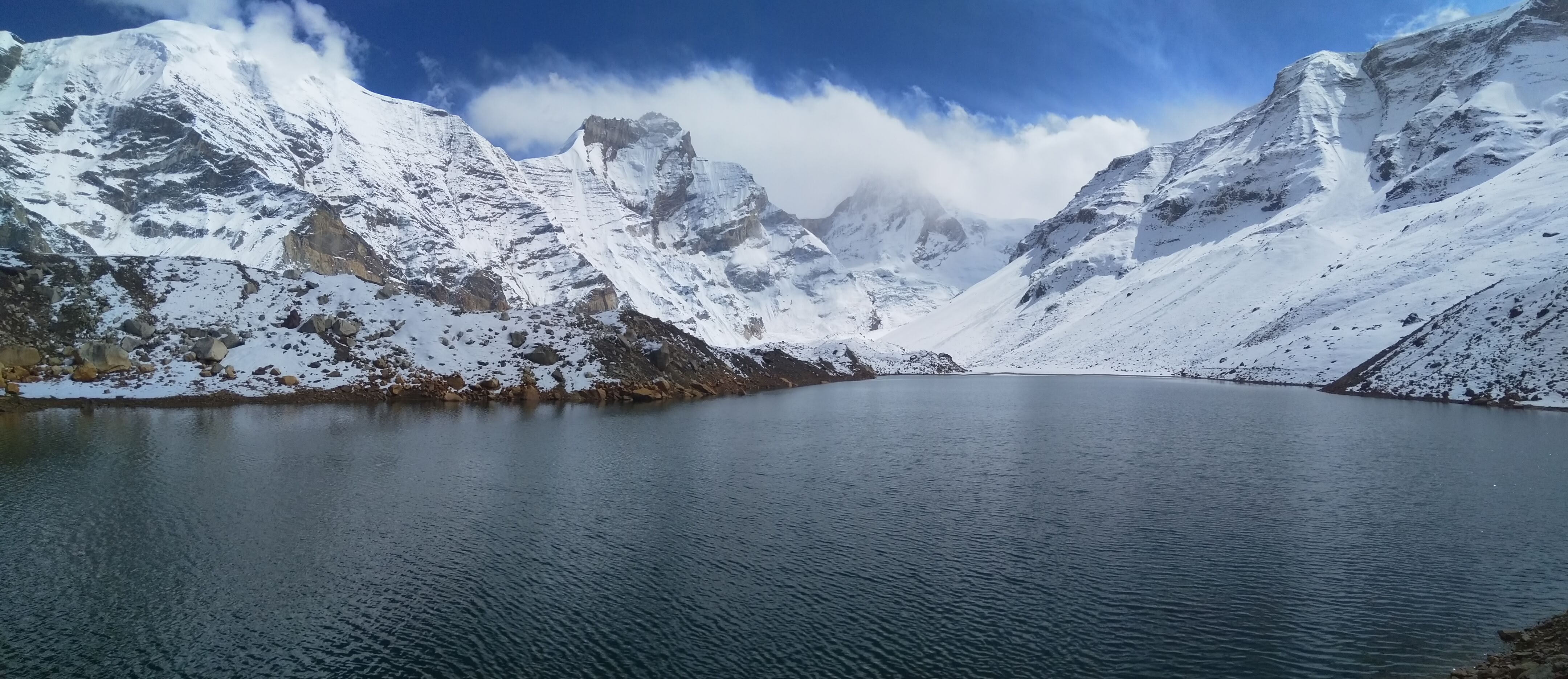
Kedartal Trek
⏳ 6N/7D | ⚡ Moderate-Difficult | 🏔️ 4,750 m | 📍 Gangotri
Kedartal is not just a trek — it’s a raw alpine climb into one of the most dramatic glacial basins in the Himalayas. The trail is steep, exposed, and often unstable.
Summer conditions here still involve snow sections and tricky traverses. With towering peaks like Thalay Sagar rising directly above, this trek feels closer to an expedition than a regular trek.
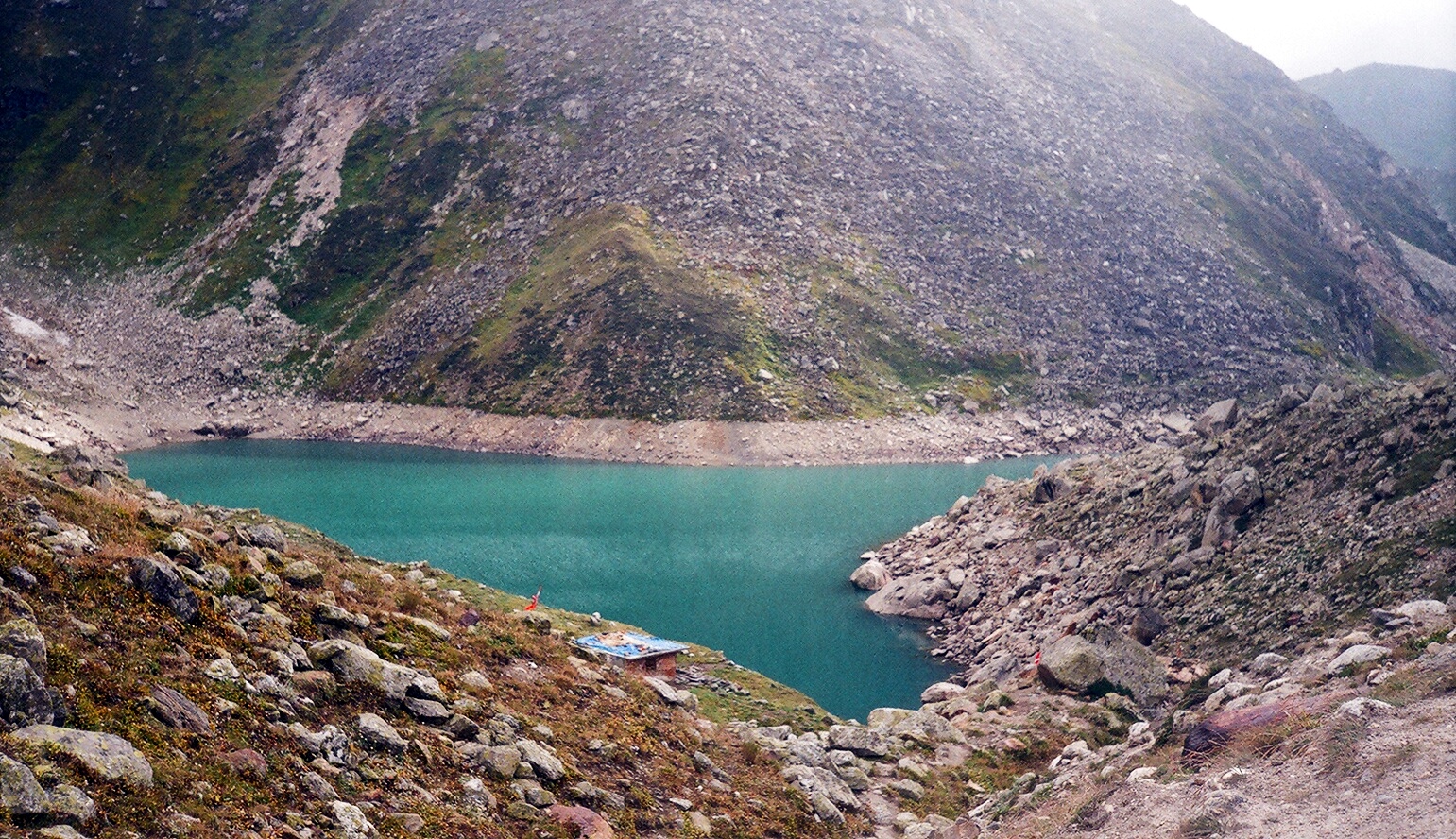
Satopanth Lake Trek
⏳ 5N/6D | ⚡ Moderate | 🏔️ 15,100 ft | 📍 Mana
Satopanth is where mythology meets terrain. The trail follows the Alaknanda valley beyond civilization into glacial landscapes tied to the Pandavas.
In summer, snow patches and river crossings remain active challenges. The approach is gradual, but altitude and exposure make it a serious high-altitude experience.
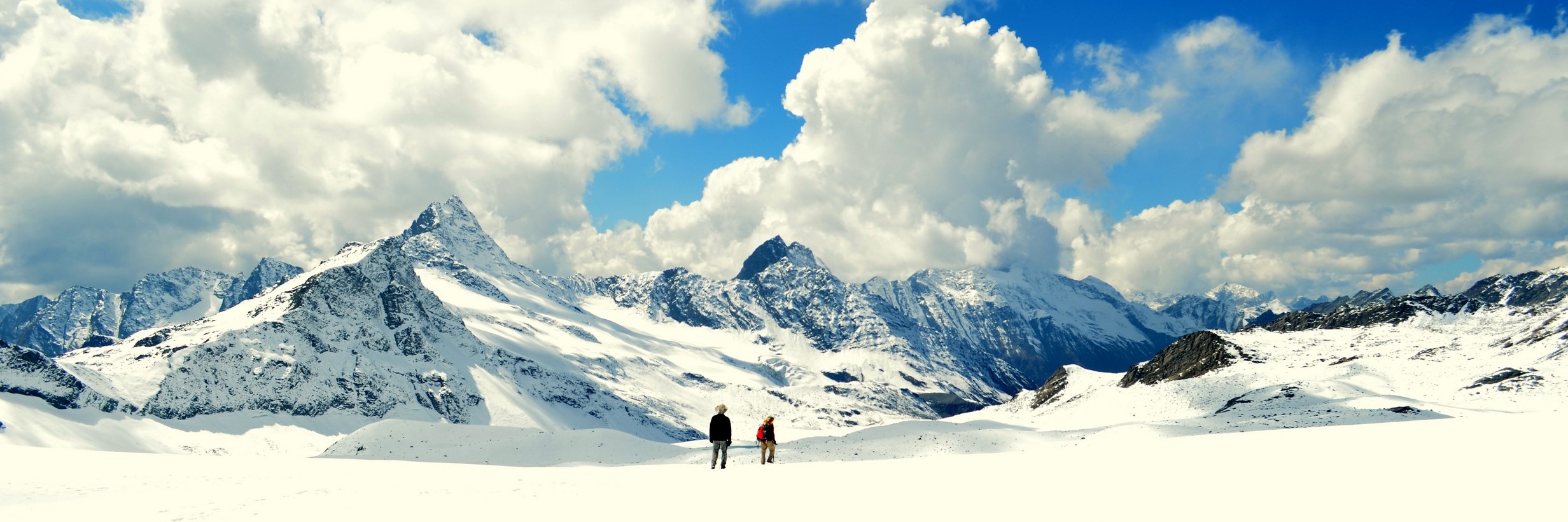
Kalihani Pass Trek
⏳ 7N/8D | ⚡ Moderate–Difficult | 🏔️ 15,850 ft | 📍 Manali
An offbeat high-pass route connecting remote valleys, Kalihani brings together glaciers, meadows, and rugged terrain in one journey.
Early summer crossings can involve snowfields and tricky navigation. This trek demands consistency over multiple days rather than a single push.
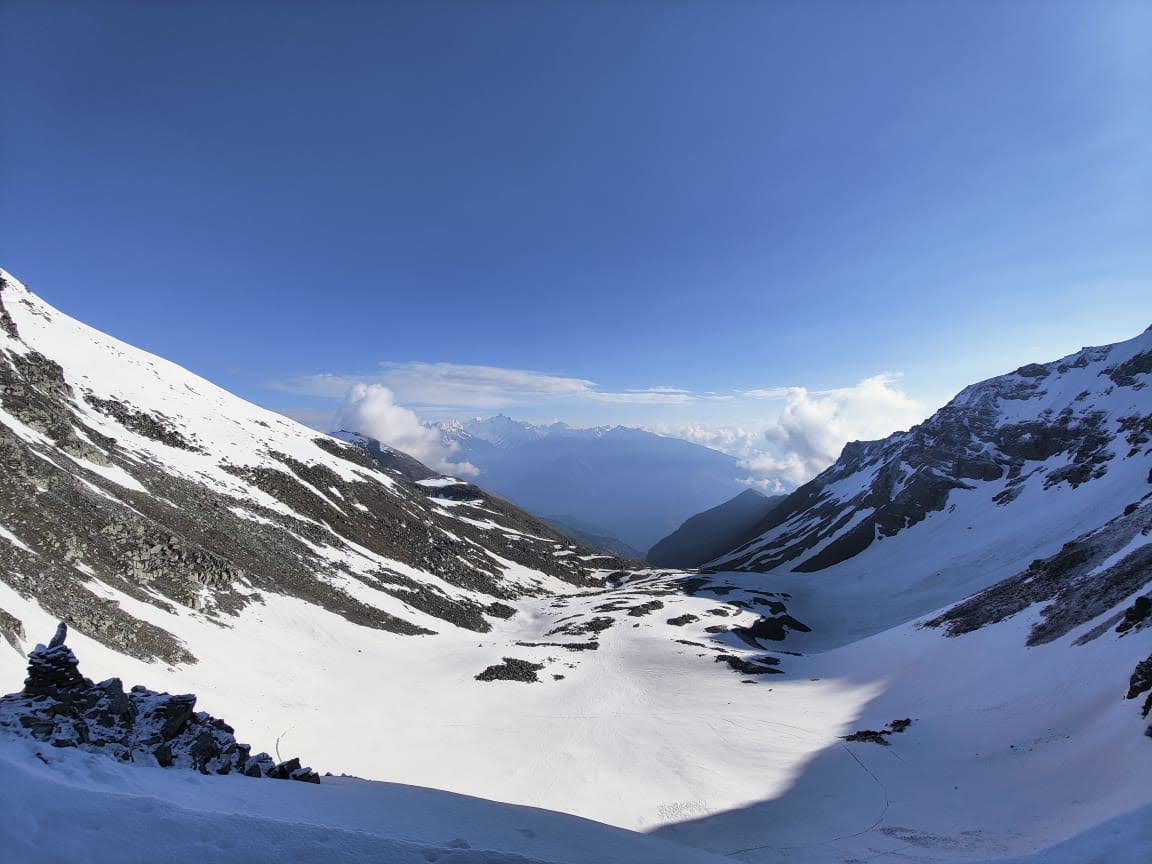
Buran Ghati Trek
⏳ 6N/7D | ⚡ Moderate–Difficult | 🏔️ 15,000+ ft | 📍 Himachal
One of the most diverse crossover treks — forests, meadows, and finally a dramatic high pass.
In May–June, the famous snow wall descent becomes the defining challenge. It’s not technical, but it demands confidence and control.
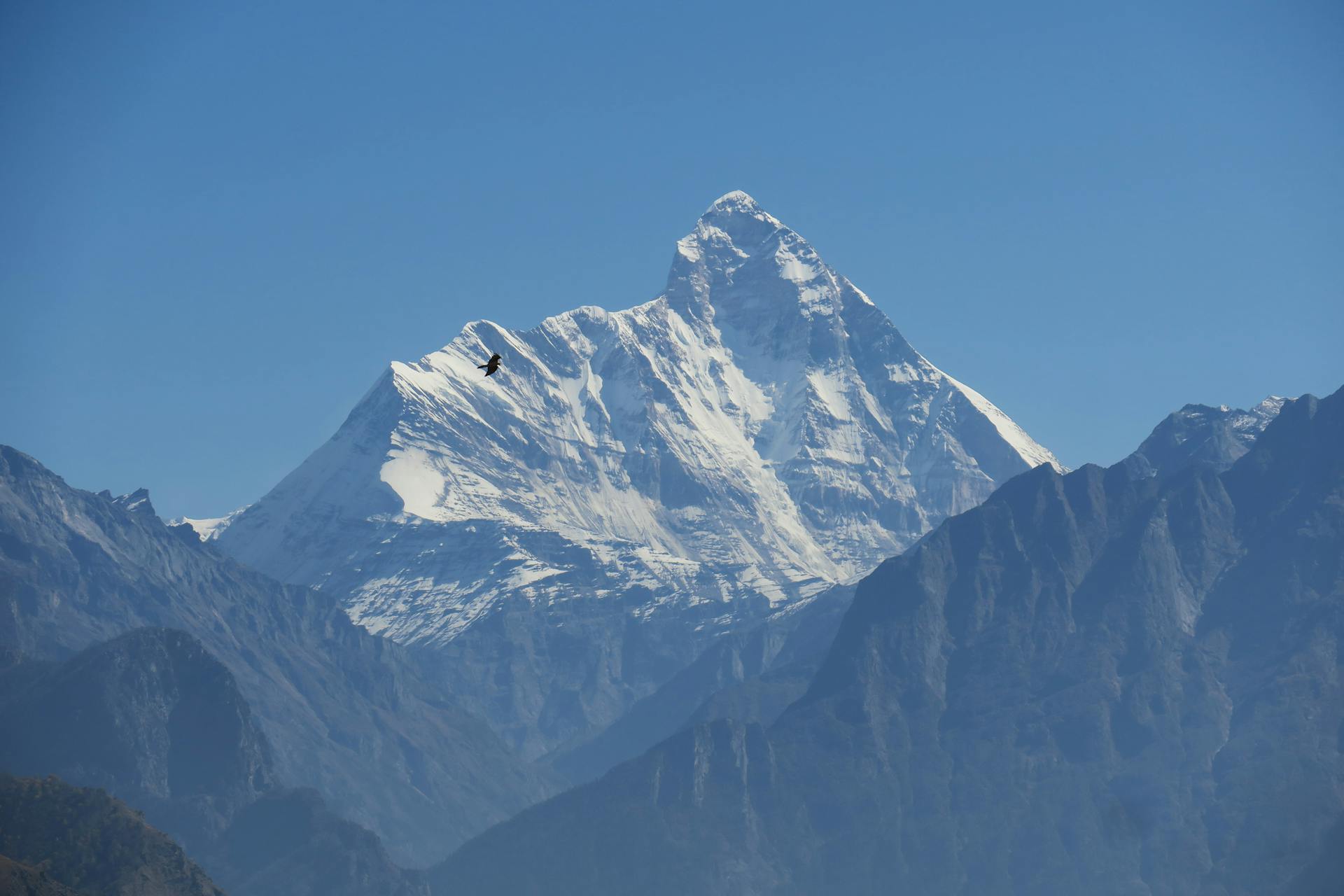
Nanda Devi East Base Camp
⏳ 8N/9D | ⚡ Moderate–Difficult | 🏔️ ~4,700 m | 📍 Munsiyari
This is a long, immersive journey into the Kumaon Himalayas, moving through remote villages, river valleys, and glacial terrain.
It’s less about a single challenge and more about sustained endurance — distance, isolation, and altitude all come into play.
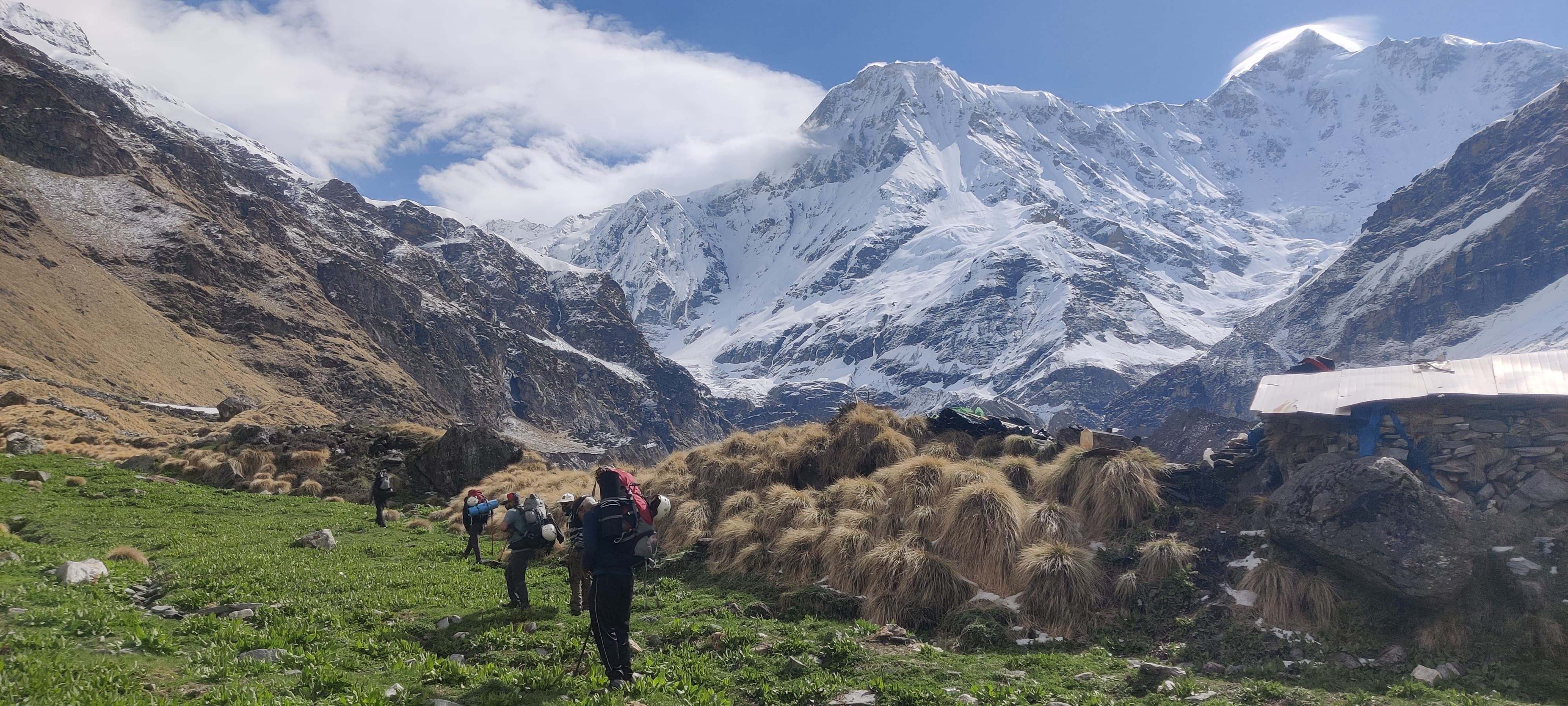
Pindari & Kafni Glacier Trek
⏳ 7N/8D | ⚡ Moderate | 🏔️ ~3,850 m | 📍 Kumaon
A classic Himalayan route that combines accessibility with depth. The trail follows river valleys, forests, and gradually opens into glacial zones.
In summer, snow bridges and active streams make the terrain engaging without being overwhelming — ideal for stepping into longer expeditions.
🔴 Pro / Difficult Treks (May–June)
These are not treks you “try” — these are routes you prepare for.
In early summer, high passes are still loaded with snow, glacier sections remain active, and weather windows become critical. The difficulty here is not defined just by distance or altitude, but by terrain — steep snow climbs, exposed traverses, long summit pushes, and constantly changing conditions.
If you understand the mountains, this is the season where they show their raw side. If you don’t — they will teach you the hard way.
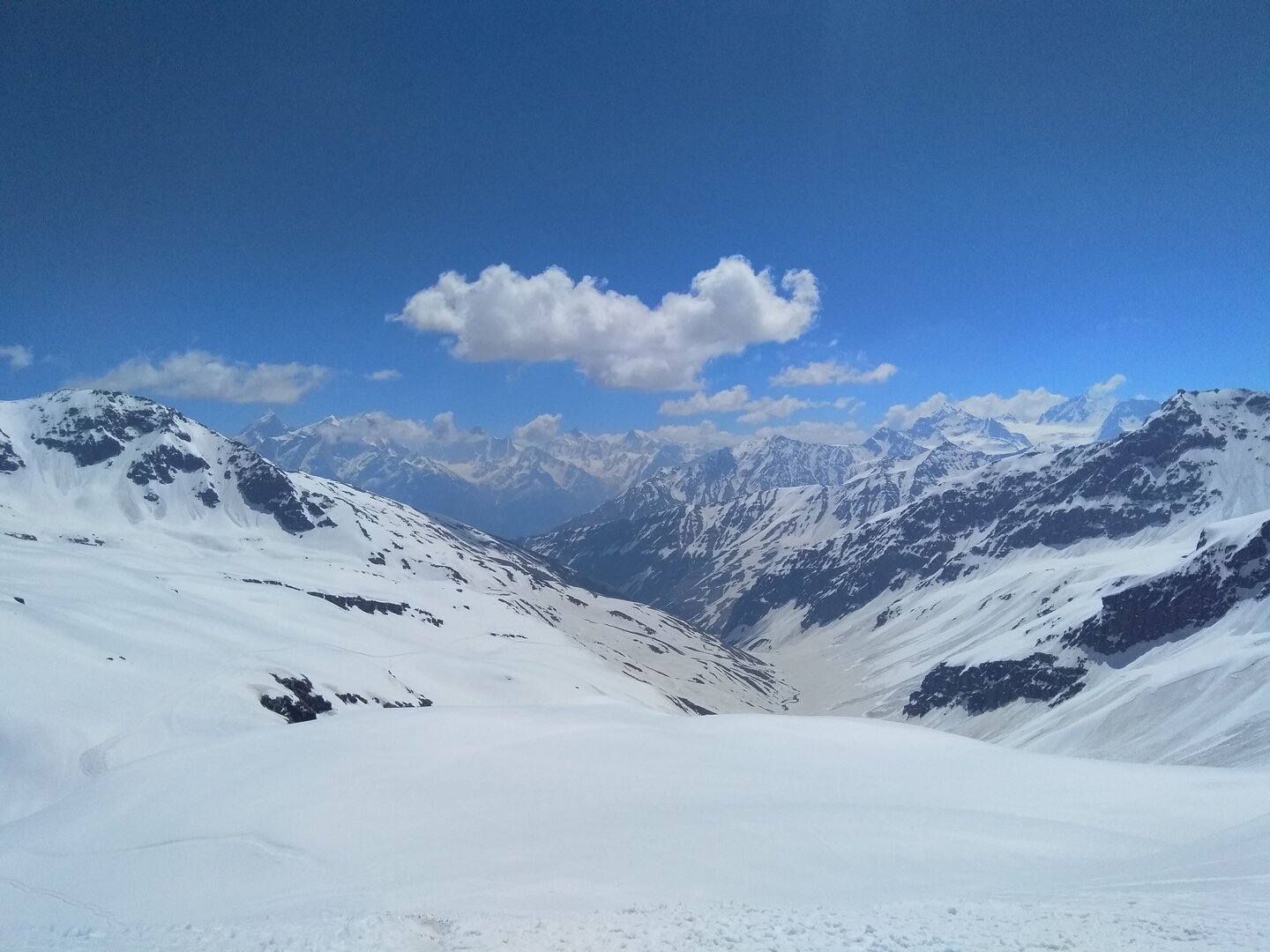
Rupin Pass Trek
⏳ 6N/7D | ⚡ Difficult | 🏔️ 15,250 ft | 📍 Himachal
Rupin isn’t just a trek — it’s constant change. Hanging villages, dense forests, roaring waterfalls, snow bridges — every day feels like a different route altogether.
The final push to the pass through a steep snow gully is where it all comes together — raw effort, exposure, and that unmatched crossover feeling into a completely new valley.
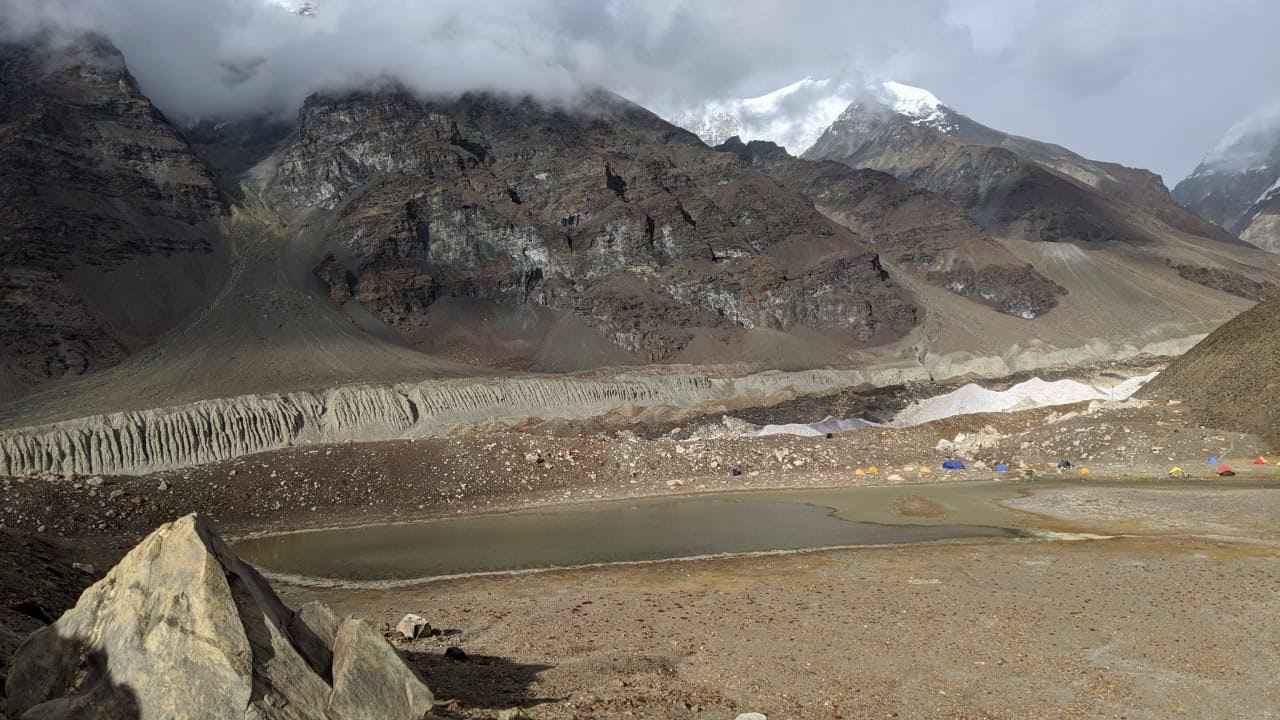
Nandanvan Vasukital Trek
⏳ 7N/8D | ⚡ Difficult | 🏔️ 16,200 ft | 📍 Gangotri
This is where you don’t just see peaks — you stand among them. Walking along the Gangotri glacier, surrounded by Shivling, Bhagirathi, and Meru, feels like stepping into the core of the Himalayas.
It’s harsh, exposed, and incredibly rewarding — a trek that strips things down to raw altitude, scale, and silence.
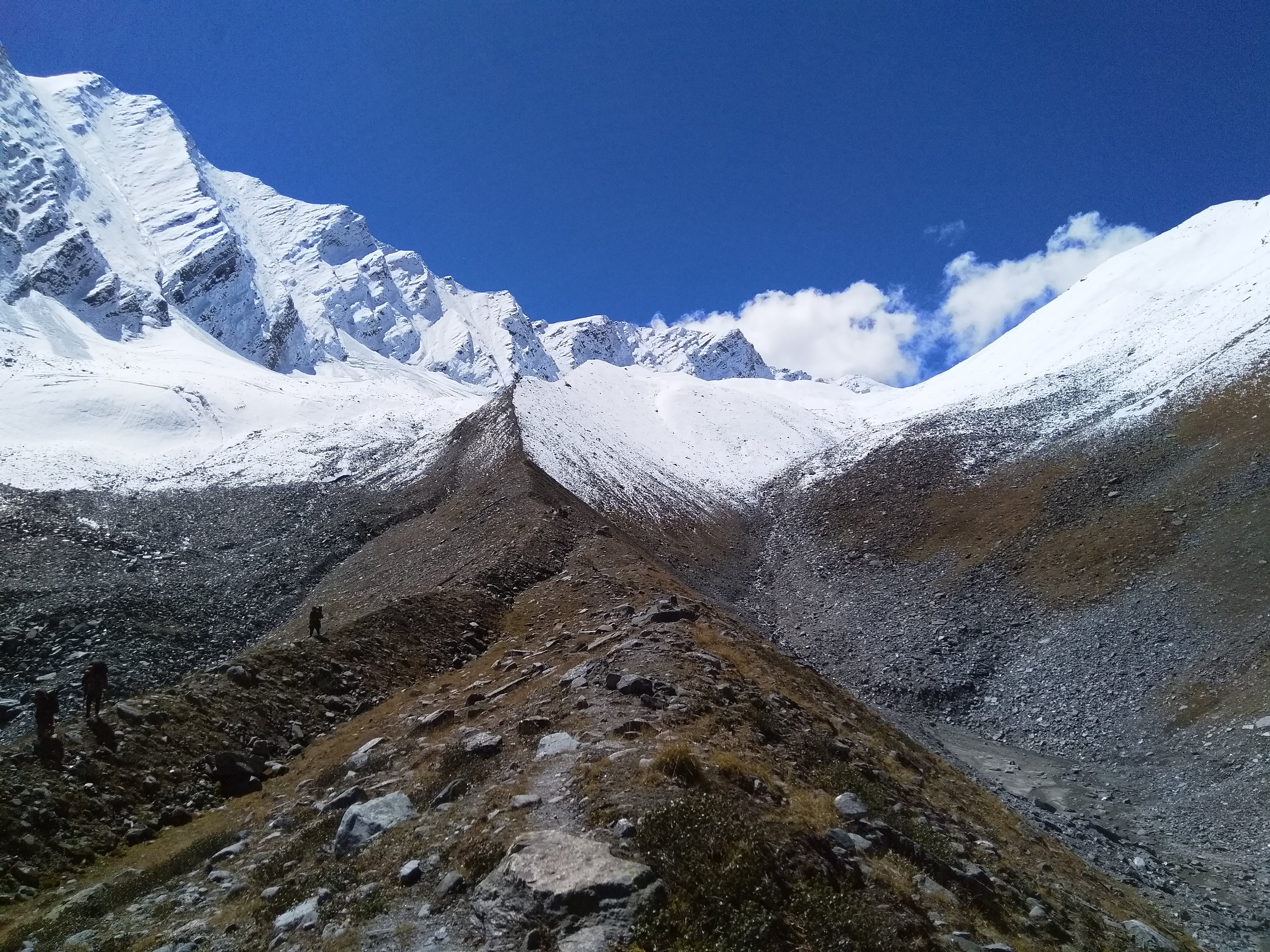
Bali Pass Trek
⏳ 7N/8D | ⚡ Difficult | 🏔️ 16,207 ft | 📍 Uttarakhand
Bali Pass is wild from start to finish — remote valleys, technical sections, and a brutal summit day that demands both endurance and control.
Crossing over from Har Ki Dun to Yamunotri, this is one of those treks where the terrain constantly tests you — and that’s exactly why it stays with you.
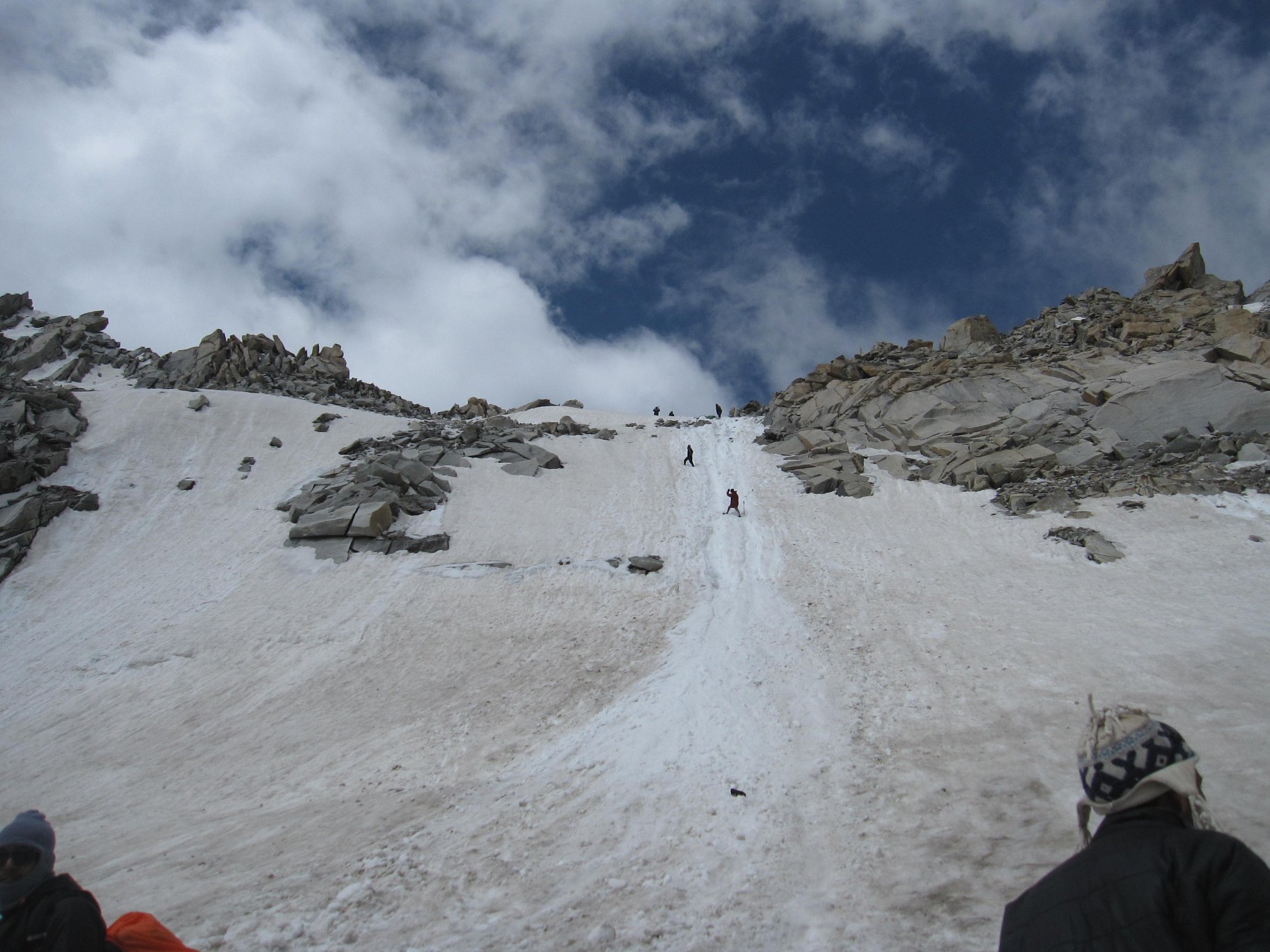
Borasu Pass Trek
⏳ 8N/9D | ⚡ Difficult | 🏔️ 17,880 ft | 📍 Uttarakhand–Himachal
Long, remote, and demanding — Borasu is a true expedition-style crossover. Forests fade into glaciers, and trails slowly disappear into raw terrain.
This isn’t about ticking a trek — it’s about committing to distance, isolation, and one of the most serious high passes in the Indian Himalayas.
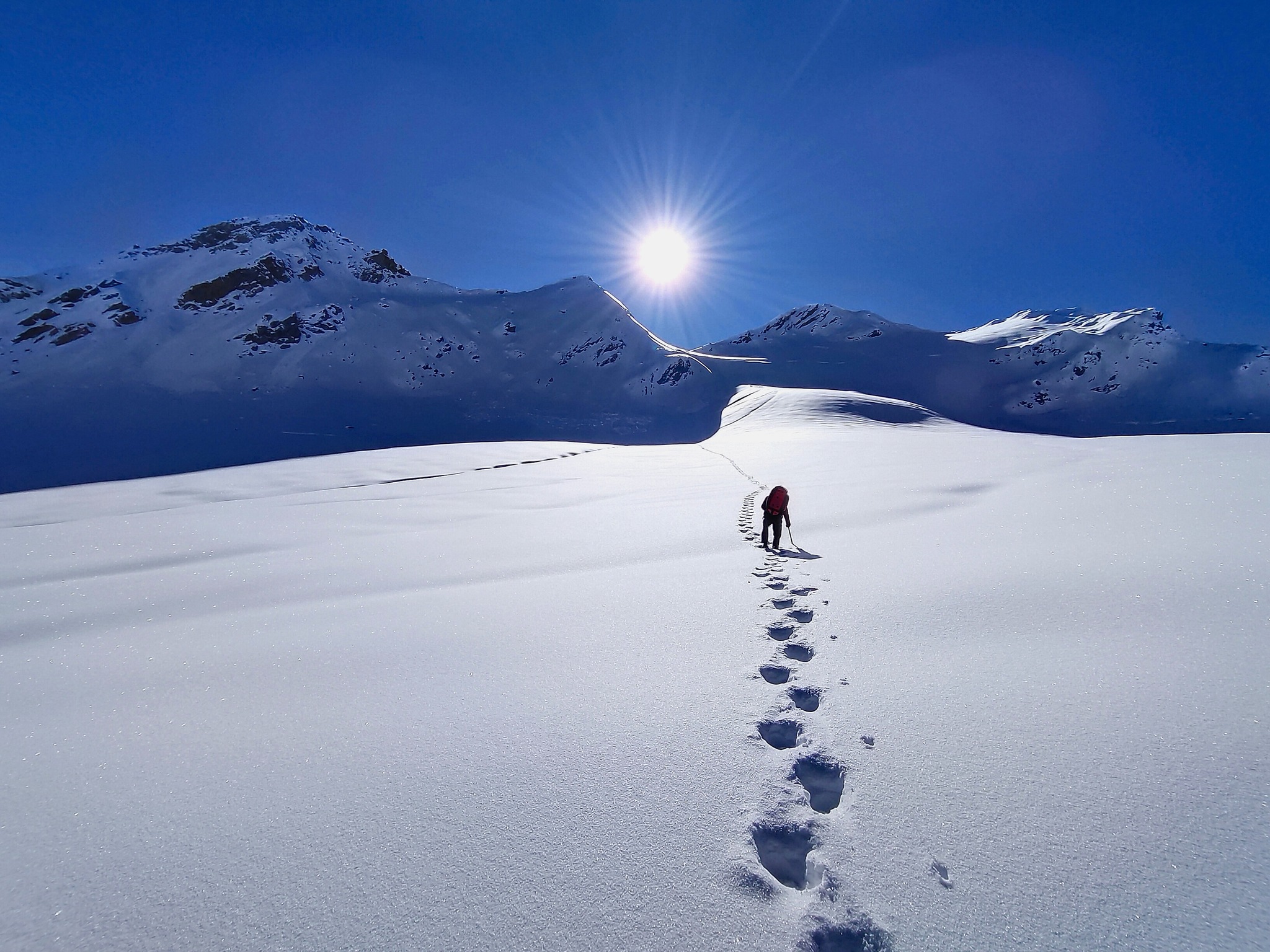
Mayali Pass Trek
⏳ 9N/10D | ⚡ Difficult | 🏔️ 17,400 ft | 📍 Uttarakhand
Mayali is not just difficult — it’s relentless. Long approach, high-altitude lakes, glacier travel, and a pass that demands perfect timing and strong decision-making.
It connects remote valleys few people ever see, making it one of the most complete and serious Himalayan journeys out there.
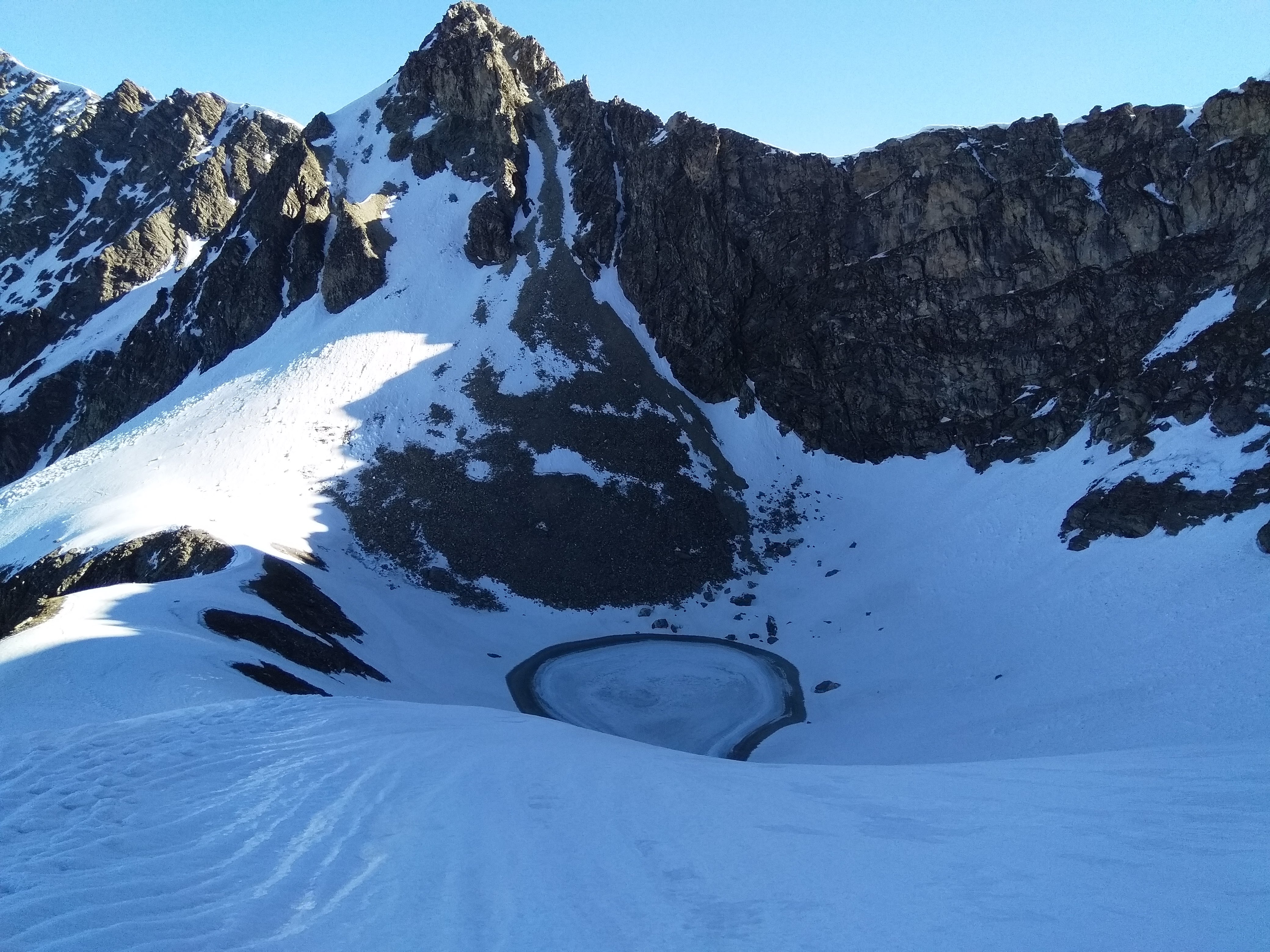
Roopkund Trek
⏳ 7N/8D | ⚡ Difficult | 🏔️ 15,750 ft | 📍 Uttarakhand
Beyond the mystery, Roopkund is about the journey through changing landscapes — forests, meadows, ridgelines, and finally a stark, high-altitude basin.
The climb above Bedni Bugyal towards the lake is where the terrain turns serious, making it far more than just a “famous” trek.
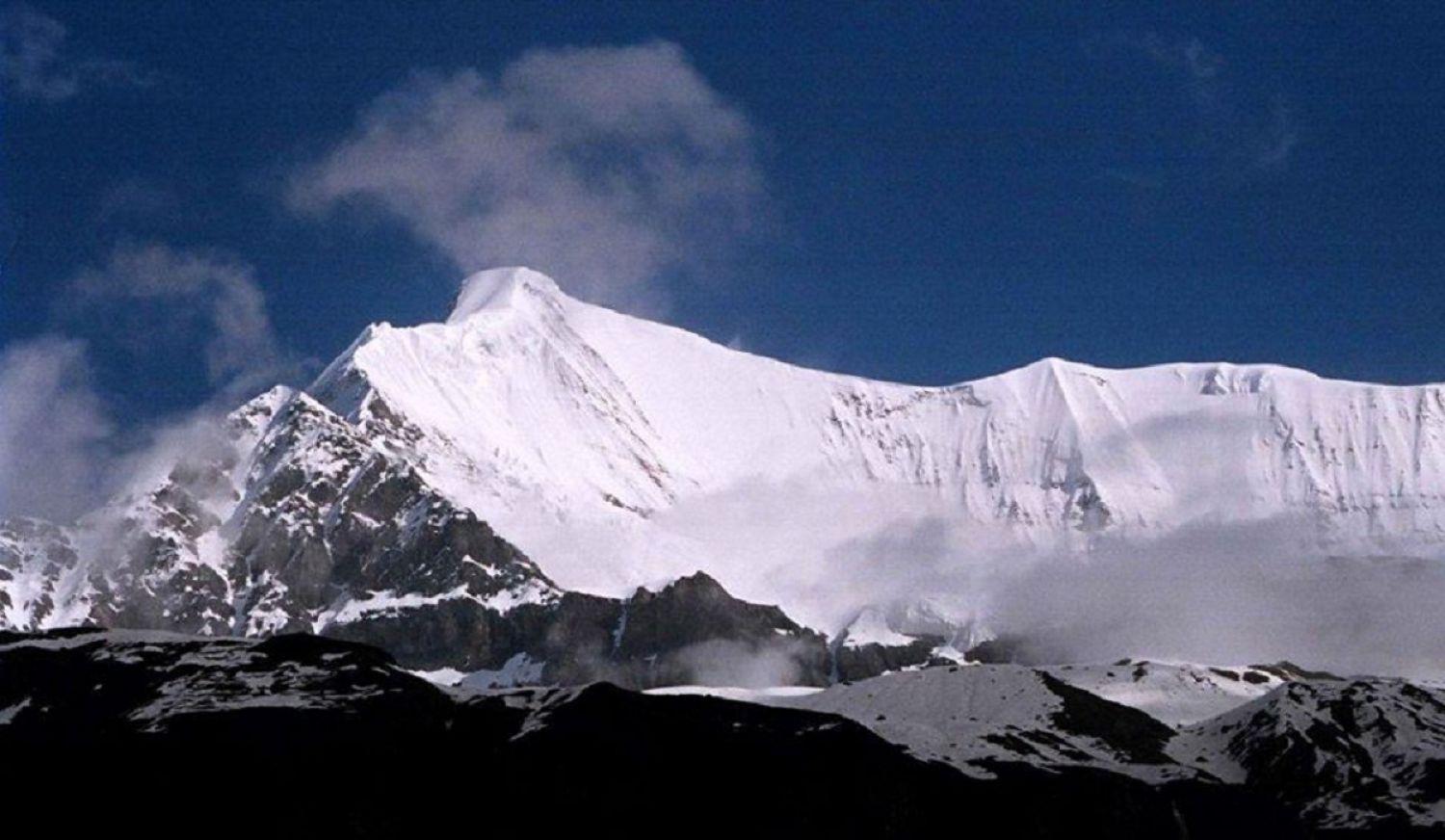
Sunderdhunga Valley Trek
⏳ 7N/8D | ⚡ Difficult | 🏔️ ~4,200 m | 📍 Kumaon
Raw, quiet, and far from the usual trails — Sunderdhunga lives up to its name but doesn’t reveal itself easily.
Loose terrain, river crossings, and remote camps make this a trek for those who seek the untouched side of the Himalayas rather than defined trails.
🏔️ The Planethimalayas Way
Summer in the Himalayas is not just about accessibility — it’s about transition, adaptation, and progression.
Start where you belong, understand how the mountains behave, and move forward step by step.
Because in the end, the goal is not just to reach higher — but to grow stronger with every journey.
