
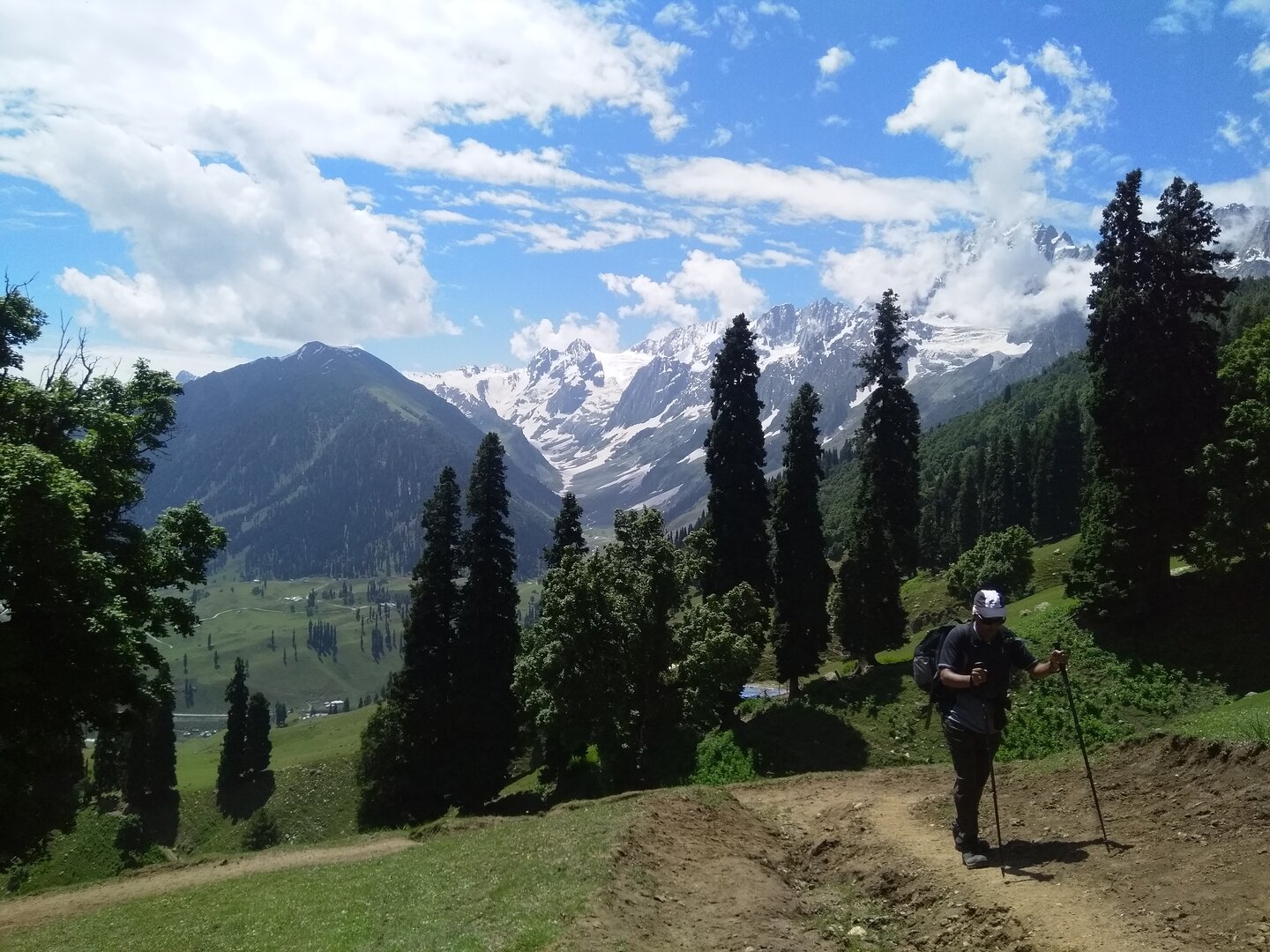
The Himalayas aren’t just trails and summits — they are living ecosystems, cultural landscapes, and homes to thousands of people and species. Every trekker leaves an imprint, and it’s our responsibility to ensure that impact is minimal and positive.
This is where Leave No Trace (LNT) principles come in — a globally recognized framework for responsible outdoor ethics.
If you're preparing for your trek, we highly recommend understanding what to pack for a Himalayan trek and how to pack your backpack efficiently so you can follow these principles practically on the trail.
Here are seven powerful ways to practice responsible trekking in the Himalayas:
♻️ 1. Pack It In, Pack It Out
- Carry all waste back with you — wrappers, bottles, sanitary products, and anything non-biodegradable.
- Switch to reusable bottles, tiffins, and cloth bags to reduce plastic pollution.
- 🗑️ Never bury or leave waste — decomposition is extremely slow at high altitude.
Even biodegradable waste can disrupt fragile alpine ecosystems (see: Alpine Ecology).
👉 Download our Himalayan Trek Packing List to prepare responsibly.
🥾 2. Stay on the Trail
- Stick to marked trails to prevent soil erosion.
- Avoid shortcutting switchbacks — they damage terrain permanently.
- 🌱 Alpine vegetation takes years to recover from a single footprint.
What looks like a shortcut today becomes permanent damage tomorrow.
🔥 3. Minimize Campfire Impact
- Use camping stoves instead of open fires.
- Never burn plastic — it releases toxic fumes.
- 🔥 Deadwood supports micro-ecosystems — don’t disturb it.
At high altitudes, natural recovery is extremely slow, making fire damage long-lasting.
📢 4. Respect Nature’s Silence
- Avoid loud music and shouting.
- Observe wildlife from a safe distance — never feed animals.
- 🦅 Sound travels farther in mountains, disturbing both wildlife and fellow trekkers.
This connects to noise pollution, which affects animal behavior and ecosystem balance.
🚽 5. Proper Bathroom Etiquette
- Use toilet tents where available.
- If not, dig a cat-hole 6–8 inches deep at least 50m away from water sources.
- Carry used tissues in zip-lock bags if non-biodegradable.
Improper disposal can contaminate water sources and lead to waterborne diseases.
🧘 6. Respect Local Culture
- Dress modestly and ask before taking photos.
- Support local businesses and communities.
- 🙏 Understand that you are entering someone’s home, not just a trekking route.
The Himalayas are not just landscapes — they are deeply rooted in culture and tradition.
🛑 7. Leave What You Find
- Do not pick flowers or disturb natural elements.
- Avoid taking “souvenirs” from nature.
- 🌸 Preserve the experience for future trekkers.
This helps maintain biodiversity (see: Biodiversity).
🌄 The Planethimalayas Way
The mountains don’t belong to us — we are temporary visitors in a timeless ecosystem.
Responsible trekking is not about following rules. It’s about awareness, respect, and gratitude. Every step you take, every choice you make — it either protects the mountains or harms them.
Good trekkers don’t just reach summits — they leave behind nothing but respect.
❓ FAQs – Responsible Trekking & Mountain Manners
- What are Leave No Trace principles in trekking?
They are a set of outdoor ethics designed to minimize human impact on nature and preserve ecosystems. - Why is responsible trekking important in the Himalayas?
The Himalayan ecosystem is fragile, and even small disturbances can cause long-term environmental damage. - Can biodegradable waste be left on the trail?
No. Decomposition is very slow at high altitudes, and even organic waste disrupts ecosystems. - How can trekkers reduce plastic waste?
Use reusable bottles, avoid packaged snacks, and carry waste back to proper disposal points. - Why should trekkers avoid loud music in the mountains?
It disturbs wildlife, affects other trekkers, and disrupts the natural environment. - How can I practice responsible trekking as a beginner?
Start by being mindful — pack responsibly, respect nature, and follow Leave No Trace principles consistently.
🌄 Final Thought: The Mountains Give Us Everything — Let’s Give Back Respect
Practicing Leave No Trace isn’t just about rules — it’s about gratitude. The more responsibly you trek, the more meaningful your journey becomes.
Planning your next trek? Explore our Upcoming Himalayan Treks — designed with safety, responsibility, and a deep respect for the mountains.
