WhatsApp FAQs
×

Trek Grade Guide:


Trekking in the Himalayas is a true adventure experience — a journey into high-altitude wilderness where nature exists in its most raw and powerful form. Every trek comes with physical challenges, unpredictable weather, and varying terrain. Choosing the right trek grade is essential not just for a great experience, but also for safety and proper acclimatization.

To help you make the right choice, treks are categorized into three levels based on altitude, terrain, duration, and overall difficulty:

Easy (Beginner-Friendly Treks):
Ideal for first-time trekkers or those looking for an easy trek in the Himalayas. These treks usually last up to a week, with shorter hiking days, gradual altitude gain, and a maximum altitude of around 14,000 ft. The terrain remains well-defined, often within or near the tree line, with civilization relatively accessible. Weather conditions are more predictable, making these treks safer and easier to manage, with quicker rescue access if required.

Moderate Treks:
Designed for trekkers with some prior experience or good fitness levels. These treks may extend beyond a week and include a mix of short and long trekking days, with altitudes reaching up to 16,000 ft. You move above the tree line into more rugged landscapes — including alpine meadows, moraines, and high-altitude terrain. Weather becomes more unpredictable, and conditions can change suddenly. While still manageable, these treks require better preparation, endurance, and mental strength.

Difficult (Expedition-Level Treks):
These are high-altitude expeditions meant for experienced trekkers. Routes often exceed 17,000 ft and pass through glaciers, snowfields, steep ascents, river crossings, and technical terrain. Treks can last up to two weeks, taking you far from civilization into extreme Himalayan conditions. Weather can shift rapidly, and sections may require technical equipment like ropes or ice axes. Rescue in such regions is complex, making experience, self-sufficiency, and strong mental resilience absolutely essential.

Understanding these categories helps you choose a trek that matches your fitness, experience, and expectations — ensuring a safe, enjoyable, and truly memorable Himalayan adventure.

×


PriceNote – Listed Price & Customisation Rules:
The listed trek price applies to our fixed departures for the specified itinerary. Trek fees including any add-ons for customized groups may vary based on your preferences, ensuring every adventure is tailored to your needs.

Group Booking Offer:
For groups of 8 or more booking together, the trek fee for 1 participant will be waived as a token to encourage shared adventures.

Scholarship for Kids:
Children under 15 years receive a 30% discount on the trek price, making it easier for families to explore the Himalayas together.

×


Transport Price Note:
The transport price mentioned is only an current indicative estimate per person, assuming a Non-AC vehicle like Bolero shared by at least 4 participants.
Fewer participants → cost rises;
More participants → cost decreases.

Transport Selection During Booking:
Selecting transport during booking informs us of your preference. No payment is collected at booking.

Final Cost & Payment:
Final transport cost will be communicated before departure and to be paid directly to the cab driver.

×

Itinerary Note:
This itinerary represents the most updated plan, but minor adjustments may occur due to operational needs or mountain conditions.

Roopkund Trek

Mystery Lake of the Himalayas

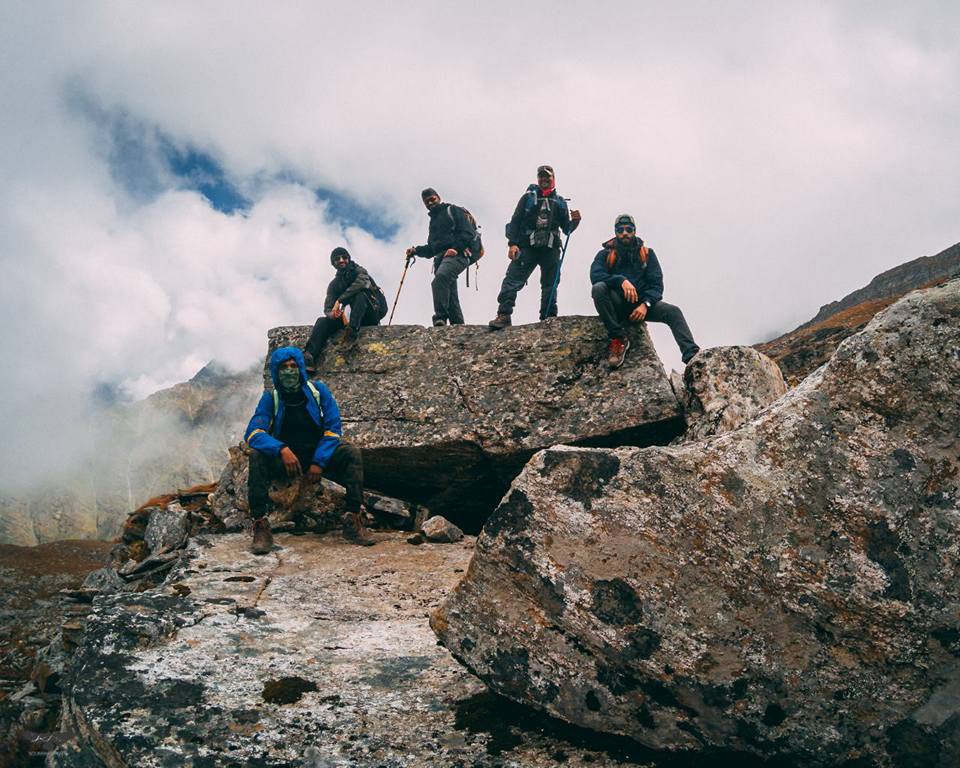
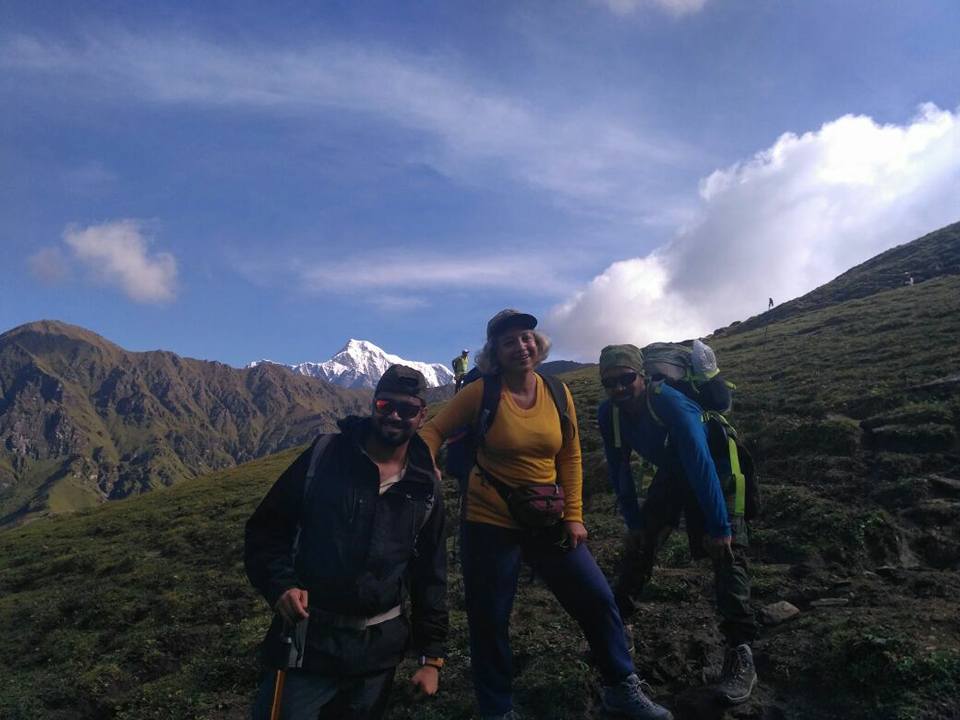
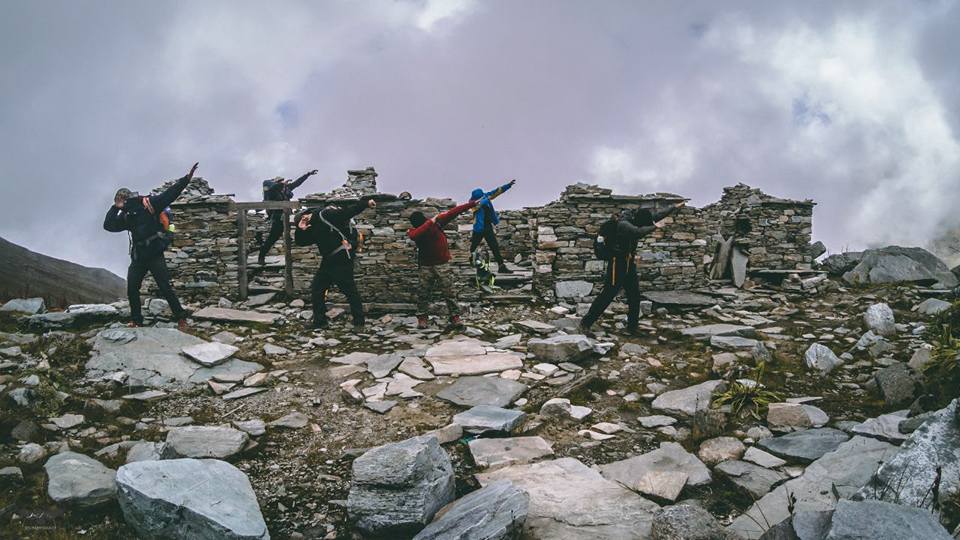
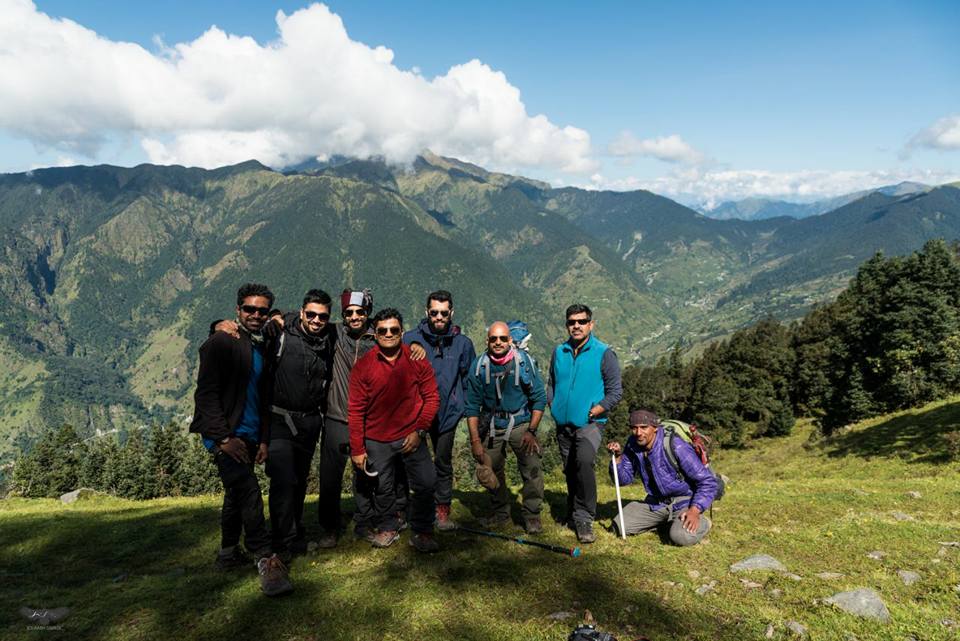
Gallery

Trek Overview

  • Trek Duration: 7 Nights / 8 Days
  • Trek Grade: Difficult ?
  • 🏔️ Max Altitude: 15,750 ft (Roopkund Lake)
  • Trek Distance: ≈53 km
  • 🌤️ Best Time: May–June & September–October
  • 🗺️ Region: Chamoli District, Uttarakhand
  • 📍 Start Point: Wan
  • 🏁 End Point: Wan
  • 🧥 Cloakroom facility: Available

Price starting from ?

INR 16,900 * Wan to Wan

*Price inclusive of all applicable taxes (GST included).

Small group sizes • High guide-to-trekker ratio • No hidden costs

Addons (Optional)

  • Transportation – INR 5,000 (* Rishikesh to Rishikesh) ?
  • Offloading Bags – INR 2,400 (* Maximum weight 9kg/bag)

Choose Your Trek Dates

Limited slots per batch to ensure safety & experience

May 2026

16 May - 23 May Loading…

June 2026

September 2026

October 2026

Need a different date?

We can arrange a custom departure if 3+ trekkers align.

Walking The Trail

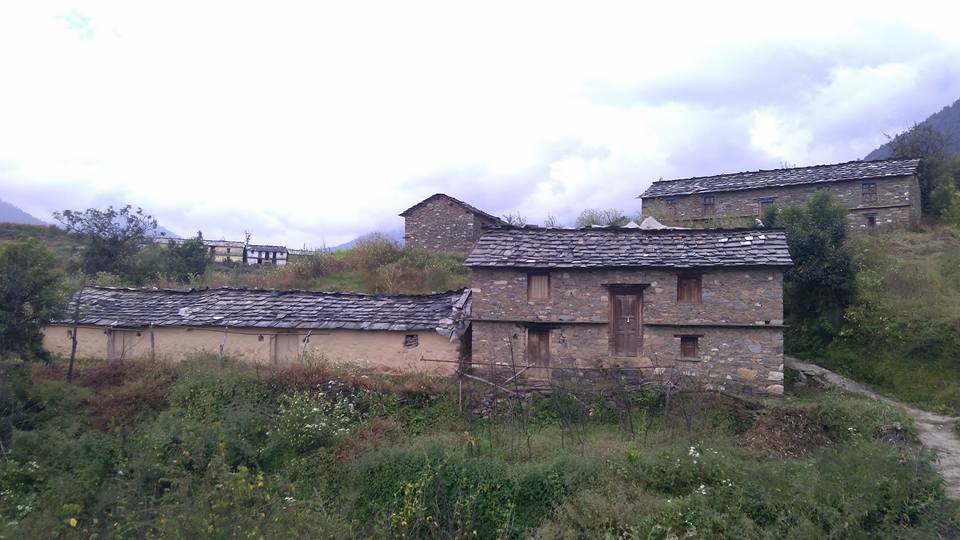
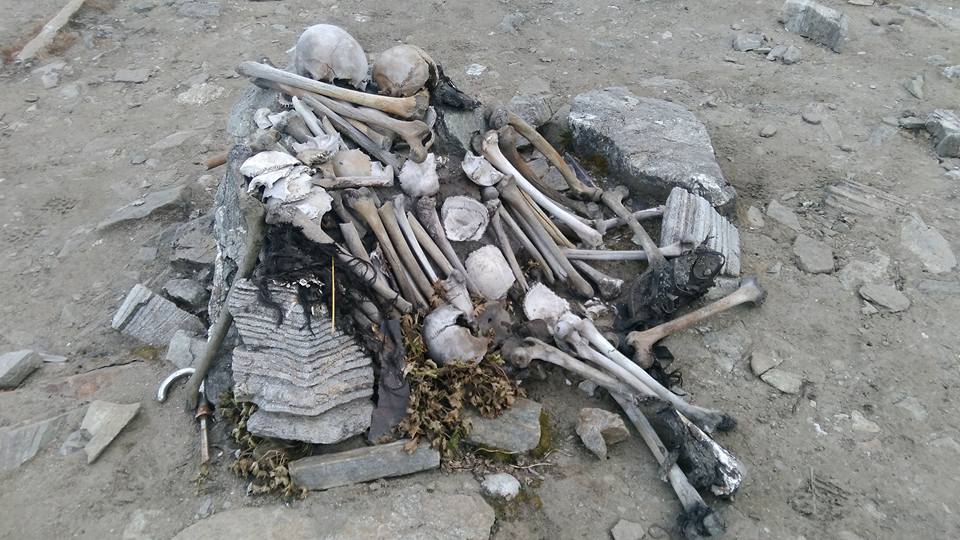
The Roopkund Trek (15,750 ft) in Uttarakhand is one of the most legendary Himalayan trails, blending mystery, adventure, and mythology. Starting from the charming village of Lohajung and ending at Wan, this 8-day trek takes you through ancient oak and rhododendron forests, vast alpine meadows like Ali Bugyal and Bedni Bugyal, and finally to the enigmatic Roopkund Lake—famous for hundreds of human skeletons visible beneath its icy surface. The trek offers breathtaking views of Mt. Trishul and Nanda Ghunti while passing through sacred sites linked to the Nanda Devi Raj Jat Yatra, one of Uttarakhand’s most revered pilgrimages held once every twelve years. Along the route, trekkers witness Himalayan flora like blue poppies and brahma kamal, and spot wildlife such as Himalayan monals and barking deer. Lohajung, the trailhead, carries folklore of the goddess Parvati defeating a demon here ('Loha Jung' literally meaning 'War of Iron'), while Wan, the concluding village, retains its ancient Kumaoni architecture and tranquil charm. The Roopkund Trek is a complete Himalayan experience—rich in culture, myth, and natural beauty—ideal for seasoned trekkers and mountain enthusiasts seeking a blend of mystery, high-altitude adventure, and heritage.
Read More

Highlights

✅ Trek through dense oak & rhododendron forests from Lohajung

✅ Walk across expansive alpine meadows of Ali Bugyal & Bedni Bugyal

✅ Reach Roopkund Lake (~15,750 ft) and witness its mysterious human skeletons

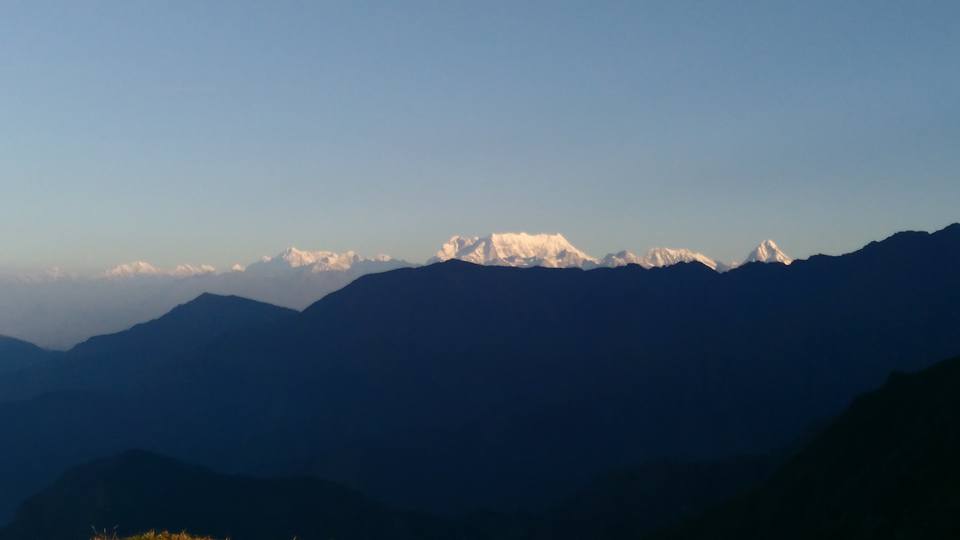
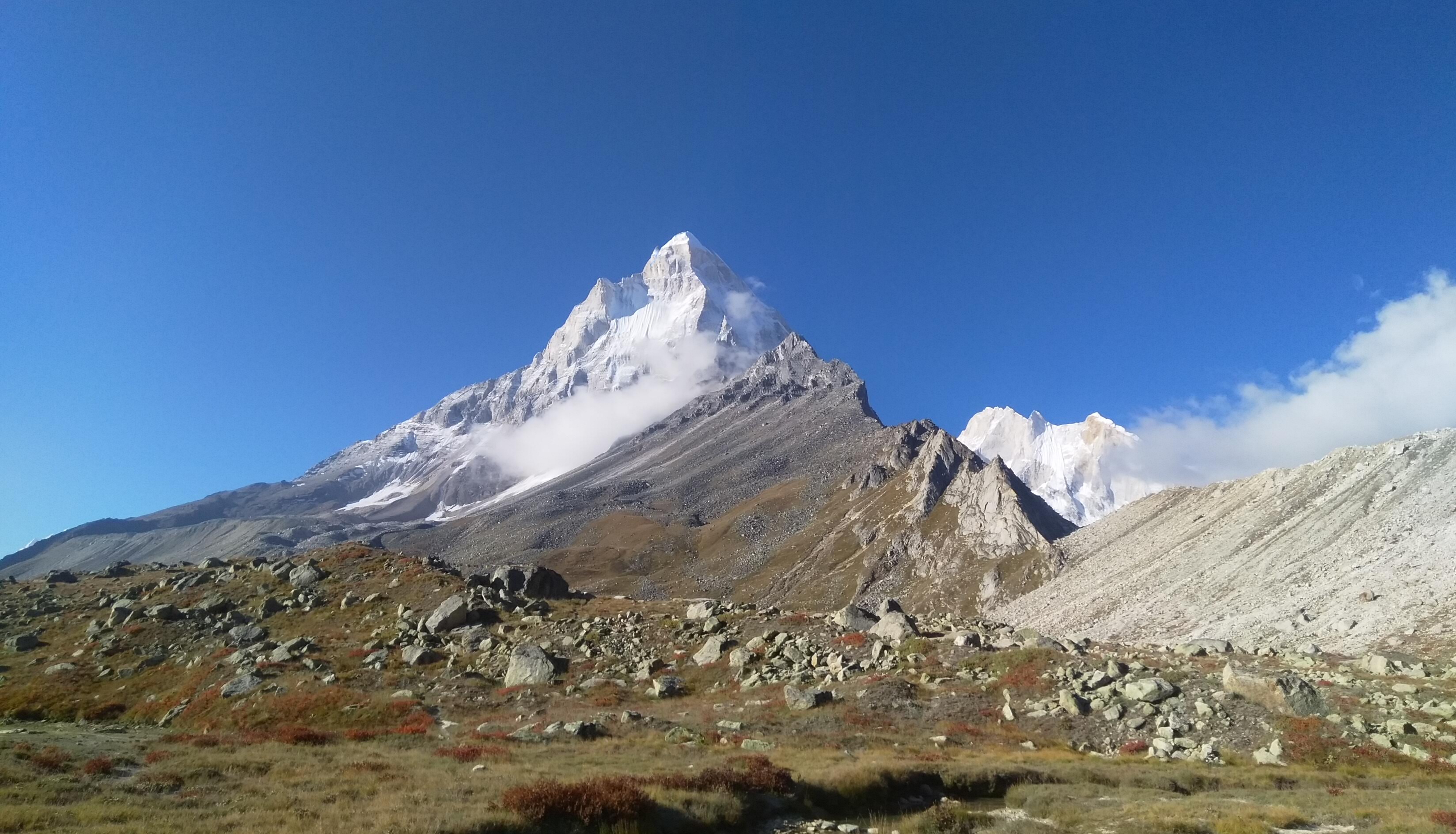
✅ Panoramic views of Mt Trishul, Nanda Ghunti & the Garhwal peaks

✅ Finish via Wan village — small Himalayan hamlet with traditional charm

Itinerary

?
Your journey into the Himalayas begins with two convenient approach options.

Option 1: From Kathgodam/Haldwani (~210–230 km, 8–10 hrs)
This route passes through the scenic Kumaon region via Almora, Kausani, Gwaldam, and Dewal. Expect beautiful views of terraced fields, pine forests, and panoramic Himalayan peaks, especially near Kausani where the Trishul massif often dominates the skyline.

Option 2: From Rishikesh/Haridwar (~260–280 km, 10–12 hrs)
This route follows the Garhwal region through Karnaprayag and Tharali, with dramatic river valleys, deep gorges, and winding mountain roads leading into quieter interiors.

Both routes converge toward Wan — a peaceful Himalayan village surrounded by dense forests and mountain views. You stay overnight in a comfortable homestay or lodge, allowing you to acclimatise and ease into the mountain environment.
The trek begins from Wan village, passing through the sacred Latu Devta Temple, an important cultural landmark of the region. Just beyond, you encounter one of the largest ancient banyan trees, its massive roots and canopy creating a mystical setting.

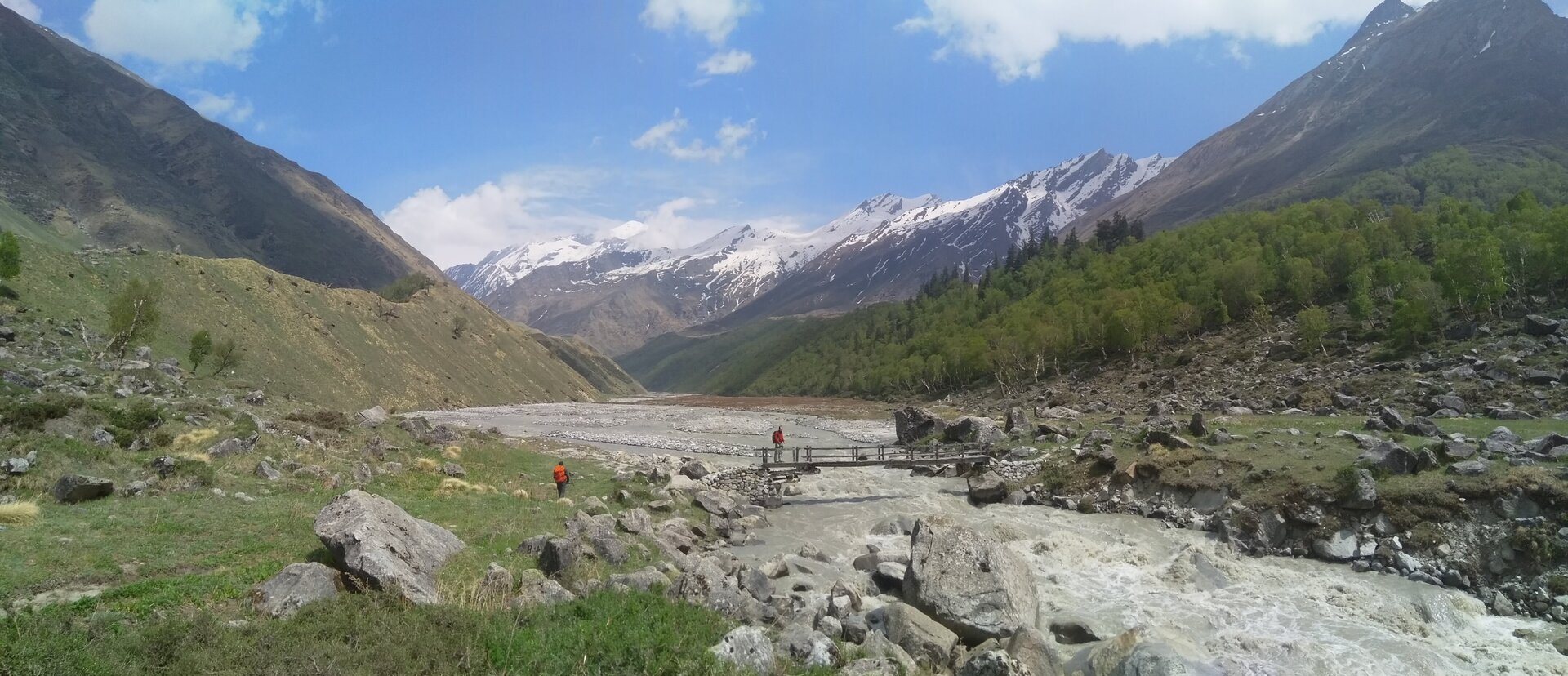
The trail descends through dense forest to the Neel Ganga river, where you cross a wooden bridge over its clear, rushing waters. From here, the climb begins gradually through forests of oak, rhododendron, and maple. The forest is rich with birdlife and filtered sunlight, creating a calm and immersive trekking experience.

By afternoon, you reach Ghairoli Patal — a quiet forest clearing surrounded by towering oak trees. From this day onwards, accommodation will be in tents.
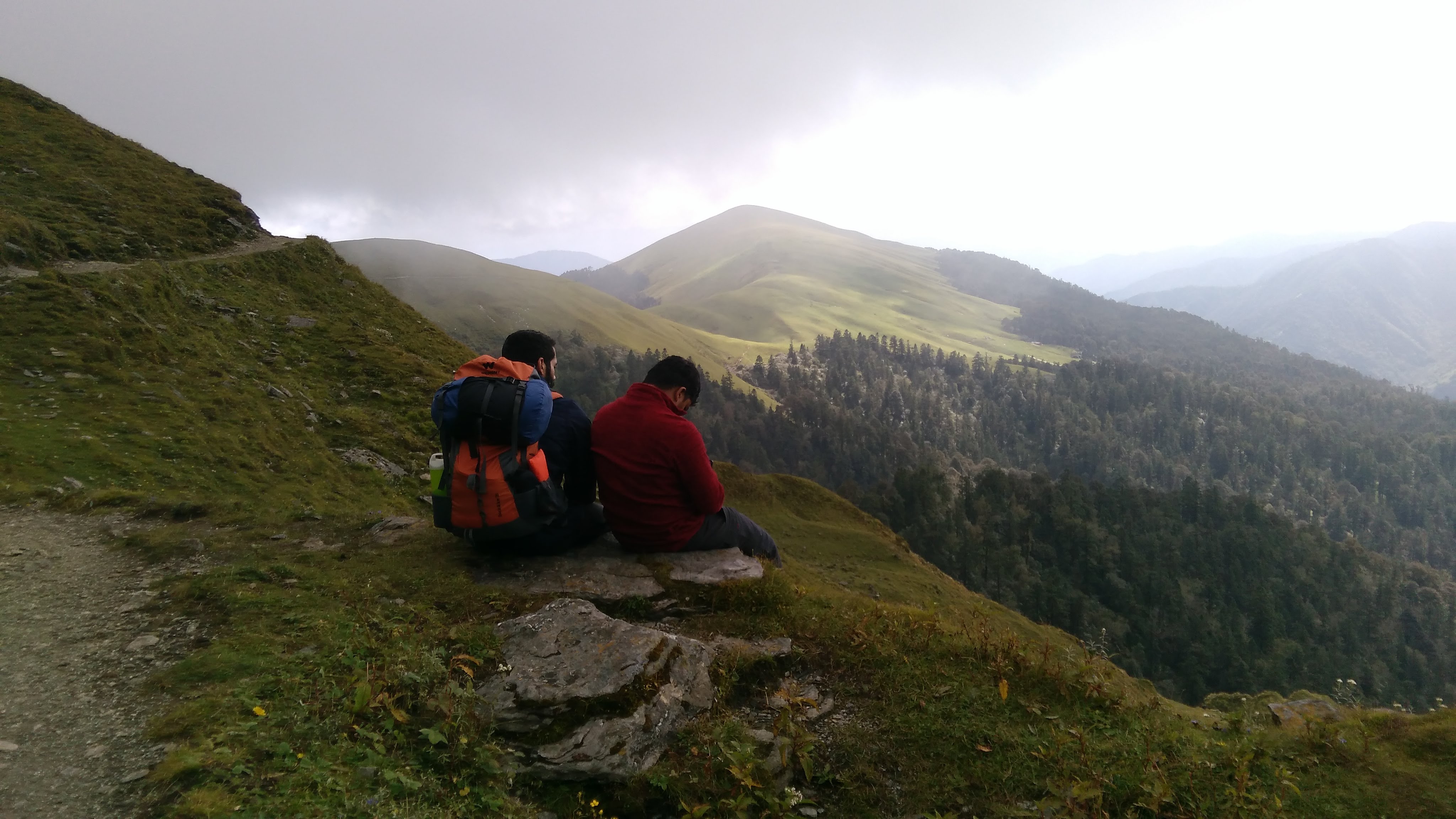
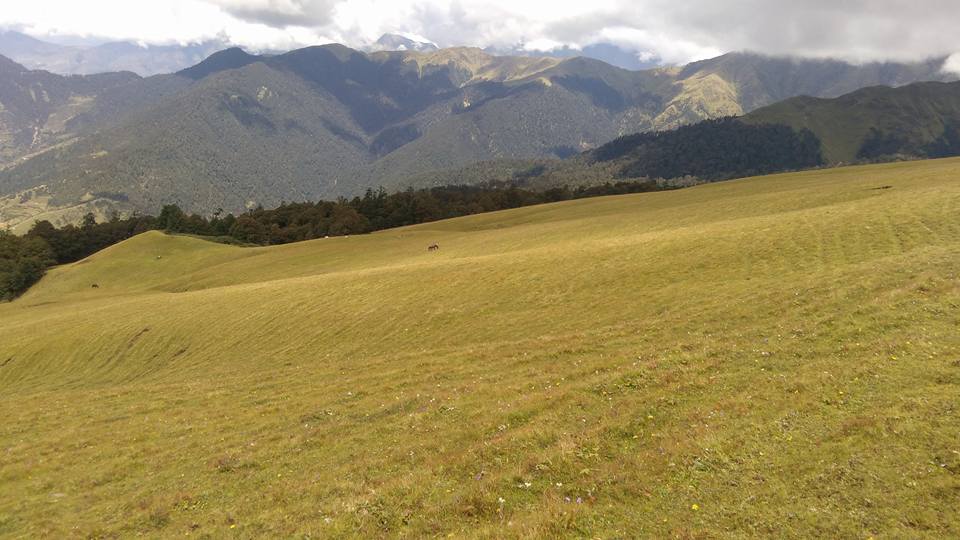
The day begins with a steady ascent through dense forests, gradually thinning as you gain altitude. Soon, the trail opens up above the tree line, revealing the vast alpine meadows of Ali and Bedni Bugyal.

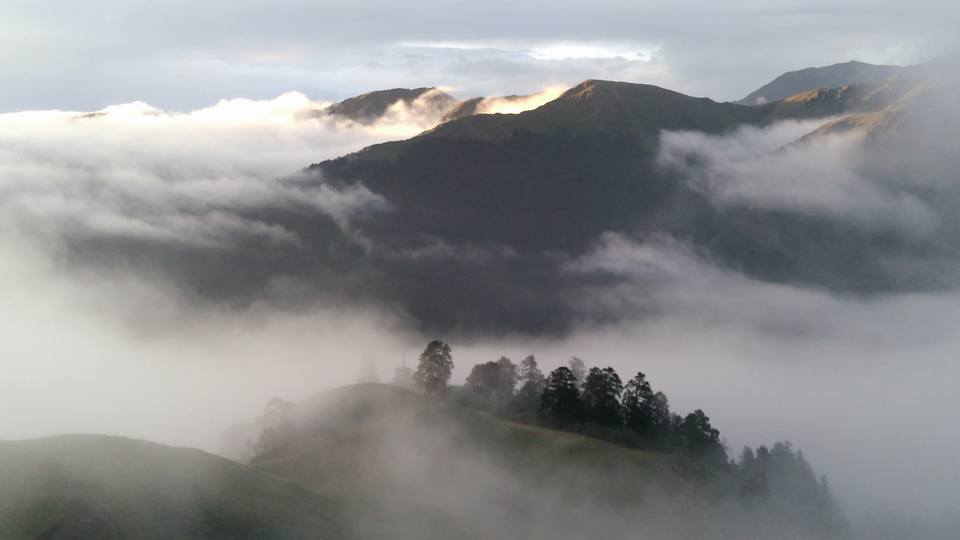
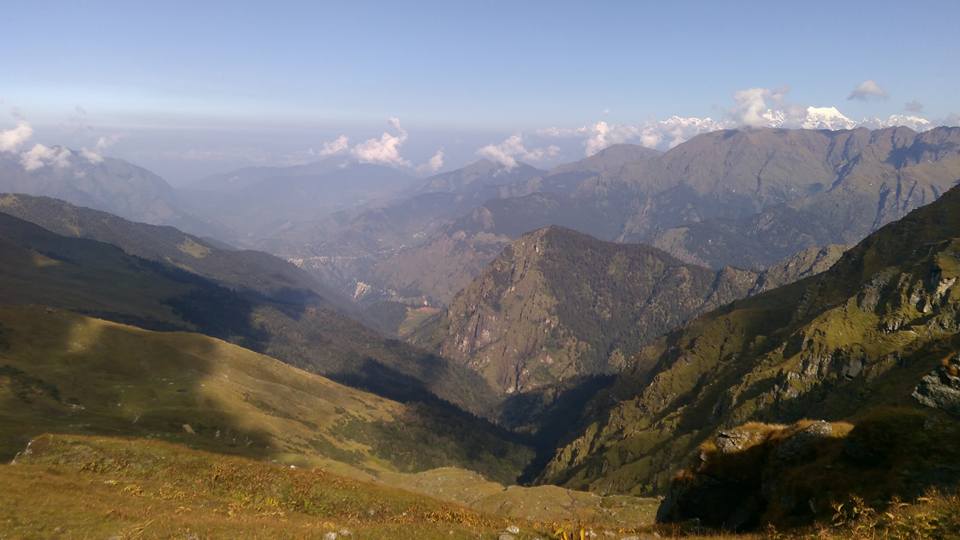
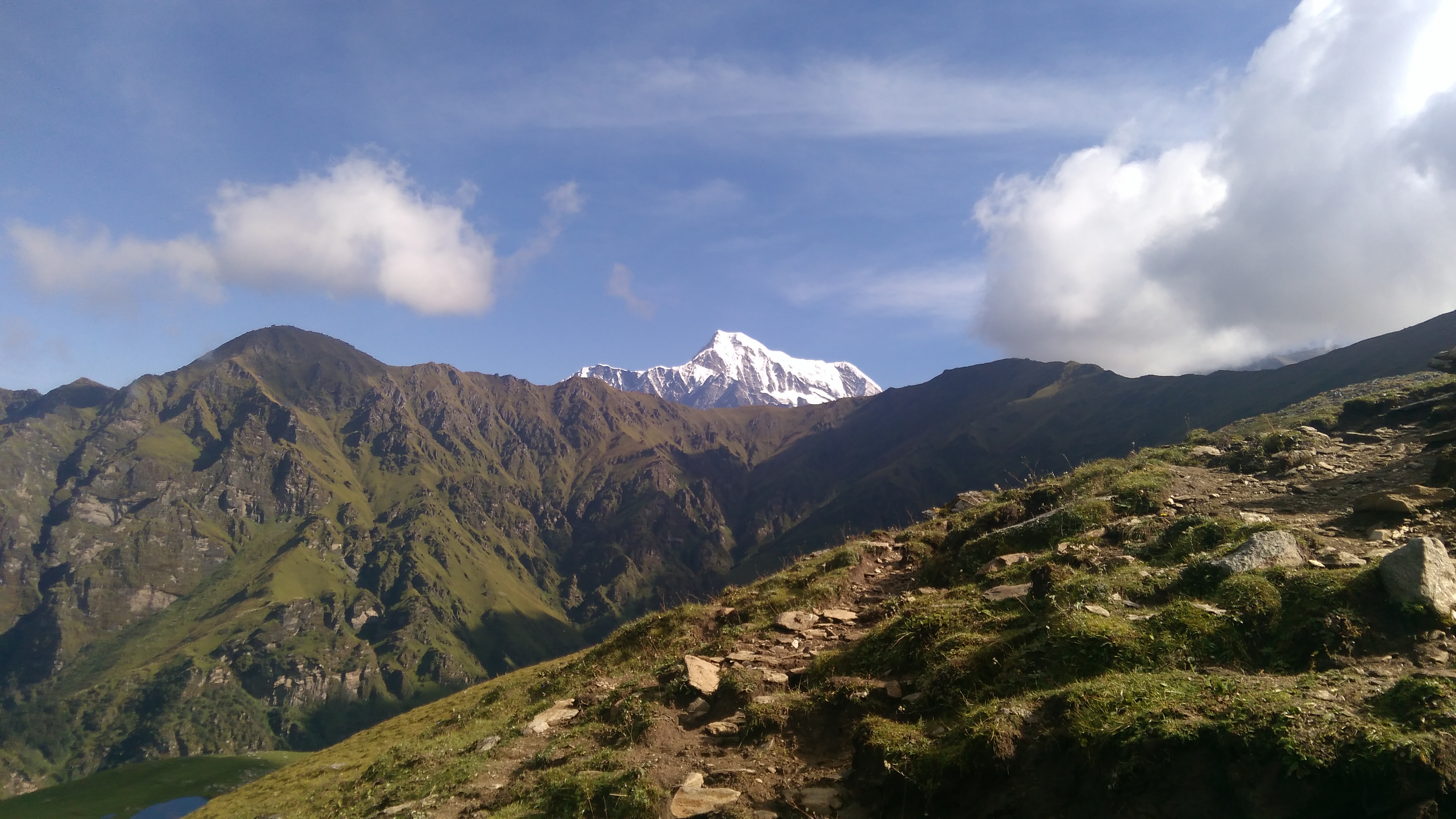
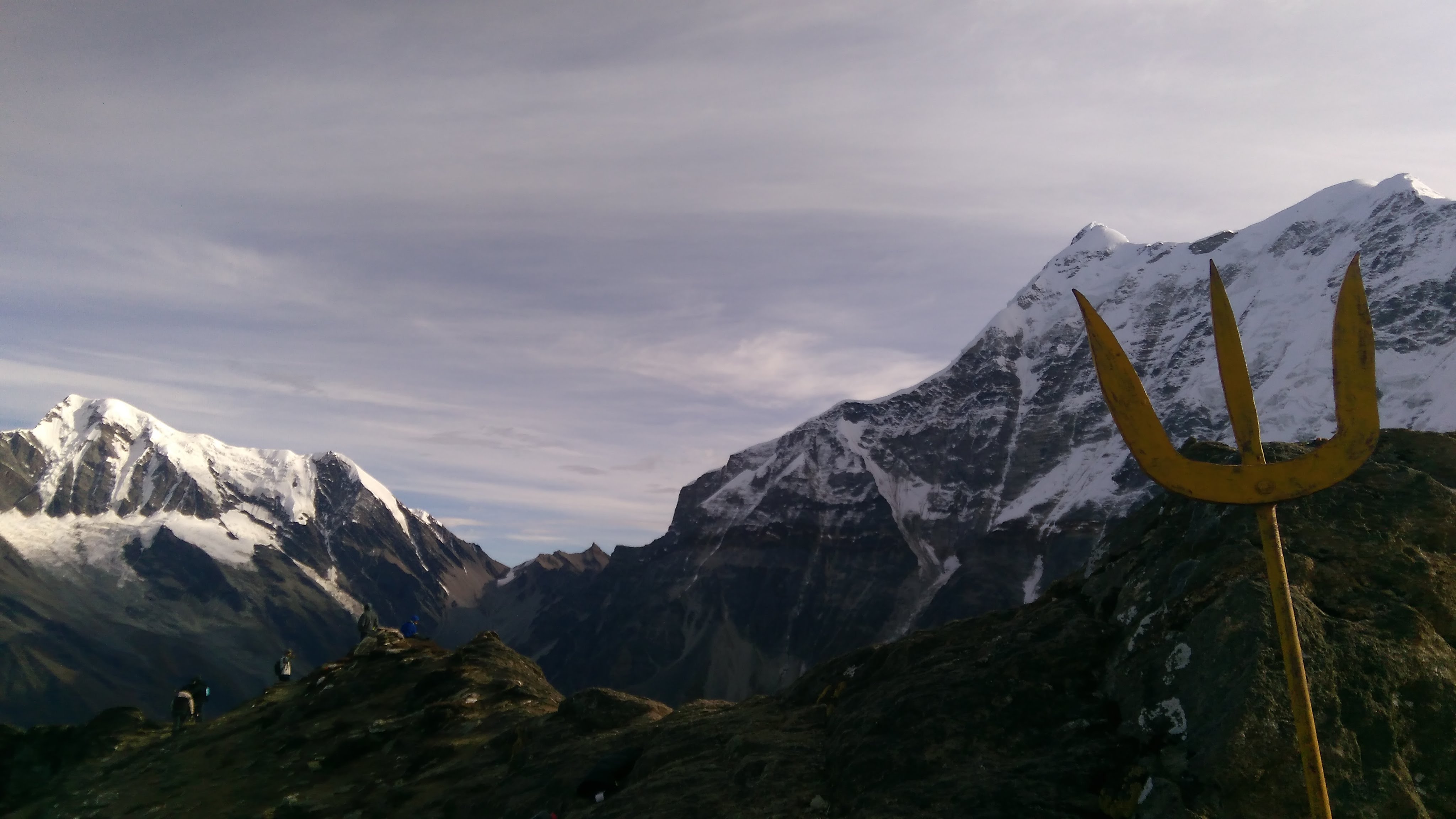
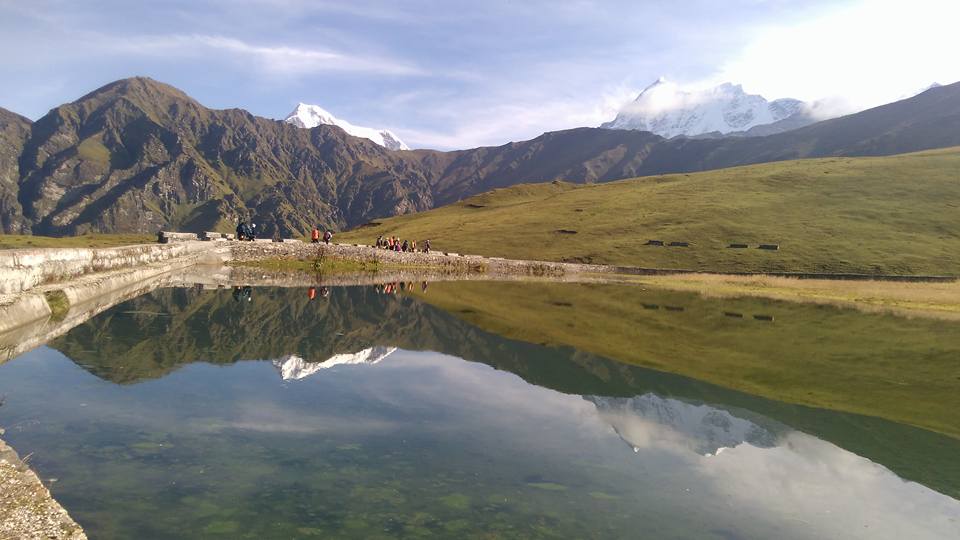
These meadows stretch endlessly like a green ocean, with uninterrupted views of Mt. Trishul and Nanda Ghunti dominating the horizon. A short detour takes you to Bedni Kund, a sacred alpine lake reflecting the surrounding peaks on clear days.

As you move ahead, the terrain becomes more rugged and exposed. The lush meadows slowly transition into high-altitude terrain as you climb toward Patar Nachauni. The campsite sits above the meadows, offering sweeping views, colder winds, and a sense of entering the higher Himalayan zone.
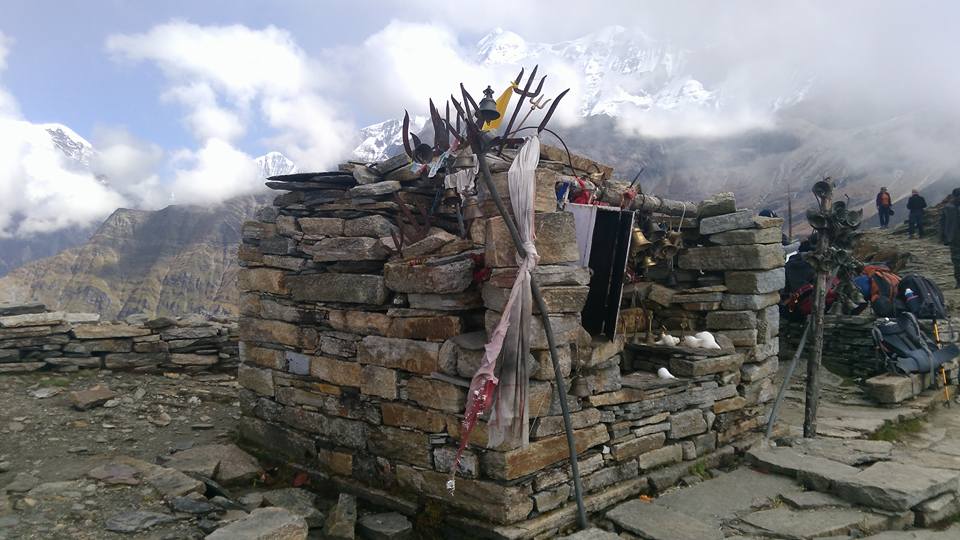
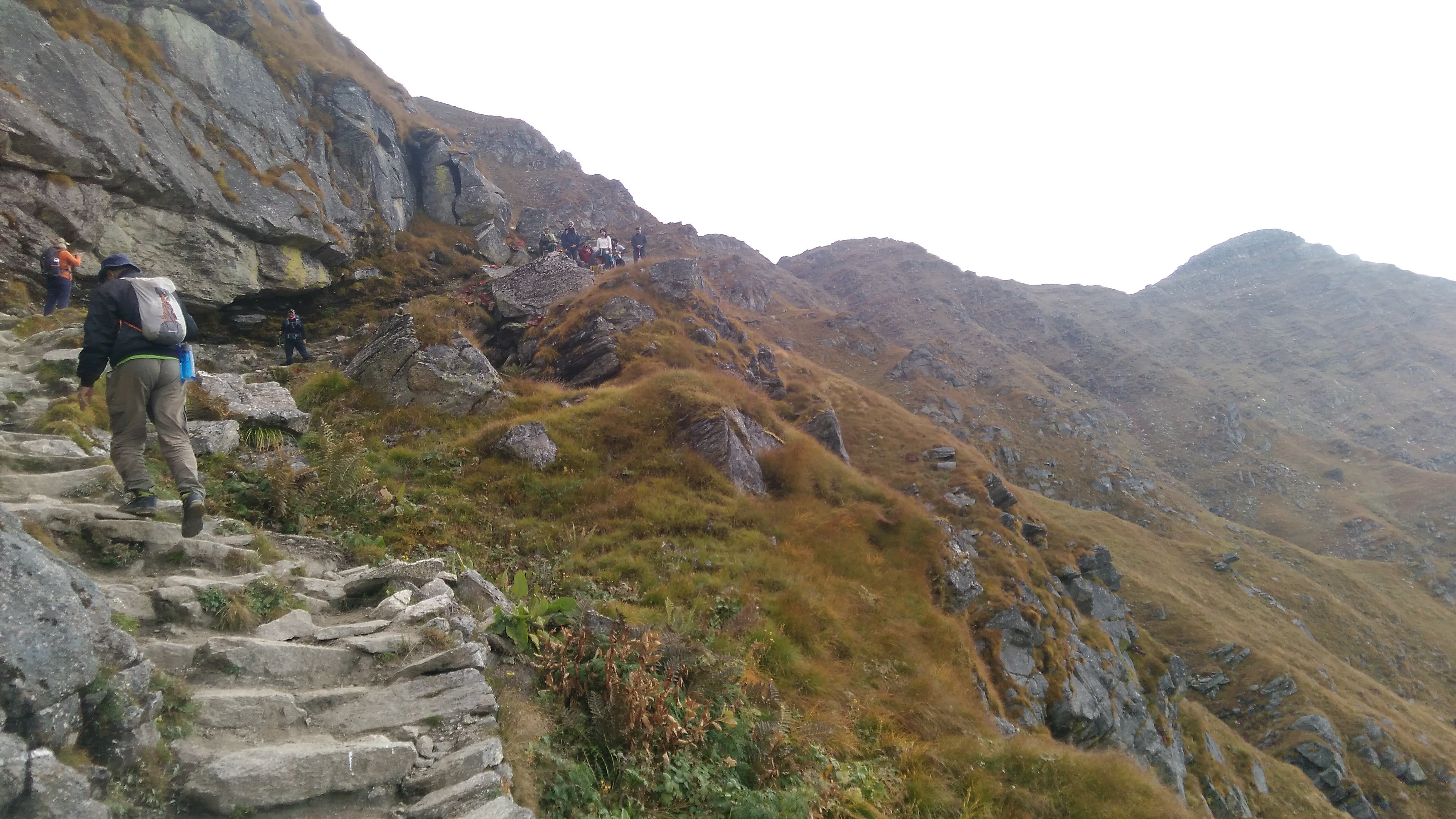
Today’s climb is shorter but steeper as you move deeper into high altitude terrain. The trail ascends toward Kalu Vinayak, a stone shrine dedicated to Lord Ganesha perched on a high ridge.

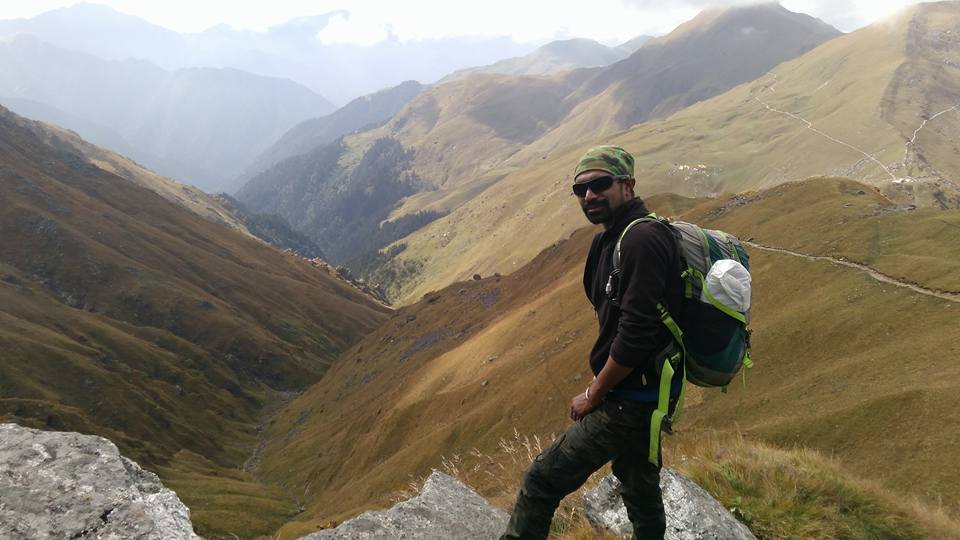
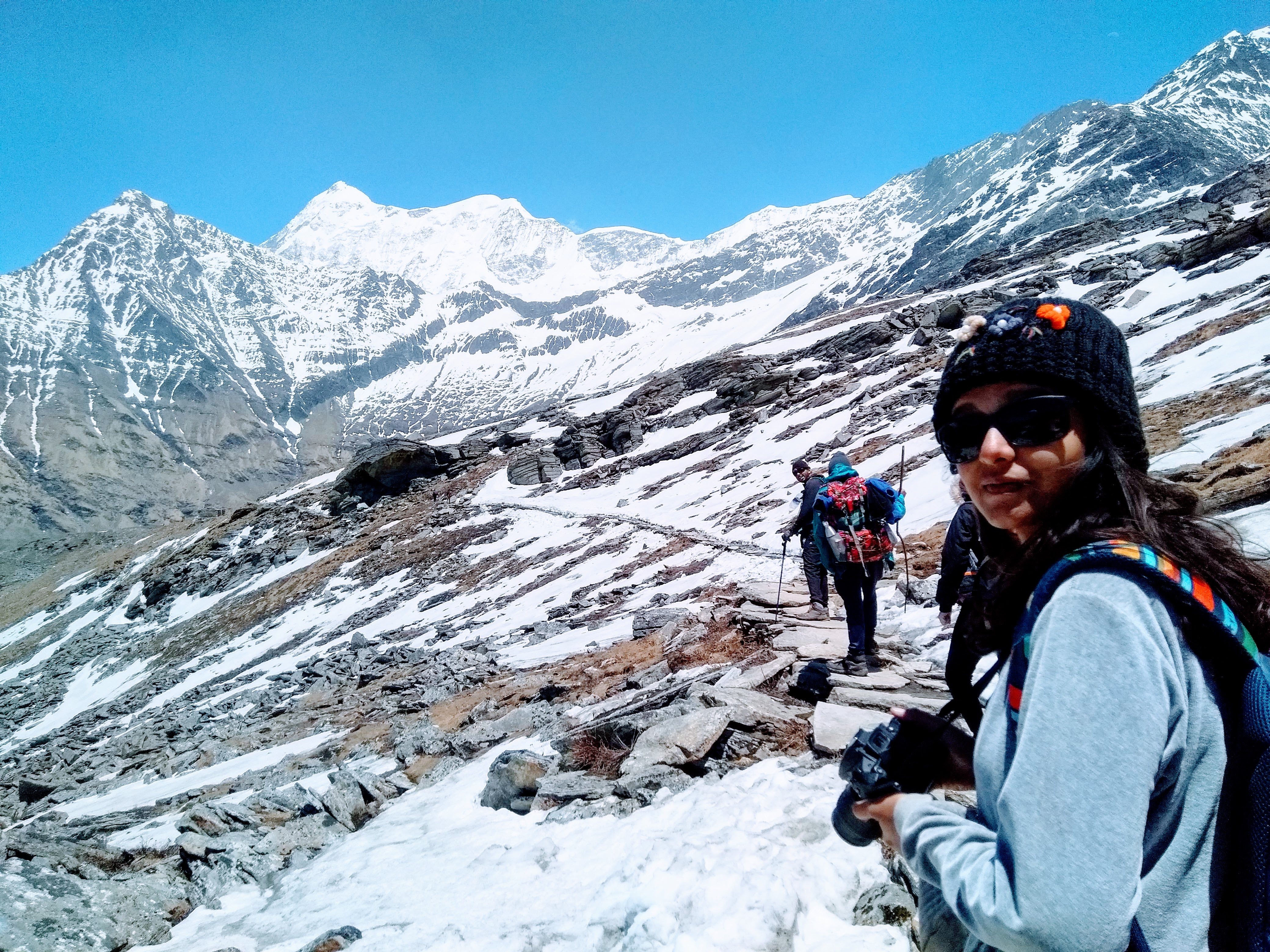
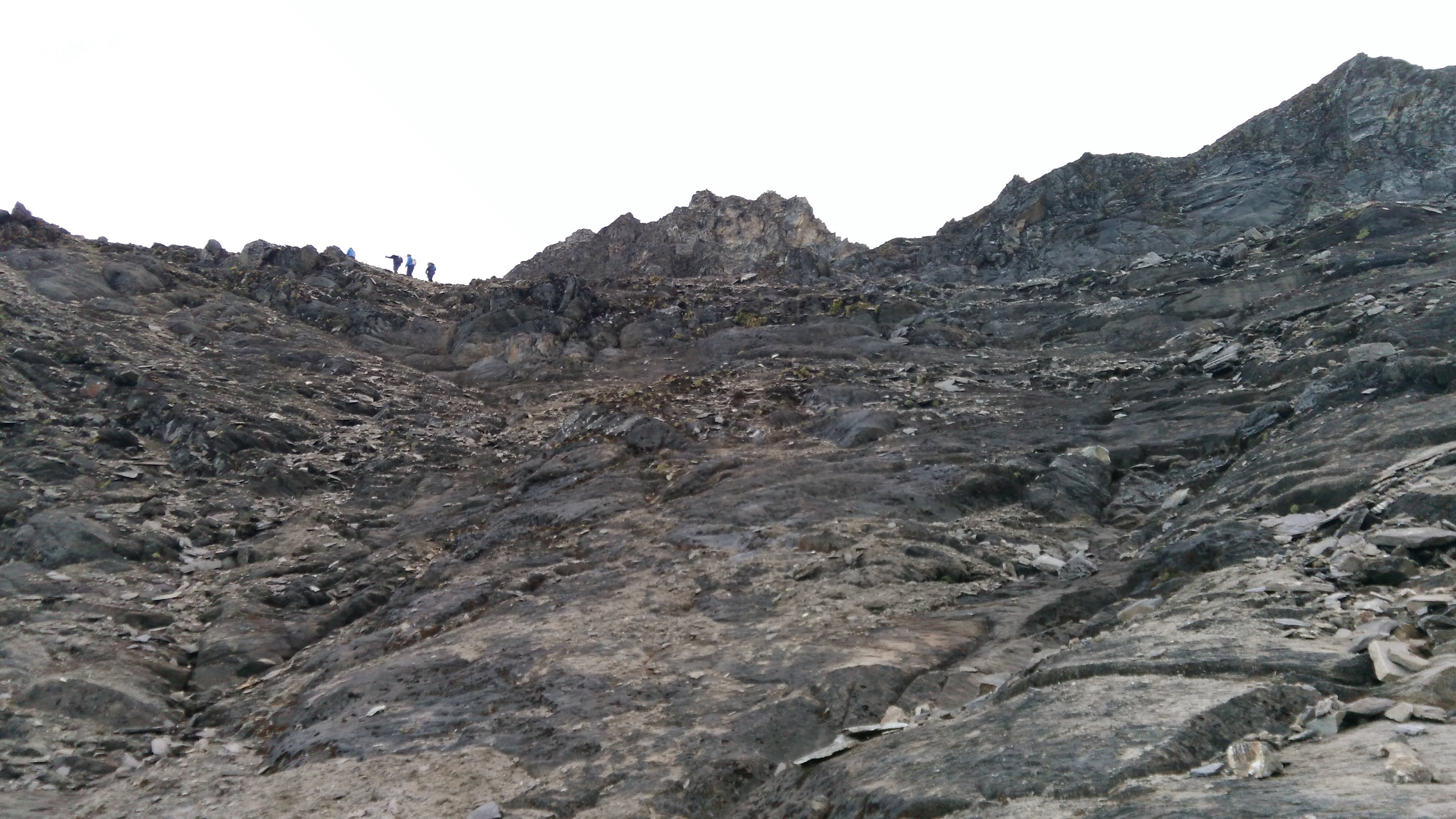
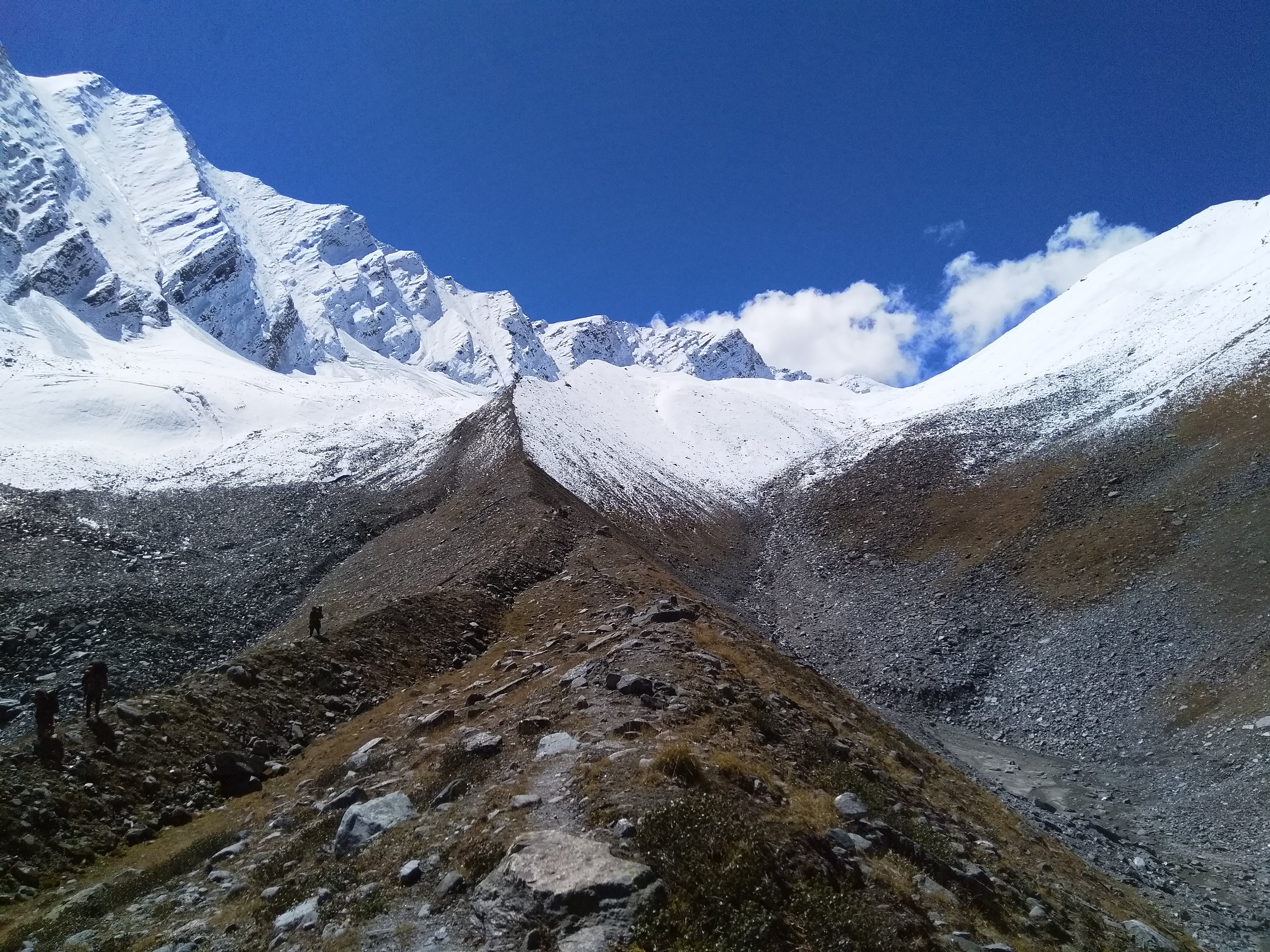
The ascent involves rocky switchbacks, and with every step, the views become more dramatic. Peaks like Trishul appear closer, while vast valleys stretch below.

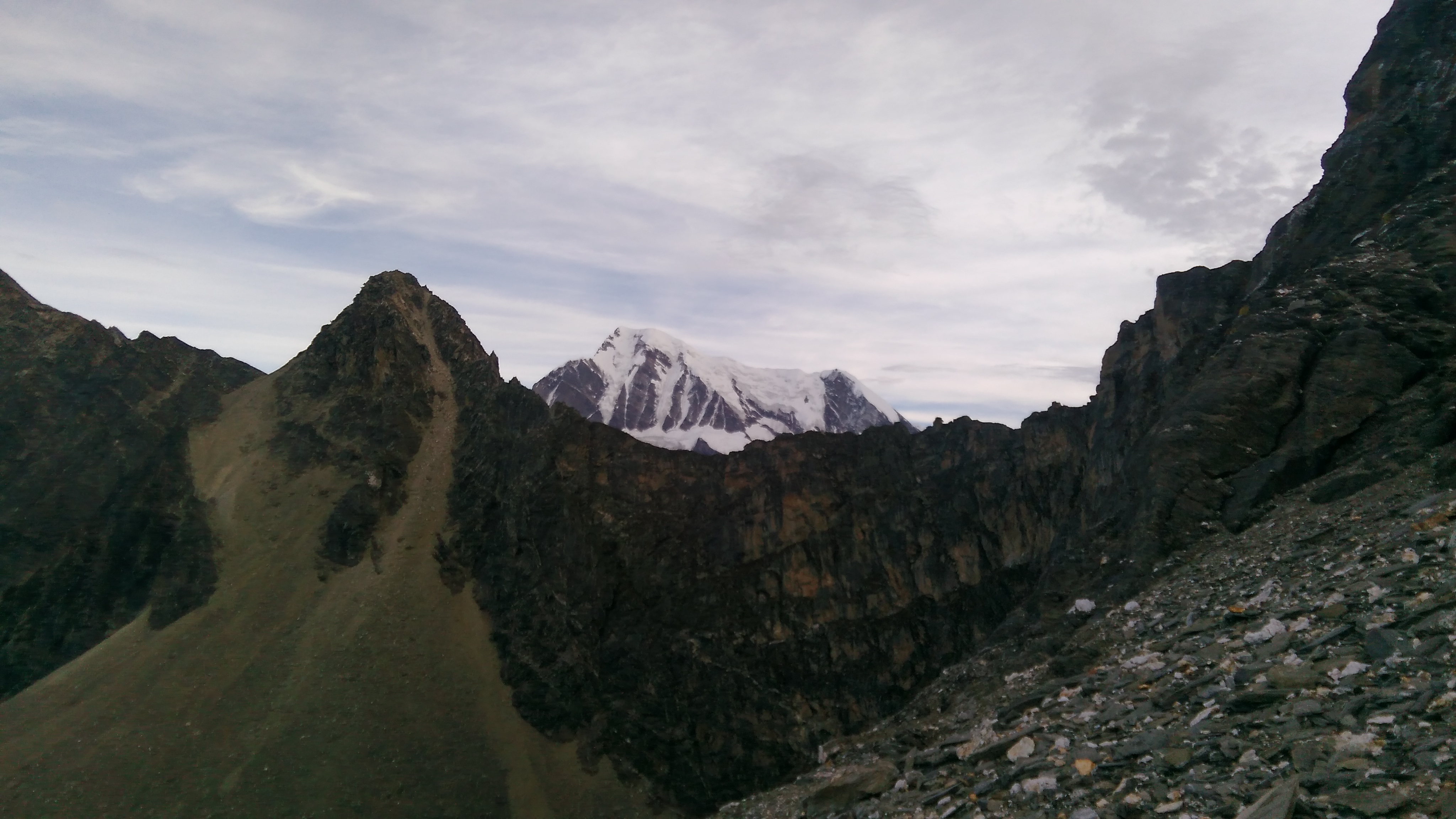
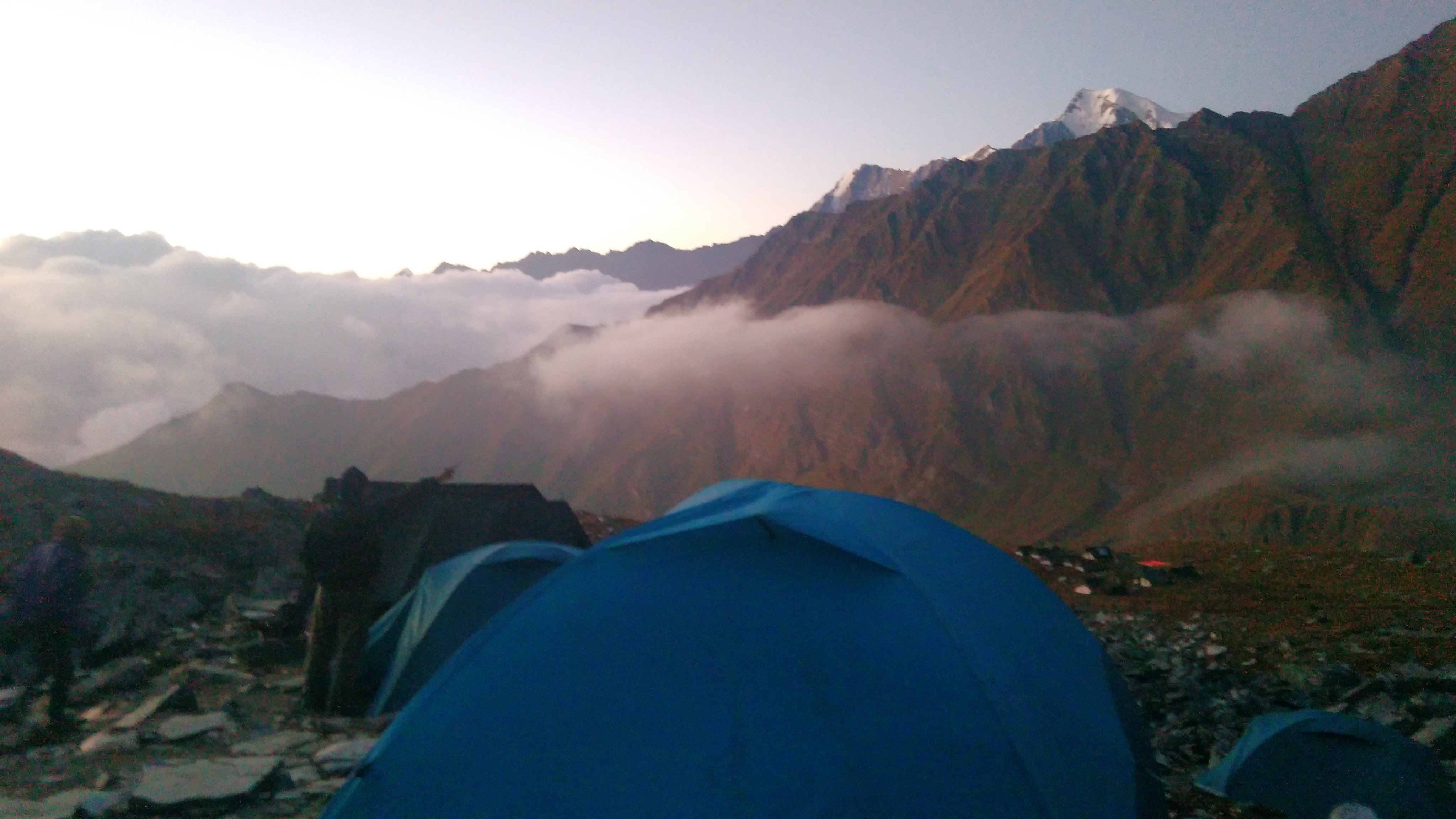
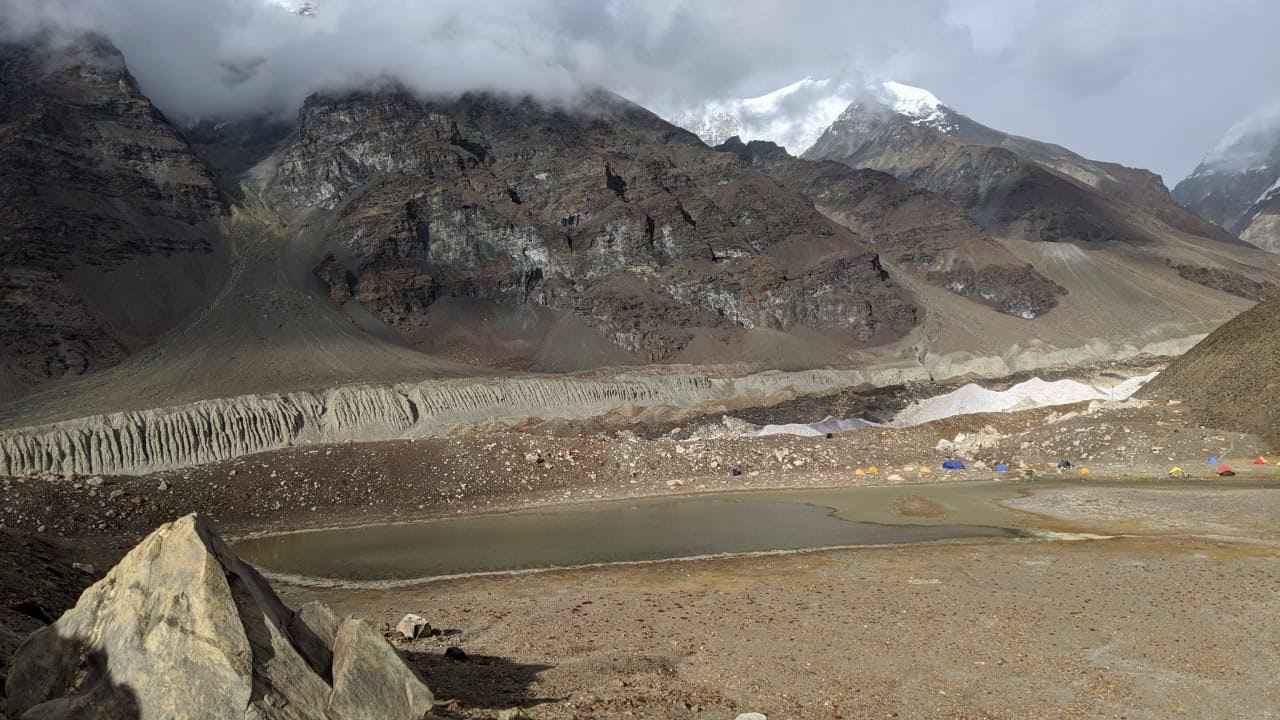
After reaching the ridge, the trail descends slightly over loose moraine to Bhagwabasa — your final campsite before Roopkund. The landscape here is barren and stark, with strong winds and freezing temperatures. Nights are extremely cold, often dropping below zero.
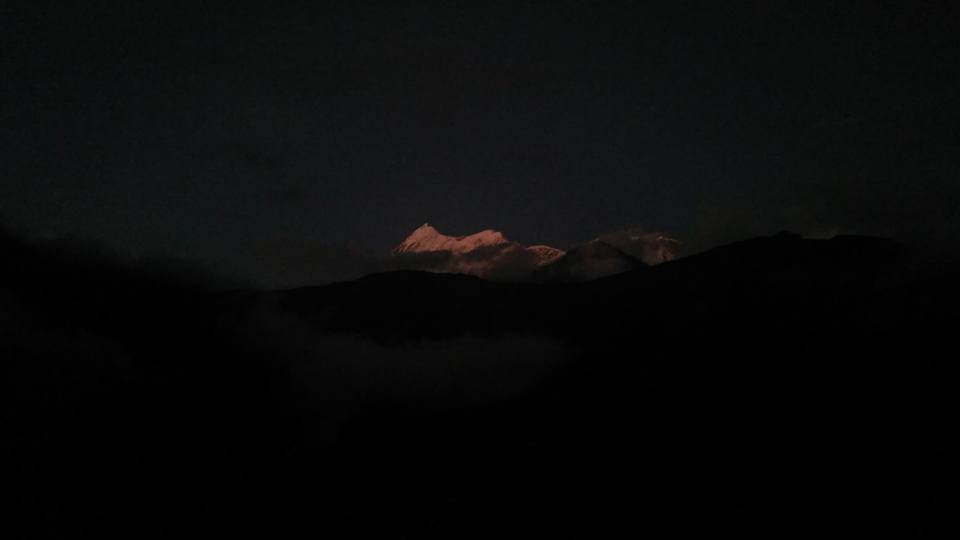
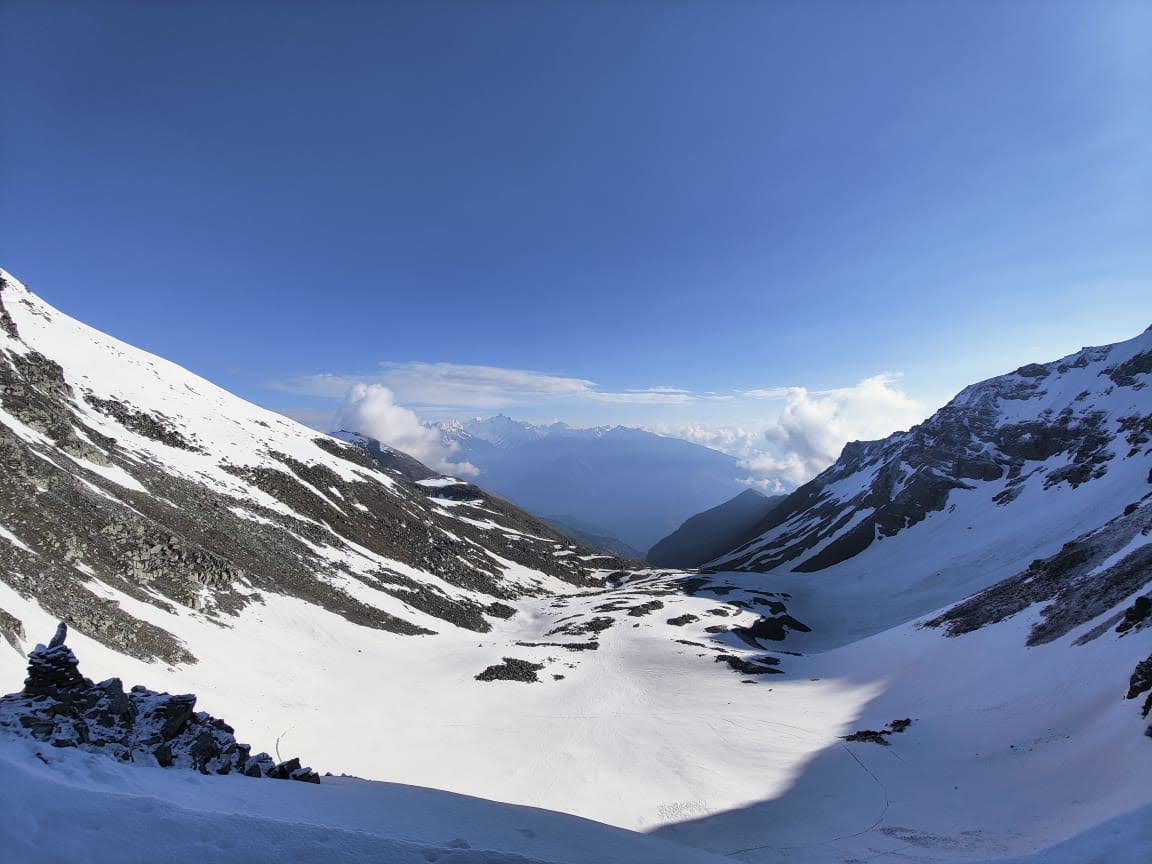
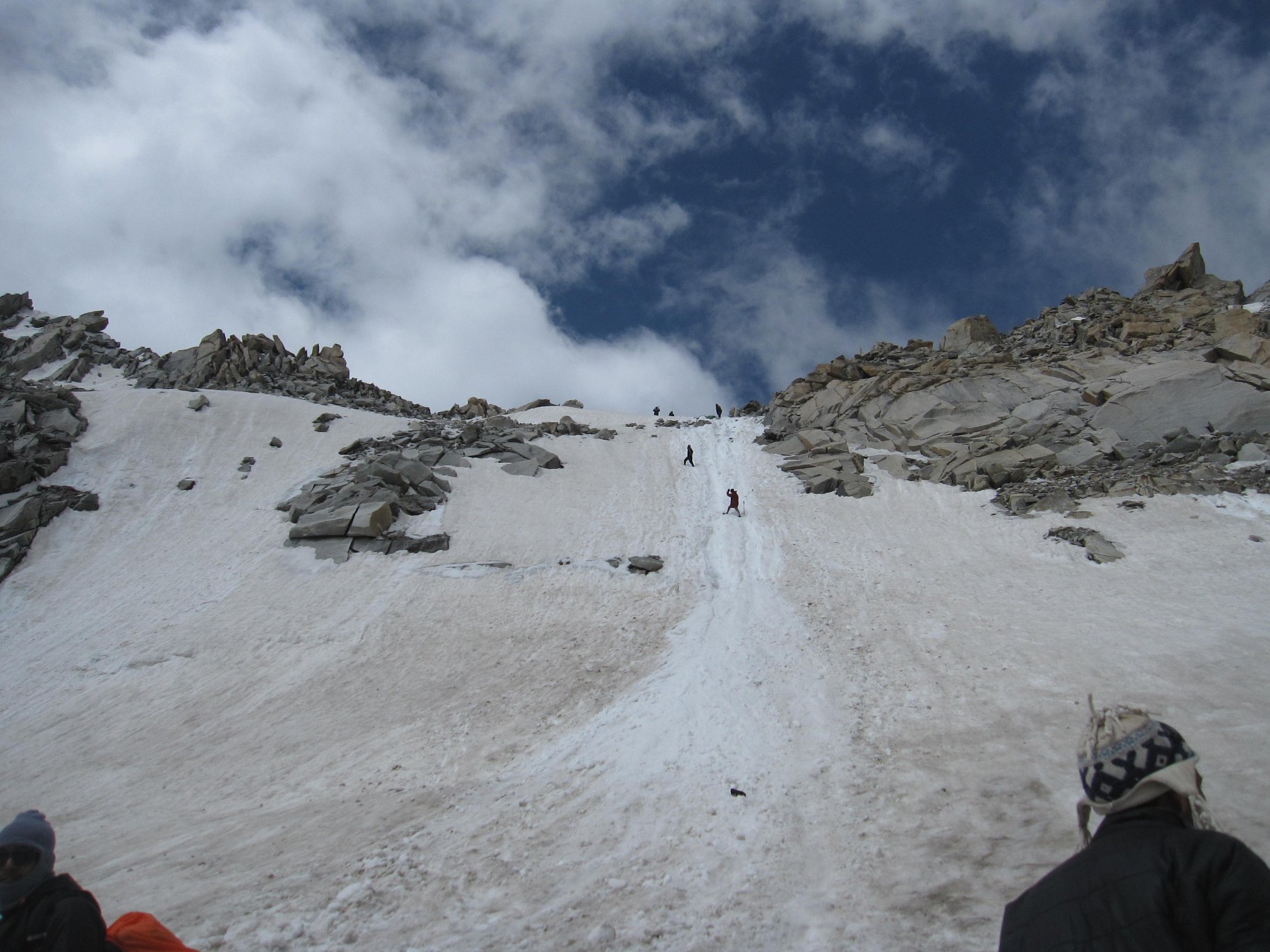
The summit day begins early, usually around 3–4 AM. The trail climbs steeply over snow, scree, and rocky sections under headlamp light. As you gain altitude, the air becomes thinner and the surroundings more dramatic.

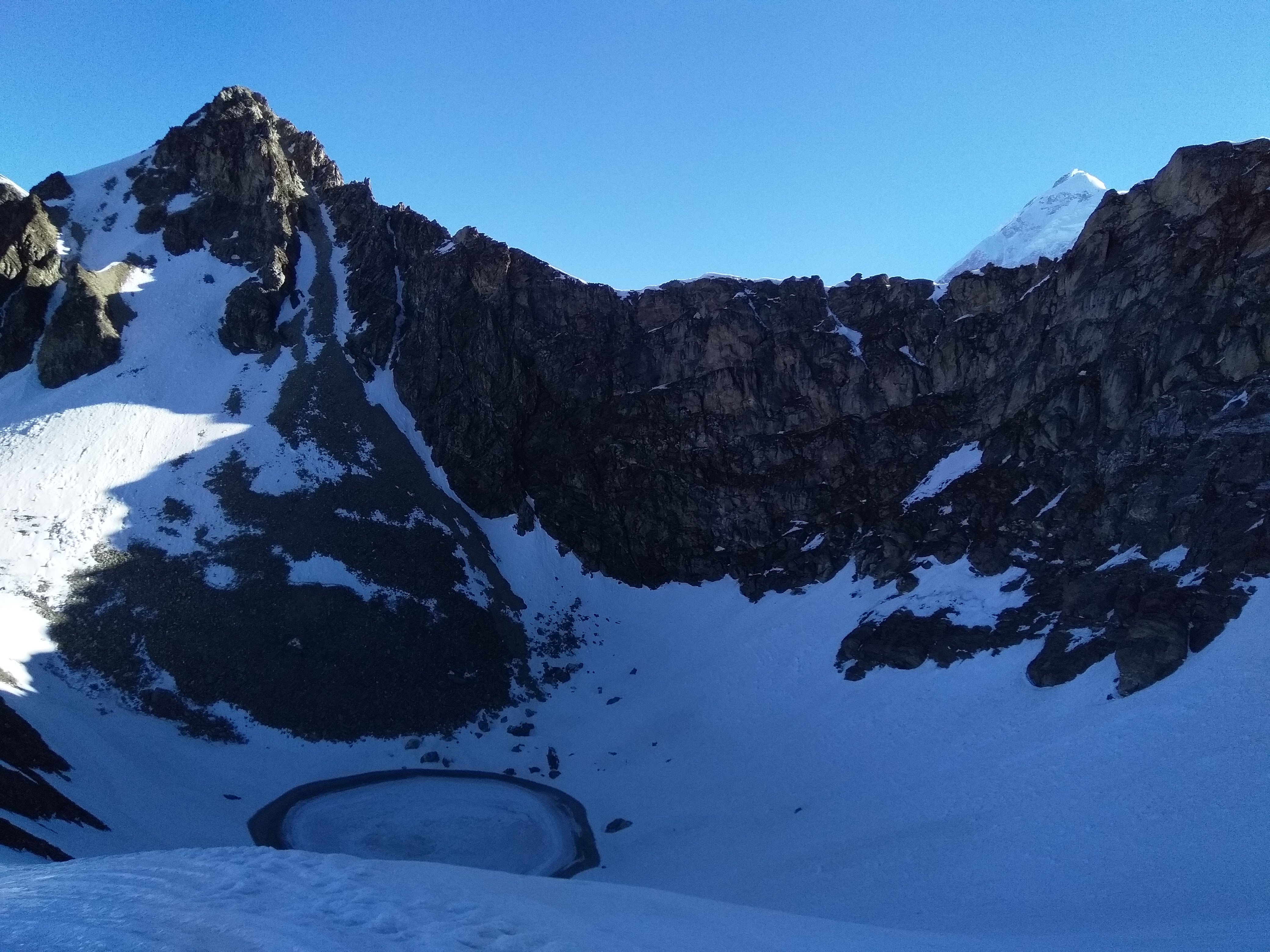
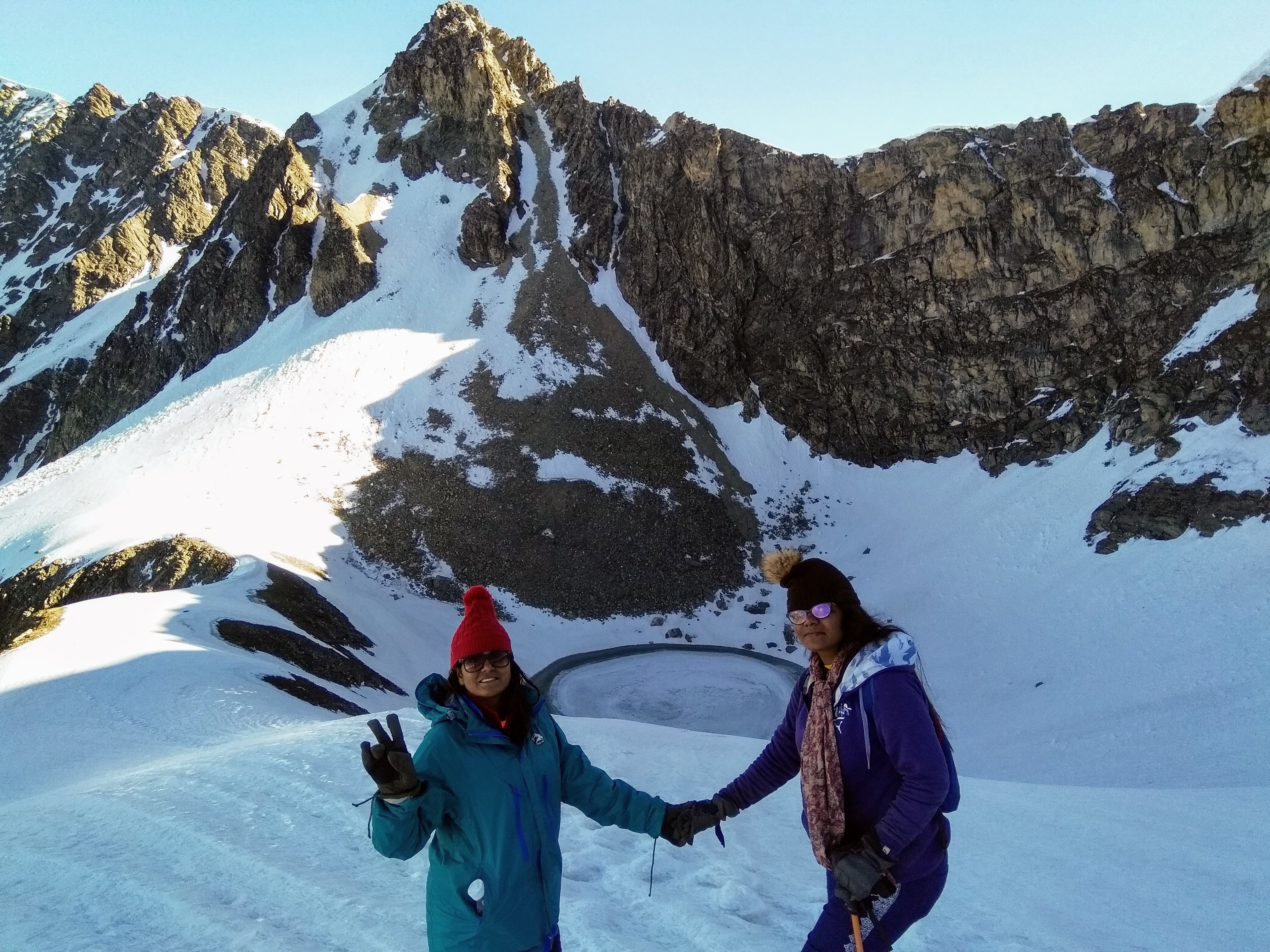
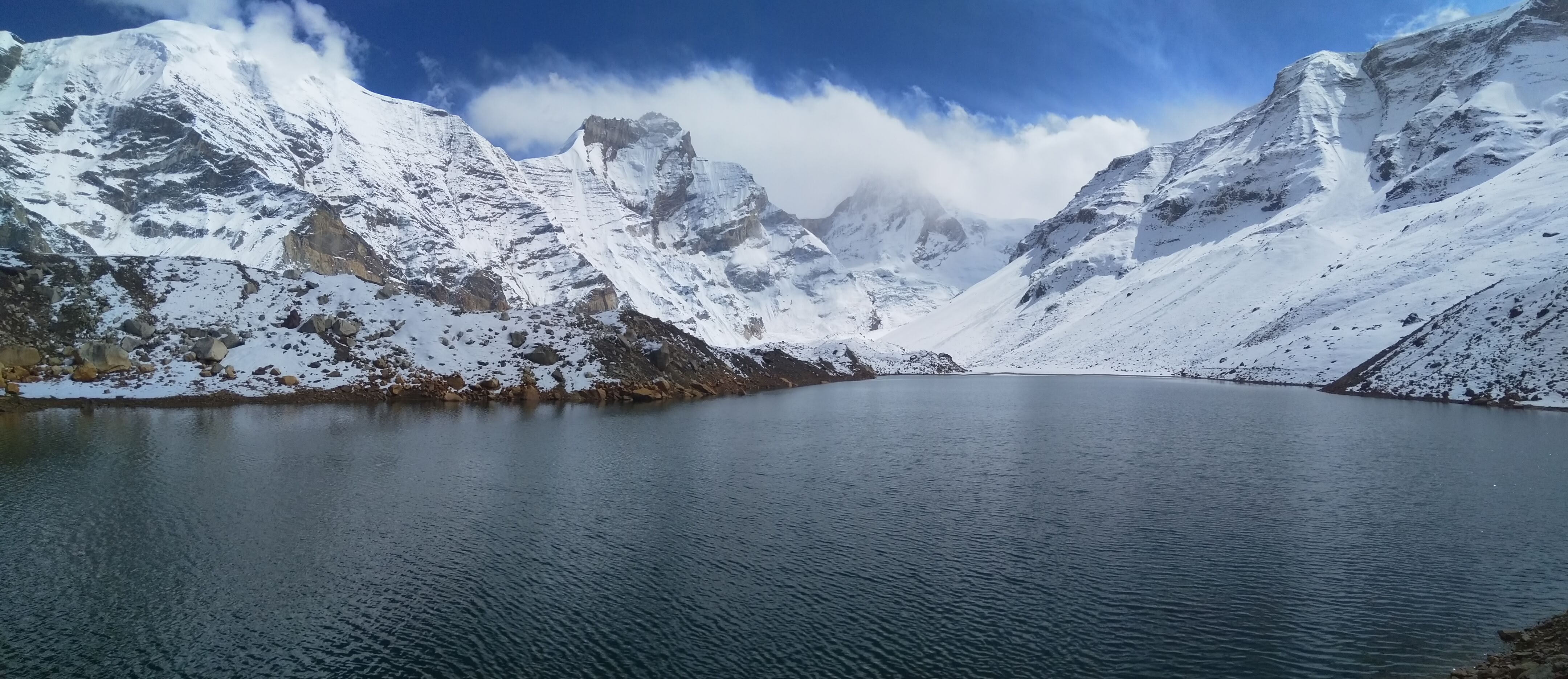
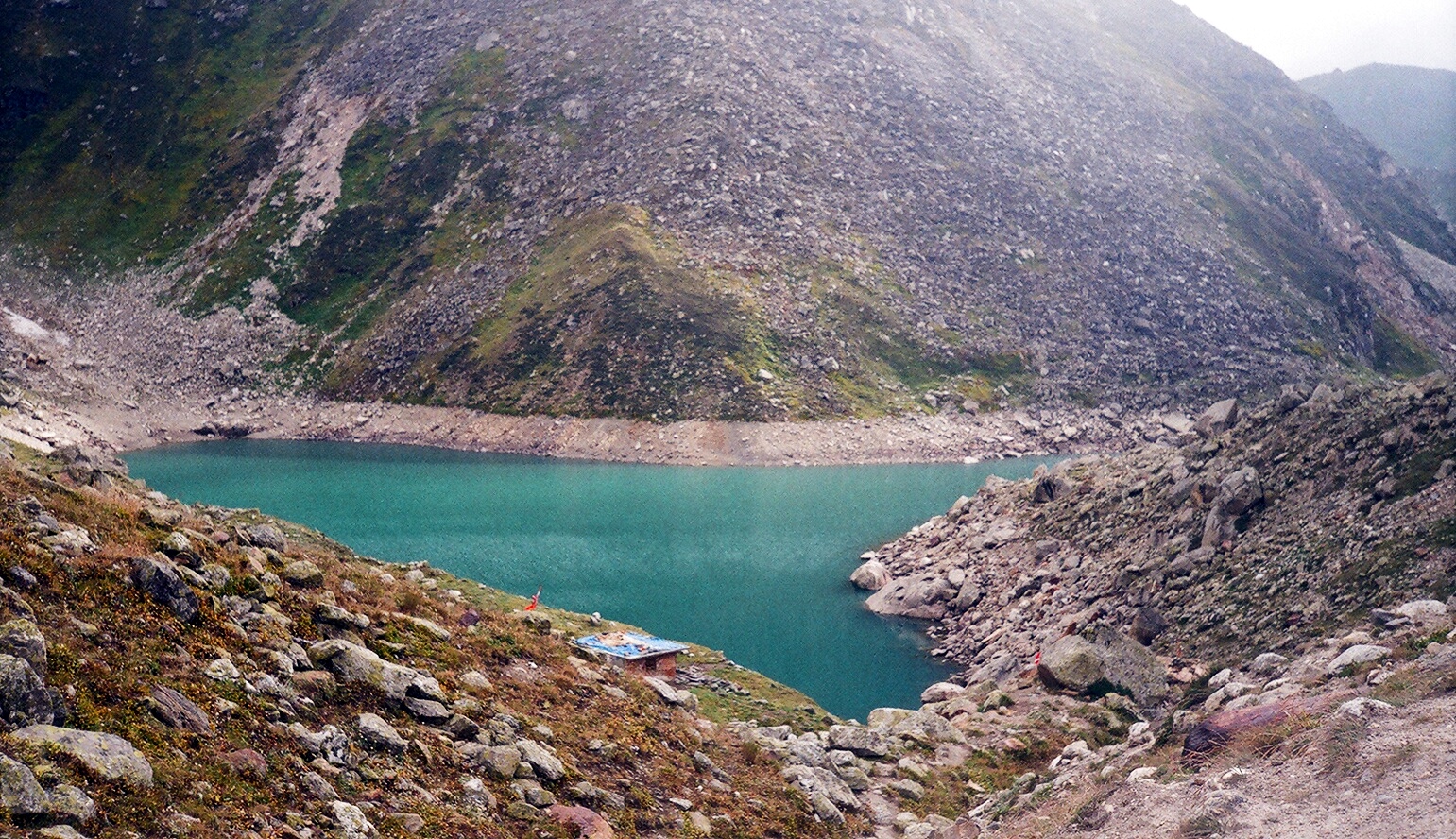
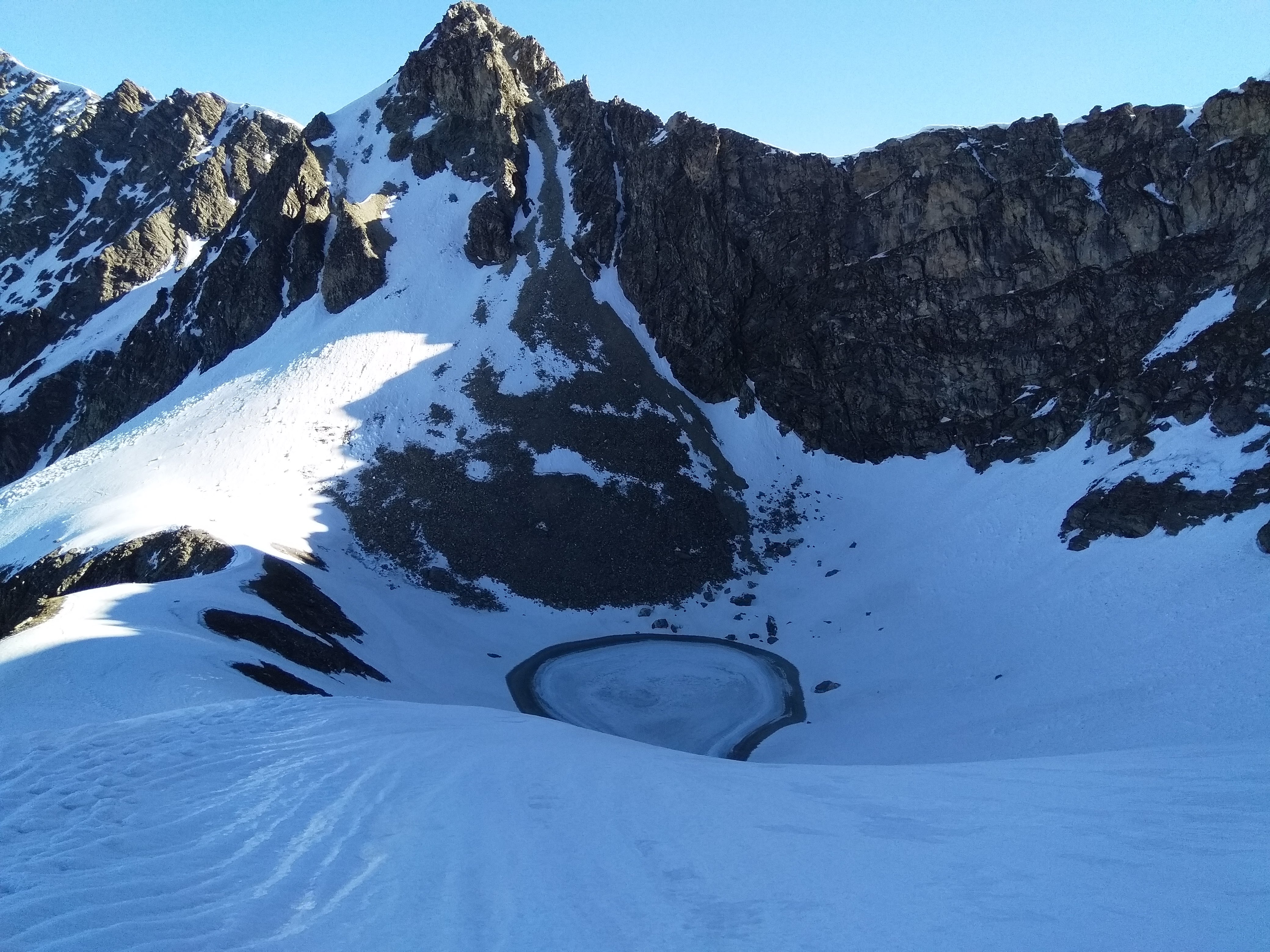
You reach Roopkund Lake, a glacial lake set inside a high-altitude crater, known for the ancient human skeletons visible around its edges when snow melts.

From here, the climb toward Junargali Top is attempted only if conditions permit. Though not far in distance, the route is steep and can be dangerous during early season due to hard snow and ice, making it often inaccessible.

After spending some time at Roopkund, you descend carefully back to Bhagwabasa and continue further down to Patar Nachauni for a more comfortable overnight stay.
The descent begins through open alpine meadows, retracing your steps across Bedni Bugyal. The morning light casts long shadows across the grasslands, and the expansive views feel even more striking on the way down.

Gradually, you re-enter the forest zone as the trail drops below the tree line. The environment shifts from exposed high-altitude terrain to dense oak and rhododendron forests, bringing back the sounds and scents of the forest.

By afternoon, you reach the peaceful campsite of Ghairoli Patal, surrounded by tall oak trees.
The final day of trekking is a gentle descent through the forest. You retrace the trail past Neel Ganga, crossing the familiar wooden bridge before gradually climbing back toward Wan.

As you approach the village, the forest opens up to reveal traditional homes and terraced fields. The trek concludes at Wan, where you can relax and reflect on the journey through one of the most scenic high-altitude trails in the Himalayas.
Begin your return journey from Wan. Depending on your onward plans, you can drive back toward Kathgodam/Haldwani or Rishikesh/Haridwar, retracing the scenic mountain roads with lasting memories of the trek.

Packing list

For a comprehensive packing list, download the PDF below: Download Packing List

Did you know?

Roopkund Lake lies at 15,750 ft and is famously known as the ‘Skeleton Lake’ because over 300 human skeletons dating back to the 9th century were discovered at its bottom — a mystery linked to a rare hailstorm disaster uncovered by scientists only recently.
The Roopkund trail passes through Bedni Bugyal and Ali Bugyal, two of Asia’s largest alpine meadows, carpeted with wildflowers like Brahma Kamal, blue poppies, and primulas in summer. These grasslands also offer majestic panoramas of Mt. Trishul and Nanda Ghunti.
Roopkund lies on the ancient route of the sacred Nanda Devi Raj Jat Yatra — a grand pilgrimage that happens once every 12 years. Devotees trek for over 280 km from Nauti village to Homkund, carrying a four-horned ram believed to be a messenger of Goddess Nanda Devi.
Lohajung, the starting point of the trek, literally means ‘War of Iron’. Local folklore says it’s named after a mythical battle fought between Goddess Parvati and a demon. The charming mountain village also serves as a gateway to several Kumaon and Garhwal treks.
The small hamlet of Wan, your trek’s ending point, is one of the last inhabited villages in this part of Uttarakhand. Its ancient Latu Devta temple is closely tied to the Nanda Devi legend — locals believe you must cover your head and enter barefoot to pay respect.
Wildlife enthusiasts often spot Himalayan monals, yellow-billed choughs, and even musk deer along the trail. The changing vegetation — from oak and rhododendron forests to alpine meadows — makes Roopkund one of the most ecologically diverse Himalayan treks.
September to early October is the best time for clear mountain views and to glimpse the skeletal remains when the lake’s snow cover melts. May–June, on the other hand, transforms the meadows into a paradise of flowers, making both seasons uniquely rewarding.

Route Map

How to reach

✈️ Air: Nearest Airport: Jolly Grant Airport, Dehradun. Then drive to Kathgodam → Lohajung.

🚆 Train: Nearest major Railway Station: Kathgodam. Then drive to Lohajung (approx 9-10 hours).

🛣️ Road: Regular bus/cab from Rishikesh/Dehradun to Lohajung (~250 km, 9–10 hrs).

🗺️ Travel Tip: Reach Lohajung a day early and acclimatise; carry cash and essentials as facilities get limited beyond Didna/Wan.

TrekFAQs

  • This trek is suitable for individuals with good physical fitness and some high-altitude trekking experience. It involves steep ascents, high camps and variable terrain.
  • Preparation should begin at least 6–8 weeks before the trek. A strong cardiovascular base is essential — regular running, stair climbing, cycling, or hiking with a loaded backpack is recommended. Strength training focusing on legs, core, and balance will help handle steep climbs and descents. Prior experience on difficult Himalayan treks significantly improves safety and comfort.
  • Essential items include waterproof trekking shoes, layered clothing, 50 L rucksack with rain cover, thermal wear, sleeping bag rated for cold nights, headlamp, trekking poles.
  • Some high-altitude meadows are ecologically fragile and may be subject to restrictions or bans on overnight camping — please check with your trek operator for latest updates.
  • Mobile network is limited. You may get some signal at Lohajung or Didna, but beyond that expect very little or none — inform family accordingly.
  • You would typically need forest/wildlife permits and entry passes for the area. Permit formalities are usually handled by the trek operator.
  • The ideal windows are **May-June** (late spring) when alpine meadows bloom and snow remains at higher altitudes, and **September-October** (early autumn) when skies are clear and the “Skeleton Lake” becomes visible. :contentReference[oaicite:2]{index=2}
  • On the Roopkund trail you pass through oak and rhododendron forests, alpine meadows and snow-high ridges. You may spot Himalayan monals, yellow-billed choughs, musk deer and a variety of wildflowers like blue poppies and brahma kamal. :contentReference[oaicite:3]{index=3}
  • The trek is rated Moderate-to-Difficult: there are sudden elevation gains (from ~7,700 ft at Lohajung up to ~15,750 ft at Roopkund), snow patches, exposed ridges and steep climbs. Preparation with cardio, altitude awareness and proper gear is essential. :contentReference[oaicite:4]{index=4}
  • Camping in certain meadows may be restricted. While the trail is open, some operators avoid overnight stays in specific zones to comply with regulations — check with your operator for the current status. :contentReference[oaicite:5]{index=5}
  • During May–June daytime temps may range from 8-15 °C at higher altitudes, while nights can drop to below zero. In September–October, day temps may be 7-12 °C; nights drop to –2 °C to –7 °C. :contentReference[oaicite:6]{index=6}

Similar Treks

View of Nandanvan Vasukital Trek trek difficult

Nandanvan Vasukital Trek

7 Nights / 8 Days
uttarakhand-garhwal
View of Kedartal Trek trek moderate, difficult

Kedartal Trek

6 Nights / 7 Days
uttarakhand-garhwal
View of Bali Pass Trek trek difficult

Bali Pass Trek

7 Nights / 8 Days
uttarakhand-garhwal
View of Satopanth Lake Trek trek moderate

Satopanth Lake Trek

5 Nights / 6 Days
uttarakhand-garhwal
View of Buran Ghati Trek trek moderate, difficult

Buran Ghati Trek

6 Nights / 7 Days
himachal pradesh
View of Gaumukh Tapovan Trek trek moderate, difficult

Gaumukh Tapovan Trek

6 Nights / 7 Days
uttarakhand-garhwal
View of Harkidun & Ruinsaratal Trek trek moderate, difficult

Harkidun & Ruinsaratal Trek

7 Nights / 8 Days
uttarakhand-garhwal
View of Borasu Pass Trek trek difficult

Borasu Pass Trek

8 Nights / 9 Days + 1 Buffer Day
uttarakhand-garhwalhimachal pradesh

How Our Treks Are More Than Just a Trek

Every journey with us is carefully crafted for a deeply personal mountain experience.

Not Just a Trek — A Journey That Stays With You

Every trail we walk is a carefully chosen path into the heart of the Himalayas — not just to witness their grandeur, but to feel them under your skin and soul. Our treks are designed not as bucket list checkmarks, but as life-affirming journeys. At Planethimalayas, we believe a mountain journey is deeply personal — and that belief runs through everything we do.

Individual Care, Every Step of the Way

We keep our groups small and intimate so we can focus on you — your pace, your concerns, your joy. From pre-trek guidance to trail-side support, our leaders walk with intention, offering safety and attention without intrusion. It’s this deep care that turns strangers into friends and walks into memories.

Built on Genuine Love for the Himalayas

We don’t just operate in the Himalayas — we live and breathe them. From respecting mountain communities to following Leave No Trace ethics, our treks are shaped by humility and care. With Planethimalayas, your trek becomes a way of giving back to the mountains that give us so much.

Why Choose Us

Experience the difference of trekking with genuine mountain experts who truly care.

Trek Leader & Guide

Led by certified mountaineers with wilderness first aid training, ensuring your safety and confidence at every step.

Cook & Support Staff

Our mountain crew comprises local experts who bring unmatched experience, warmth, and deep knowledge of the region.

Small Group Size

We cap our group departures at just 8 trekkers — ensuring individual attention, deeper connections, and better trail discipline.

Safety Standards

From personal well-being to technical preparedness, we maintain the highest safety standards — using certified high-altitude gear and comprehensive safety protocols to ensure a secure and reliable Himalayan experience.

24×7 Online Support

We're always available — before, during, or after your trek. Reach out anytime, and you'll always hear back from a real human.

We Care for the Mountains

We strictly follow Leave No Trace ethics. Limited group sizes and mindful practices help protect the fragile Himalayan ecosystem.