WhatsApp FAQs
×


PriceNote – Listed Price & Customisation Rules:
The listed trek price applies to our fixed departures for the specified itinerary. Trek fees including any add-ons for customized groups may vary based on your preferences, ensuring every adventure is tailored to your needs.

Group Booking Offer:
For groups of 8 or more booking together, the trek fee for 1 participant will be waived as a token to encourage shared adventures.

Scholarship for Kids:
Children under 15 years receive a 30% discount on the trek price, making it easier for families to explore the Himalayas together.

×


Transport Price Note:
The transport price mentioned is only an indicative estimate per person, assuming a small vehicle shared by at least 4 participants.
Fewer participants → cost rises;
More participants → cost decreases.

Transport Selection During Booking:
Selecting transport during booking informs us of your preference. No payment is collected at booking.

Final Cost & Payment:
Final transport cost will be communicated before departure and to be paid directly to the cab driver.

×

Itinerary Note:
This itinerary represents the most updated plan, but minor adjustments may occur due to operational needs or mountain conditions.

Deo Tibba Base Camp Trek

Wildflower Trails & Glacial Meadows of the Himalayas

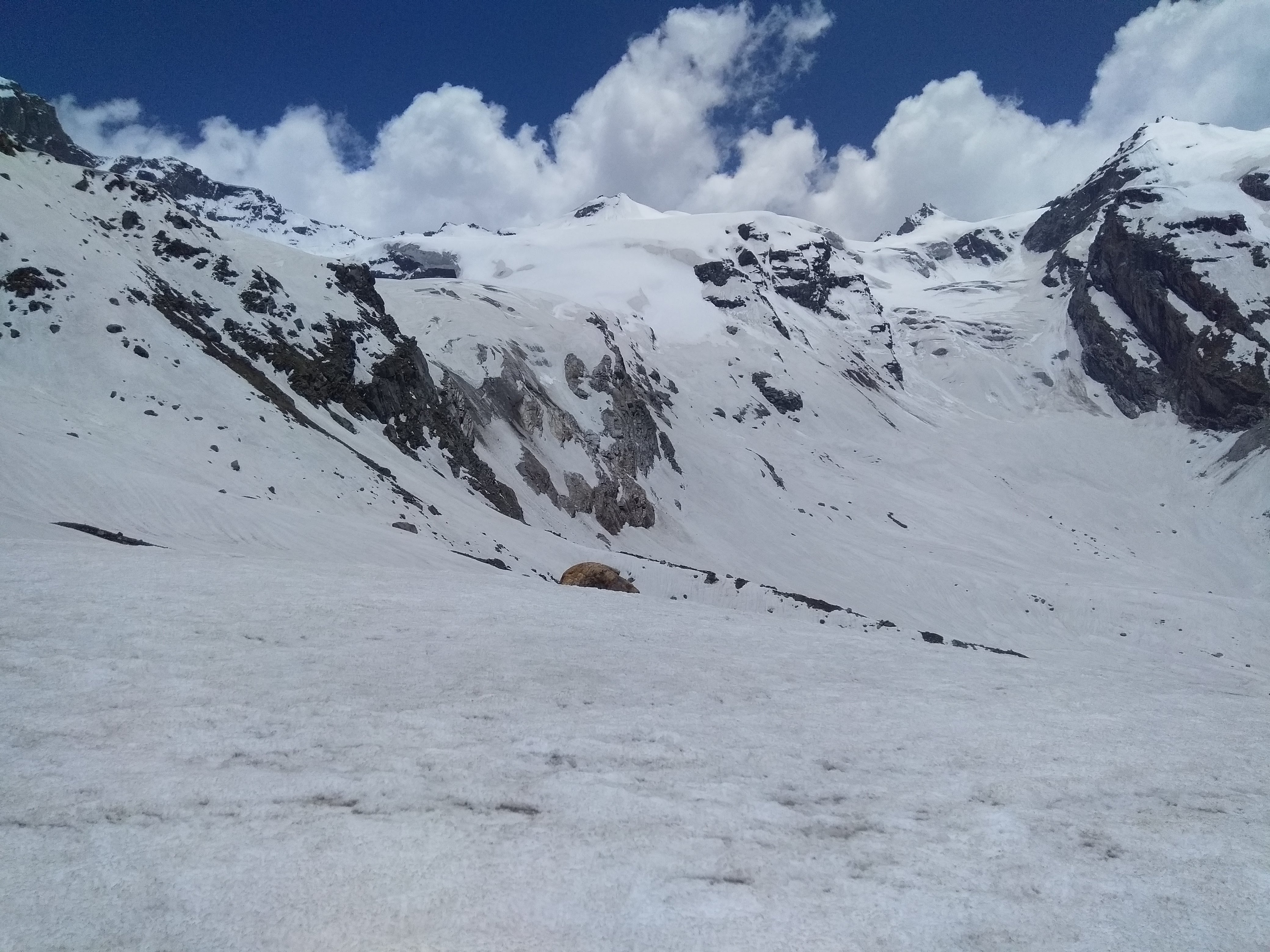
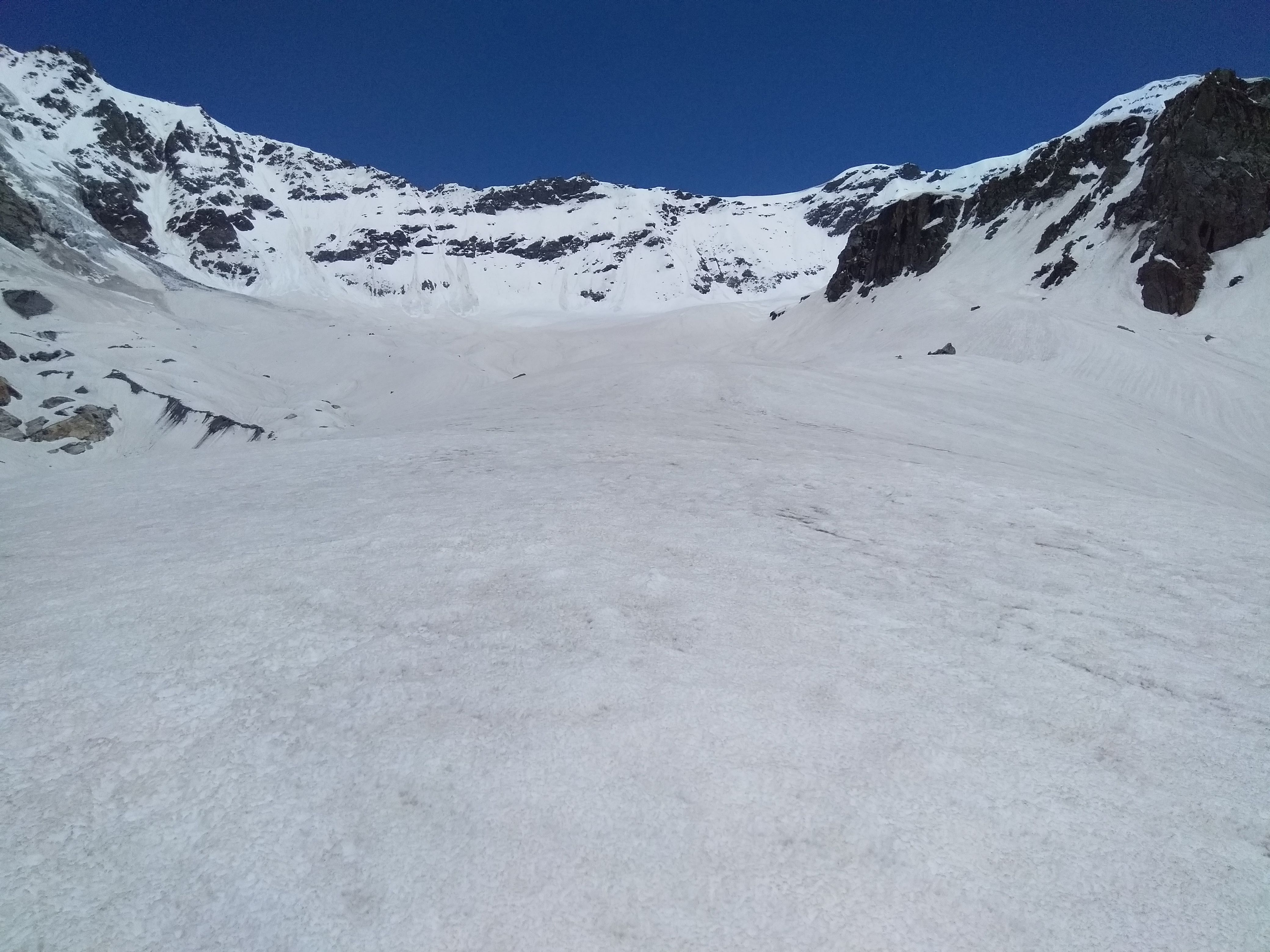
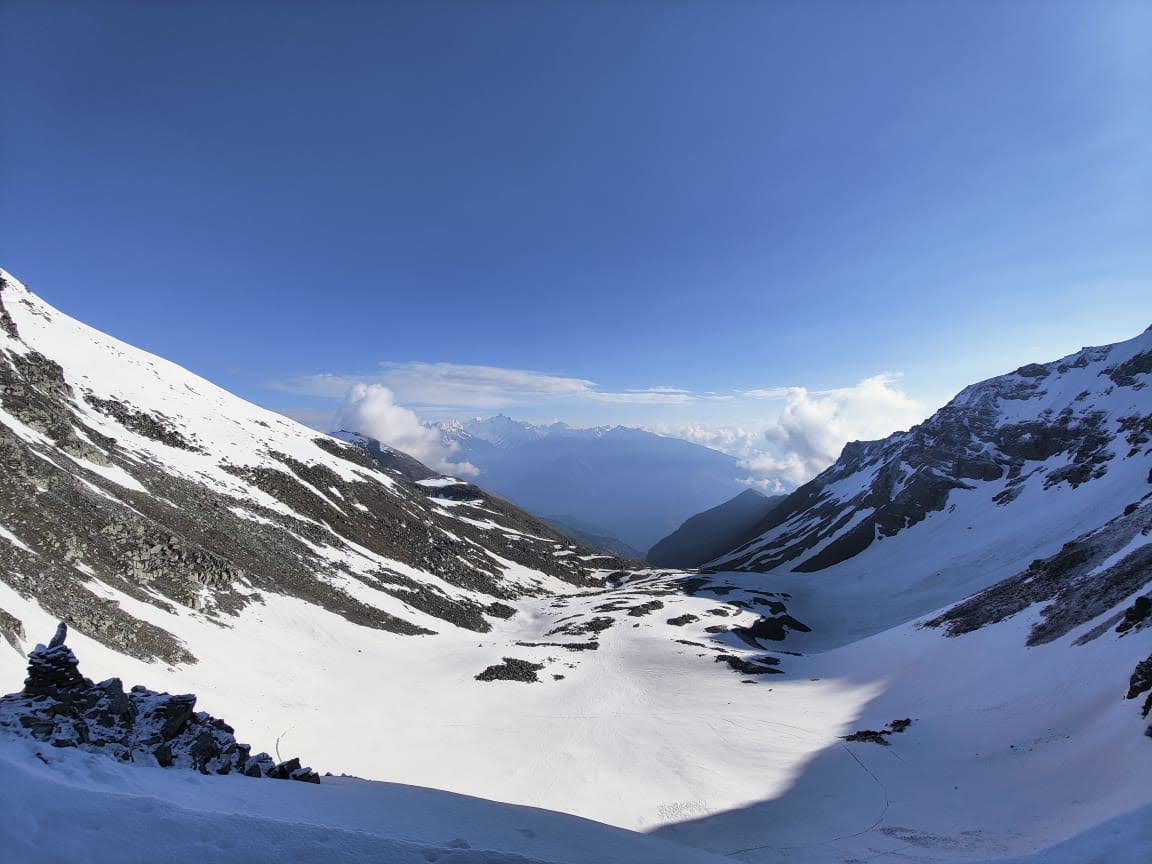
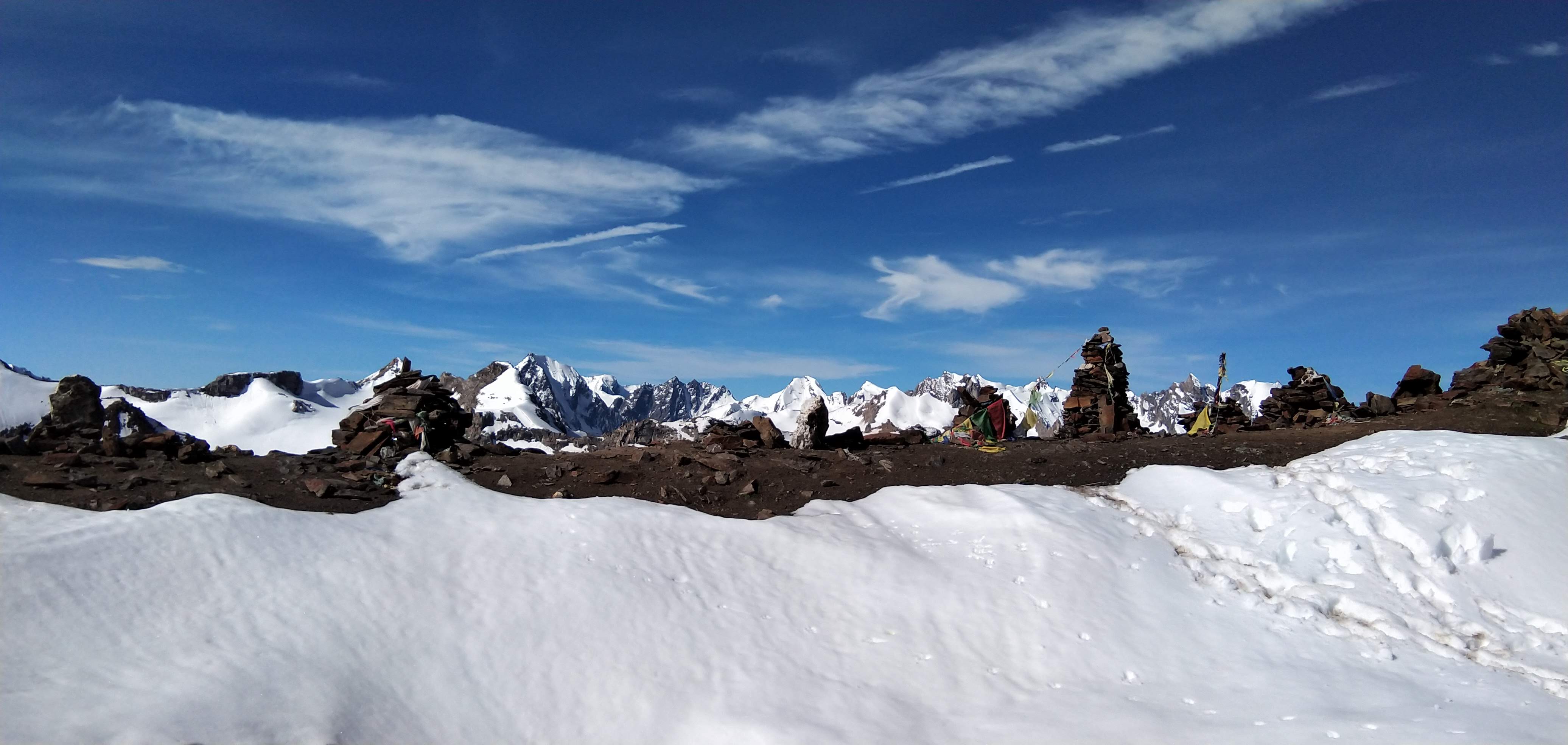
Gallery

Trek Overview

  • Trek Duration: 5 Nights / 6 Days
  • Trek Grade: Moderate / Difficult
  • 🏔️ Max Altitude: ≈ 14,698 ft
  • Trek Distance: ≈ 40 km
  • 🌤️ Best Time: July–October
  • 🗺️ Region: Kullu Valley, Himachal Pradesh
  • 📍 Start Point: Khanol Dam (near Manali)
  • 🏁 End Point: Khanol Dam
  • 🧥 Cloakroom facility: Not available

Price starting from ?

INR 13,400 * Manali to Manali

Terms & Conditions | Inclusions & Exclusions | Cancellation & Refunds

Addons (Optional)

  • Offloading-Bags – INR 1,500 (* Maximum weight 9kg/bag)

Customize your trek to suit your preferences.

Sign up for our fixed departure dates below.

Registration Dates July 2026

11 Jul - 16 Jul Loading…

Registration Dates August 2026

Registration Dates September 2026

Registration Dates October 2026

Walking The Trail

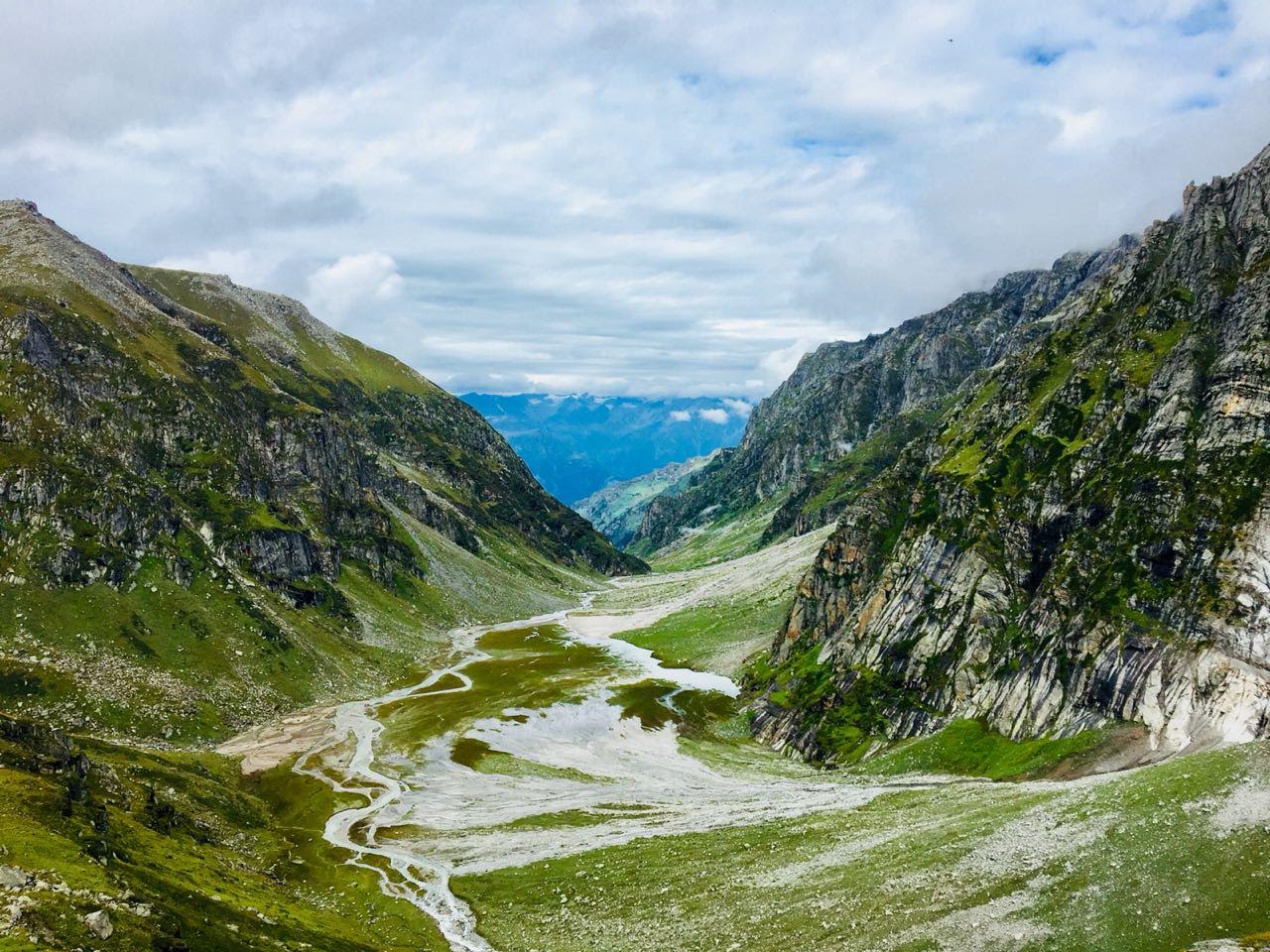
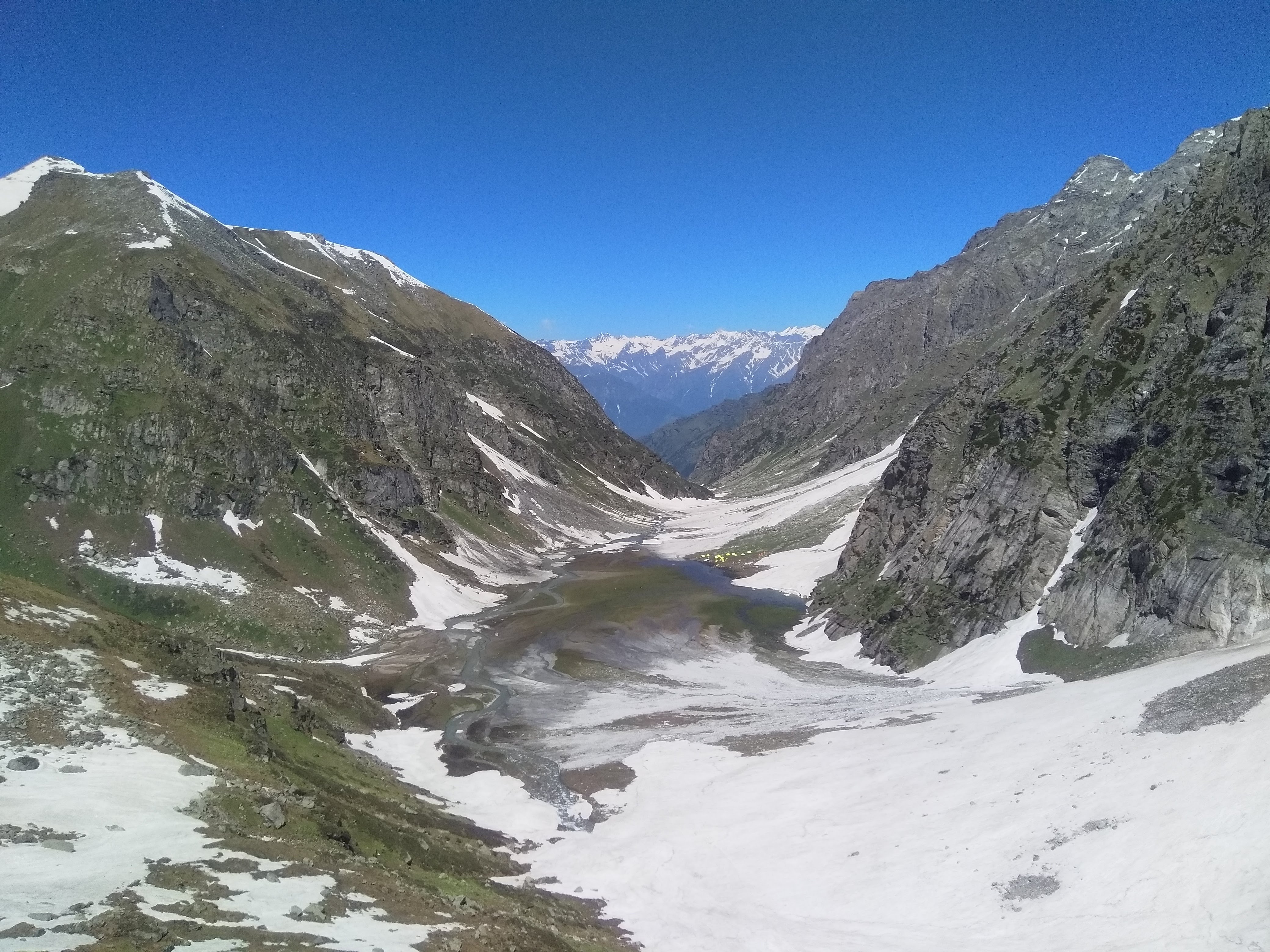
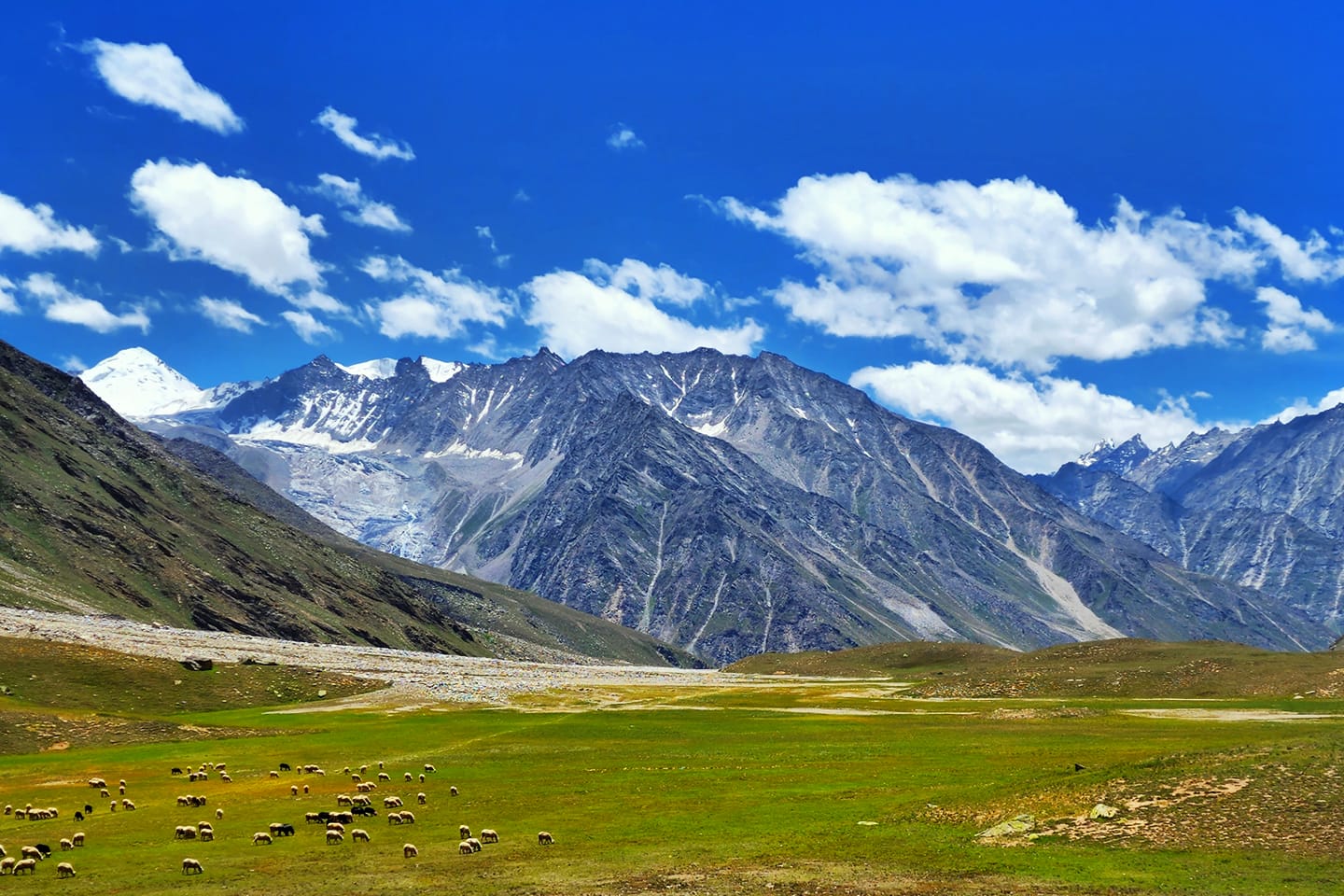
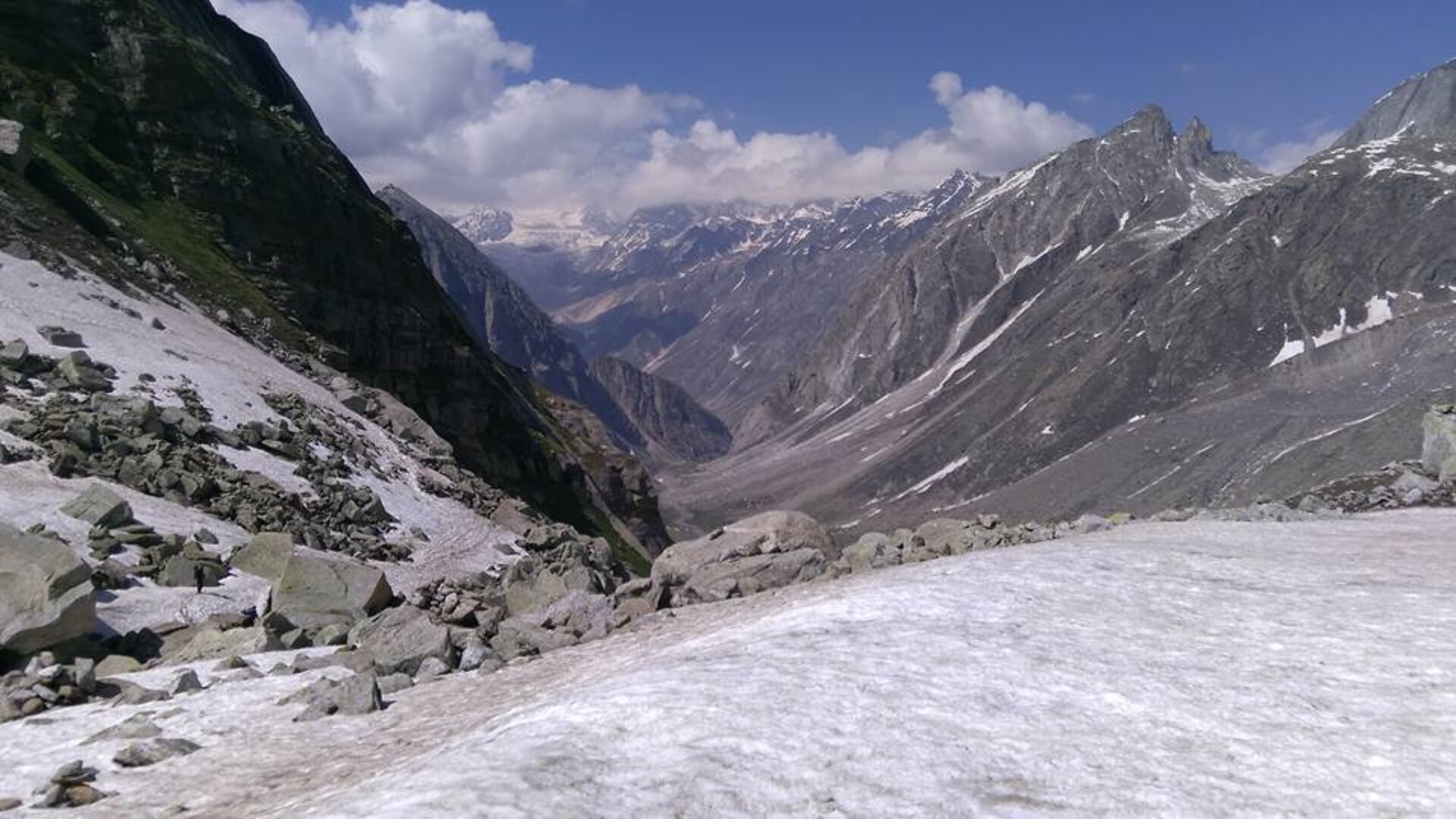
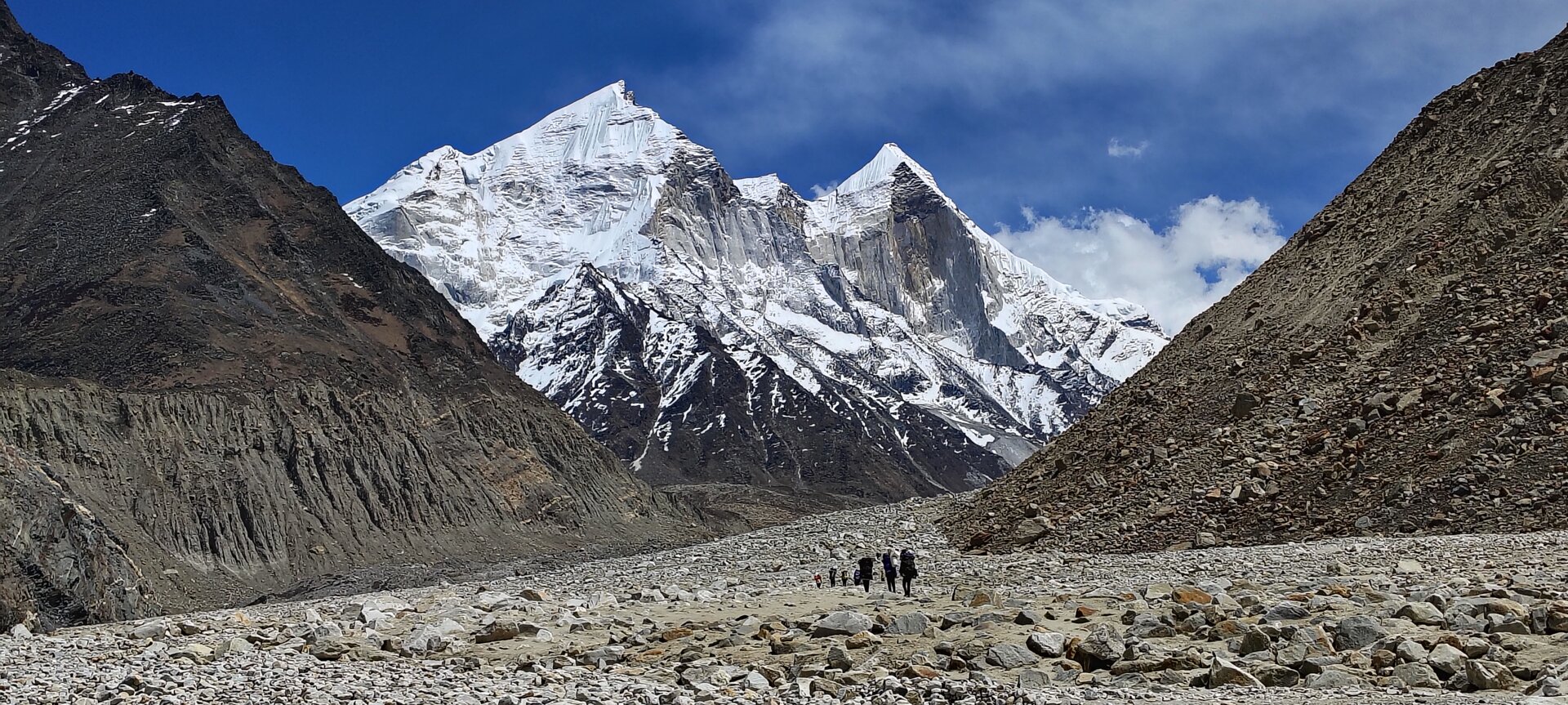
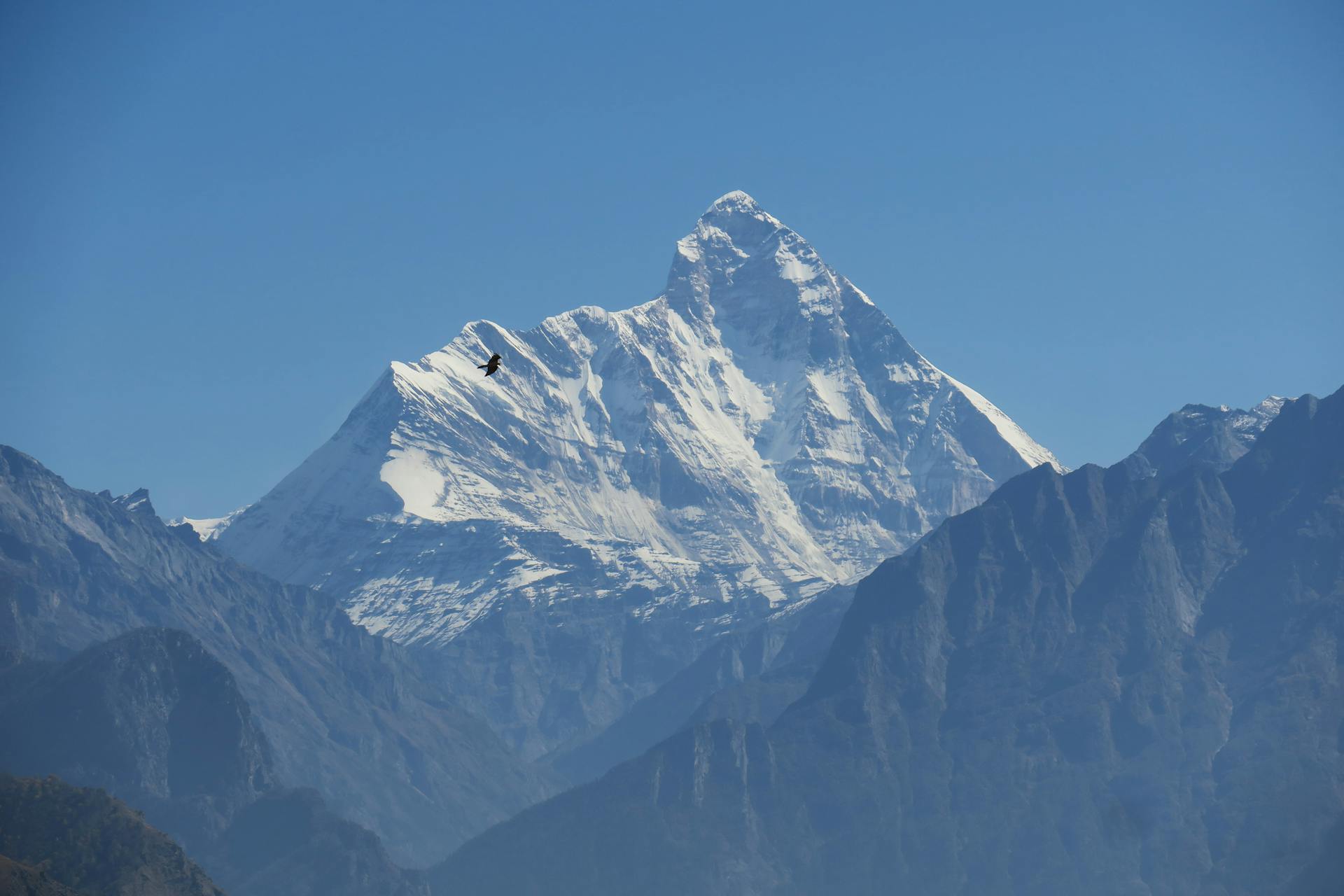
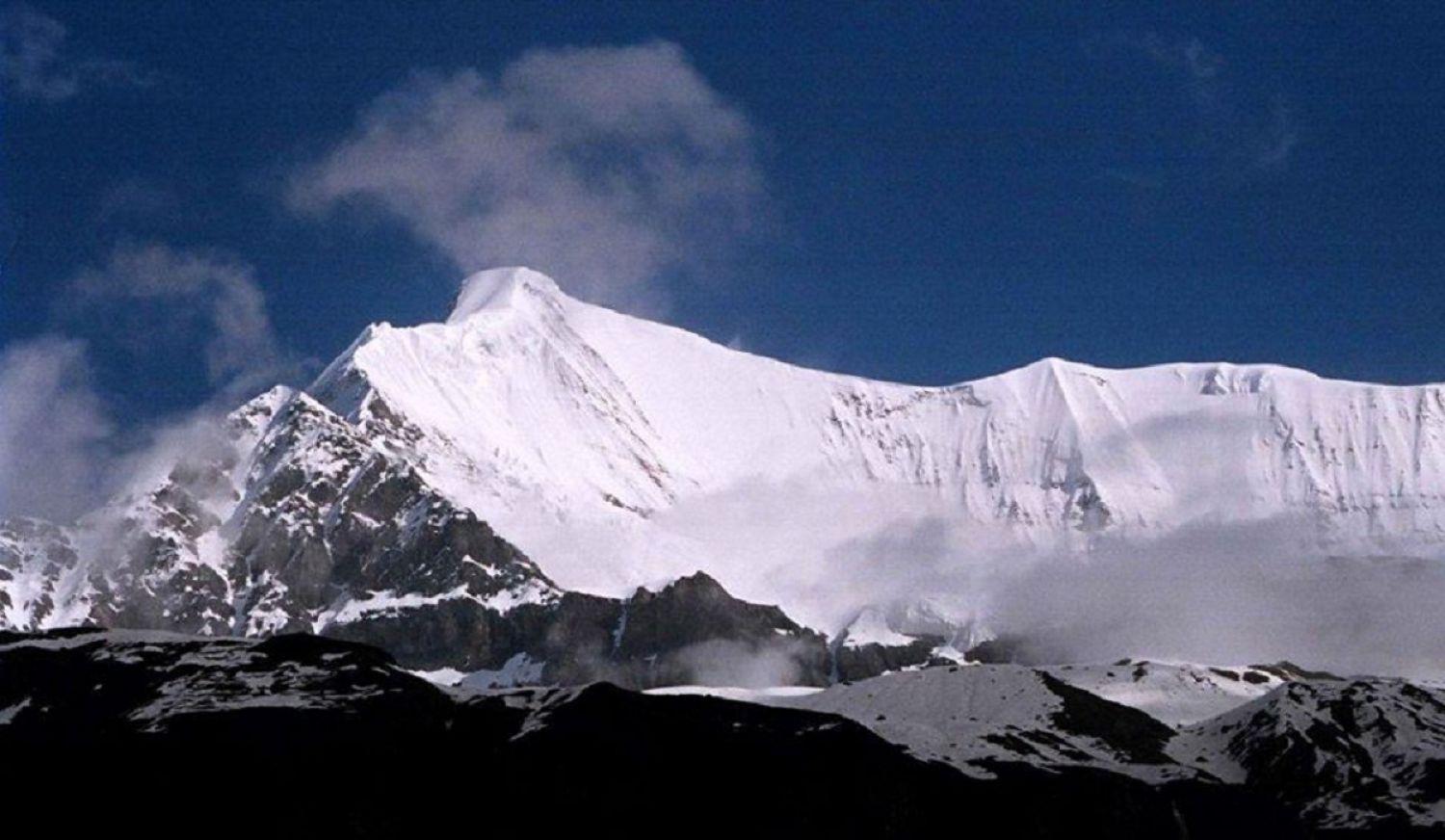
Nestled in the heart of the Pir Panjal range, the Deo Tibba Base Camp Trek is a thrilling alpine adventure for trekkers seeking both serenity and spectacle. Starting near Manali, the trail winds through dense forests of pine, spruce, fir, oak, and silver birch, opening up to lush meadows that seem kissed by the Himalayas themselves. Snow-capped peaks — Deo Tibba (6,001 m), Norbu Peak (5,226 m), and Jagatsukh Peak (5,050 m) — dominate the skyline, while the emerald waters of Chota Chandratal mirror the sky in a magical display of alpine beauty.
Every step tells a story: cross glacial streams, climb gentle ridges, and soak in panoramic views that unfold like chapters of a Himalayan epic. Ideal for trekkers with moderate experience, this trail blends accessible challenge with breathtaking scenery, making it one of the most captivating high-altitude treks in Himachal Pradesh.
Read More

Highlights

✅ The Deo Tibba Base Camp Trek lies in the Pir Panjal range and offers close‑up views of peaks like Deo Tibba (6,001 m), Indrasan (6,221 m), Norbu (5,226 m) and Jagatsukh (5,050 m) — a stunning show of the western Himalayas’ grandeur.

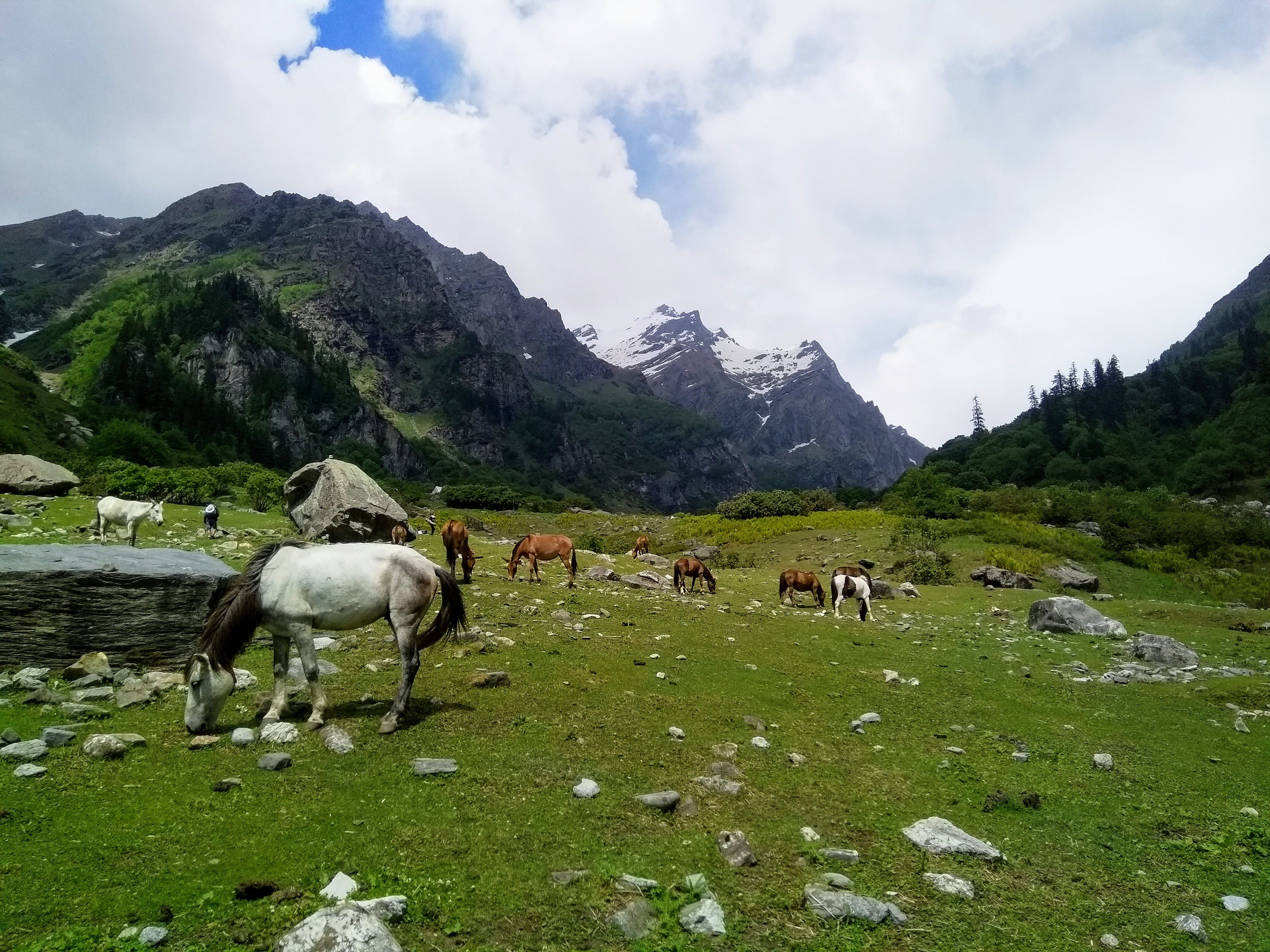
✅ The meadows on this trail burst into wildflower bloom in monsoon — rhododendrons, Himalayan herbs, blue poppies and alpine anemones carpet the ground.

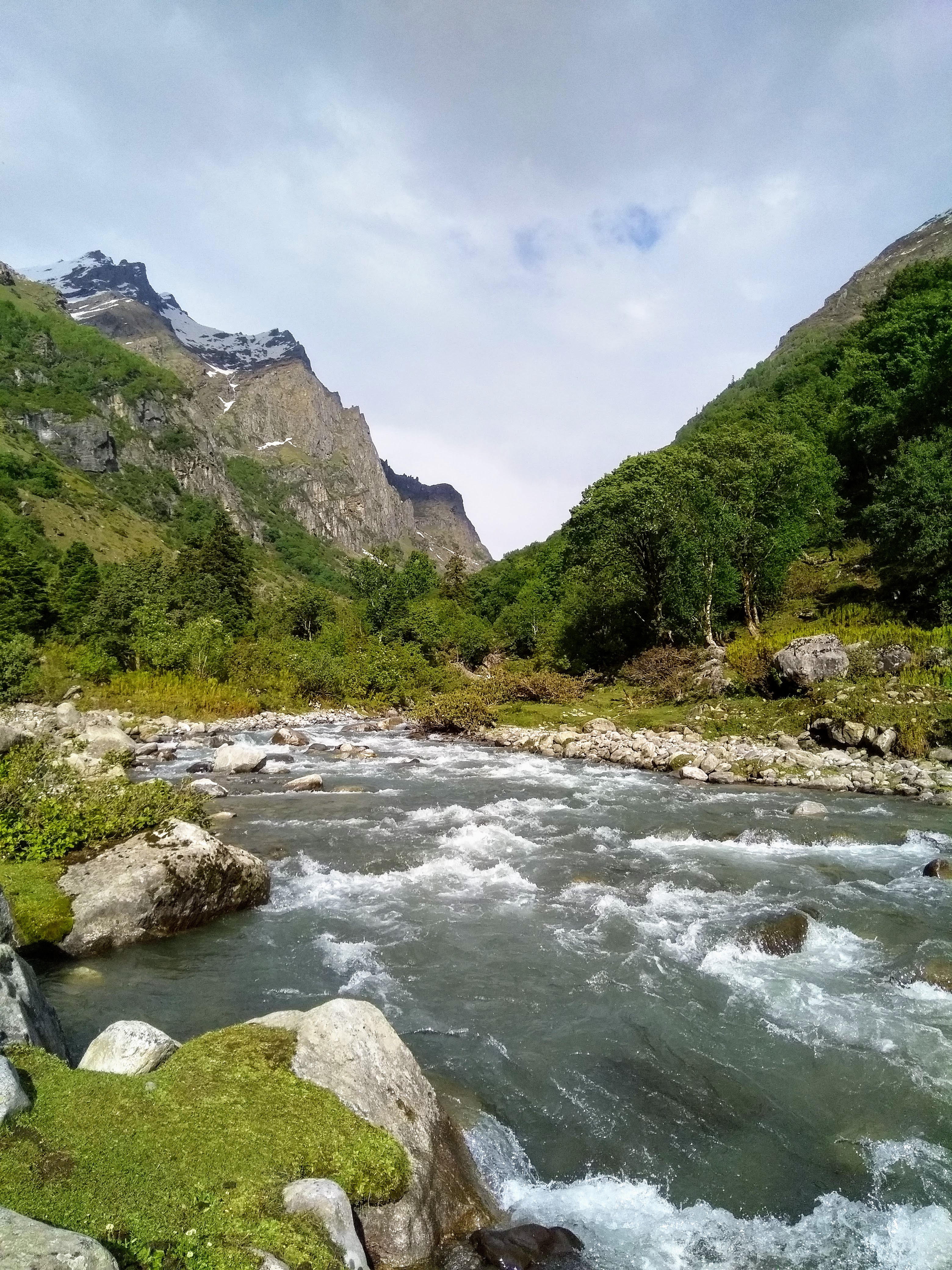
✅ The glacial stream Jagatsukh Nala along the trail forms a refreshing river‑meadow ecosystem — dense forest, waterfalls, logs and glacial water — giving a mix of forest and alpine terrain within a few hours.

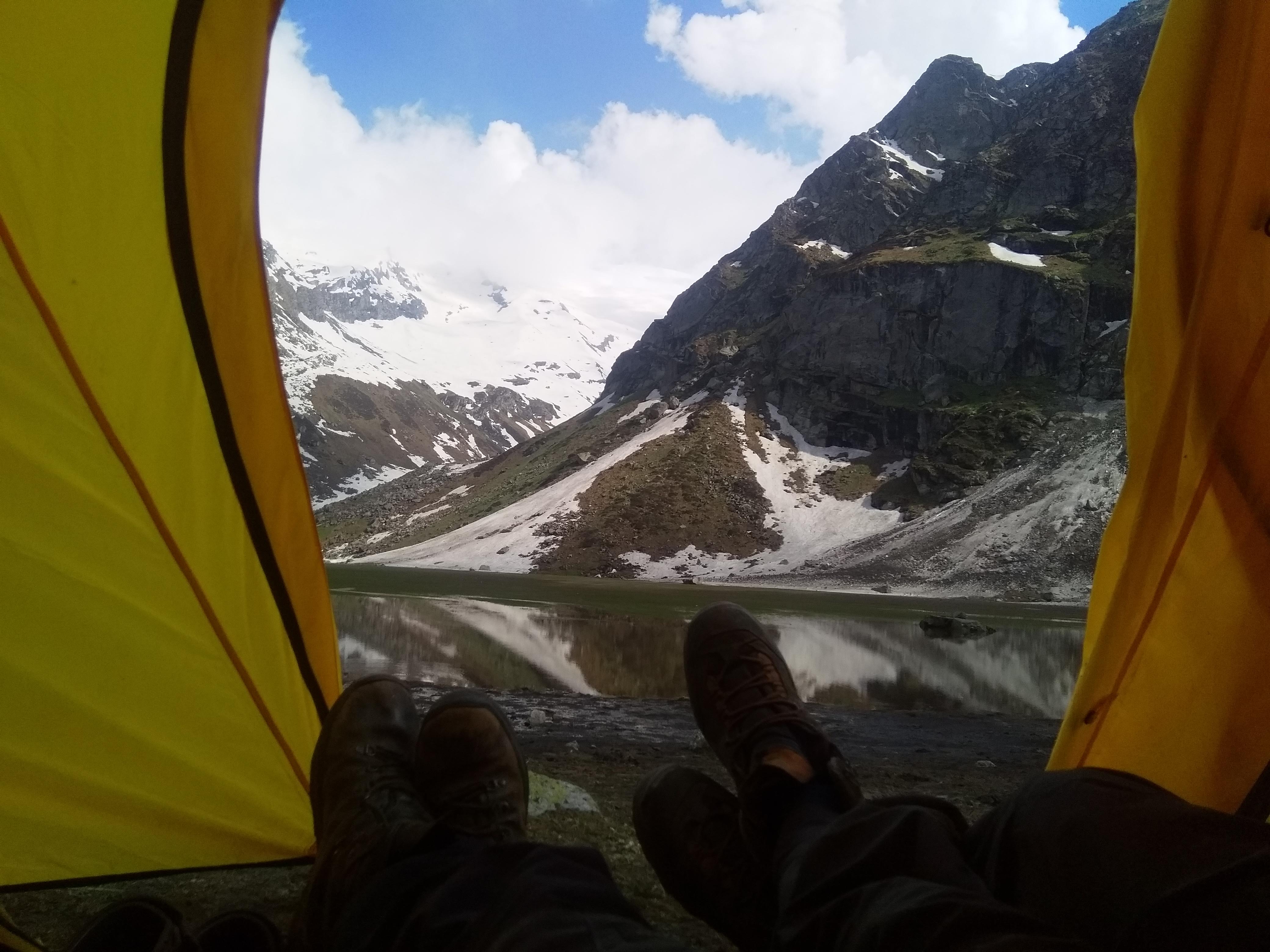
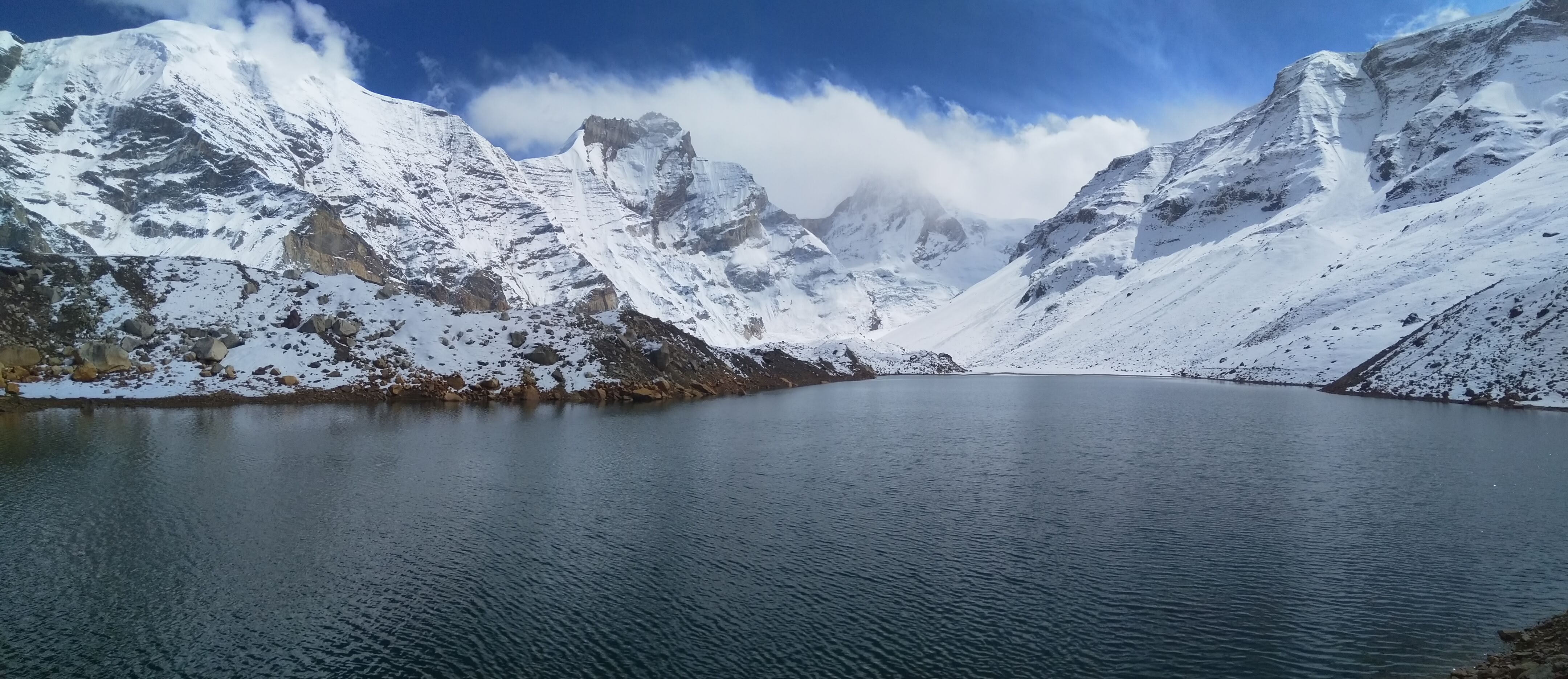
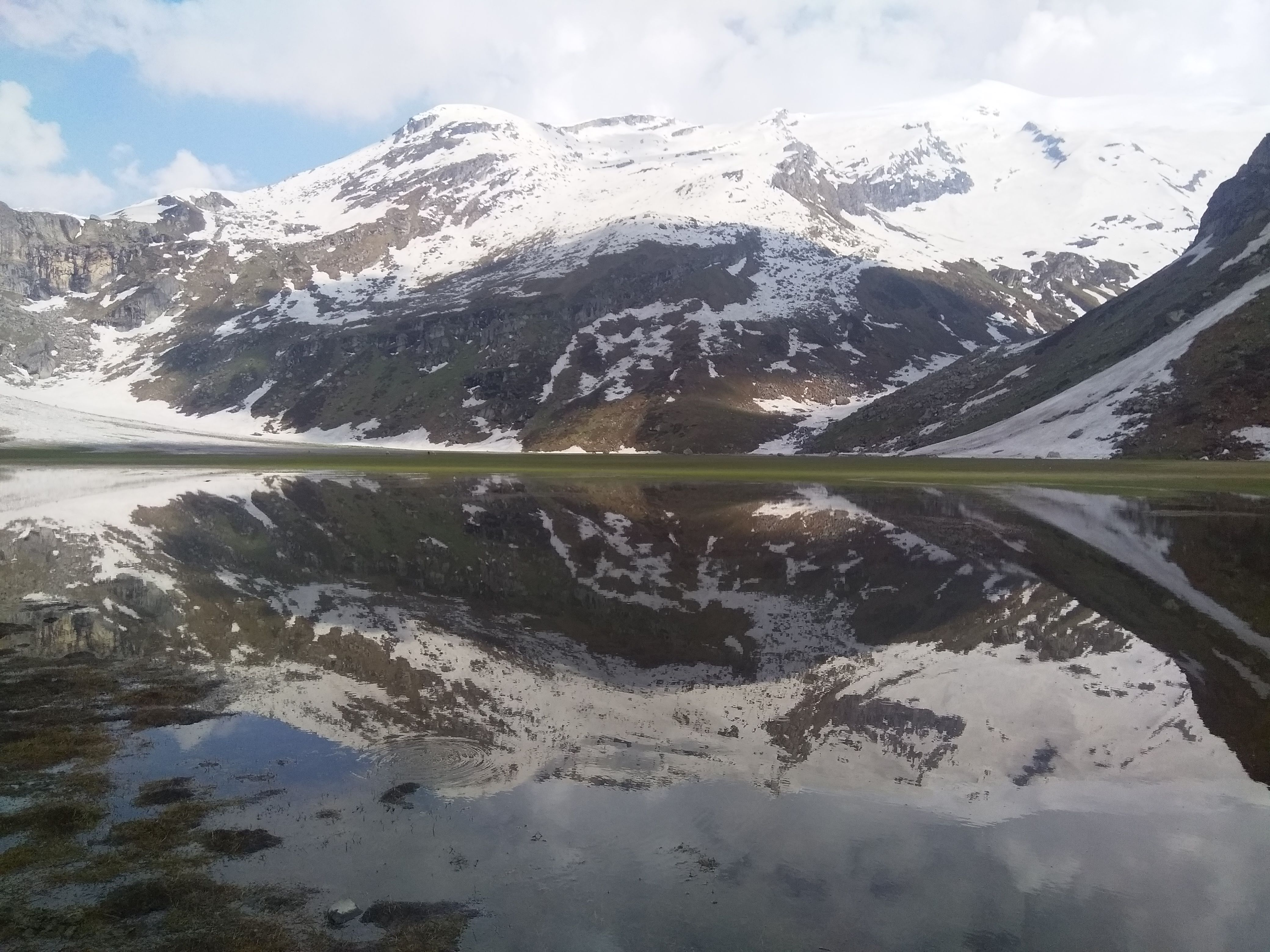
✅ Chota Chandratal near the base camp offers a surreal glacial‑lake experience at high altitude (~14,700 ft) — ideal for trekking enthusiasts who love alpine lakes and mountain reflections.

✅ Due to gradual ascents, mixed terrain of meadows, moraines and streams, this trek is considered Moderate — a fine choice for trekkers with good fitness and some trekking experience.

Itinerary

?
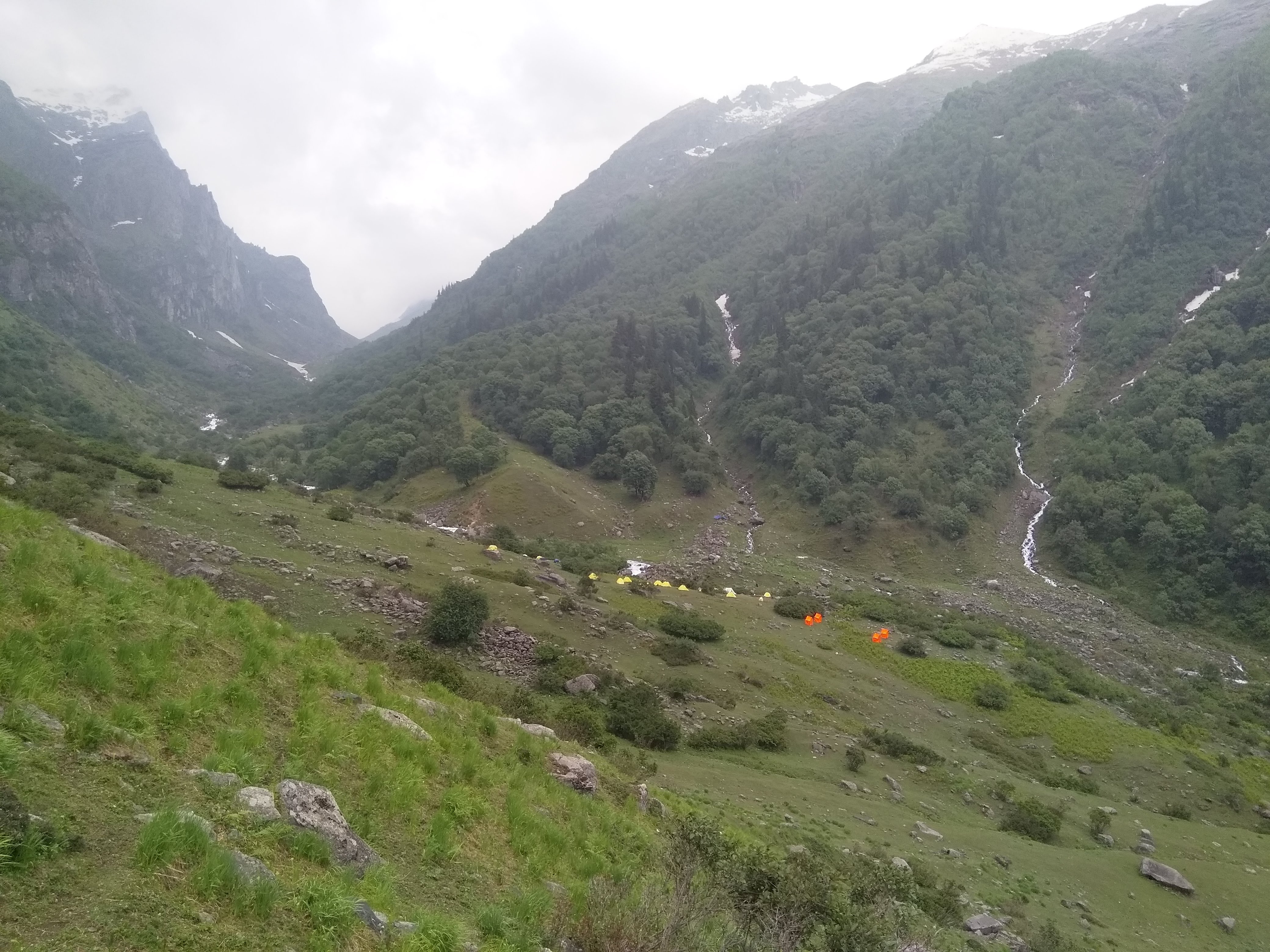
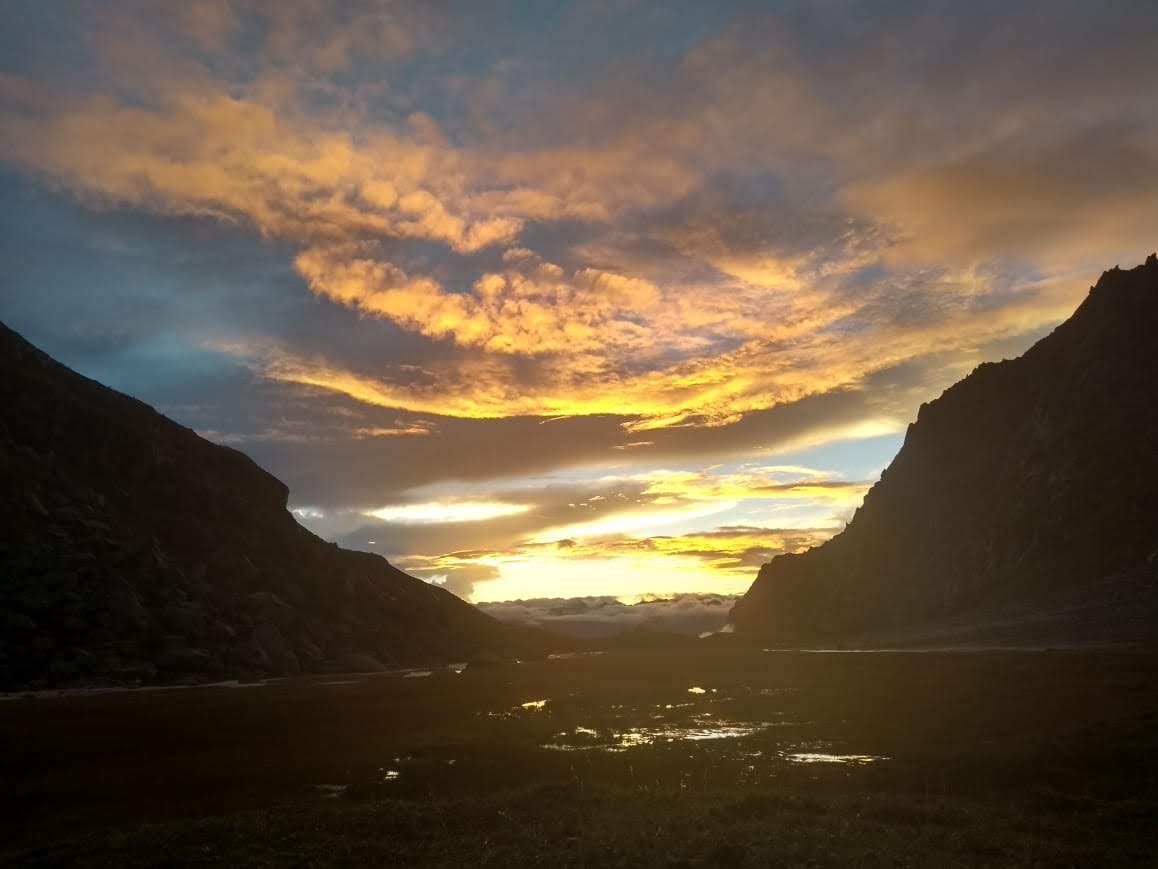
Your adventure begins early from Manali, ideally after a day of acclimatization. We drive past Jagatsukh village on a winding dirt road, climbing past the Jagatsukh Nala to reach the Khanol dam site. From here, the trek starts with a gentle ascent into lush pine and oak forests, crossing the Jagatsukh river via a rustic bridge. After 2–3 hours of trekking, the trail opens up to the Chika meadow, dotted with huts and the Nag mandir. The gurgling river, forested backdrop, and panoramic peaks provide a magical first Himalayan sunset.
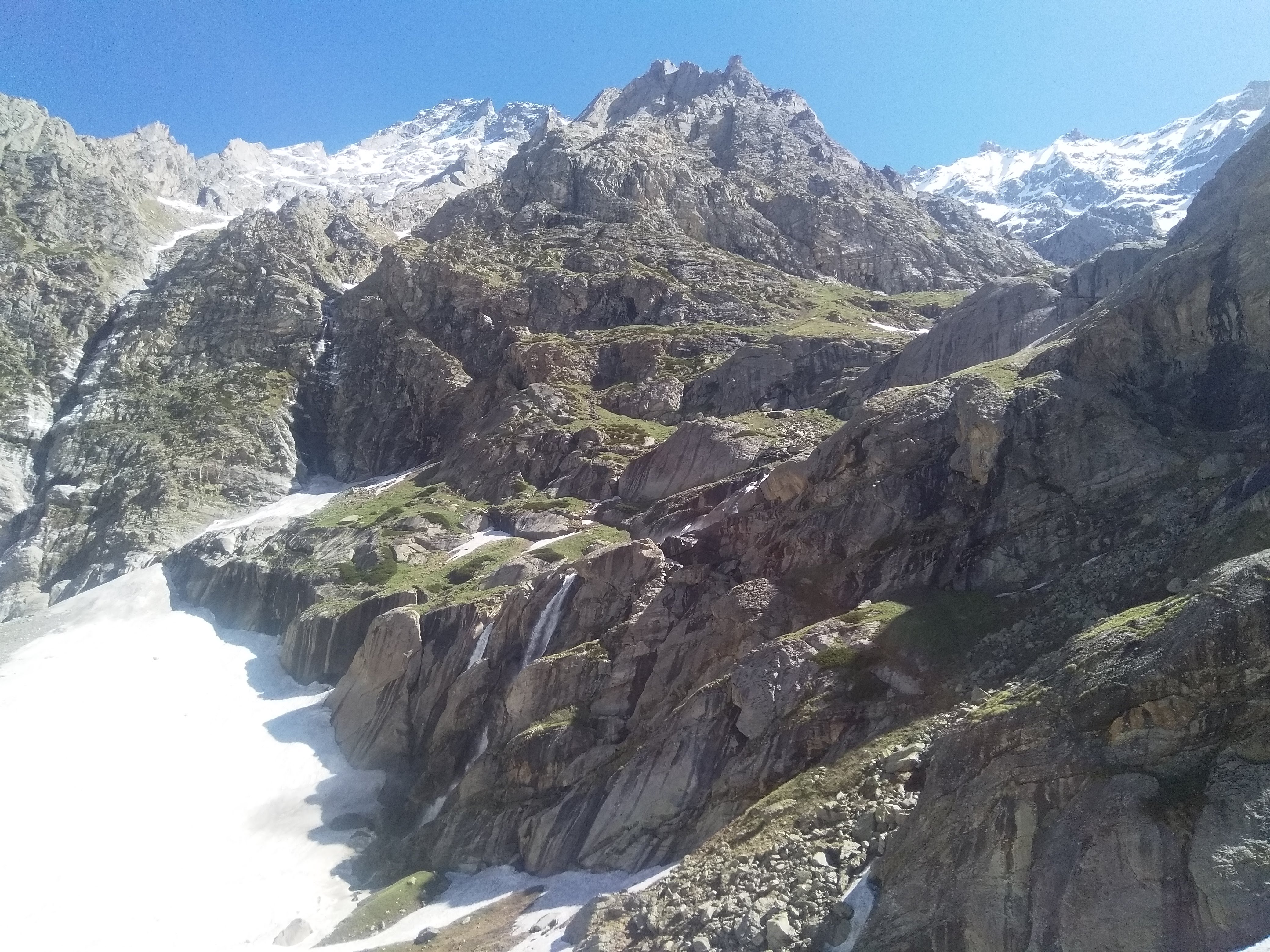
Wake up to crisp mountain air and follow the trail along the Jagatsukh river. Forests slowly give way to shrubs, wildflowers, and rocky paths. You cross streams and boulder fields while enjoying occasional glimpses of surrounding peaks. The valley opens up to the expansive Seri meadow — a stunning glacial field with streams weaving through it, flanked by towering peaks. Tainta waterfall cascades in the distance, hinting at the wonders of tomorrow. Spend the evening soaking in the golden light over Norbu, Jagatsukh, and Malana Pass.
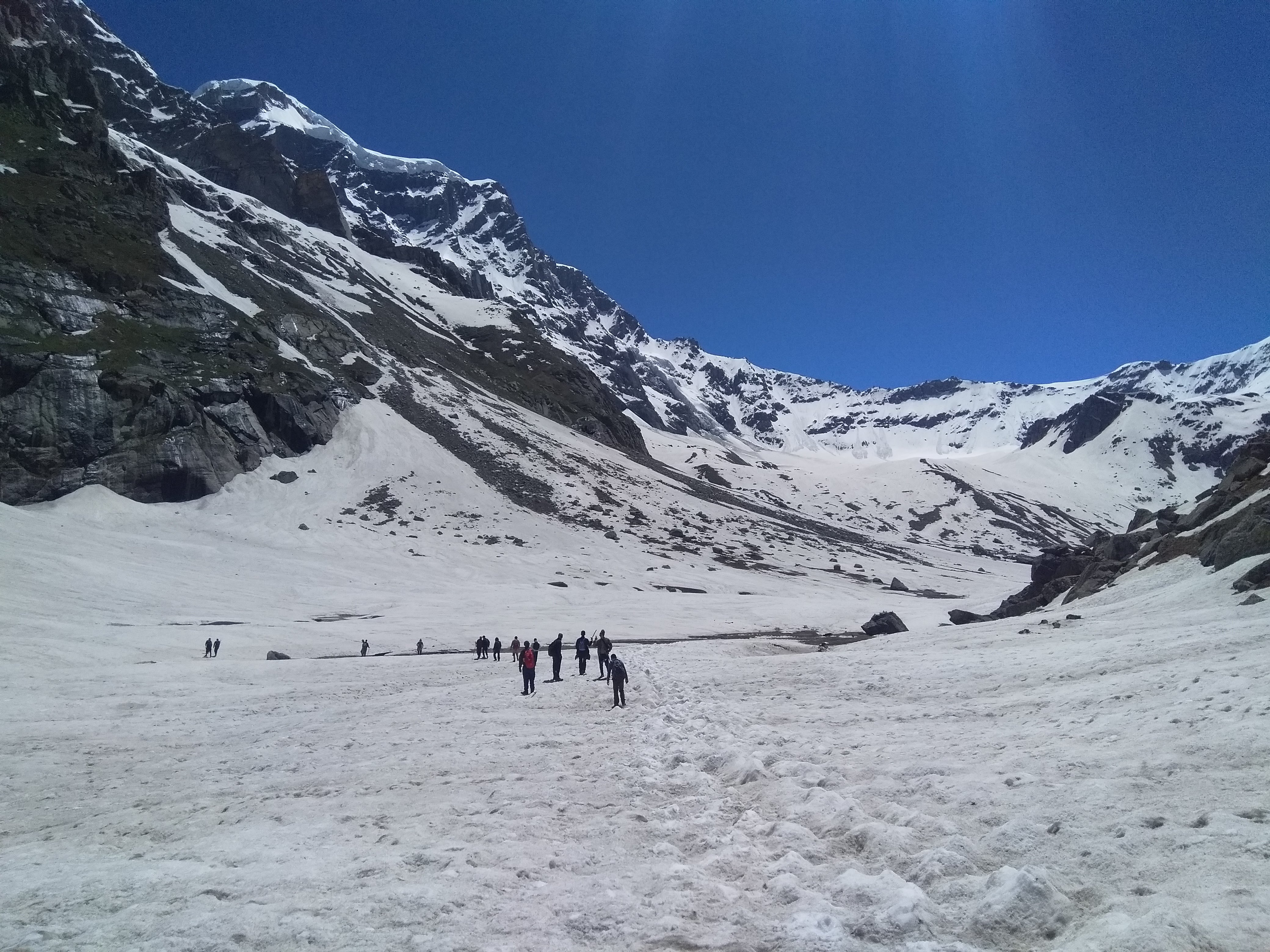
Today begins with an easy stroll across Seri’s grassy meadows, followed by multiple stream crossings and a steep ascent along the Tainta waterfall. Navigate rocks and boulders leading to a moraine field. Emerging into the Tainta meadow, you are surrounded by soaring snow-capped peaks and glaciers. The vast blue sky above and the serene alpine environment make this campsite perfect for acclimatization and absorbing the majesty of Deo Tibba, Norbu, and Jagatsukh peaks.
Start early carrying only essentials and lunch. The trail gently climbs across the moraine field to reach Deo Tibba Base Camp. From here, a steeper ascent leads to the turquoise Mini Chandratal lake, with the majestic Deo Tibba peak towering above. The rocky, unmarked trail, switchbacks, and alpine meadows make this a thrilling high-altitude adventure. After spending time at this pristine lake, retrace your path back to Tainta for the night, reflecting on the day’s spectacular journey.
Today, you retrace your steps through rocky trails, meadows, and river crossings back to Chika. The descent is steep in places, demanding careful footing, but each turn is a chance to relive the magical moments of the trek. The Jagatsukh river continues to accompany you, its melodic gurgle a soothing soundtrack to the day's journey. Evening at the campsite offers a moment to reflect on the highs of the Deo Tibba experience.
After breakfast, trek down gently to Khanol where vehicles await. The scenic drive through mountain valleys brings you back to Manali. Though the trail retraces your steps, every view now carries memories of alpine meadows, sparkling streams, cascading waterfalls, and towering peaks. As the trek concludes, you carry a sense of awe, adventure, and accomplishment that only the Himalayas can instill.

Packing list

For a comprehensive packing list, download the PDF below: Download Packing List

Did you know?

The name “Deo Tibba” literally means ‘Hill of the Gods’ — local Himachali folklore says that the dome‑shaped peak was considered the seat of deities, and the neighbouring Indrasan Peak was believed to be the throne from where gods would convene, adding a spiritual aura to the trek.
As you trek through the lower forests, you may encounter grazing herds of native shepherd‑communities like the Gaddi shepherds — shepherds and local herders who still practice traditional trans‑humance. Their flocks often move along the lower valleys in summers, giving trekkers a glimpse of authentic mountain life.
The forest stretch from Khanol/Chika onwards is rich in alpine‑forest flora: conifer trees (pine, fir, cedar/deodar, oak), wild berries, herbs and a variety of mountain flowers — this ecosystem supports wildlife like marmots, blue‑sheep and high‑altitude birds, so it’s not uncommon to spot these during early morning or dusk.
The meadow called Seri Meadow was once a glacial lake — over centuries, glaciers receded, leaving behind a broad alpine pasture dotted with streams and seasonal wild‑flowers, offering a surreal transition from icy past to lush greenery.
The so‑called “mini‑lake” Chota Chandratal (near the base camp) — though often confused in name with the more famous Chandra‑tal of Spiti — is a pristine glacial‑fed waterbody at high altitude (~4,400–4,500 m), offering serene mirror‑like reflections of towering peaks, making it a hidden gem for photography and solitude seekers.
Because the trail shifts rapidly — from thick evergreen forests, to flower‑strewn meadows, to rocky moraines and glacial terrain — you experience almost all major Himalayan ecosystems on one trek: forest, meadow, alpine pasture, and glacial valley, making Deo Tibba Base Camp Trek unusually diverse.
Even though the region lies close to more frequented areas around Manali, the harsh terrain and spiritual beliefs kept it sparsely visited historically — which has helped preserve the ecology and local culture intact, making this trek a rare blend of natural beauty and cultural legacy.
Map

How to reach

✈️ Air: Nearest Airport: Bhuntar Airport (Kullu). From Bhuntar → drive to Manali, then Jagatsukh/Khanol to begin trek.

🚆 Train: Nearest major rail link: Joginder Nagar Railway. From there travel by road to Manali and Jagatsukh/Khanol.

🛣️ Road: Regular bus/jeep or taxi from Manali to Jagatsukh/Khanol (start point). Manali is well connected by bus from Delhi/Chandigarh.

🗺️ Travel Tip: Reach Manali a day early to stock up essentials; carry warm clothes — nights at Tainta & Chota Chandratal get cold even in summers. Also, water from glacial streams may be unreliable — carry purification tablets.

TrekFAQs

  • This trek is suitable for individuals with good physical fitness and some basic trekking experience. While the gradients are moderate, there are rocky stretches, stream crossings and high‑altitude camps.
  • Essential items include waterproof trekking shoes, layered clothing, 40–50 L rucksack with rain cover, thermal wear, sleeping bag for cold nights (high altitude), headlamp, trekking poles, water purification tablets. For a comprehensive packing list navigate to Packing List in this section to download the pdf.
  • Yes — accommodation is in tents/campsites throughout the trek, from Chikka up to Base Camp and return.
  • The ideal window is monsoon when meadows bloom and trails open, and September–October (post‑monsoon) when skies are clear and mountain views are stunning.
  • Terrain is a mix of forest trails, meadows, rocky and moraine paths, some stream crossings. There are moderate ascents. While altitude isn’t extreme technical, nights are cold and weather can be unpredictable — good acclimatisation and proper gear are essential.
  • Yes — the trek includes a visit to the glacial lake Chota Chandratal near the base‑camp area, offering ethereal alpine‑lake scenery.

Similar Treks

View of Buran Ghati Trek trek moderate, difficult

Buran Ghati Trek

6 Nights / 7 Days
himachal pradesh
View of Pin Parvati Pass Trek trek difficult

Pin Parvati Pass Trek

10 Nights / 10 Days +1 Buffer Day
himachal pradesh
View of Miyar Valley Trek trek moderate

Miyar Valley Trek

7 Nights / 7 Days
himachal pradesh
View of Hampta Pass Trek trek moderate

Hampta Pass Trek

4 Nights / 5 Days
himachal pradesh
View of Gaumukh Tapovan Trek trek moderate, difficult

Gaumukh Tapovan Trek

6 Nights / 6 Days
uttarakhand-garhwal
View of Kedartal Trek trek moderate, difficult

Kedartal Trek

6 Nights / 6 Days
uttarakhand-garhwal
View of Nanda Devi East Base Camp Trek trek moderate, difficult

Nanda Devi East Base Camp Trek

10 Nights / 10 Days
uttarakhand-kumaon
View of Kashmir Great Lakes Trek trek moderate, difficult

Kashmir Great Lakes Trek

5 Nights / 6 Days
kashmir

How Our Treks Are More Than Just a Trek

Every journey with us is carefully crafted for a deeply personal mountain experience.

Not Just a Trek — A Journey That Stays With You

Every trail we walk is a carefully chosen path into the heart of the Himalayas — not just to witness their grandeur, but to feel them under your skin and soul. Our treks are designed not as bucket list checkmarks, but as life-affirming journeys. At Planethimalayas, we believe a mountain journey is deeply personal — and that belief runs through everything we do.

Individual Care, Every Step of the Way

We keep our groups small and intimate so we can focus on you — your pace, your concerns, your joy. From pre-trek guidance to trail-side support, our leaders walk with intention, offering safety and attention without intrusion. It’s this deep care that turns strangers into friends and walks into memories.

Built on Genuine Love for the Himalayas

We don’t just operate in the Himalayas — we live and breathe them. From respecting mountain communities to following Leave No Trace ethics, our treks are shaped by humility and care. With Planethimalayas, your trek becomes a way of giving back to the mountains that give us so much.

Why Choose Us

Experience the difference of trekking with genuine mountain experts who truly care.

Trek Leader & Guide

Led by certified mountaineers with wilderness first aid training, ensuring your safety and confidence at every step.

Cook & Support Staff

Our mountain crew comprises local experts who bring unmatched experience, warmth, and deep knowledge of the region.

Small Group Size

We cap our group departures at just 8 trekkers — ensuring individual attention, deeper connections, and better trail discipline.

Safety Standards

From personal well-being to technical preparedness, we maintain the highest safety standards — using certified high-altitude gear and comprehensive safety protocols to ensure a secure and reliable Himalayan experience.

24×7 Online Support

We're always available — before, during, or after your trek. Reach out anytime, and you'll always hear back from a real human.

We Care for the Mountains

We strictly follow Leave No Trace ethics. Limited group sizes and mindful practices help protect the fragile Himalayan ecosystem.