PriceNote – Listed Price & Customisation Rules:
The listed trek price applies to our fixed departures for the specified itinerary. Trek fees including any add-ons for customized groups may vary based on your preferences, ensuring every adventure is tailored to your needs.
Group Booking Offer:
For groups of 8 or more booking together, the trek fee for 1 participant will be waived as a token to encourage shared adventures.
Scholarship for Kids:
Children under 15 years receive a 30% discount on the trek price, making it easier for families to explore the Himalayas together.
×
Transport Price Note:
The transport price mentioned is only an indicative estimate per person, assuming a small vehicle shared by at least 4 participants. Fewer participants → cost rises; More participants → cost decreases.
Transport Selection During Booking:
Selecting transport during booking informs us of your preference. No payment is collected at booking.
Final Cost & Payment:
Final transport cost will be communicated before departure and to be paid directly to the cab driver.
×
Itinerary Note:
This itinerary represents the most updated plan, but minor adjustments may occur due to operational needs or mountain conditions.
×
Terms & Conditions
Trekking is an adventurous activity that inherently involves a variety of risks and uncertainties. By choosing to trek with Planethimalayas, I acknowledge and accept the following potential hazards:
Natural Threats:
Unpredictable Weather: I understand there is always a possibility of facing sudden rain, cloudbursts, flash floods, or Glacial Lake Outburst Floods (GLOFs), either during the trek or at the campsite. Harsh weather conditions such as hailstorms, thunderstorms, lightning, high-altitude winds, and abrupt temperature drops can not only affect comfort but may also lead to the cancellation of the trek without prior notice.
Wildlife Encounters: Trekking trails may intersect with habitats of wild animals including bears, snakes, and a range of insects or arthropods. These encounters pose serious risks.
Flora Exposure: Some plant species in the trekking regions may be toxic or harmful upon contact or ingestion. I understand that interacting with such vegetation could result in serious consequences.
Natural Calamities: Mountainous terrains are prone to landslides, avalanches, earthquakes, and whiteouts — all of which could significantly endanger life and disrupt the trek.
Altitude and Injury Risks:
High-altitude conditions can lead to Acute Mountain Sickness (AMS), High Altitude Pulmonary Edema (HAPE), or High Altitude Cerebral Edema (HACE).
I understand that trekking surfaces are uneven and potentially slippery. This increases the chance of falls, slips, or injuries — including accidental drowning.
Misuse or malfunctioning of trekking gear (e.g., trekking poles, safety equipment) may also result in accidents.
Accidents during the trek could cause emotional or physical trauma, temporary or permanent disabilities, or even paralysis.
Injuries caused by fellow trekkers or locals are also possible.
I acknowledge that sun exposure, extreme cold, or environmental factors may cause health issues such as sunburn, frostbite, hypothermia, dehydration, heatstroke, chilblains, or hypoxia.
Medical Emergencies:
Trekking routes often lack access to nearby hospitals or clinics. I understand that medical attention may be delayed or unavailable.
I am aware that evacuation due to an emergency may be logistically difficult and time-consuming.
Additional Concerns:
Civil or Political Disturbance: Unrest due to protests, strikes, conflicts, or terrorism may impact trek safety.
Equipment Failures: I accept that gear failure could lead to difficulties or injuries.
Transportation Disruptions: Travel to or from the basecamp may be delayed or disrupted due to vehicle failure, cancellations, or roadblocks.
Disease Exposure: Trekking in unfamiliar regions may expose me to infectious diseases or health risks.
By agreeing to this document, I confirm:
I am fully aware of the above-mentioned risks.
I am voluntarily participating in the trek.
I agree to follow all safety protocols and guidance provided by Planethimalayas staff.
I will take full responsibility for any gear or equipment used during the trek.
I acknowledge that while Planethimalayas’ staff are trained and experienced, they are human and cannot foresee or prevent every risk.
My safety and well-being ultimately remain my responsibility.
I take full ownership of my physical readiness for the trek, based on the eligibility and fitness standards set by Planethimalayas.
Health Statement:
I certify that I am physically and mentally fit.
I have no known medical conditions that could restrict me from undertaking the trek.
No medical professional has advised me against participating in this activity.
Legal Liability:
I confirm that I am solely accountable for my safety throughout the trek.
I voluntarily assume all known and unknown risks involved.
Planethimalayas is not liable for any injuries, illnesses, or losses sustained during or after the trek.
I understand that Planethimalayas will not cover any medical costs I may incur.
Should my actions cause harm or inconvenience to another person or damage to property — whether intentionally or by accident — I agree to compensate Planethimalayas for any resulting expenses. This includes costs related to repairs, medical treatments, or legal actions.
I am aware that high-altitude trekking may cause symptoms related to oxygen deprivation and altitude sickness. If the trek leader believes it is unsafe for me to continue, I accept their decision to descend me to a safer altitude.
I understand that health checks (oxygen level, pulse, blood pressure) will be conducted regularly at various camps. Based on these assessments, Planethimalayas reserves the right to disallow me from proceeding further if my health metrics fall below acceptable standards. These standards are available with trek leaders.
I am aware that the terrain will involve challenging and unpredictable conditions including steep slopes, snow-covered paths, and rocky trails.
If the trek leader concludes that I am physically unable to complete the trek without constant support, I understand that I may be turned around.
Alcohol, tobacco, and any recreational drugs are strictly banned throughout the trek. Consumption of such substances may result in immediate removal from the trek and basecamp.
I have read and fully understood all the terms stated in this agreement. I consent to the conditions knowing the legal impact it may have. Even if any clause here is declared unenforceable, the remainder shall remain valid.
I acknowledge that the trek cost was calculated assuming my full consent to these terms. Without this agreement, Planethimalayas would not be able to offer the trek services.
I agree that my electronic or digital acceptance of this agreement shall hold the same validity as a signed physical document.
It is solely my duty to carry all necessary documents related to this trek (passport, ID, permits, visa, etc.). Planethimalayas will not be held responsible if I fail to present these documents when required.
Planethimalayas also disclaims liability in case of loss, theft, or damage to any personal identification or travel documents.
I voluntarily consent to provide my Aadhaar number for use by Planethimalayas in matters related strictly to identity verification, trek permit processing, and administrative formalities. This data will be used solely for these purposes in accordance with Indian law. I understand I may withdraw this consent prior to its usage by submitting written notice.
I agree to abide by the cancellation policy of Planethimalayas as outlined in the official document.
🩺 Basic Medical Support – On-trek first aid and support for minor medical issues
👥 Support Staff – Team includes experienced trek leaders, local guides, cooks, and helpers
🎯 Qualified Leadership – Professional trek leader overseeing safety and coordination
❌ Exclusions
🍽️ Meals during stay at Kathmandu.
🚿 Drinks, beverages, hot shower, etc during your stay at homestays on trek
🚑 Insurance – Travel or medical insurance is not included
🚨 Emergency Costs – Expenses for evacuation, rescue, or medical treatment are not covered
🎒 Backpack Offloading – Available as an optional add-on at an extra charge
🚗 Travel to/from Base Camp – Transport to the trek base or return is not part of the package unless opted separately
🛍️ Personal Purchases – Items bought on the way (snacks, gifts, souvenirs, etc.) are not included
👕 Personal Trek Gear – Jackets, shoes, walking sticks, or toiletries are not part of the package (can be rented separately)
❗ Anything Not Listed Above – If it’s not mentioned under inclusions, it is not covered by Planethimalayas
×
Cancellation & Refunds
At Planethimalayas, we strive to make your trekking experience smooth and transparent. Please read our cancellation policies carefully:
1. Trek Cancellation by Participant
Within 30 days prior to departure: Full refund of trek fees.
Between 30 to 15 days prior to departure: 20% of trek fee will be retained; the remaining amount will be refunded.
Less than 15 days prior to departure or no-show: No refund.
2. Trek Cancellation by Planethimalayas
In the unlikely event that Planethimalayas cancels a trek due to weather, natural disasters, political unrest, or any unforeseen circumstance, we will provide you with the option to join another trek of the same value or issue a full refund.
3. Refund Policy
Refund Method: All approved refunds are issued as vouchers tied to the specific participant's account and can be used for future treks. Direct cash or online refunds are not provided.
4. Rescheduling & Changing Treks
Rescheduling a trek to a different date is free of charge.
Changing to a different trek must be requested at least 30 days prior to departure.
If the selected trek is of higher price, the extra amount must be paid.
If the selected trek is of lower price, the remaining amount will be refunded within 10 days after trek completion.
Requests made within 15 days of departure are handled on a case-by-case basis.
5. Transport & Offloading Bag Add-on Cancellation
Cancellation more than 72 hours prior to departure: Full refund.
Cancellation within 72 hours or post that period: No refund possible.
Important Note: In case of emergencies or rescue operations, any transportation used during such processes will not be considered part of the Transport add-on, and trekkers must bear all costs incurred. It is strongly recommended to purchase proper trek insurance to claim such costs as per your insurance policy.
6. Cancellation Requests
All cancellations must be processed through email only. No other form of communication will be considered official. Our official email address:
info@planethimalayas.com
Everest Base Camp Trek
Walking the Khumbu Trail to the Foot of the World’s Highest Peak
Offloading-Bags – INR 12,000 (* Maximum weight 10kg/bag)
Customize your trek to suit your preferences.
Walking The Trail
The Everest Base Camp Trek is not merely a route in the Himalayas — it is the most storied walking trail on Earth. For decades, this path through Nepal’s Khumbu Valley has drawn explorers, mountaineers, and dreamers who want to stand in the shadow of the world’s highest mountain. Every step on this trail carries history: from early Sherpa traders and Tibetan pilgrims to legendary climbers preparing for summit attempts on Everest.
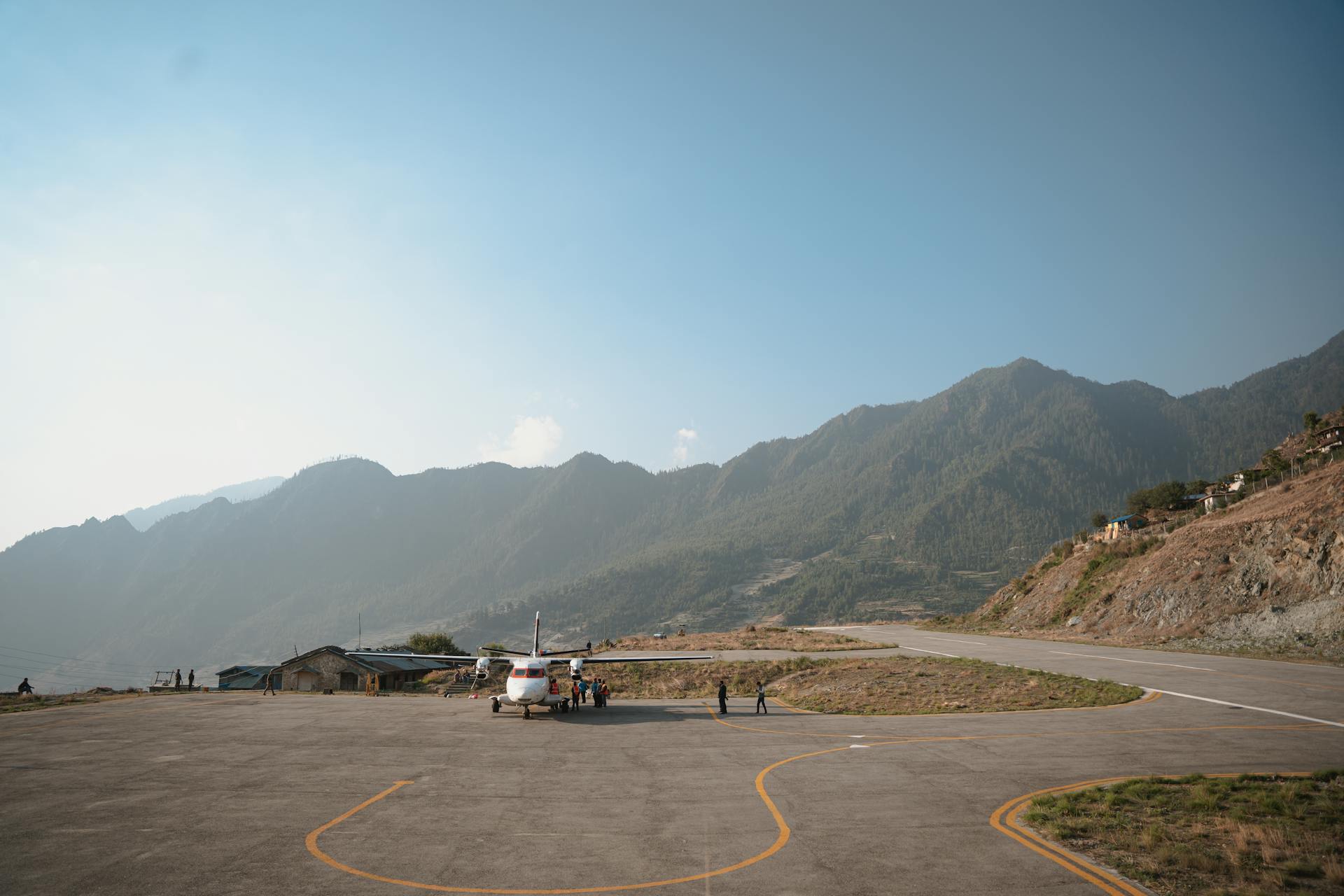
The journey begins with a dramatic flight into Lukla, often described as one of the most thrilling airports in the world. From here, the trail follows ancient trade routes carved into the Khumbu landscape, crossing glacial rivers on high suspension bridges adorned with fluttering prayer flags. Each crossing feels symbolic — a quiet reminder that you are stepping deeper into the high Himalayas.
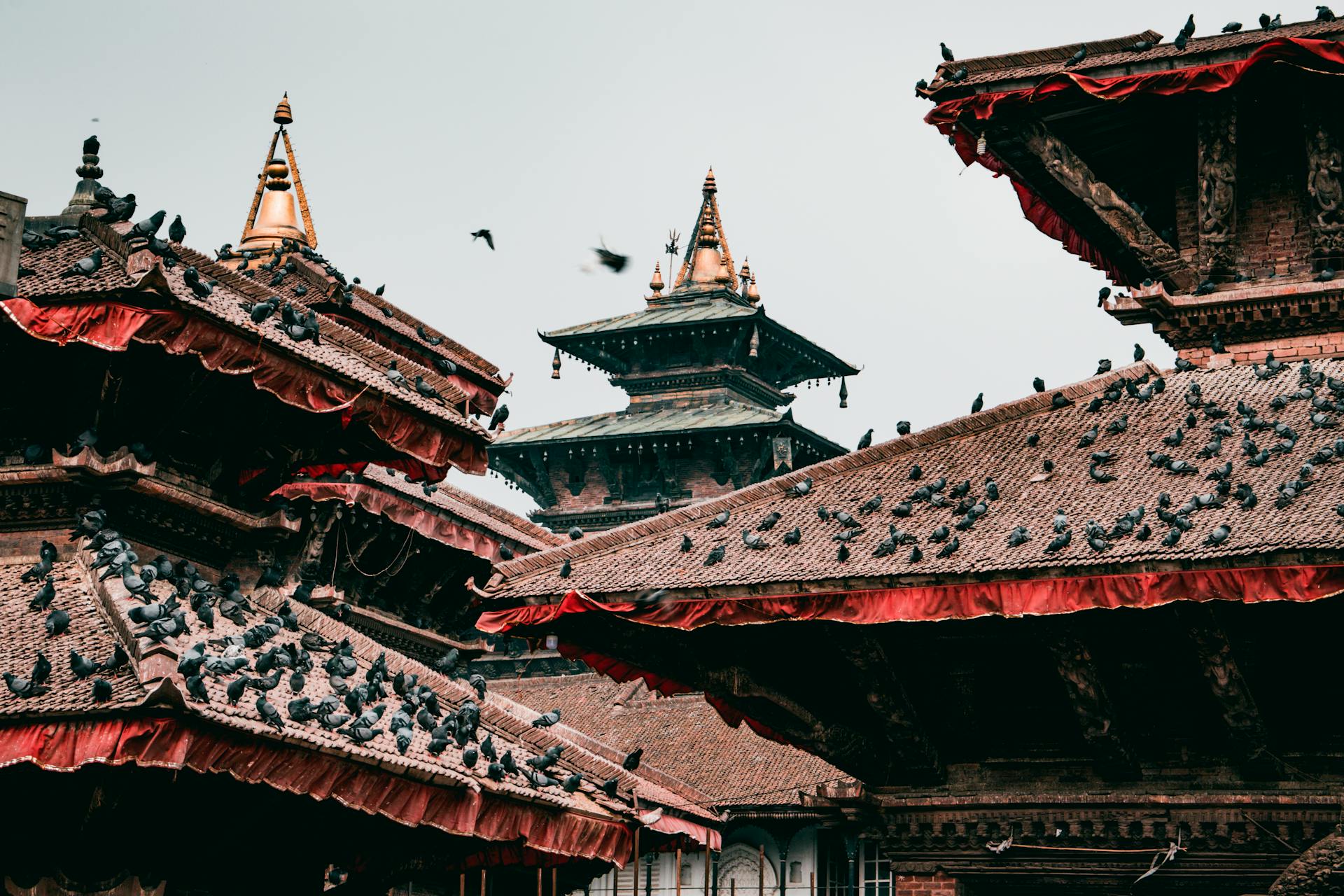
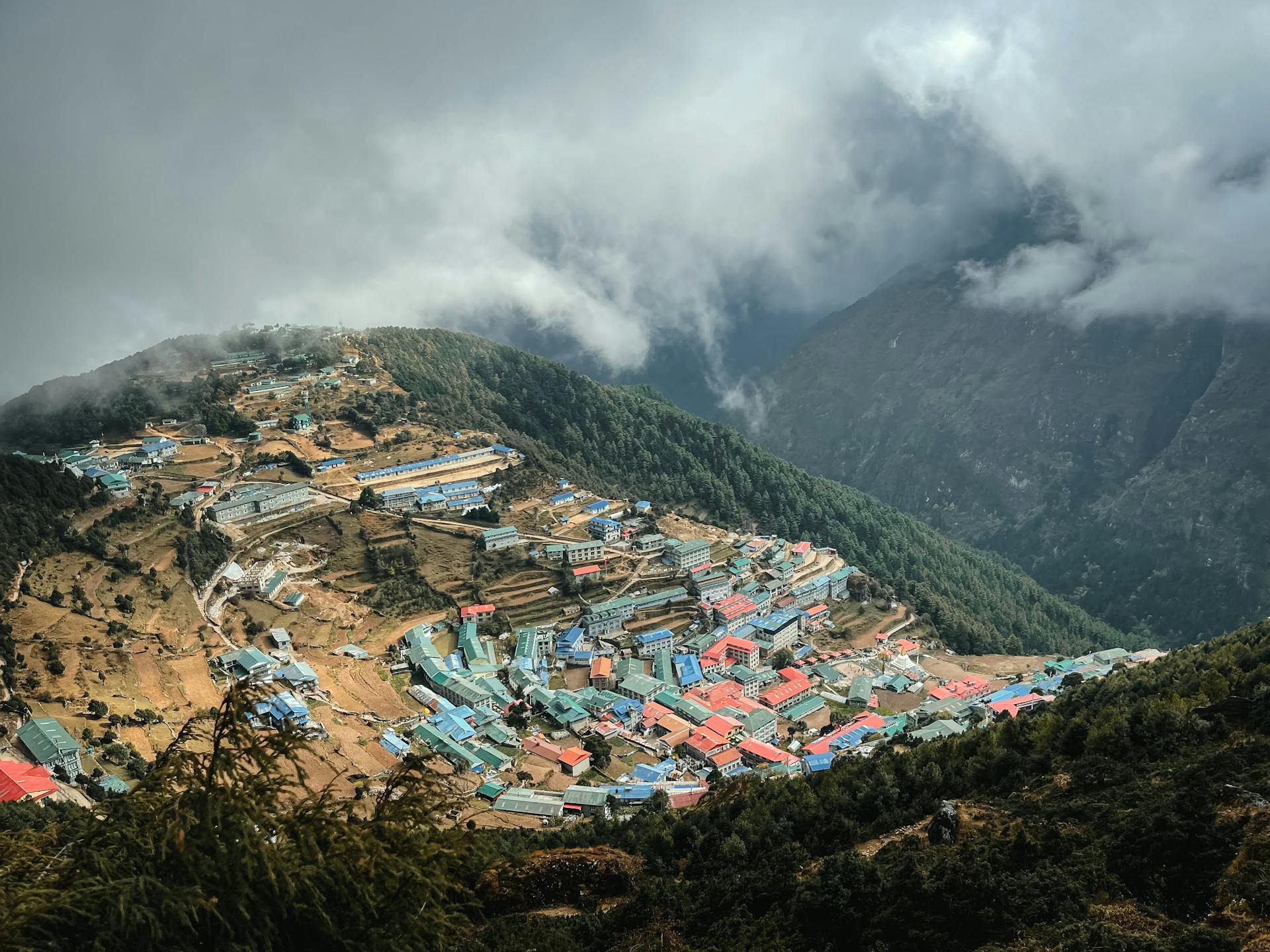
The trek winds through iconic Sherpa villages such as Phakding, Namche Bazaar, Tengboche, Dingboche, Lobuche, and Gorakshep — each with its own character and significance. Namche Bazaar, the heart of the Khumbu, is a bustling mountain town where trekkers acclimatize, exchange stories, and witness the first jaw-dropping views of Everest, Lhotse, and Ama Dablam. Tengboche Monastery, perched on a ridge beneath Ama Dablam, is the spiritual soul of the trail, where chants echo against snow-clad peaks and prayer flags ripple in the wind.
One of the most remarkable aspects of the EBC trek is its homestay and teahouse culture. Nights are spent in warm, family-run lodges where Sherpa hospitality shines through shared meals, laughter, and stories by the stove. These teahouses are more than accommodation — they are windows into a resilient mountain culture shaped by altitude, tradition, and deep reverence for the mountains.
As altitude increases, the terrain transforms dramatically. Pine and rhododendron forests give way to alpine scrub, yak pastures, and eventually stark glacial landscapes. The region lies within Sagarmatha National Park, a UNESCO World Heritage Site, home to Himalayan tahrs, musk deer, snow leopards (rarely seen), and vibrant high-altitude birdlife. In spring, the lower valleys burst into color with blooming rhododendrons, while autumn brings crystal-clear skies and razor-sharp mountain views.
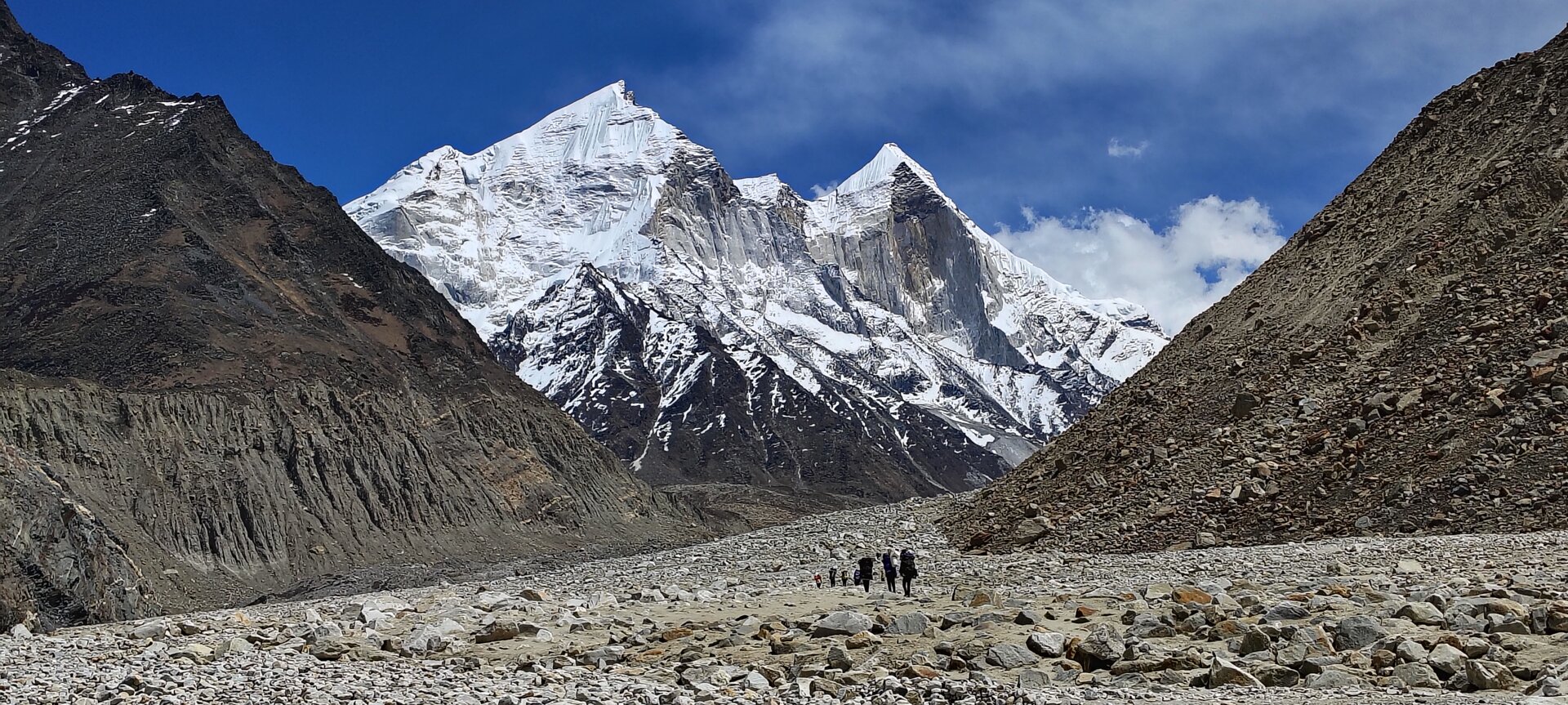
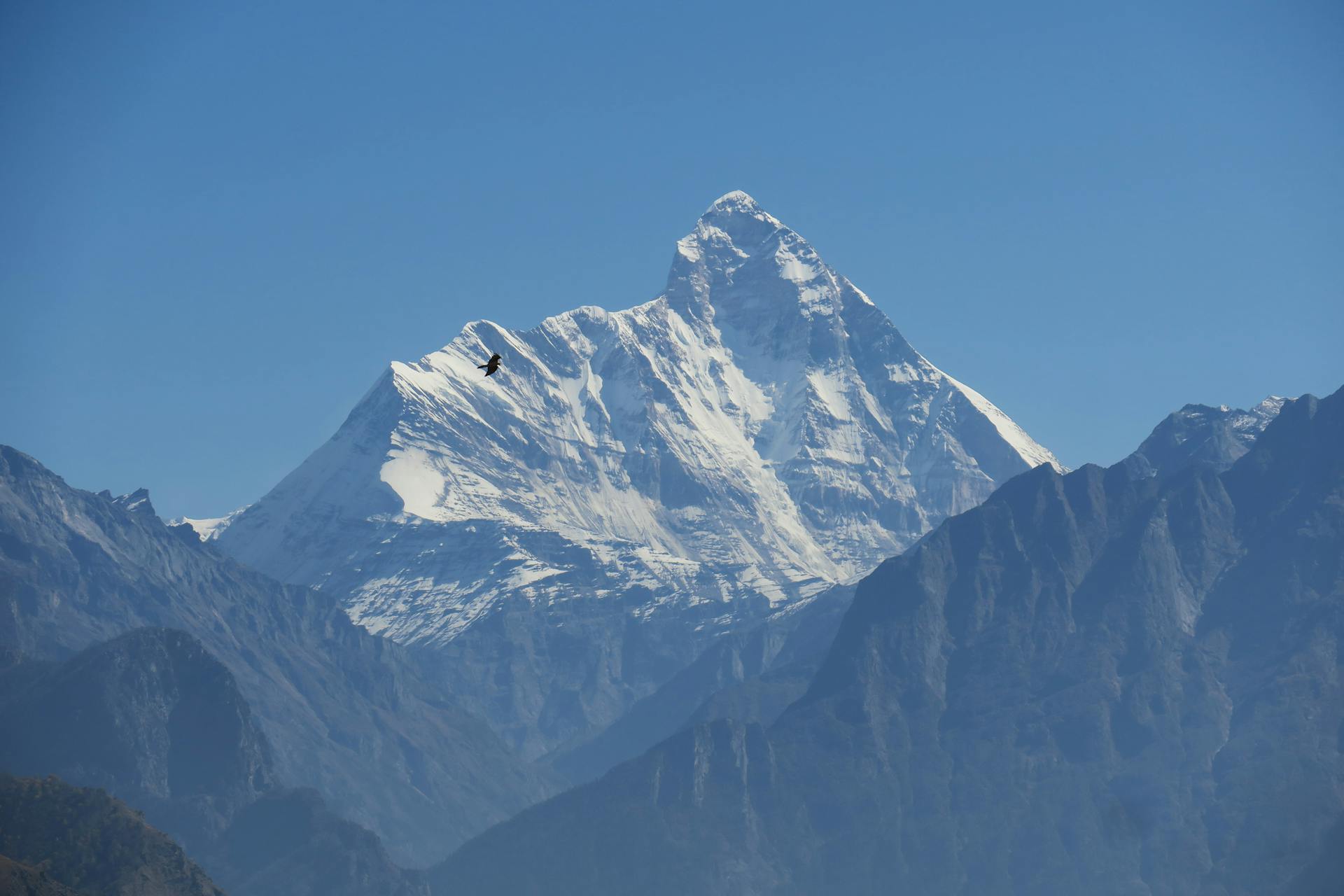
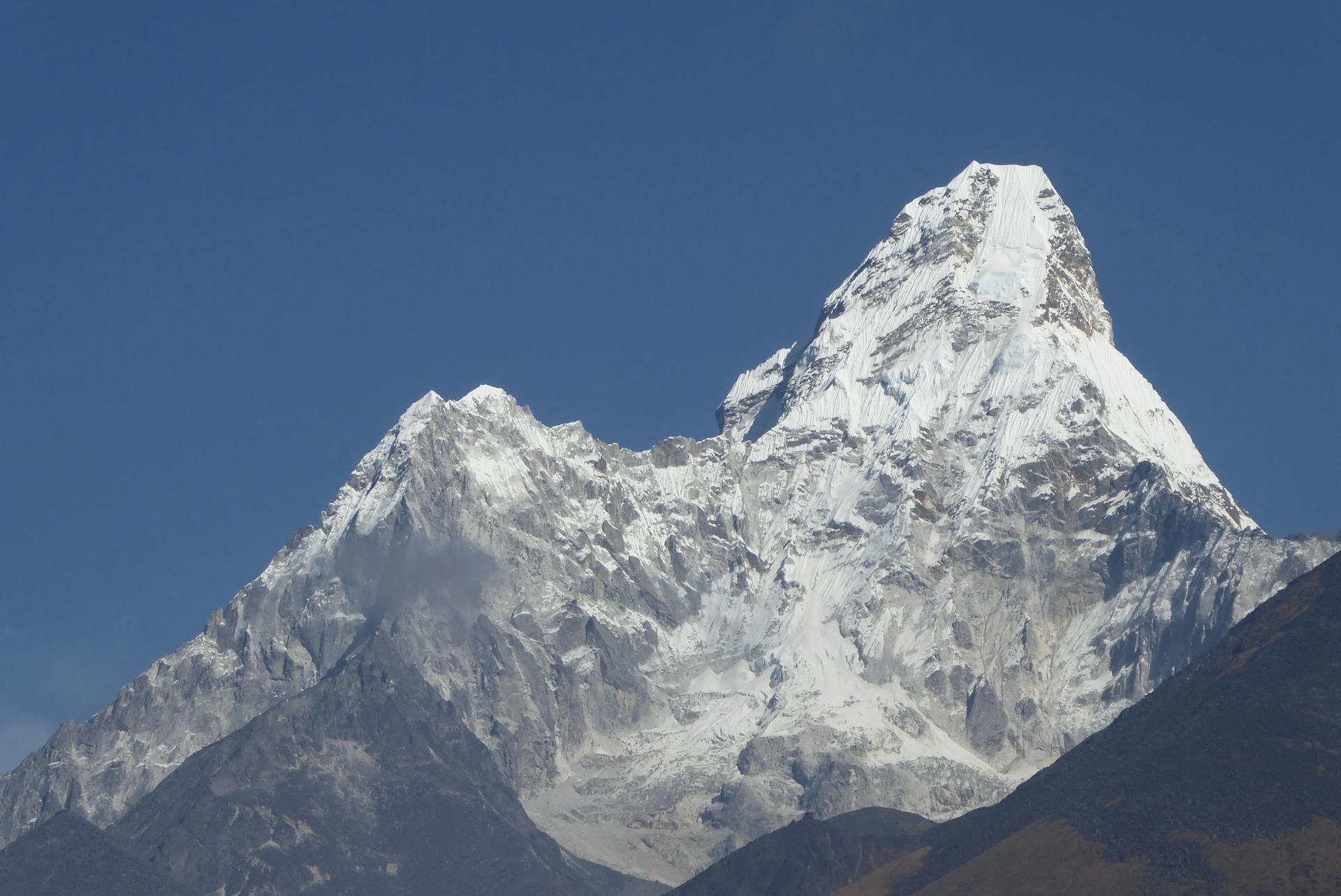
Throughout the trek, the mountains never leave your sight. Ama Dablam reveals itself in stunning profile from Tengboche and Pangboche, considered by many to be the most beautiful peak in the Himalayas. Nuptse and Lhotse loom massive as you approach Everest, while peaks like Thamserku, Kangtega, Pumori, and Lobuche East frame the valley in every direction. The sense of scale is overwhelming — photographs rarely capture how immense and alive these mountains feel.
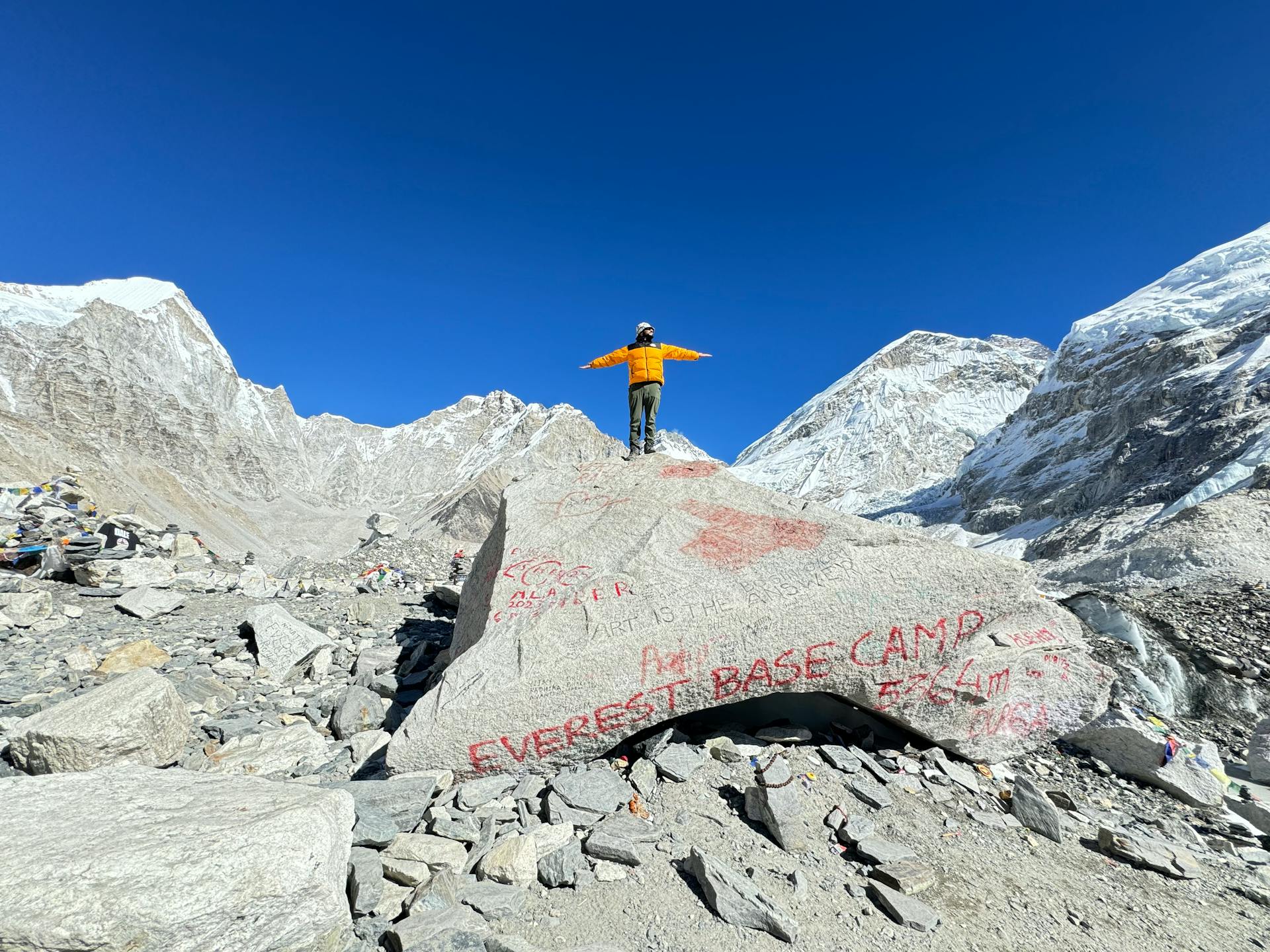
Reaching Everest Base Camp itself is an experience layered with emotion. Unlike a traditional summit viewpoint, EBC is a raw, chaotic, and powerful place — a shifting landscape of ice, rock, and color where climbers prepare for one of the most dangerous ascents on Earth. The Khumbu Icefall creaks and groans nearby, prayer flags mark expedition sites, and the realization sets in that you are standing at the very threshold of Mount Everest’s south face. It feels humbling, surreal, and deeply personal.
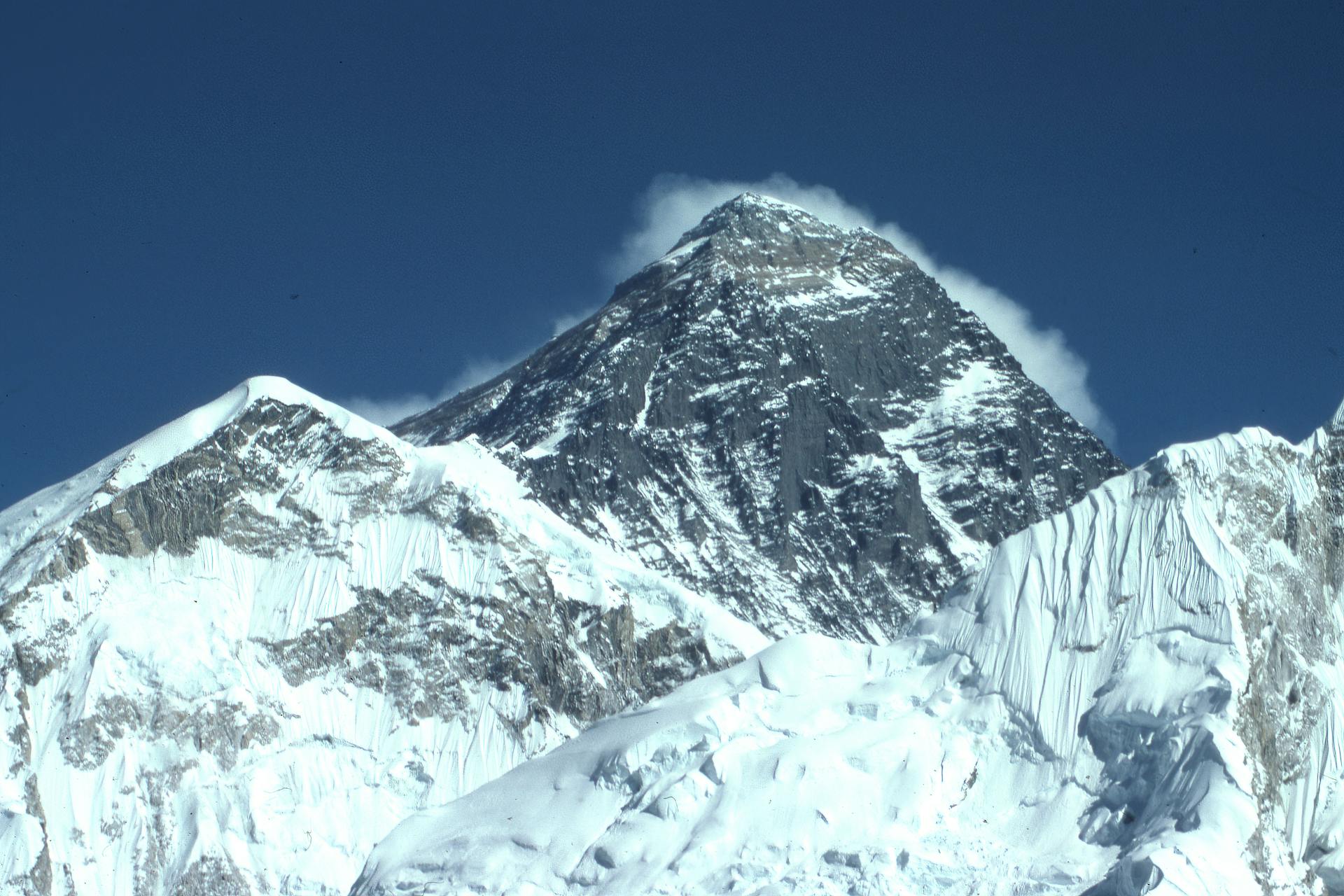
The journey culminates with the ascent of Kala Patthar, the highest point of the trek and the ultimate viewpoint of Everest. From its rocky summit, trekkers witness Everest up close in all its dominance, especially at sunrise when golden light washes over Everest, Nuptse, and Pumori. This is the moment when exhaustion fades, silence takes over, and the enormity of what you’ve walked through truly sinks in.
The Everest Base Camp Trek is not just about reaching a destination. It is about walking through living history, sharing space with a timeless culture, and confronting both the beauty and harshness of the highest mountains on Earth. It is a journey that changes how you see mountains — and often, how you see yourself.
Read More
Highlights
✅ Walk the legendary Khumbu trail to the base of Mount Everest, the highest peak on Earth
✅ Experience Sherpa culture in iconic villages like Namche Bazaar and Dingboche
✅ Visit Tengboche Monastery with panoramic views of Everest, Ama Dablam, and Lhotse
✅ Stand at Everest Base Camp amidst glaciers, icefalls, and expedition tents
✅ Climb Kala Patthar for the most dramatic sunrise view of Mount Everest
Itinerary
?
Upon arrival at Tribhuvan International Airport, the Planethimalayas team will receive you and assist with your transfer to the hotel. After check-in, take time to rest or enjoy a relaxed walk through the lively streets of Thamel, Kathmandu’s trekking hub. In the evening, join a welcome briefing and dinner where you’ll be introduced to the journey ahead, safety protocols, gear essentials, and the rich flavors of traditional Nepali cuisine.
You begin the day with an early morning transfer to the airport, accompanied by your trek leader, for the iconic flight from Kathmandu to Lukla. These flights are intentionally scheduled in the morning hours, when weather conditions are most stable, as winds often pick up later in the day. On clear days, the short flight offers spectacular aerial views of the Himalayas, setting the tone for the journey ahead.
After landing at Lukla’s dramatic mountain airstrip, you meet your support team and complete final preparations before starting the trek. The trail descends gently toward the Dudh Koshi River, easing your body into walking at altitude. You pass through charming Sherpa villages such as Chheplung, Ghat, and the small hamlets of Sano and Thulo Gumela, where mani stones, prayer wheels, and traditional houses line the path. Along the way, you encounter historic monasteries including Drangdrak Gompa and Pema Choling Gompa, adding a strong spiritual presence to the walk.
Throughout the day, the soothing sound of the Dudh Koshi flows beside you, while views of sacred Mount Khumbila and the striking twin peaks of Kusum Kanguru dominate the skyline. Sharing the trail with fellow trekkers, porters, and mule caravans, you gradually make your way to Phakding, where you settle in for the night—marking a gentle and rewarding first day on the Everest trail.
Today’s trek follows the Dudh Koshi River through a series of charming Sherpa villages including Benkar, Chumoa, Monjo, and Jorsale. The trail alternates between gentle forest walks and river crossings over iconic suspension bridges draped with prayer flags. At Monjo, enter the boundaries of Sagarmatha National Park, where permits are checked and the landscape begins to feel distinctly alpine. Beyond the park gate, cross the confluence of the Dudh Koshi and Bhote Koshi rivers before beginning the final, sustained ascent toward Namche Bazaar. This uphill stretch is demanding but deeply rewarding—on a clear day, the first glimpse of Mt. Everest appears high above the Lhotse–Nuptse ridge, marking a powerful milestone on the journey. Continue climbing steadily for another hour or so to reach Namche Bazaar, the vibrant heart of the Khumbu region, nestled in a natural amphitheater of towering peaks.
This crucial acclimatization day is designed around the principle of ‘climb high, sleep low’ to help your body adapt safely to the increasing altitude. After breakfast, set out on a day hike to nearby Sherpa villages such as Khunde, Khumjung, or Thame, following scenic trails that gradually gain elevation without overexertion. These walks offer sweeping views of Ama Dablam and surrounding peaks while providing valuable acclimatization. Along the way, visit traditional monasteries, old stone houses, and local schools to gain insight into Sherpa life and mountain culture. Back in Namche, spend time exploring the bustling bazaar—home to bakeries, cafés, gear shops, and museums that document the history of Everest expeditions, the region’s biodiversity, and the lives of early mountaineers. Keep the day active yet relaxed, hydrate well, and return to your lodge early to rest, ensuring your body is well prepared for the higher altitudes ahead.
The journey from Namche to Tengboche unfolds along what is widely regarded as one of the most scenic stretches of the entire Everest Base Camp trek. The trail contours high above the Dudh Koshi River, offering breathtaking views as it gradually descends toward Phungithanga. This pleasant walk soon transitions into a challenging uphill climb after the river crossing, testing endurance while rewarding trekkers with ever-expanding mountain vistas. Crossing the Imja Khola, a tributary of the Dudh Koshi, the trail winds through dense rhododendron forests before finally reaching Tengboche. The village is home to the revered Tengboche Monastery, a spiritual landmark of the Khumbu region. Set against a dramatic alpine backdrop, the monastery offers close-up views of Ama Dablam and sweeping panoramas of Everest, Lhotse, and Nuptse. Spend time exploring its intricate murals, statues, and prayer halls before settling in for the night amidst the serene Himalayan atmosphere.
After an early breakfast at Tengboche, the trail follows the Imja Khola, gradually climbing toward the small settlement of Shemar. As the route gains altitude, the landscape shifts noticeably—dense forests thin out beyond the tree line, giving way to dry, cold-desert terrain marked by sparse conifers, hardy shrubs, and scattered high-altitude fields. Continuing along the lower trail near the Imja Khola, the path leads through Orsho before approaching Dingboche. The final stretch is adorned with chortens, mani walls, and fluttering prayer flags, signaling entry into the upper Khumbu. A gentle climb over a low ridge brings you into the wide, open valley of Dingboche, a stark yet beautiful village known for its strong winds and cold temperatures, where nights can drop to freezing even during summer.
This second acclimatization day is spent allowing the body to adjust to the rising altitude through gentle yet purposeful activity. The surroundings of Dingboche offer several ideal viewpoints for acclimatization hikes, the most rewarding being the gradual ascent of Nagarjun Hill. Climbing steadily to around 5,100 meters, the hike unveils sweeping views of towering Himalayan giants including Ama Dablam, Lhotse, Nuptse, Lobuche, Cholatse, and Kangtega. For those feeling energetic, the rest of the day can be spent strolling through the village, observing high-altitude life and soaking in the stark beauty of the upper Khumbu before returning to rest and recover.
Leaving Dingboche behind, the trail steadily grows more demanding as it climbs alongside the rugged slopes of the Khumbu Glacier. The most challenging section of the day is the narrow, steep ascent to Thukla Pass, where rows of stone memorials stand in quiet tribute to climbers who lost their lives in the high Himalayas. Beyond the pass, the route eases slightly, weaving through stark valleys and rocky terrain before reaching the small settlement of Lobuche. Nestled between the Khumbu Glacier and Lobuche Peak, this high-altitude village consists mainly of teahouses, surrounded by dramatic mountain walls. From here, towering faces of Taboche and Nuptse loom above, creating an unforgettable alpine setting. The day ends with an early rest, as tomorrow marks the long-awaited journey to Everest Base Camp.
After breakfast, the journey leads deeper into the high Himalayan wilderness as you trek towards Gorak Shep, the last outpost of the Everest region. The trail is demanding and winds across rough glacial terrain, gradually revealing your first clear views of Kala Patthar rising ahead. Upon reaching Gorak Shep, take a short rest, leave behind unnecessary luggage, and prepare for the most awaited walk of the expedition. The route to Everest Base Camp follows the edge of the mighty Khumbu Glacier, crossing small glacial streams and uneven moraine. The landscape feels otherworldly, with vast stretches of ice, grey rock, and sculpted formations shaped by centuries of movement. After a couple of hours, you finally arrive at Everest Base Camp—a powerful and emotional milestone. Surrounded by Nuptse, Pumori, Khumbutse, the Khumbu Icefall, and the glacier itself, the moment is one of pride and awe. After spending time soaking in the atmosphere and capturing memories, retrace your steps back to Gorak Shep for an overnight stay.
The day begins well before dawn as you set out for the iconic climb to Kala Patthar, the highest point of the trek. Though the ascent is short, the rugged terrain and thin air make it demanding. Reaching the summit at first light is an unforgettable reward—golden sunlight slowly illuminates the Himalayas, revealing sweeping views of Mount Everest, Nuptse, Lhotse, Ama Dablam, Pumori, Thamserku, and countless other towering peaks. After spending time soaking in the sunrise and capturing memories, descend carefully back to Gorak Shep for breakfast. The journey then continues downhill via Lobuche and Dughla, where the trail branches away from the main route and follows the Khumbu Khola towards Pheriche. Surrounded by wide alpine valleys and stark mountain scenery, you arrive at Pheriche by evening and settle into a teahouse for a well-earned rest.
After completing the high-point adventures of the trek, the journey turns back toward the heart of the Khumbu. The trail is long yet rewarding, with ever-changing mountain views accompanying you throughout the day. Walking through alpine forests of pine and rhododendron, the route passes the settlements of Orsho, Somare, Pangboche, and Tengboche. With a bit of luck, you may spot wildlife such as musk deer, mountain goats, or wild birds hidden in the dense greenery. Gradual descents and familiar paths eventually lead back to the lively Sherpa town of Namche Bazaar. On arrival, enjoy a hot shower and unwind—perhaps at a cozy café with fresh bakes or a warm drink—to celebrate how far you’ve come.
The final day on the trail follows a steady downhill route toward Lukla, marking the end of the walking journey. The path winds past mani walls, chortens, and small Buddhist shrines, retracing familiar villages such as Jorsale, Monjo, and Phakding. Forested stretches and open views of surrounding peaks keep the walk engaging, offering last glimpses of the mighty Himalayas that have defined the trek. Reaching Lukla feels both rewarding and emotional—the journey comes full circle here. In the evening, celebrate the successful completion of the Everest Base Camp trek with your crew and teammates. Share stories, music, and laughter with guides and porters, raising a toast in gratitude to everyone who made this unforgettable adventure possible.
An early morning flight takes the team from Lukla back to Kathmandu, offering one last aerial view of the rugged Himalayan terrain. On arrival, transfer to the hotel and enjoy a well-earned day at leisure. You may choose to rest after the long journey, explore the city, or shop for souvenirs and gifts in local markets. In the evening, gather to celebrate the successful completion of the trek, reflecting on the challenges overcome, friendships formed, and memories created in the heart of the Himalayas.
✅Everest is called Sagarmatha in Nepal. The name means ‘Forehead of the Sky’.
✅The Khumbu Icefall is one of the most dangerous sections for climbers. It constantly shifts due to moving glaciers.
✅Sherpas are renowned high-altitude experts. Their physiology allows better adaptation to thin air.
✅Namche Bazaar is the commercial heart of the Khumbu. It serves as a vital trading hub for remote villages.
Map
How to reach
✈️ Air:International Airport: Tribhuvan International Airport, Kathmandu.
🚆 Train:No train connectivity. Nepal relies on air and road transport.
🛣️ Road:Kathmandu is accessible by road from India via Sunauli and Raxaul borders.
🗺️ Travel Tip:Arrive at least one day early to buffer against Lukla flight delays.
Gallery
TrekFAQs
Yes. While Everest Base Camp does not involve technical climbing, prior high-altitude trekking experience is strongly recommended. The long walking days, altitude above 5,000 m, and cold conditions require good endurance and mental resilience.
Preparation should begin at least 8–10 weeks in advance. Focus on cardiovascular endurance (running, cycling, swimming), leg strength (squats, lunges, stair climbing), and core stability. Weekend long walks with a loaded backpack are highly recommended.
Yes. Two permits are mandatory: the Sagarmatha National Park Permit and the Khumbu Pasang Lhamu Rural Municipality Permit. These are usually arranged by the trek operator in Kathmandu.
Yes. Comprehensive travel insurance covering high-altitude trekking up to at least 6,000 meters and emergency helicopter evacuation is mandatory. Without valid insurance, participation in the trek is not allowed.
Day temperatures typically range between 5–15°C, depending on altitude and season. Night temperatures can drop to -10°C or lower at places like Lobuche and Gorak Shep, especially in October and early spring.
Altitude sickness can occur due to rapid altitude gain. The itinerary includes acclimatization days at Namche Bazaar and Dingboche to minimize risk. Trek leaders closely monitor symptoms, and gradual ascent is key to safety.
Accommodation is in teahouses (lodges) run by local families. Rooms are basic, usually twin-sharing, with blankets provided. Heating is available only in common dining areas, not in bedrooms.
Teahouses serve a variety of meals including dal bhat, noodles, rice, pasta, soups, eggs, pancakes, and Tibetan bread. As altitude increases, food options become limited and prices rise.
Water is available at teahouses and streams, but must always be purified using tablets, filters, or UV devices. Bottled water is discouraged due to environmental concerns and high cost.
Teahouses have basic shared toilets, usually squat-style. Toilet facilities become more primitive at higher altitudes, and hygiene standards vary. Carrying personal toilet paper and sanitizer is essential.
Mobile network is available in some villages like Namche Bazaar and Dingboche, but connectivity is unreliable. Wi-Fi is offered at many teahouses for a fee, but speeds are slow and weather-dependent.
Yes, charging facilities are available at teahouses for an additional cost. Power supply is usually solar-based at higher altitudes, so carrying a power bank is highly recommended.
Yes. There are no ATMs beyond Namche Bazaar. Carry sufficient Nepali cash to cover personal expenses like snacks, charging, Wi-Fi, hot showers, and tips.
Hiring a licensed guide is mandatory for most trekkers as per Nepal regulations. Porters are optional but highly recommended to reduce physical strain and improve safety at high altitude.
The best seasons are spring (March to May) and autumn (September to November). These months offer stable weather, clear mountain views, and safer trail conditions.
In case of severe altitude sickness or injury, evacuation by helicopter is the primary rescue option. This is why valid insurance with helicopter coverage is mandatory for the trek.
Every journey with us is carefully crafted for a deeply personal mountain experience.
Not Just a Trek — A Journey That Stays With You
Every trail we walk is a carefully chosen path into the heart of the Himalayas — not just to witness their grandeur, but to feel them under your skin and soul. Our treks are designed not as bucket list checkmarks, but as life-affirming journeys. At Planethimalayas, we believe a mountain journey is deeply personal — and that belief runs through everything we do.
Individual Care, Every Step of the Way
We keep our groups small and intimate so we can focus on you — your pace, your concerns, your joy. From pre-trek guidance to trail-side support, our leaders walk with intention, offering safety and attention without intrusion. It’s this deep care that turns strangers into friends and walks into memories.
Built on Genuine Love for the Himalayas
We don’t just operate in the Himalayas — we live and breathe them. From respecting mountain communities to following Leave No Trace ethics, our treks are shaped by humility and care. With Planethimalayas, your trek becomes a way of giving back to the mountains that give us so much.
Why Choose Us
Experience the difference of trekking with genuine mountain experts who truly care.
Trek Leader & Guide
Led by certified mountaineers with wilderness first aid training, ensuring your safety and confidence at every step.
Cook & Support Staff
Our mountain crew comprises local experts who bring unmatched experience, warmth, and deep knowledge of the region.
Small Group Size
We cap our group departures at just 8 trekkers — ensuring individual attention, deeper connections, and better trail discipline.
Safety Standards
From personal well-being to technical preparedness, we maintain the highest safety standards — using certified high-altitude gear and comprehensive safety protocols to ensure a secure and reliable Himalayan experience.
24×7 Online Support
We're always available — before, during, or after your trek. Reach out anytime, and you'll always hear back from a real human.
We Care for the Mountains
We strictly follow Leave No Trace ethics. Limited group sizes and mindful practices help protect the fragile Himalayan ecosystem.
 FAQs
FAQs