WhatsApp FAQs
×


PriceNote – Listed Price & Customisation Rules:
The listed trek price applies to our fixed departures for the specified itinerary. Trek fees including any add-ons for customized groups may vary based on your preferences, ensuring every adventure is tailored to your needs.

Group Booking Offer:
For groups of 8 or more booking together, the trek fee for 1 participant will be waived as a token to encourage shared adventures.

Scholarship for Kids:
Children under 15 years receive a 30% discount on the trek price, making it easier for families to explore the Himalayas together.

×


Transport Price Note:
The transport price mentioned is only an indicative estimate per person, assuming a small vehicle shared by at least 4 participants.
Fewer participants → cost rises;
More participants → cost decreases.

Transport Selection During Booking:
Selecting transport during booking informs us of your preference. No payment is collected at booking.

Final Cost & Payment:
Final transport cost will be communicated before departure and to be paid directly to the cab driver.

×

Itinerary Note:
This itinerary represents the most updated plan, but minor adjustments may occur due to operational needs or mountain conditions.

Rumtse Tso Moriri Trek

Walking the Himalayan Cold Desert with the Changpas

Gallery

Trek Overview

  • Trek Duration: 10 Nights / 10 Days
  • Trek Grade: Difficult
  • 🏔️ Max Altitude: 17,800 ft (Kyamar La)
  • Trek Distance: 105–110 Km
  • 🌤️ Best Time: July to September
  • 🗺️ Region: Changthang Plateau, Ladakh
  • 📍 Start Point: Rumtse (near Leh)
  • 🏁 End Point: Korzok Village (Tso Moriri)
  • 🧥 Cloakroom facility: Available

Price starting from ?

INR 54,900 * Leh to Leh

Terms & Conditions | Inclusions & Exclusions | Cancellation & Refunds

Addons (Optional)

  • Transportation* Trekkers can request transport arrangements from Leh airport to hotel and drop. Transport will be organized on the spot, and costs are to be shared by trekkers directly. ?
  • Offloading-Bags – INR 8,000 (* Maximum weight 9kg/bag)

Customize your trek to suit your preferences.

Walking The Trail

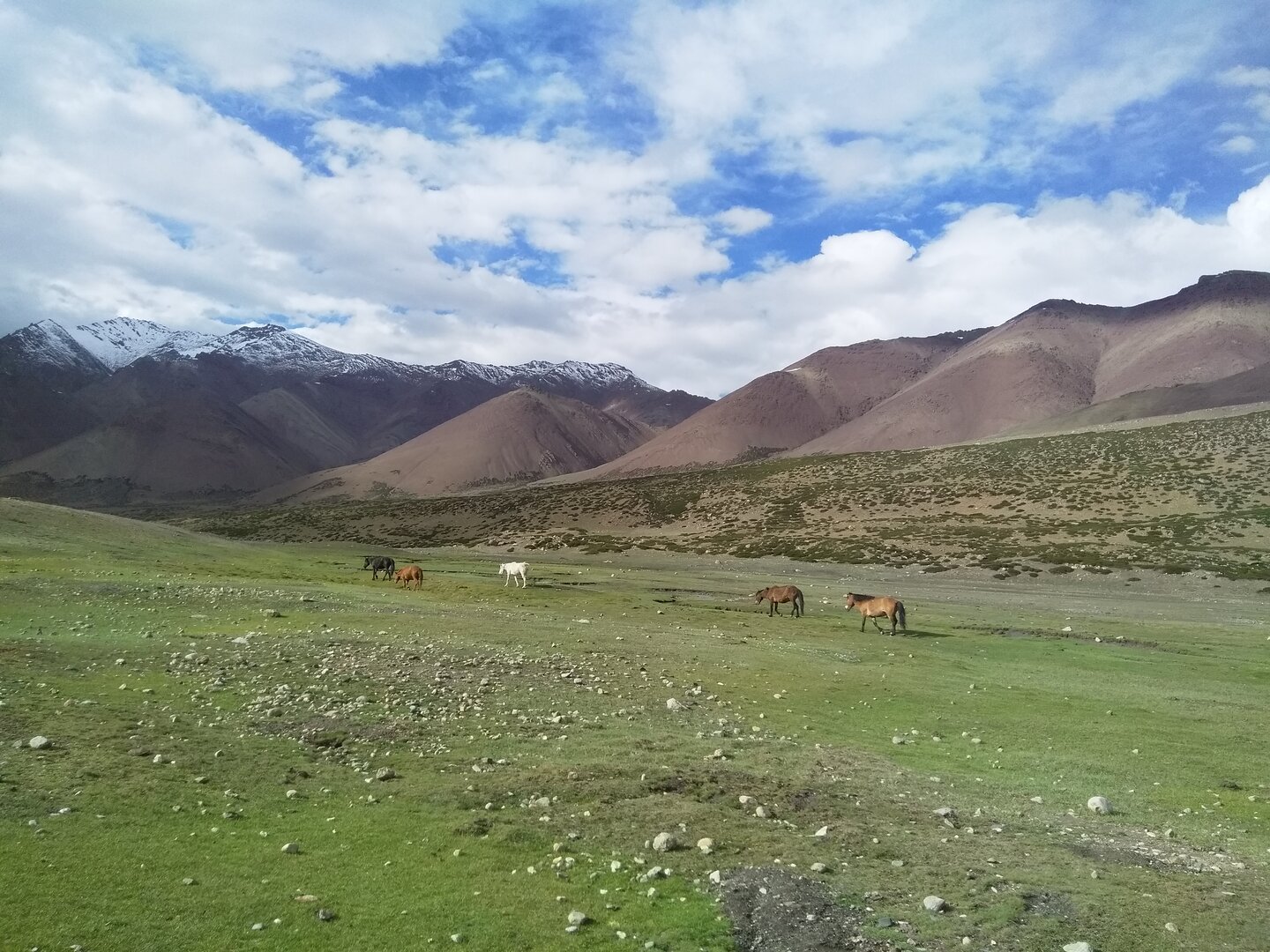
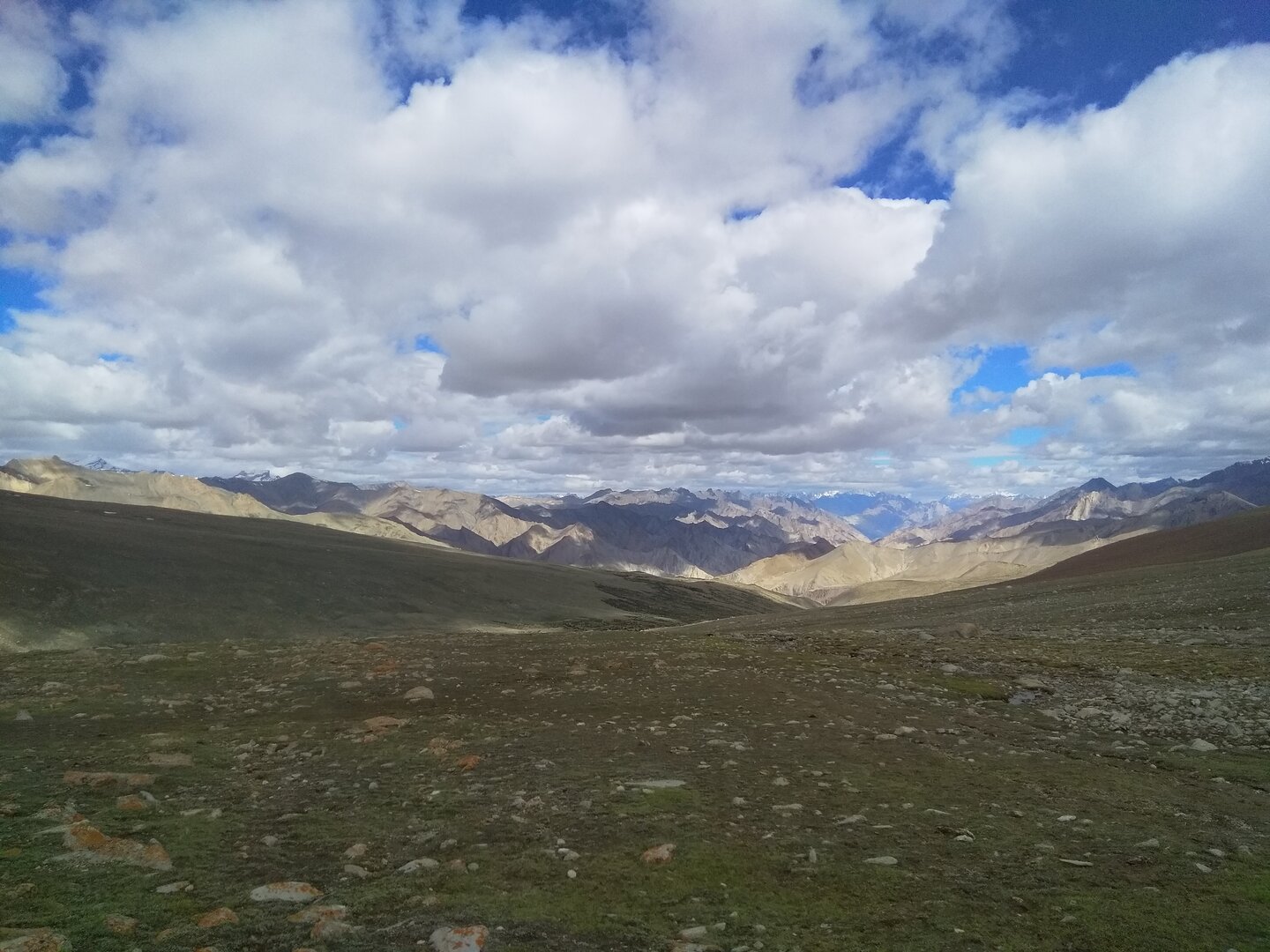
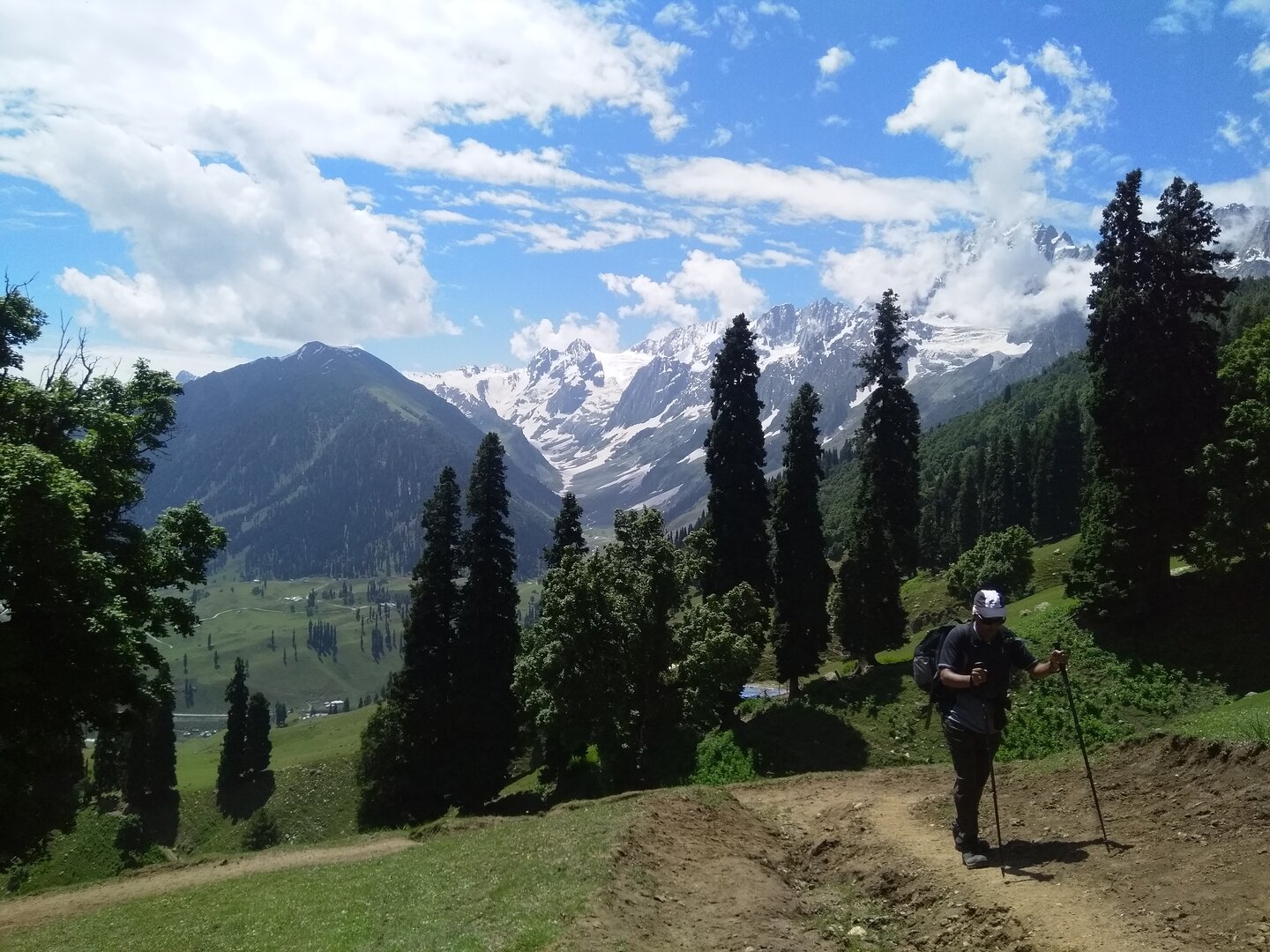
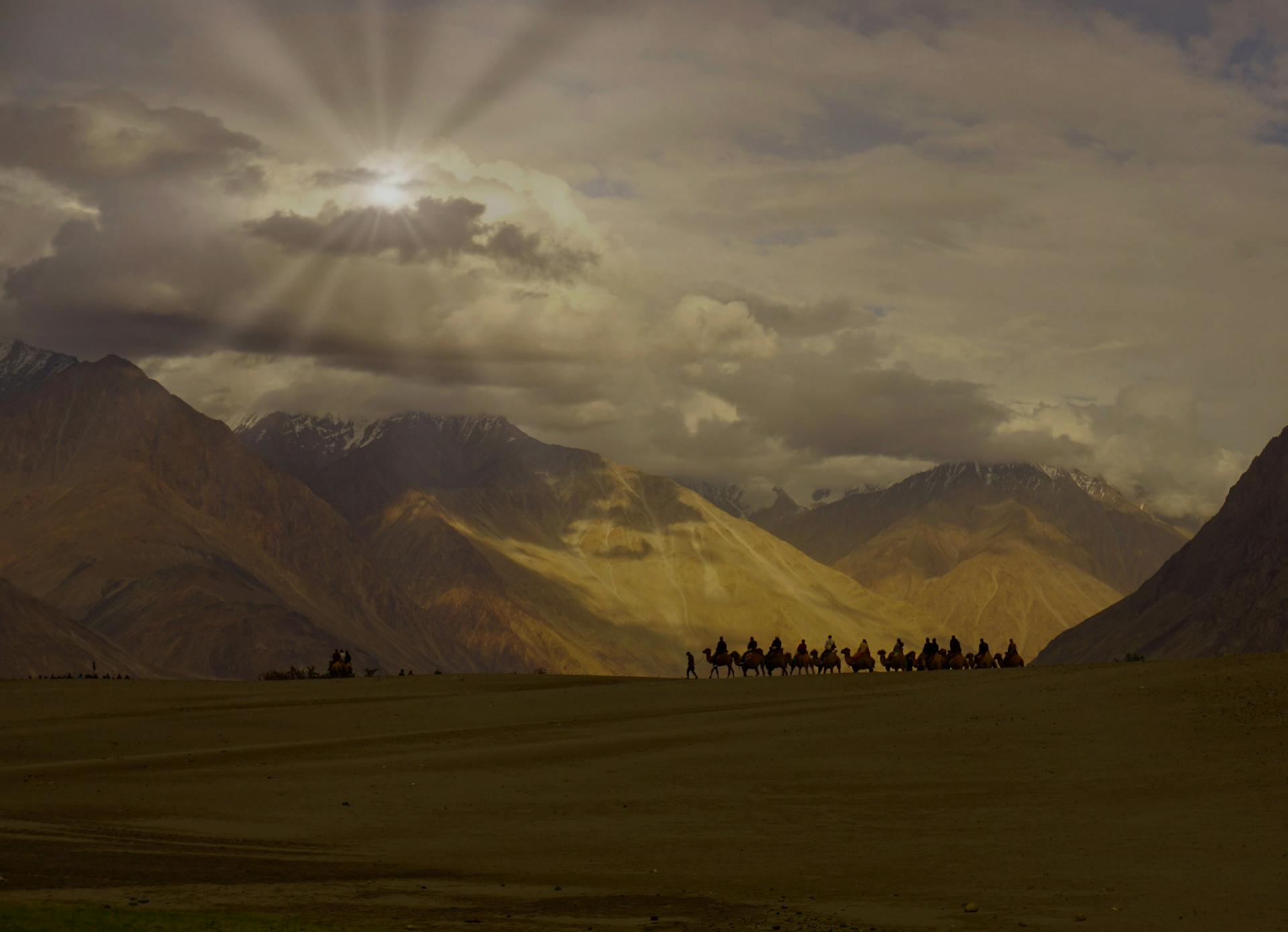
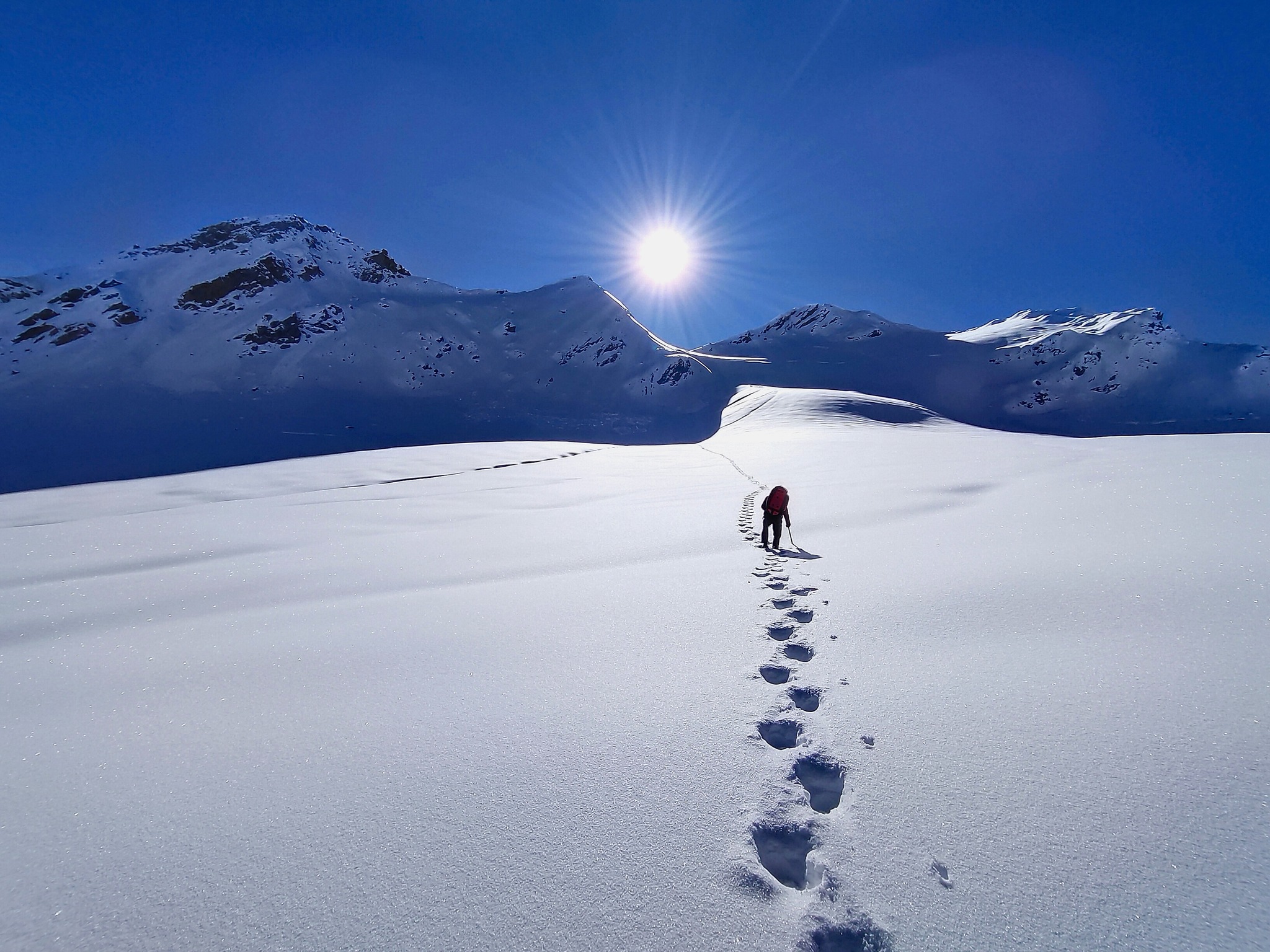
The Rumtse to Tso Moriri Trek is one of Ladakh’s most immersive journeys — a route that takes you deep into the heart of the Changthang plateau, where mountains stretch endlessly and nomadic life continues unchanged for centuries. Beginning near the village of Rumtse, not far from Leh, the trail quickly leaves roads and settlements behind, entering a world defined by silence, wind, and vast open spaces.
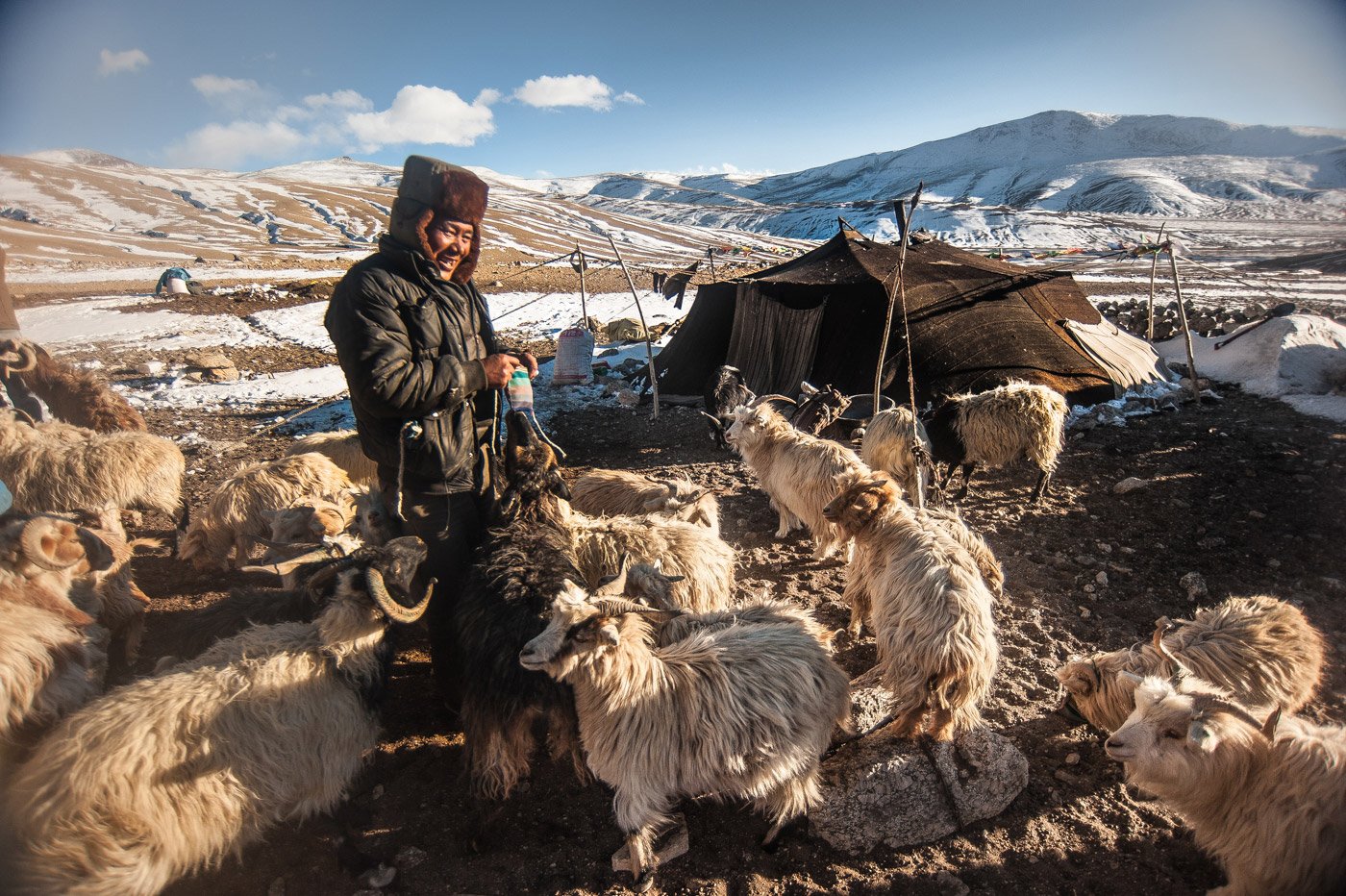
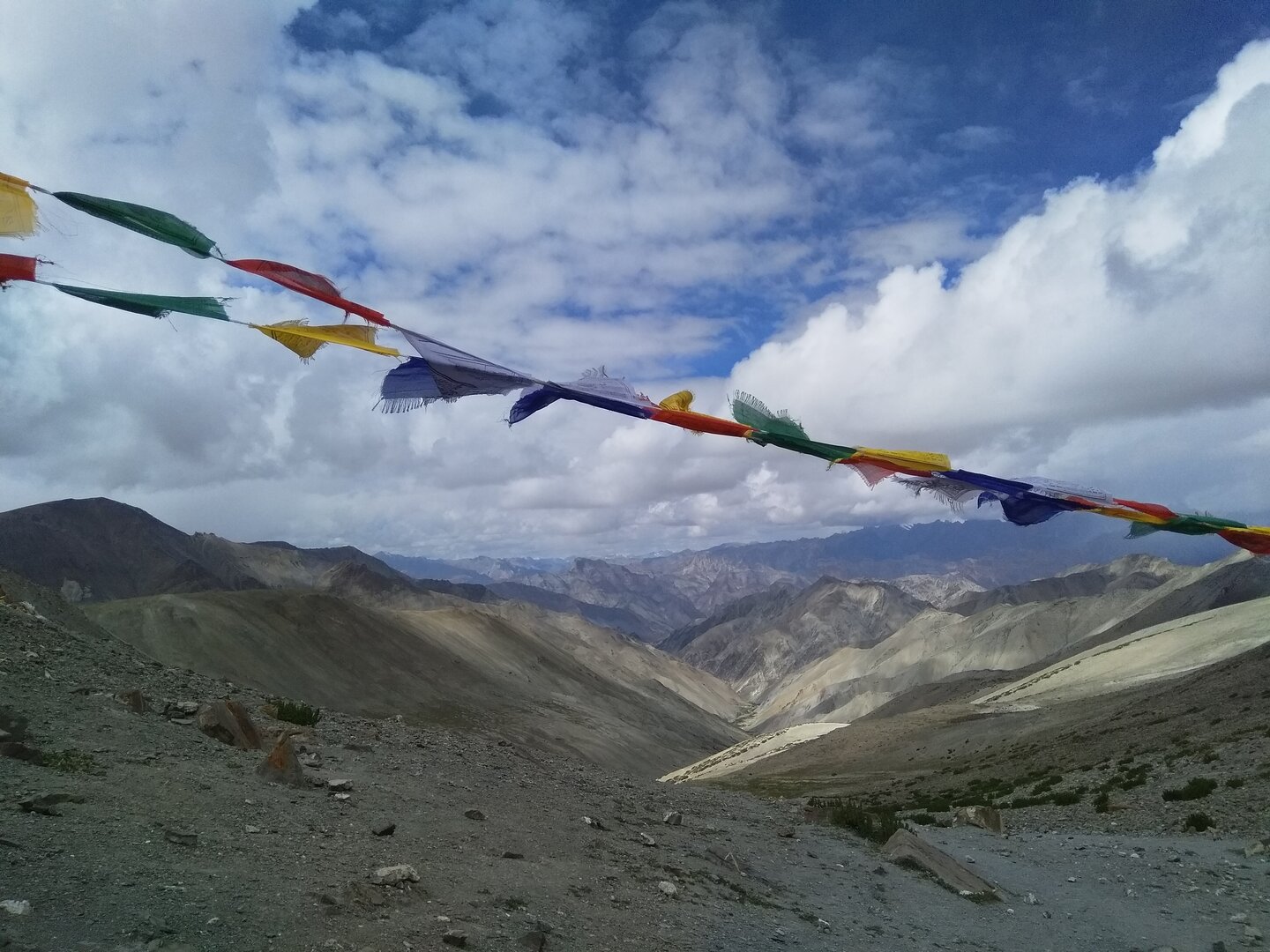
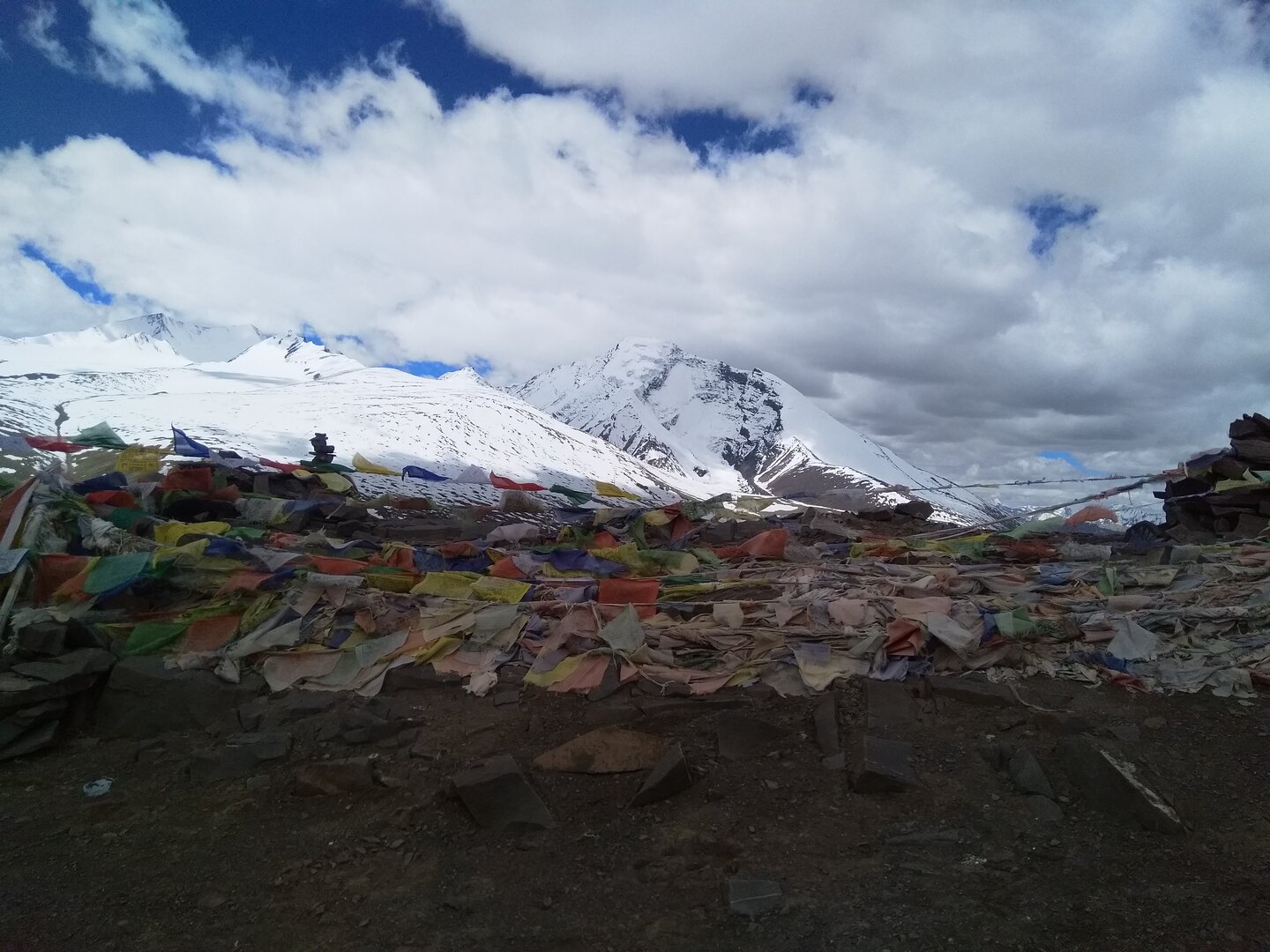
The early days unfold across wide alpine pastures grazed by yaks and pashmina goats, with distant ridgelines framing the horizon. This is Changpa land — home to one of the last surviving nomadic cultures of the Himalayas. Along the way, trekkers encounter seasonal Changpa camps, recognizable by their dark yak-hair rebo tents, stone enclosures for livestock, and prayer flags fluttering against an immense sky. These interactions offer a rare glimpse into a way of life built around migration, resilience, and harmony with the land.
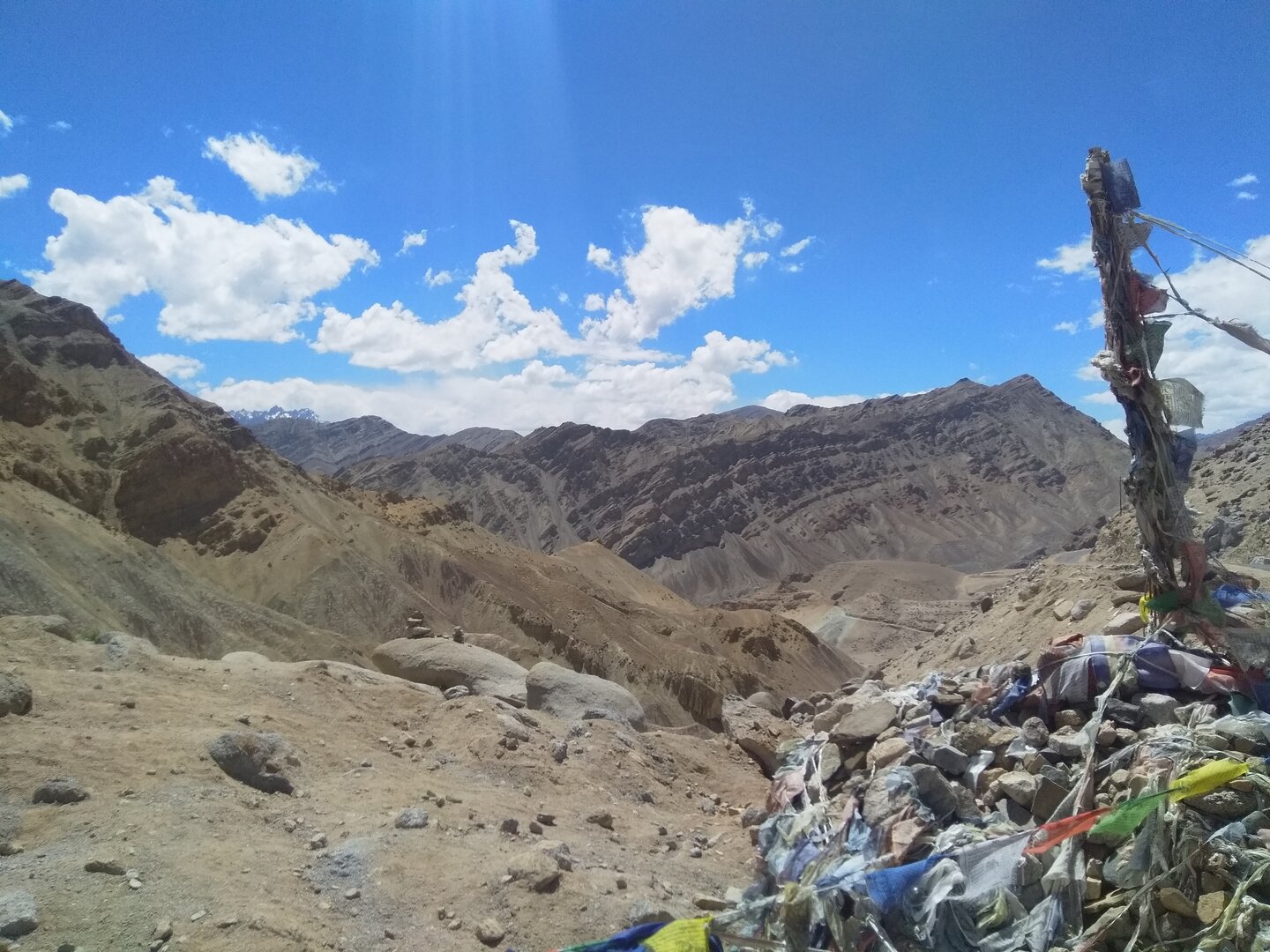
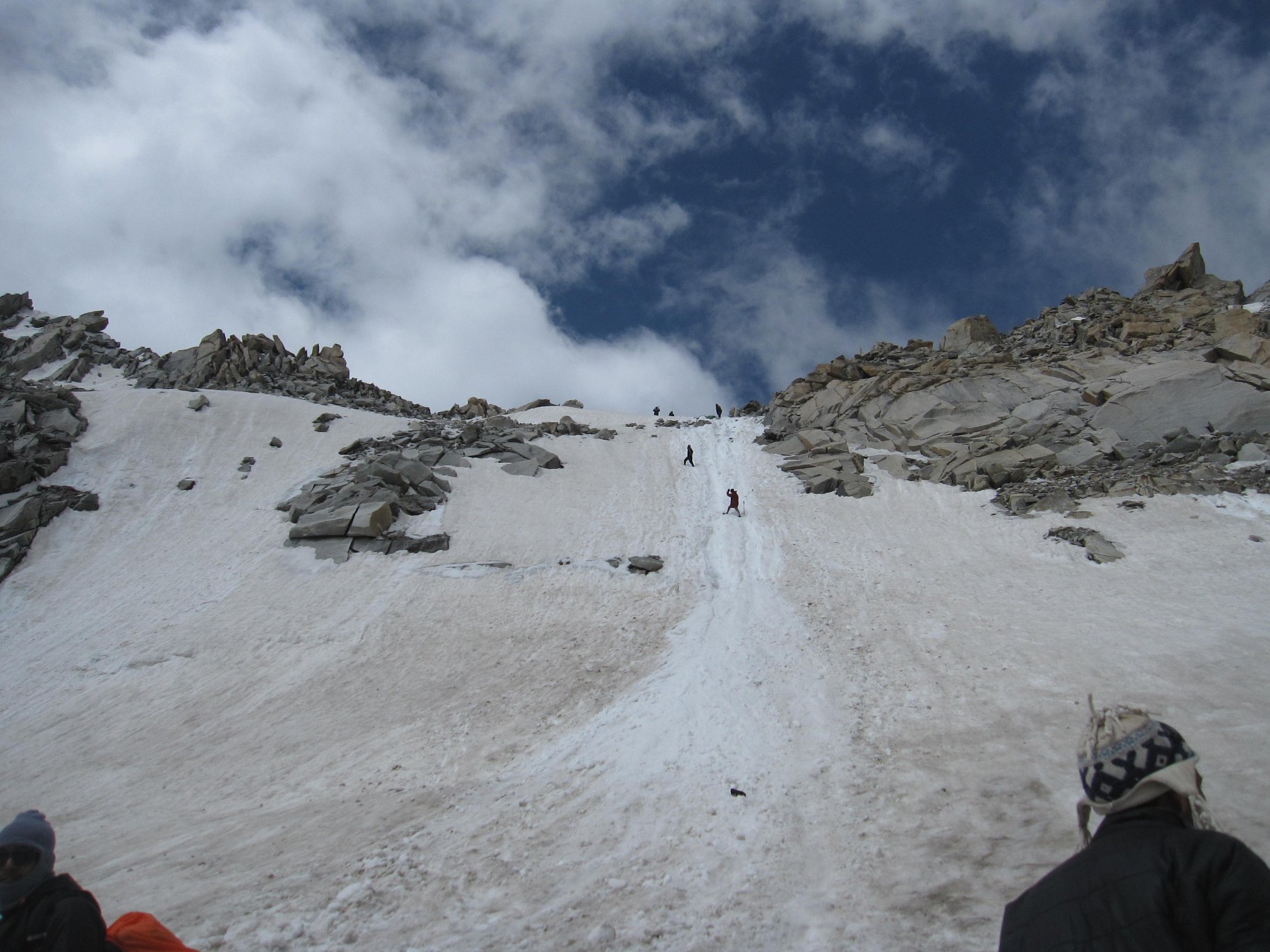
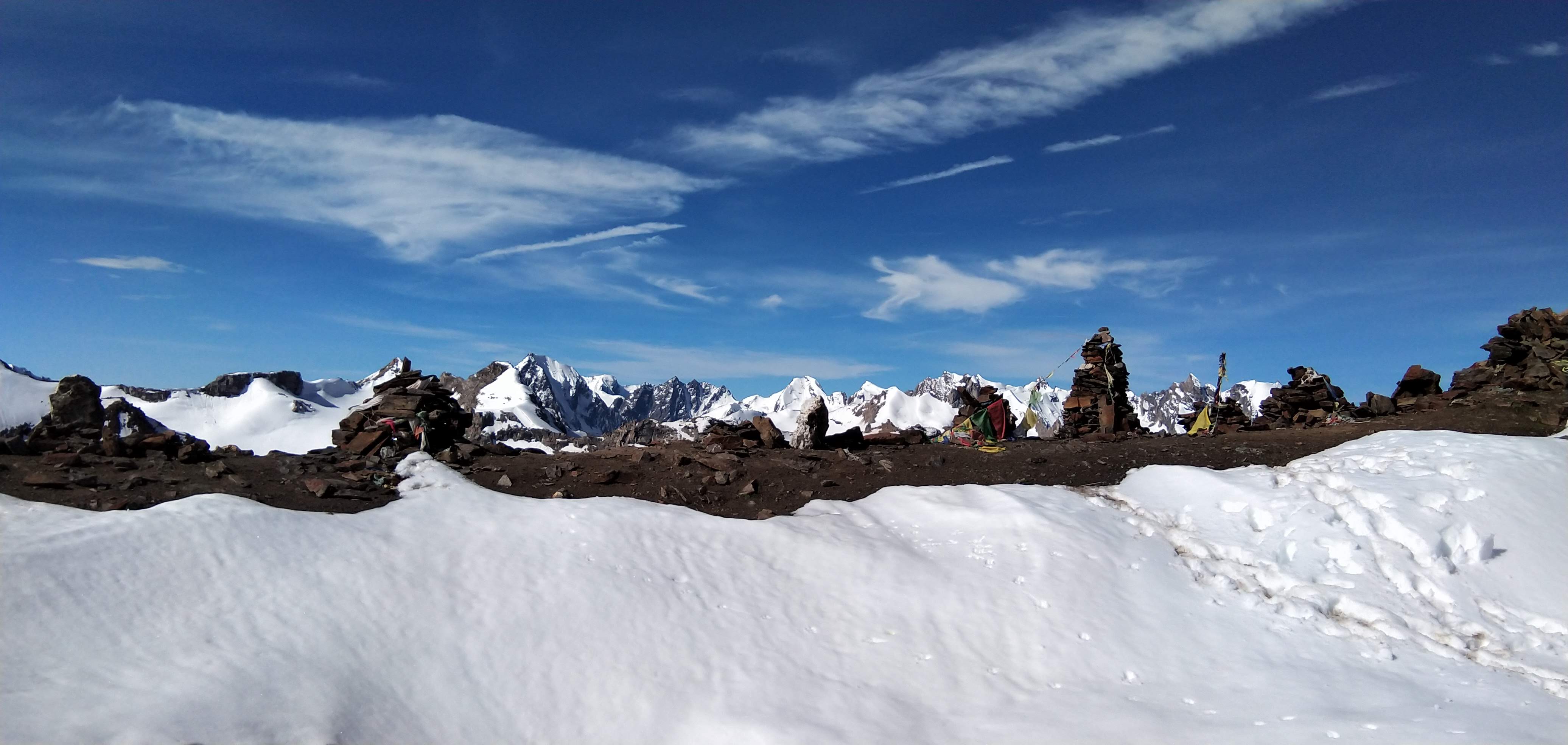
As the trek progresses, the landscape becomes increasingly dramatic. High mountain passes such as Kyamar La, Mandalchan La, and Shibuk La rise above 5,000 meters, each offering sweeping views of Ladakh’s stark beauty — ochre valleys, snow-streaked peaks, and distant salt plains stretching toward the Tibetan plateau. Despite the altitude, the terrain remains non-technical, allowing trekkers to focus on the rhythm of walking and the raw scale of the surroundings.
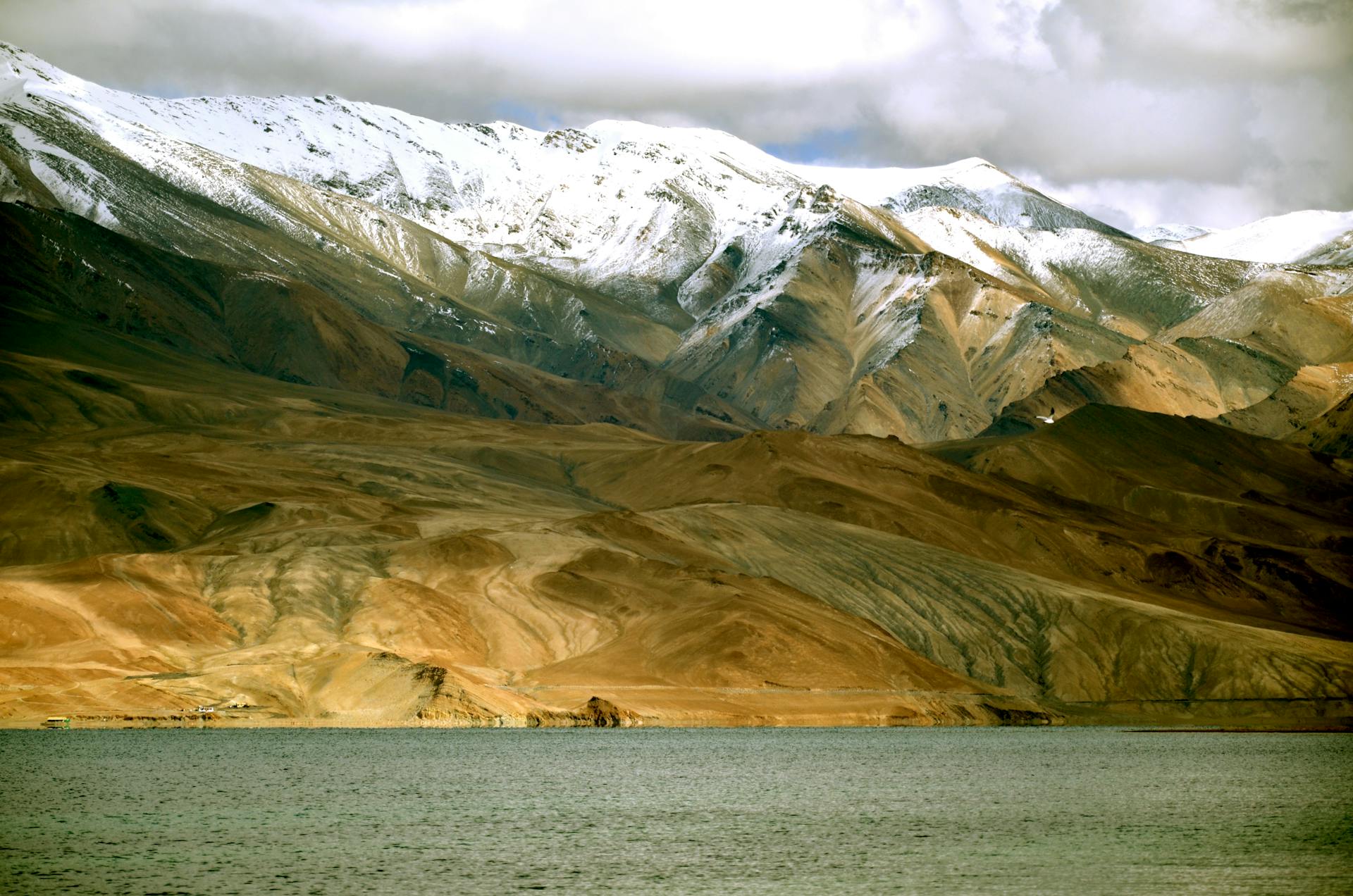
The journey culminates at the magnificent Tso Moriri Lake, a shimmering expanse of deep blue cradled by barren mountains. Sacred to the Changpas and local communities, the lake radiates a quiet, spiritual presence. Reflections of the surrounding peaks ripple across its surface, while migratory birds circle overhead, adding life to the high-altitude stillness.
This trek is not about speed or summits — it is about immersion. Long walking days, cold nights, and vast distances are balanced by profound solitude, cultural encounters, and landscapes that feel untouched by time. For trekkers seeking Ladakh beyond the familiar valleys, Rumtse to Tso Moriri is a rare and unforgettable Himalayan experience.
Read More

Highlights

✅ Journey deep into the Changthang Plateau, one of Ladakh’s most remote and untouched high-altitude landscapes

✅ Cross multiple high mountain passes including Kyamar La (17,800 ft), offering vast views of the Rupshu plains

✅ Experience the nomadic lifestyle of the Changpa people, encountering yak herders and traditional tented settlements

✅ Walk through wide alpine valleys, salt flats, and turquoise streams that feel worlds away from civilization

✅ End the trek at the breathtaking Tso Moriri Lake, a sacred high-altitude wetland surrounded by snow-capped peaks

Itinerary

?
Arrive in Leh by air or road and check in to your hotel or guesthouse. Leh sits at an altitude of 11,500 ft, and sudden exposure to this height requires immediate rest. The entire day is reserved for acclimatization—avoid exertion, long walks, or climbing viewpoints. Spend time hydrating well, eating light meals, and allowing your body to adjust. In the evening, you may take a slow walk around Leh Market, observing local life and picking up any last-minute essentials. A mandatory reporting and briefing session is conducted where trek leaders explain the route, safety protocols, altitude precautions, and gear checks. An easy, restful first day is critical for preparing your body for the demanding high-altitude terrain ahead.
This acclimatization day plays a decisive role in how your body performs on the trek. Begin the day with a slow morning and a short walk to stimulate blood circulation without strain. You may explore nearby cultural landmarks such as Shey Palace, Thiksey Monastery, Hemis Monastery, and the Sangam viewpoint where the Indus and Zanskar rivers merge. Thiksey Gompa, perched dramatically on a hill, offers panoramic views and deep insight into Ladakhi Buddhist traditions. Avoid gaining excessive altitude or visiting high passes today. Spend time in Leh Market browsing for souvenirs like prayer flags, pashmina shawls, handcrafted silver jewelry, and Tibetan artefacts. Food to try includes thukpa, momos, skyu, butter tea, and apricot-based products. Eat light, avoid alcohol, stay well hydrated, and rest early—your body should feel comfortable and stable before heading into the remote Changthang region.
Drive from Leh to the picturesque village of Rumtse along the Leh–Manali highway, following the Indus River through wide valleys and stark mountain terrain. Rumtse marks the entry point into the Changthang plateau. From here, the trail leaves the highway, crossing a stream before opening into vast valleys characteristic of Changthang’s raw landscapes. The trek today is relatively easy with a gentle ascent, making it ideal for easing into the journey. Walk alongside a winding river, through green patches dotted with alpine flowers contrasting against rugged brown terrain. Water is available from streams along the route. Wildlife sightings may include marmots and high-altitude birds. Kyamar campsite lies in an open valley with wave-like mountain formations surrounding you. Overnight in tents.
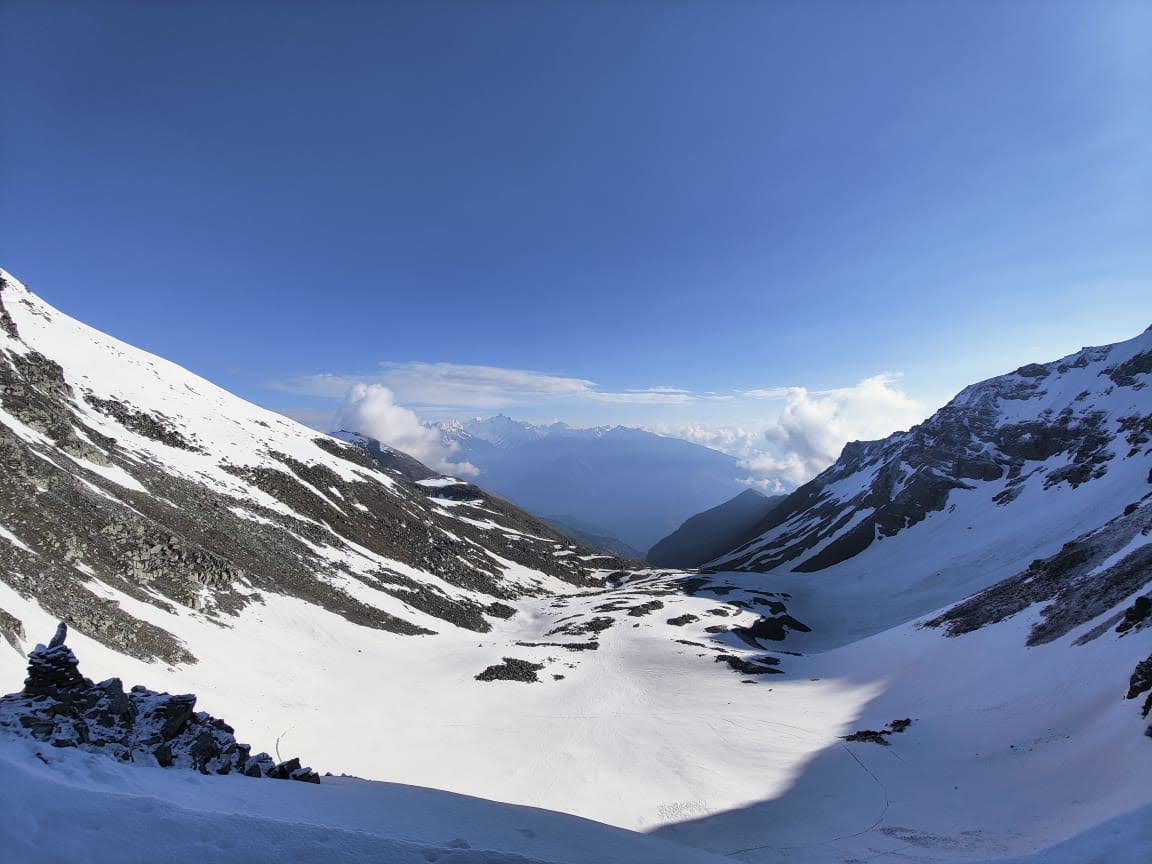
This is a physically demanding day involving two high passes and a significant altitude gain. The trail climbs gradually toward Kyamar La through arid, desert-like terrain marked by colorful mineral-rich mountains. From the pass, you are rewarded with distant views of the Kang Yatse massif and surrounding snow-clad peaks. Descend into a broad valley before ascending again toward Mandalchan La, the second pass of the day. After crossing the pass, the landscape opens dramatically into the vast Changthang valley, revealing its unique, otherworldly topography. Cross a stream before reaching the expansive Tisaling campsite. Blue sheep and Tibetan wild asses are often spotted here. Water is available near camps but should be purified. Move slowly, watch for AMS symptoms, and layer clothing properly as winds can be strong. Overnight in tents.
Climb steadily toward Shibuk La, the third pass of the trek and one of its most scenic. The ascent is gradual but sustained. From the top, the Rupshu plateau unfolds below—a vast, open expanse that defines Changthang’s scale and isolation. Descend gradually, followed by long flat sections leading toward Tso Kar, the famous saltwater lake known as the White Lake. The terrain transitions from green grasslands to wide, arid plains. Nomadic Changpa camps may be visible in the distance with grazing yaks and pashmina goats. Engage respectfully—observe daily routines, greet warmly, and avoid intrusive photography. Learn about their seasonal migration patterns and sustainable high-altitude living. Camp near Tso Kar. Overnight in tents.
Today’s walk is long but relatively easy, following the shores of Tso Kar and Startsapuk Tso. The trail is mostly flat with minor undulations, offering constant views of shimmering lakes and vast plains. Water sources are scarce along the trail—carry sufficient water from camp. Nomadic settlements are occasionally visible, and this region provides excellent insight into Changpa pastoral life. You may see herds of kiang (wild asses), marmots, and migratory birds. A cold river crossing near Nuruchan requires caution—cross slowly, preferably in sandals, and keep essentials dry. Reach the Nuruchan campsite by evening. Overnight in tents.
This day takes you deeper into the Changthang heartland. The trail ascends gradually alongside a meandering river with snow-covered peaks rising on either side. Weather can change rapidly—carry rain protection and warm layers. After a steady climb and descent, reach the nomadic settlement of Rajun Karu, where Changpa families, yaks, horses, and pashmina goats are commonly seen. Engage respectfully, learn about their wool trade, and observe their harmony with the harsh environment. The trail then ascends to Kyamayuri La, the fourth and taxing pass of the trek, followed by a long descent to Gyamar Barma—arguably the most scenic campsite of the journey. Expect strong winds here. Overnight in tents.
The shortest trekking day but involving the steepest climb. Cross the river near camp and begin the sharp ascent toward Kartse La, the fifth pass of the trek. Midway, turn back for breathtaking views of Gyamar Barma valley—grazing animals, winding rivers, and nomadic camps create a living landscape. From the pass, descend gradually into Gyamar, a valley rich in streams and water sources. Wildlife sightings are common here. Take the afternoon to rest and recover. Overnight in tents.
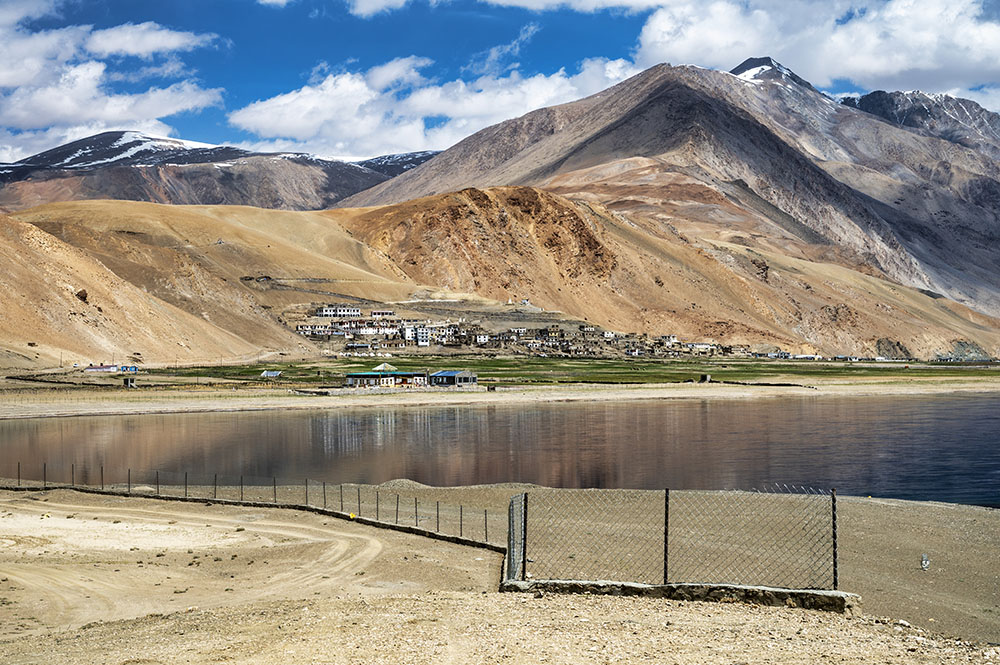
This is the longest and most challenging day of the trek. Begin with a long gradual ascent following a river through jagged mountain terrain toward Yalung Nyau La, the sixth and final pass. Multiple river crossings are involved—move carefully and follow instructions. From the pass, the first view of the deep-blue Tso Moriri Lake unfolds dramatically below, offering an unforgettable moment. Descend steeply at first, then gradually flatten out as you approach Karzok village. Walk along the shores of the freshwater lake and absorb the tranquility of this sacred landscape. Overnight in a homestay at Karzok.
Depart early from Karzok for the long drive back to Leh via Mahe Bridge and Chumathang. The route transitions from high plateaus to river valleys and geothermal landscapes. Reach Leh by evening, marking the end of an extraordinary journey across Ladakh’s remote Changthang plateau and the living world of the Changpa nomads.

Packing list

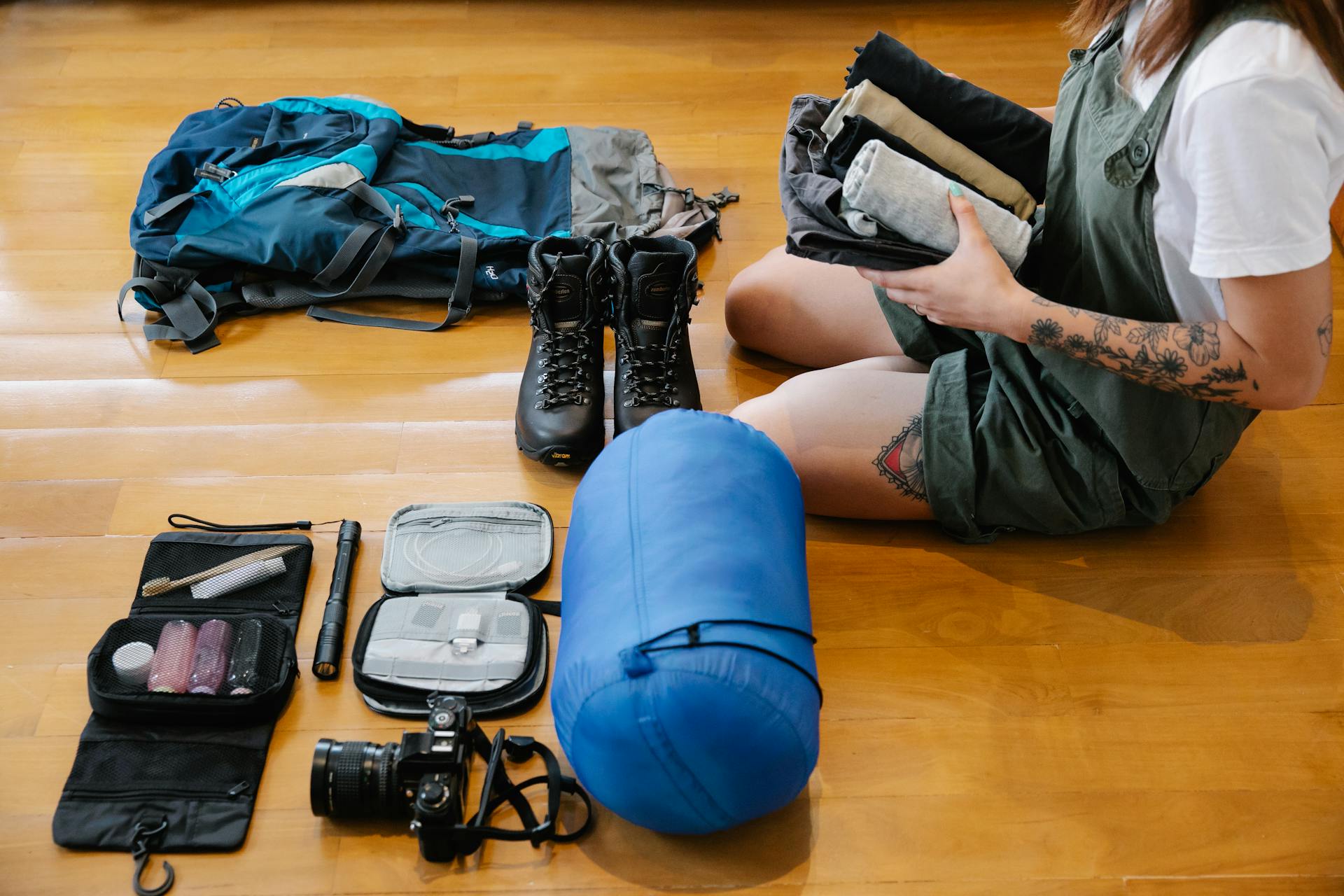
For a comprehensive packing list, download the PDF below: Download Packing List

Did you know?

The Changpas migrate seasonally across vast distances.
Their entire lifestyle revolves around grazing cycles for pashmina goats, often covering hundreds of kilometers each year.
Tso Moriri is considered sacred by local communities.
Swimming or disturbing the lake is traditionally discouraged due to its spiritual significance.
Pashmina wool comes from a specific breed of Changthangi goats.
The extreme cold of Changthang produces the world’s finest cashmere.
The plateau is part of a trans-Himalayan ecosystem.
Its landscape is closer to Tibet than mainland India, both culturally and geographically.

Map

How to reach

✈️ Air: Nearest Airport: Kushok Bakula Rimpochee Airport, Leh (well connected to Delhi and major Indian cities).

🚆 Train: No direct trains. Nearest station: Jammu Tawi (approx. 700 km). Continue by road or flight to Leh.

🛣️ Road: From Manali: 470 km / 2 days via Manali–Leh Highway. From Srinagar: 420 km / 2 days via Srinagar–Leh Highway.

🗺️ Travel Tip: Arrive in Leh at least 2 days before the trek for proper acclimatization to avoid altitude sickness.

TrekFAQs

  • This trek is ideal for fit trekkers with prior high-altitude trekking experience. Beginners are not recommended due to altitude and remoteness.
  • Yes. Foreign nationals require Inner Line Permits, which are arranged by the trek operator.
  • Yes. Pack animals are used for common gear, and personal offloading can be arranged at extra cost.
  • Day temperatures range between 10–18°C, while nights can drop to -5°C or lower at higher camps.
  • Network is extremely limited. You may get signal in Leh and occasionally near Korzok village, but most of the trek is completely off-grid.

Similar Treks

View of Markha Valley Trek trek moderate, difficult

Markha Valley Trek

7 Nights / 7 Days
ladakh
View of Nubra Valley Trek trek moderate, difficult

Nubra Valley Trek

8 Nights / 8 Days
ladakh
View of Kashmir Great Lakes Trek trek moderate, difficult

Kashmir Great Lakes Trek

5 Nights / 6 Days
kashmir
View of Pin Parvati Pass Trek trek difficult

Pin Parvati Pass Trek

10 Nights / 10 Days +1 Buffer Day
himachal pradesh
View of Buran Ghati Trek trek moderate, difficult

Buran Ghati Trek

6 Nights / 7 Days
himachal pradesh
View of Bali Pass Trek trek difficult

Bali Pass Trek

7 Nights / 8 Days
uttarakhand-garhwal
View of Pin Bhaba Pass Trek trek difficult

Pin Bhaba Pass Trek

6 Nights / 6 Days
himachal pradesh
View of Deo Tibba Base Camp Trek trek moderate, difficult

Deo Tibba Base Camp Trek

5 Nights / 6 Days
himachal pradesh

How Our Treks Are More Than Just a Trek

Every journey with us is carefully crafted for a deeply personal mountain experience.

Not Just a Trek — A Journey That Stays With You

Every trail we walk is a carefully chosen path into the heart of the Himalayas — not just to witness their grandeur, but to feel them under your skin and soul. Our treks are designed not as bucket list checkmarks, but as life-affirming journeys. At Planethimalayas, we believe a mountain journey is deeply personal — and that belief runs through everything we do.

Individual Care, Every Step of the Way

We keep our groups small and intimate so we can focus on you — your pace, your concerns, your joy. From pre-trek guidance to trail-side support, our leaders walk with intention, offering safety and attention without intrusion. It’s this deep care that turns strangers into friends and walks into memories.

Built on Genuine Love for the Himalayas

We don’t just operate in the Himalayas — we live and breathe them. From respecting mountain communities to following Leave No Trace ethics, our treks are shaped by humility and care. With Planethimalayas, your trek becomes a way of giving back to the mountains that give us so much.

Why Choose Us

Experience the difference of trekking with genuine mountain experts who truly care.

Trek Leader & Guide

Led by certified mountaineers with wilderness first aid training, ensuring your safety and confidence at every step.

Cook & Support Staff

Our mountain crew comprises local experts who bring unmatched experience, warmth, and deep knowledge of the region.

Small Group Size

We cap our group departures at just 8 trekkers — ensuring individual attention, deeper connections, and better trail discipline.

Safety Standards

From personal well-being to technical preparedness, we maintain the highest safety standards — using certified high-altitude gear and comprehensive safety protocols to ensure a secure and reliable Himalayan experience.

24×7 Online Support

We're always available — before, during, or after your trek. Reach out anytime, and you'll always hear back from a real human.

We Care for the Mountains

We strictly follow Leave No Trace ethics. Limited group sizes and mindful practices help protect the fragile Himalayan ecosystem.